
Designer Mixes
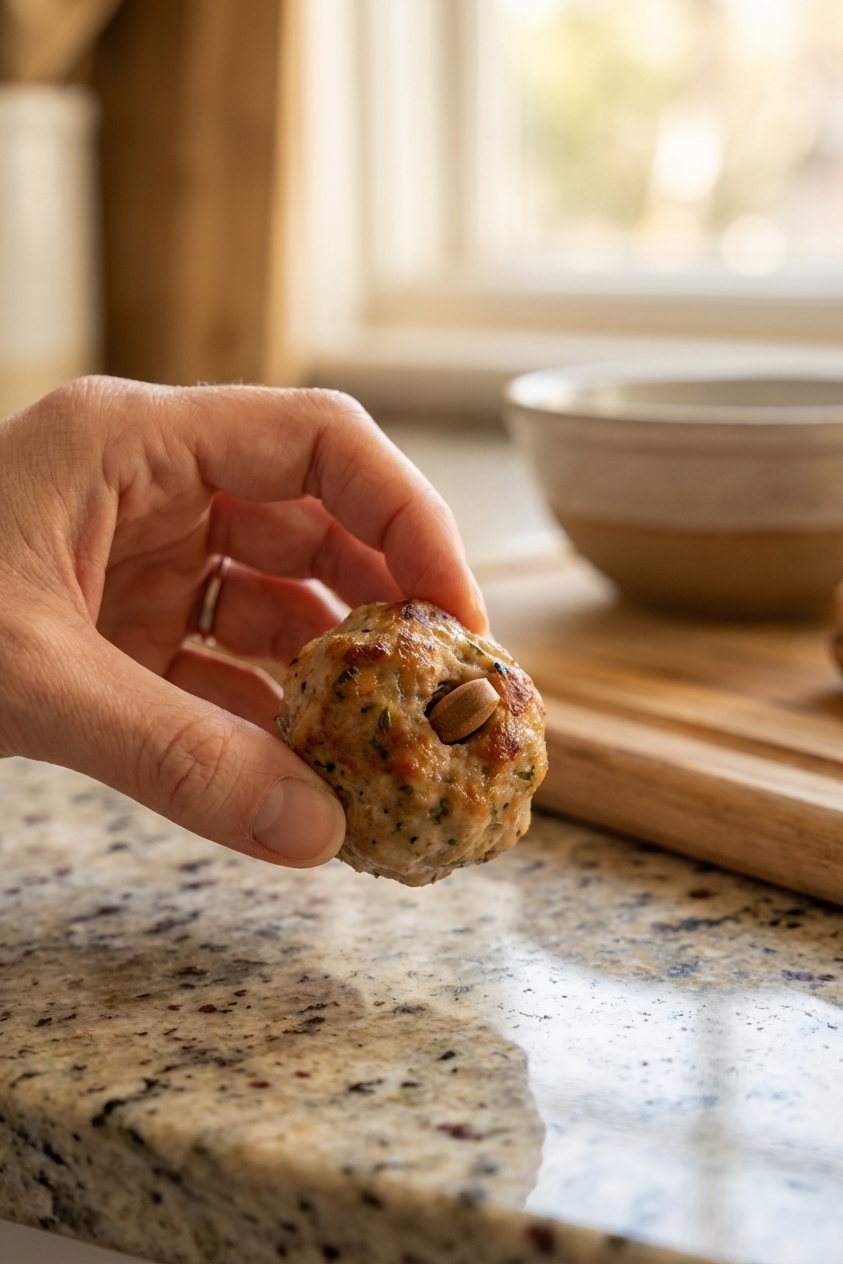
Homemade Pill Pocket Ideas for Dogs
If your dog can sniff out a pill from across the kitchen, you are not alone. In my work as a veterinary assistant here in Frisco, Texas, I have seen plenty of clever pups who can eat the treat and spit out the medicine like a tiny magician. The good news is you do not need store-bought pill pockets...
Read more →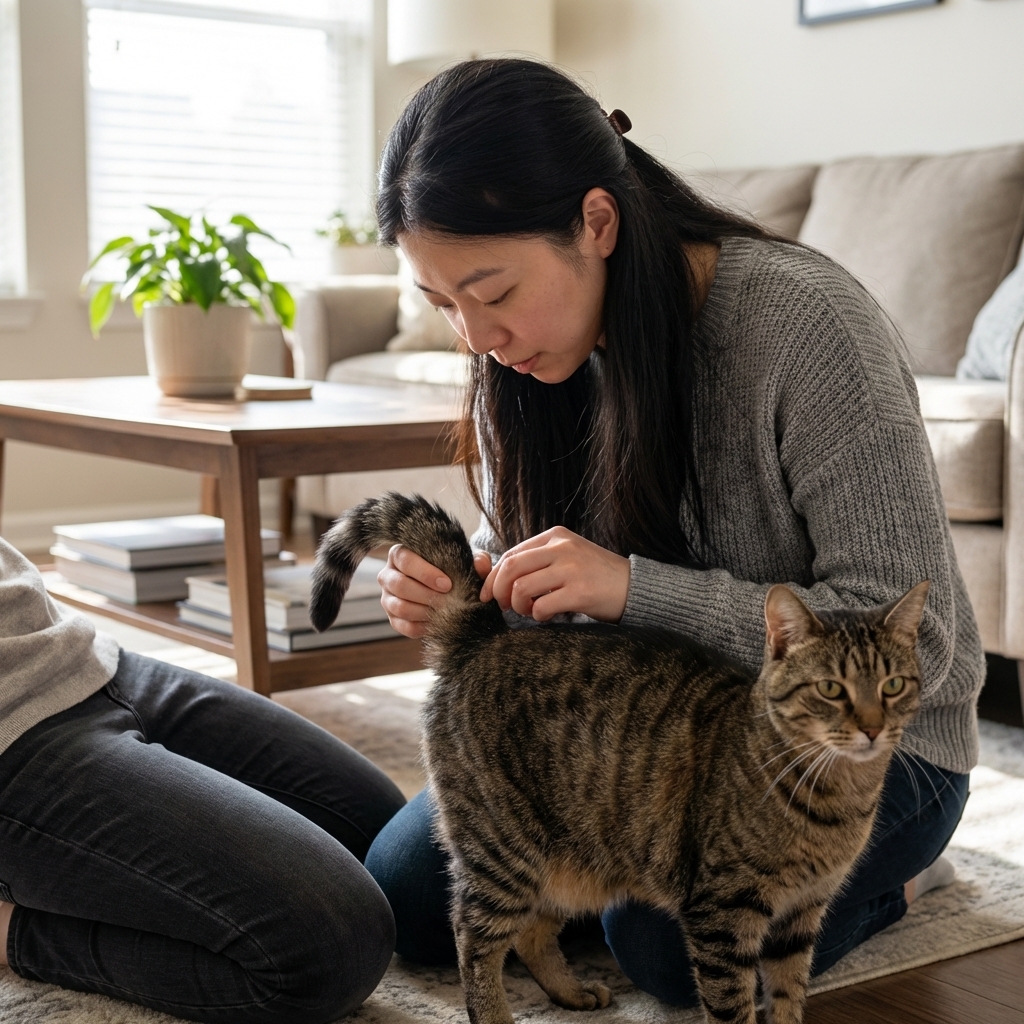
Stud Tail in Cats
If you have ever scratched your cat right above the tail and noticed your fingers came away oily, or you spotted a dark, waxy patch that just will not brush out, you may be dealing with stud tail . The good news is that many cases improve with the right hygiene routine and a little patience. The...
Read more →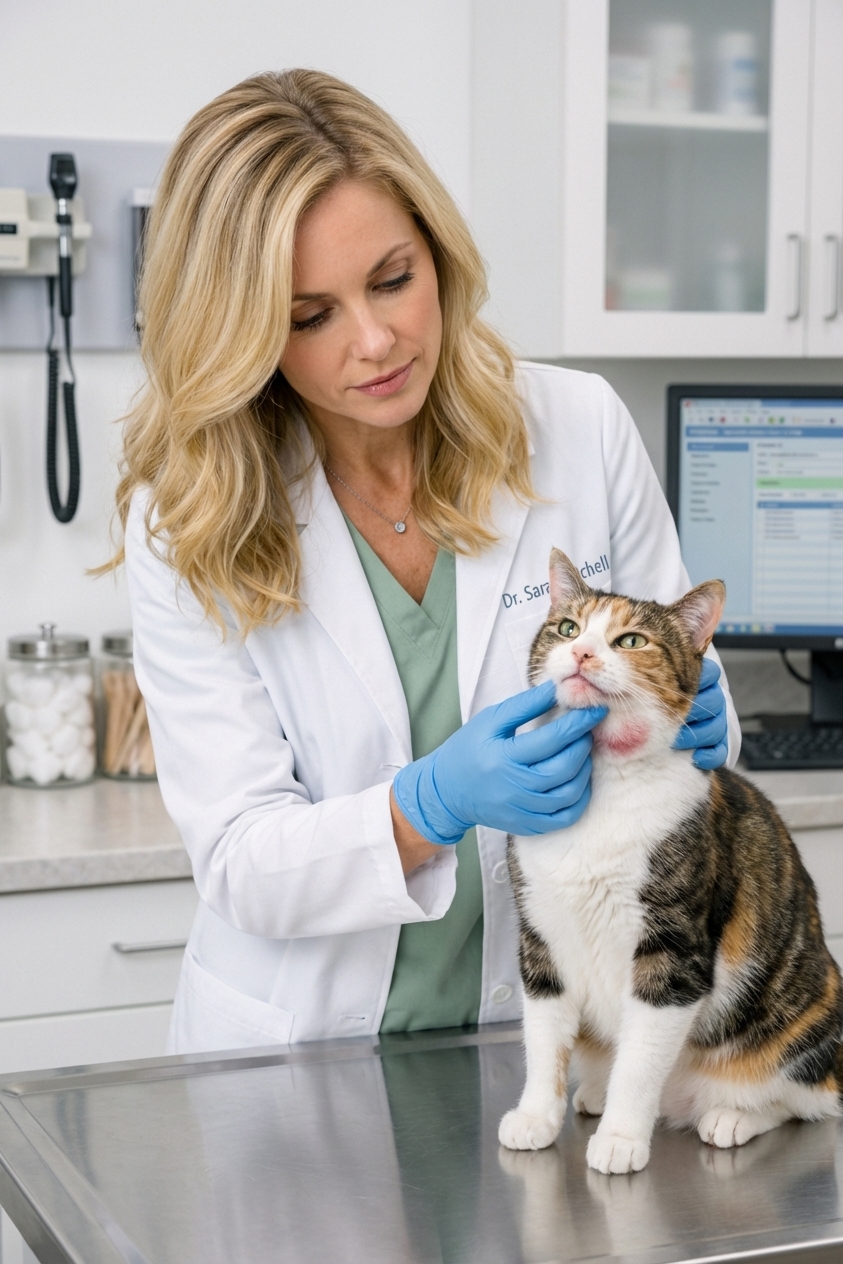
Eosinophilic Granuloma Complex in Cats
If your cat has a stubborn sore on the lip, an angry-looking patch on the belly, or a swollen chin that will not go away, it is easy to assume it is acne, a scratch, or a spider bite. One possible cause is Eosinophilic Granuloma Complex , often shortened to EGC . It is also commonly mistaken for...
Read more →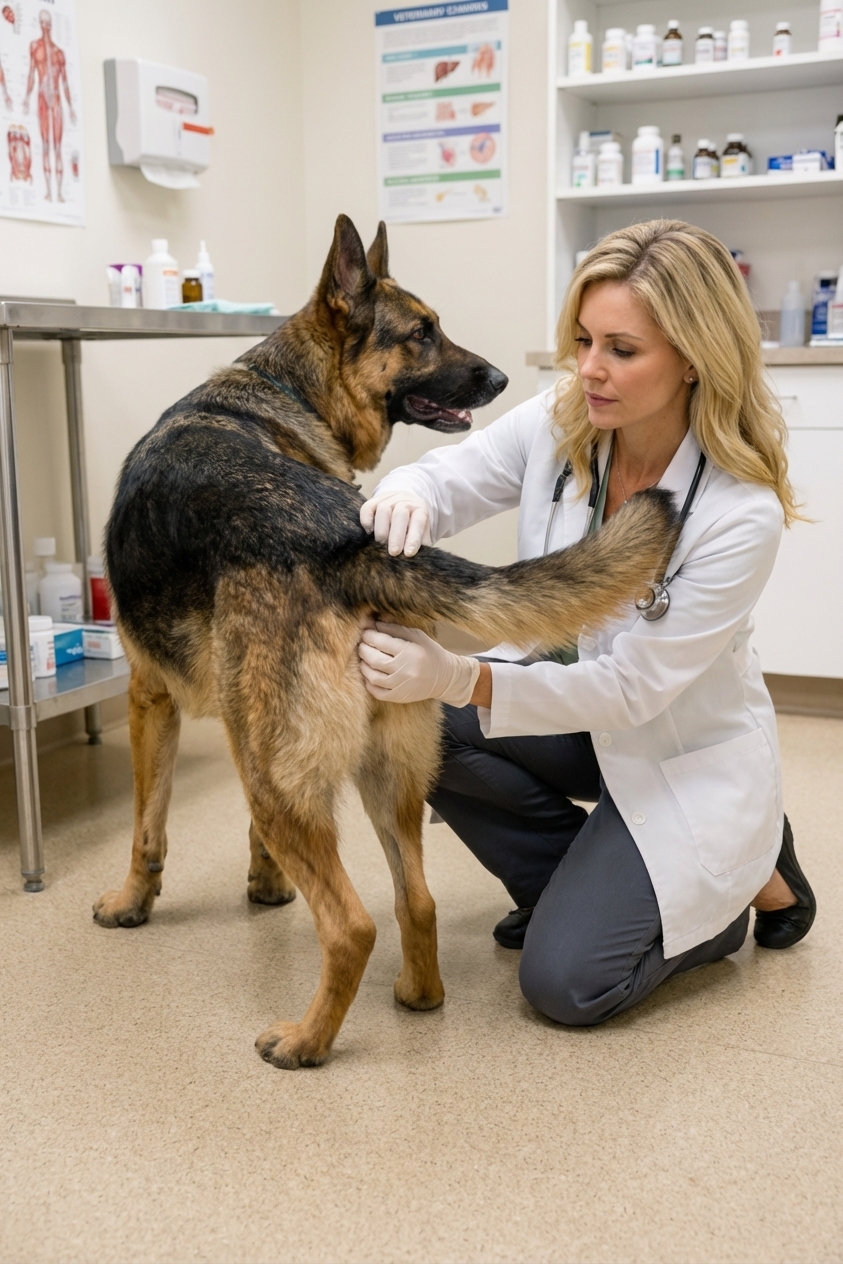
Perianal Fistula in Dogs: Breeds at Risk, Symptoms, and Treatment
Perianal fistula, often referred to as anal furunculosis , is one of those conditions that can sneak up on families because it starts as “just some licking” or a little staining under the tail. In everyday veterinary use, you will hear both terms used for the same painful disease process. But...
Read more →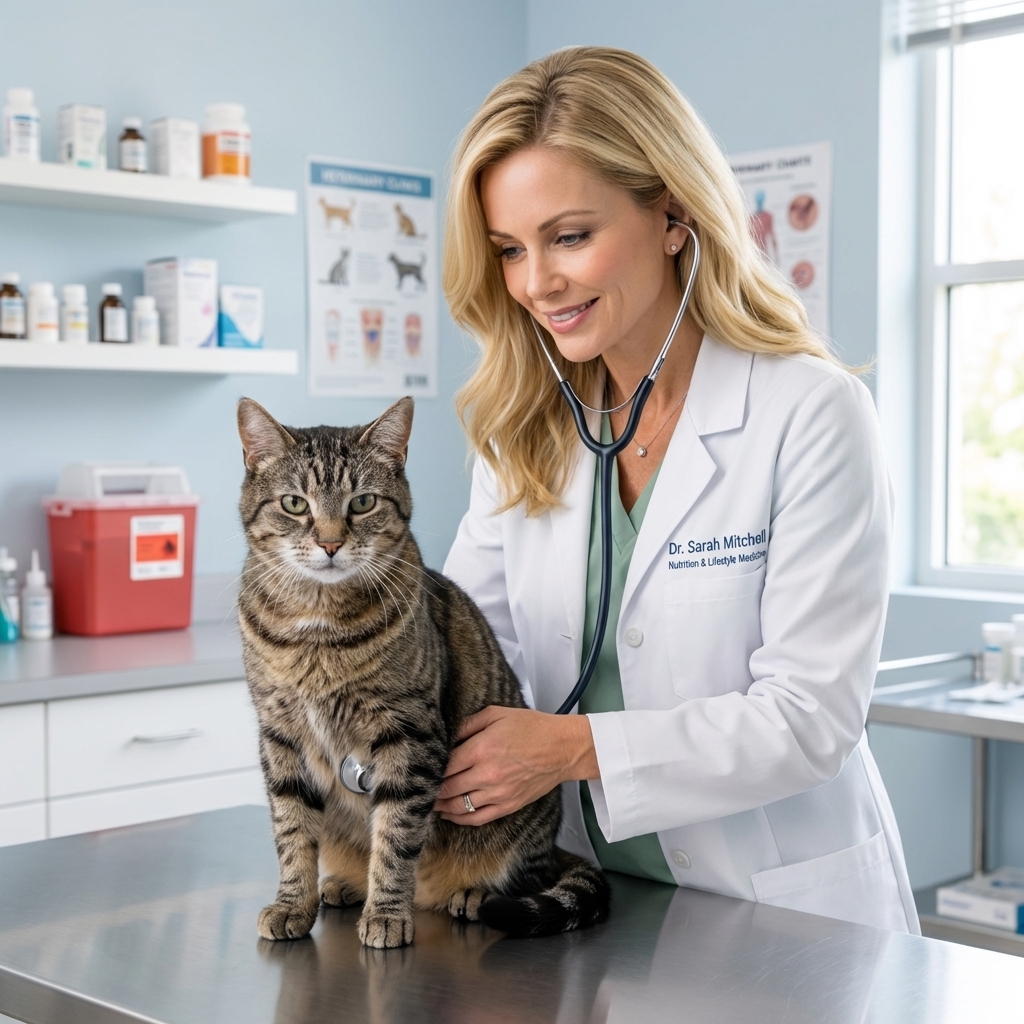
Hypothyroidism in Cats: Signs, Testing, and Treatment
If you have ever searched “thyroid problems in cats,” you probably noticed that most articles focus on hyperthyroidism . That makes sense because hyperthyroidism is one of the most common hormone disorders in older cats. Hypothyroidism , on the other hand, is rare in cats. It does happen, but it is...
Read more →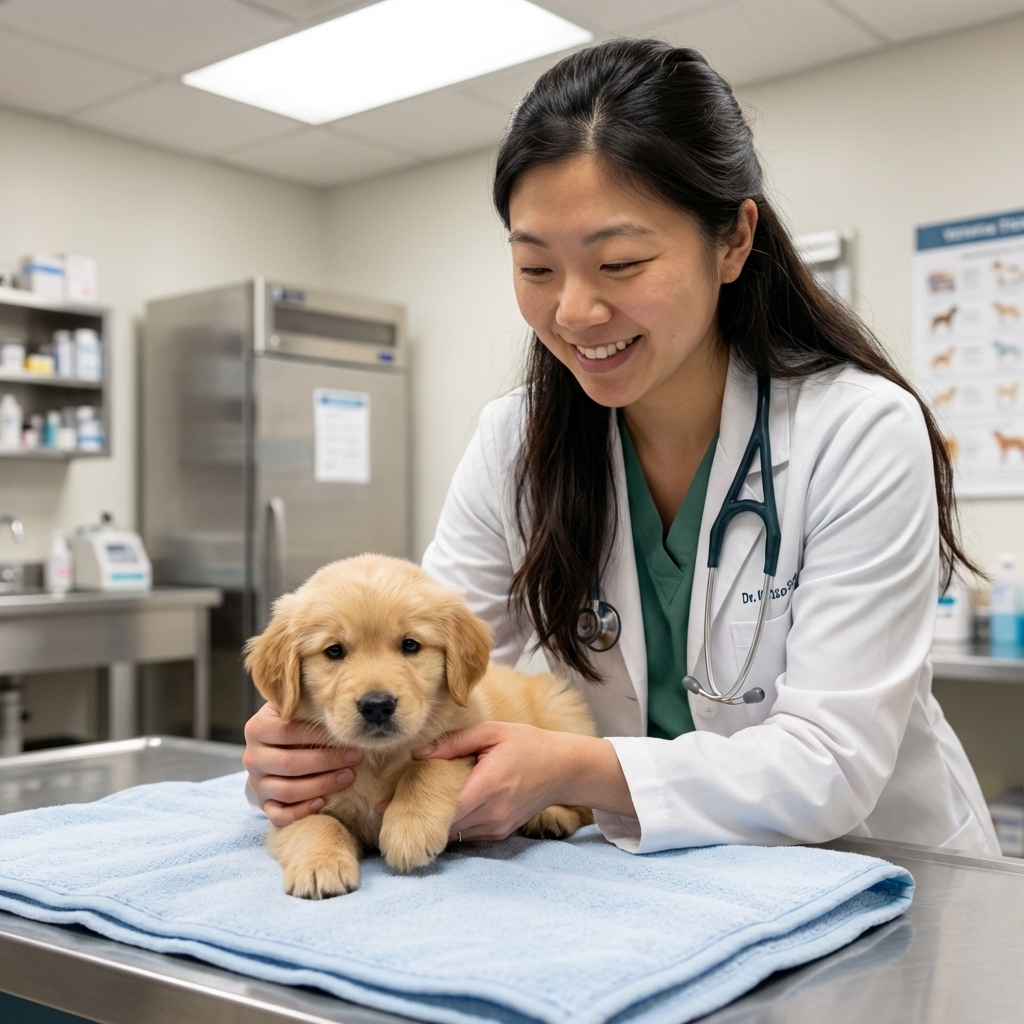
Swimmer Puppy Syndrome: Exercises, Bracing, and Timelines
Swimmer Puppy Syndrome can look scary the first time you see it. A puppy that should be toddling around instead lies flat, paddles, and seems unable to get their feet under their body. The encouraging news is that many affected puppies improve dramatically with early intervention , better traction...
Read more →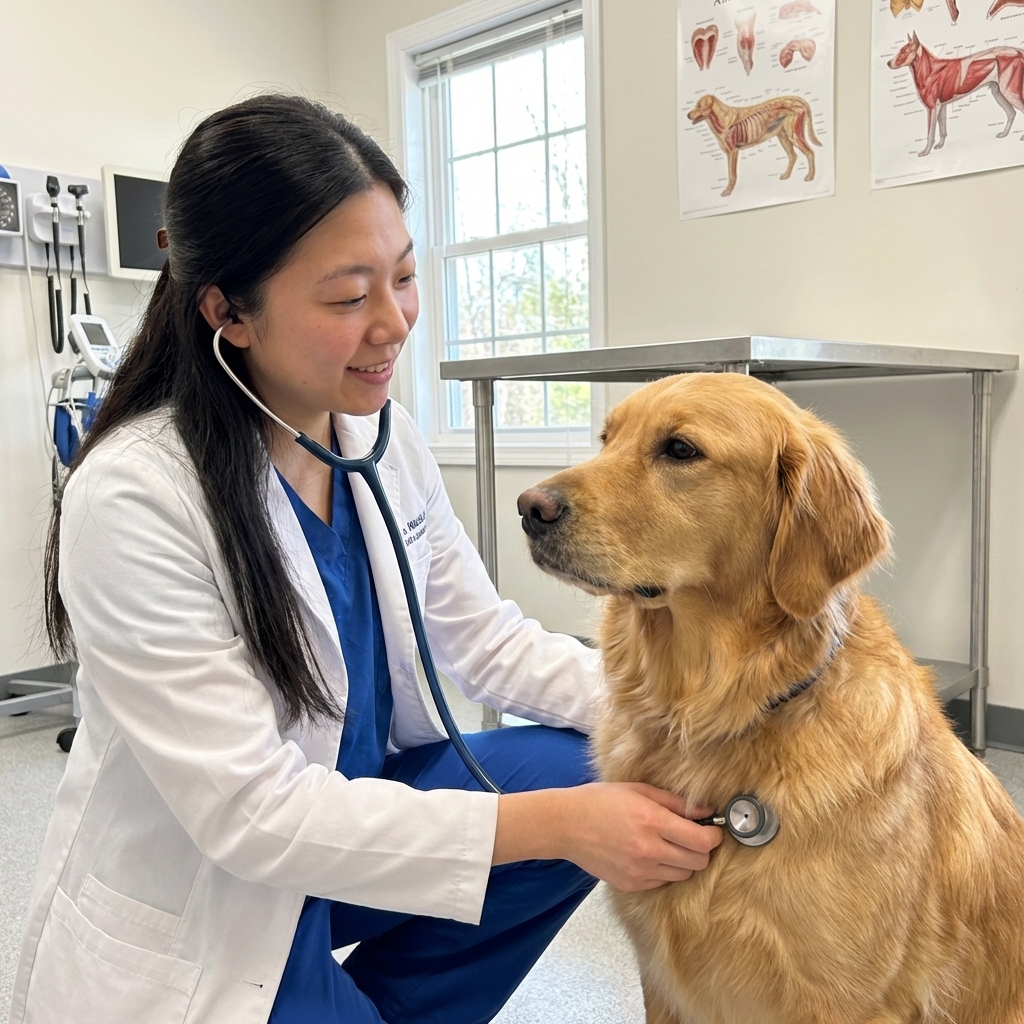
Lungworm in Dogs: Symptoms, Testing, and How It Differs From Heartworm
If your dog has a new cough, seems winded on walks, or just isn’t themselves, parasites may not be the first thing you think of. But there is a group of worms called lungworms that can live in or around the airways and lungs and cause respiratory symptoms that look a lot like kennel cough,...
Read more →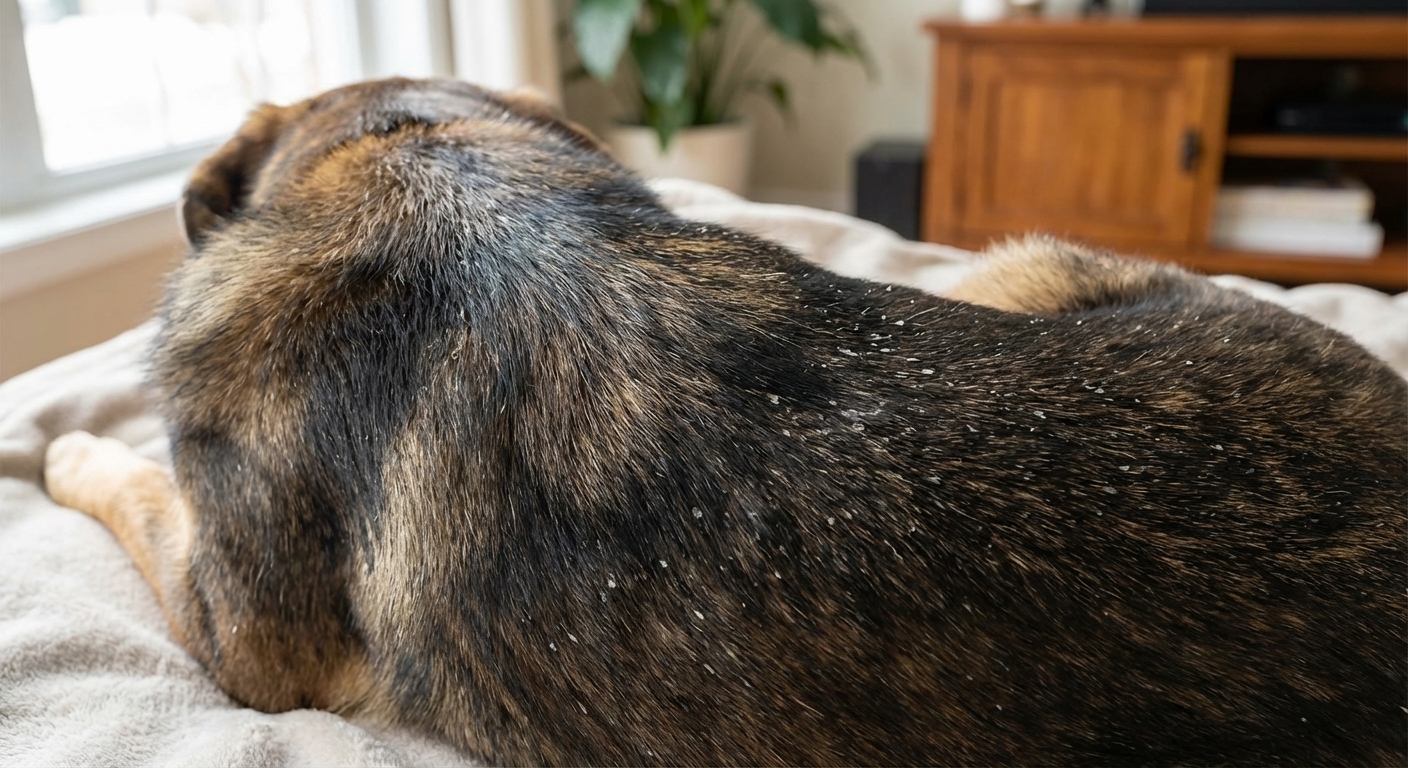
Cheyletiella Mites in Dogs and Cats (Walking Dandruff)
If you have ever brushed your dog or cat and noticed lots of flaky dandruff along the back , you are not alone. Sometimes that dandruff can even look like it is moving . That is the classic reason Cheyletiella mites are nicknamed “walking dandruff.” As a veterinary assistant, I want you to know two...
Read more →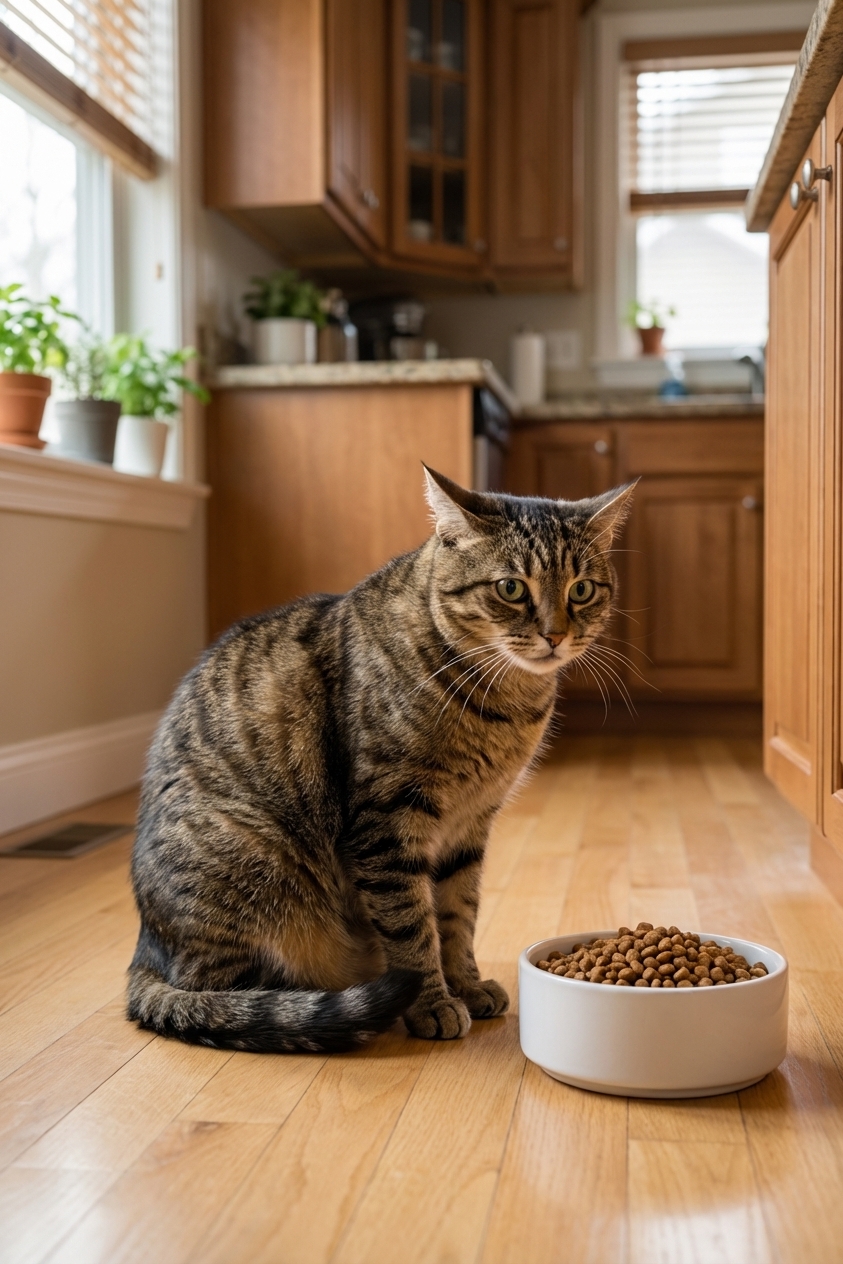
Hepatic Lipidosis in Cats: When Not Eating Becomes an Emergency
When a cat stops eating, it is not just a picky phase. In cats, poor appetite can quickly turn into a serious and sometimes life-threatening condition called hepatic lipidosis , also known as fatty liver disease . As a veterinary assistant, I have seen how fast it can snowball, especially after a...
Read more →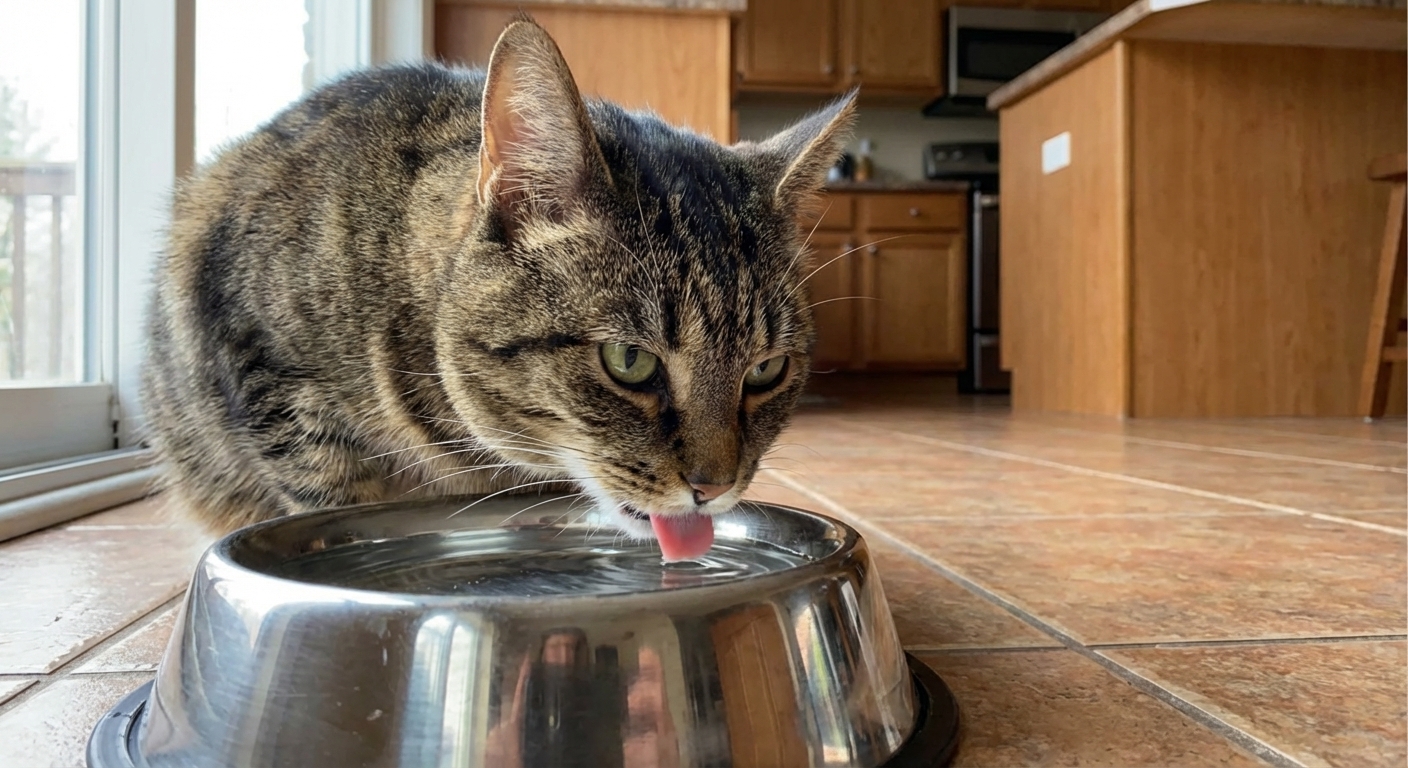
Why Is My Cat Drinking So Much Water?
If you have caught yourself thinking, “Why is my cat drinking so much water all of a sudden?” you are paying attention in exactly the right way. Increased thirst is called polydipsia . When it comes along with increased urination, we call it polyuria . Together, these signs can be an early clue...
Read more →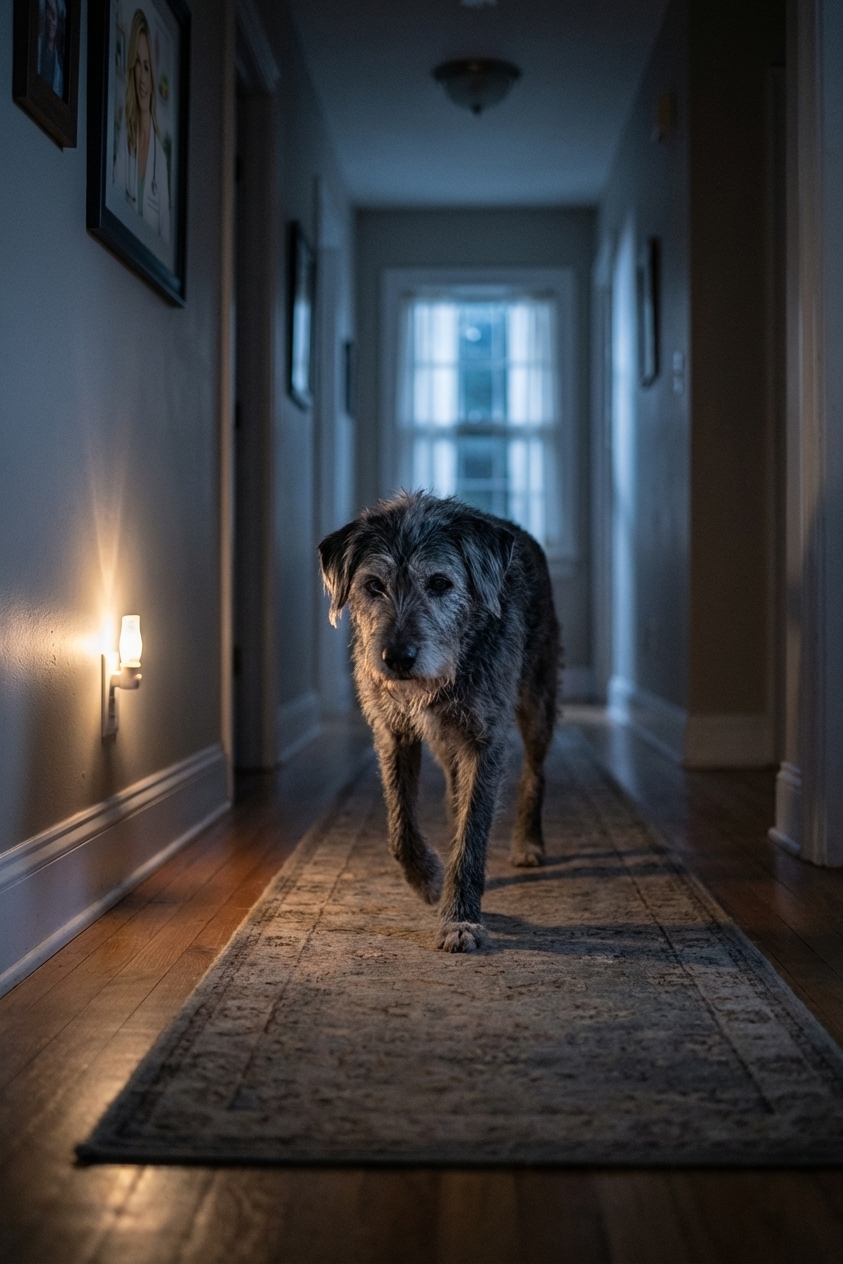
Dog Pacing at Night
It can be so unsettling to hear the quiet of the house, then realize your dog is up again. Back and forth. Room to room. A little panting. Maybe a whine. Night pacing is one of those symptoms that can mean several different things, and the most helpful question is not “Why won’t my dog sleep?” but...
Read more →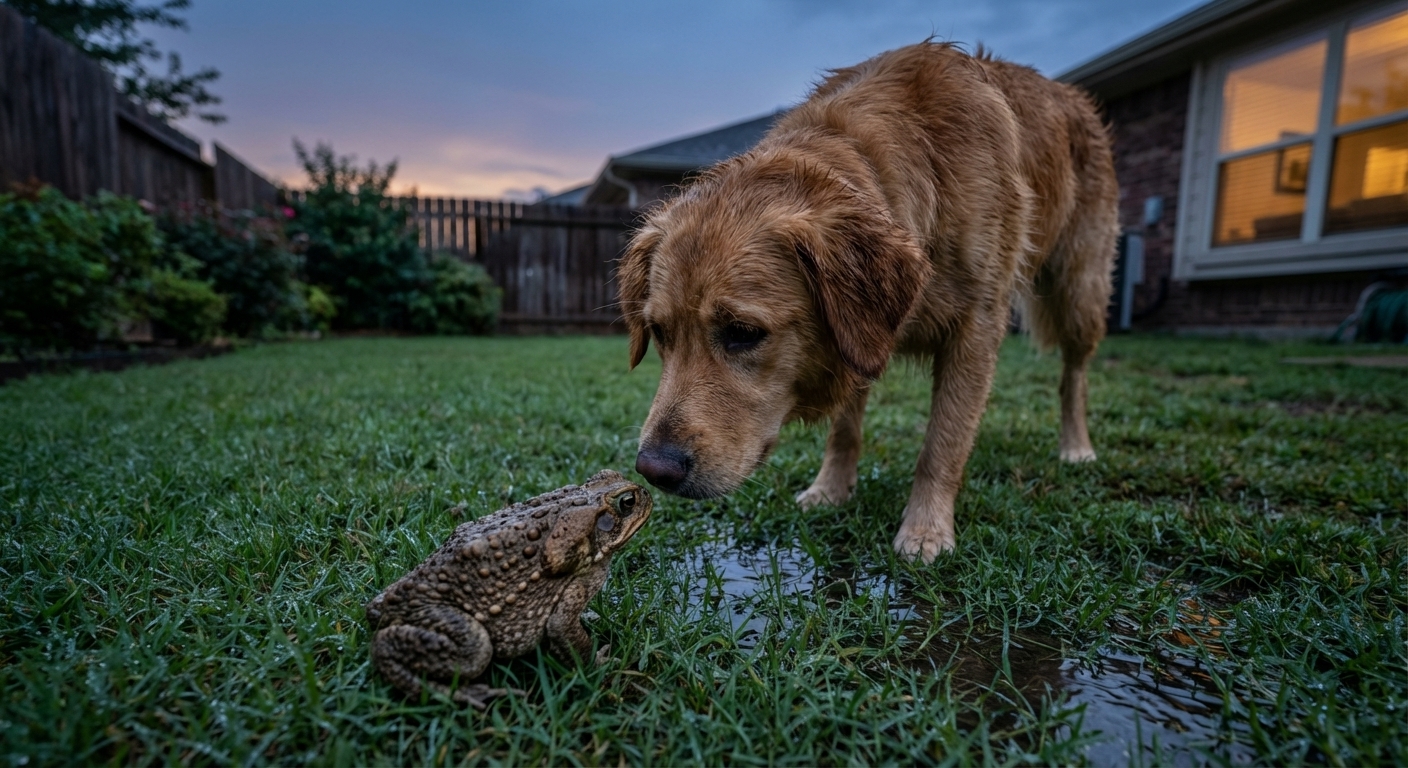
Toad Poisoning in Dogs
If your dog just mouthed a toad and suddenly starts drooling like a faucet, pawing at their face, or acting panicky, treat it as an emergency. Some toads, especially highly toxic bufonid toads (the family that includes cane toads and the Colorado River, also called Sonoran Desert, toad), secrete...
Read more →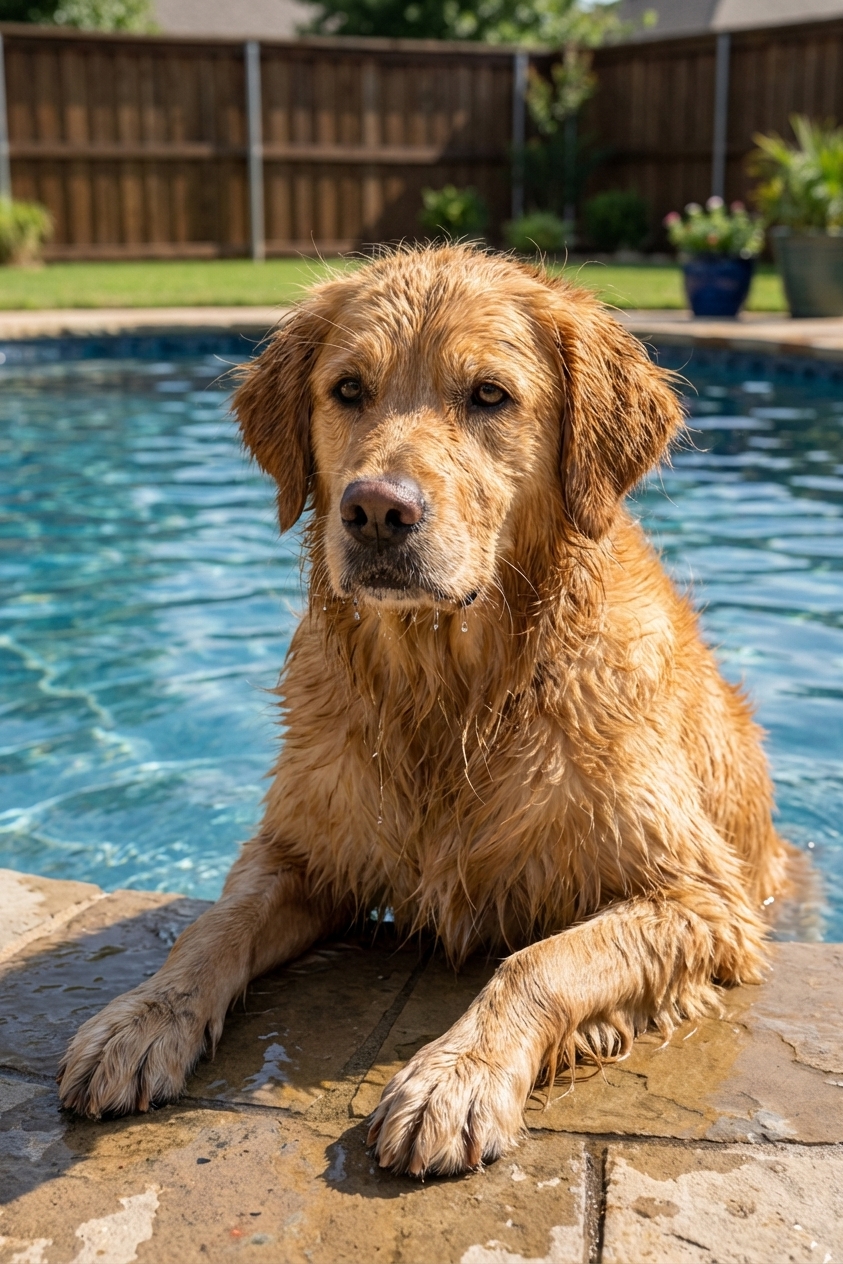
Water Intoxication in Dogs
On a hot Texas day, it feels like a great way to cool off to let your dog swim, chase a ball in the lake, or bite at the hose. Most of the time, that is true. But there is an uncommon but serious danger many pet parents have never heard of: water intoxication , also called hyponatremia . As a...
Read more →
Submissive Urination in Dogs
If your dog pees when you walk in the door, it can feel confusing and frustrating, especially if you have been working hard on house-training. As a veterinary assistant, I want you to know this first: submissive urination is not “bad behavior” . It is usually a dog’s way of saying, “Please do not...
Read more →
Leash Reactivity in Dogs
Leash reactivity can feel embarrassing and stressful. One second you are enjoying a walk, and the next your dog is barking, lunging, or spinning at the end of the leash because another dog, person, bike, or squirrel appeared. The good news is that reactivity is common, and with the right plan you...
Read more →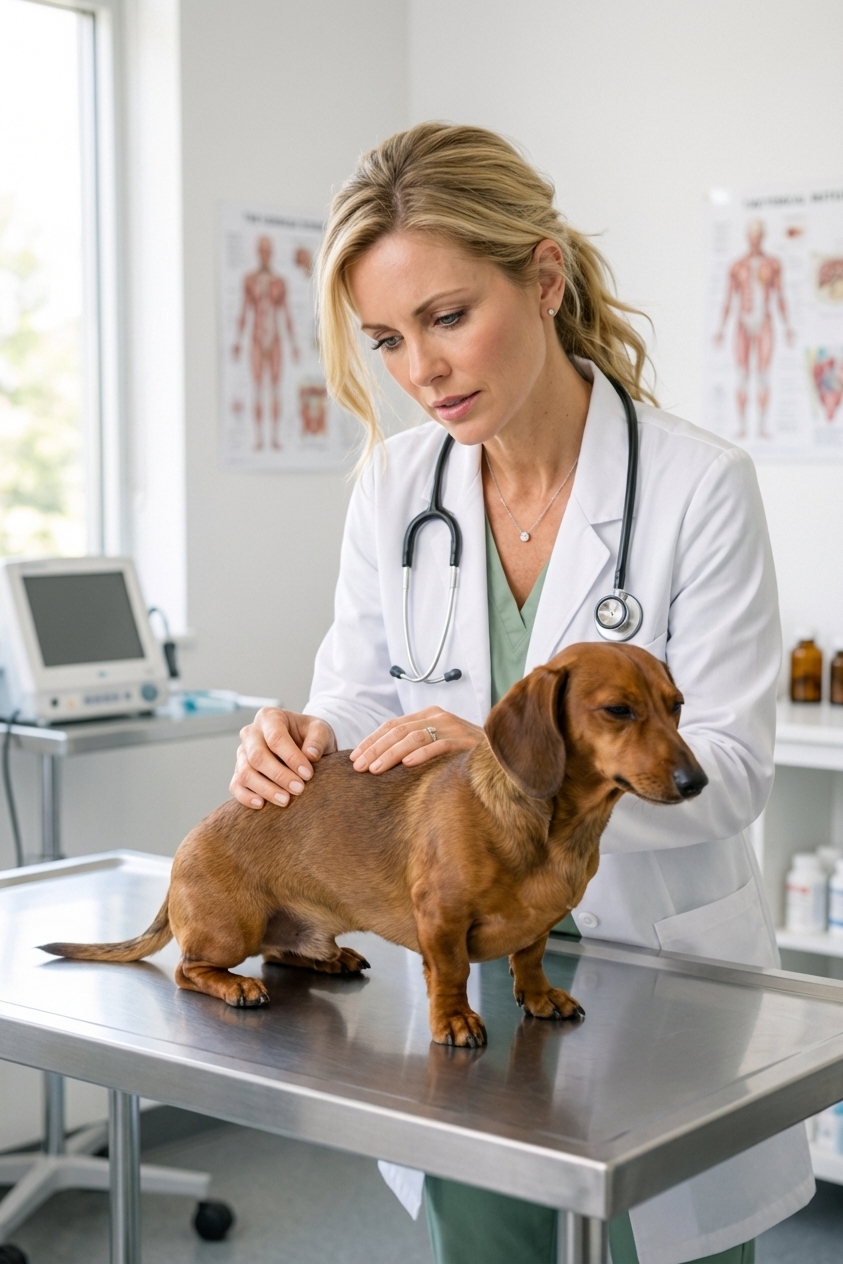
IVDD in Dogs: Crate Rest vs Surgery
When your dog suddenly yelps, refuses to jump, or starts walking wobbly, it can feel like everything changes in one moment. Intervertebral disc disease (IVDD) is a common cause of spinal pain and sudden weakness in dogs, especially in long-backed breeds and some mixes. The big question most...
Read more →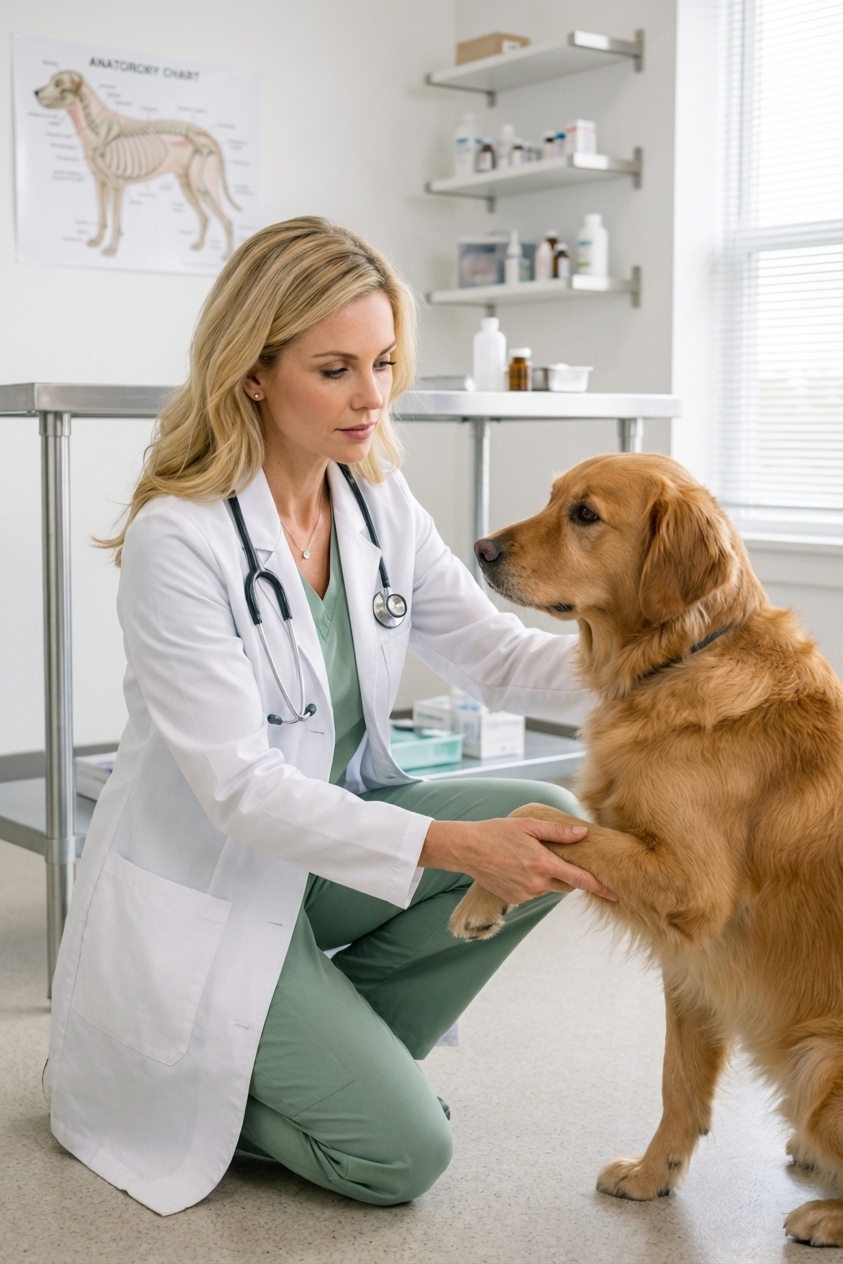
CCL Tear in Dogs: Non-Surgical Management
A sudden back-leg limp can be scary, especially when your dog yelps, refuses stairs, or sits with one leg extended out to the side. One common cause is a cranial cruciate ligament injury, often shortened to CCL tear . It is similar to an ACL injury in people, but in many dogs it behaves more like a...
Read more →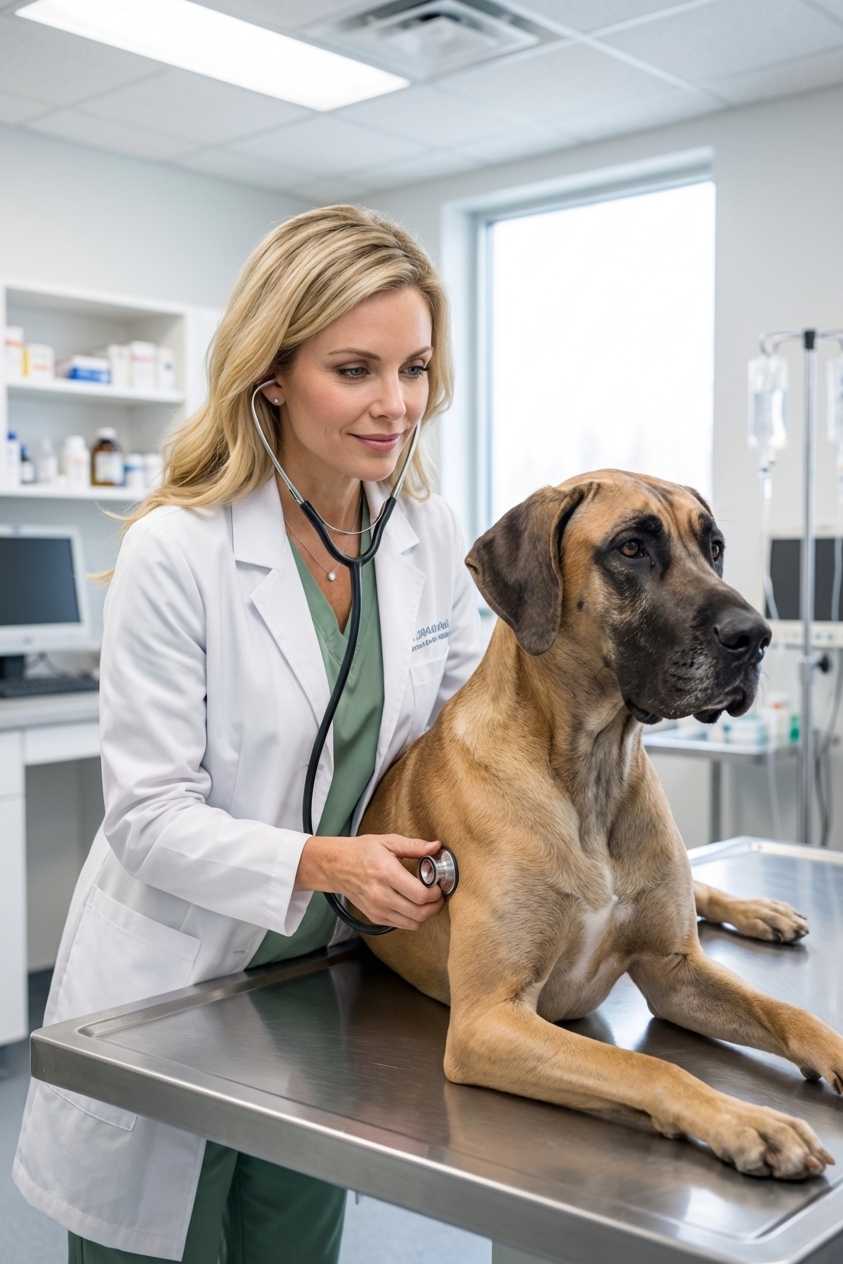
Bloat and GDV in Dogs
Bloat is one of those words that makes dog people pause, and for good reason. In the veterinary world, we see two very different situations that often get lumped together: a dog that is uncomfortably gassy or “bloated,” and a true emergency called GDV , short for gastric dilatation-volvulus , where...
Read more →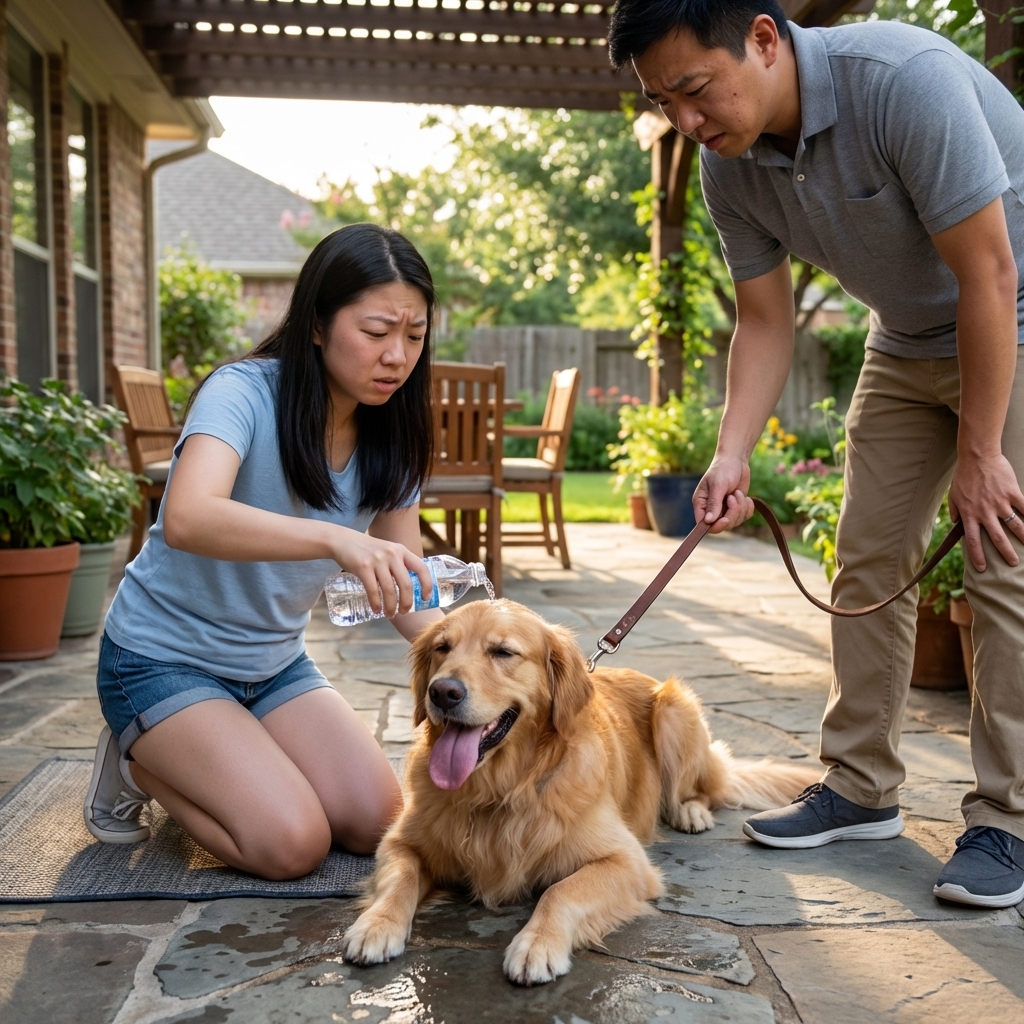
Heat Stroke in Dogs: Signs, Cooling First Aid, and When It’s an Emergency
As a veterinary assistant here in Texas, I can tell you this with a lot of love and urgency: heat stroke can go from “my dog seems hot” to life-threatening shock faster than most people expect . The good news is that when you know what to look for and how to cool safely, you can buy your dog...
Read more →
Horner’s Syndrome in Dogs: Benign or Emergency?
If your dog suddenly looks like they are squinting on one side, with a smaller pupil and a slightly sunken eye, it can be alarming. I get it. As a veterinary assistant, I have seen how fast pet parents go from “Is this just allergies?” to “Is my dog having a stroke?” Horner’s syndrome is one of...
Read more →