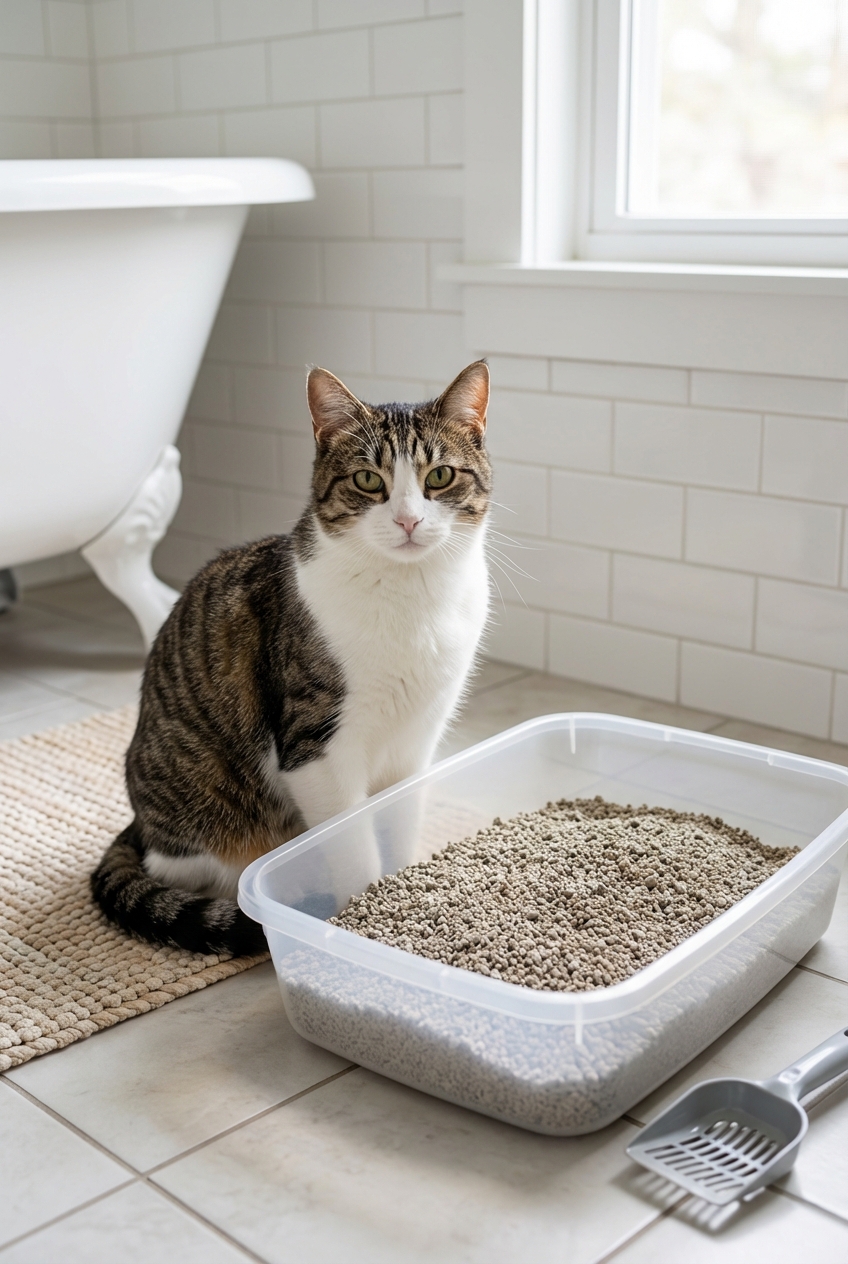
When you scoop the litter box and see poop that looks coated in mucus or has a jelly-like layer, it can be alarming. I get it. As a veterinary assistant here in Frisco, Texas, I have talked with plenty of cat parents who are worried they are looking at something serious.
Mucus is not always an emergency, but it is your cat’s way of saying the intestinal tract (most often the colon) is irritated, inflamed, or spasming. The key is to look at the whole picture: how your cat is acting, how often they are pooping, and whether you are seeing straining, vomiting, or blood.
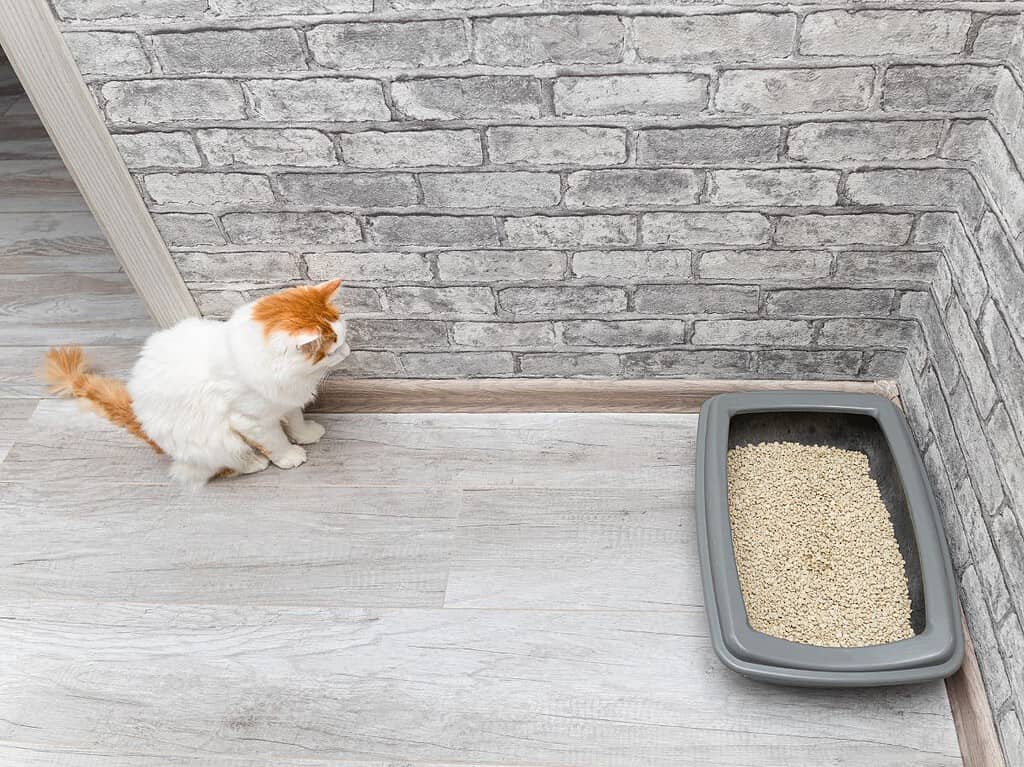
What mucus in cat poop looks like
Mucus in stool is most often associated with the large intestine (colon), but it can also show up with more generalized gut upset. It can look like:
- A clear or whitish slippery coating on formed poop
- Small jelly-like globs mixed in with stool
- Soft stool with strings or patches of mucus
- Occasionally a small puddle of mucus with very little stool
If it is a one-time finding and your cat is acting totally normal, you can often monitor closely. If it keeps happening or your cat seems unwell, it is time to get your vet involved.
Mucus vs ordinary diarrhea vs blood
Mucus is not the same as “just diarrhea”
Diarrhea can be watery, pudding-like, or just loose. Mucus can appear with diarrhea, but mucus can also show up even when the stool is formed. As a pattern, mucus fits best with large-bowel irritation (colon and rectum), but it is not exclusive. Cats can have mucus with infections, parasites, diet reactions, or other GI inflammation too.
Mucus is not the same as blood
Blood can look different depending on where it comes from:
- Bright red blood is often from the lower intestinal tract or rectum and can sometimes show up with mucus.
- Black, tarry stool can suggest digested blood from higher up in the GI tract and should be treated as urgent.
One caveat: some foods and medications can darken stool. True melena is typically tarry and may look shiny or sticky, and it is still a reason to call your veterinarian promptly.
If you see blood in any amount along with lethargy, repeated vomiting, pale gums, or weakness, treat it as an urgent vet situation.
Common causes of mucus in cat stool
There are a handful of repeat offenders. Some are simple, and some need medical treatment.
Hair and grooming
Cats swallow hair during grooming. Seeing hair in or on stool can be incidental, but in some cats, extra hair plus mild dehydration or slower transit can contribute to irritation and mucus. You might see:
- Mucus on otherwise normal stool
- Dry or segmented stool
- Hair in or on the poop
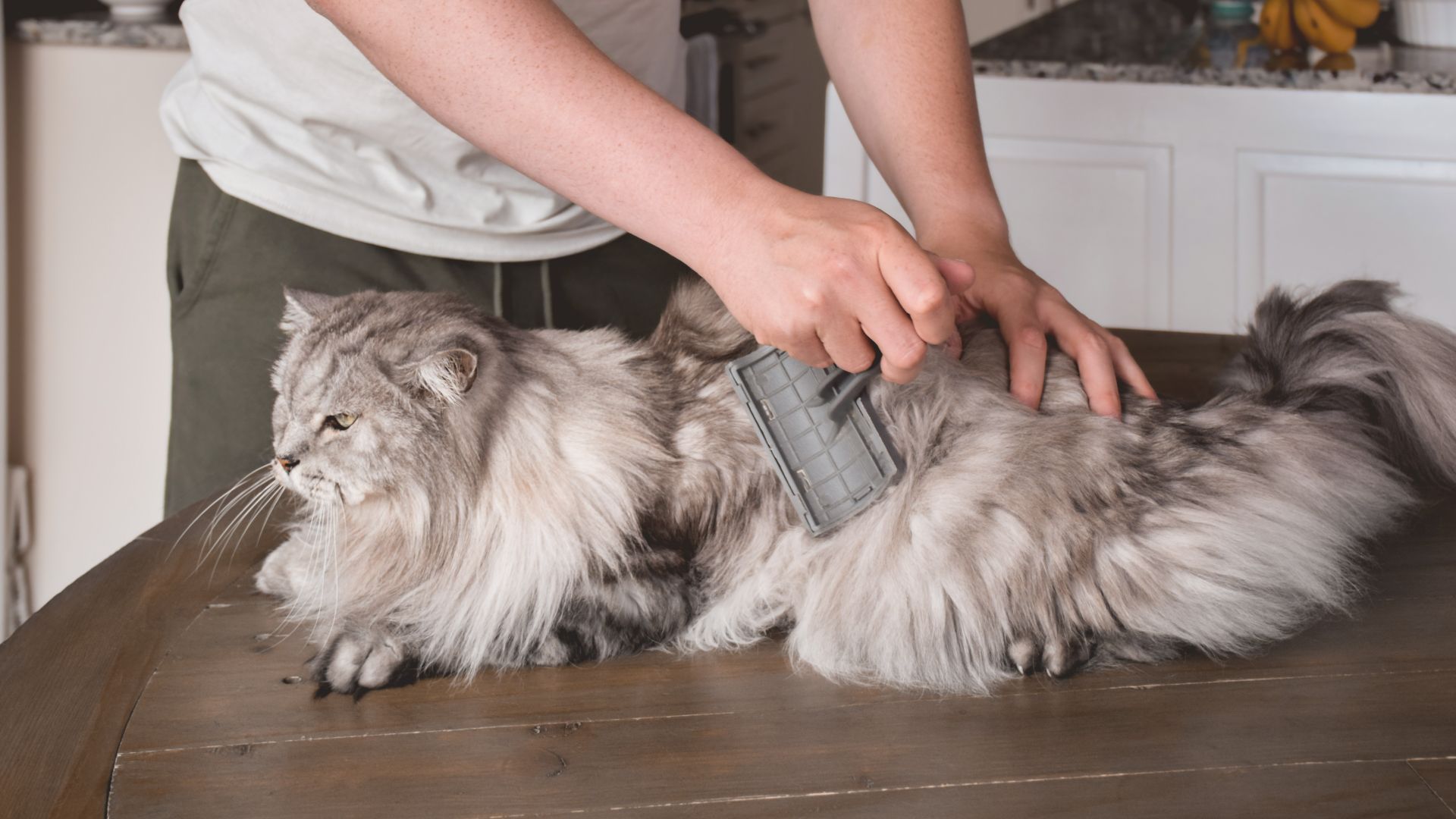
What helps at home: consistent brushing, especially for longhaired cats, and making sure your cat stays well hydrated.
Constipation and emergencies
Constipation is one of the most important cat-specific concerns when people report mucus. When stool sits in the colon too long, it becomes dry and difficult to pass. The colon lining can become irritated, and your cat may pass mucus with small amounts of stool, or strain and pass mucus with little to nothing.
Signs your cat may be constipated
- Straining in the litter box
- Frequent trips to the box with little output
- Hard, small stools
- Crying in the box or seeming uncomfortable
- Reduced appetite or hiding
Why this can turn into an emergency
Severe constipation can progress to obstipation (an inability to pass stool) and, over time, can contribute to megacolon in some cats. This is not a wait-and-see situation if your cat is straining, not producing stool, vomiting, or acting painful.
Important caution: straining can also look like urinary blockage
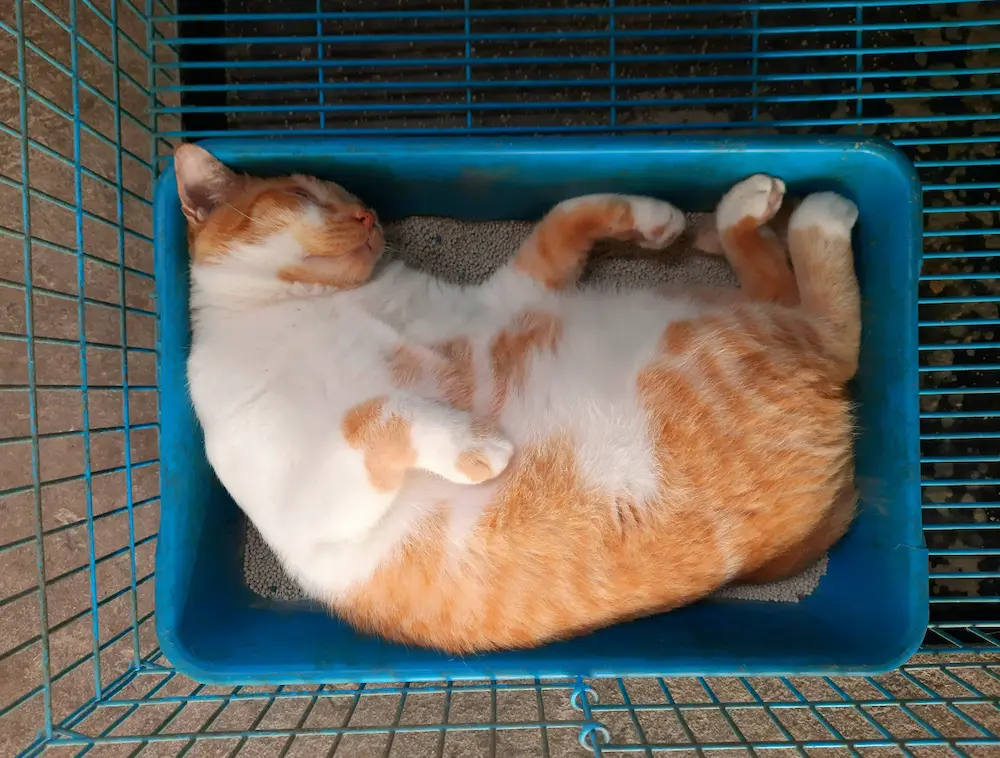
One more urgent note, because it saves lives. Cats that are straining in the litter box may actually be struggling to urinate, not poop. A urinary blockage is a true emergency, especially in male cats.
Go to an emergency vet now if you notice straining with little or no urine, crying, frequent squatting, or a painful belly.
Parasites and infections
Intestinal parasites can irritate the gut lining and trigger mucus. Common examples include roundworms, hookworms, giardia, and coccidia. Even indoor cats can be exposed, especially with:
- New kittens or pets in the home
- Shared environments like boarding or shelters
- Contaminants tracked in on shoes or objects (possible, depending on the parasite)
- Hunting insects or small prey
Clues that parasites may be involved include soft stool, mucus, weight loss, increased appetite, or a messy rear end. A fecal test is usually needed to confirm what is going on, and treatment is specific to the organism. In some situations, your vet may also recommend targeted deworming while testing is in progress.
Diet changes and food sensitivities
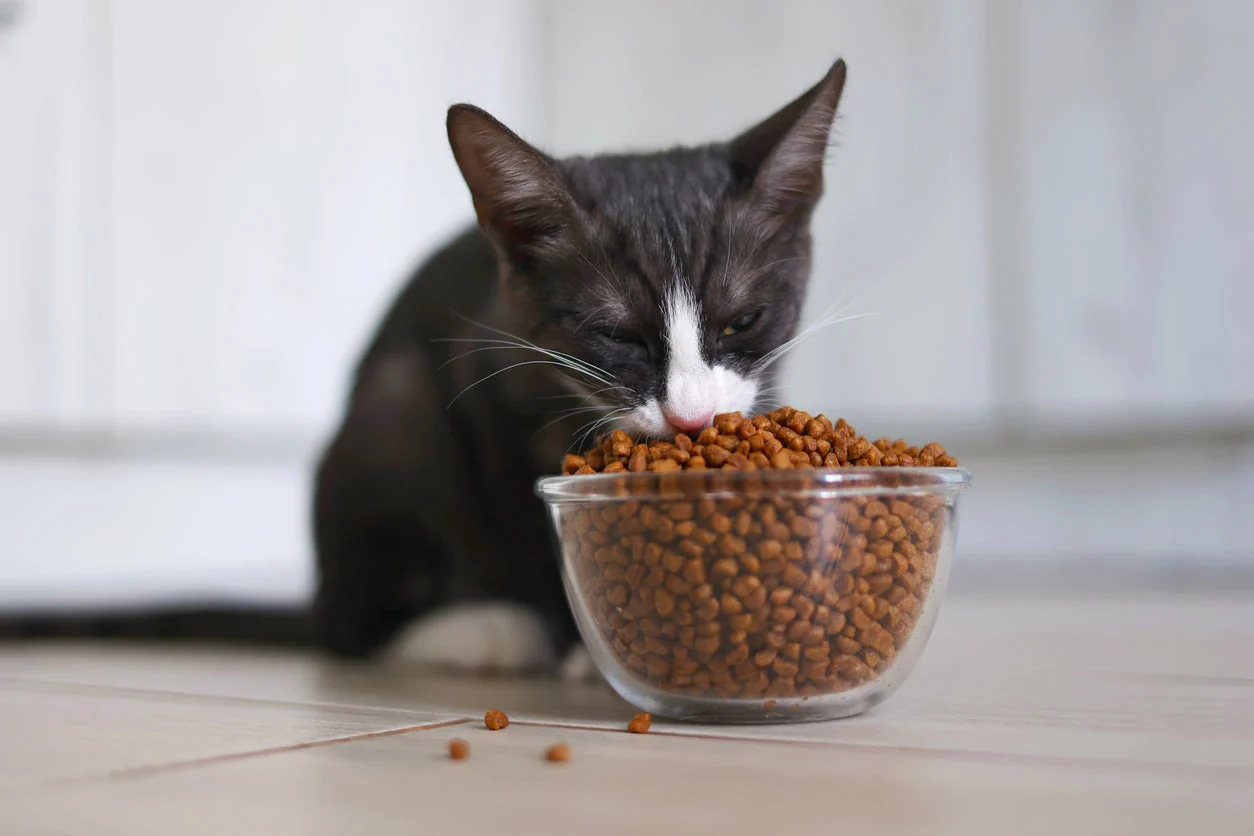
A sudden food switch is a very common reason for mucus in stool. Cats have sensitive GI tracts, and the colon may respond with irritation when the diet changes too fast.
This includes:
- Switching brands or flavors abruptly
- Introducing rich new treats
- Trying cow’s milk or fatty table foods
- New supplements without guidance
What to do if the mucus started after a diet change
- Stop any new treats or add-ins
- Return to the last diet your cat tolerated well
- When changing foods, transition slowly over 7 to 10 days
- Make sure fresh water is always available
If your cat has repeated mucus, soft stool, or vomiting after eating certain proteins, talk with your vet about a food sensitivity or a structured diet trial.
IBD and chronic colitis
If mucus keeps showing up for weeks, or it cycles on and off, your vet may discuss chronic intestinal inflammation such as IBD or chronic colitis. These conditions can cause:
- Mucus in stool
- Diarrhea, constipation, or alternating patterns
- Vomiting
- Weight loss or poor appetite
- Gassiness or belly discomfort
IBD is a diagnosis your veterinarian works toward by combining history, exam findings, labwork, stool testing, and sometimes imaging like ultrasound. Treatment varies and may include diet therapy, probiotics your vet recommends, vitamin support, or anti-inflammatory medications.
Other causes to keep in mind
- Stress: changes in the home, new pets, travel, or litter box conflict can trigger colitis-type symptoms in some cats.
- Recent medications: antibiotics and some other meds can trigger diarrhea or gut imbalance in some cats.
- Foreign material: string, plants, bones, or toys can irritate or obstruct.
- Anal gland or rectal irritation: less common than in dogs, but it can happen.
- Masses or polyps: more likely in older cats, especially if there is weight loss or blood.
- Systemic illness: conditions like pancreatitis or other inflammatory illness can come with vomiting, appetite loss, and abnormal stool that needs a vet workup.
Monitor vs call the vet
A practical rule of thumb I share with clients is this: a single mild episode in an otherwise bright, eating, normal-acting cat can often be watched for 24 to 48 hours. If mucus shows up repeatedly over multiple litter box trips, lasts more than a day or two, or you notice any red flags, call your vet.
Also keep your cat’s normal routine in mind. Some cats do not poop daily, especially if they eat mostly dry food. What matters more is change from normal plus discomfort, straining, vomiting, or poor appetite.
When mucus is a vet visit right away
Please do not wait if you notice any of the following, especially in kittens, senior cats, or cats with other health issues:
- Straining in the litter box
- Repeated unproductive attempts to poop, or very little output with obvious discomfort
- No stool longer than your cat’s normal pattern, especially if it approaches 48 hours and you also see vomiting, pain, or appetite loss
- Vomiting, especially more than once
- Lethargy, hiding, or refusing food
- Blood in the stool or black, tarry stool
- Signs of pain such as crying, hunched posture, or a tight belly
- Dehydration or very dry stools
- Suspected toxin exposure or foreign object ingestion
If your cat is straining and you are not sure whether they are trying to poop or pee, treat it as urgent and get help immediately.
Quick kitten note
Kittens can get dehydrated quickly with diarrhea or frequent mucus stools. If a kitten has mucus plus poor appetite, vomiting, weakness, or diarrhea that is not improving quickly, I would contact a vet sooner rather than later.
What you can do at home
If your cat is bright, eating, and acting normal and it is a mild, short-lived episode, these steps can be helpful while you watch closely.
1) Take notes and a photo
It sounds simple, but it helps your vet a lot. Note:
- When it started
- How often your cat is pooping
- Stool consistency and amount
- Any vomiting, appetite changes, or litter box straining
- Any recent food, treat, or medication changes
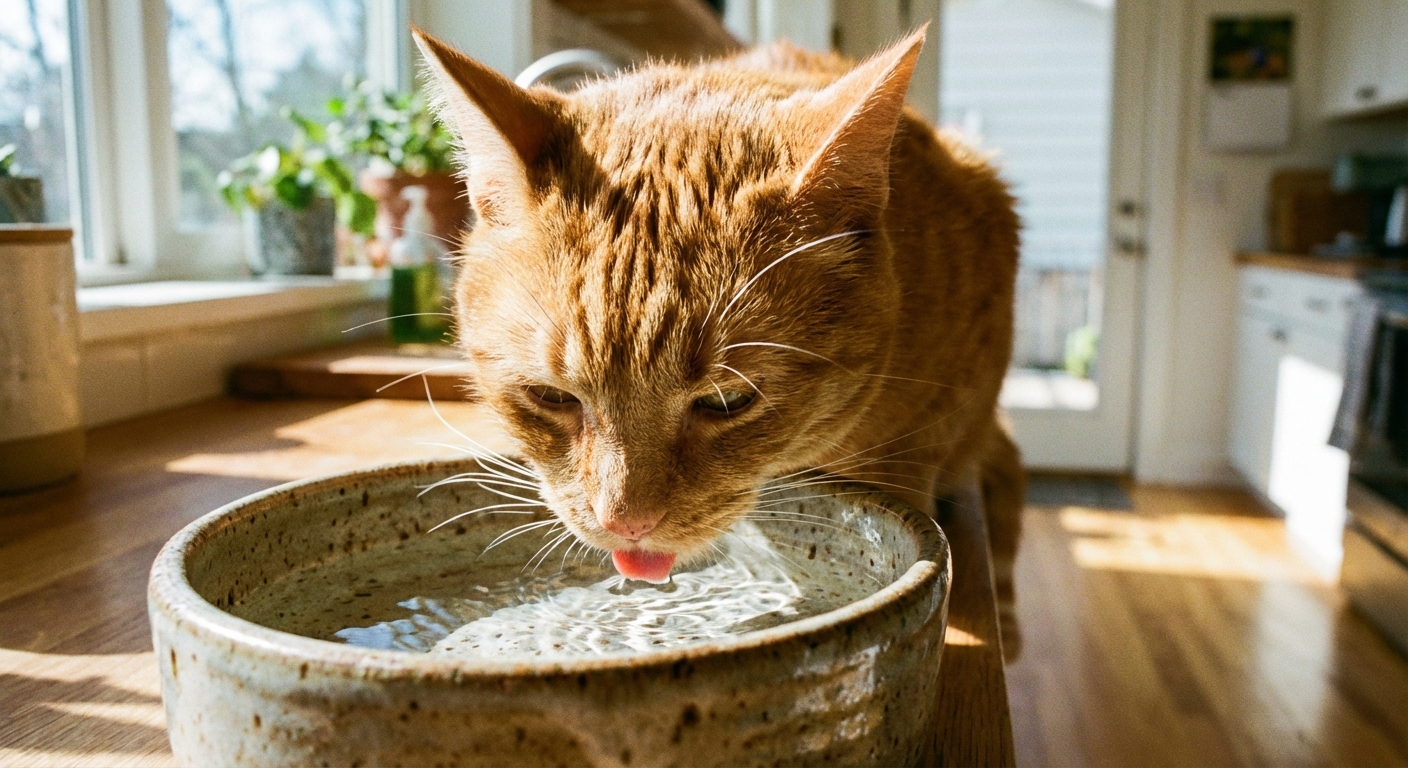
2) Encourage hydration
- Offer fresh water in multiple locations
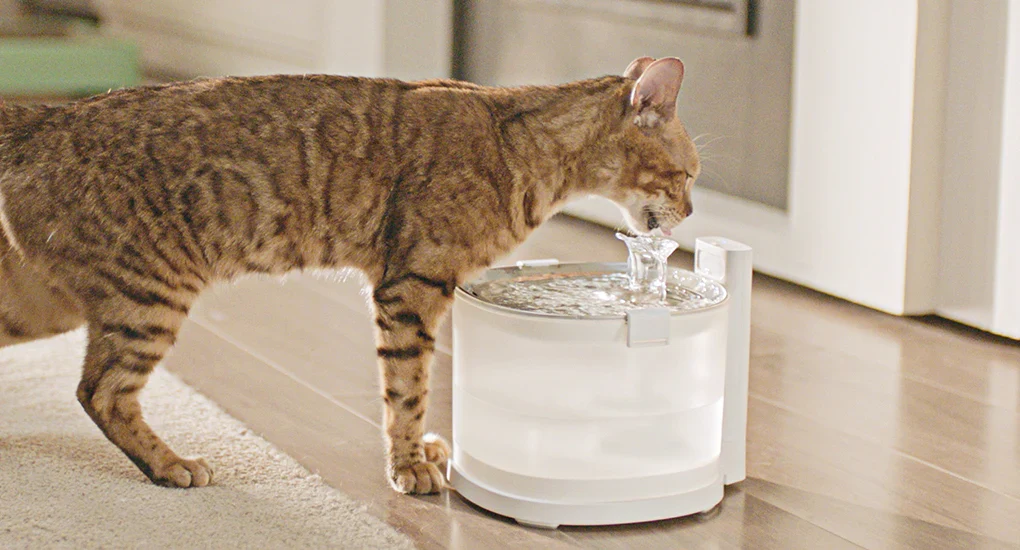
- Consider a pet water fountain if your cat prefers moving water
- Ask your vet if adding wet food makes sense for your cat
3) Reduce hair intake
- Brush regularly
- For longhaired cats, daily brushing during shedding seasons can make a real difference
Important: Do not give laxatives, enemas, or human constipation products unless your veterinarian specifically directs you. Some products are dangerous for cats.
What your vet may recommend
Depending on your cat’s symptoms and exam, your veterinarian might suggest:
- A fecal test to check for parasites and protozoa (and sometimes PCR testing, depending on the case)
- Bloodwork to evaluate dehydration, inflammation, and organ function
- X-rays or ultrasound if constipation or obstruction is suspected
- A prescription GI diet trial for suspected food sensitivity or IBD
- Targeted deworming or medication
- Constipation treatment such as fluids, stool softeners, or an enema done safely at the clinic
If constipation is severe, your vet may need to remove impacted stool under sedation. It is not fun, but it can be truly relieving for the cat and prevents bigger complications.
FAQ
Can stress cause mucus in cat poop?
Yes. Stress can contribute to colitis-type inflammation in some cats, which can show up as mucus and softer stool. If stress is a factor, addressing the trigger and keeping routines steady can help, but you still want to rule out parasites and constipation first.
Is a little mucus ever normal?
A tiny amount once in a while can happen, especially if the stool was a little dry or your cat had a mild GI upset. Repeated mucus, large amounts, or mucus with straining, vomiting, or blood is not something to ignore.
What if my cat has mucus but the poop is formed?
Formed stool with mucus often points to a lower bowel issue like mild colitis, constipation, or a diet issue. Parasites and other GI inflammation can also present this way. Monitor for changes, and contact your vet if it repeats or your cat seems uncomfortable.
Should I bring a stool sample to the vet?
Yes, if you can. A fresh sample is ideal. If you cannot bring one, take clear photos and tell your vet what you are seeing.
The bottom line
Mucus in your cat’s poop is a sign the intestinal tract is irritated, most often the colon. The cause can range from mild issues like a diet change to more serious concerns like parasites, chronic inflammation, or a constipation emergency. Trust your instincts. If your cat is straining, vomiting, acting painful, or you see blood, it is time to call your veterinarian or head to urgent care.
You know your cat best, and paying attention to litter box changes is one of the most powerful ways you can protect their health.