
Designer Mixes

Can a Vaccinated Puppy Still Get Parvo?
As a veterinary assistant here in Frisco, Texas, I have seen this panic more times than I can count: a puppy gets a parvo shot, then a few days later they stop eating or start vomiting, and their person says, “But he’s vaccinated.” It is a completely fair question. Parvo vaccines are excellent, and...
Read more →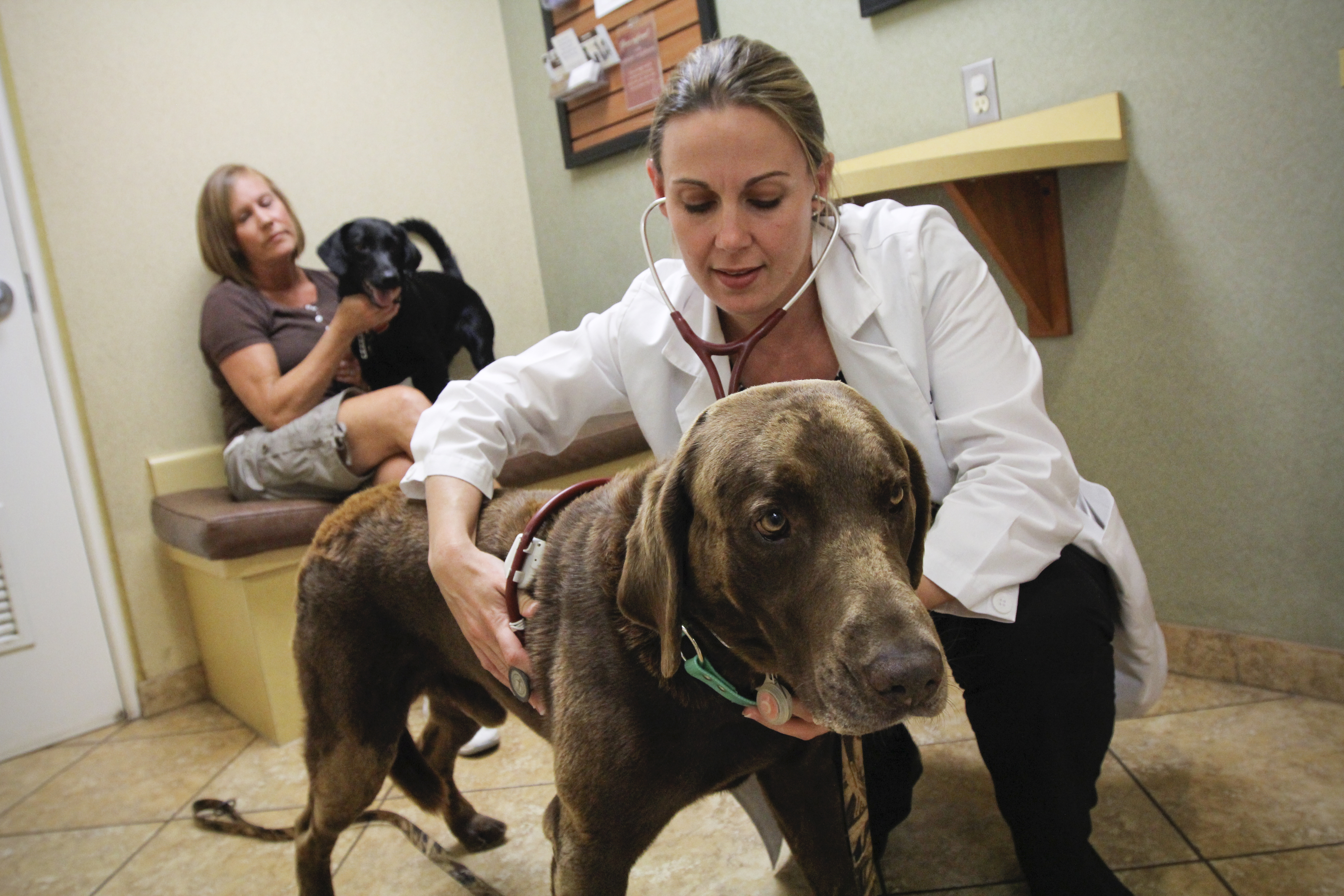
Anal Sac Adenocarcinoma in Dogs: Signs, Staging, and Treatment
When people hear “anal glands,” they usually think of scooting, a fishy smell, or a minor impaction that clears up with veterinary help. But there is another possibility I never want dog families to be surprised by: anal sac adenocarcinoma , a cancer that starts in the anal sac glands. As a...
Read more →
Can Humans Catch Ear Mites From Cats?
In most households, humans do not truly “catch” ear mites from cats in a way that leads to an ongoing infestation . The most common ear mite in cats and dogs, Otodectes cynotis , is adapted to live on pets. That said, people can occasionally get temporary itching or a small rash after close contact...
Read more →
Mast Cell Tumors in Cats: Skin vs Internal Disease
When someone tells me their cat has a “mast cell tumor,” the first thing I ask is a very calm follow-up question: Where is it? In cats, mast cell tumors (MCTs) often fall into two big buckets, skin and internal (most commonly the spleen or intestinal tract ). The day-to-day experience for your cat,...
Read more →
Why Is There Mucus in My Cat's Poop?
When you scoop the litter box and see poop that looks coated in mucus or has a jelly-like layer , it can be alarming. I get it. As a veterinary assistant here in Frisco, Texas, I have talked with plenty of cat parents who are worried they are looking at something serious. Mucus is not always an...
Read more →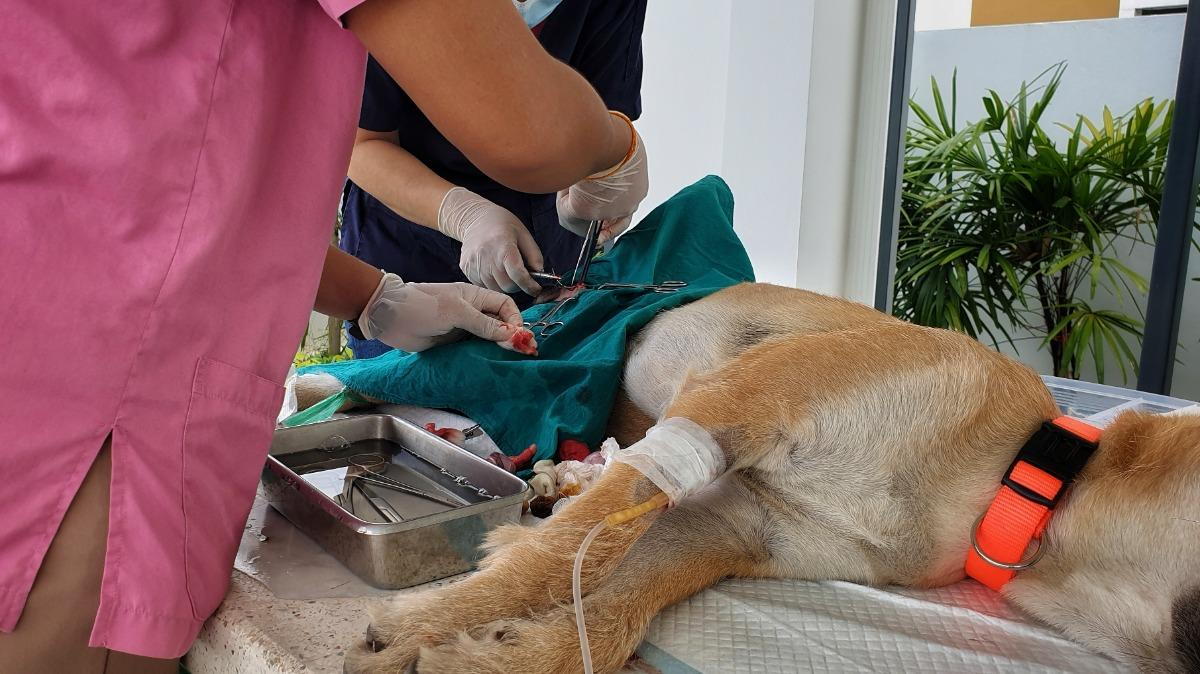
Ovarian Remnant Syndrome in Dogs
If your dog was spayed months or even years ago and suddenly you notice vulvar swelling, a bloody discharge, or male dogs acting obsessed with her, it is unsettling. I have seen families feel confused and even a little embarrassed, because they did the responsible thing and scheduled a spay. So why...
Read more →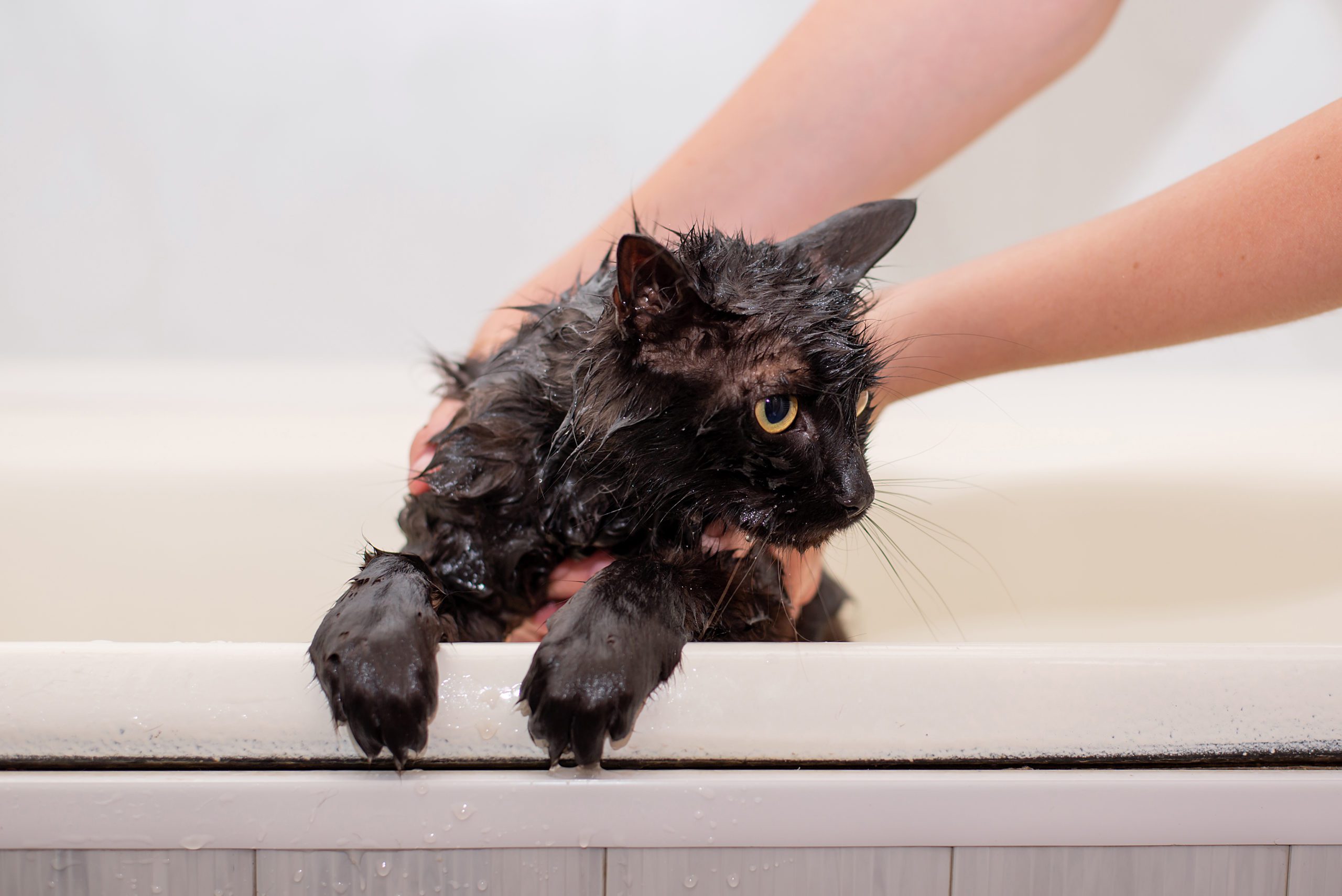
How to De-Skunk a Cat Safely
Skunk spray on a cat is one of those emergencies that feels more "gross" than dangerous, until you remember one big cat fact: cats groom fast. And that means whatever you put on the fur can end up in the mouth, and skunk spray itself can irritate eyes and airways. I am a veterinary assistant in...
Read more →
Pulmonic Stenosis in Dogs
I have met a lot of families who come into the clinic feeling scared after a routine puppy visit ends with, “I hear a heart murmur.” The first thing I tell them is this: not every puppy murmur is dangerous . Many young dogs have innocent (physiologic) murmurs that fade with growth. But some murmurs...
Read more →
Patent Ductus Arteriosus in Puppies
As a veterinary assistant here in Frisco, Texas, I have met plenty of puppies who look perfectly fine on the outside, but the stethoscope tells a different story. One of the most important examples is patent ductus arteriosus , often shortened to PDA . PDA is not just “a murmur.” PDA is a...
Read more →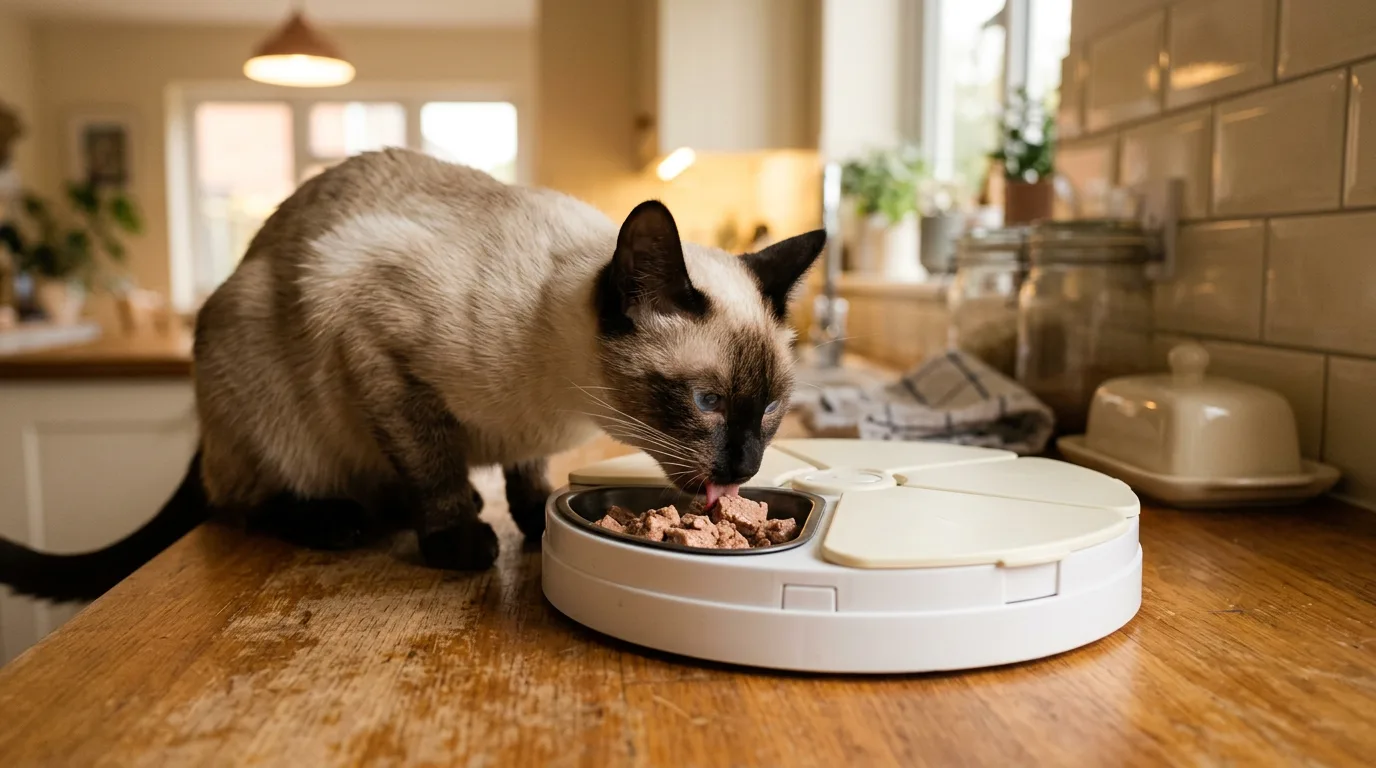
Cat Food Testing Finds Heavy Metals and Plastic Chemicals Across Popular Brands
Cats are creatures of habit. Many eat the same food every day for years. That consistency can make nutrition simpler, but it also means whatever is in the bowl can become a steady source of exposure over a lifetime. In testing of 100 cat food products across 62 brands , heavy metals were nearly...
Read more →
Trazodone vs Gabapentin for Dogs
When a dog is shaking during fireworks, panicking in the car, or melting down in the veterinary lobby, it is natural to want a safe, reliable way to take the edge off. Two medications that veterinarians commonly reach for are trazodone and gabapentin . They are not the same drug and they do not...
Read more →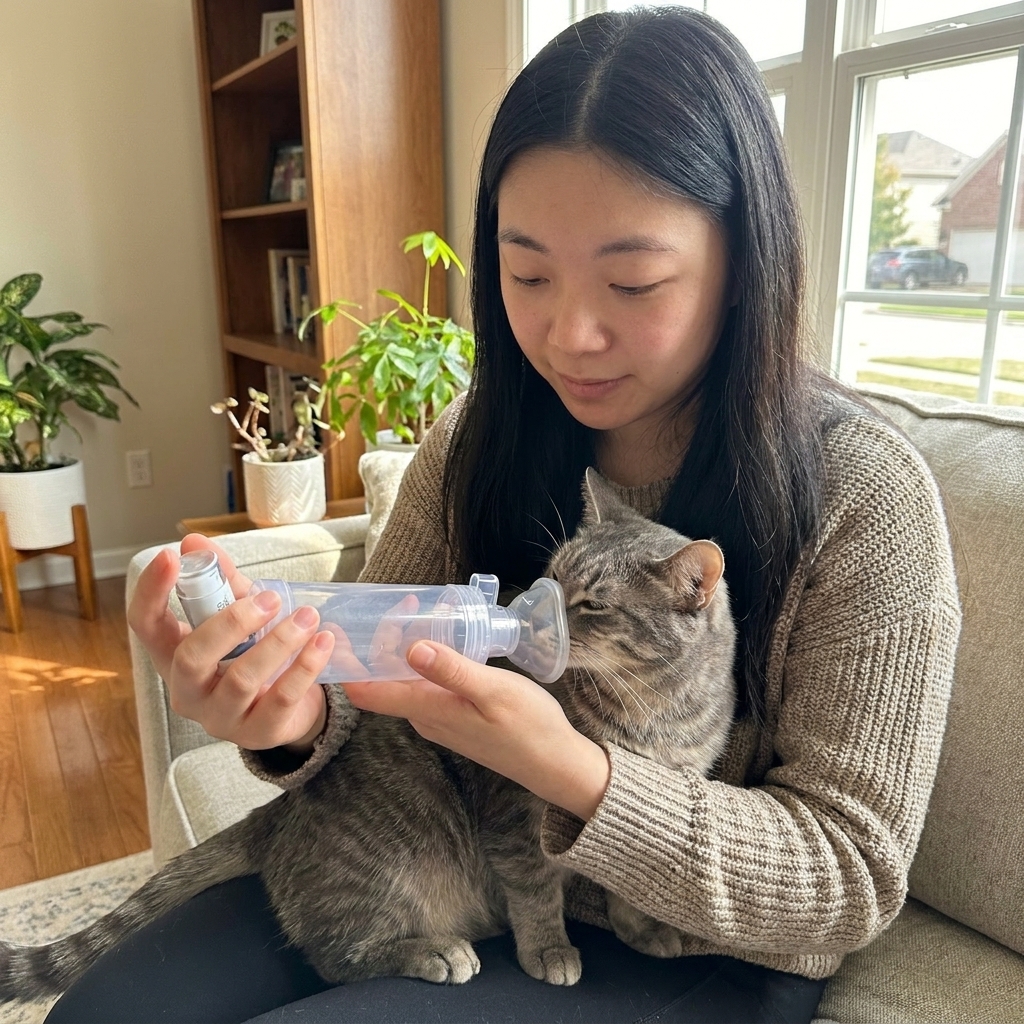
Feline Asthma: Inhalers, Flare-Ups, and Emergencies
If you have ever watched your cat crouch low, stretch their neck, and breathe fast with a tight, wheezy effort, you know how scary feline asthma can feel. The good news is that many cats do very well with the right plan. Asthma care is usually about two things: long-term control to reduce...
Read more →
Sheepadoodle vs Bernedoodle
If you have been researching doodles, you have probably noticed that Sheepadoodles and Bernedoodles are two of the most advertised mixes out there. They are both often described as friendly, family-ready, low shedding, and “easy.” In real life, they can be wonderful dogs, but they are not the same,...
Read more →
Carprofen vs Meloxicam for Dogs
As a veterinary assistant, I have seen how much relief an NSAID can bring a sore, limping dog. I have also seen how quickly things can go sideways when a pain medication is the wrong fit, the dose is off, or a dog gets dehydrated and nobody realizes it. NSAID stands for nonsteroidal...
Read more →
Phenobarbital vs Levetiracetam (Keppra) for Dogs
If your dog has had a seizure, it can feel like the ground shifts under your feet. One of the first big decisions that often follows is medication, and two names come up again and again: phenobarbital and levetiracetam (often sold as Keppra , a human brand name). Both can be life-changing in the...
Read more →
Simparica Trio vs Bravecto Chews
Parasite prevention is one of those choices that feels simple until you are standing in the exam room trying to remember what covers what. As a veterinary assistant, I see this every day: pet parents want strong flea and tick protection, they want it to be easy to give, and they want to feel...
Read more →
IVDD Stages in Dogs (1–5): Symptoms, Mobility, and Treatment Paths
Intervertebral disc disease (IVDD) can feel scary because symptoms can change quickly. As a veterinary assistant, I have seen how much easier it is for families to make good decisions when they understand the stage (neurological grade) their dog may be in and what that usually means for treatment....
Read more →
Maine Coon Feeding Guide
Maine Coons are not just “big cats.” They are large, long-bodied, slow-maturing athletes with a reputation for hearty appetites. That combo can be tricky: feed too little and you risk poor muscle development; feed too much and you can quietly add joint stress that shows up later as stiffness and...
Read more →
Great Pyrenees Size and Weight
If you live with a Great Pyrenees, you already know this breed is not “large” in the casual sense. They are serious, livestock-guardian big. As a veterinary assistant here in North Texas, I hear the same question all the time: “Is my Pyrenees supposed to be this big, or is this too much weight?”...
Read more →
Cushing’s Disease Skin Problems in Dogs
If your dog seems to be getting thin skin, random bruises, recurring infections, or wounds that just will not heal , it can feel confusing and scary. As a veterinary assistant, I have seen how often these skin changes are brushed off as “just aging” or “allergies,” when they can actually be part of...
Read more →