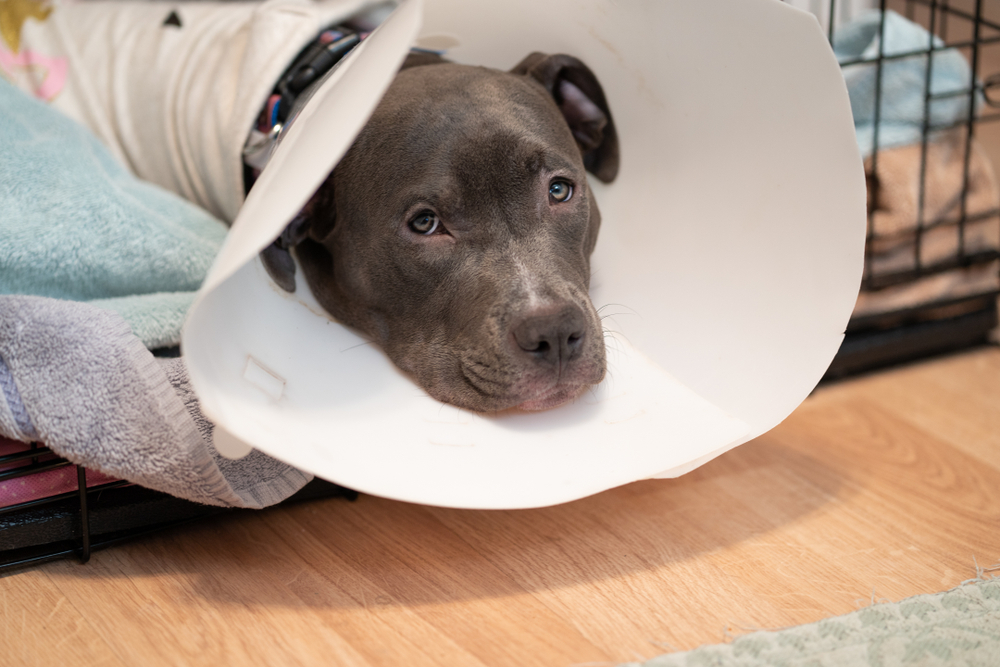
As a veterinary assistant here in Frisco, Texas, I have met plenty of puppies who look perfectly fine on the outside, but the stethoscope tells a different story. One of the most important examples is patent ductus arteriosus, often shortened to PDA.
PDA is not just “a murmur.” PDA is a structural heart defect that causes a very specific murmur and, more importantly, can quietly overload the heart until a puppy suddenly struggles with breathing, energy, or growth. The good news is that when PDA is caught early, it is often very treatable.
What PDA is
Before birth, puppies have a normal temporary blood vessel called the ductus arteriosus. It acts like a shortcut that directs blood away from the lungs, because unborn puppies are not breathing air yet.
After birth, when a puppy starts breathing, that vessel is supposed to close. The functional closure happens within hours in most puppies, with more complete closure occurring over the next several days. In PDA, it stays open (patent means open).
That open vessel creates an abnormal connection between two major blood vessels:
- The aorta (high-pressure vessel sending blood to the body)
- The pulmonary artery (vessel sending blood to the lungs)
Because the aorta is higher pressure, blood typically flows from the aorta into the pulmonary artery. This is called a left-to-right shunt, and it can make the heart work much harder than it should.
Why PDA causes a continuous murmur
PDA has a very classic sound that veterinarians and cardiologists listen for: a continuous murmur. Many people describe it as a “machinery” type sound.
Why it is continuous
Most heart murmurs happen during one part of the heartbeat (often when the heart contracts). PDA is different because blood can flow through that abnormal vessel during both contraction and relaxation. That is why the murmur can be heard all the time, not just in one phase.
This is also one reason PDA is not confused with most “innocent” puppy murmurs. Innocent murmurs are usually soft and short, and they are typically heard only during part of the heartbeat rather than continuously.
Why pulses can feel strong
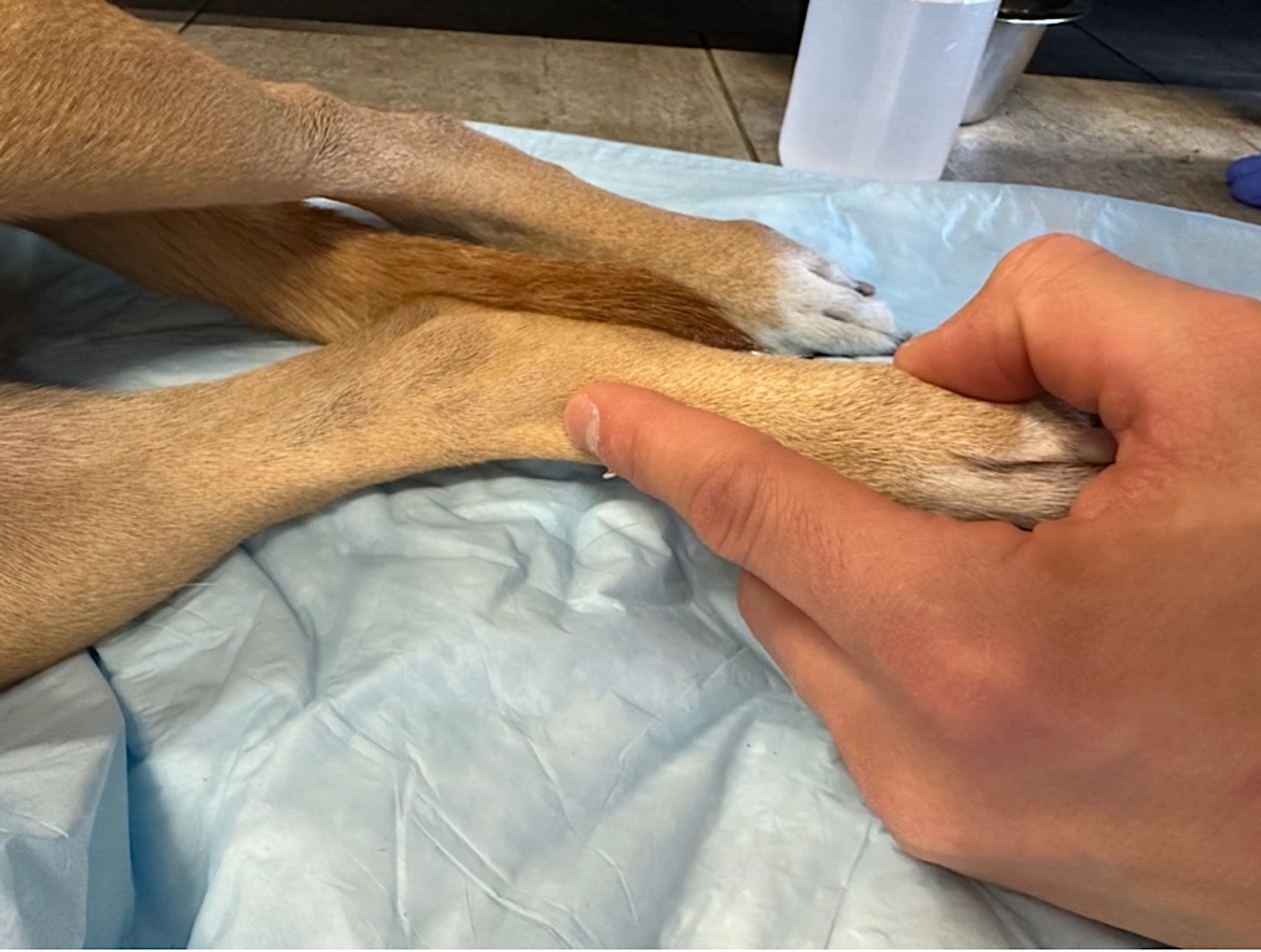
Owners usually do not notice pulses, but vets often do. With a typical left-to-right PDA, puppies often have bounding pulses, meaning the pulse feels extra strong and “snappy.”
This happens because the abnormal blood flow can create a bigger difference between the heart’s peak pressure and its resting pressure (a wider pulse pressure). It is one of those physical exam clues that can make a vet say, “This is not a harmless puppy murmur, we need to investigate.”
What you might notice at home
Some puppies with PDA act totally normal early on, especially if the PDA is smaller. Others show subtle “something is off” signs that are easy to blame on personality or being the runt.
Possible at-home signs include:
- Lower stamina than littermates or other puppies
- Fast breathing when resting or sleeping
- Heavy breathing after mild play
- Poor weight gain or smaller body size
- Coughing, especially with activity (less common early, more concerning if present)
- Restlessness at night because breathing is uncomfortable
If your puppy was diagnosed with a murmur and any of these signs are happening, it is worth calling your veterinarian promptly rather than waiting for the next vaccine visit.
How PDA is found
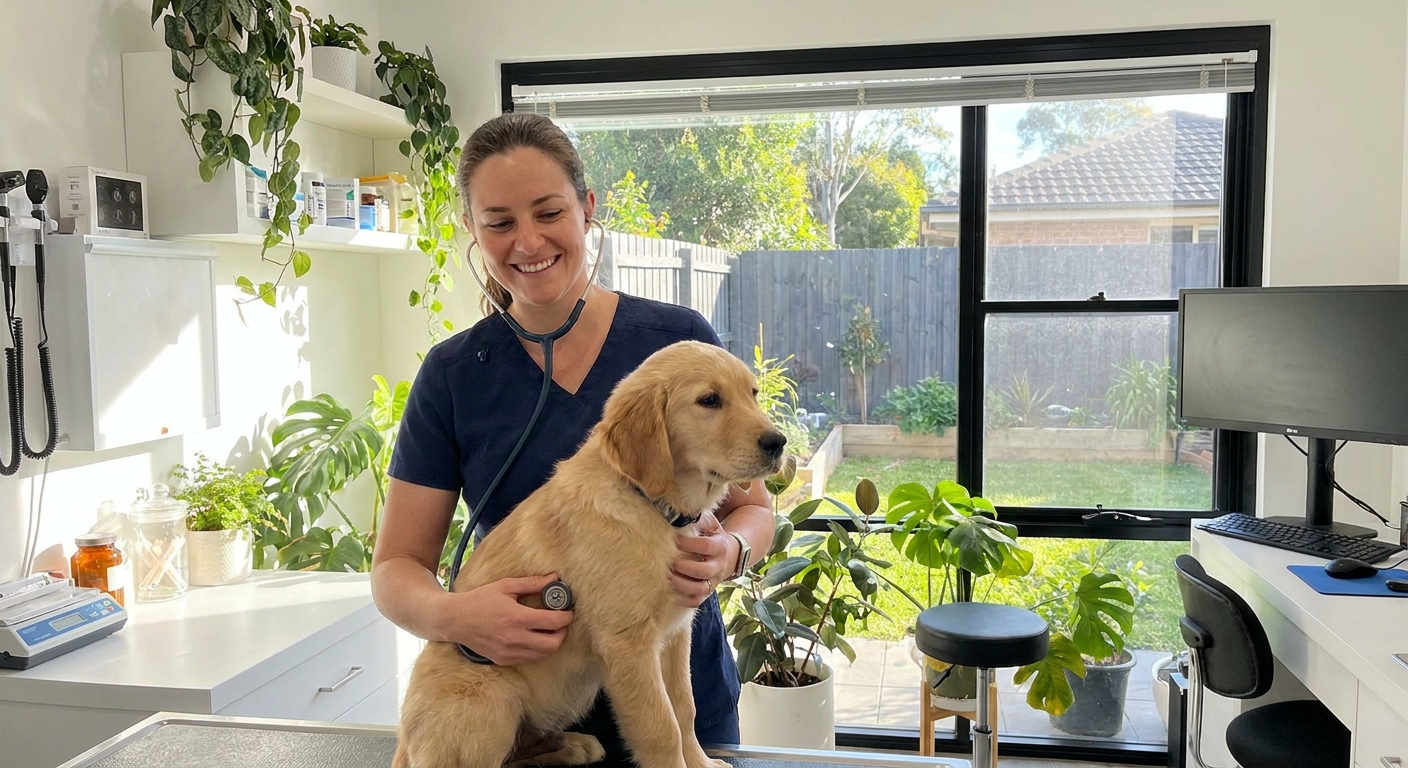
Many PDAs are first suspected during routine puppy exams. A stethoscope finding can strongly suggest PDA, but the diagnosis is confirmed with heart imaging.
Step 1: Physical exam
Your vet will listen and feel for:
- Continuous murmur (often loudest on the left side)
- Bounding pulses
- Fast heart rate or signs of fluid overload in more advanced cases
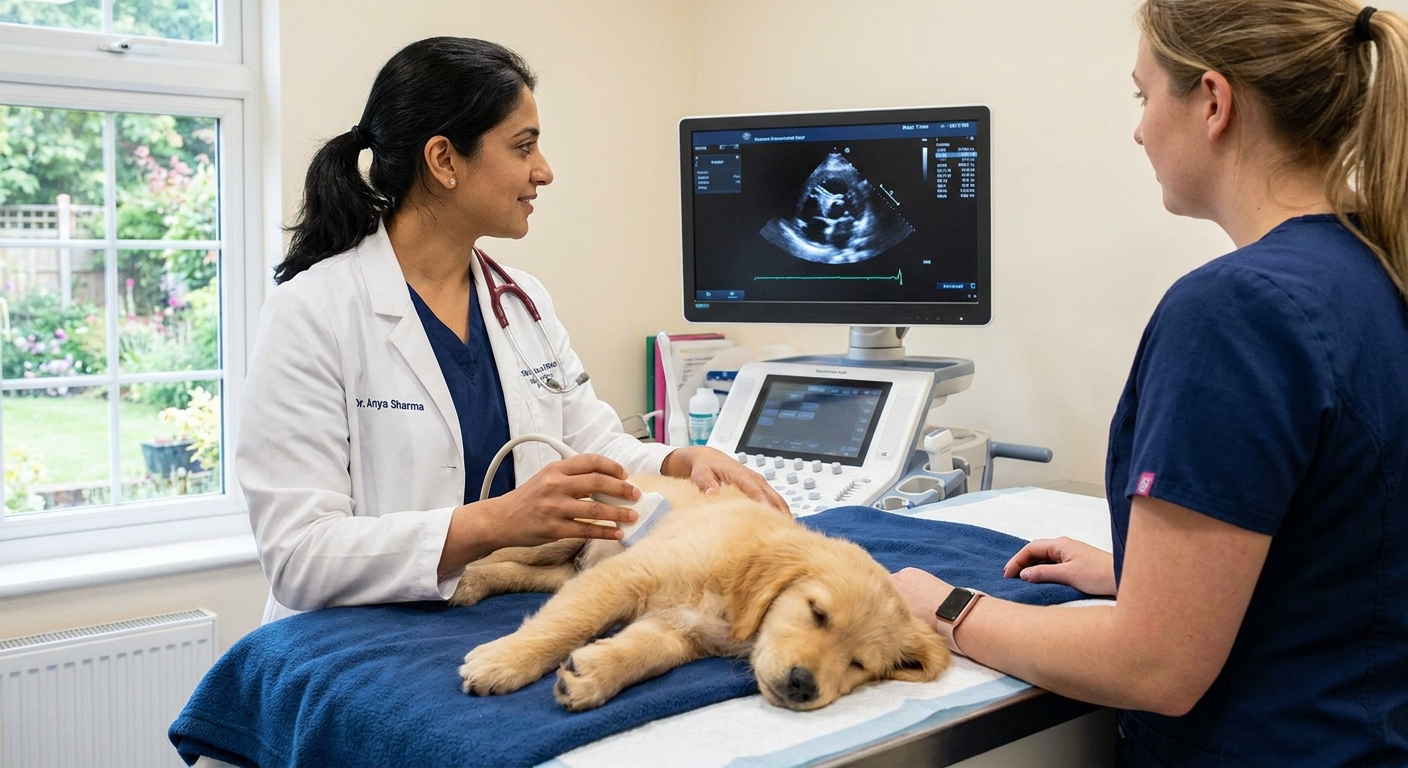
Step 2: Echocardiogram
The gold standard test is an echocardiogram (cardiac ultrasound), usually performed by a veterinary cardiologist or a vet with advanced ultrasound training. An echo can:
- Visualize the abnormal vessel
- Show the direction and speed of abnormal blood flow (often with color Doppler)
- Measure heart chamber enlargement
- Help determine if the PDA is typical (left-to-right) or reversed (right-to-left), which changes treatment decisions
Other tests your vet may recommend
- Chest X-rays to look for heart enlargement and lung changes
- ECG (electrocardiogram) if rhythm concerns are present
- Blood pressure and baseline lab work before anesthesia or procedures
Why closure is recommended
With a typical left-to-right PDA, the heart and lungs are exposed to extra blood volume day after day. Over time, this can lead to:
- Left-sided heart enlargement
- Congestive heart failure (fluid backing up into the lungs)
- Pulmonary overcirculation and, in some cases over time, pulmonary hypertension
- Reduced exercise tolerance and poor growth
Closure is often recommended because it removes the abnormal “leak” and can prevent or reverse overload changes if done early enough.
In many puppies, closing the PDA means they can go on to live a normal, active life with minimal to no long-term medication.
How PDA is closed
Your cardiology team will recommend the best option based on your puppy’s size, anatomy, and overall health.
Catheter-based closure
In many cases, PDA can be closed through a blood vessel using a catheter. A device, such as a coil or an occluder, is placed to block the abnormal vessel. This approach often has:
- Smaller incisions
- Shorter recovery
- Less discomfort than open surgery
Surgical ligation
Some puppies are better candidates for traditional surgery, where the ductus is tied off. It is still a very established treatment, and in experienced hands it can be lifesaving.
Your vet or cardiologist will talk you through anesthesia, risks, cost considerations, and recovery expectations for your specific puppy.
Important: PDA is not a defect to “watch and wait” casually if it is a typical left-to-right PDA. If your cardiologist is recommending closure, it is usually because the risk of progression outweighs the risk of the procedure.
Monitoring before treatment
Sometimes there is a short window between diagnosis and correction, or a puppy may need stabilization first. Monitoring is about catching early heart overload before it becomes an emergency.
At-home monitoring
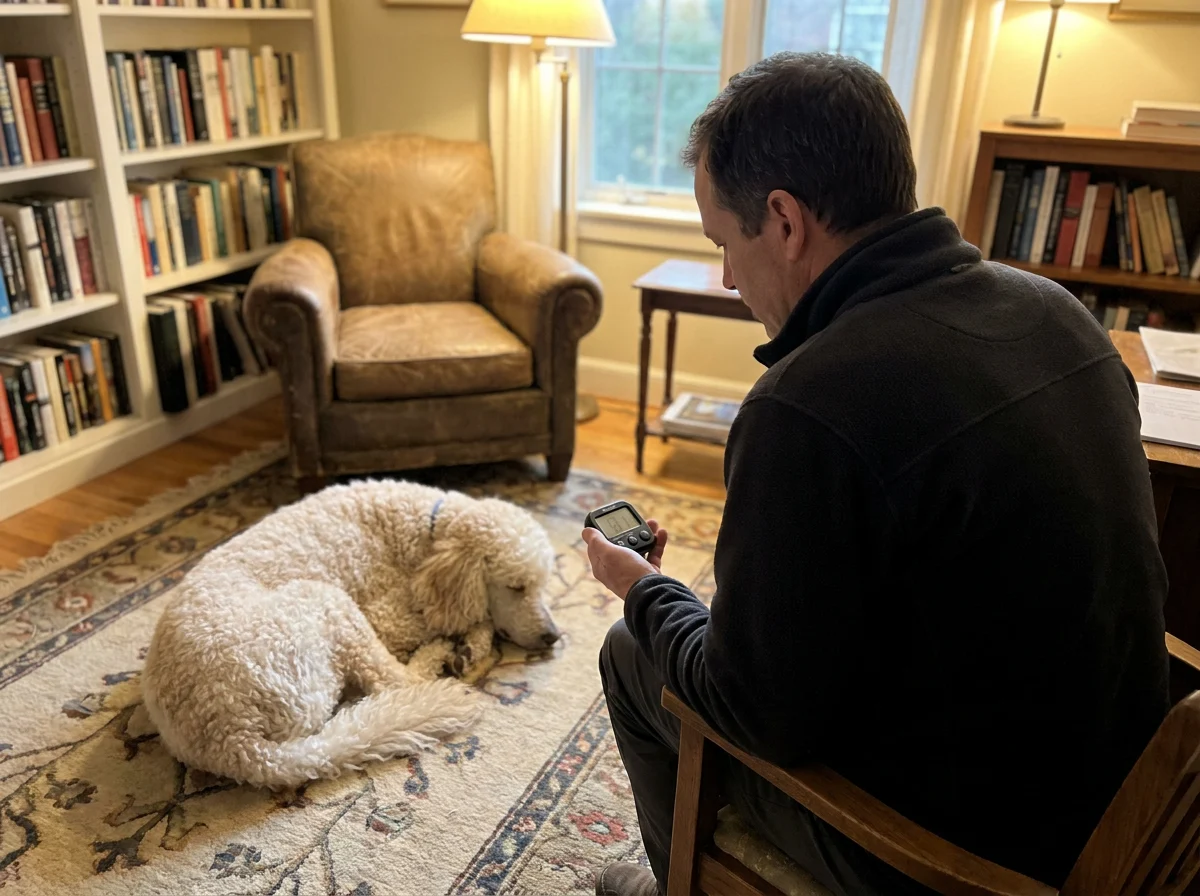
- Count resting respiratory rate when your puppy is asleep. Many clinics like you to track trends, not just a single number. As a general reference, many veterinarians start to worry when a sleeping dog is persistently over about 30 breaths per minute, but your vet will tell you what matters for your puppy.
- Watch energy and recovery after play. Is your puppy bouncing back quickly, or taking longer and longer?
- Track weight weekly in young puppies.
- Note coughing, increased panting, or not wanting to lie down.
Veterinary rechecks
Your veterinarian or cardiologist may schedule:
- Repeat exams to reassess murmur intensity and pulse quality
- Follow-up echo to measure heart size and function
- X-rays if there is any concern for fluid in the lungs
If medications are prescribed (often to support the heart or reduce fluid risk), give them exactly as directed and call your vet if vomiting, appetite changes, weakness, or extreme lethargy show up.
Signs that need same-day care
If your puppy has a suspected or confirmed PDA, these signs should prompt a same-day call to your veterinarian or an emergency clinic:
- Labored breathing, belly effort, or open-mouth breathing
- Breathing rate that is consistently higher than normal at rest, especially if it is rising day by day
- Blue or gray gums or tongue
- Collapse, fainting, or sudden weakness
- Markedly reduced appetite plus lethargy
- Distended belly or sudden weight gain from fluid (less common in puppies, but urgent if present)
Trust your instincts. If your puppy is working harder to breathe, that is never something to monitor overnight without guidance.
Reversed PDA
Most PDAs in puppies are left-to-right and benefit from closure. In a smaller subset, severe changes in lung vessel pressure can cause a PDA to become right-to-left (sometimes called reversed PDA). That situation is different and is one reason an echocardiogram is so important before any attempt to close the ductus.
One clue your cardiologist may ask about is weakness after exercise or bluish color that is more noticeable in the back end than the front, because the abnormal flow pattern can affect oxygen delivery in a unique way.
With a reversed PDA, closure is often contraindicated, and treatment focuses on managing the underlying pressure problem and supporting quality of life. Your cardiologist will guide you very specifically if this is the case.
Breed risk
PDA can happen in any puppy. That said, it has been reported more often in some small breeds, including Poodles, Pomeranians, Shetland Sheepdogs, Maltese, and Chihuahuas. If you have one of these breeds, it is not a reason to panic, but it is a good reason to take any murmur seriously and follow through with the workup your vet recommends.
Outlook after closure
When PDA is closed before significant heart damage occurs, the prognosis is often excellent. Many puppies:
- Gain energy as their heart workload normalizes
- Grow more steadily
- Need minimal long-term treatment beyond follow-up visits
Your cardiologist will typically recommend recheck imaging to confirm the PDA is fully closed and to monitor heart remodeling over time.
FAQ
Can a PDA murmur go away on its own?
A true PDA is an anatomical vessel that failed to close. While very tiny PDAs can be subtle, a clinically significant PDA typically does not “outgrow” itself in a way you can rely on. That is why confirmation with an echocardiogram matters.
Is PDA the same as an innocent puppy murmur?
No. Innocent murmurs can happen in young puppies and may resolve as they mature, but PDA has hallmark findings like a continuous murmur and bounding pulses, and it is linked to structural heart overload. Your veterinarian’s next step is usually referral for an echo when PDA is suspected.
What age is best for PDA closure?
It depends on the puppy’s size and stability, and the cardiologist’s assessment. In general, earlier closure is preferred for typical left-to-right PDA because it helps prevent progression to heart failure.
The takeaway
If you have been told your puppy has a continuous murmur, or your veterinarian is concerned about PDA, you are already doing the right thing by learning and acting early. PDA is one of those diagnoses that can feel scary at first, but it is also one of the congenital heart problems that veterinarians can often fix when caught in time.
If you are ever unsure whether your puppy’s breathing or energy is normal, call your vet. Same-day guidance can make all the difference with heart conditions.