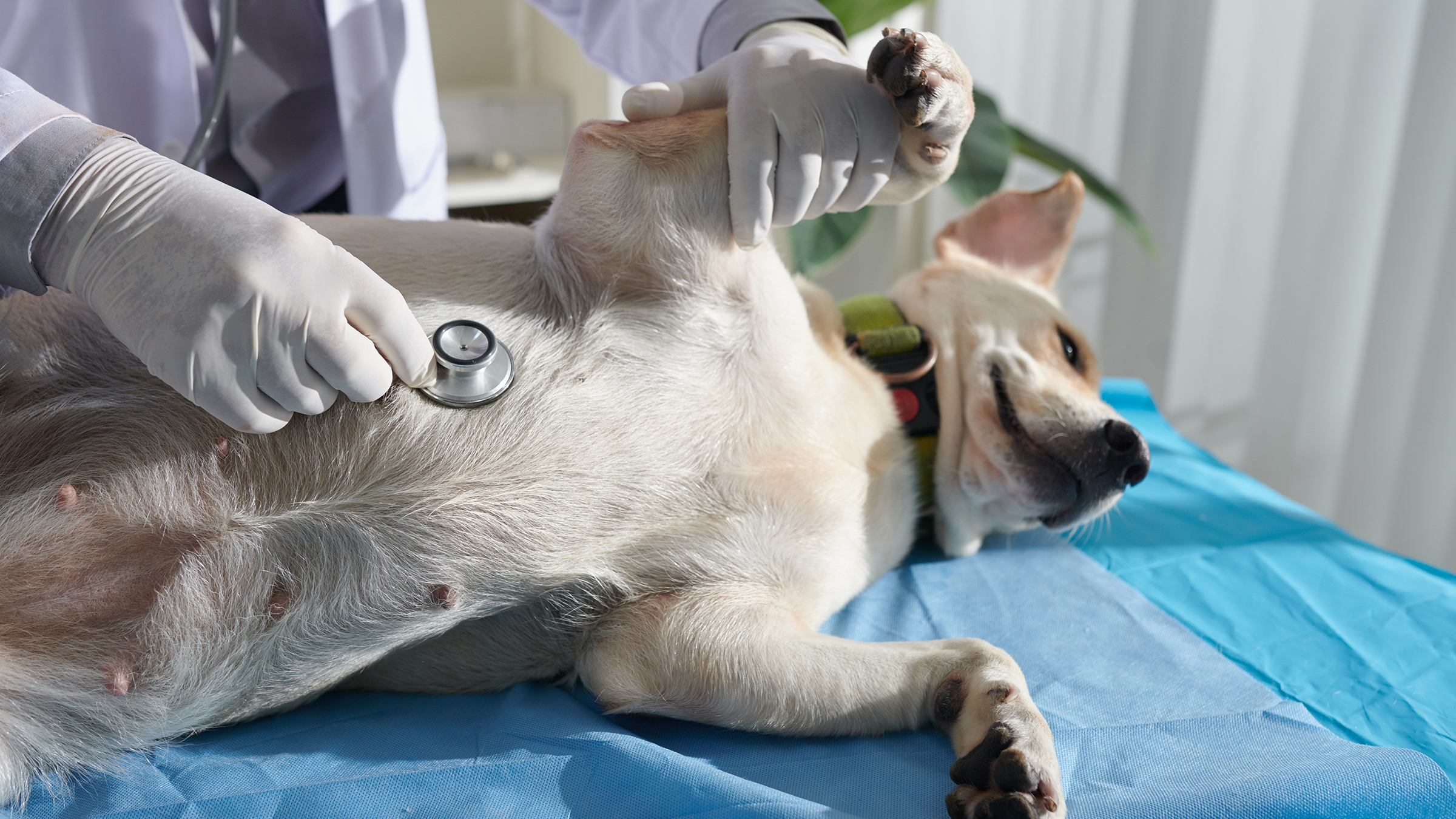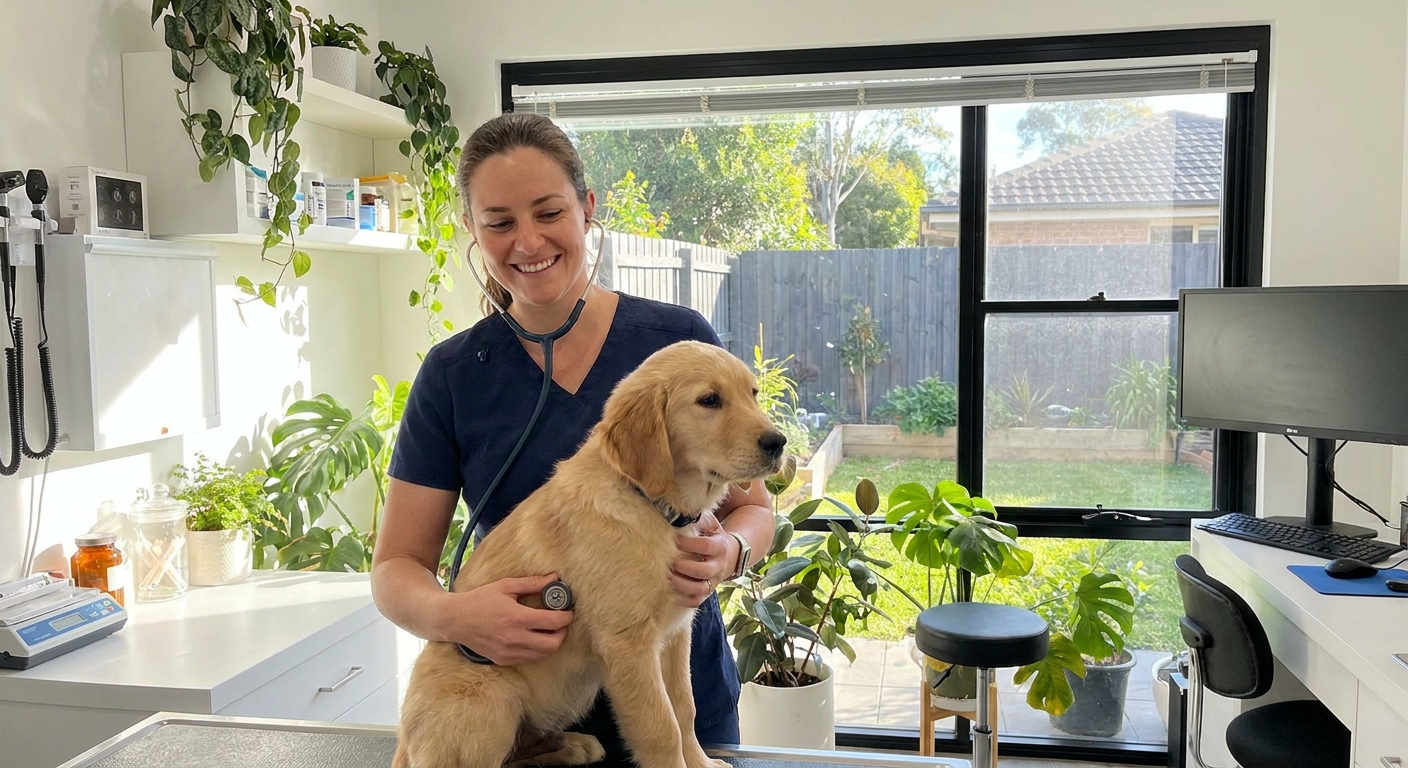
As a veterinary assistant here in Frisco, Texas, I have seen how fast a simple note like “heart murmur” can turn a happy puppy visit into a worried drive home. The good news is that a murmur is not a diagnosis by itself. One important cause that deserves a clear, thoughtful explanation is subaortic stenosis, often shortened to SAS.
SAS is considered a congenital heart defect, meaning a dog is born with the tendency for this problem, even if it is not obvious right away. In many dogs, the narrowing becomes clearer as a puppy grows, and the measured pressure gradient can increase over the first months of life. Let’s walk through what it is, what the murmur can sound like, why exercise matters, what fainting can mean, and what a veterinary cardiologist typically looks at on imaging.
What subaortic stenosis is
Subaortic stenosis is a narrowing of the outflow tract just below the aortic valve, where blood exits the left ventricle (the main pumping chamber) and flows into the aorta to supply the body.
In many dogs with SAS, there is a fibrous ridge or ring of tissue beneath the valve. That narrowing forces the heart to pump harder to move blood forward. Over time, the left ventricle can become thickened, and the abnormally high-velocity blood flow can create turbulence that we hear as a murmur.
Why this location matters
Because the obstruction is on the left side of the heart, SAS affects the pressure the left ventricle must generate. That pressure load is why SAS can be more than “just a murmur,” especially in moderate to severe cases.
How the SAS murmur differs
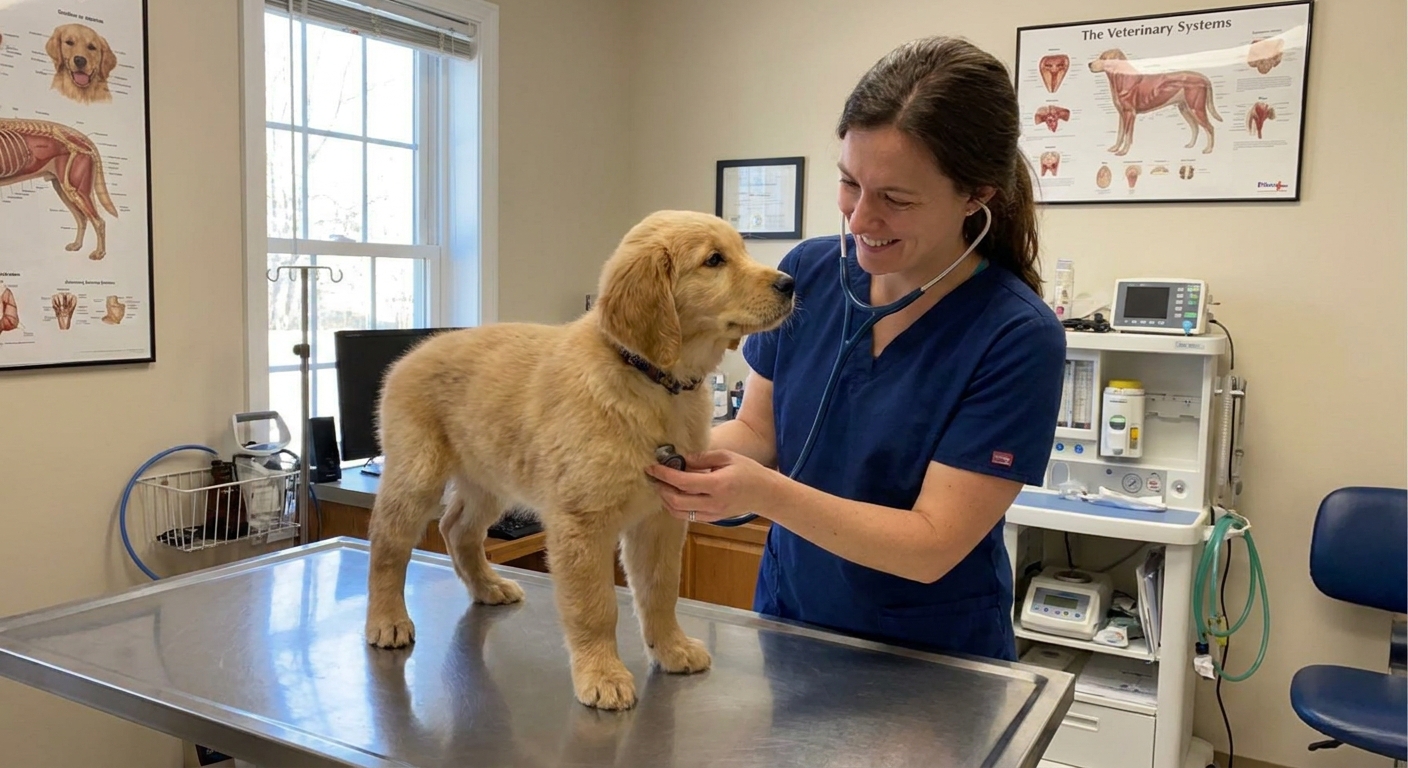
Many puppies have innocent or physiologic murmurs that fade as they grow. Those murmurs are usually:
- Soft in intensity
- Often described as musical or vibratory
- Commonly heard best along the left heart base
- Not associated with symptoms, and often resolving by around 4 to 6 months (timing varies)
A murmur linked with SAS is more likely to raise concern because it is often:
- Harsher (not musical), with a rougher quality
- Also best heard near the left base, but more likely to radiate more widely
- Persistent as the puppy grows
- Sometimes associated with a palpable thrill (a vibration you can feel on the chest) in more significant cases
One tricky detail is that a murmur can change over time. Mild SAS may sound subtle early on and become more obvious as the puppy matures. This is one reason veterinarians may recommend rechecks, and why an echocardiogram is so helpful when SAS is on the list of possibilities.
Symptoms owners may notice
Some dogs with mild SAS have no outward signs and live normal lives with monitoring. When signs do happen, they often relate to the heart struggling to increase output during excitement or exertion.
Common red flags
- Exercise intolerance (your dog stops sooner than expected or lags behind)
- Fainting or collapsing, especially during play, running, or high excitement
- Weakness or seeming “wobbly” after activity
- Fast breathing at rest or prolonged recovery after exercise
Not every collapse is cardiac, but in a dog with a known murmur, fainting deserves urgent veterinary attention.
Why exercise can be risky
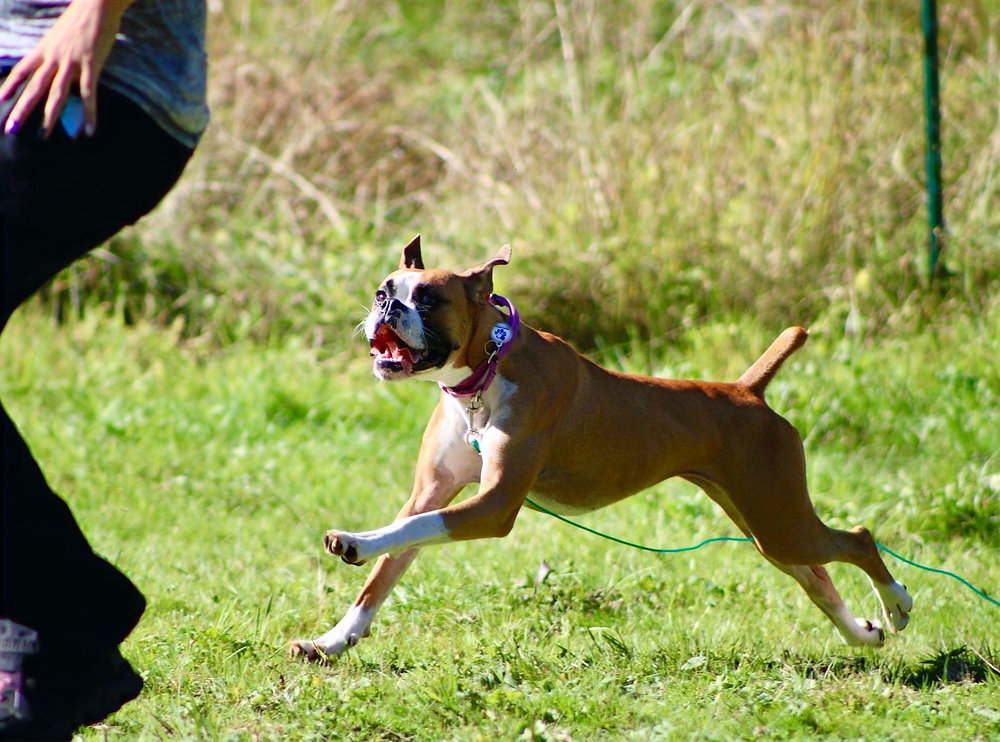
With SAS, the heart has an obstruction that limits how efficiently blood can leave the left ventricle. During strenuous exercise or intense excitement, the body demands more oxygen and blood flow. A dog with significant SAS may not be able to safely meet that demand.
There are two big concerns veterinarians discuss with owners:
- Fainting or collapse due to reduced blood flow to the brain during exertion.
- Abnormal heart rhythms that can develop with left ventricular thickening and stress.
In severe cases, SAS is also associated with an increased risk of sudden death, which is one reason cardiologists take exercise guidance and rhythm assessment so seriously.
If your dog has suspected or confirmed SAS, ask your veterinarian or cardiologist for individualized exercise guidelines. In many cases that means avoiding intense burst activities like repeated ball throwing, sprinting alongside a bike, or high-heat exertion, at least until staging and risk are clearer.
How cardiologists diagnose SAS
A stethoscope starts the conversation, but imaging and measurements are what confirm SAS and help classify severity.
Echocardiogram (cardiac ultrasound)
The gold standard test is an echocardiogram. This allows the cardiologist to see the anatomy under the aortic valve and evaluate how the left ventricle is coping.
Most importantly, they use Doppler to measure blood flow speed and estimate the pressure gradient across the narrowing. Higher velocities and gradients generally indicate more significant obstruction.
Electrocardiogram (ECG)
An ECG evaluates heart rhythm. Some dogs with SAS can have arrhythmias. A normal ECG does not rule out SAS, but it helps assess risk, especially if fainting has occurred.
Chest X-rays (thoracic radiographs)
X-rays can show overall heart size and the lung fields. SAS does not always cause dramatic X-ray changes early, but radiographs can help rule out other problems and provide baseline information.
Blood pressure and additional monitoring
Some dogs benefit from blood pressure checks and, in select cases, extended rhythm monitoring (like a Holter monitor) if intermittent arrhythmias are suspected.
After the cardiology visit
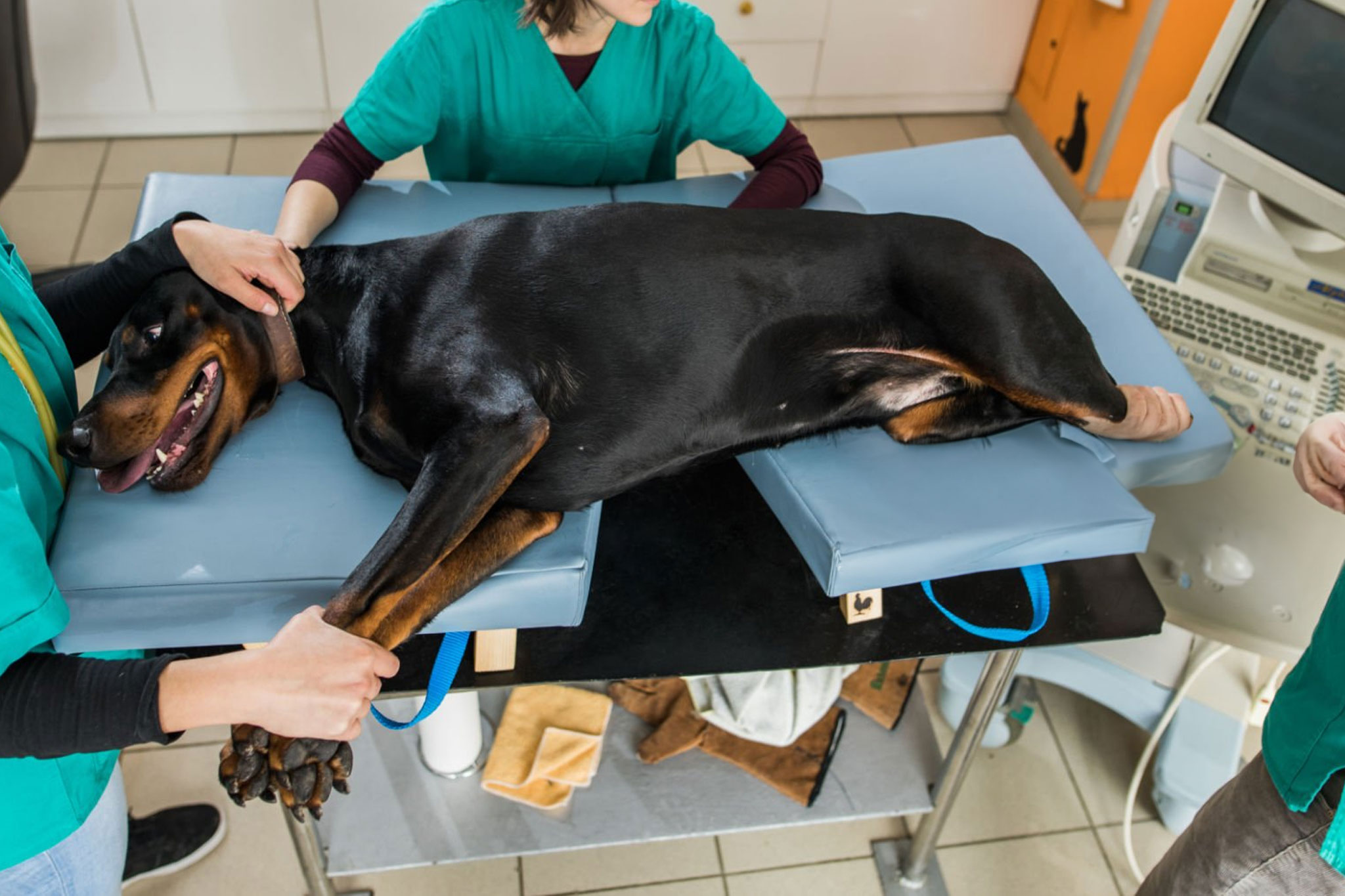
After an echocardiogram, owners often feel a mix of relief (finally, answers) and information overload. If your dog is diagnosed with SAS, the cardiologist will usually summarize what they found in plain terms: how narrow the area is, how hard the left ventricle is working, whether the heart muscle looks thickened, and what the Doppler measurements suggest about severity.
Many cardiologists describe cases as mild, moderate, or severe based on Doppler velocity or estimated pressure gradient, along with clinical signs. Follow-up timing depends on that staging. Mild cases may be monitored less frequently, while moderate to severe cases often need closer rechecks, especially in young dogs where gradients can change as they mature.
Monitoring and daily life
If your dog is diagnosed with SAS, your veterinary team will usually talk through severity, lifestyle, and a follow-up plan. I always encourage owners to bring a notebook or use a notes app, because there can be a lot of information quickly.
Topics that often come up
- Severity staging based on echo measurements and clinical signs.
- Exercise recommendations tailored to your dog’s risk.
- Medication discussions. In some moderate to severe cases, a cardiologist may discuss medications such as beta-blockers (for example, atenolol) or other strategies to reduce arrhythmia risk and help manage how hard the heart is working. What is appropriate depends on the individual dog.
- Recheck schedule, which may include repeat echocardiograms to track progression.
- Endocarditis risk education. Dogs with SAS have a higher risk of infective endocarditis, which most often involves the heart valves or nearby endocardial surface. Your cardiologist may give guidance about dental care, and when to seek help for unexplained fever, lethargy, or appetite loss.
If you are ever unsure what your dog is allowed to do, it is completely fair to ask, “Can you give me two or three examples of safe daily exercise for my dog?” Clear examples make the plan easier to follow.
Treatment and procedures
Owners often ask if SAS can be “fixed.” The honest answer is that SAS can be challenging to correct completely because of where the narrowing is and how the tissue forms below the valve.
Depending on the case and the specialty center, a cardiologist may discuss interventional options such as balloon valvuloplasty or other catheter-based approaches (including cutting balloon techniques in select settings). Benefit can be limited or variable, and not every dog is a candidate. This is exactly why an evaluation by a board-certified veterinary cardiologist is so valuable. They can explain what is realistic for your dog’s anatomy and severity.
Even when a procedure is not recommended, many dogs still do well with thoughtful monitoring, appropriate activity choices, and prompt attention to symptoms.
Prognosis
Prognosis with SAS is strongly tied to severity and whether a dog is having symptoms.
- Mild SAS: many dogs feel normal, may need periodic monitoring, and can have a good quality of life.
- Moderate SAS: activity guidelines and follow-up matter more, and medication may be discussed depending on the dog’s measurements and rhythm status.
- Severe SAS: carries higher risk for dangerous arrhythmias, fainting episodes, and sudden death, so cardiology supervision is especially important.
I always try to remind families that prognosis is individual. Two dogs can have the same diagnosis label, but very different risk profiles based on their echo measurements, rhythm findings, and real-life symptoms.
Keeping defects separate
It is easy to lump congenital heart problems together, but they are not interchangeable. SAS is a narrowing below the aortic valve on the left side of the heart.
- Patent ductus arteriosus (PDA) is a separate defect where a fetal blood vessel fails to close after birth, creating abnormal blood flow between major vessels.
- Pulmonic stenosis is another separate defect involving narrowing at or near the pulmonary valve on the right side of the heart.
These conditions can all cause murmurs, but the risks, treatment options, and long-term monitoring plans are different. That is why the exact diagnosis matters so much.
What to do next
If your veterinarian mentioned possible SAS, here are practical next steps that help you stay grounded and proactive:
- Schedule the cardiology visit if recommended, especially for moderate to loud murmurs or any symptoms.
- Video any episodes of collapse, weakness, or odd breathing. Even a short clip can help your vet.
- Keep exercise calm and consistent until you have clear guidance. Avoid big bursts of exertion.
- Track resting respiratory rate when your dog is asleep or deeply relaxed. Your vet can tell you what range is appropriate for your dog.
- Ask about dental care and infection risk, since good oral health can matter in dogs with certain heart conditions.
Most of all, remember this: getting a diagnosis is not the same as getting a bad outcome. It is the starting point for making smart choices that protect your dog’s heart and quality of life.

FAQ
Can a puppy outgrow subaortic stenosis?
Innocent puppy murmurs can fade with age, but SAS is a structural narrowing. The murmur may change as a puppy grows, and severity may become more apparent over time, but SAS itself is not something a dog simply outgrows. That is why rechecks and echocardiography matter.
Is SAS painful for dogs?
SAS is not usually described as painful, but it can make a dog feel tired, weak, or faint, especially with exertion if the obstruction is significant.
What does fainting mean in a dog with a murmur?
Fainting can indicate the brain is not receiving enough blood flow during excitement or exercise, or it can be related to an arrhythmia. If your dog collapses, treat it as urgent and contact your veterinarian or an emergency clinic right away.
Are some breeds more at risk?
Yes. SAS is seen more often in certain breeds and can run in families. Breeds commonly discussed include Newfoundlands, Boxers, Golden Retrievers, Rottweilers, and German Shepherd Dogs, among others. If you have a breed with known predisposition, it is worth taking any murmur seriously and following through with recommended screening.