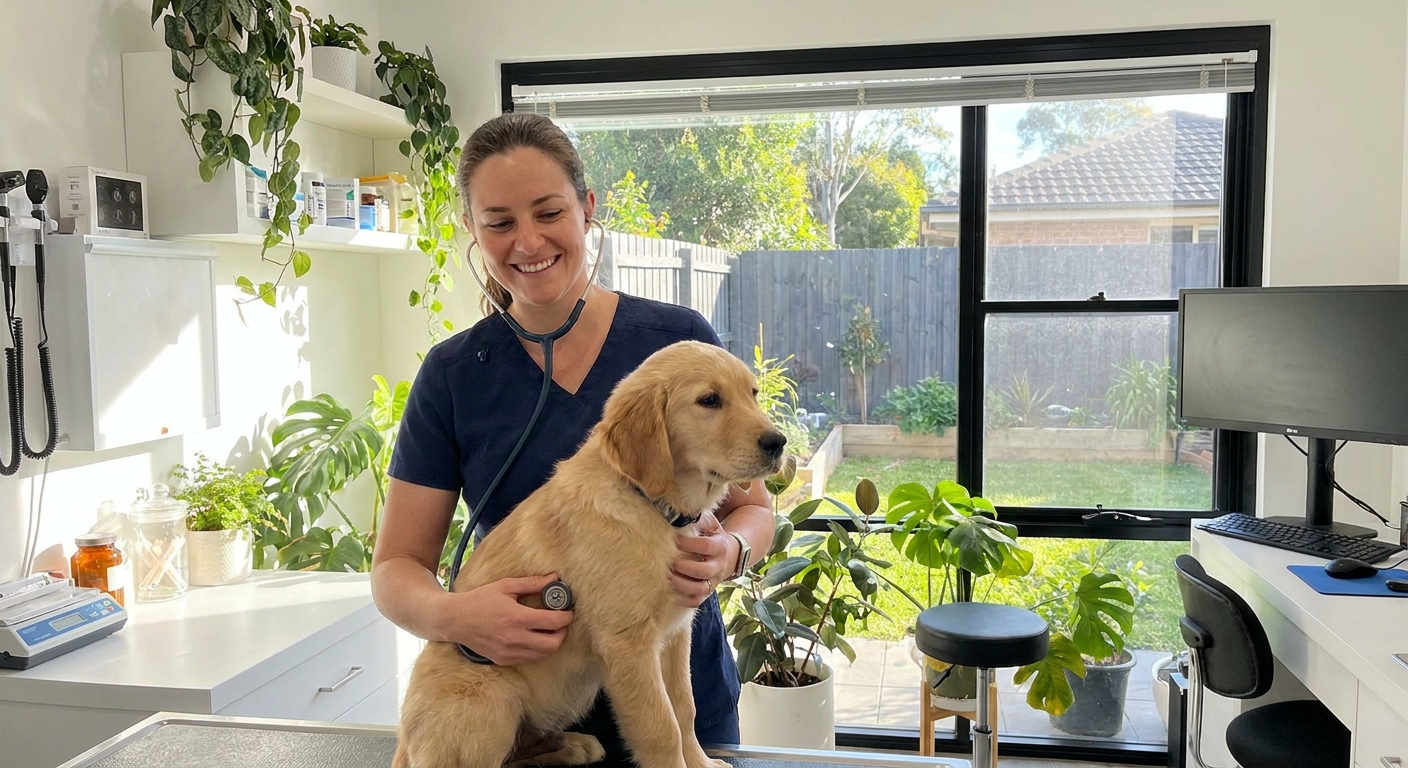
I have met a lot of families who come into the clinic feeling scared after a routine puppy visit ends with, “I hear a heart murmur.” The first thing I tell them is this: not every puppy murmur is dangerous. Many young dogs have innocent (physiologic) murmurs that fade with growth. But some murmurs are linked to a specific valve problem, and that valve problem has its own roadmap for testing, exercise decisions, and treatment. Pulmonic stenosis is a big one.
Pulmonic stenosis (often shortened to PS) means the pulmonary valve, the “door” that lets blood leave the right side of the heart and go to the lungs, is too narrow. That narrowing creates turbulence, which is what your veterinarian hears as a murmur.

What it is and why it causes a murmur
The right ventricle is the heart chamber that pumps blood toward the lungs. In pulmonic stenosis, blood has to squeeze through a narrowed area near the pulmonary valve. That creates two problems:
- A whooshing sound (murmur) from turbulent flow. This murmur is often noticeable, but murmur loudness does not reliably match severity.
- Extra workload on the right ventricle because it has to pump against higher resistance.
Over time, that strain can cause thickening of the right ventricle (right ventricular hypertrophy). In more severe cases, the heart may struggle to keep up during exertion, excitement, heat, or stress.
PS is usually congenital, meaning the dog is born with it. It is often detected in puppies or young dogs because the murmur is heard early in life. Classically, veterinarians hear it best at the left heart base, but auscultation alone cannot confirm the diagnosis.
Common signs at home
Many dogs with mild PS feel completely normal day to day. The murmur is sometimes the only clue. As severity increases, owners may notice signs tied to reduced ability to increase blood flow during activity.
Signs that can fit pulmonic stenosis
- Exercise intolerance (your dog quits early, lies down on walks, lags behind)
- Heavy breathing sooner than expected during play
- Fainting or collapsing (syncope), often with excitement or exertion
- Episodes of sudden weakness that resolve with rest
- Stunted growth in some puppies with more significant disease
If a dog collapses, I treat that as urgent. Even when the dog “bounces back,” it is a sign the heart may not be maintaining normal blood pressure during activity, or that an abnormal rhythm is occurring.

Exercise limits
One of the hardest parts of PS is that your dog might look totally fine until they are not. Exercise guidance depends on severity, symptoms, and whether abnormal heart rhythms are present.
Safety rules while you wait for cardiology
- Avoid burst exertion like fetch sprints, hard running with other dogs, or intense agility sessions.
- Keep walks calm and short, especially in heat and humidity.
- Use a harness instead of a neck collar if your dog pulls. This is a general low-stress handling tip that can make walks gentler and safer while you are sorting out a heart diagnosis.
- Watch recovery time. A dog who stays winded longer than expected is telling you something.
- No forced exercise. Let your dog set the pace.
After diagnosis, your veterinary cardiologist may say your dog can do normal family activities, or they may recommend stricter limits. Please do not guess based on murmur “loudness” alone. The sound does not always match severity.
If your dog has fainted, collapsed, or seemed suddenly weak, treat that as a same-day call to your vet or an emergency visit, especially if it happens with activity or excitement.
How PS is diagnosed and graded
Your primary vet can suspect PS based on the murmur location and sound, but a veterinary cardiologist is the best next step for confirming what is happening and how serious it is. An echocardiogram is also how we separate PS from other common causes of puppy murmurs, including innocent murmurs and congenital defects like PDA, VSD, and subaortic stenosis.
Tests commonly used
- Echocardiogram (heart ultrasound): This is the key test. It lets the cardiologist look at valve anatomy, right ventricular thickness, and blood flow.
- Doppler measurements: Doppler is used during the echocardiogram to estimate how fast blood is moving through the narrowed area. Faster flow usually means a higher pressure gradient across the obstruction.
- Electrocardiogram (ECG): Evaluates heart rhythm. Some dogs, particularly those with more significant disease or other contributing issues, may have rhythm abnormalities that affect risk discussions and anesthesia planning.
- Chest X-rays: Sometimes used to evaluate heart size and blood vessel appearance, especially if symptoms are present.
Severity is often discussed as mild, moderate, or severe. Cardiologists may also talk in terms of pressure gradient. Cutoffs vary by cardiologist and institution, but the point is the same: the gradient helps estimate how hard the right ventricle must work to push blood past the narrowing.
Why grading matters
- Mild PS often needs monitoring, not procedures.
- Moderate PS is a gray zone where your dog’s symptoms, measurements, and breed-related factors can influence the plan.
- Severe PS is where intervention is more commonly discussed because long-term strain and complications are more likely.
PS is seen more often in certain breeds, including Bulldogs (including French Bulldogs), Boxers, and some small breeds. Breed does not replace testing, but it can raise suspicion and shape conversations about risk.
Balloon valvuloplasty
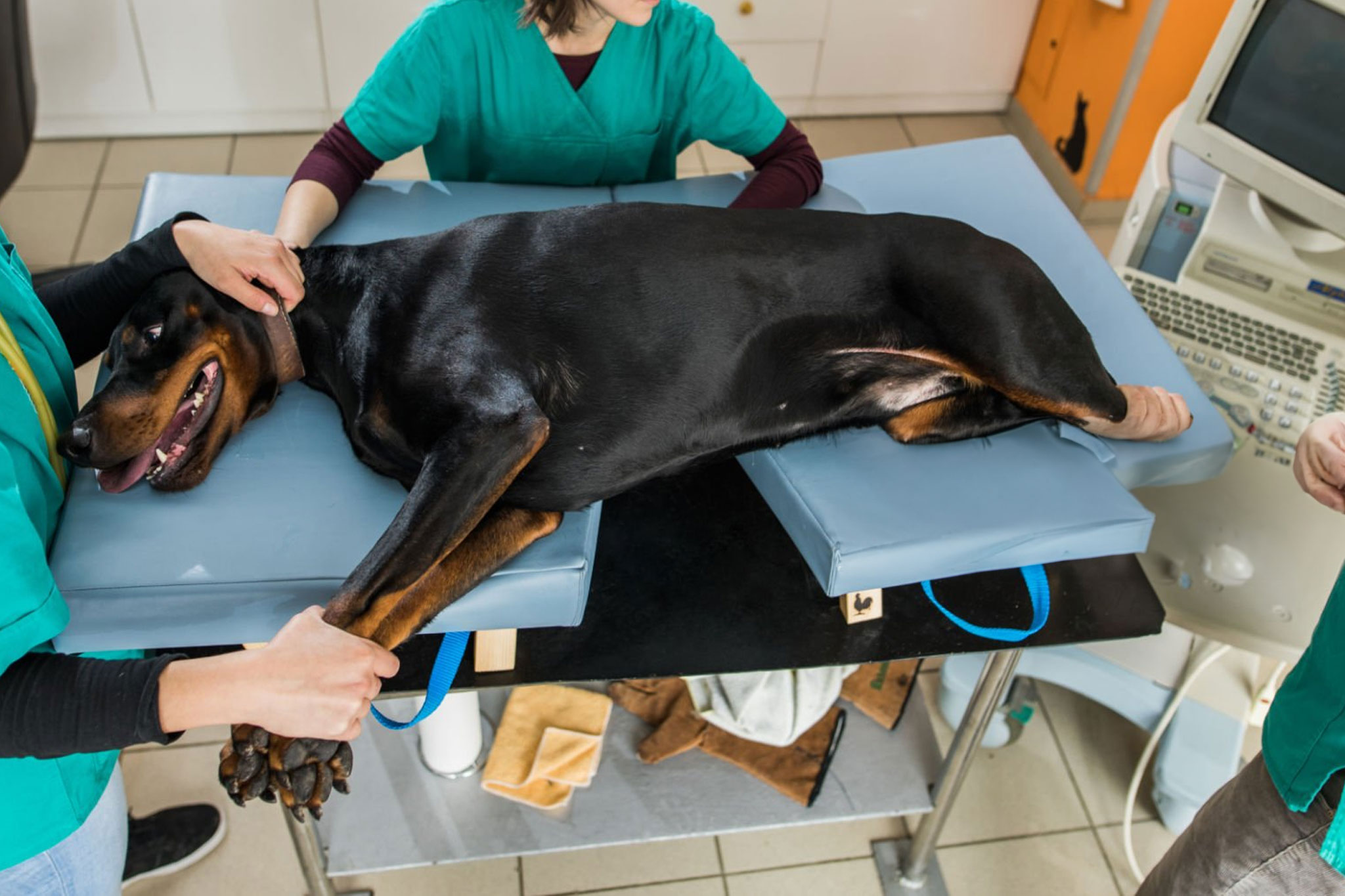
Balloon valvuloplasty is a catheter-based procedure where a balloon is guided into position and inflated to widen the narrowed valve opening. It is not open-heart surgery, but it is still a specialized cardiac procedure done under anesthesia, typically by a cardiologist or a specialty team.
It is more likely to be considered when
- The stenosis is moderate to severe based on echocardiogram measurements.
- Your dog has clinical signs such as fainting, collapse, or marked exercise intolerance.
- The cardiologist feels the anatomy is appropriate for ballooning.
- There is concern for progression of right-sided heart changes over time.
Owners often ask me, “Does it cure it?” The honest, evidence-based answer is that it is usually considered a way to reduce the obstruction and lower the workload on the right side of the heart. Many dogs improve, sometimes dramatically. Results vary depending on the type of PS and the individual dog’s valve structure. For example, valve dysplasia or more complex narrowing below the valve may respond less predictably than a straightforward valvular stenosis.
What about medication?
Some dogs with PS may be prescribed medications, such as beta-blockers, especially if there are rhythm concerns or if the cardiologist wants to reduce the heart’s oxygen demand. Medication does not “open” the valve, but it can help manage consequences of the narrowing in select cases.
When monitoring is right
Monitoring is not “doing nothing.” For many mild cases, it is the safest and most appropriate option. In those dogs, the cardiologist may recommend:
- Recheck echocardiograms on a schedule, often months to a year apart at first.
- Activity guidance tailored to your dog, including how to handle hot weather and excitement.
- Watching for new symptoms like collapse, sudden fatigue, or decreased willingness to play.
If your dog is monitored, keeping a simple log can help you and your veterinarian spot changes early. Note things like stamina on walks, how fast your dog recovers, and any episodes of wobbliness or near-fainting.
Fainting: what to do now
Fainting can look like a sudden drop, a brief loss of consciousness, and then a quick return to normal. It can also look like a sudden wobble, a near-collapse, or a moment where your dog seems like they cannot stay upright. Either way, it deserves attention.
At-home steps if your dog collapses
- Stop activity immediately and keep your dog calm and cool.
- Time the episode if you can safely do so.
- Check gum color. Pale, gray, or blue-tinged gums are an emergency.
- Call your vet or an ER and describe what happened, including whether exercise or excitement triggered it.
- Record a video if it happens again and you can do so without delaying care. Videos help cardiologists a lot.
Please do not assume a fainting episode is “just a one-time fluke,” especially in a young dog with a murmur.
Living with PS
Once you have a confirmed diagnosis and a severity grade, most families settle into a routine quickly. Your job is not to keep your dog in a bubble. It is to create a lifestyle that supports the heart.
Helpful habits
- Keep your dog lean. Extra weight increases cardiovascular demand.
- Prevent overheating with early-morning walks, shade breaks, and indoor play during Texas-style heat.
- Prioritize calm enrichment like sniff walks, training games, food puzzles, and gentle swimming if approved by your cardiologist.
- Stay current on prevention for heartworm, fleas, and ticks. Heartworm disease is hard on the heart and lungs, and you do not want that on top of PS.

Prognosis
This is the question behind most of the questions I get in the exam room. Prognosis depends heavily on severity and anatomy:
- Mild PS: Many dogs live normal, active lives with periodic monitoring.
- Moderate PS: Many do well, but the plan is more individualized, and follow-up matters.
- Severe PS: Without intervention, the long-term risk of complications is higher. This is where a cardiologist is most likely to discuss procedures, medications, and stricter activity guidance.
Questions owners ask
Is a louder murmur always more severe?
No. Murmur loudness can offer clues, but it does not reliably grade severity. Echocardiography is the dependable way to assess how narrowed the valve is and how the heart is responding.
Can my puppy outgrow PS?
The underlying narrowing is congenital and does not typically “go away” with age. What can change is how the dog tolerates it and whether heart changes develop. That is why follow-up matters.
Is anesthesia dangerous for dogs with PS?
Anesthesia always deserves extra planning in dogs with heart disease. Many dogs with mild to moderate PS can still undergo anesthesia safely with the right protocol and monitoring, but the risk level depends on severity and rhythm status. Tell every veterinary team involved in your dog’s care that your dog has a diagnosed heart condition, and ask your cardiologist for guidance before elective procedures.
Should my dog be bred?
Because PS is congenital and can have a hereditary component, cardiologists and primary care veterinarians commonly advise against breeding affected dogs. If you have a purebred dog, it is also worth having a conversation with your breeder and your cardiologist about the implications for related dogs.
When to call your vet
If your dog has a murmur and PS is suspected or diagnosed, contact your veterinary team promptly if you notice:
- Any fainting, collapse, or near-collapse
- Sudden change in exercise tolerance
- Labored breathing at rest
- Blue or very pale gums
- Episodes of extreme weakness or disorientation
If you are in the “waiting for the cardiology appointment” stage, you are not powerless. Keep activity gentle, avoid heat and high excitement, and call your vet if anything seems off. Early evaluation is the best way to protect a young heart.