As a veterinary assistant here in Frisco, Texas, I have seen this panic more times than I can count: a puppy gets a parvo shot, then a few days later they stop eating or start vomiting, and their person says, “But he’s vaccinated.”
It is a completely fair question. Parvo vaccines are excellent, and they save lives. But vaccines do not create an instant force field, especially in young puppies whose immune systems are still learning and whose vaccine schedule is still in progress.
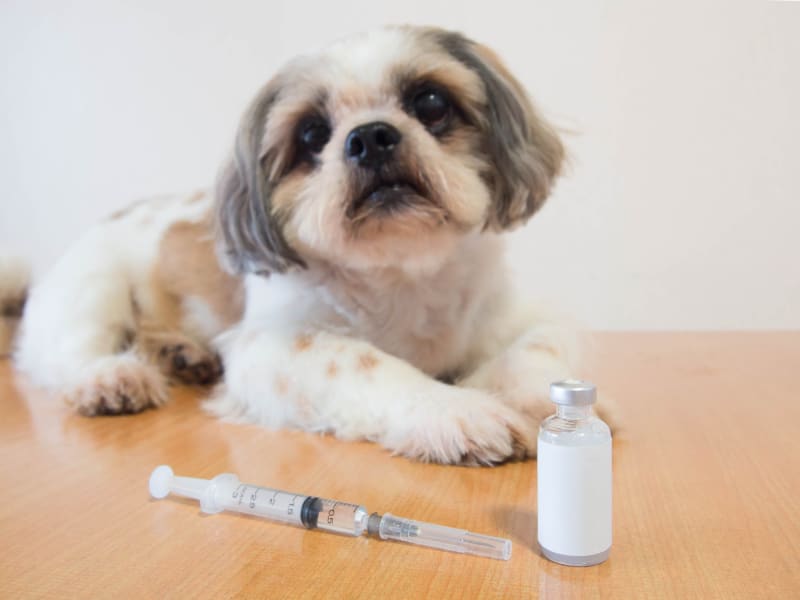
Let’s walk through the real reasons a vaccinated puppy can still get parvo, what “fully protected” actually means, and which symptoms should still trigger immediate testing even if your puppy recently had shots.
Yes, a vaccinated puppy can still get parvo
Parvo vaccination dramatically lowers the risk of infection and, just as importantly, often reduces how severe illness can be if exposure happens.
However, a puppy can still become infected if:
- their vaccine series is not complete yet
- maternal antibodies interfere with early doses
- there is a timing gap or missed booster
- they were exposed before immunity had time to build
- their immune system is weakened (illness, parasites, severe stress, certain medications)
None of this means the vaccines “didn’t work” in general. It means protection develops in stages, and puppyhood has a tricky window where risk is still real.
Maternal antibodies: why early shots can miss
Puppies receive maternal antibodies from their mother, mostly through colostrum in the first day of life. These antibodies are a wonderful early defense.
The problem is that maternal antibodies can also neutralize a vaccine before the puppy’s immune system can respond to it. In plain language: mom’s protection can block the shot.
Why vets give a series
Maternal antibodies fade at different rates in different puppies, even within the same litter. That is why veterinarians use a series of vaccines rather than a single dose. The goal is to catch the moment when maternal antibodies have dropped low enough for the vaccine to take hold.
This is also why the final booster is so important. For many puppies, the dose given later in the series is the one that truly locks in protection.
Incomplete series: not the finish line
Many owners hear “he got his parvo shot” and understandably assume that means “he is protected.” A key detail is that the “parvo shot” is usually part of a combo vaccine labeled DHPP (sometimes DAPP), and puppies typically need multiple doses.
While your veterinarian will set the exact timing for your puppy, many protocols include vaccines every 2 to 4 weeks starting around 6 to 8 weeks of age, with the final dose given at 16 weeks or later.
In higher-risk areas or certain situations, your veterinarian may recommend extending the puppy series with an additional dose later (for example, 18 to 20 weeks). This is not an arbitrary extra booster. It is a way to close the maternal-antibody gap for some puppies.
If your puppy has had only one or two doses, they may have partial protection, but they are not reliably protected in the way an adult dog is after completing an appropriate series.
Timing gaps and missed boosters
Puppy vaccines work best when they are given on schedule. If a booster is delayed, you can end up with a longer period where:
- maternal antibodies have already faded
- but your puppy has not yet built strong vaccine-driven immunity
That gap is a classic setup for parvo exposure to turn into illness.
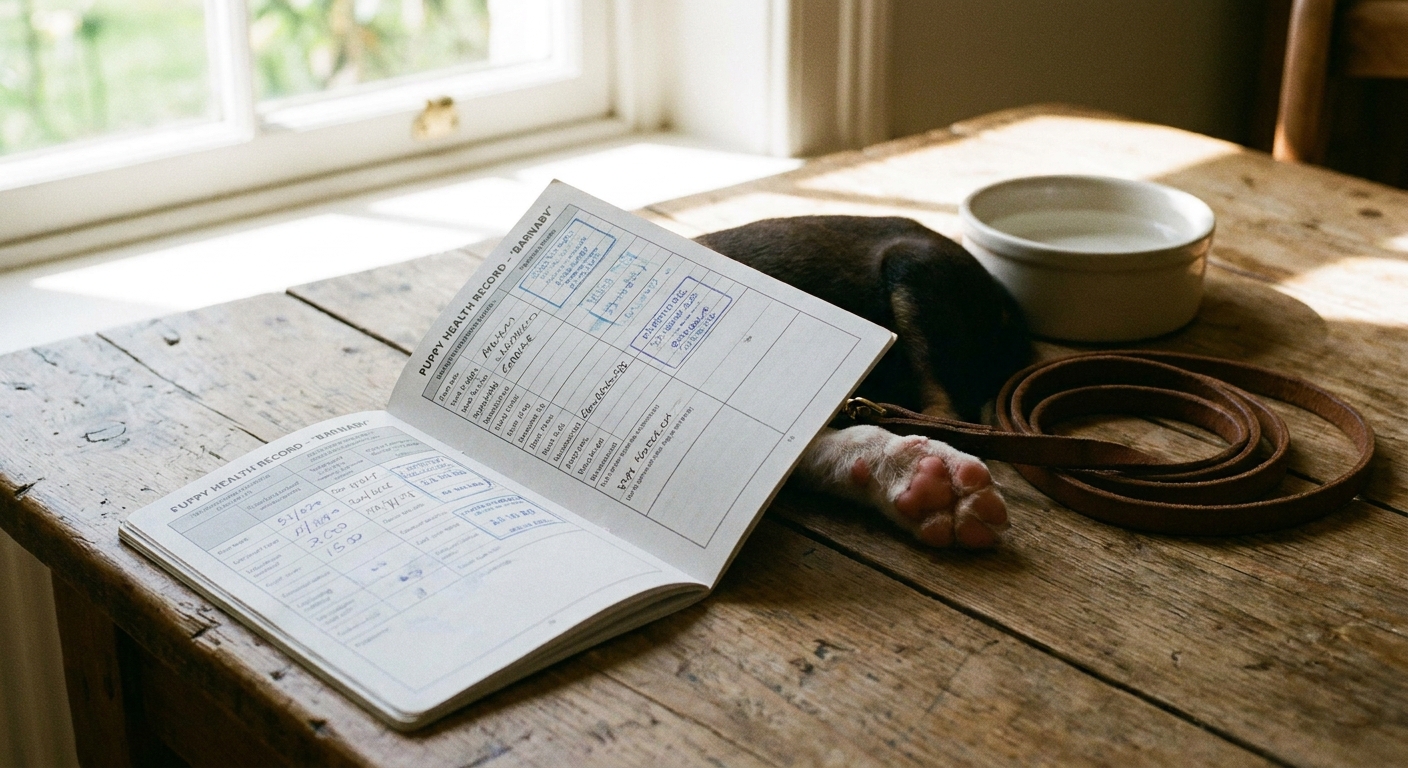
If you missed an appointment or adopted a puppy with an unknown vaccine history, do not guess. Bring any records you have to your vet so they can recommend the safest way to catch up.
Exposure can happen before protection
Even when a vaccine is given on the perfect day, the immune system still needs time to respond.
After a vaccine, the body has to recognize the antigen and build antibodies and immune memory. That takes days, not hours.
So a puppy can be vaccinated and still get parvo if they were exposed:
- right before the shot
- in the days shortly after the shot
- between doses during the series
This is one reason veterinarians recommend caution with higher-risk environments until the vaccine series is complete.
Risk is higher in some settings
Parvo is tough, persistent in the environment, and easy to bring home on shoes, tires, or paws. Risk tends to be higher when puppies are:
- using shared potty areas in apartments or busy neighborhoods
- visiting dog parks or pet store floors before they are fully vaccinated
- around unknown dogs or places where many dogs have been
- newly adopted from situations with lots of dogs and shared spaces
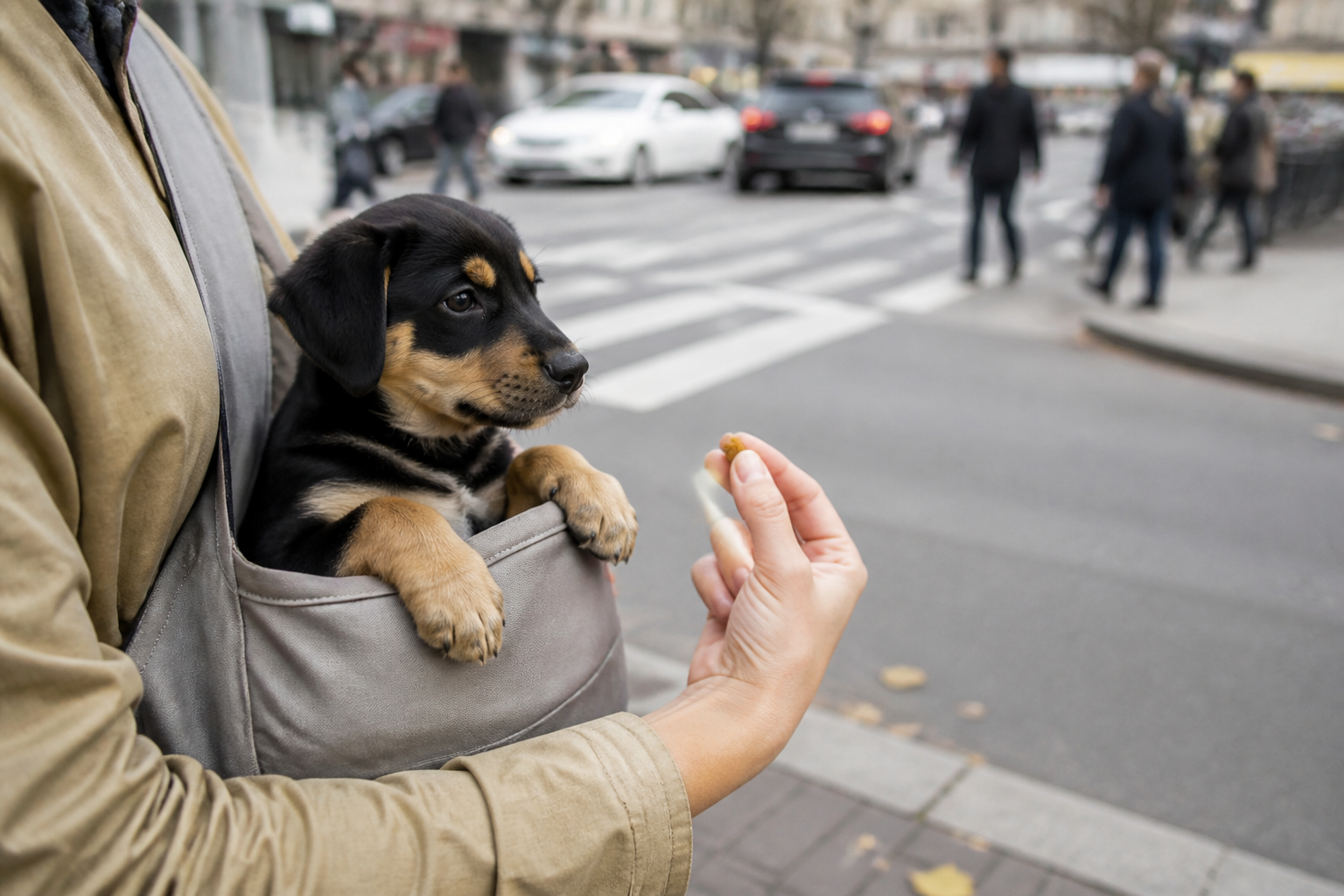
I always tell puppy families: socialization matters, but you can socialize smartly. Choose safer exposures like meeting healthy, vaccinated adult dogs you know, puppy classes that require vaccine records and proper cleaning, and carrying your puppy in higher-risk public areas.
Do symptoms still mean urgent testing?
Yes. If a puppy is showing symptoms consistent with parvo, vaccination status should never be used as the reason to wait and see.
Here is why: parvo can worsen quickly due to dehydration, electrolyte imbalance, and secondary infections. In very young or small puppies, complications can also include low blood sugar. Early treatment can be lifesaving.
Symptoms to test right away
If your puppy has recently been vaccinated and you see any of the following, call your vet or an emergency clinic right away and ask about parvo testing:
- vomiting, especially repeated vomiting or vomiting with lethargy
- diarrhea, especially severe, watery, or foul-smelling diarrhea
- any blood in stool or dark, tarry stool
- marked lethargy or weakness that is out of character
- not eating for a full day in a young puppy, or refusing multiple meals plus acting unwell
- signs of dehydration such as tacky gums, sunken eyes, or worsening weakness
- fever or low body temperature (either can happen)
- rapid decline over hours, not days
Some puppies can have mild, temporary side effects after vaccination like sleepiness or a sore injection site. But vomiting and diarrhea in a puppy always deserve a fast call, because young pups dehydrate quickly, even when it is not parvo.
What testing looks like
Most clinics start with a fecal parvo test that looks for viral antigen in stool. Depending on timing and the puppy’s symptoms, your veterinarian may also recommend:
- bloodwork to check white blood cells, hydration status, and electrolytes
- testing for intestinal parasites, because parasites and parvo can look similar early on
- an exam to assess hydration and abdominal pain
One important nuance: false negatives can happen, especially early in the course of illness or if the sample timing is off. On the flip side, recent vaccination can occasionally complicate interpretation in some cases. Your vet will interpret results in context.
If your puppy looks like parvo clinically, your veterinarian may start treatment right away and repeat testing if needed.
If you suspect parvo: do this now
Here are practical steps I recommend while you are arranging veterinary care:
- Call ahead so the clinic can guide you on safe entry and isolation.
- Keep your puppy off shared surfaces on the way in. Carry them if possible.
- Do not give human medications unless your veterinarian specifically tells you to.
- Bring your vaccine records or any paperwork you have.
- Limit exposure at home by keeping your puppy in a contained, easy-to-clean area until you know what is going on.
If you have other dogs at home, tell your vet. They may recommend a booster for vaccinated adult dogs depending on the situation and local risk.
Cleaning after possible exposure
This is one of the first questions families ask, and it matters because parvovirus can persist in the environment for a long time.
Your veterinary team can give the best instructions for your home, but in general, hard non-porous surfaces can be disinfected with an appropriate dilute bleach solution or veterinary-grade disinfectants labeled effective against parvovirus. Always follow label directions, allow proper contact time, and ventilate well. Soft surfaces and dirt yards are much harder to disinfect fully, which is another reason to keep a sick or exposed puppy contained.
Reduce risk while finishing shots
You do not have to keep your puppy in a bubble, but you do want to be strategic until your veterinarian confirms your puppy is protected.
Safer choices
- Playdates with known healthy, fully vaccinated adult dogs
- Controlled puppy classes that require proof of vaccination and clean thoroughly
- Training and socialization in your home and yard
- Car rides, handling exercises, and exposure to sounds and sights while staying off high-traffic ground
Higher-risk choices to avoid for now
- dog parks
- shared apartment potty areas, when possible
- unknown dogs and unknown feces
- high-traffic pet store floors and grooming lobby floors
FAQ
Can a puppy get parvo after the first shot?
Yes. The first dose is an important start, but it is rarely enough to provide reliable protection because maternal antibodies may block it and immunity takes time to develop.
Can a puppy get parvo right after a vaccine visit?
Yes. A puppy might have already been exposed before the appointment, or they may be exposed in the days shortly after. The vaccine still needs time to stimulate immunity, and most puppies are not fully protected until the series is complete.
Does the parvo vaccine cause parvo?
The commonly used parvovirus vaccines for puppies contain a modified live virus designed to stimulate immunity. In healthy puppies, this does not mean they catch parvo from the vaccine.
If a puppy becomes ill around the time of vaccination, the more likely explanations are timing and exposure, an unrelated stomach bug, parasites, or illness that was already developing. Your vet can sort this out with an exam and testing.
When is a puppy fully vaccinated for parvo?
Your veterinarian will give the best answer for your puppy, because schedules vary based on age, product, and risk. In general, puppies are not considered reliably protected until they have completed the full series, including a final dose given at 16 weeks of age or later.
The takeaway
Parvo vaccines are one of the best tools we have, but puppies can still get parvo if maternal antibodies block early doses, the series is incomplete, there are timing gaps, or exposure happens before full immunity develops.
If your puppy is vomiting, has diarrhea, is unusually lethargic, refuses food and seems unwell, or has any blood in stool, please do not assume recent vaccination rules out parvo. Call your veterinarian and ask about immediate testing. It is always better to check early than to lose precious time.