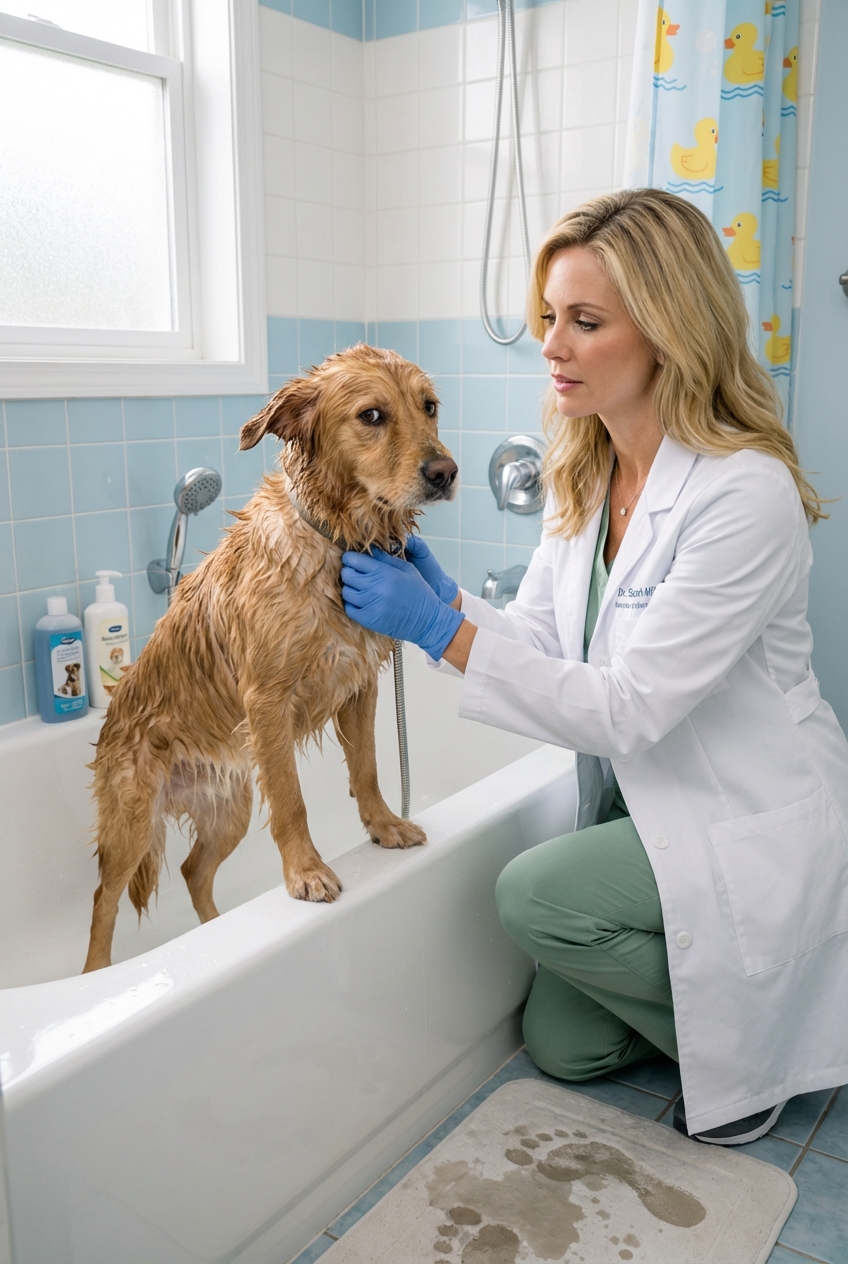
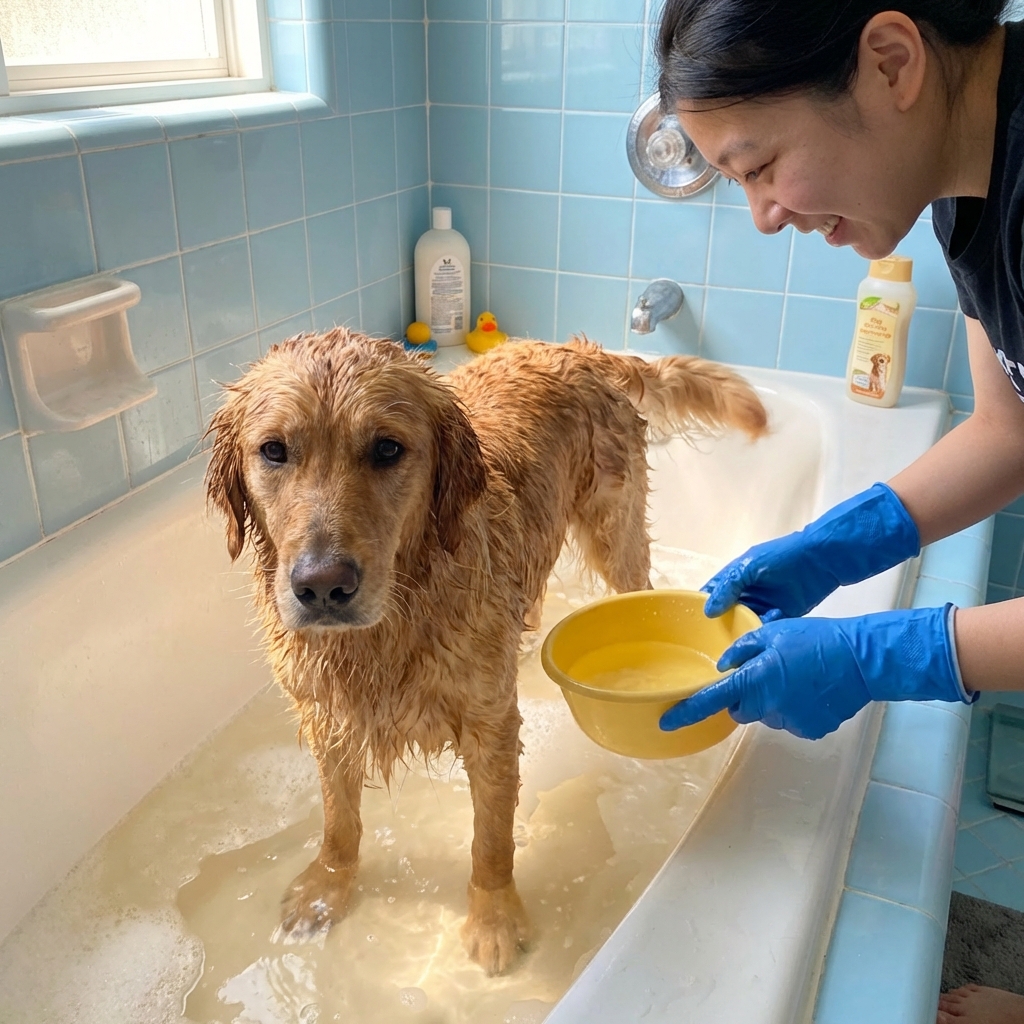
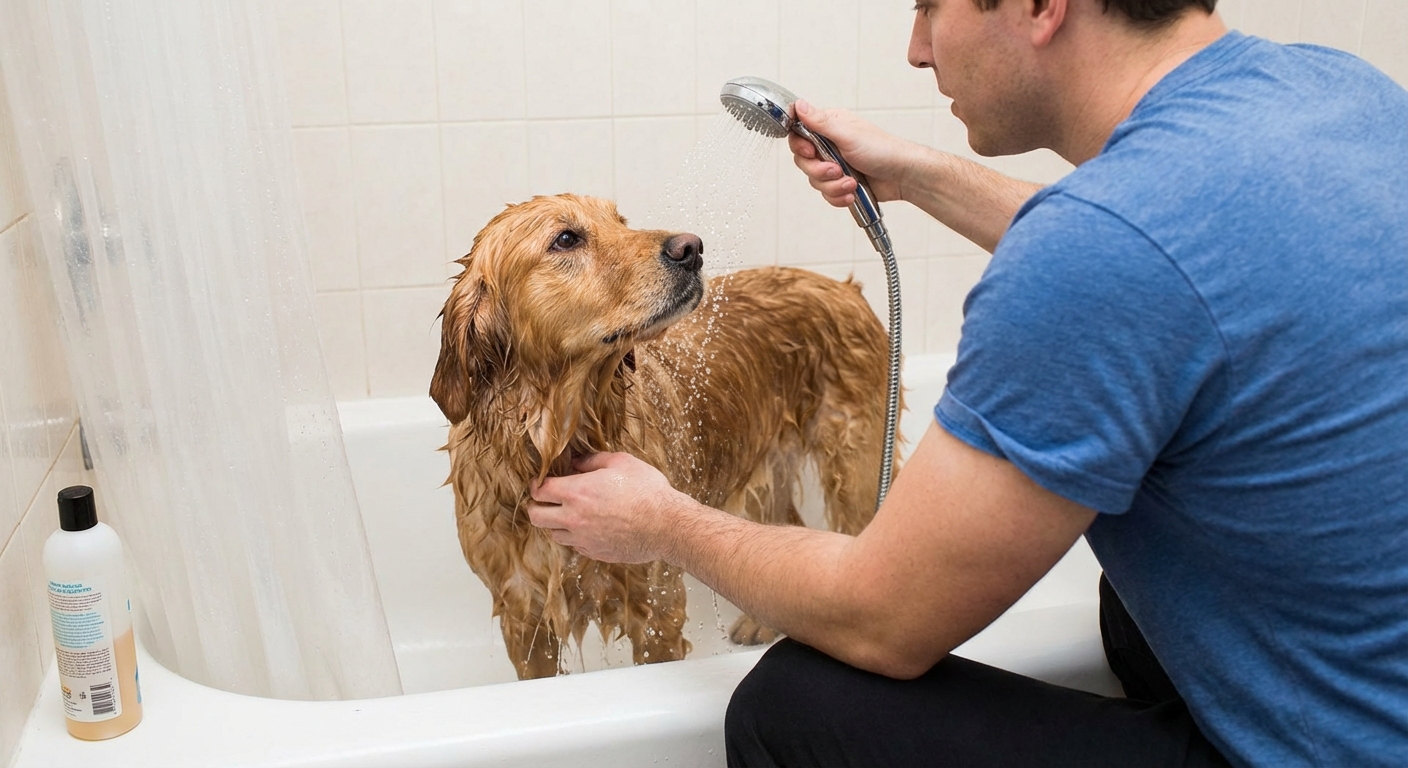
As a veterinary assistant here in Frisco, Texas, I have learned that “my dog got sprayed by a skunk” can mean two totally different things. Most of the time it is an odor problem, and your dog is embarrassed, you are overwhelmed, and everyone needs a bath. But sometimes there is also a bite, a fight with mouth contact, or saliva contact that turns it into a rabies risk question.
This article focuses on the health decision: when a skunk encounter is just smell versus a true rabies exposure, and what to ask your veterinarian about boosters and quarantine. I am intentionally leaving odor removal to the de-skunking pages.
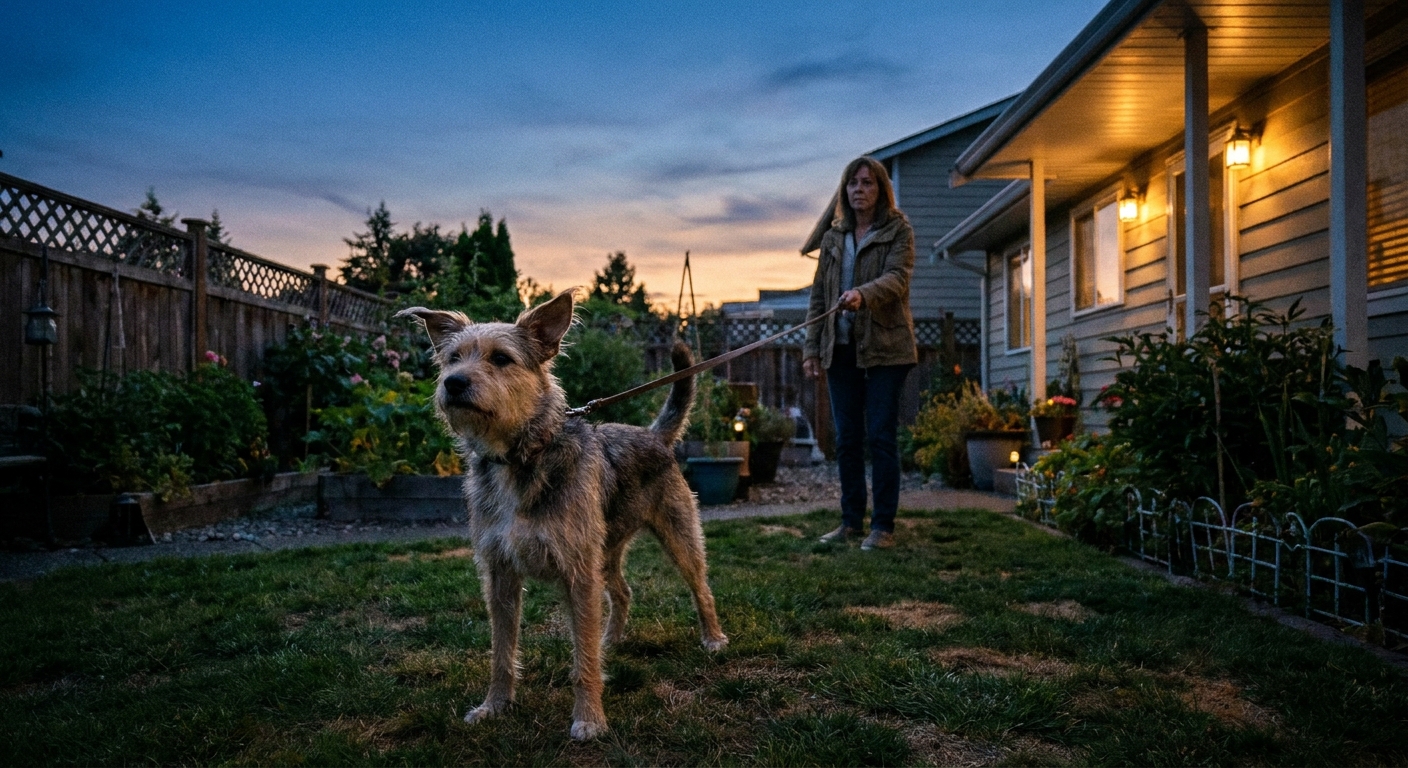
Skunk spray vs rabies exposure
Rabies is spread through infected saliva and nervous tissue. It is most commonly spread through bites, but non-bite exposures are also recognized, like saliva contacting the eyes, nose, mouth, or a fresh wound. Skunk spray itself is not saliva. So a skunk spraying your dog from a distance is disgusting, but it is not automatically a rabies exposure.
Usually an odor problem (low rabies concern)
- Your dog got sprayed and the skunk ran off.
- No bite marks, no bleeding, no limping, no yelping during a fight.
- No known mouth contact or saliva exposure (your dog did not grab or mouth the skunk).
Possible rabies exposure (needs veterinary guidance)
- Any bite from a skunk, even a small puncture.
- Any saliva-to-wound contact: your dog has an open cut and the skunk’s saliva could have touched it.
- Any saliva-to-mucous membrane contact: skunk saliva got into your dog’s eyes, nose, or mouth.
- Your dog grabbed the skunk or you saw a direct fight where mouths were involved.
- You find the skunk dead later, or it was behaving oddly (staggering, unusually friendly, active in daytime without obvious reason).
If you are unsure, assume it might be exposure and call your veterinarian right away. Rabies prevention decisions are time-sensitive, and your vet can help you make the safest next step based on what actually happened and your local regulations.
What to do right away
Think “separate, check, rinse, call.” The rinsing part is for wounds or possible saliva contact, not the skunk smell itself.
- Separate your dog from the skunk area and keep your pet contained. If there is a bite, you want to avoid additional exposure.
- Do a quick nose-to-tail check for punctures, swelling, wet saliva around the face, or tenderness. Skunk bites can be small and hidden under fur.
- If you see a wound, flush it with running water or sterile saline if you have it. Do not scrub hard. Keep it simple until a vet can evaluate.
- Wear gloves if possible when handling a wound or saliva. Rabies precautions apply to people too.
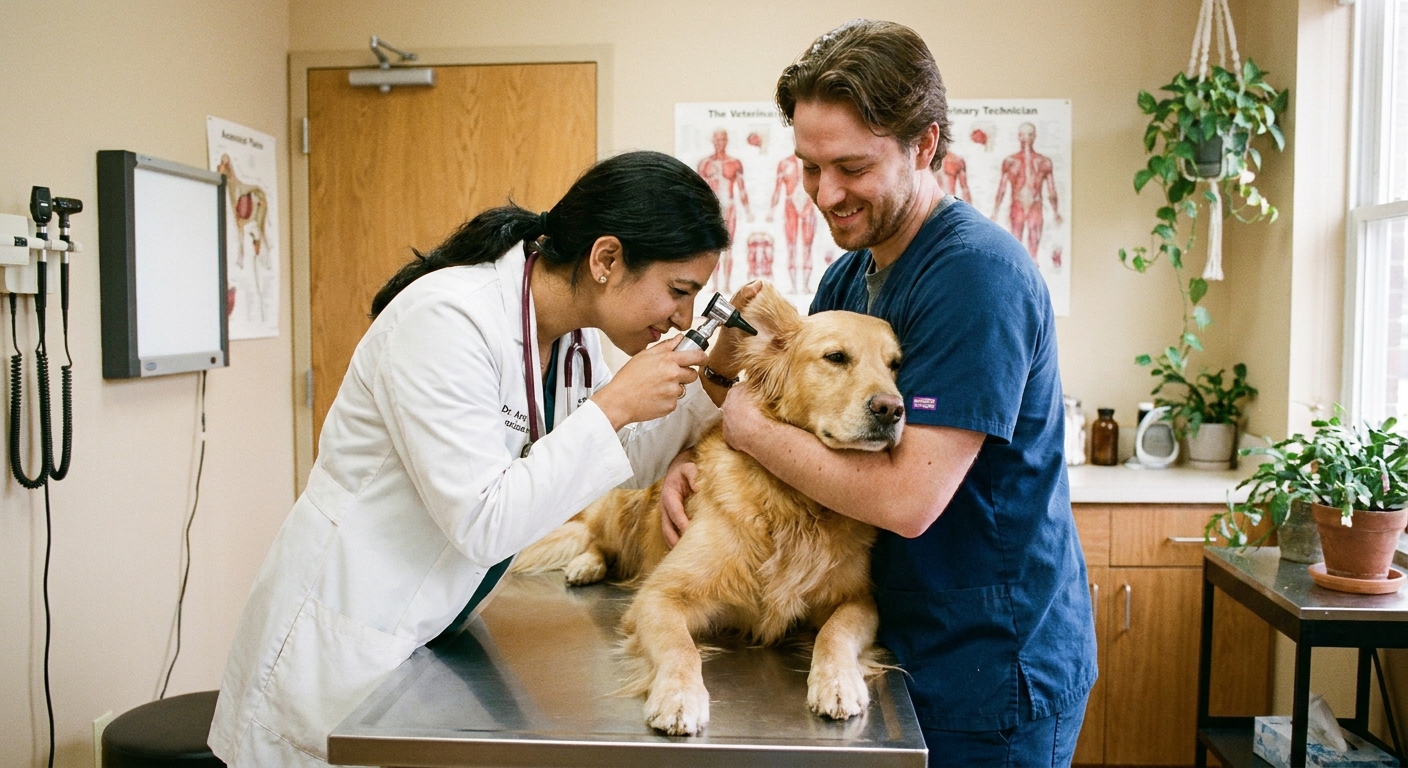
- Call your veterinarian or an emergency clinic and be ready to describe exactly what you saw.
If your dog seems very painful, has trouble breathing, has facial swelling, has a wound near the eye, or you cannot safely handle them, go straight to urgent care.
Also, even when rabies risk is low, bite wounds have a high infection risk. A vet visit may still be needed for proper wound care, antibiotics, and pain relief.
What about the skunk?
If the skunk is still around, call animal control or local authorities. Do not try to catch it yourself. If the skunk is dead, do not handle it with bare hands, and keep pets and kids away.
Rabies testing is done through public health channels and requires lab testing of brain tissue. That is why “the skunk got away” often changes the plan. Your veterinarian and animal control can tell you what steps are realistic in your area.
How vaccine status changes next steps
Your dog’s rabies vaccination status is a big part of what your veterinarian and local regulations will use to decide the plan. Recommendations can vary by jurisdiction and by how certain the exposure is.
1) Currently vaccinated
If your dog is current on a rabies vaccine and may have been exposed (bite or saliva contact), many veterinarians recommend a rabies booster promptly. Your veterinarian will also discuss observation and confinement (often at home) and any reporting steps based on local rules and the details of the exposure.
Even when dogs are vaccinated, we still take exposures seriously because rabies is fatal once symptoms appear. The goal is to reinforce immunity quickly.
2) Overdue or status uncertain
If your dog is overdue, you cannot find records, or your pet has never been vaccinated, your veterinarian will talk with you about:
- Whether your dog needs an immediate vaccination (often yes, unless medically contraindicated).
- Whether a quarantine period is required and what kind (home versus facility) depending on your area’s legal requirements.
- Whether the exposure details raise the level of concern (confirmed bite versus “might have licked something”).
In some places, an unvaccinated dog with a known exposure may face strict quarantine requirements, and in the highest-risk situations there may be difficult legal options discussed by public health authorities. That is another reason not to wait and see.
3) Puppy not vaccinated yet
If you have a very young puppy not yet vaccinated for rabies and there was a bite or saliva exposure, call an emergency veterinarian immediately. The key issue is that there is no vaccine-derived protection yet, so your vet will need to guide next steps under local public health rules.
Quarantine and observation
People use the word “quarantine” in a lot of different ways. Your veterinarian can tell you what applies to your dog and your county or city regulations. In general, you may hear one of these approaches:
- Home confinement: Your dog stays on your property, on leash outside, no dog parks, no visitors interacting, no grooming or boarding, and close monitoring for illness.
- Strict isolation or facility quarantine: In some situations and jurisdictions, an unvaccinated dog with a known exposure may need to be confined in a more controlled setting.
The purpose is to protect people and other animals, and to make sure any developing signs are caught quickly. Your veterinarian will also tell you what symptoms to watch for and when to call.
What your vet will ask
Be ready to answer
- Did you see a bite? Where on the body?
- Was there a fight or did your dog mouth the skunk?
- Is there any chance skunk saliva got in the eyes, mouth, or nose?
- Was the skunk captured for testing, escaped, or found dead?
- What is your dog’s current rabies vaccine date and do you have proof?
- Any health issues that affect vaccination decisions (immune suppression, recent chemotherapy, severe illness)?
Questions to ask
- Based on what happened, do you consider this a rabies exposure?
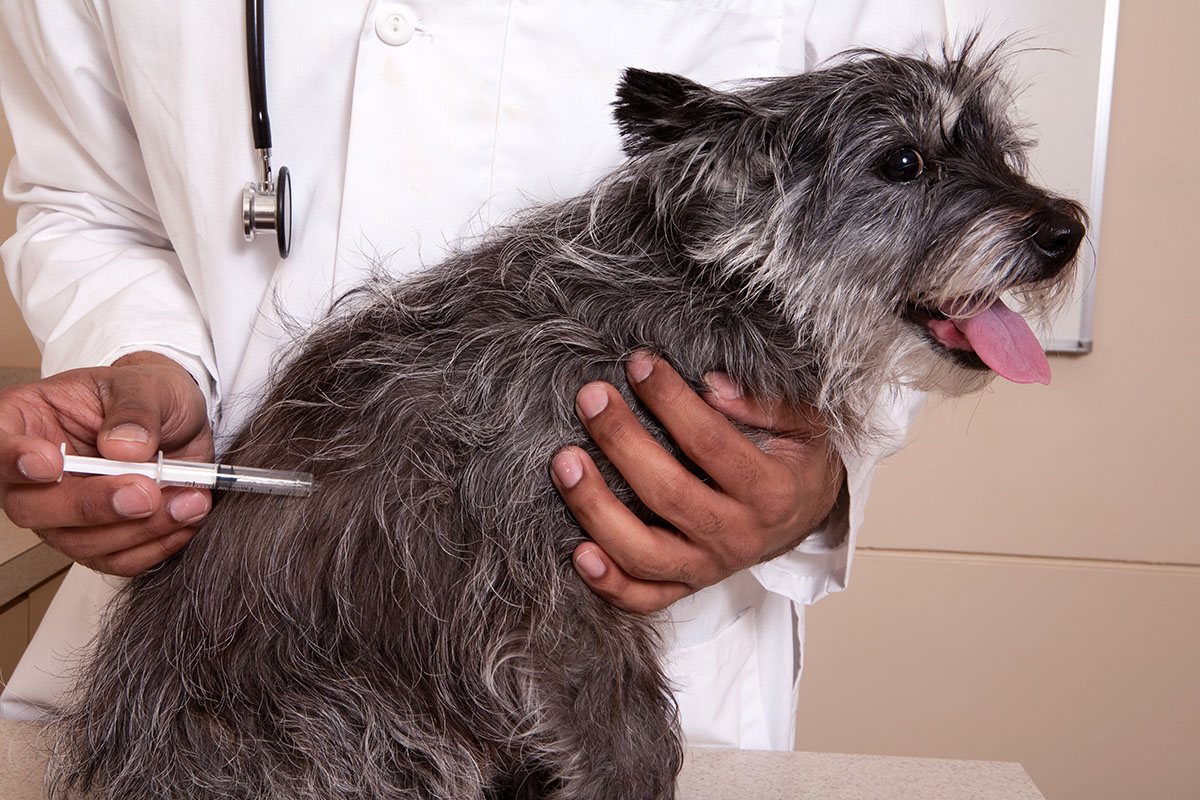
- Do you recommend a rabies booster, and how soon?
- Do we need any wound care, antibiotics, or pain relief?
- What confinement or quarantine rules apply where I live?
- What symptoms should I watch for, and what is the emergency plan if they appear?
- Should any people in the household contact their doctor, especially if someone handled the skunk or touched saliva or a wound?
Do skunks carry rabies?
Skunks are one of the wildlife species that can carry rabies in North America, along with raccoons, bats, and foxes. That does not mean every skunk is rabid. It means skunk bites and saliva exposure are treated seriously because the stakes are so high.
If a skunk was acting strangely, that increases concern, but normal behavior does not fully rule rabies out. That is why vaccination and prompt veterinary guidance matter.
Rabies signs to know
Rabies can look like many other conditions, and symptoms usually appear only after the virus has traveled through the nervous system. Once symptoms start, rabies is almost always fatal.
In wildlife like skunks
- Unusual friendliness or lack of fear
- Staggering, disorientation, tremors
- Paralysis or inability to move normally
- Aggression without clear reason
- Vocalizing oddly
In dogs
- Sudden behavior change, anxiety, agitation, or unusual aggression
- Excess drooling
- Trouble swallowing
- Weakness, wobbliness, paralysis
- Seizures
If you ever suspect rabies symptoms in any animal, do not handle them. Call animal control and your veterinarian immediately.
Common scenarios
“My dog got sprayed, but I did not see a fight.”
This is usually just odor and irritation. Still, do a careful body check for punctures, especially around the face and legs. If there are no wounds and no saliva exposure, rabies risk is typically low, but keep your dog current on rabies vaccination.
“My dog chased the skunk and came back with a tiny dot of blood.”
Treat this as a possible bite until proven otherwise. Call your vet the same day. Small punctures can be easy to miss and can seal over quickly.
“My dog had the skunk in its mouth.”
This is a high-concern situation for saliva exposure, even if you do not see blood. Call an emergency vet immediately.
“I touched my dog’s mouth after the encounter.”
Wash your hands thoroughly with soap and water. If you had any open cuts on your hands or saliva contact with your eyes, nose, or mouth, call your healthcare provider for advice. Your veterinarian can also guide you on the pet side, but human exposure questions go to medical professionals and local public health.
Prevent the next run-in
Rabies risk prevention is partly about vaccines and partly about avoiding contact with wildlife.
- Keep rabies vaccination current for dogs and cats, even indoor pets. Wildlife gets inside garages, patios, and backyards more often than we expect.
- Supervise nighttime potty breaks. Many skunk encounters happen at dusk and after dark.
- Use a leash in skunk-prone areas so your dog cannot rush into bushes.
- Secure trash and outdoor food sources that attract wildlife.
Quick takeaway
If your dog was only sprayed from a distance, it is usually an odor issue. Rabies concern rises when there is a bite, a fight, or any chance skunk saliva contacted your dog’s mouth, eyes, nose, or an open wound.
Your next step depends heavily on your dog’s rabies vaccine status and your local rules, so call your veterinarian, share the details, and ask specifically about a booster and any quarantine or confinement requirements where you live.
FAQ
Can a dog get rabies from skunk spray alone?
Rabies is spread through infected saliva and nervous tissue, most commonly through bites. Skunk spray is not the same as saliva, so spray alone is not considered the usual rabies route. If there was a fight, bite, or saliva contact, call your veterinarian.
Should my dog get a rabies booster after a skunk encounter?
If there was possible exposure (bite or saliva contact), many veterinarians recommend a rabies booster promptly, especially if your dog is currently vaccinated. Your vet will advise based on your dog’s vaccine history, the exposure details, and local regulations.
How long after exposure would symptoms show?
Rabies incubation varies and can be weeks to months. That is why prevention and immediate post-exposure decisions are so important. Do not wait for symptoms to decide.
If the skunk is gone, what can we do?
You can still manage the risk by getting veterinary guidance right away, updating vaccines if advised, treating wounds, and following any confinement recommendations. If the skunk can be safely captured by animal control for testing, local authorities can advise on that process.