As a veterinary assistant here in Frisco, Texas, I have watched families do everything right once their dog is diagnosed with parvo. They isolate, they disinfect, they wash bedding, they mop floors. Then comes the hardest question: How long is the yard still “dangerous”?
Canine parvovirus (CPV) is one of the toughest viruses we deal with in small animal medicine. It is tiny, incredibly stable in the environment, and it can hitch a ride on shoes, paws, and anything that touches contaminated feces or vomit.
If you are skimming, here is the practical takeaway:
- Hard surfaces can be disinfected. Concrete, kennels, bowls, and floors can be cleaned and treated with parvo-effective products.
- Soil and grass are the hard part. You can reduce risk, but you cannot reliably disinfect an entire yard.
- Plan around vaccines. The safest approach is preventing an unvaccinated or partially vaccinated puppy from touching contaminated ground.
Let’s break down where parvo can linger, what you can realistically disinfect, and how to make a smart plan for bringing a new puppy home after a parvo illness.
Quick answer: how long parvo lives outside
In a yard, parvovirus can stay infectious for many months. Under favorable conditions, some veterinary infectious disease guidance and clinic protocols treat it as potentially persistent for up to a year or longer.
Outdoors, the virus is protected by soil and organic debris, and it is not easily “killed” by weather alone. CPV is notably hardy across a wide range of temperatures and conditions, which is part of what makes it so frustrating.
The timeline depends on:
- Surface type (soil and grass vs concrete)
- Sun exposure (UV light helps, shade protects the virus)
- Moisture (damp, sheltered spots tend to be higher risk)
- Organic material (feces, dirt, leaf litter reduce disinfectant effectiveness)
If you take only one thing from this article, let it be this: you can disinfect hard surfaces well, but you cannot reliably disinfect a whole yard. That reality is what drives the waiting period before a new puppy comes home.
Where parvo survives
Soil and grass
Soil is the worst-case surface for parvo because the virus can sink into porous ground, hide from sunlight, and be shielded by organic material. Even if the yard looks clean, tiny leftover particles can remain infectious.
That is why many veterinarians recommend a long waiting period before allowing an unvaccinated or partially vaccinated puppy onto contaminated ground.
Concrete, patios, and pavement
Concrete and other hard outdoor surfaces are much more cleanable than soil. Parvo can still survive on these surfaces, but you can meaningfully reduce risk because disinfectants can contact the virus directly after you remove debris.
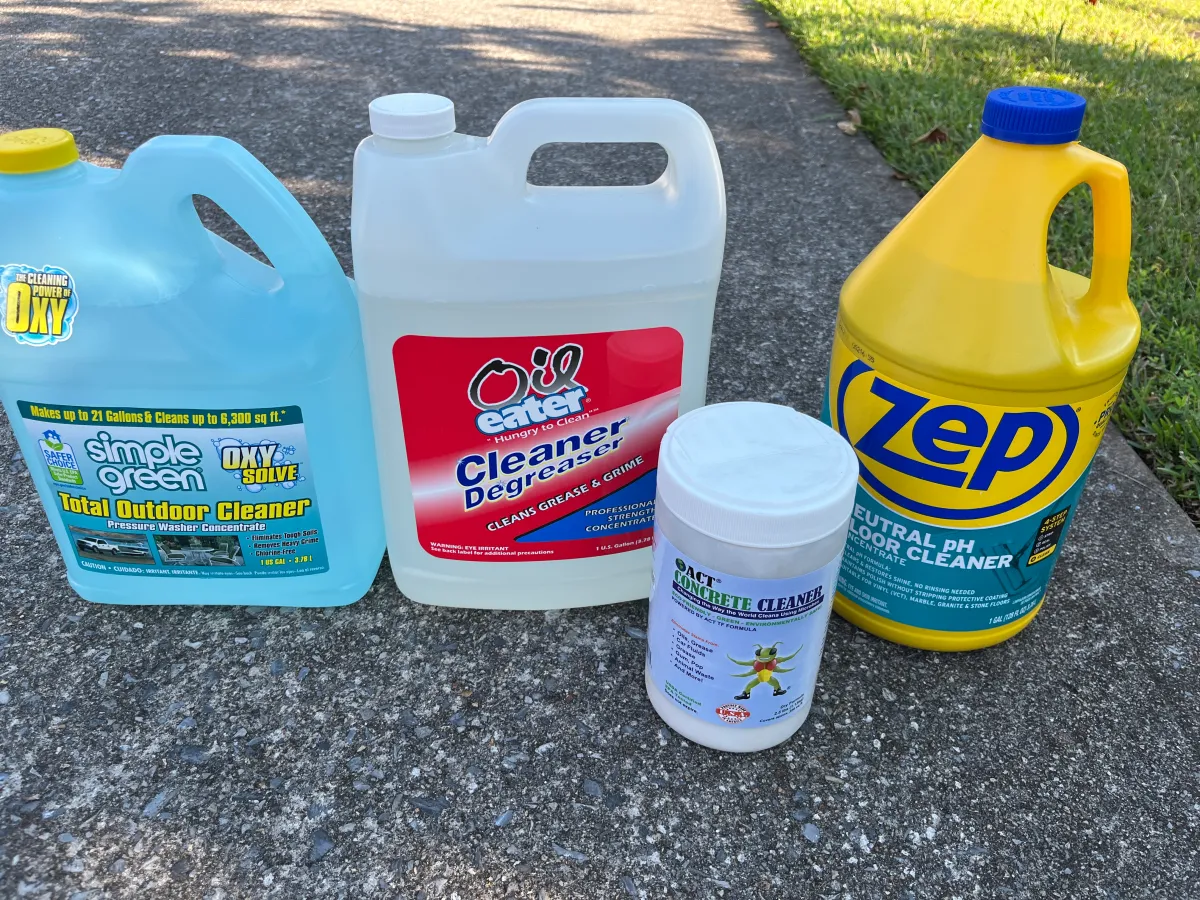
Pressure washing note: Pressure washing before you have cleaned and disinfected can spread contamination by splashing or aerosolizing material. If you use a pressure washer, do the slow, unglamorous part first: pick up waste, pre-clean, apply disinfectant for the full contact time, then rinse as directed.
Shoes, leashes, and everyday gear
Shoes are a common way parvo spreads between locations. If someone steps in contaminated feces and walks into a garage, home, or car, the virus can be tracked along with microscopic particles.
Items that can carry parvo include:
- Shoe soles and stroller wheels
- Dog collars, harnesses, and leashes
- Crates and carriers
- Food and water bowls
- Grooming tools
Indoor surfaces
Indoors, parvo can survive for a long time on surfaces if not properly disinfected. The good news is that indoor areas are usually easier to control: you can clean thoroughly, limit traffic, and use proven disinfectants on non-porous surfaces.
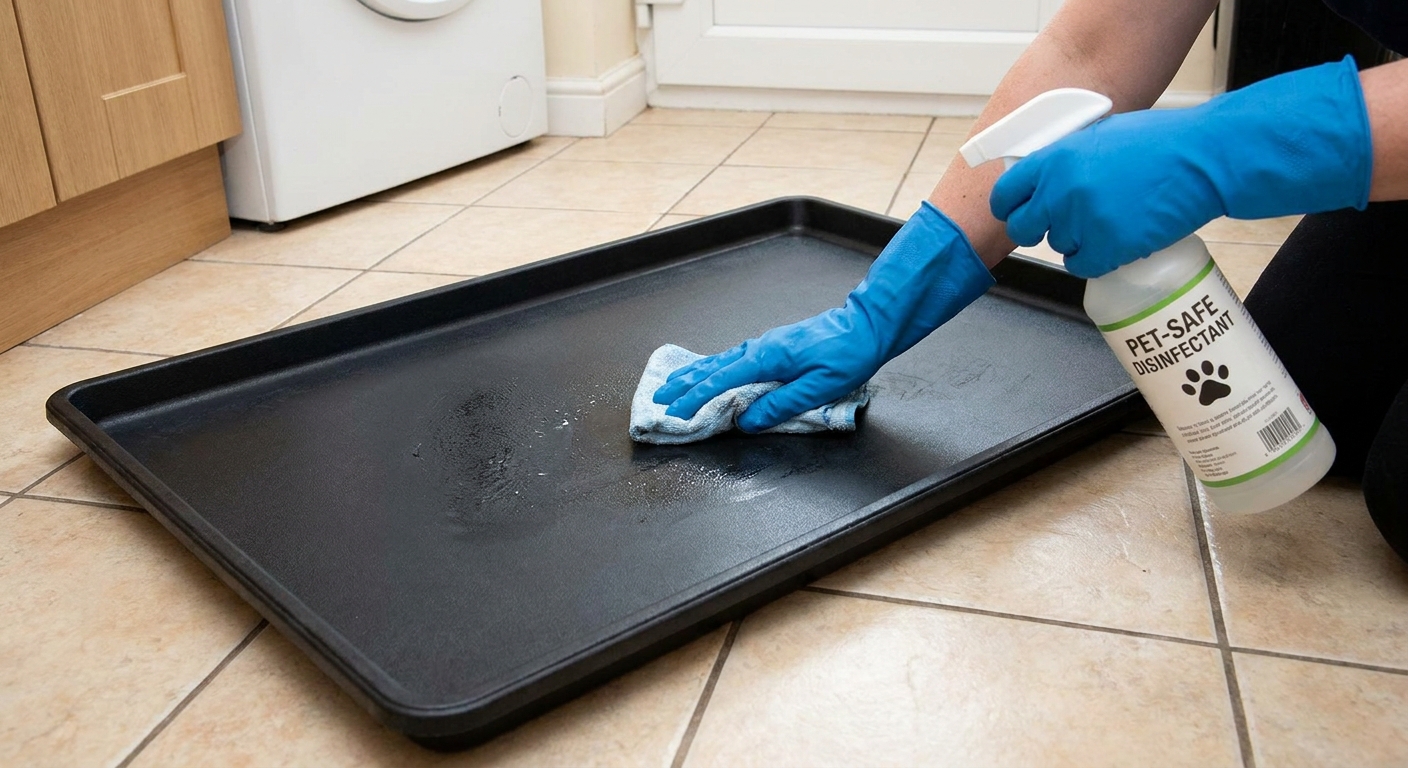
Why yards are hard to disinfect
In a clinic, we can disinfect because we control the environment. At home, especially outdoors, you are dealing with three big obstacles:
- Porous surfaces (soil, grass, mulch, wood) that absorb contaminants
- Organic matter (dirt, feces, vomit) that can inactivate disinfectants before they reach the virus
- Sheer surface area that is almost impossible to treat evenly
Even products that kill parvo on hard surfaces often cannot be used effectively across lawns without damaging plants, and they still may not penetrate to where the virus is sitting.
One more real-life factor I see in our area: lots of North Texas yards have shaded sections, dense grass, and dog traffic from neighborhood walks. Shade and repeated exposure can keep risk higher than people expect.
Disinfectants that work for parvo
Parvo is a non-enveloped virus, which means many common household cleaners do not kill it. You need a disinfectant proven to inactivate canine parvovirus, and you must use it correctly.
Bleach for non-porous surfaces
Regular unscented household bleach can inactivate parvo on hard, non-porous surfaces when used at an appropriate dilution and with adequate contact time.
- Typical clinic-style guidance: a 1:30 to 1:32 bleach-to-water dilution (about 1/2 cup bleach per gallon of water) with around 10 minutes of wet contact time on a pre-cleaned surface.
- Always follow the product label for concentration, contact time, and whether rinsing is required. Different bleach strengths exist.
- Step 1: Pick up and bag all visible feces or vomit. Remove as much organic material as possible.
- Step 2: Wash with soap and water, then rinse.
- Step 3: Apply the bleach solution so the surface stays visibly wet for the full contact time.
- Step 4: Rinse if needed, and keep pets away until dry.
Safety note: Never mix bleach with ammonia, vinegar, or other cleaners. Ventilate well, wear gloves, and keep pets away until the area is dry and odor has dissipated.
Accelerated hydrogen peroxide (AHP)
Many veterinary hospitals rely on AHP products because they are effective against parvo when used as directed and can be easier on surfaces than bleach. Follow the label for dilution and contact time.
Other products labeled for parvovirus
If a product does not specifically state it kills canine parvovirus (or “parvovirus” with a clear claim), assume it may not be effective. The label directions matter just as much as the ingredient.
A realistic cleaning plan
If you have had a parvo-positive dog in the home, think in layers: remove contamination, then disinfect what can be disinfected, then reduce future exposure risk.
Indoors
- Pick up and bag waste carefully. Wear gloves and dispose of it securely.
- Launder washable fabrics (bedding, towels, soft toys) using hot water and detergent. If bleach-safe, add bleach.
- Disinfect hard floors after cleaning, paying attention to corners, baseboards, and entryways.
- Crates and bowls: wash, rinse, then disinfect with a parvo-effective product.
- Steam cleaning: can help in some situations, but many consumer steamers do not maintain a reliably lethal temperature long enough across the whole surface. Do not rely on steam alone unless the equipment and method are validated.
Patios, driveways, and walkways
- Pick up all stool and rinse away debris.
- Scrub with soap and water, then rinse.
- Apply disinfectant labeled effective for parvo and keep it wet for the full contact time.
- Rinse if the label requires it, and keep pets off until dry.
Yard hot spots
For gravel, mulch, untreated wood, and soil, understand that you can reduce contamination, but you cannot make those areas sterile. If you need actionable steps, here is what I usually recommend families discuss with their vet:
- Fence off or block the highest-risk areas (where diarrhea occurred or where the sick dog eliminated most often).
- Remove feces immediately and dispose of it securely.
- Reduce tracking by having a “shoe-off” rule indoors and cleaning paws after outdoor trips.
- Consider replacing small sections of topsoil, sod, mulch, or gravel in a limited “hot spot.” It can reduce risk, but it is not a guarantee, because contamination can be broader than what you can see.
When can you bring a new puppy home?
This is the question that keeps people up at night, and I get it. You are trying to balance your heart and your puppy’s safety.
The safest rule of thumb
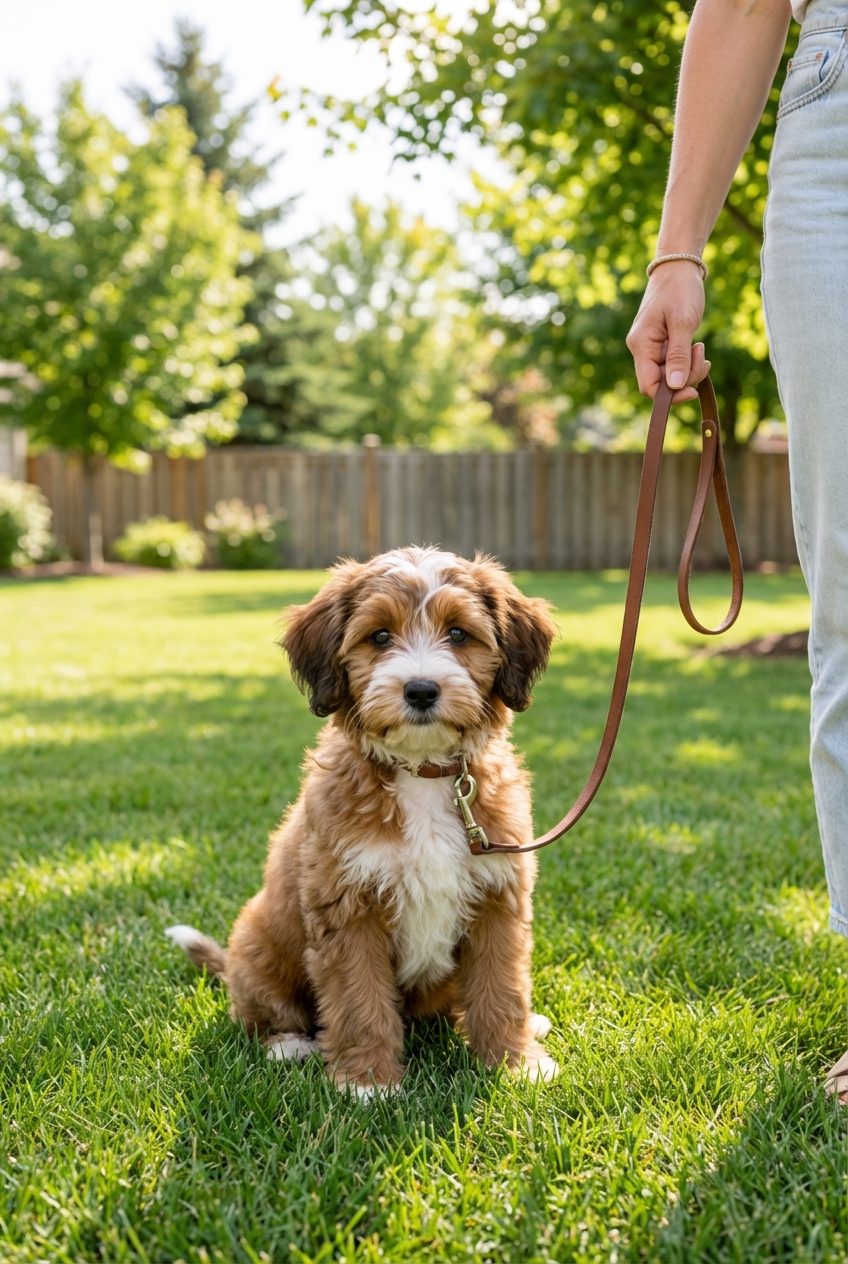
If your yard has had a parvo case, avoid letting an unvaccinated or partially vaccinated puppy use that yard for many months. Many veterinarians recommend a waiting period in the 6 to 12 month range for contaminated outdoor areas, with longer recommendations in higher-risk situations. Your veterinarian may adjust this based on your property, your dog’s exposure, and how much you can truly restrict access.
Why so long? Because we cannot reliably disinfect soil, and small amounts can still cause disease in a vulnerable puppy.
If you cannot wait
Sometimes life does not cooperate with the ideal timeline. If you are bringing home a puppy sooner, talk to your veterinarian about a risk-reduction plan. Strategies may include:
- Choose an older puppy with more vaccines on board, if possible.
- Confirm vaccine timing and follow your vet’s schedule closely.
- Use a controlled potty area that is not your contaminated yard, such as a disinfectable porch potty system, a clean concrete strip you can disinfect, or an indoor potty setup while vaccines build protection.
- Avoid high-traffic dog areas (dog parks, shared apartment potty zones) during the vaccine series.
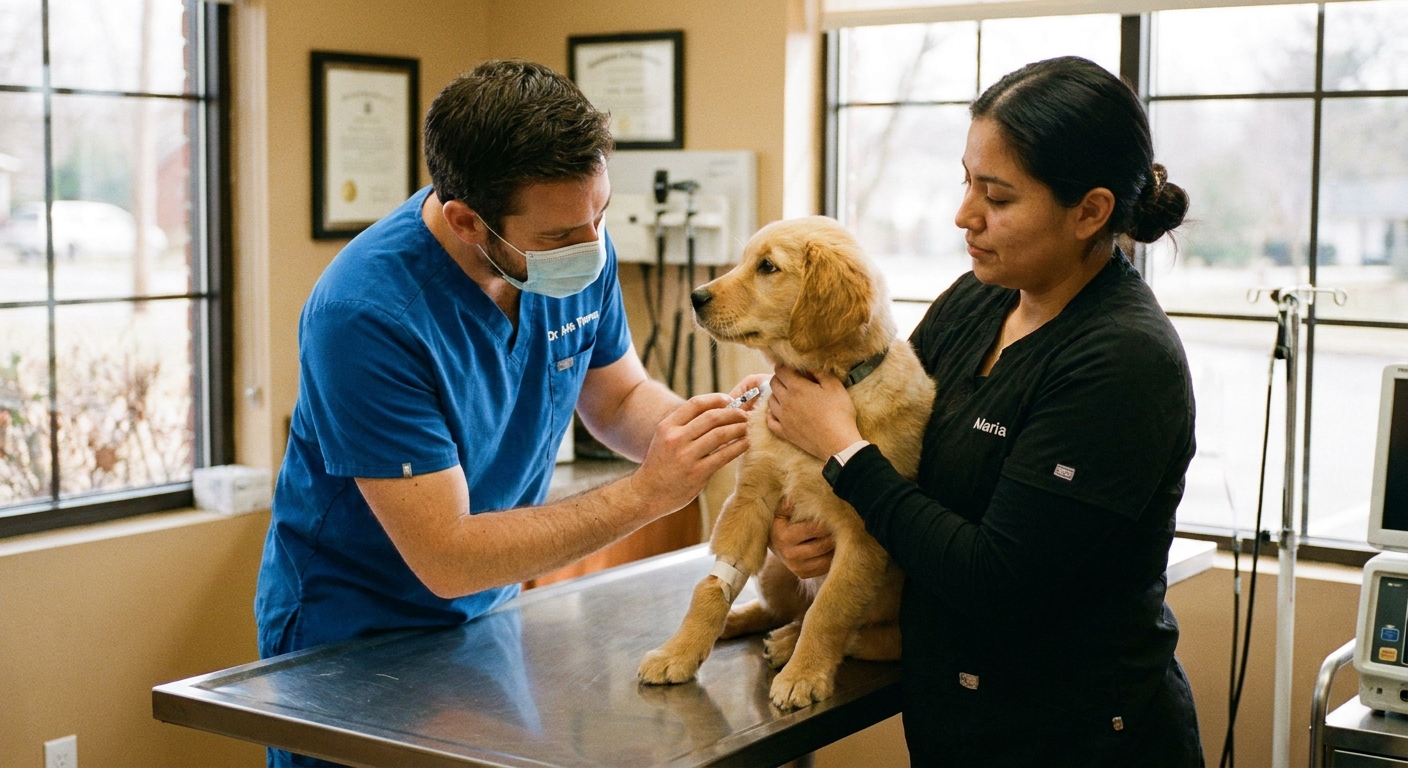
Vaccine timing reminder: many protocols vaccinate puppies every 2 to 4 weeks until at least 16 weeks of age, and sometimes longer in higher-risk areas. Protection is not instant, and “fully protected” depends on age and the full series. Your veterinarian can tell you when your puppy is considered reasonably protected for your situation.
FAQ
Does parvo go away after rain or a freeze?
Not reliably. Weather can reduce viral load over time, especially with sun and drying, but CPV is hardy and can persist through a wide range of conditions. Do not count on rain or a cold snap to make a yard safe quickly.
Can I use lime on the yard to kill parvo?
You will see this suggestion online, but yard treatments are inconsistent and can be unsafe for pets and plants. If you are considering any yard chemical treatment, ask your veterinarian first. In most homes, the safer plan is time plus preventing exposure of vulnerable puppies.
Can adult vaccinated dogs go into a contaminated yard?
Vaccinated adult dogs are much better protected than puppies, but no vaccine is 100 percent. If you have other dogs, speak with your veterinarian about boosters and risk based on their health, vaccine status, and exposure level.
What if my dog had parvo but never went into the yard?
That can change the calculation a lot. If the sick dog only stayed indoors and you disinfected thoroughly, your outdoor risk may be lower. Focus on entryways, shoes, and any areas where accidents occurred.
My best practical advice
Parvo is scary, but you are not powerless.
- Disinfect what you can (hard, non-porous surfaces) using a parvo-effective product and correct contact time.
- Treat soil and grass as a long-term risk and plan puppy exposure accordingly.
- Lean on your veterinarian for vaccine timing and a customized plan for your home and yard.
If you tell your vet your puppy’s age, vaccine history, and what surfaces the sick dog contacted, they can help you decide on the safest timeline for your specific situation.