As a veterinary assistant here in Frisco, Texas, I wish I could tell you parvo is only a puppy problem. But the truth is simple: adult dogs can absolutely get parvo. It is less common in fully vaccinated adults, but when a dog never completed their vaccine series, their history is unknown, or they are not on the schedule your veterinarian recommends, the risk goes up and the illness can be easy to miss.
If your adult dog has vomiting and diarrhea, especially with lethargy or weakness, and you are unsure about vaccine status, it is safer to treat it like an emergency until a veterinarian proves otherwise.
Quick answer: yes
Canine parvovirus is a highly contagious virus that attacks rapidly dividing cells, especially in the intestinal lining. That is why it can cause severe gastrointestinal illness, dehydration, and in many cases, life-threatening complications.
Most people associate parvo with puppies because:
- Puppies have developing immune systems.
- Puppies are in the middle of their vaccine series and may not be fully protected yet.
- Puppies often get exposed in high-traffic dog areas during the exact weeks they are most vulnerable.
But adult dogs are not automatically protected by age. Protection comes from immunity, usually through proper vaccination and timely follow-ups based on your veterinarian’s guidance.
When adults are most at risk
In practice, adult parvo cases tend to show up in a few predictable scenarios.
1) The puppy vaccine series was never finished
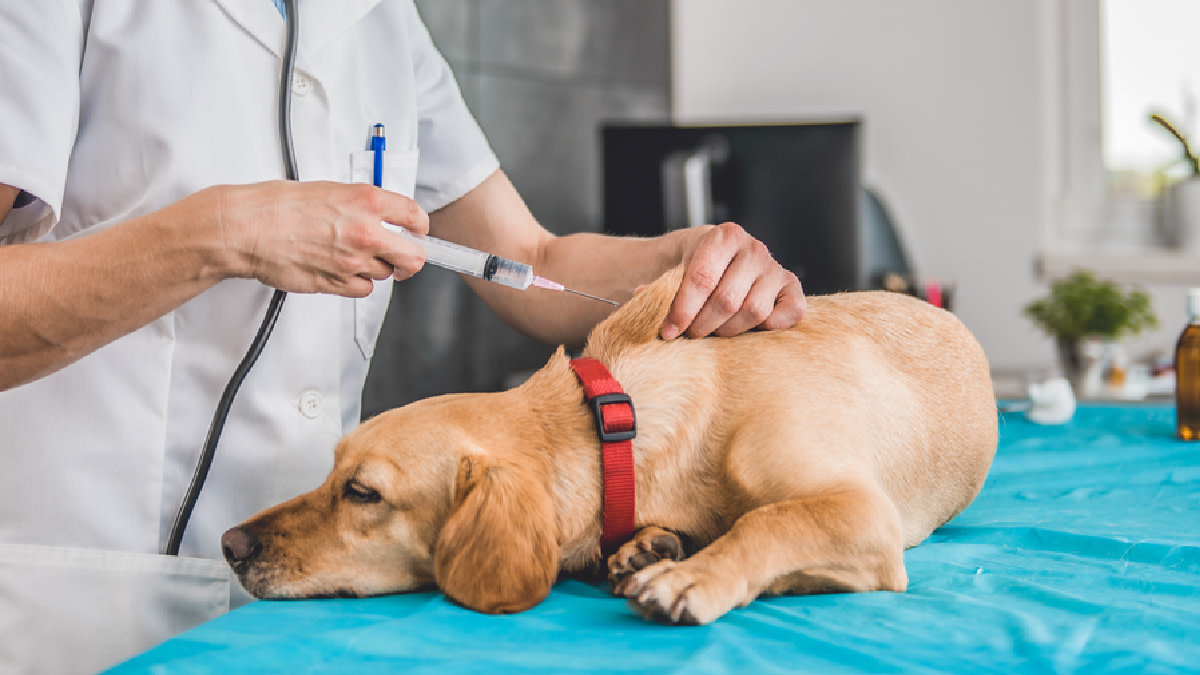
This is one of the biggest reasons I see adults get sick. Some dogs receive one or two puppy shots and then life happens, the rest of the series is missed, and years pass. That dog may not have built strong immunity in the first place.
2) Vaccine history is unknown
Rescued or rehomed adult dogs often arrive with incomplete records. If there is any doubt, veterinarians commonly recommend updating core vaccines because guessing is risky with parvo.
3) Not kept on the recommended schedule
After the initial puppy series and the one-year booster, many adult dogs have long-lasting protection and may only need core boosters every few years. Still, if a dog is unvaccinated, overdue based on your veterinarian’s schedule, or has a spotty history, risk can increase. This is especially true if there are other factors at play, like a compromised immune system or heavy exposure.
4) Higher exposure environments
Parvo spreads through infected stool and contaminated environments. Risk can increase with:
- Dog parks
- Apartment complex relief areas
- Daycare and boarding
- Shelters and foster rotations
- Homes with a recent parvo case
Parvovirus is tough and can persist in the environment for months, and sometimes longer under the right conditions. That is why prevention and vaccination matter so much.
Why adult parvo is missed
One reason adult dogs can get sicker than they should is that people often do not suspect parvo in a grown dog. I have heard variations of these statements many times:
- “He is not a puppy, so it cannot be parvo.”
- “It is probably something she ate.”
- “He just has a stomach bug.”
Some adult dogs also show less dramatic early symptoms than puppies, at least at first. That can lead to a dangerous delay in treatment.
What makes parvo so scary is not only the vomiting or diarrhea. It is the rapid dehydration, electrolyte imbalance, and risk of sepsis as the intestinal barrier is damaged.
Signs in adult dogs
Adult dogs can show classic parvo symptoms, but severity can range from mild to severe. Watch for:
- Repeated vomiting or cannot keep water down
- Diarrhea, especially watery and frequent
- Foul-smelling stool and sometimes blood (blood may not show up at first)
- Loss of appetite
- Lethargy or sudden weakness
- Fever or low body temperature in more severe illness
- Signs of dehydration like dry gums, sticky saliva, sunken eyes
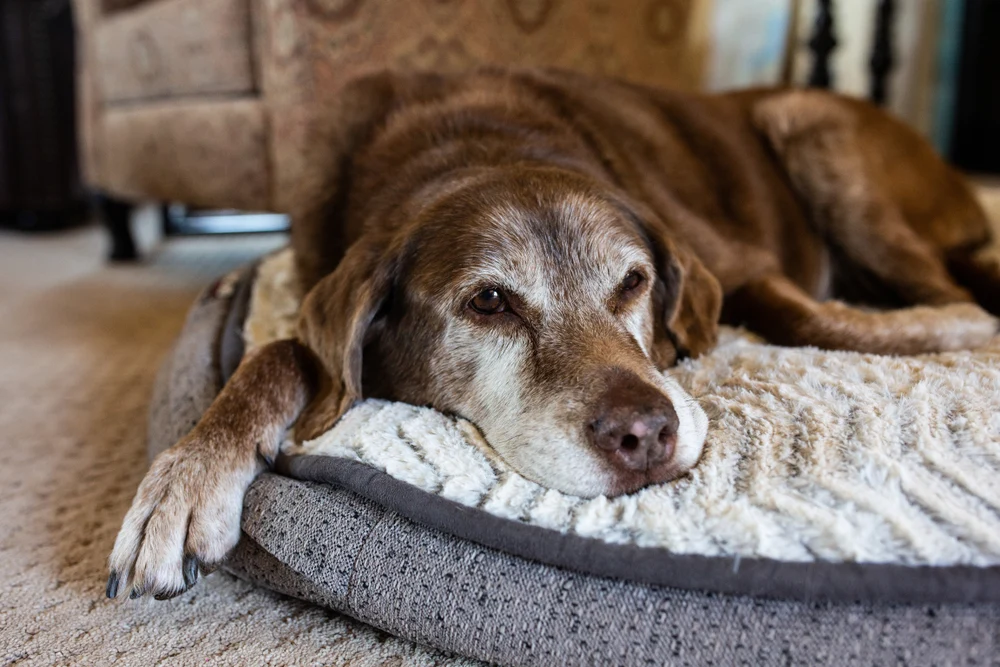
Important: Not every dog with vomiting or diarrhea has parvo. Parasites, pancreatitis, dietary indiscretion, intestinal obstruction, and other infections can look similar. But because parvo can become critical quickly, it is one you do not want to rule out at home.
When it is an emergency
If you take only one thing from this article, let it be this: suspected parvo is an emergency at any age.
Go to your veterinarian or an emergency clinic right away if your adult dog has:
- Vomiting plus diarrhea, especially if it is frequent or worsening
- Blood in stool or vomit
- Cannot keep water down
- Severe lethargy, collapse, or signs of shock
- Known parvo exposure or unknown vaccine status with GI signs
- A puppy or unvaccinated dog in the home that could be exposed
Early supportive care can be lifesaving. Treatment often includes IV fluids, anti-nausea medications, pain control, gut protectants, and careful monitoring. Your vet may also recommend isolation protocols to protect other dogs.
Incubation time
After exposure, parvo does not always show up immediately. The incubation period is often around 3 to 7 days, though timing can vary. That is why dogs can seem fine after a risky exposure and then crash a few days later.
Diagnosis basics
In many clinics, the first test is a fecal antigen test (often called a SNAP test). It is fast and helpful, but it is not perfect. False negatives can happen, especially early in illness or if a dog has already stopped shedding a lot of virus.
Depending on the situation, your veterinarian may also recommend bloodwork (to assess hydration, electrolytes, white blood cells, and organ function) and sometimes PCR testing. Vets also interpret results alongside symptoms and risk factors, not in a vacuum.
Puppies vs adult immunity
This is where a lot of confusion comes from, so let’s make it clear.
Puppies: maternal antibodies
Young puppies receive maternal antibodies from their mother’s colostrum. Those antibodies offer early protection, but they fade over time. The tricky part is that while they are fading, they can also interfere with vaccines. That is one reason puppies need a series of parvo vaccines spaced out over several weeks, so a dose lands when maternal antibodies are low enough to allow the puppy’s immune system to respond.
Adults: immune memory
Adult dogs are not dealing with maternal antibodies. Instead, their protection depends on whether they:
- Built solid immunity from completing the puppy series and later boosters, or
- Never developed reliable protection due to incomplete vaccination or unknown history
So when an adult dog gets parvo, it is typically not because of a puppy maternal antibody window. It is more often because the dog was under-vaccinated, unknown in vaccination history, dealing with vaccine failure, or has other health factors that lower defenses.
What to do right now
Here are practical steps you can take while you arrange veterinary care.
1) Call before you go
Parvo is contagious. Clinics often have isolation protocols, and calling ahead helps protect other patients.
2) Avoid shared potty areas
Keep your dog away from dog parks, communal grassy areas, and places where other dogs eliminate.
3) Separate from other dogs at home
Use a separate area for elimination and limit contact. Wash hands and change shoes if you have been in contaminated areas.
4) Skip home meds unless your vet approves
Some over-the-counter human medications can be dangerous for dogs. Also, delaying professional care is the bigger risk with parvo.
Your veterinarian may run a fecal antigen test and recommend bloodwork to check hydration status and electrolytes. Glucose may also be checked in very sick dogs or smaller dogs, along with other values.
Cleaning and disinfection
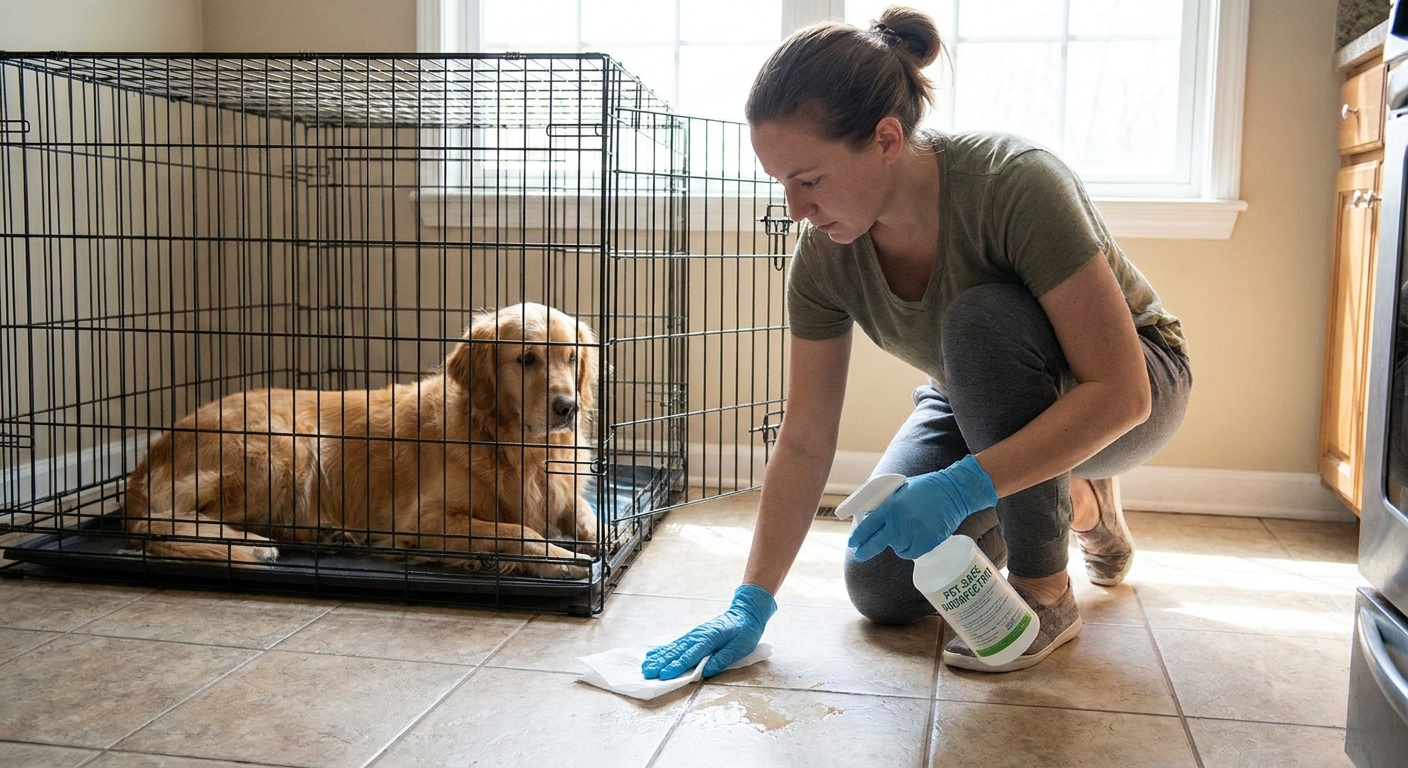
If parvo is suspected, ask your vet what they recommend for your home. Parvovirus is not killed by many everyday household cleaners.
On hard, non-porous surfaces, diluted bleach is one of the more reliable options people hear about, but concentration and contact time matter, and bleach is not appropriate for every surface. Your clinic can tell you what is safest and most effective for your specific situation, including how to handle yards, carpets, and bedding.
Can vaccinated adults still get parvo?
It is uncommon, but it can happen. No vaccine is 100 percent. That said, properly vaccinated adult dogs are far less likely to get parvo, and if they do, illness is often less severe.
If your adult dog is current on vaccines and develops vomiting and diarrhea, parvo is still on the list of possibilities, but your veterinarian will also consider other causes that are more likely in fully vaccinated adults.
Titers for peace of mind
If your adult dog is healthy and you are trying to confirm protection, ask your veterinarian about titer testing. A titer is a blood test that can help assess whether a previously vaccinated dog still has measurable immunity. It is not used to diagnose parvo in a sick dog, but it can be a useful planning tool in some situations.
Keeping adults protected
The best prevention is straightforward and very effective.
- Confirm vaccine records with your veterinarian, especially after adoption or rehoming.
- Follow the schedule your vet recommends based on your dog’s health and risk level.
- Use caution in high-traffic dog areas if vaccine status is unknown.
- Bring new dogs home thoughtfully, especially if you also have puppies, seniors, or immunocompromised dogs.
If you are unsure whether your dog is protected, ask your vet what the safest path is. In many cases, updating vaccination is simpler and safer than trying to guess.
FAQ
Can an adult dog survive parvo?
Yes, many dogs survive with prompt veterinary care. Survival odds depend on how quickly treatment begins, how severe dehydration and intestinal damage are, and any underlying health issues.
Does parvo always cause bloody diarrhea?
No. Bloody stool is common, but some dogs have severe watery diarrhea without obvious blood at first. Vomiting plus diarrhea and lethargy is enough to justify urgent evaluation.
If my adult dog had parvo before, can they get it again?
Some dogs develop strong immunity after infection, but relying on past infection is not a plan. Talk with your veterinarian about vaccination and risk, especially if records are unclear.
How fast does parvo hit?
Symptoms can worsen quickly over 24 to 48 hours once they start. Dehydration is a major danger, which is why early care matters so much.
The bottom line
Adult dogs can get parvo, particularly if their puppy series was never completed or their vaccination history is unknown. Because parvo is so closely associated with puppies, adult cases can be missed early and that delay can be dangerous.
If your adult dog has vomiting and diarrhea with sudden lethargy, especially with unknown or outdated vaccines, please treat it like an emergency and call your veterinarian right away.