I have had pet parents come into the clinic absolutely shaken up because their little dog “suddenly started vibrating.” If you are seeing full-body tremors and your dog is awake and aware, one possible cause your veterinarian may bring up is shaker syndrome.
Shaker syndrome is the common name for idiopathic generalized tremor syndrome (IGTS). “Idiopathic” means we do not have one confirmed cause, and “generalized tremor” means it can affect the whole body. It is also sometimes called white dog shaker syndrome because it was first described often in small white dogs, but it can occur in dogs of many coat colors.
What is shaker syndrome?
Shaker syndrome is a tremor disorder where a dog develops rhythmic, involuntary shaking that can involve the head, trunk, and legs. Many dogs are otherwise bright and responsive, especially at the beginning. Some will look unsteady or “drunk” when they try to walk because the tremors interfere with coordination.
Veterinarians often describe IGTS as suspected inflammatory or immune-mediated changes in the central nervous system, even though the exact trigger is not always identified and not every case is fully understood. The key point for families is this: it is frequently treatable, and many dogs improve significantly with appropriate veterinary care.
Common signs at home
Shaker syndrome can look dramatic. These are common patterns pet parents report:
- Whole-body tremors that may be continuous or come in waves
- Tremors that worsen with excitement, stress, or movement (for example, when your dog tries to stand or walk)
- Unsteady gait, stumbling, or trouble jumping onto furniture
- Head tremors and tremors affecting the neck and shoulders
- Normal awareness in many cases, meaning your dog can still respond to your voice and recognize you
Some dogs also develop additional neurologic signs such as a head tilt or abnormal eye movements (nystagmus), especially if there is vestibular or cerebellar involvement. Any new neurologic change should be treated as urgent until proven otherwise.
Who gets IGTS?
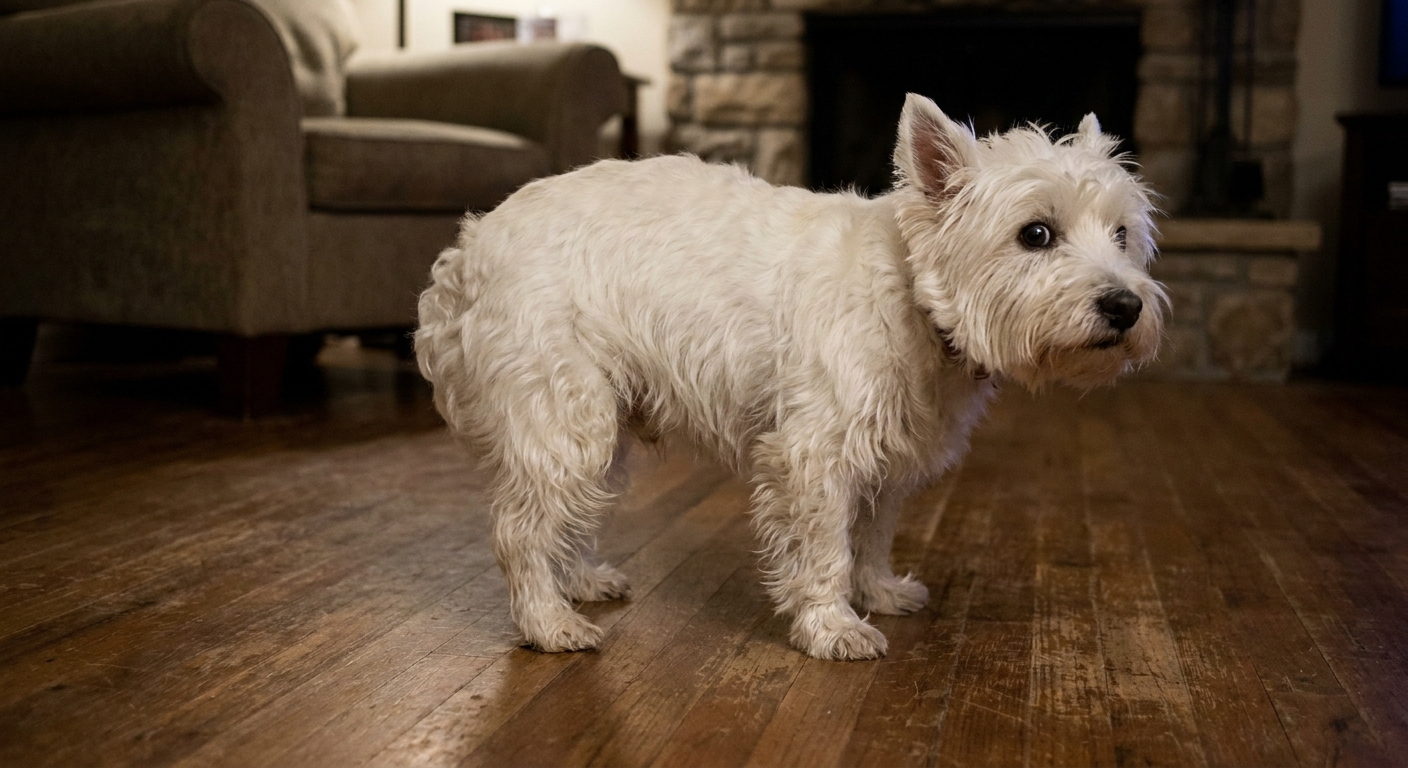
IGTS is often seen in small breed dogs, and the classic association is with small white dogs such as Maltese and West Highland White Terriers. That said, shaker syndrome can occur in mixed breeds and dogs of many colors.
It is frequently reported in young adult dogs, but age alone does not rule it in or out. Your veterinarian will look at the whole picture: history, physical and neurologic exam, and whether there are signs pointing to other causes.
Shaker syndrome vs shivering
Regular shivering is extremely common. Dogs shiver when they are cold, anxious, in pain, nauseated, or even excited. The difference is in the overall pattern and the context.
More typical of normal shivering
- Shaking starts when your dog is cold and improves with warmth
- Shivering is mild and not interfering with walking
- You can connect it to an event, like a thunderstorm, a stressful car ride, or a bath
More concerning for a tremor disorder like IGTS
- Persistent, full-body tremors even in a warm, calm environment
- Worsening tremors with movement and trouble standing or walking smoothly
- Sudden onset with no obvious trigger, especially paired with imbalance
If you are unsure, that is enough reason to call your vet. A short video taken on your phone is incredibly helpful for your veterinary team.
Tremors vs seizures
Many families fear “this must be a seizure.” Tremors and seizures can look similar from across the room, but there are important differences.
Tremors (including shaker syndrome) often look like:
- Rapid shaking that can be continuous
- Awareness is often preserved
- Your dog may be able to track you with their eyes and respond
- No classic seizure phases (no obvious collapse followed by a post-seizure daze in many cases)
Seizures more often include:
- Loss or alteration of consciousness, confusion, or unresponsiveness
- Stiffening, paddling, jaw chomping, drooling, or loss of bladder or bowel control
- A postictal period after the event where your dog seems disoriented, restless, hungry, or temporarily blind
Important: a dog can have tremors and still have a serious underlying problem, and a dog can have seizures that do not look “textbook.” That is why a veterinary exam is so important.
Shaker syndrome vs head bobbing
Another look-alike is idiopathic head tremor, where the head moves in a “yes,” “no,” or “figure-eight” pattern while the dog otherwise acts normal.
Head tremor episodes tend to be:
- Limited to the head, not the entire body
- Brief and episodic
- Sometimes interruptible by distraction (offering a treat or asking for a cue)
Shaker syndrome, on the other hand, is more likely to involve the whole body and can come with coordination problems.
What else it could be
IGTS is often a diagnosis of exclusion. In other words, your veterinarian is working hard to make sure your dog is not trembling for a more urgent or different reason.
Common conditions that can mimic IGTS include:
- Toxin exposure such as pyrethrins or permethrins (some flea and tick products), tremorgenic mycotoxins (moldy food or compost), metaldehyde (some slug and snail baits), marijuana, and certain human medications
- Low blood sugar (hypoglycemia) especially in toy breeds, small dogs that have not eaten, or puppies
- Low calcium (hypocalcemia), including eclampsia in lactating dogs
- Liver disease (including hepatic encephalopathy) and kidney disease (uremia)
- Generalized pain, fever, or severe nausea
- Inner ear or vestibular disease and other neurologic disorders affecting balance
This is why your vet may recommend bloodwork and other diagnostics even if your dog seems “mentally normal.”
How vets diagnose IGTS
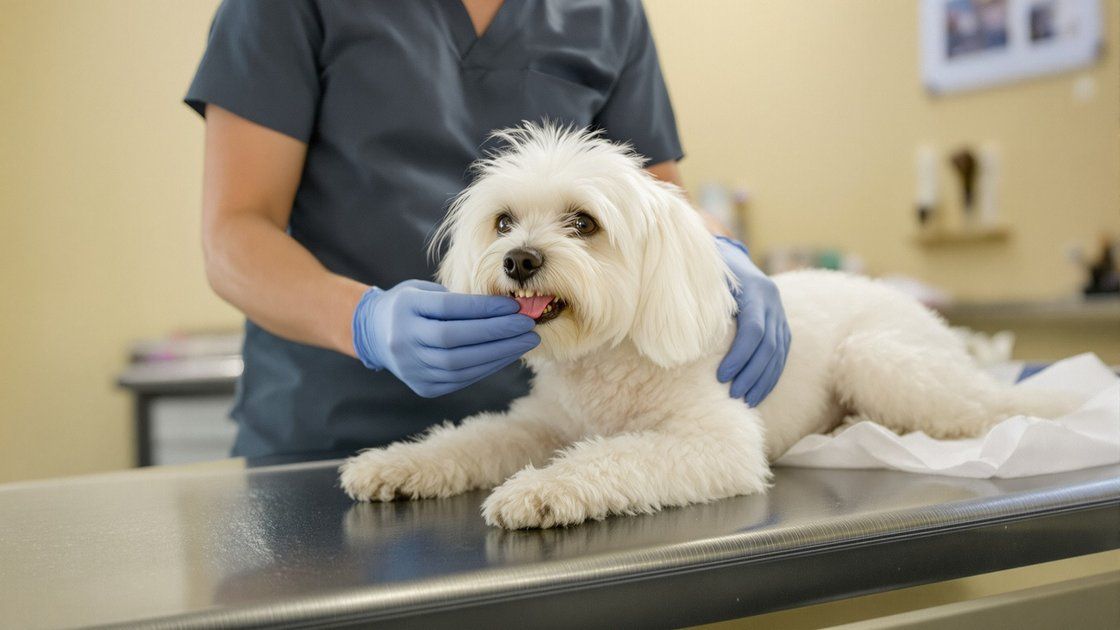
There is not one simple home test that confirms shaker syndrome. Diagnosis is usually based on a combination of history, physical exam, neurologic exam, and targeted testing to rule out other conditions.
Your vet may recommend:
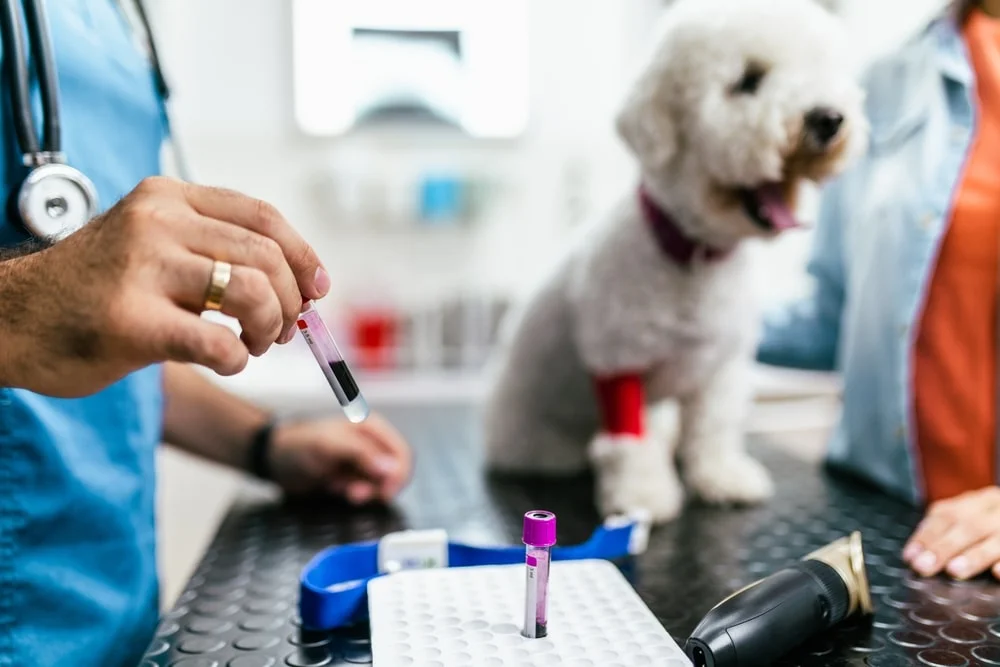
- Basic lab work (CBC, chemistry panel, electrolytes, glucose) to look for metabolic triggers
- Urinalysis and sometimes additional endocrine tests if indicated
- Review of exposures (flea and tick products, marijuana, human medications, rodenticides, compost, xylitol, and more)
- Advanced imaging such as MRI in select cases, especially if signs are severe, progressive, or atypical
- Spinal fluid analysis in some patients to evaluate inflammation or infection in the central nervous system
Not every dog needs every test. A good veterinary plan balances the urgency of the symptoms, your dog’s stability, and the most likely causes.
Steroid treatment
You may hear IGTS described as “steroid-responsive,” meaning many dogs improve when treated with corticosteroids under veterinary guidance. This is not something to start on your own. Steroids can be lifesaving in the right context, but they can also complicate infections, diabetes, stomach ulcers, and other conditions if used incorrectly.
What to discuss with your vet
- Whether steroids are appropriate yet or if additional testing should happen first to rule out infections or toxins
- The goal of treatment, typically reducing inflammation and stopping tremors while keeping side effects manageable
- Starting dose and taper plan. Many dogs need a gradual taper rather than stopping suddenly.
- Monitoring for response and for side effects, including increased thirst and urination, increased appetite, panting, restlessness, GI upset, or behavior changes
- Adjunct medications. Depending on the case, vets may add medications to reduce tremors (for example, methocarbamol or benzodiazepines), control nausea, protect the stomach, or help your dog rest.
In my experience assisting veterinarians, the dogs that do best are the ones whose families keep close communication during the first couple of weeks. If your dog is not improving as expected, that is a sign to reassess the diagnosis and the plan.
What to expect with treatment
Every dog is different, but a typical pattern with true IGTS is that tremors start to improve within a few days of starting corticosteroids, with marked improvement often within 1 to 2 weeks. Some dogs need a longer course and a slower taper to prevent relapse.
If tremors are severe, your veterinarian may recommend hospitalization and supportive care at the start, especially if your dog cannot safely walk, eat, or drink. That can include IV fluids, temperature support, help with nutrition, and medications to keep tremors under control while treatment begins to work.
What you can do at home now
If your dog is trembling, your job is to keep them safe and help your vet get good information.
- Take a video from the side and from above, 10 to 30 seconds is enough.
- Keep your dog from falling. Block stairs, use a leash for support, and provide traction with rugs or a yoga mat.
- Make it quiet. A dim, calm room can reduce stimulation and make it easier for your dog to rest.
- Check the environment. Make sure your dog is warm, but do not overheat them with heavy blankets if they are panting.
- Think toxins. If there is any chance of exposure to human meds, cannabis, chocolate, xylitol, insecticides, rodenticides, or suspicious food (including moldy food or compost), call your veterinarian or a pet poison hotline immediately.
- Do not give human medications unless your vet specifically instructs you to. Many are dangerous for dogs.
When tremors are an emergency
Please seek urgent veterinary care if any of these are true:
- Tremors are severe or your dog cannot stand or walk
- Your dog seems confused, unresponsive, or collapses
- There is vomiting, diarrhea, pale gums, trouble breathing, or extreme lethargy
- You suspect toxin exposure
- Your dog has a fever or seems painful
- This is the first time you have ever seen the symptom
Even if it ends up being IGTS, the first priority is making sure something more immediately dangerous is not happening.
Prognosis
Many dogs with idiopathic generalized tremor syndrome have a good prognosis with timely veterinary treatment. Some improve quickly once therapy starts, while others need a longer taper or additional support medications.
A small number of dogs can relapse, especially if medication is tapered too fast or if there is an underlying trigger that has not been identified. Follow-up appointments matter, even if your dog looks much better.
FAQ
Is white dog shaker syndrome only in white dogs?
No. The nickname comes from early reports in small white breeds, but dogs of many colors and mixes can develop IGTS.
Can stress cause shaker syndrome?
Stress can make tremors look worse, but IGTS is not simply “nerves.” A veterinary exam is needed to determine whether your dog is dealing with anxiety shivering, pain, a toxin, a metabolic issue, or a neurologic tremor disorder.
Will my dog be in pain?
Many dogs with IGTS do not appear painful, but tremors can be exhausting and can make it hard to rest, eat, or walk safely. Pain, fever, or obvious discomfort points your vet toward other causes that need attention.
Should I change my dog’s food or add supplements?
If your dog is actively trembling or newly unstable, focus on veterinary care first. Nutrition is important for overall health, but tremors can have medical causes that cannot be fixed with diet alone. If your dog is placed on steroids, ask your vet about appetite changes and safe calorie management during treatment.
The takeaway
Shaker syndrome in dogs is a real neurologic condition that can cause full-body tremors, especially in small breeds. It can look frightening, but many dogs respond well to veterinary-guided treatment, often involving corticosteroids and careful monitoring.
If your dog is shaking and you are unsure whether it is cold shivering, a seizure, head bobbing, or something like IGTS, trust your instincts and get help. A quick video and a prompt vet visit can make a huge difference.