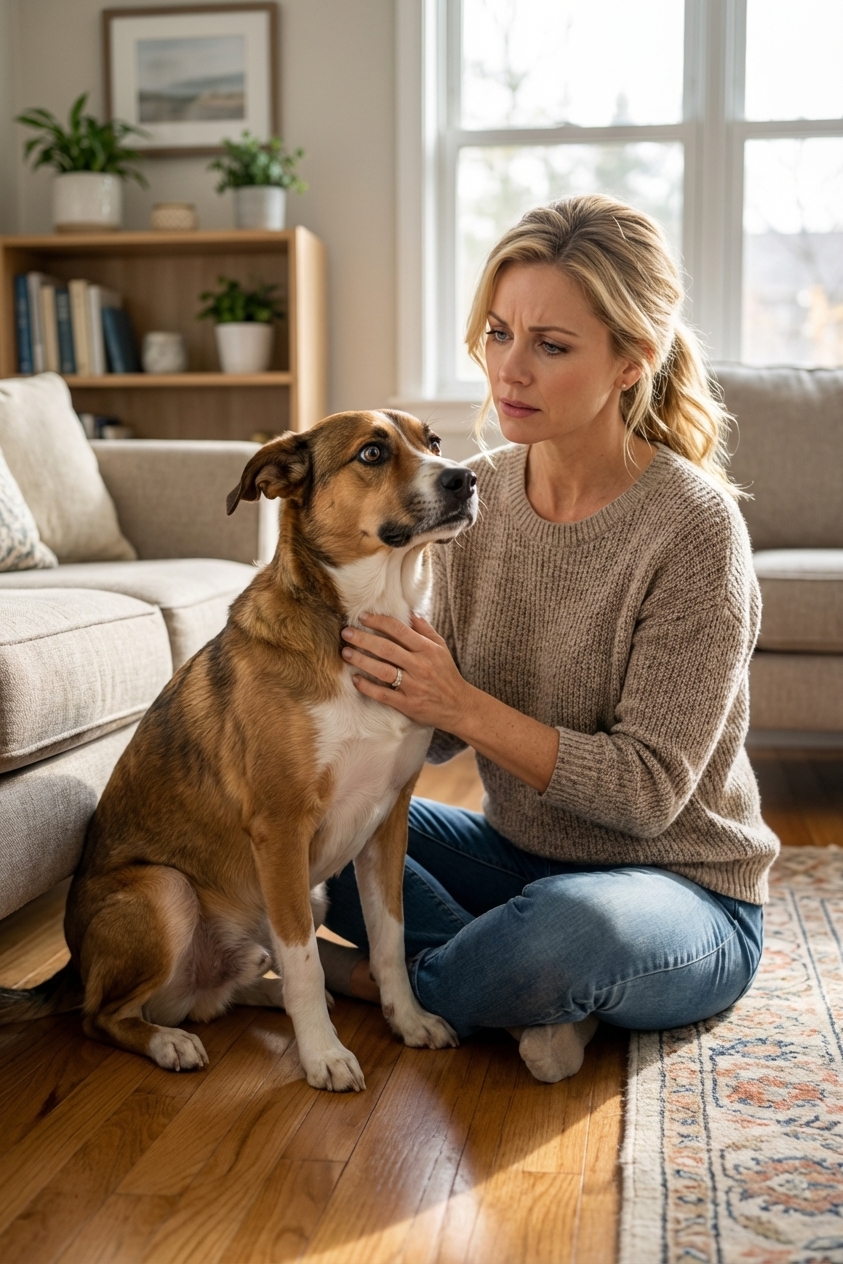
When a dog is shaking during fireworks, panicking in the car, or melting down in the veterinary lobby, it is natural to want a safe, reliable way to take the edge off. Two medications that veterinarians commonly reach for are trazodone and gabapentin.
They are not the same drug and they do not feel the same to every dog. One may be better for situational anxiety, another may be better as part of a plan for pain plus stress, and sometimes vets use them together when a dog needs more support for a predictable event like a vet visit.
How this guide is set up: quick differences, common use cases, timing, what “calm” may look like, and the key safety notes I want owners to know before they try anything new.
Important: This article is for education, not a substitute for your veterinarian’s instructions. Dosing, timing, and whether these meds are appropriate depends on your dog’s age, weight, health history, and other medications. Many uses for anxiety are off-label, which is common in veterinary medicine, but still needs vet direction.
Quick differences at a glance
- Trazodone: Often used (off-label) for situational anxiety and to help dogs stay calmer during stressful events (vet visits, grooming, travel, post-op confinement). It is primarily used for calming and anxiety reduction, though drowsiness can happen.
- Gabapentin: Developed as an anticonvulsant in people and now widely used in veterinary medicine for nerve-related pain and also (off-label) as an anxiety and fear-reducing aid. Sedation and wobbliness are common, especially at higher doses or when combined with other calming medications.
- Together: Many clinics use a trazodone plus gabapentin protocol for dogs who are very fearful or reactive at the vet. The goal is often calmer handling and reduced panic, not “knocking the dog out.”
What vets use them for
1) Vet visits and handling stress
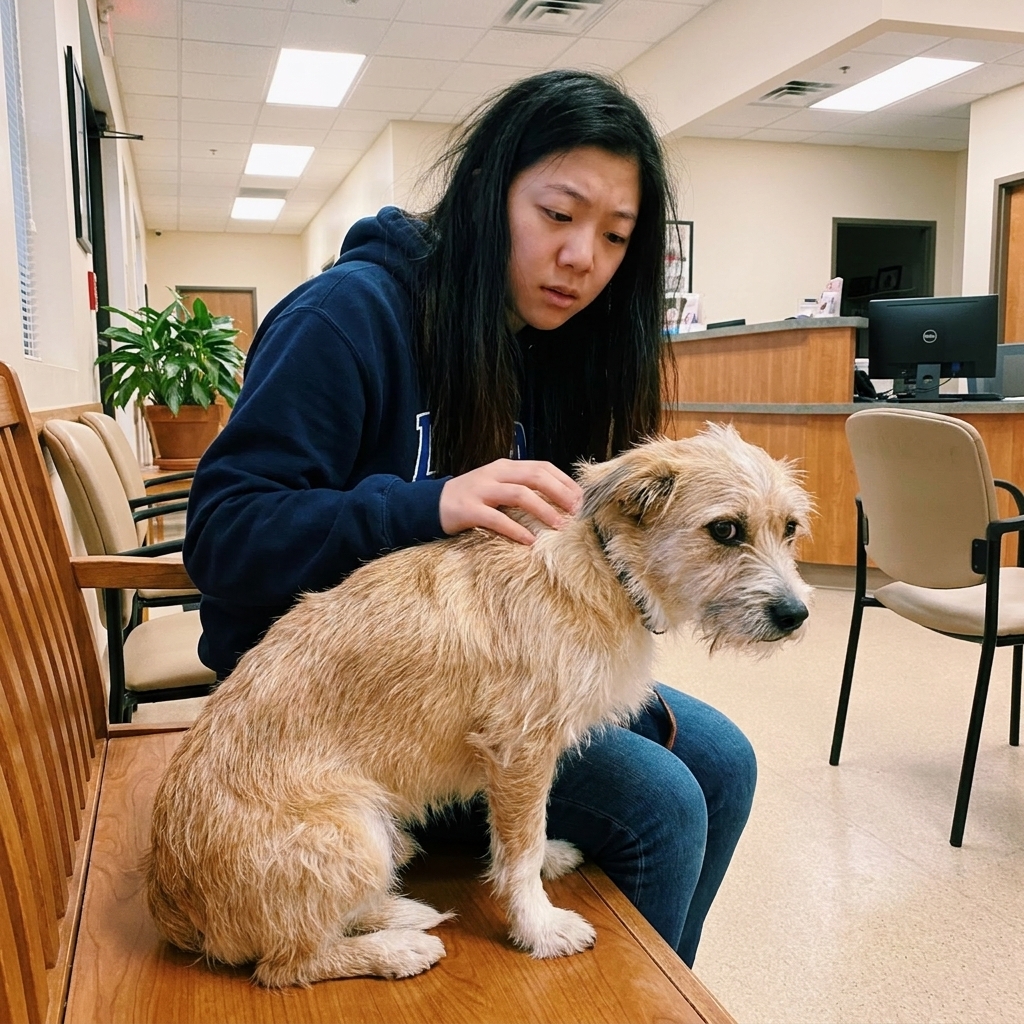
This is one of the most common “versus” searches I see, because owners want to know what will help their dog tolerate the clinic. Fear at the vet is real, and it can escalate quickly into trembling, growling, snapping, urinating, or refusing to move.
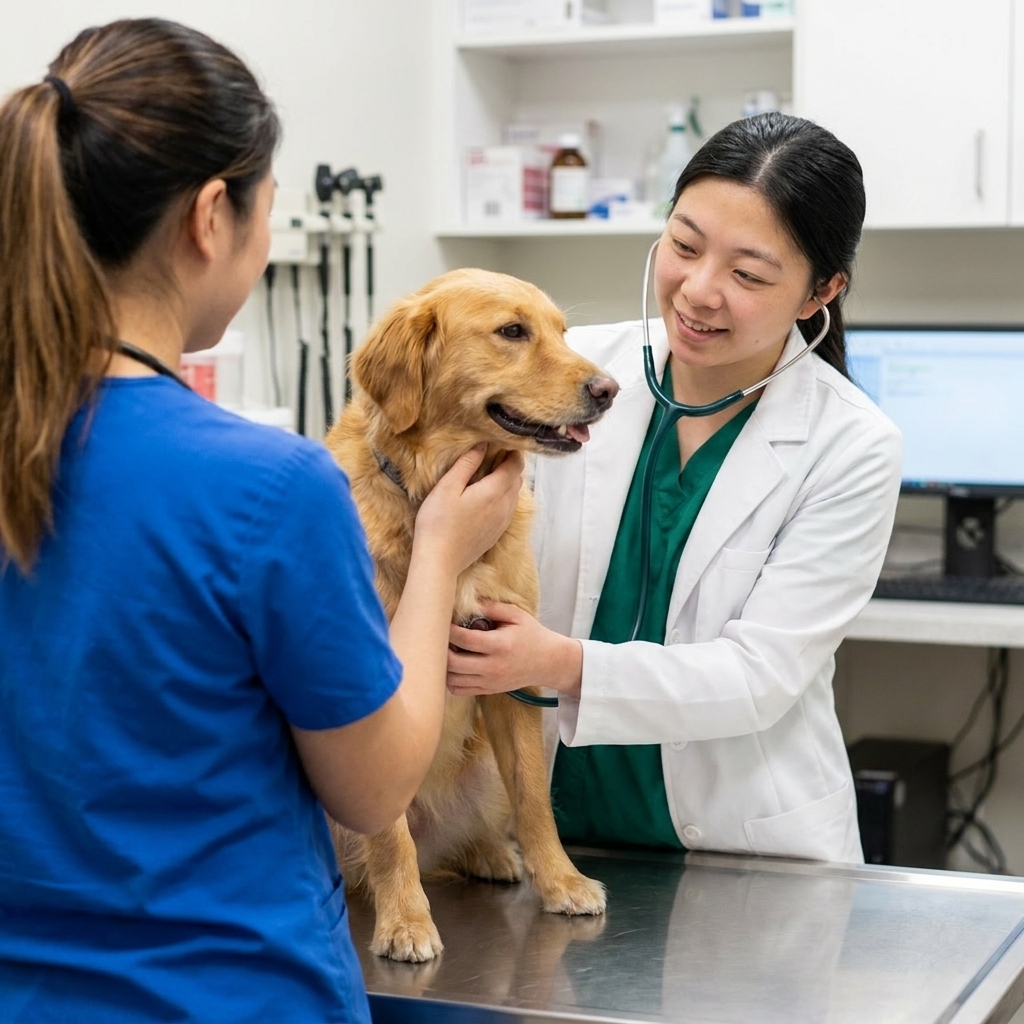
Trazodone is frequently chosen for dogs who become anxious, restless, or overly aroused in the clinic setting. Gabapentin may be added when fear is high, handling is difficult, or the dog also has pain that makes everything feel worse.
2) Fireworks, thunderstorms, and noise anxiety
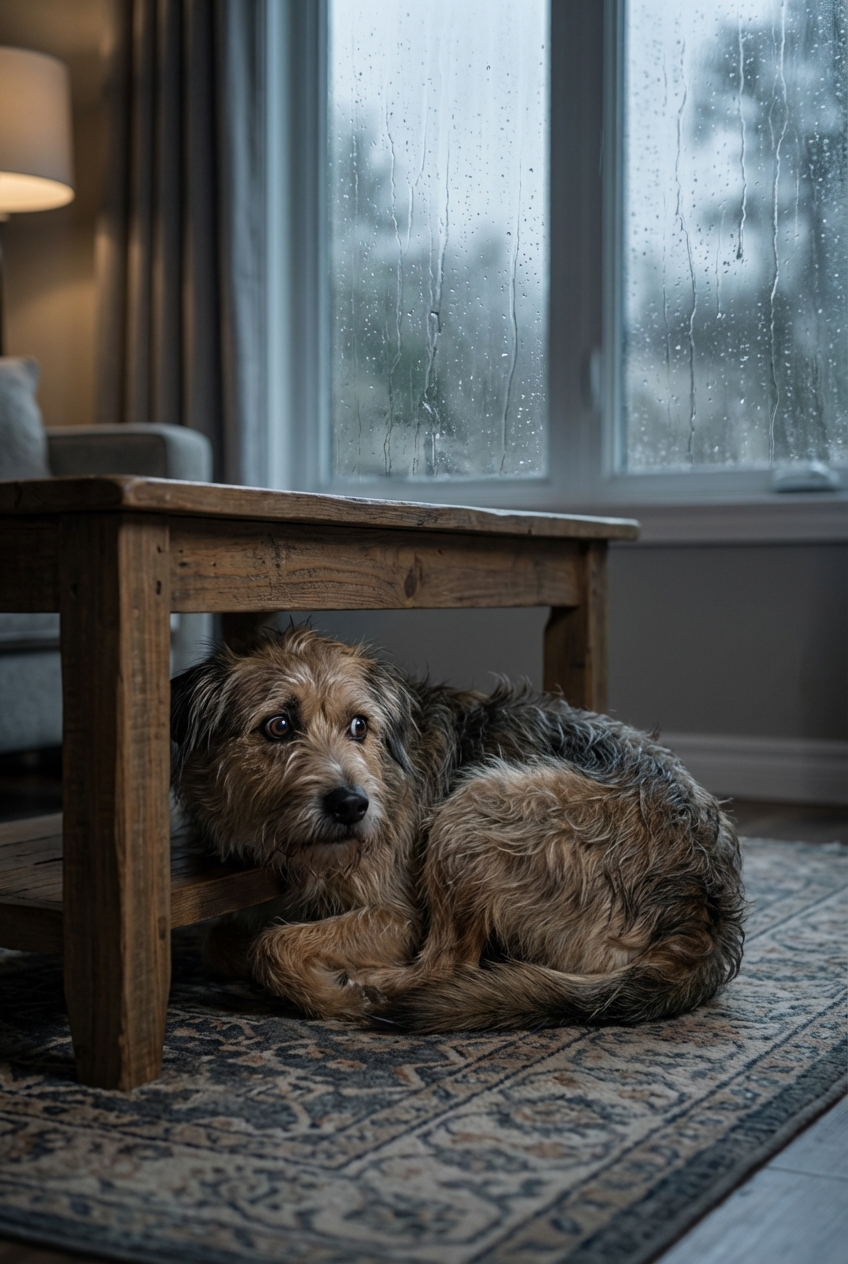
Noise anxiety is tricky because we are not just trying to make a dog sleepy. We are trying to prevent panic, which can include bolting, chewing through doors, or self-injury.
- Trazodone is often used for predictable, time-limited events, especially when given early enough that it is already working before the noise starts.
- Gabapentin may help take the edge off and can be part of a broader plan, sometimes alongside behavior modification and environmental management.
If your dog has severe noise phobia, ask your veterinarian about a multi-layer plan: safe room setup, white noise, calming enrichment, pheromones, behavior training, and medication timed correctly.

3) Travel and car rides
For dogs who get anxious, drool, pace, or vocalize in the car, vets may use trazodone, gabapentin, or a different medication depending on whether the problem is anxiety, nausea, pain, or all three.
Tip: If your dog also vomits or drools heavily, ask your vet whether motion sickness treatment is needed. Anxiety meds alone do not always fix nausea.
4) Post-surgery rest and activity restriction
After certain surgeries, the hardest part is keeping a dog calm enough to heal. Trazodone is commonly prescribed to help with crate rest and prevent sprinting, jumping, or rough play. Gabapentin may be included when pain control is also a priority, because pain and anxiety fuel each other.
Timing (high-level)
Owners often ask, “How fast does it work?” and “How long will it last?” The honest answer is: it depends. Individual metabolism, stomach contents, dose, and stress level all change the timeline.
- Trazodone: Often given about 1 to 2 hours before the stressful event. Many dogs stay calmer for several hours.
- Gabapentin: Often given about 1 to 3 hours before the event (some dogs need the earlier end of that range). Effects can last several hours, sometimes longer in seniors or dogs with certain health conditions.
Your veterinarian may recommend a trial dose on a quiet day. This is one of the best ways to see how your dog responds, so you are not experimenting for the first time on the day of a big appointment or a fireworks night.
Calming vs sedation
Here is a key point I like to gently emphasize as a veterinary assistant: calm is not always sleepy. Some dogs look drowsy but still feel fearful inside. Others look fairly normal but are much more able to cope.
Trazodone: often calmer, sometimes sleepy
Trazodone is usually aimed at reducing anxious intensity and helping a dog come down from an overwhelmed state. Mild sleepiness can happen. Some dogs get a little wobbly or seem quieter than usual. A small number of dogs can have the opposite reaction and seem more restless or agitated, which is one reason a trial run matters.
Gabapentin: calming plus more noticeable sedation in many dogs
Gabapentin can be very helpful, but many owners notice more obvious sedation or clumsiness. For some dogs, that is acceptable and even beneficial for high-stress handling. For others, especially active dogs on stairs, it requires extra supervision.
If your dog seems calm but unsteady, treat it like a fall risk. Block stairs, avoid slippery floors, and help them get in and out of the car.
Why vets sometimes combine them
In clinics, we want fearful dogs to have the least traumatic experience possible. A combination plan may be used when:
- the dog has a history of severe fear, panic, or defensive aggression at the vet
- previous single-med plans were not enough
- pain is present and increases reactivity
- a procedure requires calmer handling (for example, nail trims, ear exams, blood draws)
The goal is typically lower fear and safer handling, not heavy sedation. Your veterinarian will choose a plan based on your dog’s medical record and what happened at previous visits.
When these may not be enough
Some dogs are not just “nervous” but truly panicked, especially with severe noise phobia or intense clinic fear. In those cases, trazodone and or gabapentin may be part of the plan, but not always the best only tools. Your veterinarian may recommend other event medications (for example, dexmedetomidine gel or certain anti-anxiety prescriptions) plus behavior work. The right choice depends on your dog and the situation, so this is a great conversation to have before the next storm season or appointment.
Side effects and safety notes
Most dogs tolerate these medications well when prescribed appropriately, but side effects can happen.
Common side effects
- Trazodone: sleepiness, mild GI upset, restlessness in some dogs, panting, changes in coordination
- Gabapentin: sleepiness, wobbliness, weakness, mild GI upset
Call your vet urgently if you notice
- collapse, severe weakness, or extreme disorientation
- trouble breathing
- uncontrolled vomiting
- agitation that is escalating rather than settling
- signs of an allergic reaction (facial swelling, hives)
Important cautions to tell your vet about
- Kidney disease: especially important for gabapentin, which is largely cleared by the kidneys. Dosing often needs adjustment.
- Liver disease: still worth flagging for any medication plan, especially if your dog is on multiple meds.
- Brachycephalic breeds or respiratory disease: sedation can increase risk in dogs that already struggle to breathe comfortably. Your vet may adjust the plan and you will want closer monitoring.
- Other brain and nervous system meds: combining calming medications can stack sedation and coordination issues.
- Serotonin-drug combinations: trazodone affects serotonin. If your dog is on other serotonergic meds (for example, fluoxetine, clomipramine, MAOIs, and some pain meds like tramadol), your vet needs to know due to a rare but serious risk of serotonin syndrome.
- Liquid gabapentin: do not use a human gabapentin liquid unless your veterinarian has confirmed it is safe. Some liquid formulations can contain xylitol, which is toxic to dogs.
If your dog is elderly, pregnant, has a seizure history, or has had major medication sensitivities, mention it up front. Those details genuinely change what a safe plan looks like.
What owners should never do
- Do not use human prescriptions or leftover meds from another pet. Doses and safety vary dramatically.
- Do not combine meds (including trazodone, gabapentin, antihistamines, sleep aids, or CBD products) unless your veterinarian specifically says it is safe for your dog.
- Do not increase the dose on your own because it did not work last time. Timing, food in the stomach, and the specific trigger all matter.
- Do not stop long-term medications abruptly without guidance, especially if your dog is on seizure meds or other neurologic drugs. If gabapentin has been used long-term, your veterinarian may recommend tapering rather than stopping suddenly.
- Do not use calming meds as the only plan for severe noise phobia. You will get the best results by pairing medication with behavior work and environmental support.
How to talk with your vet
If you want your dog’s next visit or next storm season to go better, bring specifics. These details help your veterinarian choose between trazodone, gabapentin, or a combination:
- What does your dog do, exactly (pace, hide, snap, drool, urinate, scream)?
- How long does the episode last?
- What triggers it (handling, strangers, loud bangs, car movement)?
- What have you tried before, and what happened?
- Any history of seizures, heart disease, kidney disease, or major medication sensitivities?
And my favorite practical tip: schedule a medication trial when you can observe your dog at home. Keep notes on timing, appetite, sleepiness, wobbliness, and whether your dog can still comfortably potty and walk.
Supports that pair well
Medication often works best when you also reduce stress in the environment. Consider:
- Fear Free or low-stress handling veterinary clinics when available
- car desensitization with short, positive rides
- a covered crate or safe room during storms, plus white noise
- a properly fitted harness for safer transport
- lick mats or stuffed food toys for calming enrichment (only if your dog can safely eat while medicated)

With the right plan, many dogs go from white-knuckle panic to manageable stress. That is a big quality-of-life win for them and for you.
Bottom line
Trazodone is commonly used (often off-label) for situational anxiety and calming. Gabapentin is commonly used for pain support and can also reduce anxiety, often with more noticeable sedation. The “best” choice depends on your dog, the trigger, and your goals for the situation.
If you are preparing for fireworks, travel, or a hard vet visit, ask your veterinarian about a plan now, not the day of the event. A little preparation can make a huge difference in your dog’s comfort and safety.
Medical note: This content is for general education and is not a substitute for veterinary diagnosis or treatment. Always follow your veterinarian’s dosing and timing instructions.