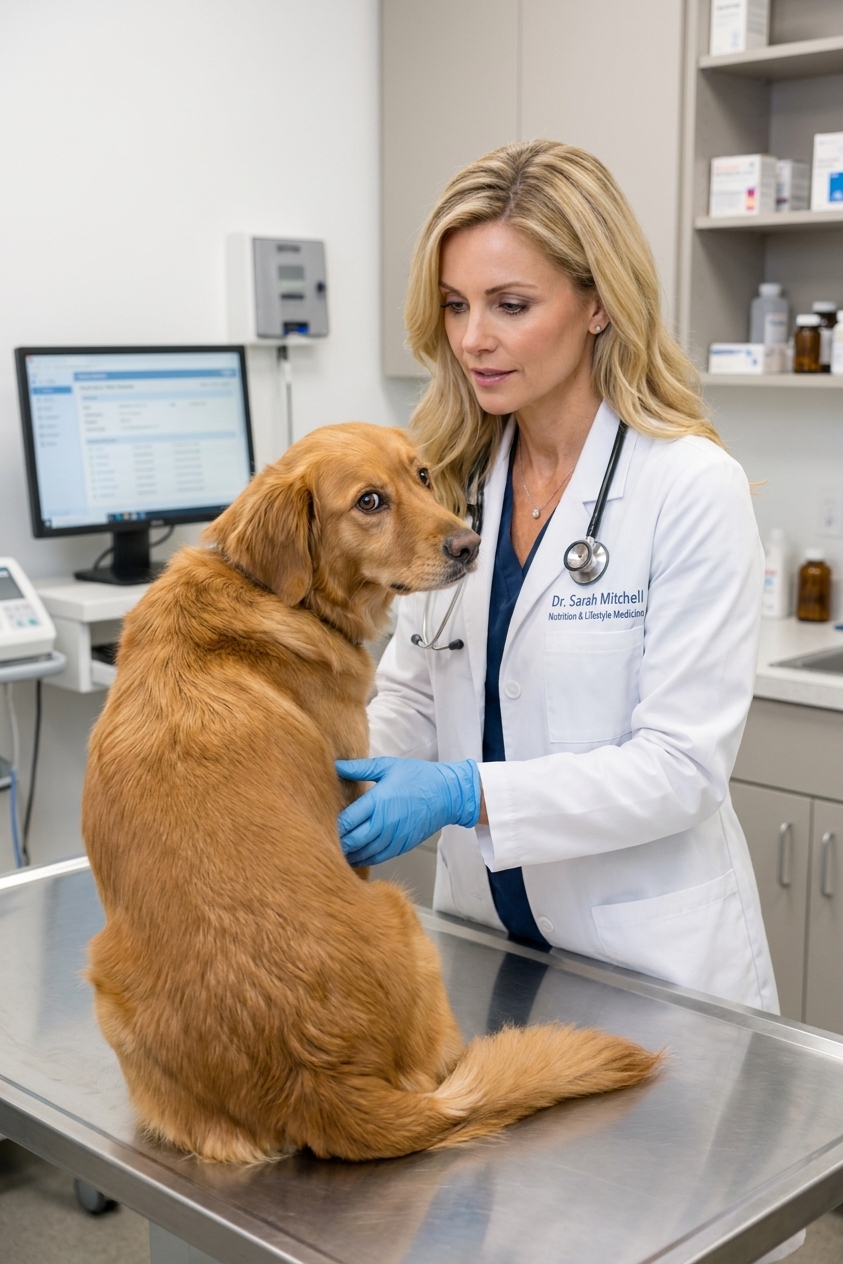
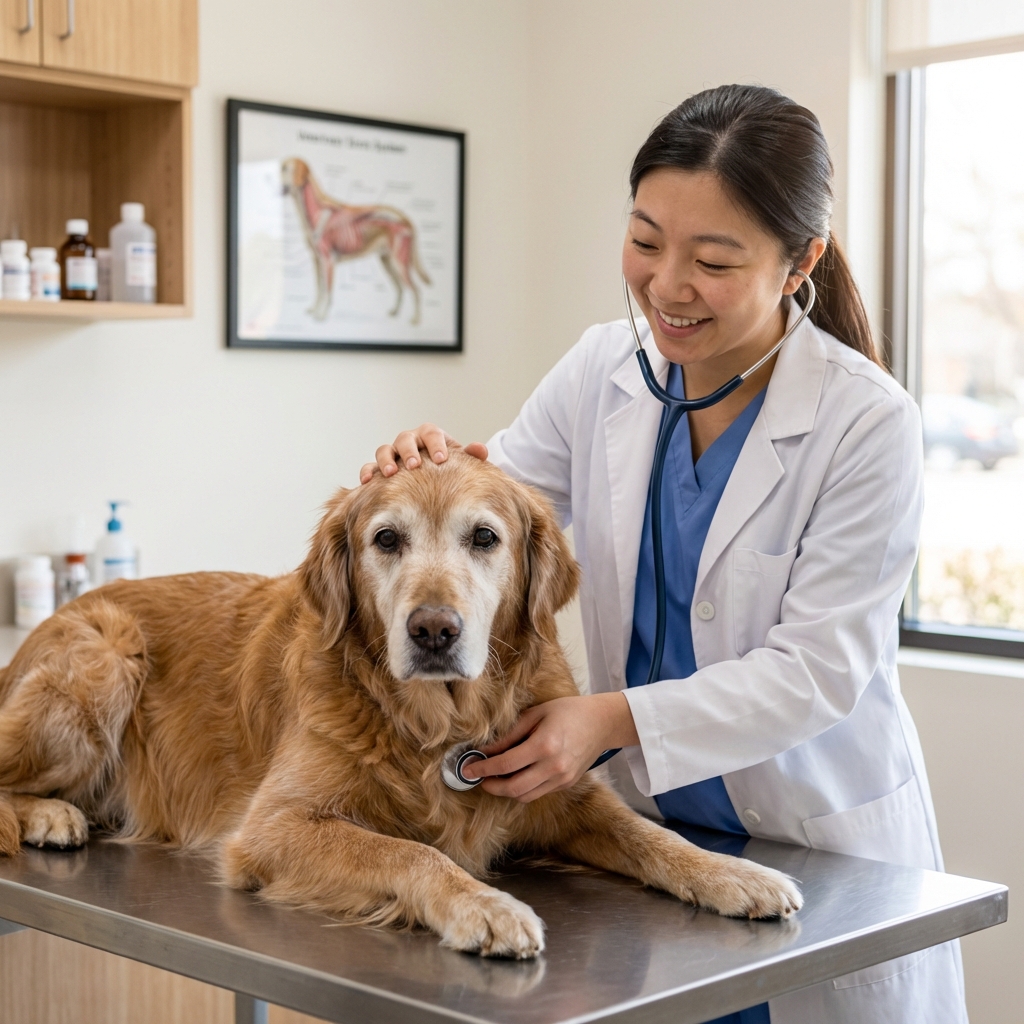
When people hear “anal glands,” they usually think of scooting, a fishy smell, or a minor impaction that clears up with veterinary help. But there is another possibility I never want dog families to be surprised by: anal sac adenocarcinoma, a cancer that starts in the anal sac glands.
As a veterinary assistant in Frisco, Texas, I have seen how confusing these cases can feel at first. The early signs can overlap with routine anal gland problems, but there are a few red flags that deserve a fast veterinary visit, especially a firm, persistent lump near the anus and symptoms tied to high blood calcium.
What it is
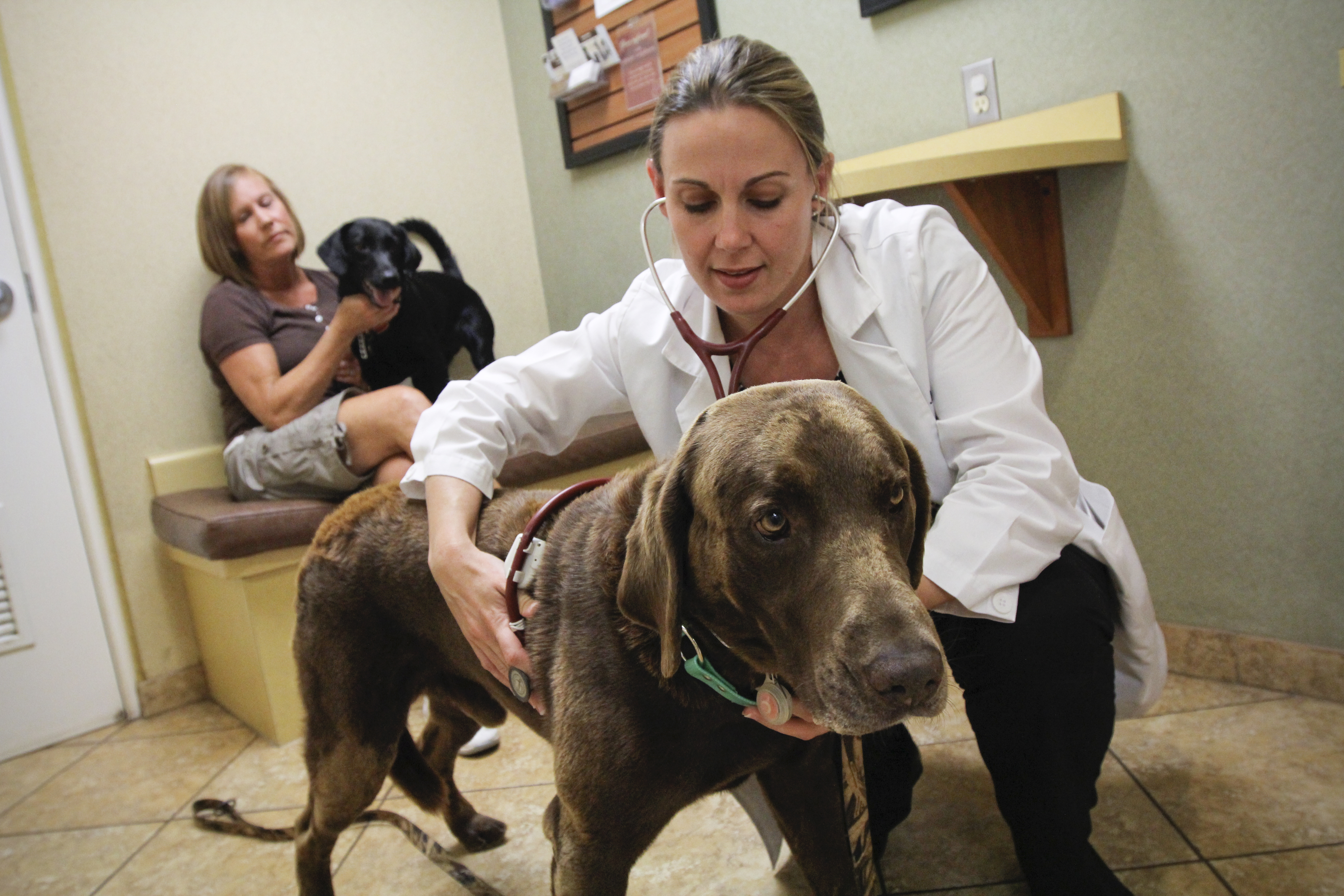
Anal sac adenocarcinoma (ASAC) is a malignant tumor arising from the secretory tissue inside the anal sacs. These tumors can be small on the outside at first, but they tend to be locally invasive and they commonly spread to nearby lymph nodes. Some dogs also develop a syndrome called hypercalcemia of malignancy, where the tumor causes blood calcium to rise, leading to broader “whole body” illness.
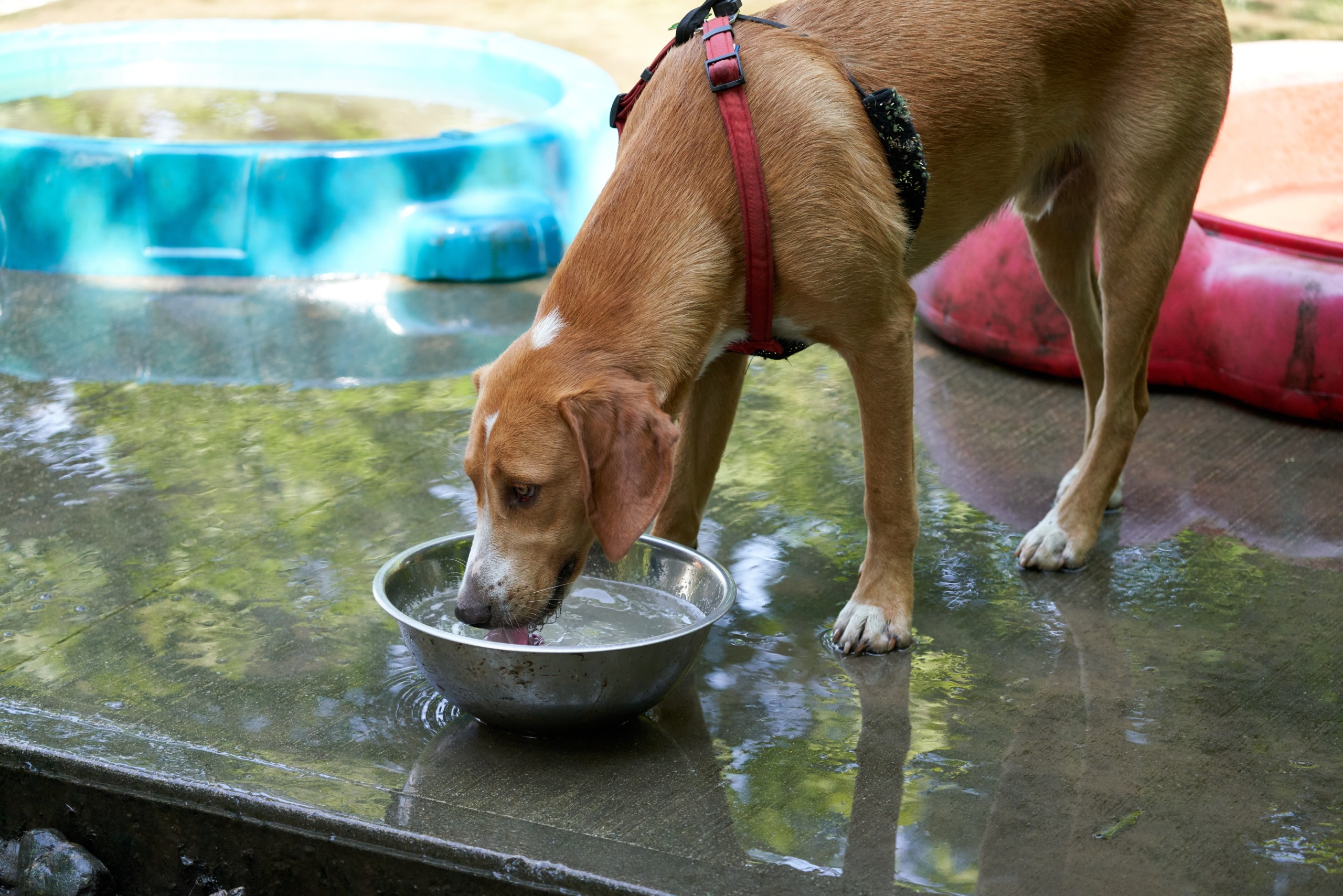
This matters because high calcium can cause increased thirst and urination and can contribute to dehydration and kidney injury. In other words, it can look like more than a rear-end issue.
Signs that raise concern
Any dog can have anal sac irritation, but ASAC is more likely when signs persist, worsen, or come with a palpable mass.
Local signs
- A firm lump or swelling beside the anus (classically near the 4 o’clock or 8 o’clock area, but masses can show up in other positions too).
- Straining to poop (tenesmus), constipation, or producing thin, ribbon-like stool if the mass compresses the rectum.
- Blood on the stool or around the anus in some cases.
- Pain when sitting, defecating, or when the area is touched.
- Licking at the rear end, restlessness, or suddenly not wanting to sit.
Signs linked to high calcium
One of the biggest clues that we might be dealing with ASAC instead of a routine anal gland issue is a cluster of symptoms from elevated blood calcium. Call your vet promptly if you notice:
- Increased thirst and urinating more than usual
- Decreased appetite, nausea, or vomiting
- Lethargy or weakness
- Dehydration
Even if your dog’s rear-end symptoms seem mild, the internal effects of hypercalcemia can be significant, especially for the kidneys.
How it differs from common issues
This is the part I like to make very clear for families: most anal gland problems are not cancer. But cancer has a different feel and trajectory than common anal sac issues.
Routine impaction
- Typical story: scooting, licking, a fishy odor, mild discomfort
- What a vet often finds: full anal sacs without a discrete firm mass
- Response: improvement after veterinary treatment and addressing underlying triggers
Anal sac infection (sacculitis)
- Typical story: redness, discomfort, licking, sometimes discharge
- What a vet often finds: inflamed, painful glands and abnormal fluid, but not necessarily a solid lump
- Response: treatment can help quickly, though some dogs have recurring issues
Anal gland abscess
- Typical story: sudden swelling, marked pain, sometimes a draining hole near the anus
- What a vet often finds: a hot, painful swelling that may rupture
- Response: once treated, many dogs feel relief within days
Anal sac adenocarcinoma (ASAC)
- Typical story: a firm mass that does not resolve, straining, constipation, plus possible high-calcium signs like increased thirst
- What a vet often finds: a discrete mass in or near the anal sac, and sometimes enlarged regional lymph nodes
- Response: requires diagnostic workup and an oncology-style treatment plan
If your dog has a firm lump or is straining, it is safer to assume it needs a veterinary exam sooner rather than later. And to be very clear: do not try to treat a suspected mass at home.
Who is at higher risk
Any breed can be affected, and I never want families to dismiss a lump because their dog is “not the type.” That said, ASAC is diagnosed more often in older dogs, and some breeds may be overrepresented in certain studies. Your veterinarian will focus most on what they find on exam and what staging shows, rather than breed alone.
What your vet may do
Expect your vet to focus on two goals: confirming what the lump is and checking whether it has spread.
Common diagnostic steps
- Physical exam and rectal exam: to assess the anal sacs, rectum, and nearby lymph nodes.
- Needle sample (FNA) or biopsy: to identify tumor cells. Some cases need sedation depending on discomfort and location.
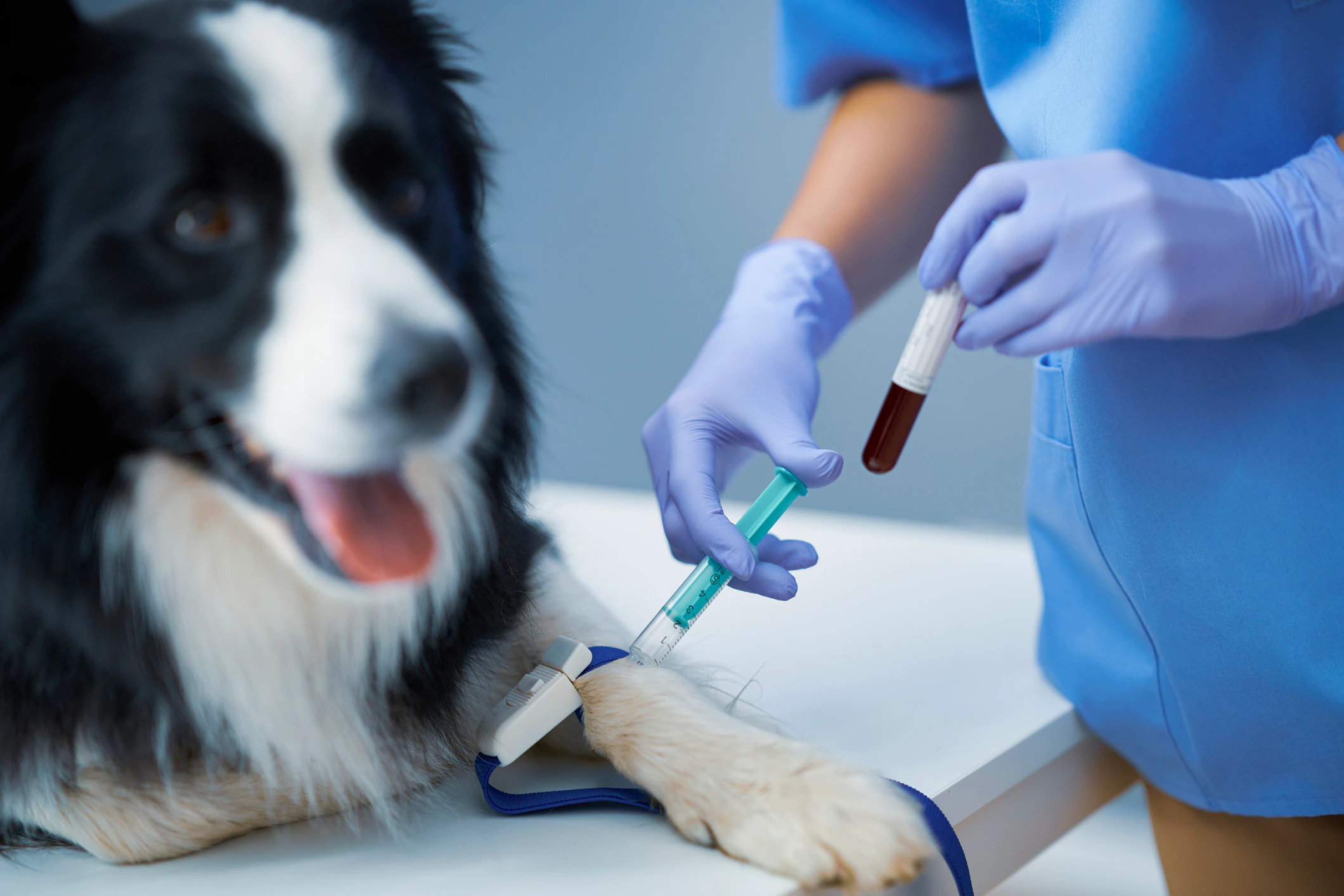
- Bloodwork: especially to check calcium levels and kidney values.
- Urinalysis: often helpful if there is increased thirst and urination.
Staging
Staging is how the veterinary team maps the tumor’s size and spread so treatment can be tailored. With ASAC, staging commonly focuses on local tissue, nearby lymph nodes, and distant sites.
Tests commonly used
- Abdominal ultrasound to evaluate internal organs and check for enlarged lymph nodes in the abdomen.
- Sampling lymph nodes (often the sublumbar lymph nodes, sometimes others depending on findings).
- Chest imaging (X-rays or CT) to check for distant metastasis, including the lungs.
- CT scan for surgical planning in some dogs, especially if the mass is in a tricky location.
Your vet may also talk about whether your dog’s calcium level needs to be addressed urgently before anesthesia or surgery.
Treatment options
ASAC treatment is not one-size-fits-all. The best plan depends on tumor size, lymph node involvement, spread, your dog’s overall health, and what feels doable for your family.
Surgery
If the tumor is operable, surgery may be recommended to remove the anal sac tumor. If lymph nodes are enlarged or known to contain cancer cells, lymph node sampling and or removal may be discussed too, or your team may recommend radiation for local control depending on location and risk.
Surgery in this area requires experience because the tissues are delicate and close to important nerves and structures. Many primary care vets will refer these cases to a board-certified surgeon.
Radiation therapy
Radiation may be used when clean surgical margins are hard to achieve, when the tumor cannot be completely removed, or for local control of disease in lymph nodes.
Chemotherapy
Chemotherapy is sometimes recommended, especially if lymph nodes are involved or if there is concern about spread. Your veterinary oncologist will explain which drugs are considered and what monitoring is needed.
Managing high calcium
If calcium is elevated, treatment may include IV fluid therapy and calcium-lowering medications as indicated while the cancer plan is put in place. This is important for comfort and for protecting kidney function.
Pain control and stool support
Even before a full oncology plan is finalized, many dogs benefit from:
- Pain relief tailored to your dog
- Stool softeners or constipation support when recommended by your vet
- Diet adjustments for easier bowel movements, based on veterinary guidance

Prognosis
I wish there were a single simple answer here, but prognosis depends heavily on the stage, whether lymph nodes are involved, whether there is distant spread, and whether hypercalcemia is present and controlled. In general, earlier detection and good local control of the tumor and affected lymph nodes give dogs the best chance at more good time.
Questions to ask
When you are anxious, it is easy to forget what you meant to ask. I like families to write questions down in their phone before the visit. A few that often help:
- What did you feel on the exam, and is it a discrete mass?
- Are my dog’s calcium levels high, and do we need to treat that today?
- Which staging tests do you recommend and why: ultrasound, chest X-rays, CT?
- Do you recommend an FNA, biopsy, or both?
- If surgery is recommended, who will perform it and what complications should we plan for?
- Will radiation or chemotherapy improve local control or survival in my dog’s situation?
- What does follow-up monitoring look like after treatment?
- What signs at home would mean “call right away”?
When to seek urgent care
Please consider this urgent if you notice:
- Straining without producing stool, repeated unproductive squatting, or signs of obstruction
- Sudden extreme pain near the anus, collapse, or profound weakness
- Marked increase in thirst and urination plus lethargy, vomiting, or not eating
- Bleeding that is more than a small smear
Even if it ends up being an infection or abscess, these signs can mean your dog needs relief and medical support quickly.
What to do at home
Keep it simple and safe:
- Prevent licking if your dog is obsessing over the area, using an e-collar if you already have one that fits.
- Track symptoms: appetite, water intake, urination, bowel movements, and any straining. A quick phone note helps your vet a lot.
- Do not squeeze or manipulate any lump or swelling near the anus. It can worsen pain, rupture infected tissue, or complicate diagnosis.
- Do not give human pain medications unless your veterinarian specifically instructs you to. Several common options are dangerous for dogs.
- Offer plenty of water, especially if your dog is drinking more than usual.
Hope and realism
Cancer is a heavy word, and it is normal to feel scared. The encouraging part is that dogs can do well with a thoughtful plan, especially when the condition is caught early and managed by a team that may include your primary vet, a surgeon, and an oncologist.
If you are staring at a firm lump near your dog’s anus and wondering, “Is this just an anal gland problem?” it is absolutely worth getting checked. You are not overreacting. You are advocating.
FAQ
Can anal sac adenocarcinoma look like an anal gland infection at first?
Yes. Early discomfort, licking, and straining can overlap. The bigger red flags for ASAC are a firm, persistent mass and systemic signs like increased thirst tied to high calcium.
Is scooting a sign of anal sac adenocarcinoma?
It can be, but scooting is much more commonly linked to non-cancer causes like irritation, impaction, allergies, or infection. A lump near the anus or straining changes the urgency.
What breeds get anal sac adenocarcinoma?
Any breed can be affected. ASAC is more common in older dogs, and some breeds may be overrepresented in certain studies, but your veterinarian is more likely to focus on exam findings and staging results than breed alone.
Why does this cancer cause increased thirst?
Some anal sac tumors can raise blood calcium, and high calcium can lead to increased thirst and urination, dehydration, and kidney stress. That is why bloodwork is so important in suspected cases.