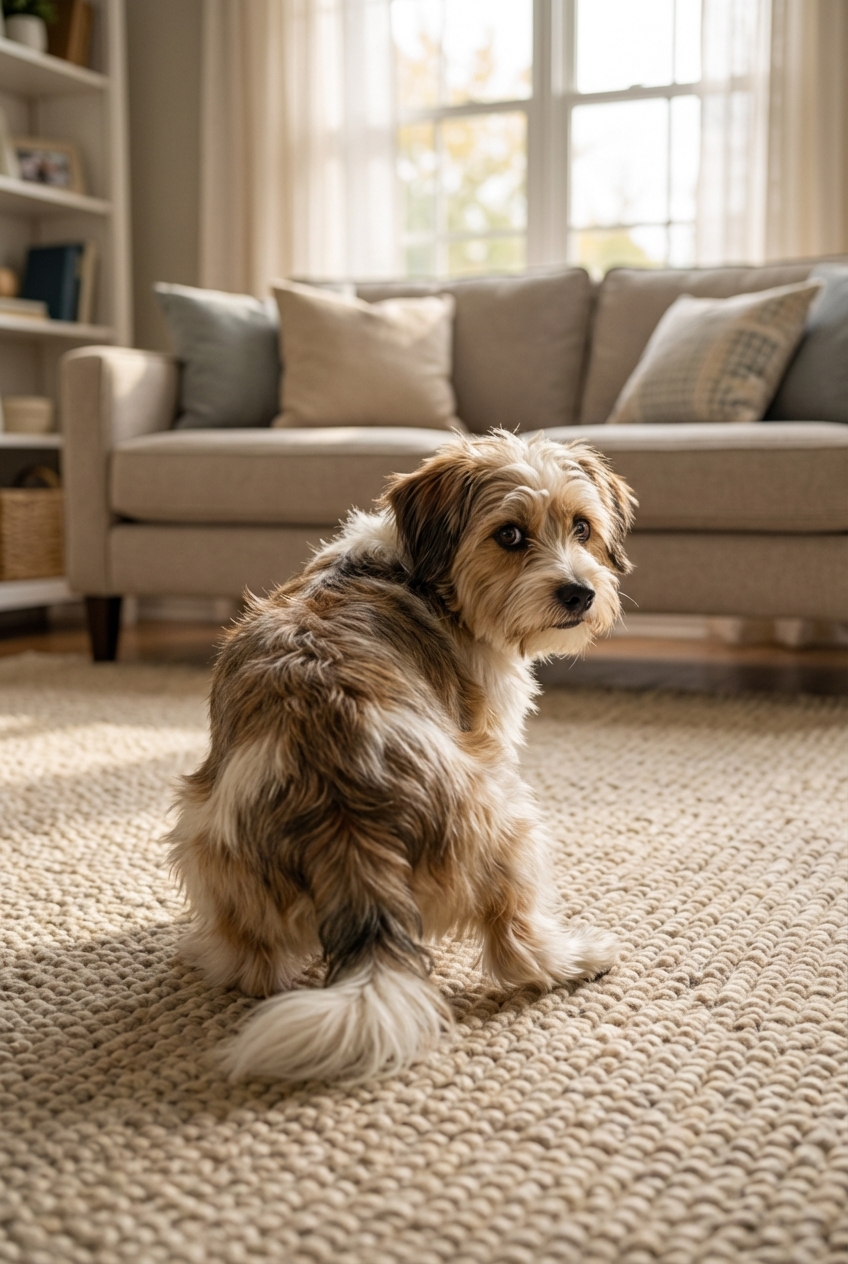
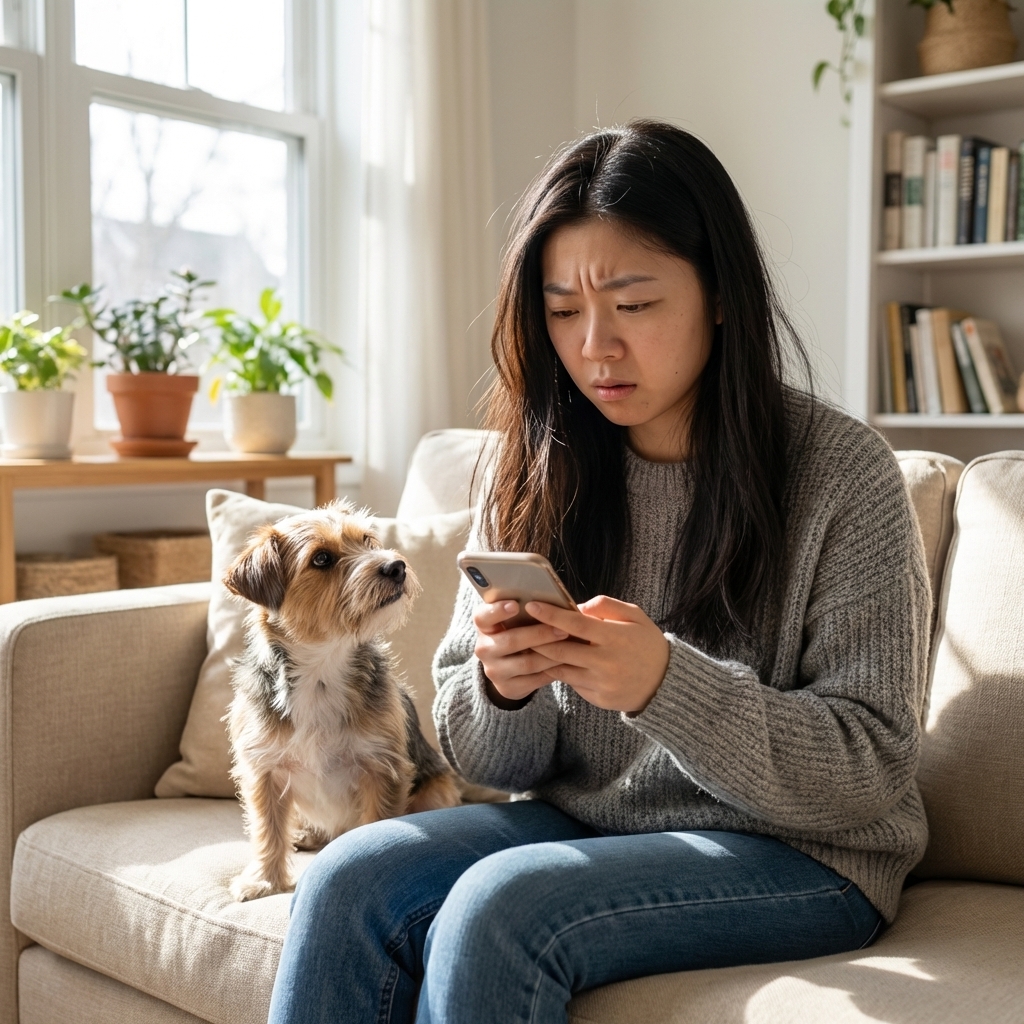
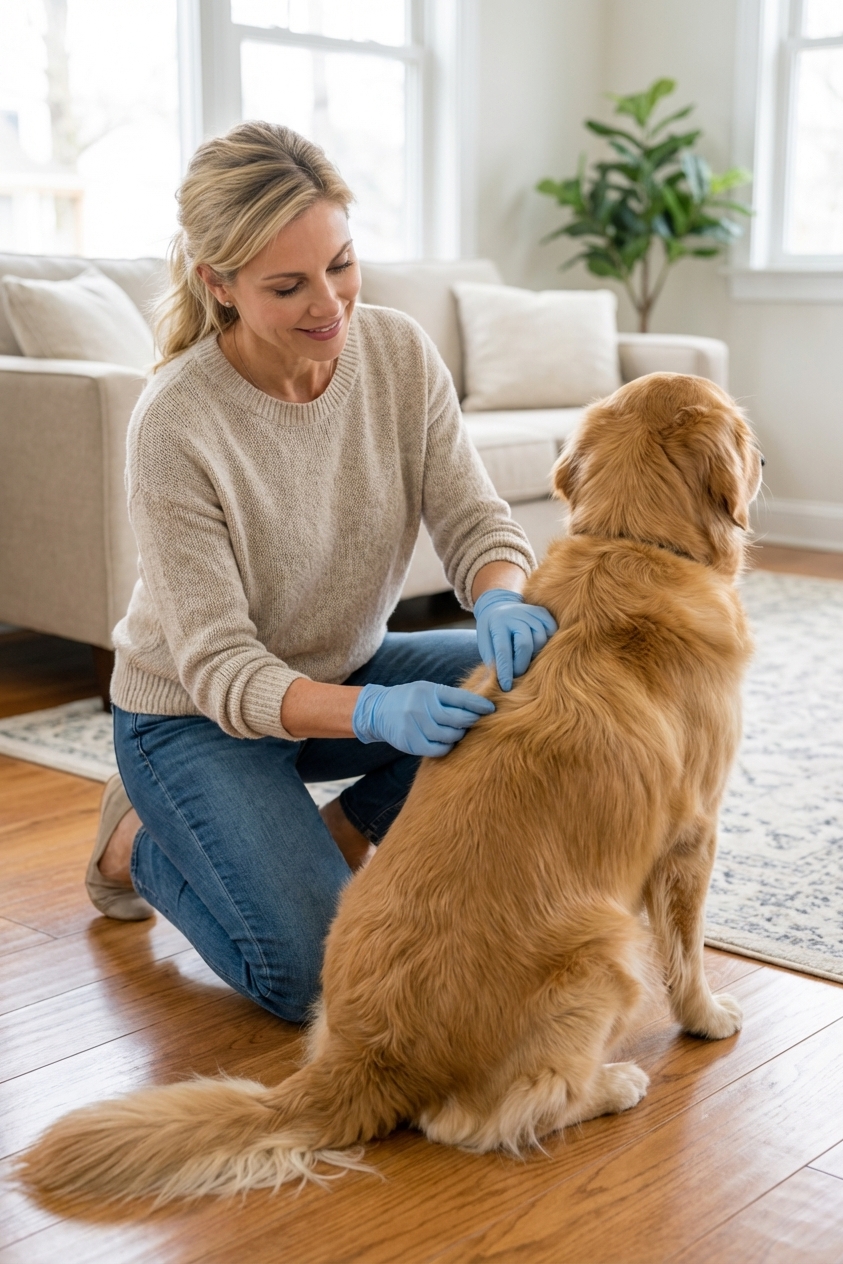
If your dog is scooting, licking, or suddenly acting like their rear end really hurts, it is easy to assume it is “just the anal glands.” Sometimes it is. But an infected or abscessed anal gland is a very different situation than routine fullness, and it can go from uncomfortable to urgent fast.
As a veterinary assistant, I have seen dogs come in for mild scooting and go home with a simple plan. I have also seen dogs come in with a painful, swollen gland that needed immediate treatment. This guide will help you tell the difference, support your dog safely at home, and recognize the signs that mean do not wait.
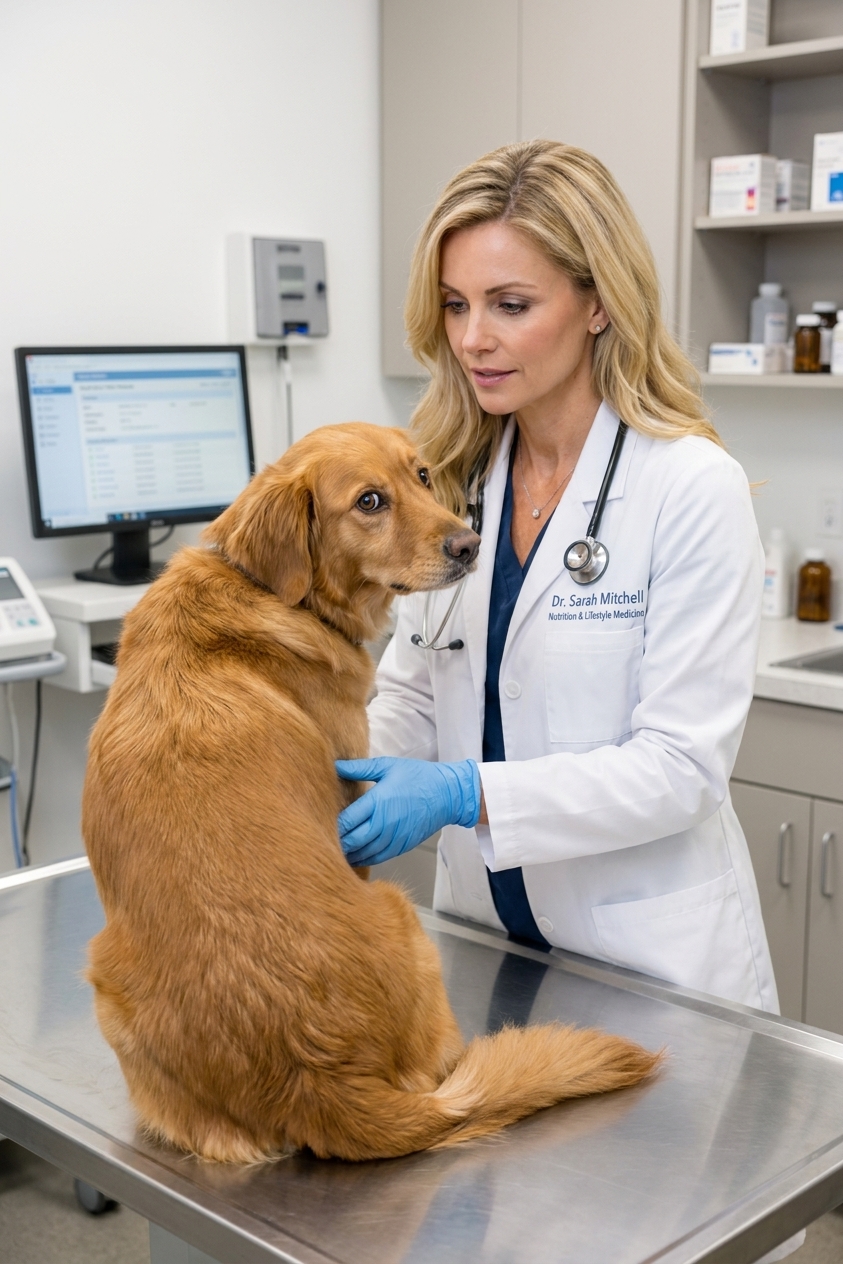
What anal glands are and why they get into trouble
Dogs have two small scent glands (anal sacs) located just inside the anus, roughly around the 4 o'clock and 8 o'clock positions. The sacs often, but not always, empty a small amount of fluid when a dog poops.
Problems happen when the glands do not empty well. The fluid gets thicker, the duct can clog, and bacteria can multiply. That can lead to:
- Impaction: the gland is overfull and thickened, but not necessarily infected.
- Infection (sacculitis): bacteria and inflammation build up inside the gland.
- Abscess: a pocket of infection forms, pressure rises, and it may rupture through the skin.
Some dogs are more prone than others, including small breeds, dogs with chronic soft stool, allergies that cause inflammation, and dogs with obesity or low muscle tone around the rear.
Why stool consistency matters: firm, formed stools help compress the sacs as stool passes, which supports natural emptying.
Fullness vs infection or abscess
More likely routine fullness or mild impaction
- Occasional scooting, especially after a bowel movement
- Intermittent licking at the rear
- Dog otherwise acting normal: eating, drinking, playful
- No visible swelling, no open sores
- No yelping when sitting or when the tail area is touched lightly
Even here, if the scooting is frequent or lasts more than a day or two, it is worth a call to your vet. “Scooting” is also caused by itchy skin, allergies, worms, poop stuck in the fur, or irritation from diarrhea.
More likely infection or abscess
- Pain: yelping, snapping, or flinching when sitting down or when the rear is touched
- Tail-down posture or reluctance to sit
- Swelling or a lump near the anus, sometimes only on one side
- Redness, heat, or the skin looking tight and shiny
- Foul smell that is stronger than typical “anal gland smell”
- Discharge: blood, pus, or a thick yellow-green fluid
- Low energy or reduced appetite: hiding, shivering, not themselves
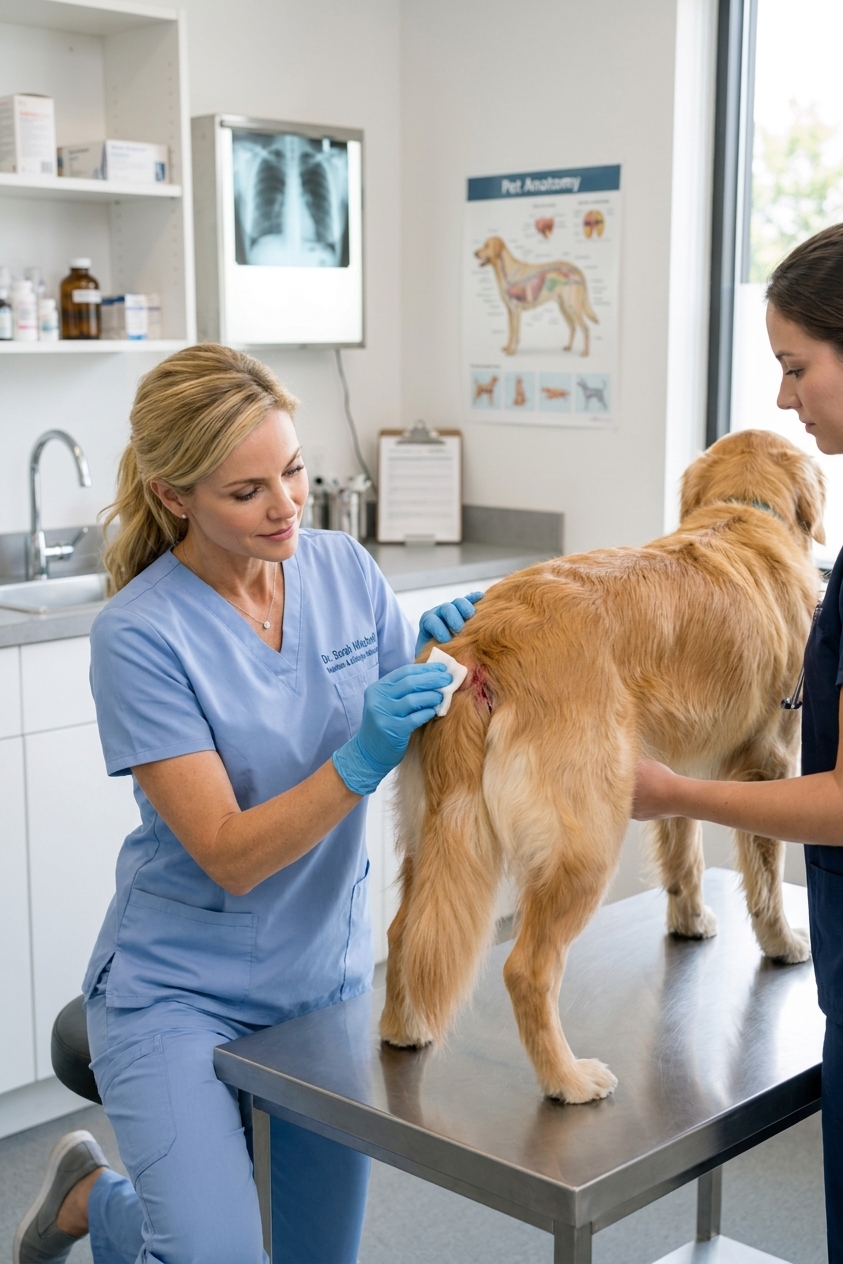
What a ruptured abscess can look like: owners often notice a sudden, wet, smelly patch of fur and a small draining hole or open sore beside the anus, usually on one side. Even if your dog seems relieved, it still needs veterinary care.
If you see swelling, discharge, or clear pain, assume this is beyond routine fullness and plan for a same-day veterinary visit.
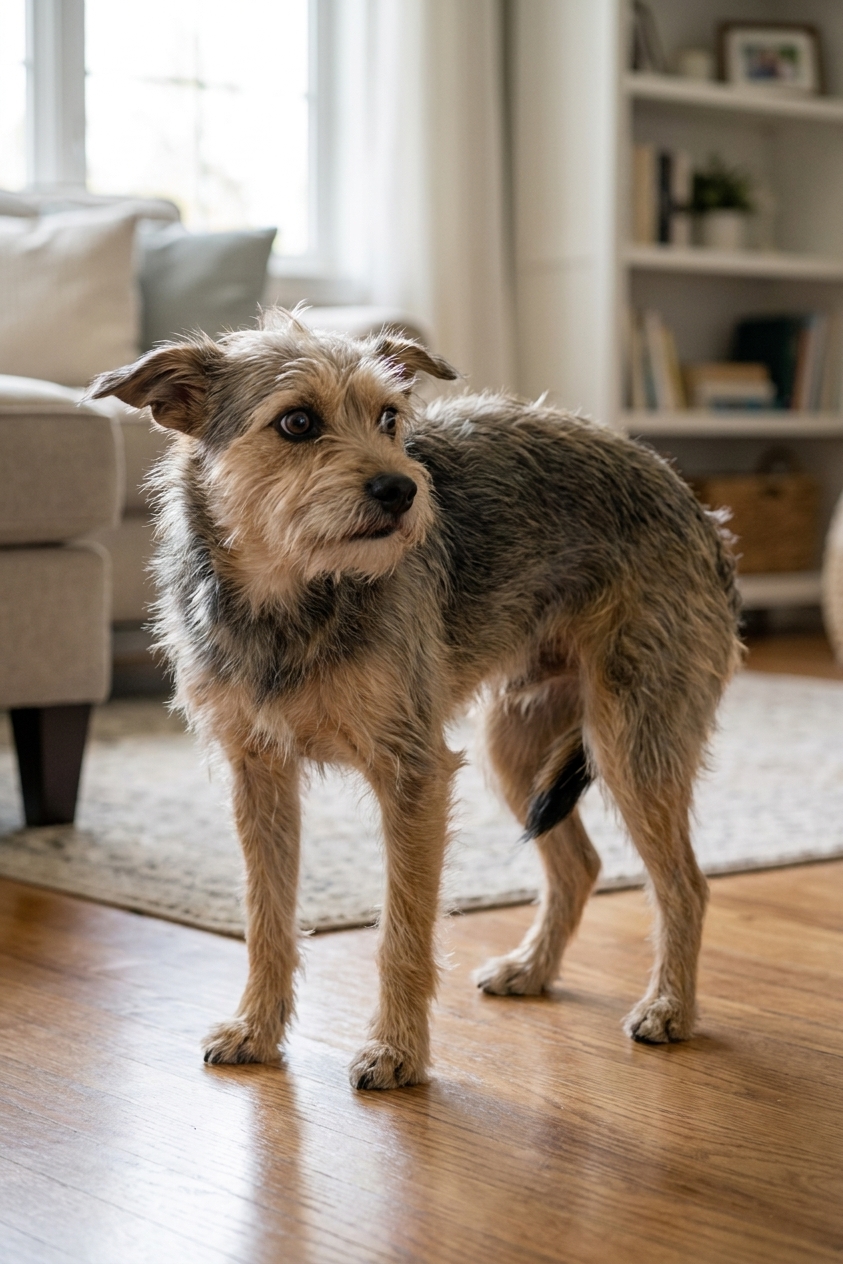
ER red flags
Anal gland infections can become emergencies when pain is severe, the infection spreads, or an abscess ruptures. Go to an emergency clinic (or urgent same-day vet appointment) if you notice:
- Confirmed fever (rectal temperature over 103°F or 39.4°C) or suspected fever with significant lethargy and shivering. Warm ears and panting can happen with stress or pain, so a thermometer and a veterinary exam are the most reliable way to confirm fever.
- Rapidly growing swelling next to the anus
- Open wound, active bleeding, or pus draining from a hole in the skin
- Severe pain, crying, cannot get comfortable, refuses to sit or walk normally
- Not eating or vomiting along with rear-end pain
- Signs of systemic illness: weakness, collapse, pale gums
- Straining to poop or pee, unable to pass stool, or painful constipation
It is always better to be the “over-cautious” pet parent than to wait until an abscess ruptures unexpectedly, while your dog is in agony.
Safe home care (and what to avoid)
Safe home care while you arrange veterinary help
- Prevent licking: use an e-collar or a recovery cone if your dog is obsessively licking, which can worsen irritation or contaminate an open area.
- Warm compress: if there is mild swelling but no open wound, apply a warm, damp compress for 5 to 10 minutes, 2 to 4 times daily. This may improve comfort while you wait to be seen.
- Keep the area clean: if there is discharge, gently wipe with a soft, damp cloth. Avoid harsh soaps.
- Keep stools soft but formed: encourage hydration and feed a consistent diet. If your dog has diarrhea, contact your vet because soft stool is a major reason glands do not empty well.
Do not do these things
- Do not try to express a painful, swollen, or suspected infected gland at home. This includes internal expression. It can be extremely painful, worsen inflammation, cause additional trauma, and potentially spread infection.
- Do not use hydrogen peroxide, alcohol, or essential oils on the area. These can burn tissue and delay healing.
- Do not give human pain meds (ibuprofen, naproxen, acetaminophen) unless your veterinarian specifically instructs you to. Several common over-the-counter options are toxic to dogs, and even medications that can be used in veterinary medicine must be dosed carefully.
- Do not “wait it out” if there is swelling, blood, pus, or your dog is clearly uncomfortable.
Home expression is sometimes appropriate for routine fullness, but once infection or an abscess is on the table, the safest plan is veterinary care.
What the vet may do
Treatment depends on severity, whether the gland has ruptured, and how painful your dog is.
Common veterinary treatments
- Exam and rectal palpation to confirm which gland is involved and how severe it is
- Expression and flushing of the anal sac (often after pain control and sometimes with light sedation)
- Antibiotics when infection is present or suspected. Your vet may choose an antibiotic based on typical bacteria, and sometimes culture if infections keep recurring.
- Pain relief and anti-inflammatory medication to help your dog feel comfortable and reduce swelling
- Abscess care: if the abscess has formed or ruptured, the area may be clipped, cleaned, and sometimes gently opened and drained for proper healing
If your dog has frequent repeat infections, your veterinarian may discuss underlying contributors like allergies, chronic soft stool, or anatomy. In some cases, surgical options are discussed for recurrent severe disease.
Is scooting always anal glands?
No, and this is one of the biggest reasons infected glands can be missed early. Scooting can happen with:
- Allergies (especially food or environmental allergies causing itchy skin and inflammation)
- Fleas or other skin irritation near the tail base
- Diarrhea and inflamed tissue
- Intestinal parasites like tapeworm segments causing itchiness
- Matting or stool stuck to fur
- Perianal skin infections
- Other rectal or perineal problems such as anal gland tumors (rare) or a perineal hernia, which should be assessed by a veterinarian
If the scooting is new, frequent, or paired with pain, odor, or swelling, your vet can help you avoid treating the wrong problem at home.
Prevention tips
You cannot prevent every anal gland issue, but you can reduce the odds and catch trouble early.
- Aim for firm, formed stools: consistent diet, treat moderation, and address chronic diarrhea quickly with your vet.
- Keep your dog at a healthy weight: better muscle tone can support natural emptying.
- Manage allergies: itchy, inflamed skin around the rear can contribute to licking and irritation.
- Routine check-ins: if your dog is prone, ask your vet how often glands should be assessed, if at all. Some dogs never need routine expression.
- Do not over-express: frequent unnecessary expression can irritate the ducts and make problems more likely in some dogs.
If you suspect infection
- Check for pain and swelling. If present, skip home expression.
- Look for discharge (blood, pus, wet fur, strong odor). If yes, same-day care.
- Use an e-collar if licking is intense.
- Warm compress for comfort while you arrange a visit.
- Call your vet and describe symptoms clearly: pain level, swelling size, odor, discharge, appetite, energy, stool quality.
If you are ever unsure, treat it like it could be infection. When it comes to anal gland abscesses, waiting usually makes it more painful and more expensive.
Quick FAQ
Can an anal gland abscess heal on its own after it bursts?
Sometimes it drains and looks better quickly, but the underlying infection often still needs treatment. A ruptured abscess is also an open wound near bacteria and stool, so veterinary cleaning and medications are commonly needed.
Will antibiotics always be prescribed?
Not always for mild impaction, but infections and abscesses often require antibiotics plus pain control. Your vet will decide based on exam findings.
Should I ask my groomer to express the glands?
For routine fullness, some owners choose grooming expression, but it should never be the plan when your dog is painful, swollen, bleeding, or has discharge. Those are medical signs.