As a veterinary assistant here in Frisco, Texas, I have learned that when a dog starts breathing fast while resting, it is something to take seriously, especially if it is new, persistent, getting worse, or paired with other symptoms. Sometimes it really is as simple as pain, stress, or heat. But there is one diagnosis I always want pet parents to know about because it can hide in plain sight until it becomes serious: pulmonary hypertension.
Pulmonary hypertension is basically high blood pressure in the blood vessels inside the lungs. It puts strain on the right side of the heart, and it can lead to weakness, fainting, and even sudden collapse. The good news is that many dogs can feel better with the right diagnosis and a thoughtful treatment plan.
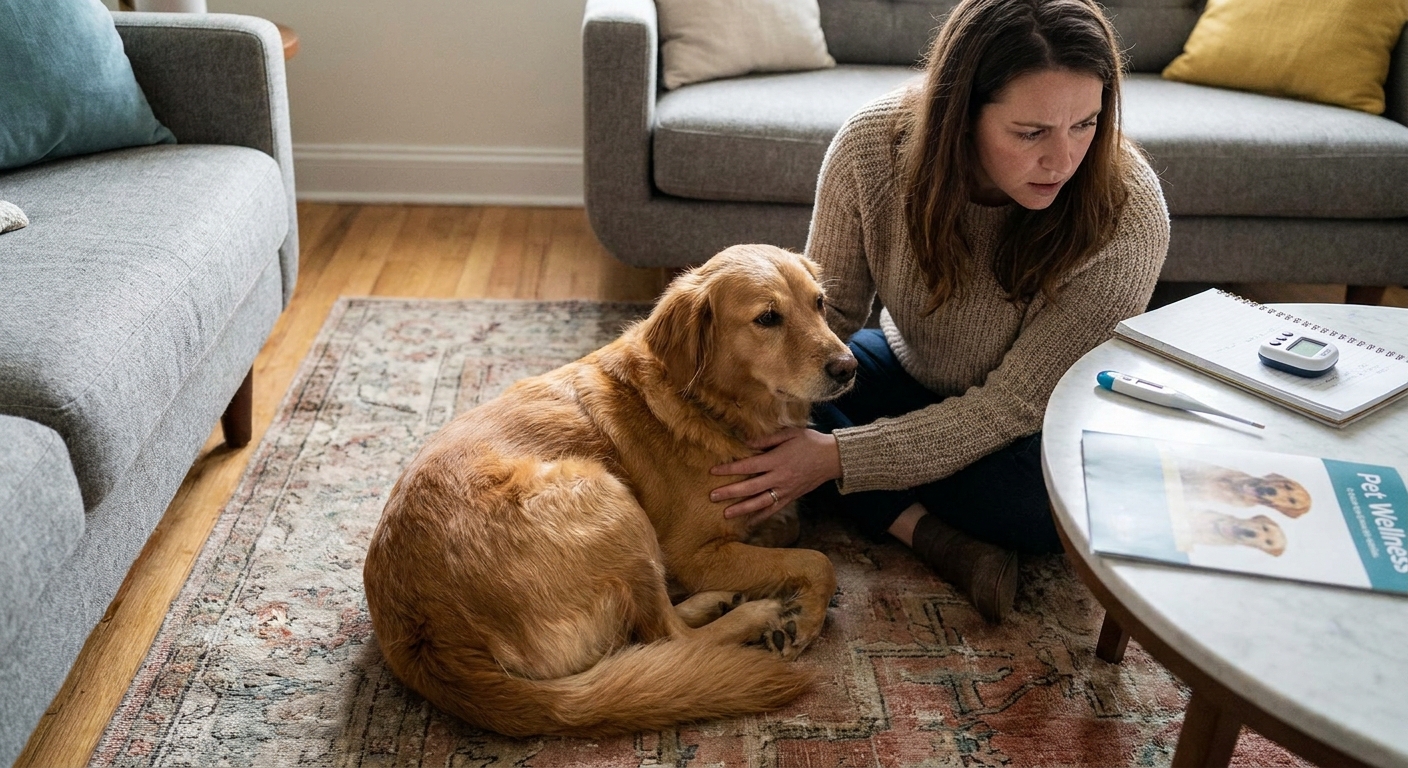
What pulmonary hypertension means in dogs
Pulmonary hypertension (PH) means the pressure is too high in the pulmonary arteries, the vessels that carry blood from the right side of the heart into the lungs to pick up oxygen.
When those lung arteries become narrowed, stiff, blocked, or overloaded, the heart has to push harder to move blood through the lungs. Over time, that extra work can cause the right side of the heart to enlarge and weaken. In advanced cases, dogs can develop right-sided heart failure, and fluid buildup in the belly (ascites) is a classic sign.
Common causes
Pulmonary hypertension is usually a secondary problem, meaning something else triggers the high pressure in the lung arteries. Your veterinarian’s job is to find the underlying cause when possible because treating the source often matters just as much as treating the PH itself.
Heartworm disease
Heartworms can damage and inflame the pulmonary arteries and physically obstruct blood flow. This is one reason year-round heartworm prevention is such a lifesaver. Even after treatment, some dogs can have lasting changes in the lung arteries that contribute to PH.
Lung disease or chronic low oxygen
Anything that reduces oxygen levels over time can cause the lung vessels to constrict. Examples include:
- Chronic bronchitis
- Pulmonary fibrosis and other scarring lung diseases
- Severe pneumonia, or repeated respiratory infections
- Upper airway disorders that reduce airflow (for example, brachycephalic airway syndrome in flat-faced breeds)
Left-sided heart disease
This is a big one. Conditions like degenerative mitral valve disease can raise pressure “behind” the lungs. When the left side of the heart cannot move blood forward efficiently, pressure can build in the left atrium and pulmonary veins. Over time, that back-pressure can contribute to increased pressure in the pulmonary arteries and secondary PH.
Blood clots and other less common triggers
Pulmonary thromboembolism (a blood clot that travels to the lungs) can cause sudden obstruction of blood flow and acute pulmonary hypertension with dangerous right heart strain. It can be life-threatening and needs urgent veterinary care. Other causes include some congenital heart defects, certain parasites in rare regions, tumors affecting the lungs, or diseases that change blood viscosity or clotting risk.
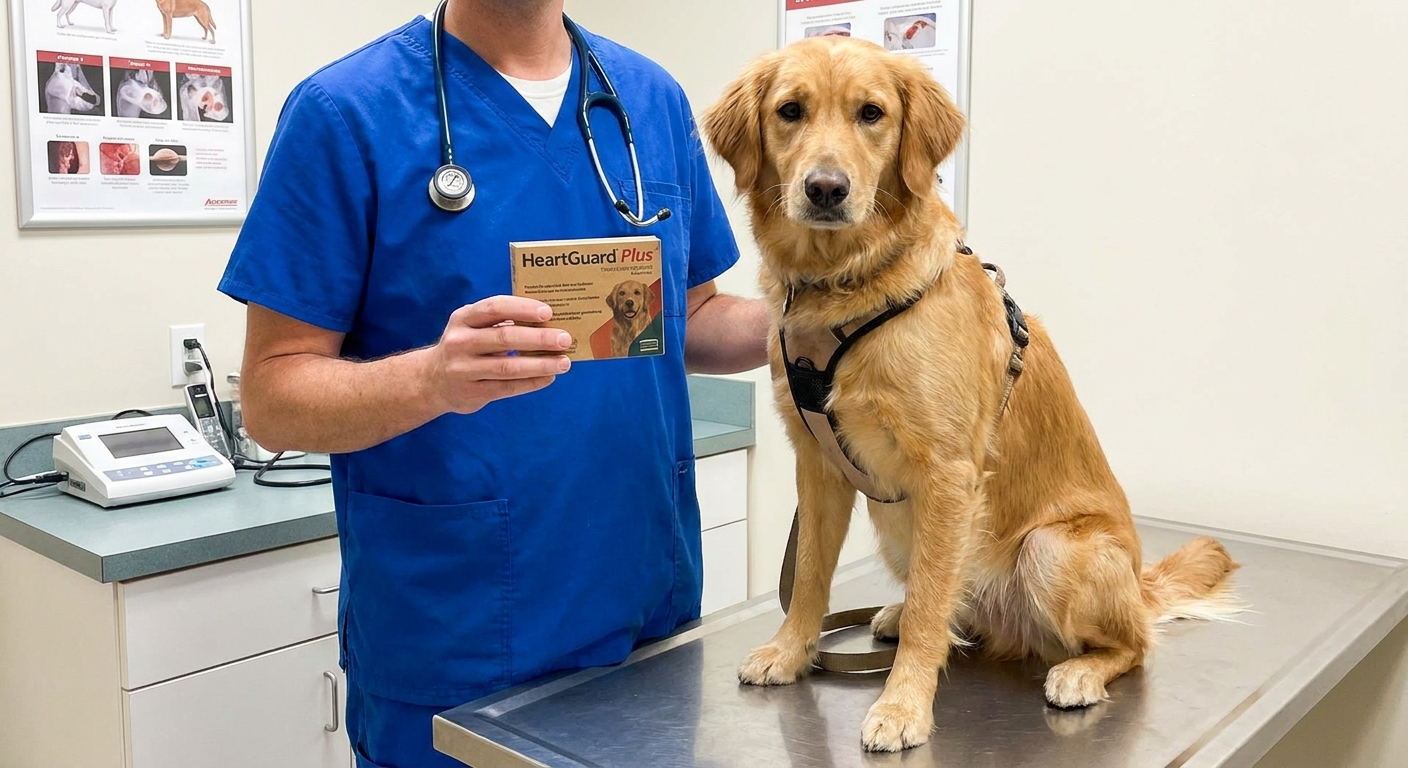
Signs pet parents may notice
Many dogs with early pulmonary hypertension look mostly normal at home. The clues are often subtle at first, and they tend to show up during rest or exercise.
One thing I remind families in our clinic is that these signs overlap with many conditions. That is exactly why diagnostics matter.
Breathing-related clues
- Fast breathing while resting or sleeping (an elevated resting respiratory rate)
- Increased effort to breathe, especially after mild activity
- Coughing (more common when left-sided heart disease or airway disease is involved)
- Blue or gray gums in severe cases (an emergency)
Exercise intolerance and collapse
- Tiring quickly on walks that used to be easy
- Weakness, especially in heat or excitement
- Fainting (syncope) or sudden collapse, often during activity, barking, or stress
Signs that suggest right-sided heart strain
- Swollen belly from fluid buildup (ascites)
- Decreased appetite or weight loss
- Restlessness at night because it is harder to get comfortable breathing
In day-to-day practice, one of the most common patterns I hear is, “He seems fine most of the time, but after a short burst of excitement he has to sit and recover.” That “recovery time” detail is worth telling your vet.
If your dog is fainting, collapsing, struggling to breathe, or has blue-tinged gums, treat it like an emergency and seek immediate veterinary care.

How veterinarians confirm pulmonary hypertension
Pulmonary hypertension cannot be diagnosed from symptoms alone. It requires a medical workup to estimate pulmonary artery pressures and to identify the underlying cause.
History, exam, and baseline tests
Your vet will start with a full exam and targeted questions about timing (sleep vs exercise), coughing, travel history, heartworm prevention, and any recent illness or medication changes.
Common initial tests include:
- Chest X-rays to look at heart size, lung patterns, and blood vessels
- Bloodwork to screen for anemia, infection, organ function, inflammation, and general risk factors
- Heartworm test (and possibly additional parasite testing depending on region and history)
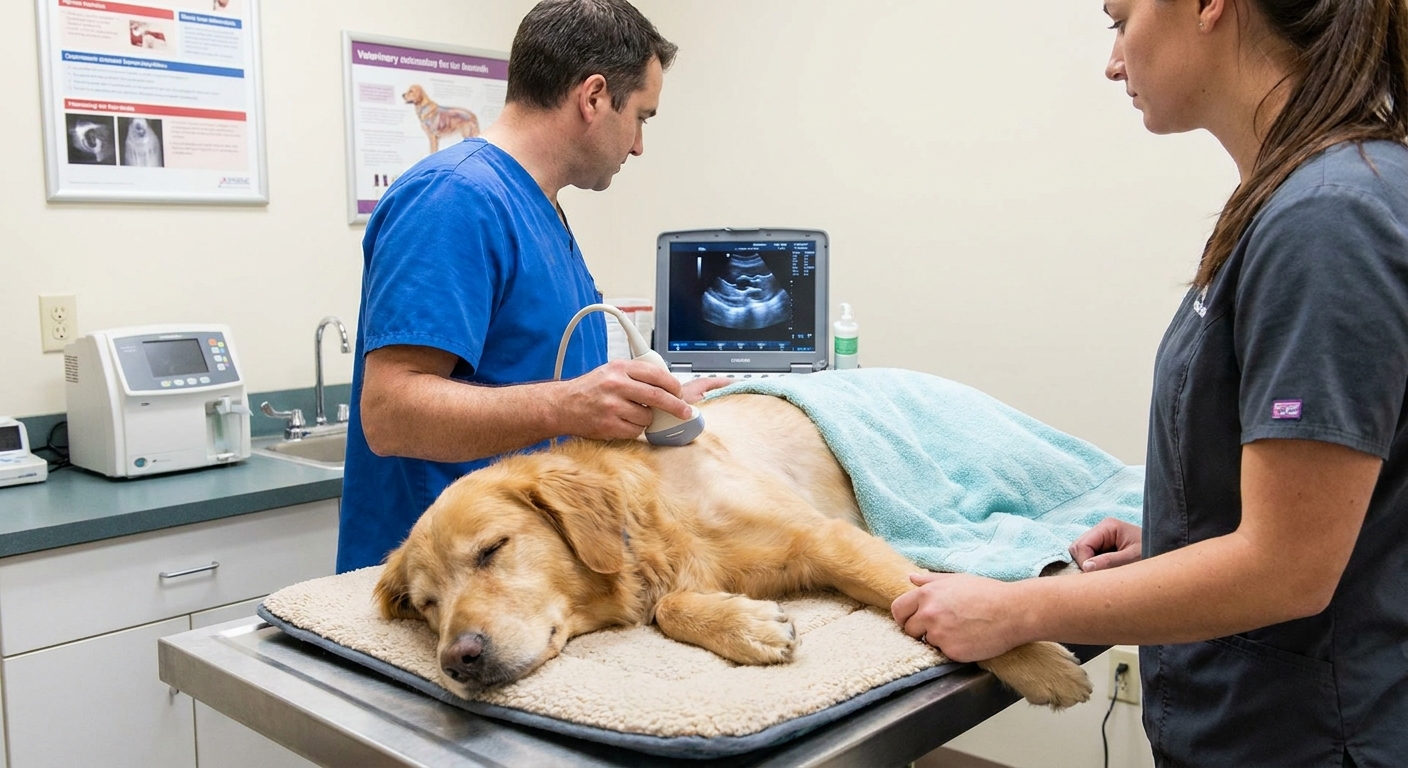
Echocardiogram (heart ultrasound)
An echocardiogram performed by a veterinarian with ultrasound experience is the main noninvasive tool used to evaluate pulmonary hypertension. It can:
- Assess the size and function of the right side of the heart
- Look for valve problems and congenital defects
- Estimate pulmonary artery pressure using Doppler measurements (often by evaluating tricuspid regurgitation velocity)
It is important to know that an echocardiogram typically provides an estimate of pulmonary pressures, not a direct catheter measurement. In many cases, vets also describe severity as mild, moderate, or severe based on the Doppler findings and the overall picture.
Echo also helps sort out whether left-sided heart disease is the driver.
Blood oxygen checks and advanced imaging
Depending on the case, your vet may recommend:
- Pulse oximetry or arterial blood gas testing to assess oxygen levels
- ECG to evaluate rhythm and right heart strain
- CT scan or specialized imaging if a clot, mass, or complex lung disease is suspected
Treatment options
Treatment depends on the cause, the severity, and how your dog is doing day to day. Some cases are reversible or partially reversible. Others are managed long-term like a chronic condition.
Treat the underlying cause when possible
- Heartworm disease: Stabilization first, then a heartworm treatment protocol guided by your veterinarian, plus strict exercise restriction.
- Left-sided heart disease: Medications vary by diagnosis and stage. If congestive heart failure is present, drugs often include diuretics to reduce fluid. Some dogs benefit from pimobendan and other medications depending on what your vet finds.
- Chronic lung disease: Airway meds, anti-inflammatories, bronchodilators, weight management, and avoiding smoke or heavy fragrances can all matter.
Medications that target pulmonary hypertension
One of the most commonly used medications to lower pulmonary artery pressure in dogs is sildenafil. It works by relaxing pulmonary blood vessels to improve blood flow through the lungs.
Some dogs may also benefit from other vasodilators or combination therapy, but that decision is very case-specific and should be guided by a veterinarian, often a cardiologist. Please do not give human medications, including sildenafil, unless your veterinarian has specifically prescribed it for your dog.
Oxygen and supportive care
Dogs in respiratory distress may need oxygen therapy in the hospital. If right-sided heart failure develops, vets may prescribe diuretics and recommend sodium awareness in the diet.
Exercise restriction and lifestyle changes
This is one of the hardest parts for loving families. Dogs with pulmonary hypertension often need:
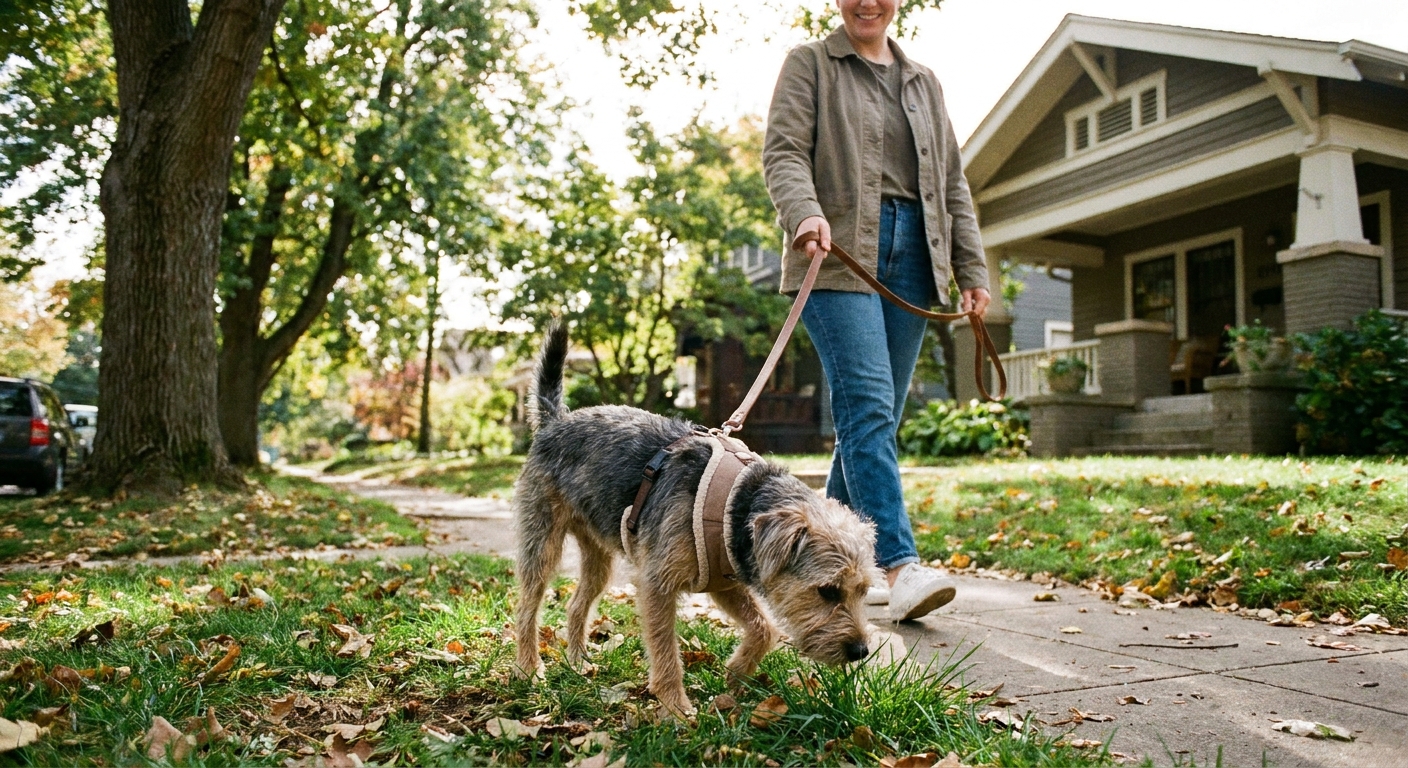
- Shorter, slower walks
- Avoiding intense play, heat, and high excitement
- Harnesses instead of neck collars to reduce pressure on the neck and airway and avoid triggering cough or breathing effort
- Careful weight management
Monitoring at home: what you can do today
One of the simplest, most helpful habits is tracking your dog’s resting respiratory rate when they are asleep or fully relaxed. Ideally, count when your dog is fully asleep, not right after play, excitement, or a warm day. Count how many breaths they take in 30 seconds and multiply by 2.
- Many healthy, relaxed dogs are often under about 30 breaths per minute when sleeping.
- Some dogs run lower than that. What matters most is knowing your dog’s normal baseline.
If your dog is consistently over 30 while asleep, has a clear upward trend from baseline, or is breathing fast along with other symptoms like coughing, weakness, or poor appetite, call your veterinarian promptly.
While you are waiting for your appointment, I usually recommend keeping things calm and boring:
- Limit exercise and excitement
- Keep your dog in a cool, quiet room
- Use a harness on potty breaks and keep them short
- Track sleeping respiratory rate once or twice daily
- Write down what you see (time of day, triggers, recovery time)
Also remember that fast resting breathing has a long list of possible causes. I have seen similar breathing patterns from pain, fever, anemia, heat stress, anxiety, airway paralysis, Cushing’s disease, and heart failure, among others. That is why a vet visit is so important.
Prognosis: can dogs live with pulmonary hypertension?
Yes, many dogs can live with pulmonary hypertension, but the outlook depends on:
- The underlying cause and whether it is treatable
- How high the pulmonary pressures are
- Whether there is fainting, severe oxygen problems, or right-sided heart failure
- How well the dog responds to therapy like sildenafil and treatment of the root condition
In practice, I often see the best results when families catch it early, follow through with rechecks, and are willing to adjust routines to keep their dog safe and comfortable.
Frequently asked questions
Is pulmonary hypertension the same as congestive heart failure?
No. Pulmonary hypertension is high pressure in the lung arteries. Congestive heart failure means the heart cannot keep up with the body’s demands and fluid backs up, often into the lungs with left-sided failure, or into the abdomen with right-sided failure. Pulmonary hypertension can contribute to heart failure, and heart disease can contribute to pulmonary hypertension, but they are not the same diagnosis.
Can pulmonary hypertension cause fast breathing while resting?
It can. Dogs may breathe faster at rest due to reduced oxygen exchange, increased effort, or secondary issues like fluid changes or concurrent airway disease. That said, fast resting breathing has many possible causes, so testing is important.
Will my dog need a specialist?
Not always, but many dogs benefit from a veterinary cardiologist for an echocardiogram and treatment fine-tuning, especially if fainting, complex heart disease, or severe PH is suspected.
Should I restrict activity if I suspect PH?
Until your dog is evaluated, it is smart to avoid intense exercise, overheating, and high excitement. Keep walks short and calm and contact your vet as soon as you can, especially if collapse or fainting has occurred.
When to seek emergency care
Please seek urgent veterinary help immediately if you notice:
- Labored breathing, open-mouth breathing, or severe distress
- Blue, gray, or very pale gums
- Fainting or collapse
- Sudden weakness that does not resolve quickly
- A sleeping respiratory rate that is dramatically higher than normal along with signs of discomfort
You know your dog best. If something feels off, trust that instinct and get them checked. Pulmonary hypertension is a condition where timing and good diagnostics really matter.