When a spayed dog looks like she is in heat
If your dog was spayed months or even years ago and suddenly you notice vulvar swelling, a bloody discharge, or male dogs acting obsessed with her, it is unsettling. I have seen families feel confused and even a little embarrassed, because they did the responsible thing and scheduled a spay. So why is she acting like she is in heat now?
One important possibility is ovarian remnant syndrome (ORS). ORS means a small amount of ovarian tissue was left behind during the spay, or rarely ovarian tissue is present in an abnormal location. That tissue can still respond to the brain’s hormones and produce estrogen and progesterone. In plain language, your dog can show true heat-cycle signs even though she was spayed.
This article is written for dogs who are already spayed, not intact females. If you are seeing heat signs after a spay, it is worth a veterinary visit because the workup and risks are different.
Quick red flag: if your dog has discharge and also seems sick (lethargy, vomiting, fever, painful belly), call your veterinarian the same day.
Common signs of ovarian remnant syndrome
ORS can look a lot like a normal heat cycle, with one big twist: it happens in a dog that should not cycle anymore.
Signs you might notice at home
- Vulvar swelling that comes on over days
- Bloody or straw-colored discharge from the vulva
- Male-dog attention, including persistent sniffing, licking, marking, and attempts to mount
- Flirting behavior, tail flagging, restlessness, or seeking outdoor escape routes
- Skin and coat changes in some dogs, especially if cycles repeat
Symptoms may show up on a schedule that feels random, but many dogs with ORS show signs on a repeating interval similar to a typical canine cycle. For many dogs that is about twice a year, but it can be shorter or longer depending on the individual and breed.
Timing after surgery
ORS can show up months to years after a spay. It is not always immediate. Some dogs have subtle signs for a long time that get more obvious with each cycle.

Why it happens
A spay is meant to remove both ovaries, but the technique varies by region and practice. Some dogs have an ovariohysterectomy (ovaries and uterus removed) while others have an ovariectomy (ovaries removed and the uterus left in place). ORS can occur with either approach because it is driven by leftover ovarian tissue.
With ORS, tiny ovarian fragments can remain. Ovarian tissue is very biologically active, and even a small piece can cycle.
Most common reasons vets see ORS
- Residual ovarian tissue left behind during surgery, sometimes due to difficult anatomy, bleeding, inflammation, or limited visibility
- Ovarian tissue that dropped or separated and reattached elsewhere in the abdomen (uncommon but possible)
- Ectopic ovarian tissue that was present in an unusual location from the start (rare)
It is important to say this gently: ORS is usually not about negligence. Spays are common, but they are still real surgeries. The good news is that once ORS is confirmed, it is typically treatable.
Other causes of heat-like signs
ORS is a common explanation for true heat-type signs in a spayed dog, but it is not the only possibility. Depending on what you are seeing (discharge, licking, swelling, behavior changes), your veterinarian may also consider:
- Urinary tract infection or urinary incontinence with skin irritation
- Vaginitis or nonspecific vaginal inflammation
- Vulvar dermatitis (skin infection or irritation around the vulva)
- Vaginal or vulvar masses, including polyps (less common, but important to rule out)
- Trauma or a foreign material causing irritation and discharge
- Hormone exposure in the home, such as estrogen or testosterone creams or medications accidentally licked or transferred through skin contact (rare, but real)
This is exactly why a hands-on exam and targeted testing matter. The goal is not to guess. It is to identify what is actually driving the symptoms.
ORS vs normal heat
On the surface, ORS can look just like estrus in an intact dog. The difference is the context and the risk profile.
Key differences
- ORS: heat signs in a dog that has been spayed, sometimes with a surgical scar and a medical record confirming the procedure.
- Normal heat: expected cycling in an intact female with ovaries present.
Owners sometimes assume that discharge after a spay cannot be related to hormones. In ORS, it often is. That is why your veterinarian may ask detailed questions about timing, male-dog attention, and whether signs come and go in a pattern.
ORS vs stump infection
A second condition that can confuse the picture is an infection in the remaining uterine tissue, sometimes called a uterine stump infection or stump pyometra. This can happen if uterine tissue remains and is exposed to progesterone, often produced by leftover ovarian tissue. In other words, ORS and stump infection can be connected.
Even when a uterus is mostly removed, a small stump can remain. If the uterus was left in place (as in an ovariectomy), a uterine infection is still possible if progesterone is present.
Signs that lean more toward infection than heat
- Lethargy or acting “off” instead of just flirty or restless
- Fever
- Decreased appetite
- Vomiting
- Abdominal pain or a tense belly
- Foul-smelling discharge (not always present)
Heat signs are uncomfortable and messy. A uterine stump infection can become an emergency. If your spayed dog has discharge plus she seems sick, call your vet the same day.
How vets confirm ORS
ORS diagnosis is a combination of history, physical exam, and targeted testing. Because signs can come and go, timing matters. If possible, book the appointment while she is showing symptoms.
Step 1: Exam and history
Your vet will likely ask:
- When did the spay occur and do you have records?
- What exactly are you seeing: swelling, bleeding, behavior changes, male attention?
- How long do signs last and do they repeat?
- Any signs of illness like vomiting, fever, or lethargy?
- Any chance of contact with human hormone products in the home?
Step 2: Vaginal cytology
A simple and very helpful test is a vaginal cytology, where your vet looks at vaginal cells under a microscope. In a true estrogen-driven heat, the cell pattern changes in a classic way. This helps differentiate hormonal cycling from irritation or infection.
Step 3: Hormone testing
Depending on where your dog is in the cycle, your veterinarian may recommend blood tests such as:
- Progesterone: can indicate luteal activity after ovulation
- Estradiol: may be elevated during certain phases
- LH testing: many truly spayed dogs have persistently high LH. If LH is low or in a normal range, it can support the presence of functioning ovarian tissue.
- Anti-Müllerian hormone (AMH): can be useful because it is produced by ovarian tissue
No single test is perfect in every phase. That is why your vet may combine tests, or repeat testing at a different time.
Step 4: Ultrasound and imaging
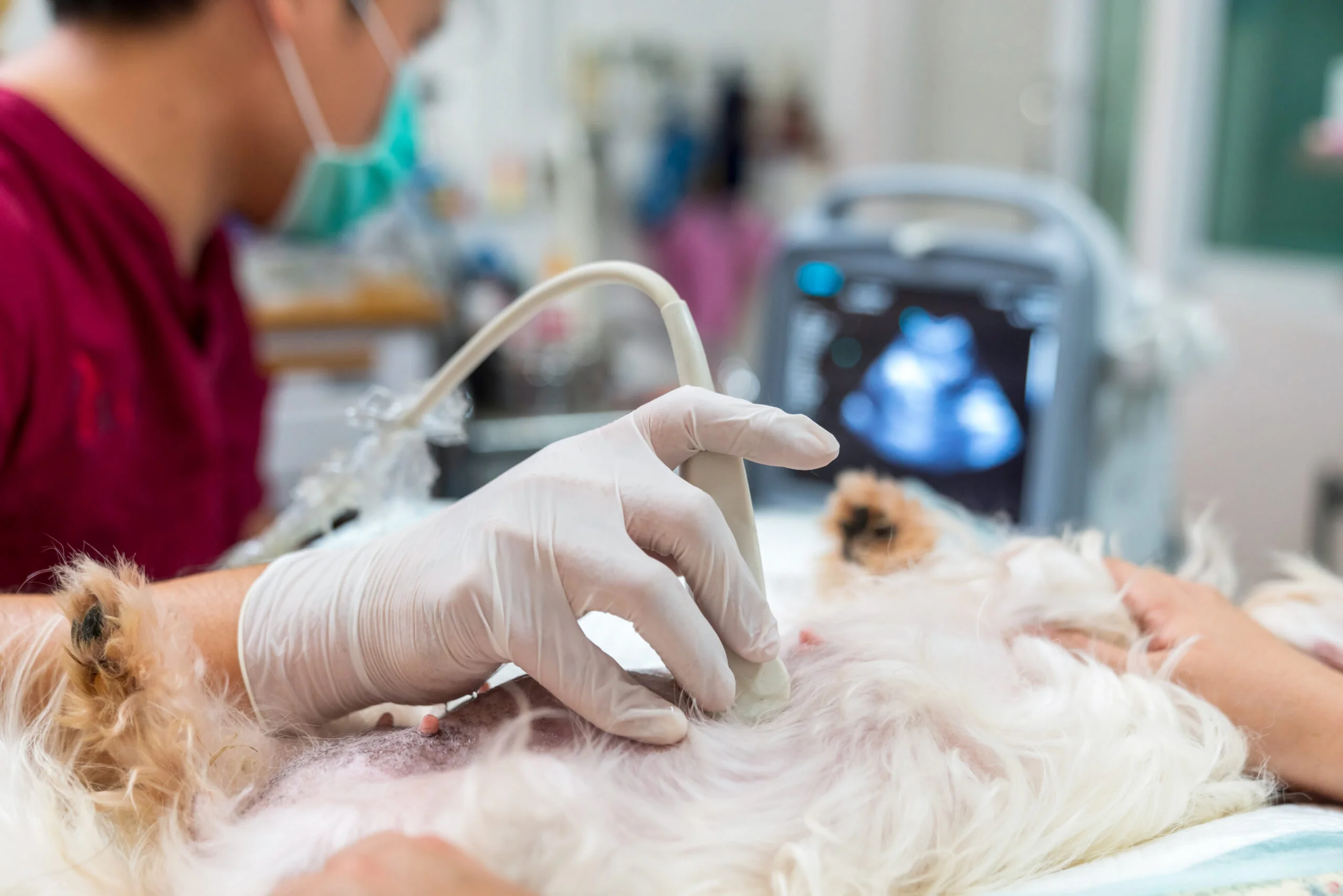
An abdominal ultrasound can sometimes identify ovarian tissue, ovarian cysts, or changes in the uterine stump. It is not guaranteed to find a small remnant, but it can provide strong clues and can help rule in or rule out other causes of discharge.
Step 5: Surgical confirmation
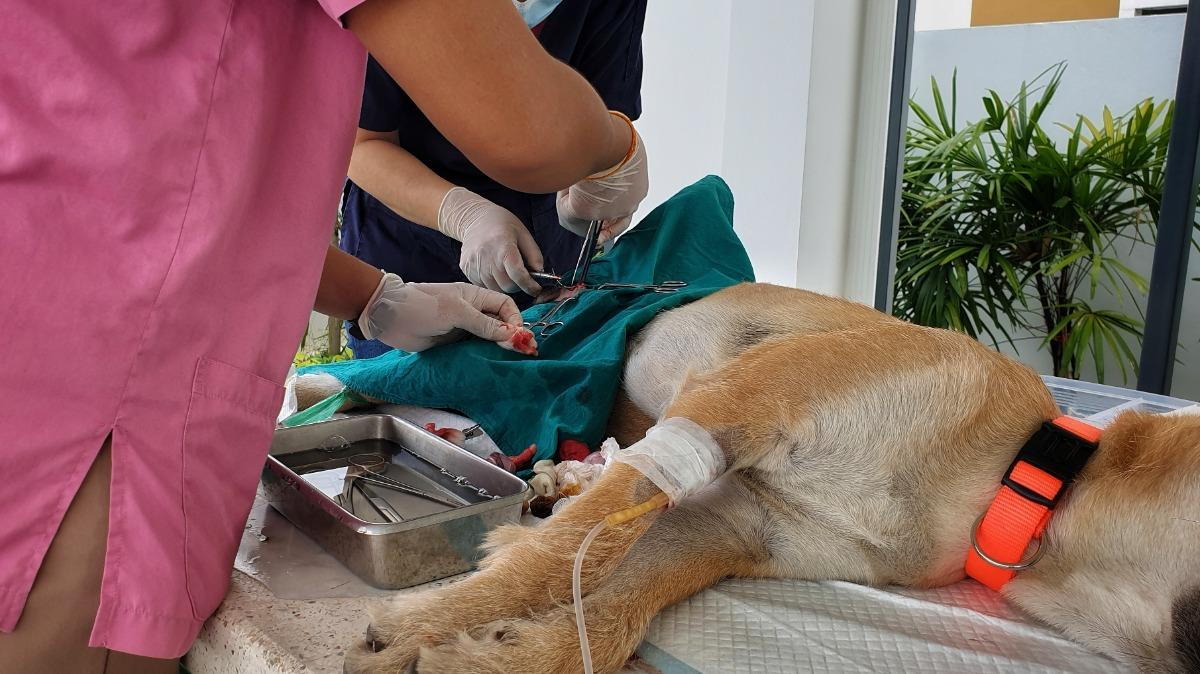
The most definitive confirmation is finding and removing the tissue surgically, then sending it to a lab for histopathology to confirm it is ovarian tissue. Many dogs do very well after removal, especially when surgery is planned during a time the tissue is hormonally active and easier to locate.
Treatment
The main treatment for ORS is surgical removal of the remaining ovarian tissue. This is sometimes called a “remnant ovariectomy.” Depending on what is found, a surgeon may also remove infected uterine stump tissue if present.
Why timing matters
Vets often prefer to operate when your dog is showing heat signs or shortly after, because remnants can be larger and more visible under hormonal influence. If you schedule surgery when everything is quiet, it can be harder to locate tiny tissue fragments.
Can medications fix it?
Medication may temporarily suppress signs in certain situations, but it usually does not solve the underlying problem. If your dog truly has cycling ovarian tissue, the most reliable fix is removal.
Because hormone-altering drugs can carry risks and are not appropriate for every dog, your veterinarian is the best person to discuss whether any short-term medical management makes sense while you plan diagnostics or surgery.
Prognosis and aftercare
For most dogs, removing the remnant tissue is curative, and the heat-type signs stop. Your veterinarian will guide you on activity restriction, incision care, and follow-up, just like after a typical abdominal surgery.
Some cases are more challenging because of scar tissue or adhesions from the original spay or prior inflammation. That is one reason a referral surgeon can be a good idea for select dogs. Recurrence is uncommon, but it can happen if any functioning ovarian tissue remains.
What to do at home
If your spayed dog is bleeding or attracting male dogs, you can do a few practical things right away to keep her comfortable and safe.
- Prevent unwanted mating attempts: keep her leashed outdoors and avoid dog parks during active signs.
- Use washable bedding and wipe the vulvar area gently with a damp cloth if she will tolerate it.
- Do not use human vaginal creams or medications unless your vet directs you to.
- Track dates and symptoms: write down when discharge started, when it stopped, and any behavior changes.
- Take a clear photo of swelling or discharge to show your vet, especially if signs fade quickly.
If she is acting sick, has a bad odor to the discharge, seems painful, or her belly looks enlarged, treat it as urgent and call your veterinarian or an emergency clinic.
Questions I hear a lot
Can a spayed dog have a period?
Dogs do not menstruate like humans, but intact dogs can have bloody discharge during heat. A properly spayed dog should not have recurring heat-type bleeding. If she does, ORS or another medical issue needs to be ruled out.
Could it just be irritation or a urinary tract infection?
It could. UTIs, vaginitis, skin irritation around the vulva, and other conditions can cause licking and discharge. The reason ORS stands out is the combination of heat-like discharge plus vulvar swelling and male-dog attention, often repeating in cycles. Your vet will sort this out with an exam and testing.
Is ovarian remnant syndrome dangerous?
ORS itself is often more of a quality-of-life problem at first, but it can increase risk for hormone-related issues. The bigger concern is missing a complication like a uterine stump infection, which can become serious quickly.
Will my dog need a specialist?
Many general practice veterinarians can diagnose ORS and perform surgery, especially if they are comfortable with abdominal exploratory procedures. Some cases benefit from referral to a surgeon or specialty hospital, particularly if scar tissue is expected or imaging suggests a remnant in a tricky location.
The bottom line
A spayed dog that suddenly looks like she is in heat deserves a real medical workup. Ovarian remnant syndrome is a common explanation for vulvar swelling, heat-like bleeding, and intense male-dog attention after a spay. The good news is that once it is identified, surgical removal is usually curative.
If you are seeing these signs, trust your instincts and get her checked. Bring your spay records if you have them, track her symptoms, and try to schedule the visit while signs are happening. You are not overreacting. You are advocating for your dog.