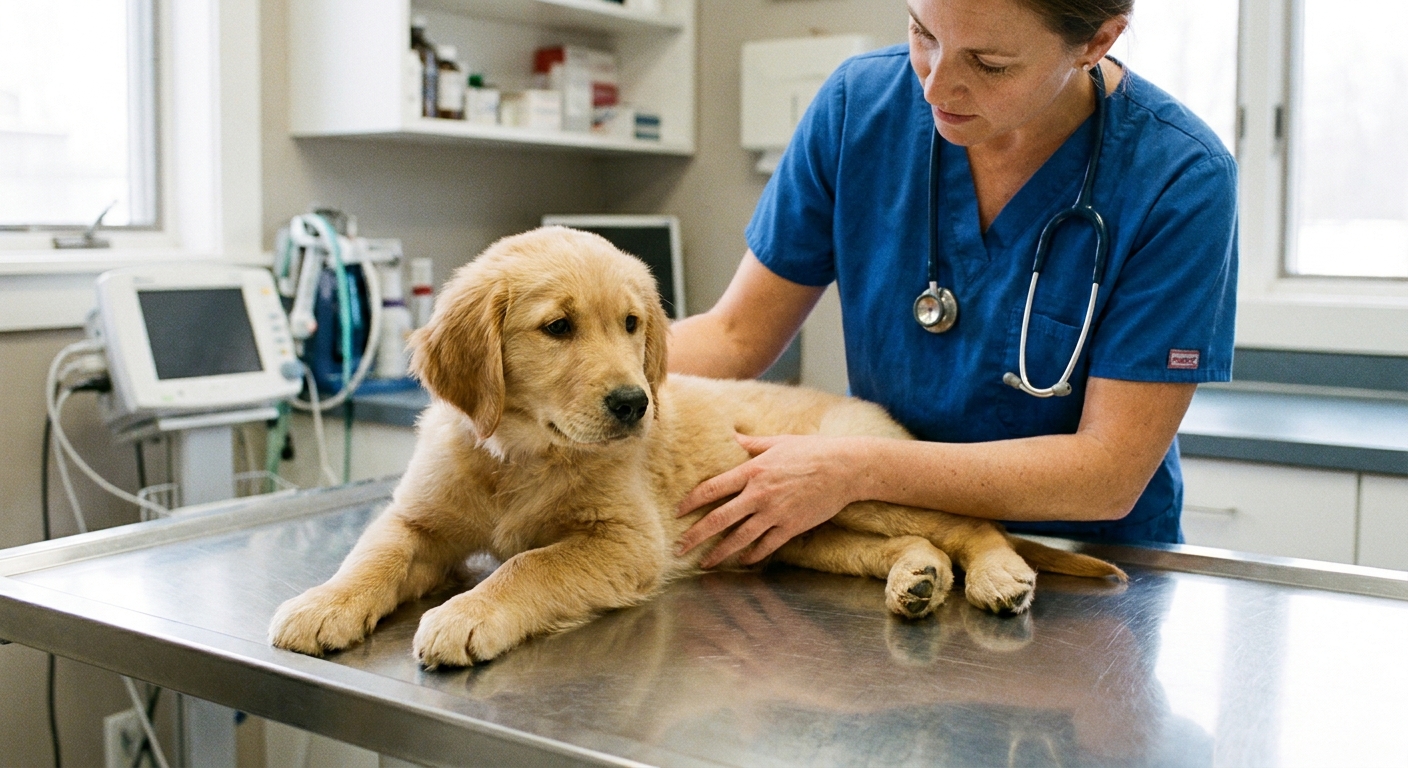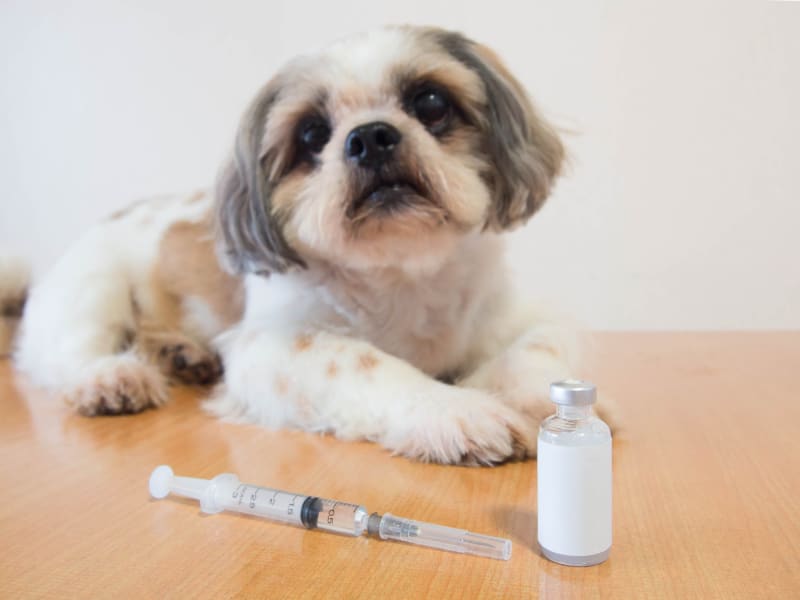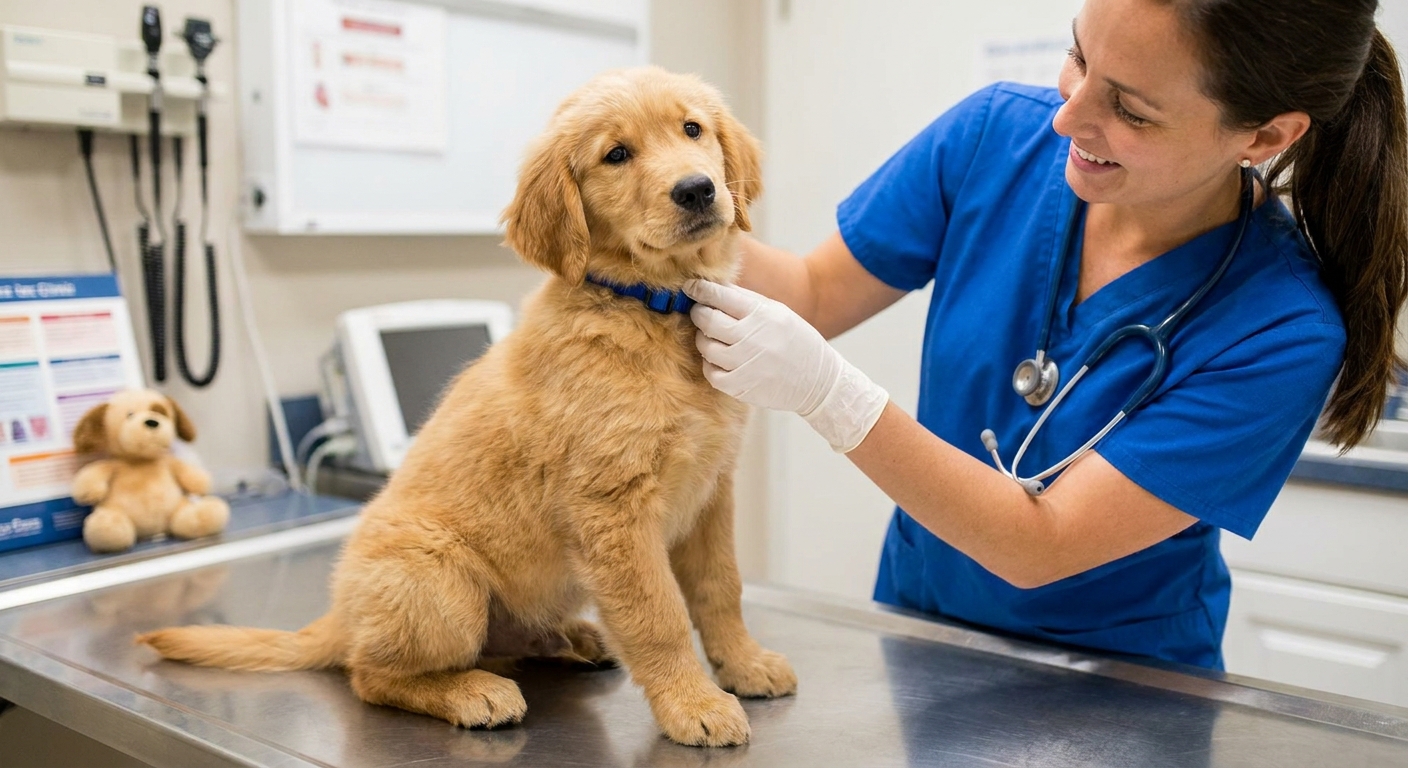
A curious nose. A very waggy welcome.
If your puppy looks like they have parvo but the in-clinic test comes back negative, your brain does a little somersault. It is completely fair to ask: can a parvo test be negative if a puppy still has parvo?
Yes. A negative result can happen even when a puppy is infected, especially early in illness or when the stool sample is very watery. The safest approach is to treat your puppy, not the paper strip, as the main clue. If your pup is acting seriously sick, they still need urgent veterinary care.
What a SNAP parvo test detects
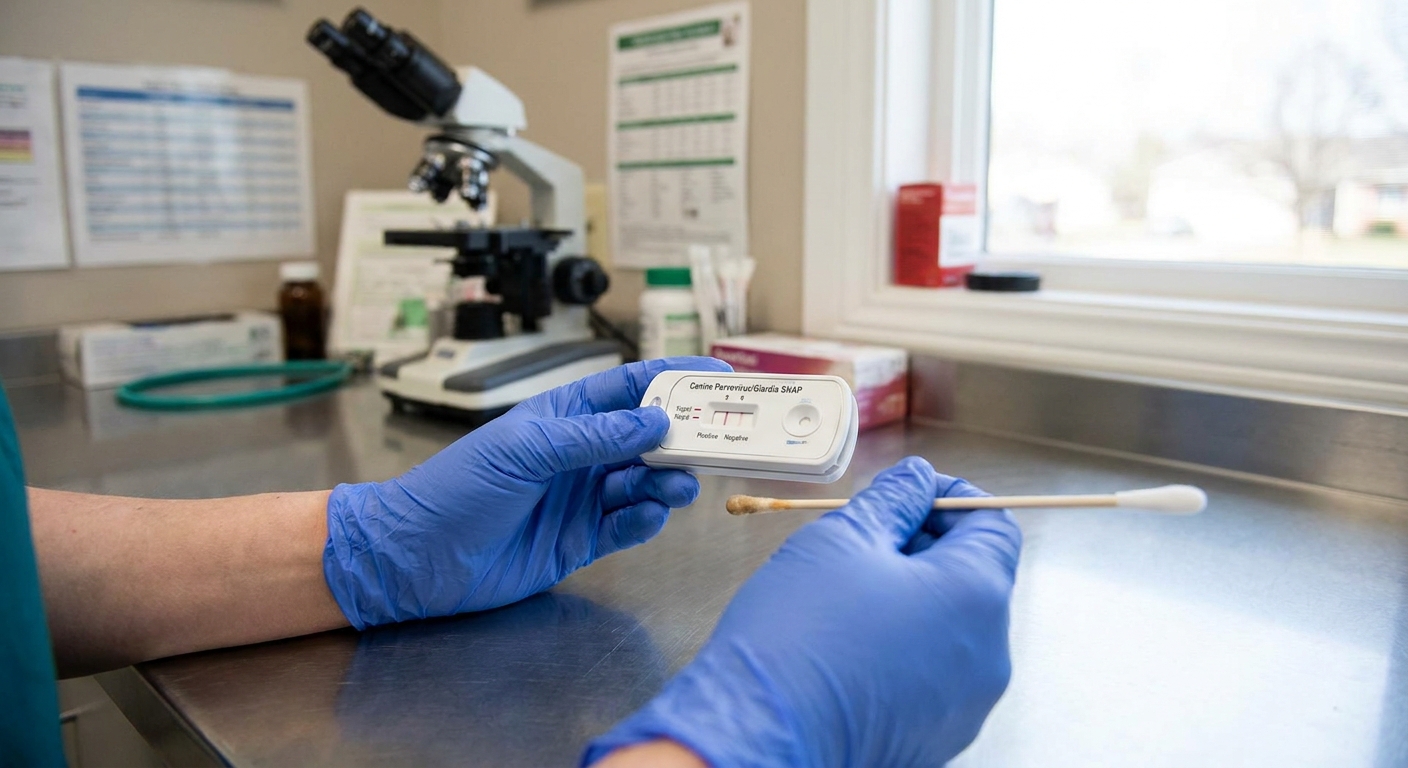
Most clinics use a SNAP-style fecal antigen test (often called a “SNAP parvo test”). It looks for parvovirus antigen in feces. That means:
- The test is most likely to turn positive when the puppy is shedding a lot of virus from the GI tract and enough antigen ends up in the stool.
- If there is not enough antigen in the sample, the test can read negative even if infection is starting or ongoing.
- Because it is a stool test, sample quality matters a lot.
So a negative SNAP test is reassuring, but it is not a perfect “all clear” when the clinical picture still screams parvo.
Why parvo can test negative
1) Testing early
Timing is one of the biggest reasons. Early on, a puppy may be infected and starting to feel unwell, but may not yet be shedding enough virus into the stool for the antigen test to detect.
If your puppy is in that early window, your vet may recommend repeating the test soon, especially if symptoms escalate or classic parvo signs show up.
2) Watery diarrhea lowers detectable antigen
Parvo can cause diarrhea that is almost entirely liquid. When stool is extremely watery, it can reduce the amount of detectable antigen collected on the swab, even if the puppy is infected.
Clinics may try to collect a better sample (for example, a more fecal portion rather than pure liquid) or repeat testing later.
3) The sample was too small or not representative
If only a tiny smear is available, or if the antigen is not evenly distributed in the stool, the test can miss it. This can happen when a puppy is straining but producing very little material, or when the stool is mixed with lots of mucus or fluid.
4) Low antigen at the moment of testing
Even in true parvo cases, the amount of detectable antigen in feces is not identical at every moment. Late in the disease course, during partial recovery, or in less typical presentations, the antigen level in the specific sample you catch can be lower than expected.
5) Test and handling limits
SNAP tests are designed for quick decisions, and they are generally reliable, but no point-of-care test is perfect. Factors like storage, timing, and how the sample is prepared can affect results. Your veterinary team knows these quirks and will interpret the test alongside your puppy’s exam findings.
Negative test, sick puppy: when to go now
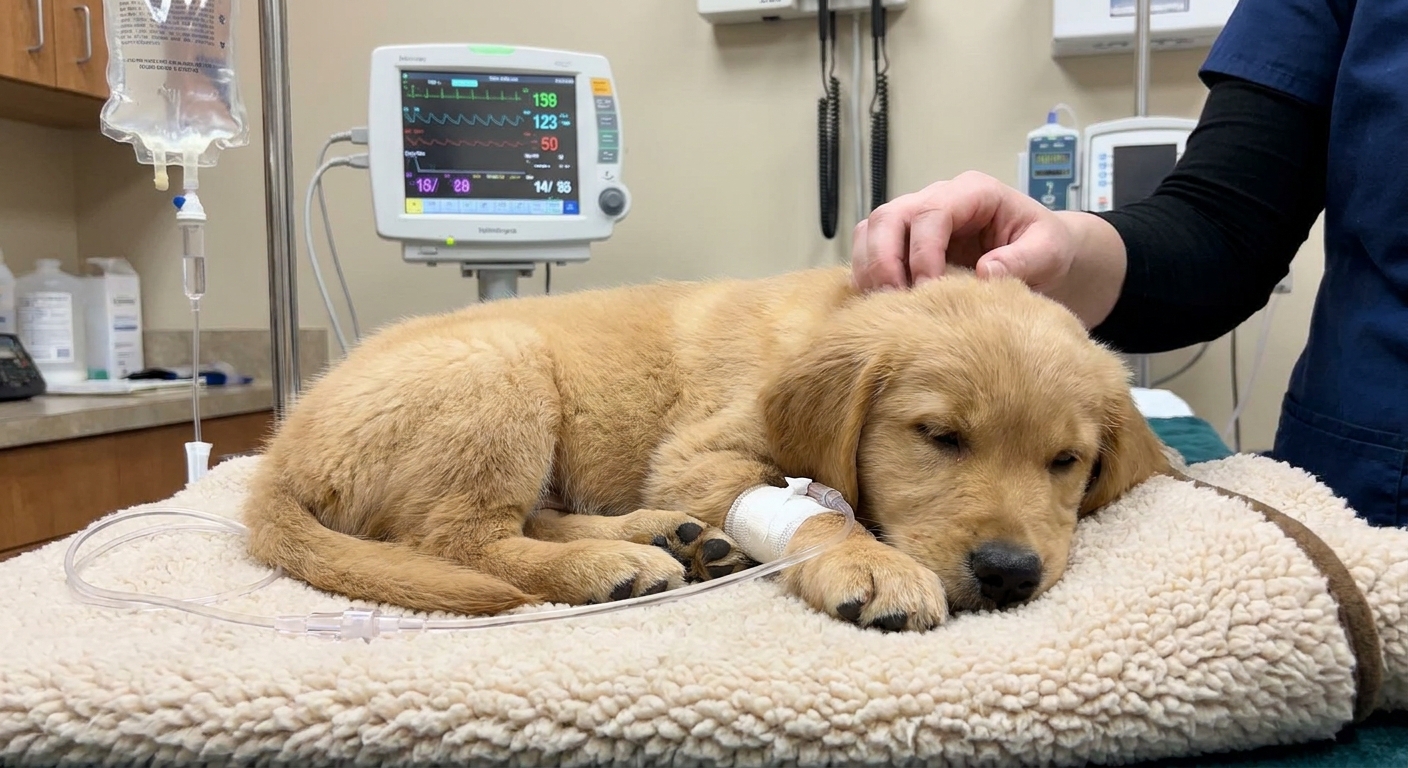
If a puppy is truly sick, a negative test should not slow you down. Parvo can become life-threatening quickly because it causes severe dehydration, electrolyte imbalance, low blood sugar in small puppies, and a damaged intestinal lining that invites secondary infection.
Seek urgent veterinary help if your puppy has any of the following, even with a negative test:
- Repeated vomiting or inability to keep water down
- Diarrhea plus lethargy, weakness, or collapsing
- Signs of dehydration like tacky gums, sunken eyes, reduced urination, or a skin tent that does not spring back quickly
- Bloody diarrhea (and any black, tarry stool is also concerning bleeding from some cause)
- Abdominal pain or a tight, hunched posture
- Pale gums or a very fast heart rate
- A puppy under 6 months with sudden GI illness, especially if vaccines are incomplete or unknown
- Multiple sick puppies in the home, foster, litter, or shelter setting
If you are deciding between “watch and wait” and “go in now,” a good rule is this: vomiting plus diarrhea in a young puppy is urgent, regardless of the first test result.
What your vet may do next
If parvo is still high on the suspicion list, your vet has several next steps. The exact plan depends on how sick your puppy is, their age, vaccine history, and what other causes of diarrhea are likely in your area.
Repeat the SNAP test
Repeating the fecal antigen test can catch a case that was too early or too diluted the first time. Your vet may also try to obtain a better sample if the first one was mostly liquid.
Send out a PCR test
PCR testing looks for parvovirus genetic material. It is more sensitive than an in-clinic antigen test, but it usually takes longer because it is sent to a lab. PCR can be helpful when:
- Your puppy has strong parvo-like illness but the SNAP test is negative.
- An outbreak is possible and confirmation matters for isolation decisions.
- Your vet needs clarity to guide monitoring and follow-up.
One nuance your vet will consider: recent vaccination with a modified live parvo vaccine can sometimes complicate interpretation, especially with PCR. This is most relevant if vaccination was within roughly the past 1 to 2 weeks, and your vet will weigh timing plus symptoms.
Run bloodwork
Parvo often causes a drop in white blood cells, along with dehydration-related changes. Bloodwork cannot diagnose parvo by itself, but it helps your vet judge severity and risk, and decide on hospitalization, IV fluids, glucose support, and antibiotics when indicated.
Check for lookalikes
Giardia, coccidia, hookworms, roundworms, dietary indiscretion, stress-related diarrhea, other viral enteritis, and even a foreign body can mimic parts of parvo. Your vet may do a fecal flotation, direct smear, antigen tests for parasites, or a broader diarrhea panel.
Imaging or triage
If your puppy’s belly is painful, bloated, or they are repeatedly vomiting with little stool, your vet may consider abdominal X-rays or ultrasound to rule out obstruction or other emergencies.
What to do while you head to the vet
If parvo is a possibility, think “contain and protect.” Parvo spreads through feces and can linger in environments. While you are arranging care:
- Isolate your puppy from other dogs right away, especially unvaccinated puppies.
- Avoid shared dog areas like parks, pet stores, daycare, and communal potty spots.
- Bring a fresh stool sample if you can collect one safely in a sealed bag or container.
- Do not give human medications (including anti-diarrheals) unless your veterinarian specifically tells you to.
- Follow your vet’s guidance on food and water. Some puppies need careful hydration planning that is safest under veterinary direction.
If your puppy is weak, cold, or unresponsive, treat it as an emergency and go to an ER clinic if your regular vet cannot see you quickly.
One more practical note: parvo is tough. Many household cleaners do not reliably kill it. If your vet suspects parvo, ask what parvocidal disinfectant they recommend for your floors, crates, and shoes, and follow the label directions closely.
FAQ
How common are false-negative parvo tests?
They happen often enough that vets stay cautious, especially early in illness or when diarrhea is extremely watery. A negative SNAP test is useful information, but it is not the only piece of the puzzle.
Can a negative test mean it is just a stomach bug?
Sometimes, yes. Puppies get diarrhea for many reasons. But with vomiting, lethargy, dehydration, bloody stool, or incomplete vaccines, it is safer to assume the situation could be serious until a veterinarian rules out parvo and other dangerous causes.
Should I ask my vet to treat for parvo if the test is negative?
Ask what they suspect based on the exam and whether supportive care should start immediately. Many parvo treatments are supportive, like fluids, nausea control, gut support, glucose when needed, and monitoring, and early intervention improves survival even while confirmation testing is pending.
If one puppy is sick, should I test the others?
Call your vet. In group settings (litters, rescues, shelters), your veterinarian may recommend isolating all exposed puppies, watching closely for early signs, and making a plan for testing and vaccination status checks.
The puppy-scout takeaway
A SNAP parvo test can be negative even if a puppy has parvo, especially with very early infection or stool so watery that it lowers detectable antigen. When your puppy looks truly unwell, the best next step is not a second guess. It is prompt veterinary care, plus follow-up testing if your vet thinks parvo is still on the table.