As a veterinary assistant here in Frisco, Texas, I have seen how emotionally exhausting parvo can be. Once your dog is finally home, eating again, and acting more like themselves, the next question is almost always: When is my dog safe to be around other dogs?
The tricky part is that feeling better is not the same as being non-contagious. Parvovirus can be shed in stool even as your dog looks like they have turned the corner.
The short answer
In uncomplicated cases, many veterinarians use a practical guideline based on when clinical signs begin, meaning the first day you notice vomiting and or diarrhea (often with lethargy, fever, or poor appetite).
- Highest contagious risk is usually in the first 1 to 2 weeks after signs begin.
- Many dogs stop shedding infectious amounts of parvovirus around 10 to 14 days after clinical signs begin.
- That means isolation often continues for a full 14 days from symptom onset, not from the day your dog seems “back to normal.”
One important qualifier: published shedding ranges can extend beyond 14 days in some dogs, and your vet may recommend a longer isolation window for severe cases, very young puppies, or immunocompromised dogs. Infectiousness typically drops as recovery progresses, but it is not a switch that flips overnight.
What shedding means
Parvo spreads primarily through the fecal-oral route. A recovering dog can pass virus in their stool, and it does not take much virus to infect a vulnerable puppy.
Shedding risk is why veterinarians take strict precautions in hospital isolation wards and why your at-home cleanup routine matters so much during recovery.
Can a dog shed parvo without symptoms?
Yes. A dog can look improved and still shed virus. That is why I encourage families to keep isolation rules simple and consistent instead of making decisions based only on energy level or appetite.
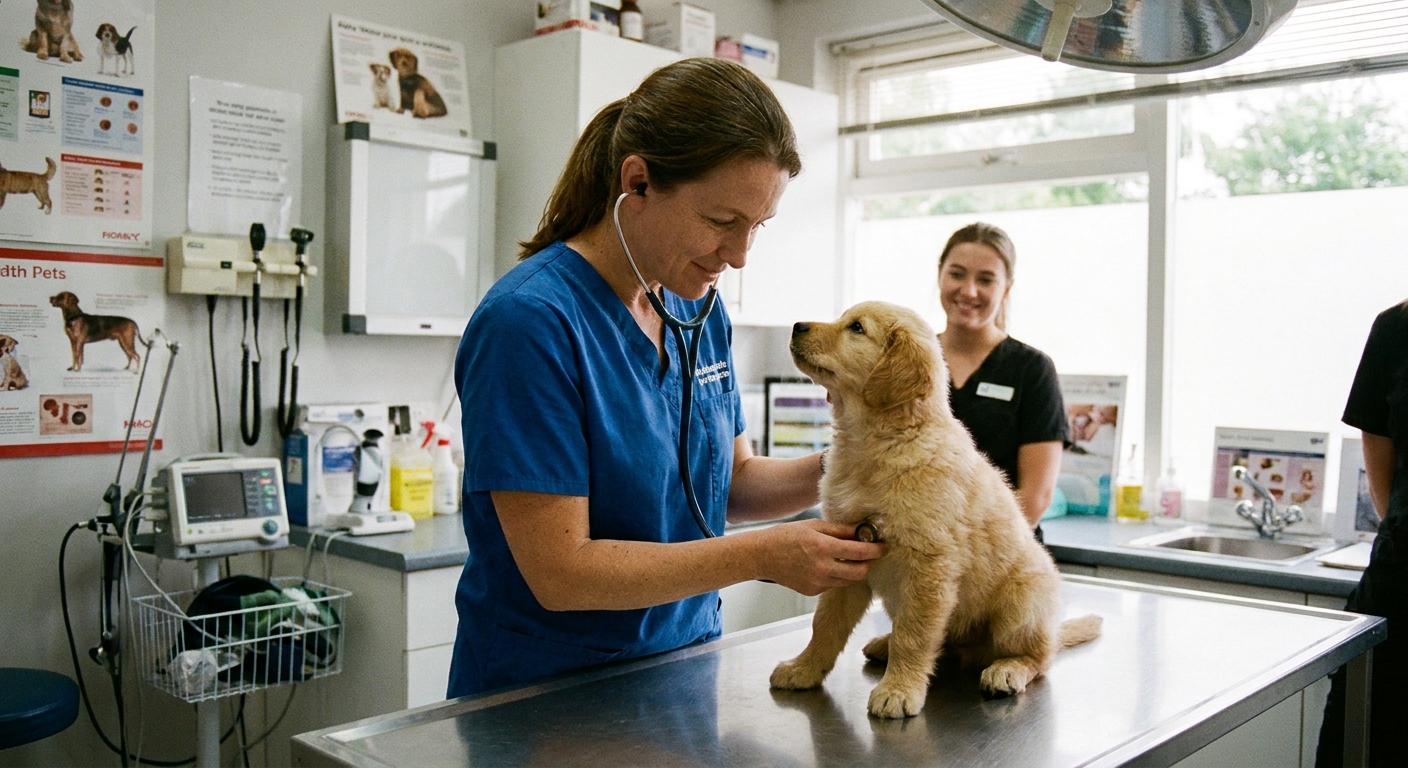
How long to isolate
For most households, a safe, commonly used plan looks like this:
- Isolate for at least 14 days from the first day of symptoms (vomiting, diarrhea, lethargy, fever).
- During isolation, avoid all contact with other dogs, especially puppies, unvaccinated dogs, and senior or medically fragile dogs.
- Use a separate potty area if possible and pick up stool immediately.
- Do not share bowls, toys, bedding, or crates with other dogs.
A quick example
If vomiting or diarrhea started on Monday the 1st, many vets will have you isolate through at least Monday the 15th. If your dog was severely ill, had setbacks, or is still not stable, your veterinarian may extend that timeline.
If your dog still has diarrhea
If stool is still loose or your dog is still having GI upset, talk to your vet before ending isolation. Ongoing diarrhea does not always mean ongoing infectious shedding, but it does mean your dog is not fully stable yet and sanitation is harder.
If you have multiple dogs
If your other dogs are fully vaccinated, their risk is much lower, but it is not zero. Your veterinarian may still recommend separation, particularly if you have a puppy or a dog that is behind on boosters.
What a negative test means
Testing can be helpful, but it is easy to misunderstand what the results mean.
Fecal antigen test (ELISA “snap” test)
This is the quick in-clinic test many dogs receive at diagnosis. It detects parvovirus antigen in stool.
What a negative test can suggest:
- There may be less viral antigen present in the sample that day.
- Your dog may be past the peak shedding window.
What a negative test does not guarantee:
- It does not prove your dog is shedding zero virus.
- It does not prove your dog is safe around high-risk puppies immediately.
False negatives can happen for reasons that have nothing to do with your dog “being cured,” including timing of sampling, sample quality, and lower virus levels that are still meaningful around a vulnerable puppy.
PCR testing (more sensitive)
Some clinics may recommend a PCR test, which looks for viral DNA. PCR can detect tiny amounts of virus.
Key cautions:
- PCR can detect viral material even when it is not infectious anymore.
- PCR can sometimes detect vaccine-related viral material for a short time after a recent parvo vaccination, which can confuse interpretation in recently vaccinated dogs.
If you want to use testing to shorten or confirm an isolation plan, do it with your veterinarian’s guidance, and make sure you are both talking about the same goal: reducing contagious risk, not just getting a negative result.
Reintroducing dogs
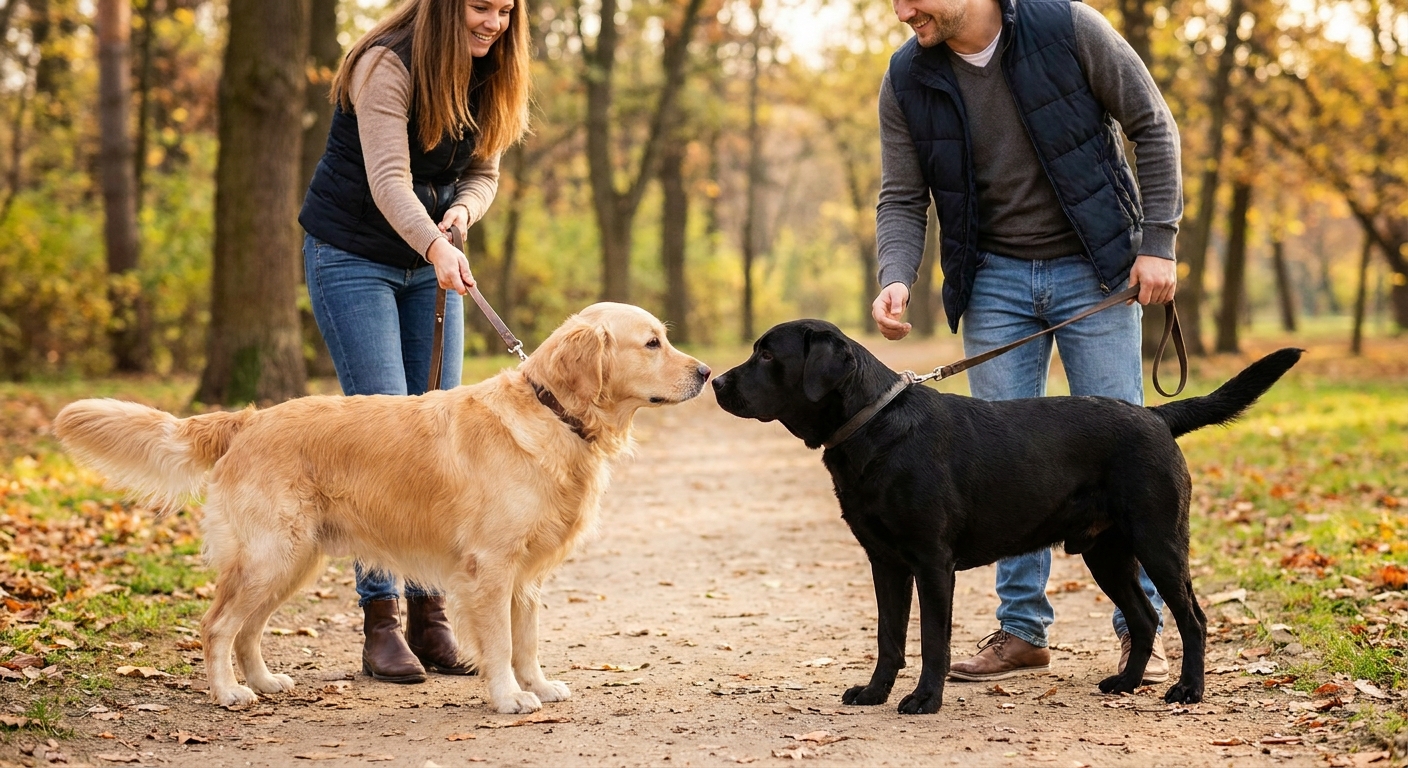
Once your veterinarian agrees your dog is stable and you have completed the recommended isolation window, you can start easing back into normal life.
A simple checklist
- Finish the isolation period your vet recommended (often 14 days from symptom onset).
- Confirm normal hydration and appetite, and that vomiting has stopped.
- Stool is improving or consistently formed, or your vet has cleared you despite mild residual softness.
- Start with low-risk dogs first (healthy adult dogs that are up to date on vaccines).
- Avoid puppies and under-vaccinated dogs longer if your vet advises it, especially after severe cases.
In my experience, owners feel a huge sense of relief after parvo, and it is tempting to celebrate with a playdate. I love that joy, but I also want that celebration to be safe for everyone involved.
Shedding vs yard contamination
There are really two different timelines owners worry about:
- Your dog’s shedding timeline: how long your recovering dog may pass virus in stool.
- Your environment’s contamination timeline: how long parvo can persist in places like soil, grass, concrete, kennels, and shaded outdoor areas.
This article is focused on your dog’s contagiousness after recovery. The virus in the environment is its own topic, and it is often the reason families struggle with repeated infections in new puppies brought into the home later.
As a general caution, parvo can persist in the environment for a long time, sometimes months or longer depending on conditions. Even after your dog is no longer shedding, follow your veterinarian’s guidance about disinfecting indoor surfaces and being cautious with high-risk puppies around previously contaminated areas.
At-home hygiene
You do not need to turn your house into a laboratory, but you do need a consistent routine for a couple of weeks.
Sanitation habits that help
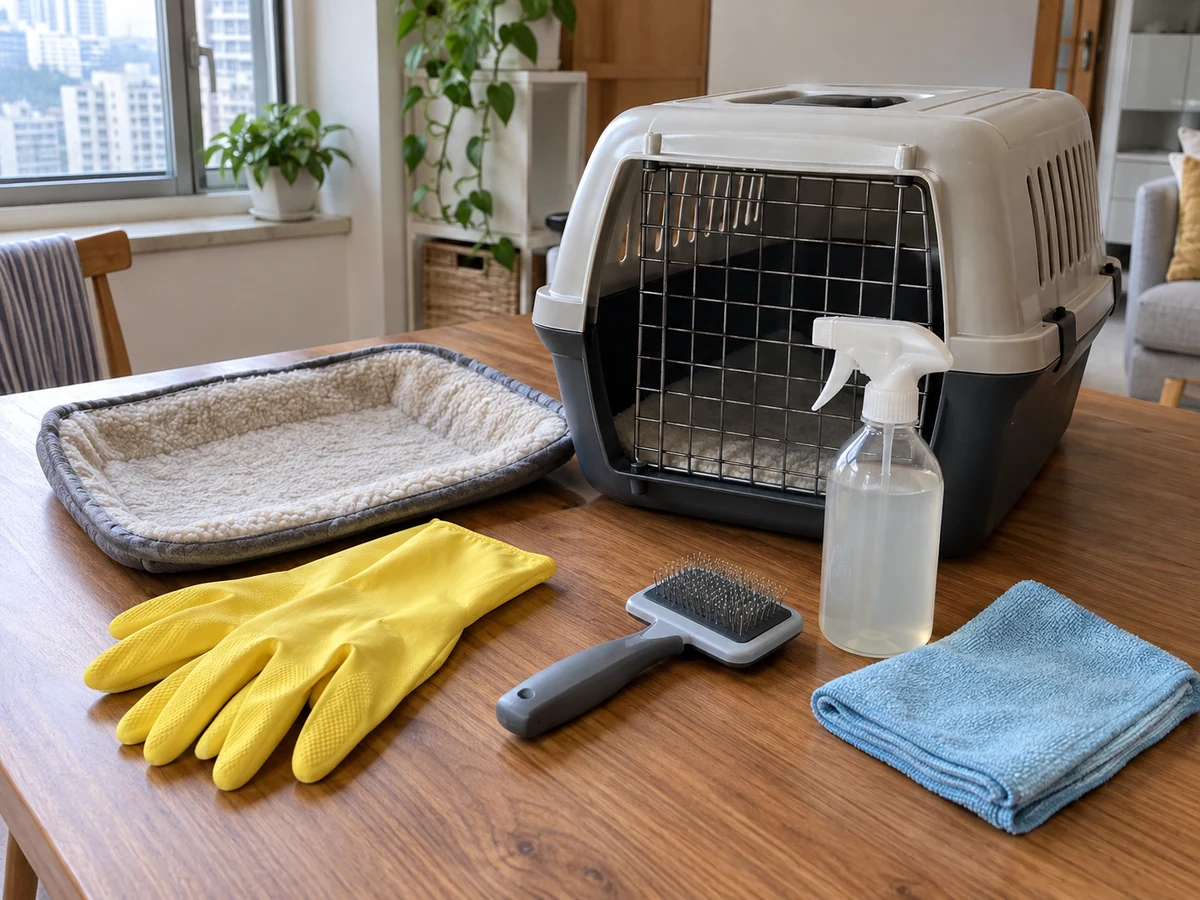
- Pick up stool immediately and dispose of it in a sealed bag.
- Wear disposable gloves for stool cleanup if possible and wash hands thoroughly after.
- Keep one set of “parvo shoes” for the sick dog’s potty area and do not wear them around the neighborhood or to other homes.
- Launder bedding with hot water and detergent. Ask your vet whether bleach is appropriate for your items.
- Disinfect hard, non-porous surfaces using a veterinarian-recommended disinfectant labeled effective against parvovirus. Follow contact time instructions exactly.
If you are ever unsure whether a product kills parvo, call your vet. Parvovirus is hardy, and not every household cleaner is up to the job.
FAQ
My dog survived parvo. Can they get it again?
Many dogs develop strong immunity after infection, but it is not a reason to skip vaccination or boosters. Your veterinarian will advise the safest vaccine schedule for your dog after recovery.
When can my dog go to daycare or the dog park again?
Most vets will recommend waiting until the isolation period is complete and your dog is fully recovered. Daycare and dog parks include unknown dogs with unknown vaccine status, so they are higher-risk settings. Get individualized clearance from your veterinarian before returning.
What if my neighbor’s vaccinated adult dog wants to visit?
No vaccine is 100 percent, so even vaccinated dogs have a small risk of illness if exposed to enough virus. More commonly, dogs can act as mechanical carriers if they walk through contaminated stool and then track viral particles on paws or coat. If you want to be extra cautious, wait until the full isolation window has passed, clean thoroughly, and keep any early visits outdoors with good supervision.
Can people catch parvo from dogs?
The canine parvovirus that makes dogs sick does not infect humans. However, people can mechanically carry the virus on shoes, hands, clothing, leashes, and other objects, which can spread it to other dogs.
When should my dog restart vaccines after parvo?
Do not vaccinate a sick dog. After recovery, your veterinarian will tell you when it is appropriate to resume vaccines and boosters based on age, prior vaccine history, and local risk. If you have a recheck scheduled, that is a great time to ask for a specific plan.
When to call your vet
Please contact your veterinarian urgently if you see any of the following during the recovery period:
- Vomiting returns
- Diarrhea worsens or becomes bloody again
- Your dog stops eating or cannot keep water down
- Weakness, collapse, pale gums, or signs of dehydration
- Fever or your dog seems painful or unusually quiet
Parvo recovery can be a two-steps-forward, one-step-back process. A quick call can prevent a setback from turning into an emergency.
Bottom line
For many dogs, the highest contagious risk is in the first 1 to 2 weeks after symptoms begin, and many are considered much less likely to be infectious around 10 to 14 days after symptom onset. Still, every case is a little different, and some dogs may shed longer.
If you take away one thing, let it be this: use time-based isolation plus your veterinarian’s guidance, not just “my dog seems fine,” and do not rely on a single negative test as a promise that shedding is impossible.
You have already done the hard part by getting your dog through parvo. With a little patience during this last isolation stretch, you are protecting other dogs and giving your own pup the calm, steady recovery they deserve.