As a veterinary assistant here in Frisco, Texas, I have seen this pattern again and again: a puppy plays normally, eats breakfast, and looks perfectly fine, then suddenly the bottom drops out with vomiting and diarrhea. That “came out of nowhere” feeling is one of the scariest parts of parvovirus.
Most of the time, parvo signs show up about 3 to 7 days after exposure. Occasionally it can be shorter (closer to 2 days). Longer delays are possible, but they are uncommon for typical parvo enteritis. What makes parvo especially tricky is that a puppy can look normal during that incubation window and still be contagious.
The typical incubation period
Incubation period means the time between when your dog is exposed to canine parvovirus and when symptoms begin.
- Typical window: about 3 to 7 days
- Less common: as short as around 2 days
- Longer than a week: possible, but not typical
Why the variation? It depends on things like how much virus your dog was exposed to, your dog’s age, whether they are vaccinated, and their immune system strength.
Why puppies are higher risk
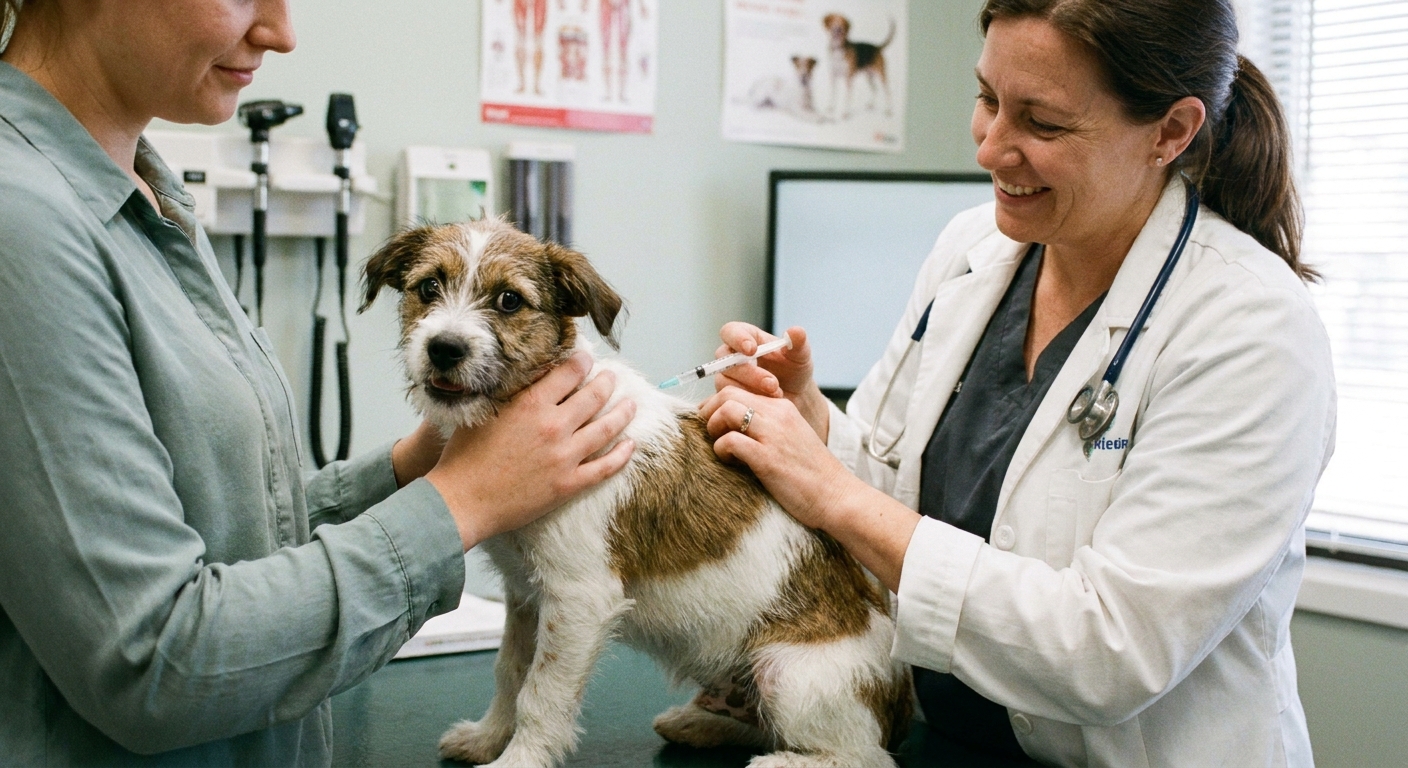
Puppies are more vulnerable because their immune systems are still developing, and many are not fully vaccinated yet. Parvo targets fast-growing cells, especially in the intestinal lining and bone marrow, which is one reason puppies can decline quickly once symptoms begin.
Can dogs spread parvo before symptoms?
Yes. A dog can be contagious before you see obvious illness.
In many cases, shedding can begin a day or two before obvious signs. Not every dog sheds at the exact same pace, but the key takeaway is this: do not assume “no symptoms” means “no risk.”
How it spreads
Parvo spreads through the fecal-oral route, which sounds clinical, but in real life it looks like this:
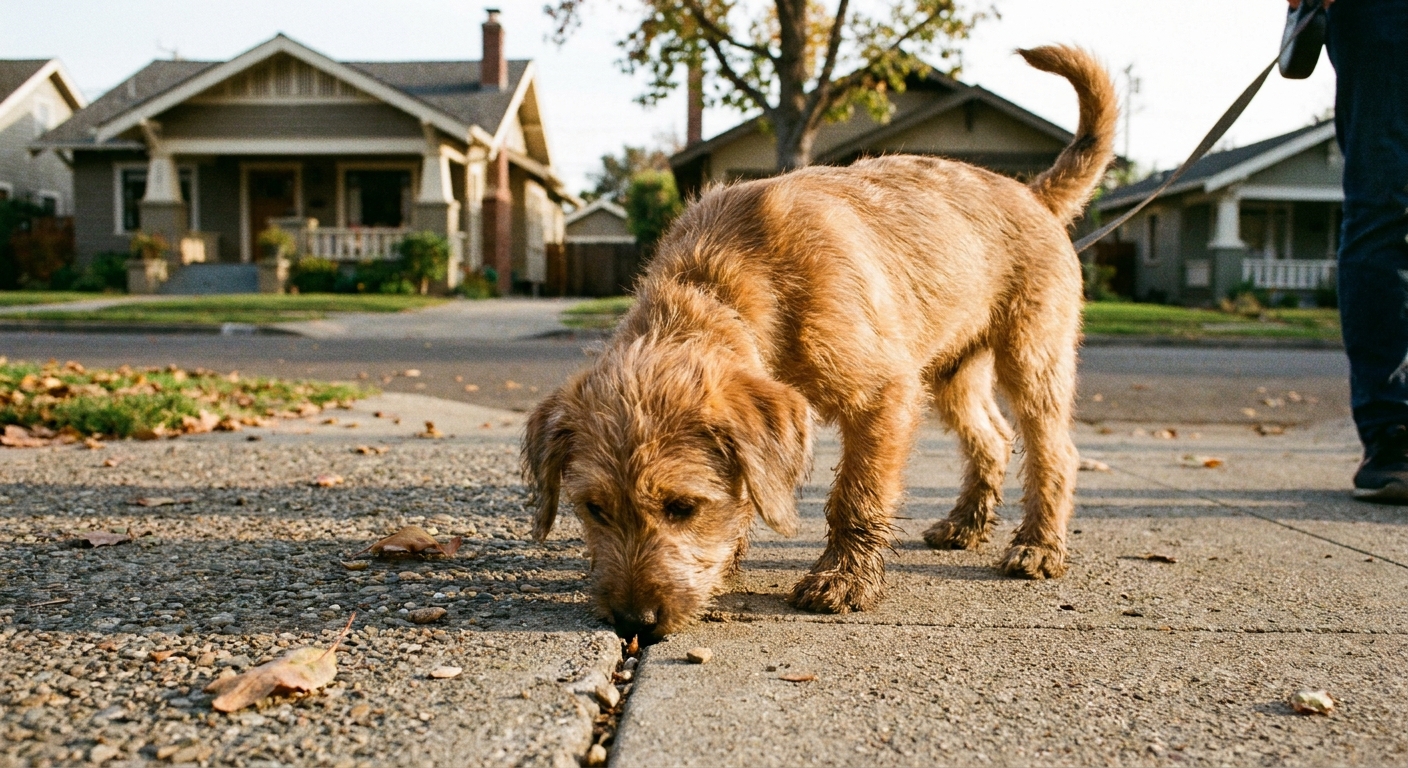
- A dog sniffs or licks contaminated ground, grass, concrete, shoes, paws, crate surfaces, or objects.
- The virus is swallowed.
- Infection begins, and the dog later sheds large amounts of virus in stool.
Because it is so hardy in the environment, parvo is a “tiny amount can matter” kind of virus. And once it is in a yard or soil, it can be very difficult to fully eliminate.
Day by day symptoms to watch
If you know or strongly suspect your dog was exposed, it helps to treat the next week like a monitoring period. Here is a practical timeline I share with families at work.
Day 0 (exposure day)
- Your puppy will almost always look normal.
- Call your vet if your puppy is unvaccinated or under-vaccinated, or if exposure was direct (for example, contact with a known parvo-positive dog or a heavily contaminated area).
- Ask your clinic whether a plan for what to monitor, when to test, and when to come in is recommended based on age, vaccine status, and risk.
Days 1 to 2
- Many dogs still look normal.
- Watch appetite and energy. A subtle “off” feeling can be the earliest clue.
- Keep your puppy away from other dogs and shared pet areas while you monitor.
Days 3 to 5 (common early window)
This is when many cases begin to declare themselves.
- Early signs: decreased appetite, tiredness, mild fever, reluctance to play
- GI changes: soft stool that worsens to watery diarrhea, nausea, drooling, lip-licking
- Vomiting can begin and may become frequent
If your puppy vomits more than once, seems weak, or refuses food and water, call your vet the same day. Puppies can dehydrate fast.
Days 5 to 7 (classic window)
If parvo is going to cause obvious illness, this is a very common timeframe.
- Watery diarrhea, often foul-smelling and may become bloody
- Repeated vomiting
- Dehydration signs: tacky gums, sunken eyes, weakness, fast heart rate, skin that stays “tented” when gently lifted
- Abdominal pain, hunched posture
This is an emergency situation in a puppy. Do not wait overnight if symptoms are escalating.
Days 8 to 14 (later onset is less common)
It is less typical, but some dogs may show later onset signs, especially if exposure was lower-level or if the dog has partial immunity.
- Continue monitoring stool quality, appetite, energy, and hydration.
- If anything turns, go in promptly.
When testing makes sense
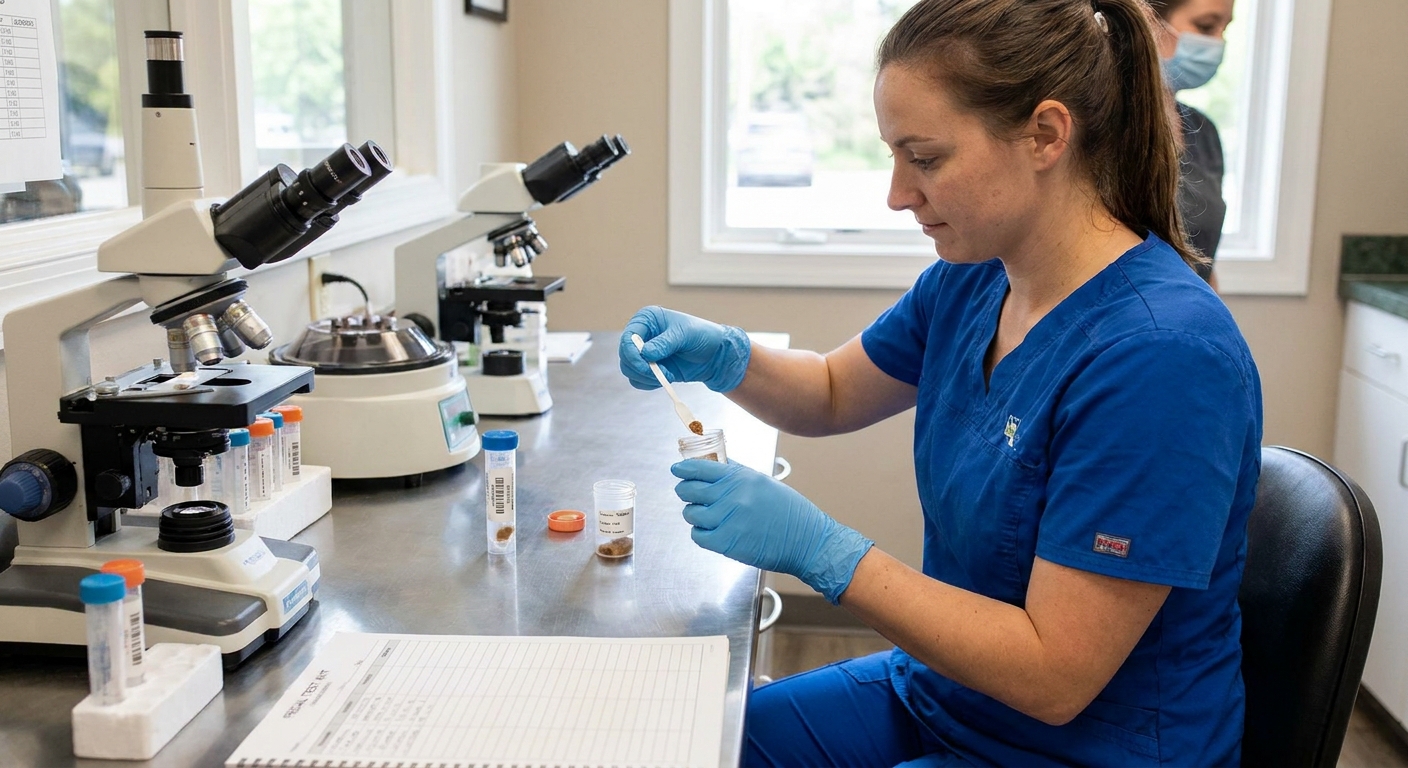
Parvo testing is usually done with a fecal antigen “snap” test at the vet clinic. It is quick, but timing matters.
Best time to test
- If symptoms are present: test right away. Vomiting and diarrhea in an at-risk puppy is enough reason.
- If there was known exposure but no symptoms: talk to your vet. Testing very early can be falsely negative because the virus may not be shedding at detectable levels yet.
Why false negatives happen
A negative test does not always rule out parvo, especially when:
- It is early in the disease.
- The puppy has already started improving and shedding has decreased.
- Stool sample quality is poor (very small sample, diluted sample).
If your vet strongly suspects parvo based on age, vaccine status, symptoms, and exposure history, they may recommend treating as parvo and repeating testing or using additional diagnostics.
Can vaccines cause a positive test?
Sometimes, recently vaccinated puppies can test positive on some fecal antigen tests for a short window (often within about 5 to 10 days of a modified-live parvo vaccine). It depends on timing and the specific test. This is one reason your vet will ask about the exact vaccine date and interpret results alongside symptoms and exam findings.
If you suspect exposure
Here are steps that can genuinely reduce risk and protect other pets.
1) Isolate your dog
- Keep your dog away from other dogs and puppies.
- Avoid dog parks, pet stores, groomers, daycare, shared apartment dog runs, and common grassy potty areas if possible.
2) Call your vet and be specific
When you call, tell them:
- Your dog’s age and weight
- Vaccine history (and the date of the last shot)
- What the exposure was and when it occurred
- Any signs you have noticed, even if mild
3) Watch hydration closely
If vomiting and diarrhea start, dehydration becomes the immediate danger. It is not just the fluid loss, it is also the electrolyte imbalance and shock risk in small bodies.
4) Do not medicate at home without guidance
I know it is tempting to reach for over-the-counter anti-diarrheals or pain meds, but some products can be dangerous for dogs or make the situation harder to assess. Call your vet before giving anything.
5) Clean the right way
Parvo is resistant to many household cleaners. Most clinics recommend a bleach solution for hard, non-porous surfaces when it is safe to use and appropriate for the material, using the proper dilution and contact time. Always follow your veterinarian’s disinfection guidance for your specific situation, especially if you have carpet, soil, or sensitive surfaces.
Red flags to go now
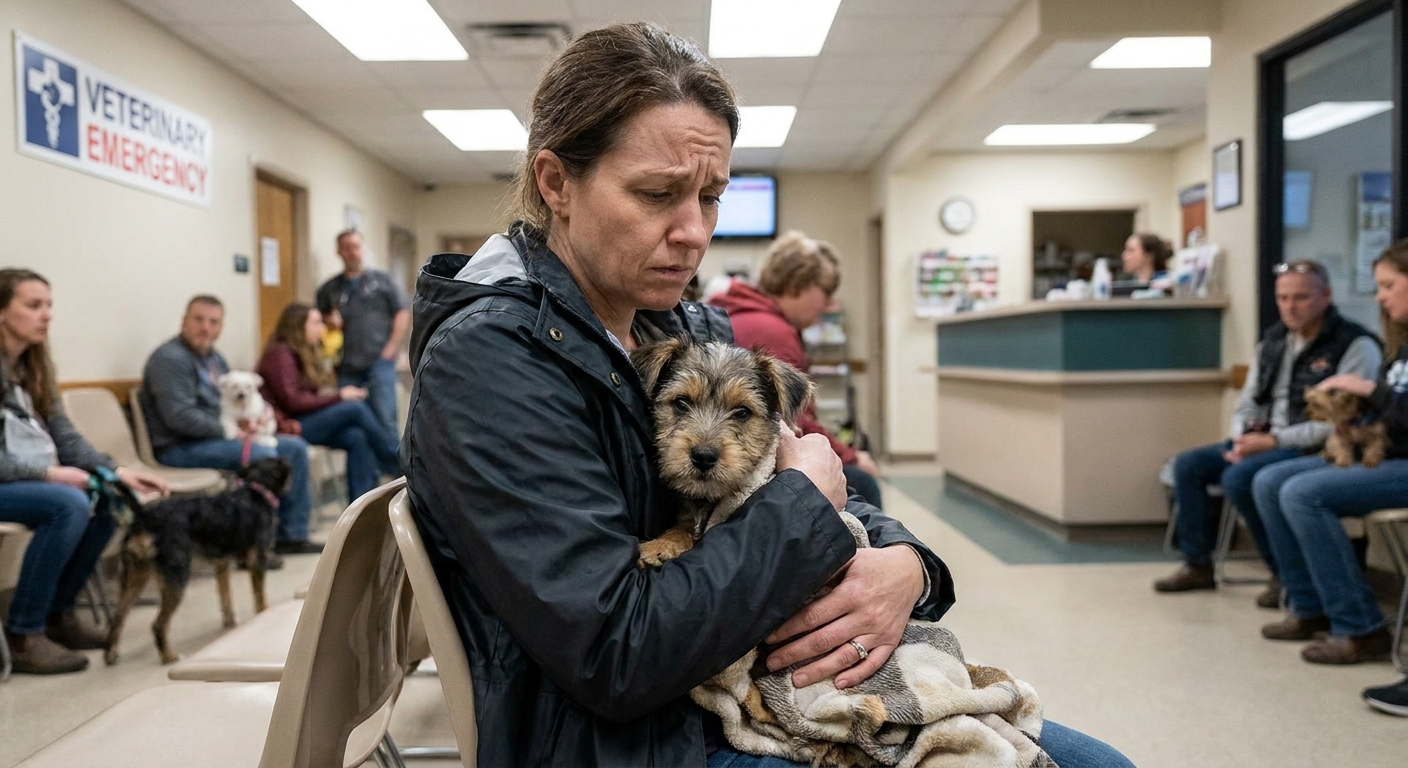
If your puppy is in the risk category for parvo, I would rather you be told “it’s not parvo” than wait too long. Seek urgent care if you see:
- Repeated vomiting
- Diarrhea that is watery, bloody, or happening frequently
- Refusing water or cannot keep water down
- Weakness, collapsing, or extreme lethargy
- Pale gums or signs of dehydration (tacky gums, sunken eyes, weakness, skin tenting)
- A painful belly or crying when picked up
Parvo can become life-threatening quickly without supportive care such as fluids, anti-nausea medication, gut protectants, and close monitoring.
FAQ
How soon after exposure can a dog test positive for parvo?
It varies. In many cases, dogs test positive around the time symptoms begin, often within that 3 to 7 day window after exposure. Testing too early can be negative even if infection is developing, so your vet may repeat the test if suspicion remains high.
Can an adult vaccinated dog get parvo?
It is less common, but it can happen, especially if vaccination is not up to date or the dog has a weakened immune system. Vaccinated adult dogs often have milder disease than unvaccinated puppies, but any vomiting and diarrhea should still be taken seriously.
My puppy looks fine. Should I still worry?
If your puppy had a real exposure and is not fully vaccinated, yes, you should take it seriously. “Looks fine” can simply mean you are still in the incubation period. Isolate, monitor closely, and call your vet for advice on next steps and timing for testing.
How long should I isolate my dog?
If your dog was exposed and is at risk, isolate during the monitoring window and follow your vet’s advice about when normal activities are safe again. If your dog is confirmed to have parvo, your veterinarian will usually recommend isolation through illness and for a period after recovery, because viral shedding can continue even after your dog looks better.
When is a dog most contagious with parvo?
Dogs shed a lot of virus around the time they are sick with vomiting and diarrhea, but shedding can begin shortly before symptoms. Your vet will guide you on isolation length based on diagnosis and recovery status.
A gentle final word
If you are reading this because you are worried, I want you to know you are not overreacting. Parvo is one of those illnesses where acting early can truly change the outcome. If your puppy was exposed, keep things calm, monitor day by day, and get your veterinary team involved as soon as you see appetite changes, vomiting, or diarrhea.