As a veterinary assistant here in North Texas, I have seen how fast parvo can turn from “my puppy seems off” into a true emergency. And once you are sitting in an exam room hearing words like IV fluids, hospitalization, and isolation, the next question is completely normal: How much is this going to cost?
Canine parvovirus is a highly contagious virus that attacks the intestinal tract and can cause severe vomiting, diarrhea, dehydration, and low blood sugar, especially in unvaccinated or under-vaccinated puppies. Because symptoms can escalate quickly, the treatment plan and the bill often change in the first 24 hours.
Parvo treatment costs vary because the disease can be mild, severe, or life-threatening. The plan and the total cost depend on how dehydrated your dog is, how much vomiting and diarrhea is happening, and whether your clinic can treat as an outpatient or needs full hospitalization.
Typical parvo treatment cost ranges
Every hospital sets its own pricing, and costs vary by region, after-hours care, and your dog’s condition. In my experience, and based on what many general practices and emergency hospitals commonly charge, parvo treatment often falls within these U.S. ballparks:
- Exam and parvo test: often about $50 to $200+ (depending on location and whether additional tests are needed)
- Outpatient treatment: commonly $300 to $1,500
- Hospitalization with IV fluids: often $1,500 to $5,000+
- Severe cases with complications (repeat bloodwork, plasma or transfusions, intensive monitoring, longer stays): can reach $5,000 to $10,000+
In some metro areas, especially with ER and ICU-level care, the total can go higher than $10,000.
One thing that surprises people is that estimates are usually given as a range on purpose. Parvo can change quickly, and the first day often determines whether your dog can step down to easier care or needs more intensive support.
If you are quoted something outside these ranges, it does not automatically mean you are being overcharged. It may mean your dog is sicker, the hospital has 24-hour staffing, or the plan includes more diagnostics and monitoring to improve survival.
What drives the parvo vet bill?
Parvo is expensive to treat because it is labor-intensive, time-sensitive, and dehydration can become severe quickly. Here are the biggest factors that influence cost.
Outpatient vs hospital care
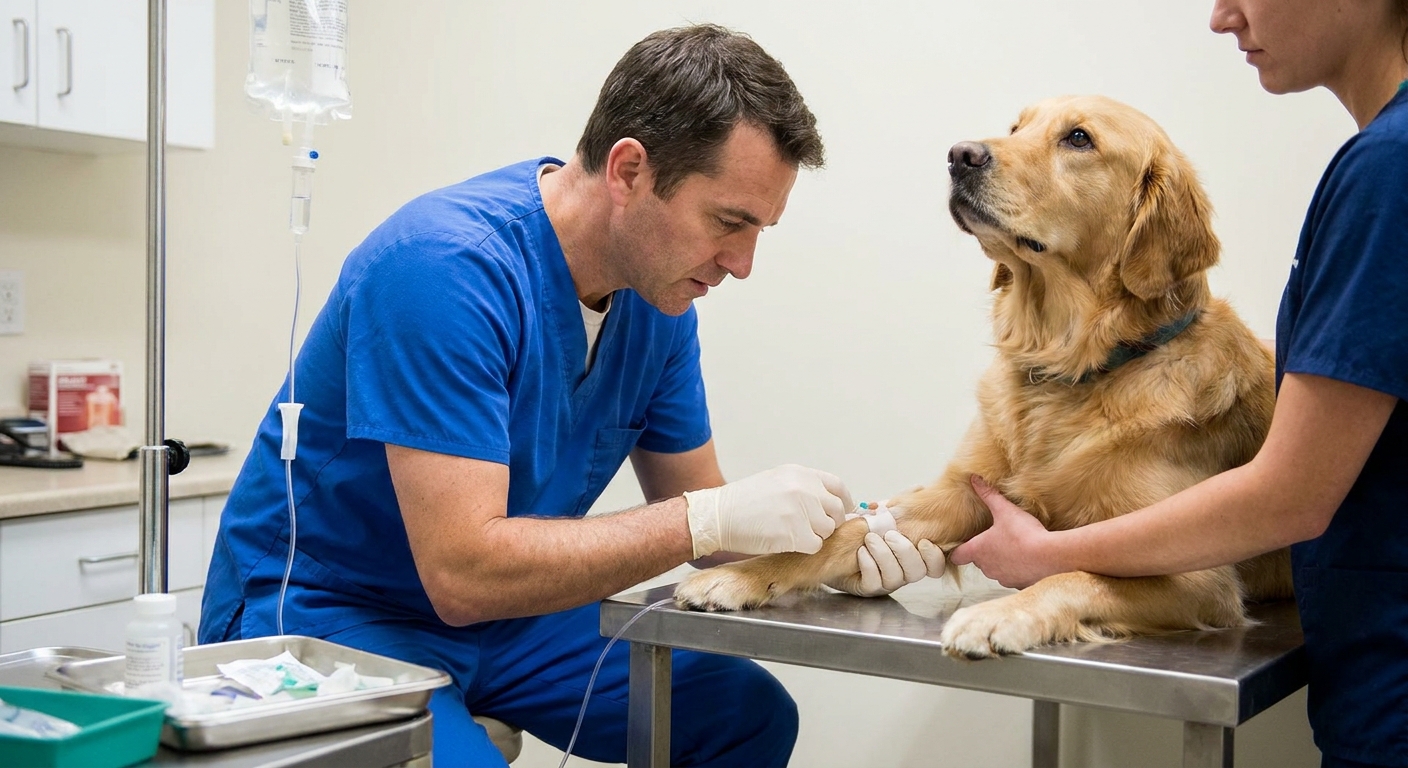
Outpatient care means your dog gets treatment at the clinic (often injectable meds and fluids under the skin, plus take-home medications), then goes home with you the same day. This can cost less, but it is not right for every dog. If vomiting is nonstop, dehydration is severe, or your puppy is too weak to keep anything down, outpatient care may not be enough.
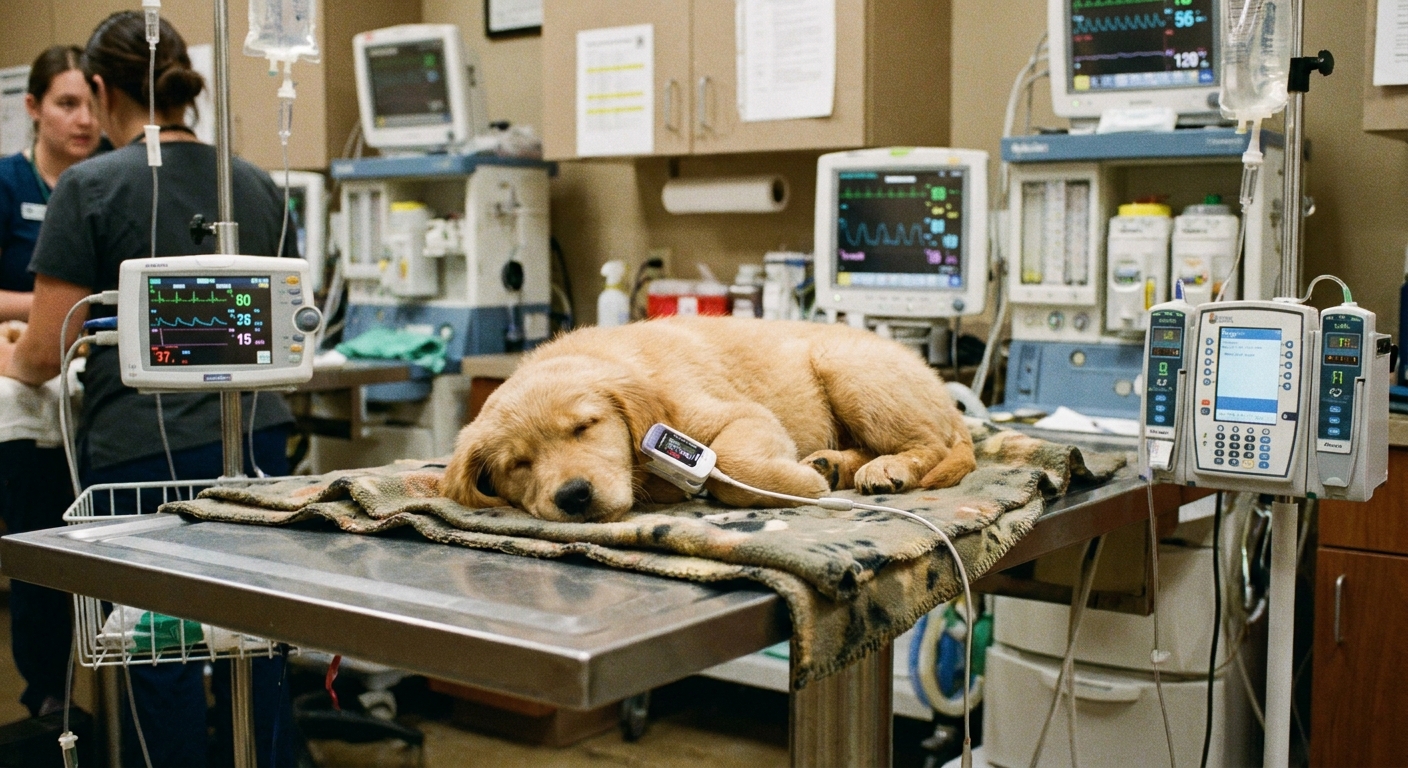
Hospitalization typically costs more because it includes:
- Continuous or frequent nursing care
- IV catheter placement and ongoing IV fluid therapy
- Repeated injections and monitoring
- Strict isolation and extra sanitation protocols (to protect other patients)
IV fluids and electrolyte support
IV fluids are the backbone of parvo treatment. They restore hydration and correct dangerous electrolyte shifts caused by vomiting and diarrhea. Costs rise when:
- Your dog needs higher fluid rates
- Electrolyte additives (like potassium) are needed
- IV therapy continues for multiple days
Medications
Parvo is a virus, but much of treatment is supportive care to keep your dog stable while their immune system fights. Common medications and therapies that can add to the bill include:
- Anti-nausea medications to control vomiting
- GI protectants and anti-diarrheal medications when appropriate (some anti-diarrheals are not used in certain parvo cases)
- Pain control, since parvo can be very uncomfortable
- Antibiotics to help prevent or treat secondary bacterial infection, which is a big risk when the gut lining is damaged
- Deworming if parasites are present, which can worsen diarrhea
Diagnostics and monitoring
Many parvo patients need more than a single test. Your veterinarian may recommend:
- Bloodwork to check hydration status, blood sugar, white blood cells, and electrolytes
- Repeat bloodwork to track improvement or catch setbacks
- Fecal testing for parasites
- X-rays if there is concern for foreign body, intussusception, or severe abdominal complications
Diagnostics are often what helps the team tailor care and spot problems early, but yes, they can meaningfully increase the total cost.
Length of stay and severity
Hospitalization is often 2 to 5 days, sometimes longer. The longer your dog needs IV support, nursing care, and isolation, the higher the bill tends to be.
Emergency and after-hours fees
If you head to an emergency hospital at night or on a weekend, expect additional costs such as:
- Emergency exam fees
- Higher hospitalization rates
- Overnight monitoring charges
Why some dogs can be treated outpatient
It is tempting to compare your estimate to someone else’s online, but parvo is one of those illnesses where small differences in symptoms can change the entire plan.
Outpatient care may be considered when a dog:
- Is only mildly dehydrated
- Is still somewhat bright and responsive
- Has vomiting that can be controlled
- Has an owner who can strictly follow home-care instructions and return for rechecks
Hospital care is more likely when a dog:
- Is very dehydrated or in shock
- Cannot keep down water or food
- Is very young, very small, or immunocompromised
- Has low blood sugar, low white blood cell count, or severe electrolyte imbalances
How to ask for an estimate fast
With parvo, time matters. I always encourage pet parents to ask for financial clarity while still moving quickly.
Helpful questions to ask your clinic:
- “Can you give me a low to high estimate based on the first 24 hours?”
- “What is included in hospitalization per day, and what is billed separately?”
- “If we start with this plan, what findings would cause the cost to increase?”
- “What are the must-haves versus the nice-to-haves for diagnostics?”
- “Is outpatient care medically appropriate for my dog, or would that be risky?”
A good team will walk you through options and explain what each piece is doing for your dog.
What to do on the way to the vet
If you think it might be parvo, call ahead so the clinic can plan for isolation and faster triage.
- Avoid dog parks and pet stores, and keep your puppy away from other dogs.
- Bring a stool sample if you can safely collect one in a sealed bag or container.
- Be ready to answer quick questions about vaccines, symptom timing, and possible exposure.
Ways to lower cost and still get care
No one plans for a parvo bill. If cost is a barrier, you still have options. The key is to speak up early, before the situation becomes even more critical.
Ask about outpatient protocols
Some clinics offer structured outpatient parvo care for select patients, sometimes with daily rechecks. It can reduce costs, but it is not safe for every dog. Your veterinarian can tell you if your dog is a candidate.
Look for low-cost clinics and nonprofit help
Depending on where you live, you may be able to find:
- Local humane societies with veterinary services
- Nonprofit community clinics
- Veterinary school teaching hospitals
- Municipal shelter clinics that offer limited services
Call first and be direct: “My dog may have parvo. Do you treat parvo, and what are your intake requirements?”
Payment plans and financing
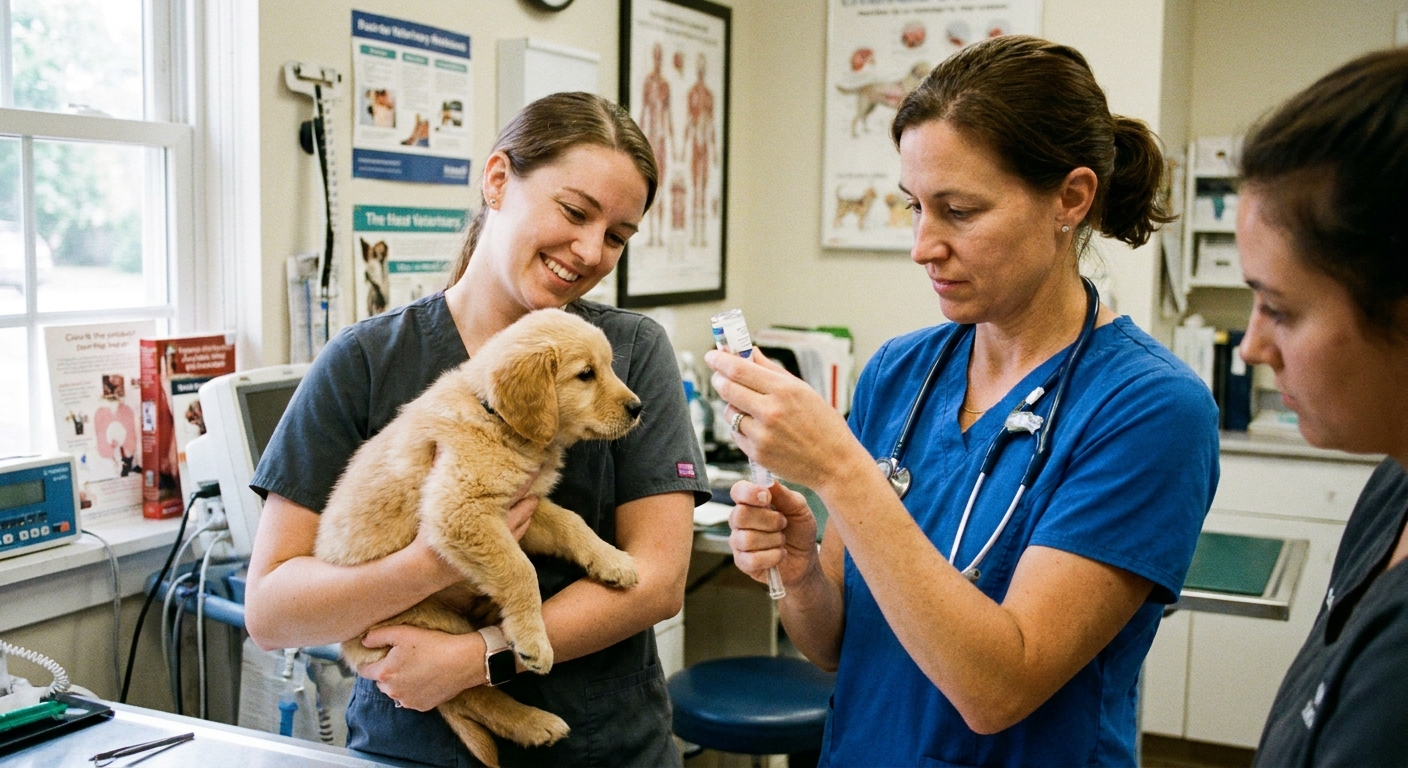
Many veterinary hospitals accept third-party financing options or may offer an internal payment arrangement in certain situations. It never hurts to ask what is available. Also check whether your pet insurance applies. Some policies cover illness like parvo, but coverage depends on your plan and waiting periods.
Preventing spread can save money too
If you have other dogs at home, ask your vet about:
- Whether exposed dogs should get vaccines updated, and what protection timeline to expect
- Strict separation of the sick dog
- Proper disinfectants and cleaning routines
Vaccines are a critical prevention tool, but they do not create immediate immunity. If another dog was exposed and is unvaccinated or behind on shots, talk to your veterinarian right away about the safest next steps.
Parvo is tough in the environment and can spread easily. Preventing a second case is one of the most important “cost controls” you can make.
Don’t forget the hidden costs
When budgeting, pet parents are often surprised by a few extra expenses around parvo:
- Recheck exams after discharge
- Prescription diets or bland diet supplies during recovery
- Cleaning supplies like accelerated hydrogen peroxide disinfectant, or bleach used at the correct dilution and contact time (follow label directions)
- Lost time from work for drop-offs, pickups, and rechecks
Recovery can take a couple of weeks even after your dog is stable, so plan for a quieter schedule and extra support at home.
When cost should not delay care
If your dog has signs that strongly suggest parvo, please treat it as urgent. Delaying care can make treatment more expensive later because dehydration and complications can snowball. The good news is that with prompt, appropriate treatment, many dogs do recover.
Go to a veterinarian right away if your dog has:
- Repeated vomiting
- Severe, watery diarrhea or bloody diarrhea
- Lethargy, weakness, or collapse
- Not drinking, or vomiting water back up
- Pale gums or signs of dehydration (sticky gums, sunken eyes)
If you are worried about parvo, call a vet clinic or emergency hospital now and ask what they recommend for triage. Early treatment can improve outcomes and, in many cases, reduce the total cost.
FAQ
Is parvo treatment worth it?
For many dogs, yes. With timely, appropriate medical care, dogs can and do survive parvo. The best person to discuss prognosis with is the veterinarian who has examined your dog, because severity and age matter a lot.
Can I treat parvo at home?
Parvo is dangerous to manage at home without veterinary guidance. Dehydration, low blood sugar, and secondary infections can become life-threatening quickly. If finances are an issue, ask your vet about lower-cost outpatient options or local resources rather than trying to do treatment on your own.
Does vaccination affect the cost?
Vaccination is prevention, not treatment, but it makes a huge difference. The cost of a puppy vaccine series is typically far less than even the lowest parvo treatment bill, and it can save you a heartbreaking emergency.