A curious nose. A very waggy welcome.
If a puppy suddenly has diarrhea, it is normal for our brains to leap straight to one scary word: parvo. But there is another contagious virus that can look similar at first sniff, especially in young dogs: canine enteric coronavirus. Despite the name, this is not the same as the human coronavirus that causes COVID-19.
Let’s sort out what canine coronavirus diarrhea is, how it overlaps with parvo, and which situations should send you to the vet today.
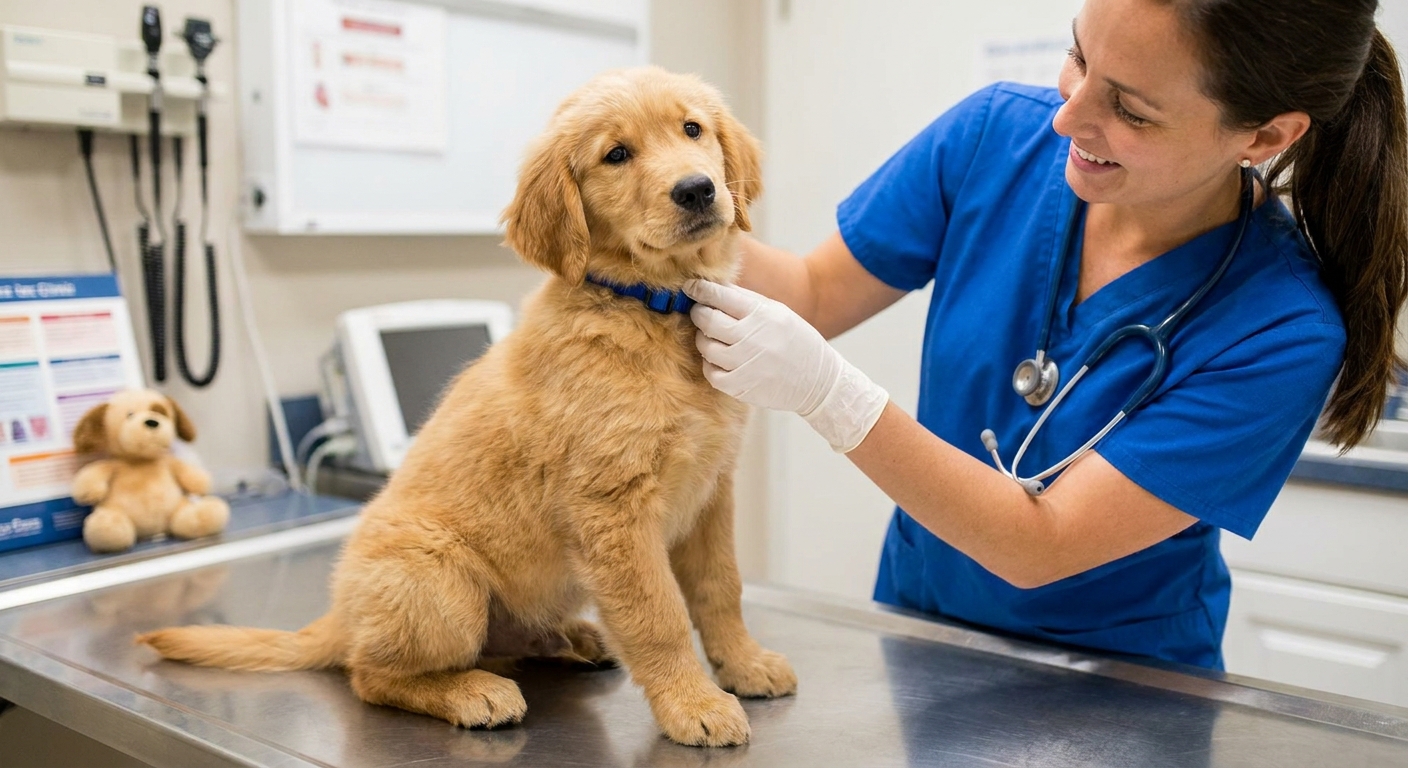
Two viruses, different outcomes
Canine enteric coronavirus (CCoV): often milder gut illness
Canine enteric coronavirus is a contagious gastrointestinal virus that spreads mainly through contact with infected feces and contaminated surfaces. In many otherwise healthy puppies and adult dogs, it causes:
- Loose stool to watery diarrhea
- Reduced appetite
- Mild belly discomfort
- Sometimes vomiting
- Sometimes low energy
Many cases are self-limited with supportive care, but “milder” does not mean “ignore it.” Puppies can dehydrate quickly, and some dogs have more severe disease, especially if something else is going on at the same time.
Canine parvovirus (CPV): can be severe and life-threatening
Parvovirus is also spread through feces and contaminated environments, but it is typically more aggressive. It attacks rapidly dividing cells, including the lining of the intestines, and can cause severe dehydration, electrolyte problems, and secondary infections.
Because these two illnesses can start with similar “puppy has diarrhea” clues, it is safer to treat any sudden, significant GI signs in an at-risk puppy as urgent until a veterinarian tells you otherwise.
Why they look alike at home
To an owner at home, both illnesses can begin with overlapping signs:
- Diarrhea (sometimes sudden)
- Vomiting
- Not eating
- Lethargy (less playful, less interested in toys or food)
- Dehydration (dry or tacky gums, sunken eyes, weakness, reduced urination)
That overlap is why guessing based on symptoms alone is risky. A puppy that “just has diarrhea” at breakfast can be much sicker by dinner.
Clues that lean parvo
Only a veterinarian can diagnose, but certain patterns make vets more suspicious of parvo, especially when paired together:
- Very young age, especially unvaccinated or not fully vaccinated puppies
- More severe depression, weakness, or collapse
- Repeated vomiting that prevents keeping water down
- Fever or very low temperature
- Bloody diarrhea (can be frank blood or very dark, tarry stool)
- Rapid dehydration
- Recent exposure risk (unknown dog feces areas, shelters, pet stores, dog-dense housing, sick littermate)
Canine coronavirus diarrhea can still be messy and miserable, but parvo is more likely to be intense and fast-moving.
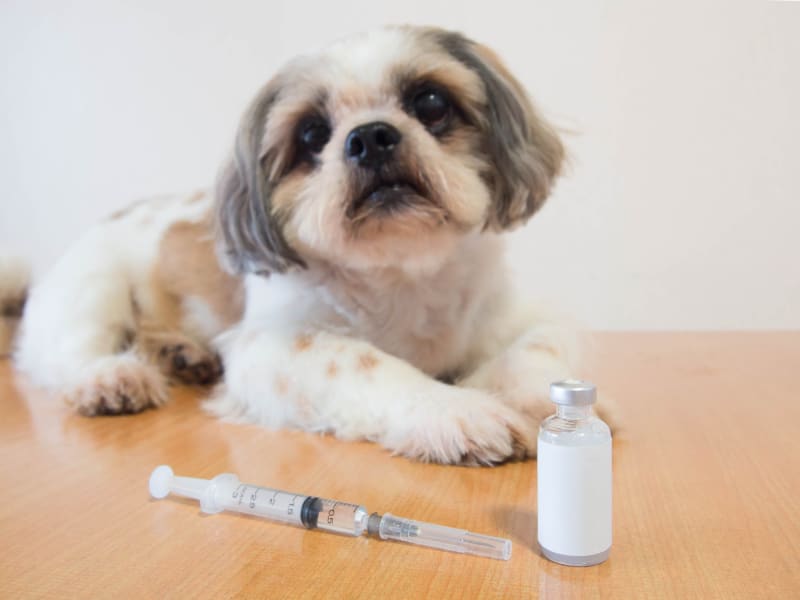
One prevention note worth underlining: the routine core puppy vaccines are designed to protect against parvo. Puppies are most vulnerable before they have completed their series, which is why “not fully vaccinated yet” matters so much in parvo decisions.
What a parvo test means
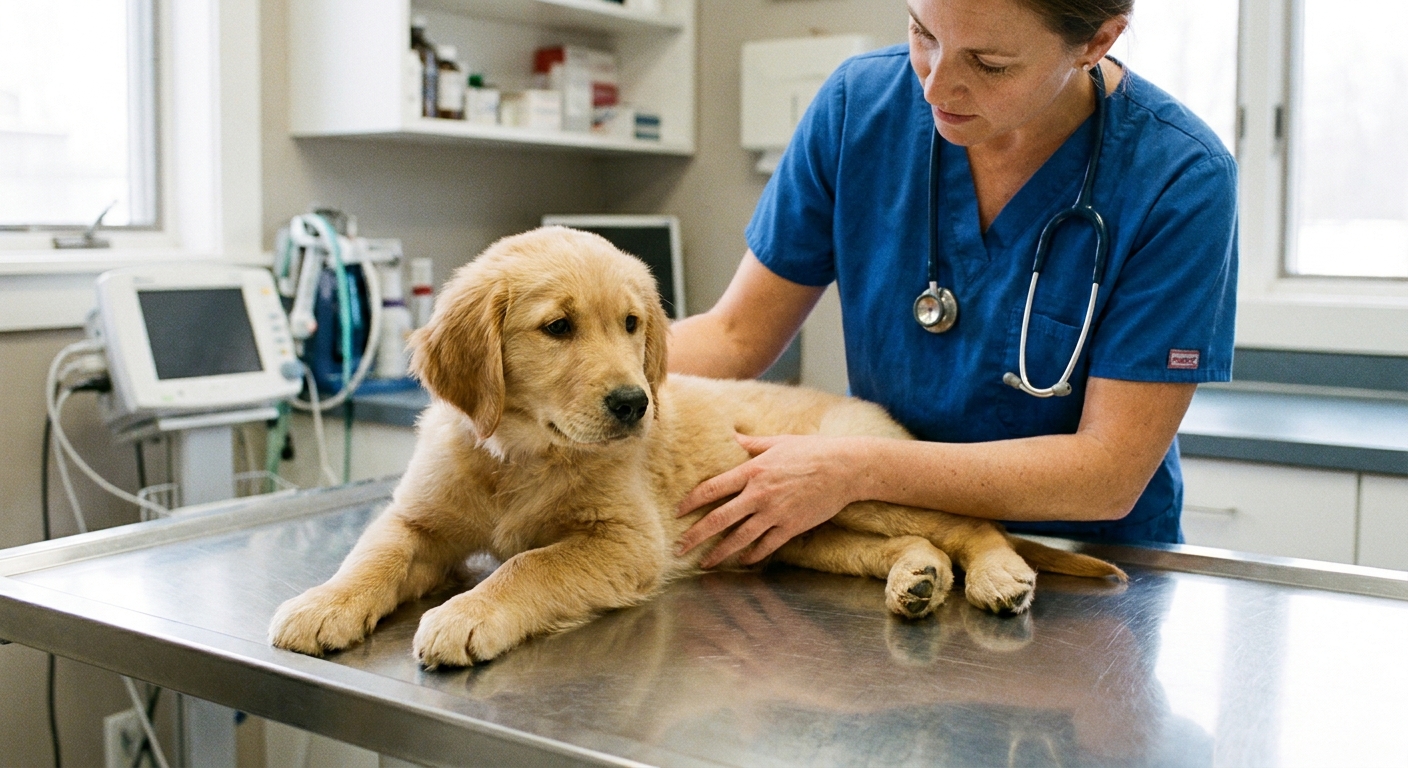
A common in-clinic “parvo test” is a rapid fecal antigen test, often an in-clinic antigen ELISA (for example, SNAP Parvo). It looks for parvovirus antigen in a stool sample.
What it can tell you
- A positive test strongly supports parvo infection.
What it does not rule out
A negative parvo antigen test does not automatically mean your puppy is “fine” or that it is “just coronavirus.” A negative test does not rule out:
- Early parvo infection (there may not be enough antigen yet)
- Sampling timing issues or very dilute stool
- Other contagious causes of diarrhea, including canine enteric coronavirus
- Parasites (giardia, roundworms, hookworms, coccidia)
- Other infections (bacterial overgrowth, other viruses)
- Non-infectious causes (diet change, stress, toxins, foreign material)
One extra nuance that can prevent confusion: in some cases, recent modified-live parvo vaccination can uncommonly be associated with a temporary positive on an antigen test, depending on timing and product. If your puppy was vaccinated very recently, tell your veterinarian so they can interpret results in context.
In other words: this test answers “Do we have evidence of parvo right now?” It does not give an all-clear for every other dangerous diarrhea cause.
Who needs same-day care
Here is my puppy-scout rule: if the puppy looks unwell, do not wait for a diagnosis to act.
Seek same-day veterinary care (urgent care or ER if needed) if your dog is a puppy and has any of the following:
- Repeated vomiting or cannot keep water down
- Blood in stool or very dark, tarry stool
- Watery diarrhea that is frequent or explosive
- Marked lethargy, weakness, or collapse
- Signs of dehydration (dry or tacky gums, sunken eyes, weakness, reduced urination)
- Fever or a puppy that feels unusually cold
- Very young age (especially under 6 months) or small body size
- Not fully vaccinated or vaccine history unknown
- Existing health issues or a very thin puppy
- Multiple pets sick in the home or litter
Even with “milder” canine coronavirus, dehydration and low blood sugar can sneak up on very young or small-breed puppies. A vet visit can mean the difference between a rough day and a truly dangerous spiral.
When is home monitoring sometimes reasonable? If it is a single mild loose stool in a bright, hydrated, otherwise normal adult dog (or an older, fully vaccinated puppy) with no vomiting and no blood, your vet may be comfortable with you monitoring at home for a short window. The guardrails are simple: if it worsens, becomes watery, repeats frequently, or your dog’s energy drops, you move from “watch” to “call and go” fast.
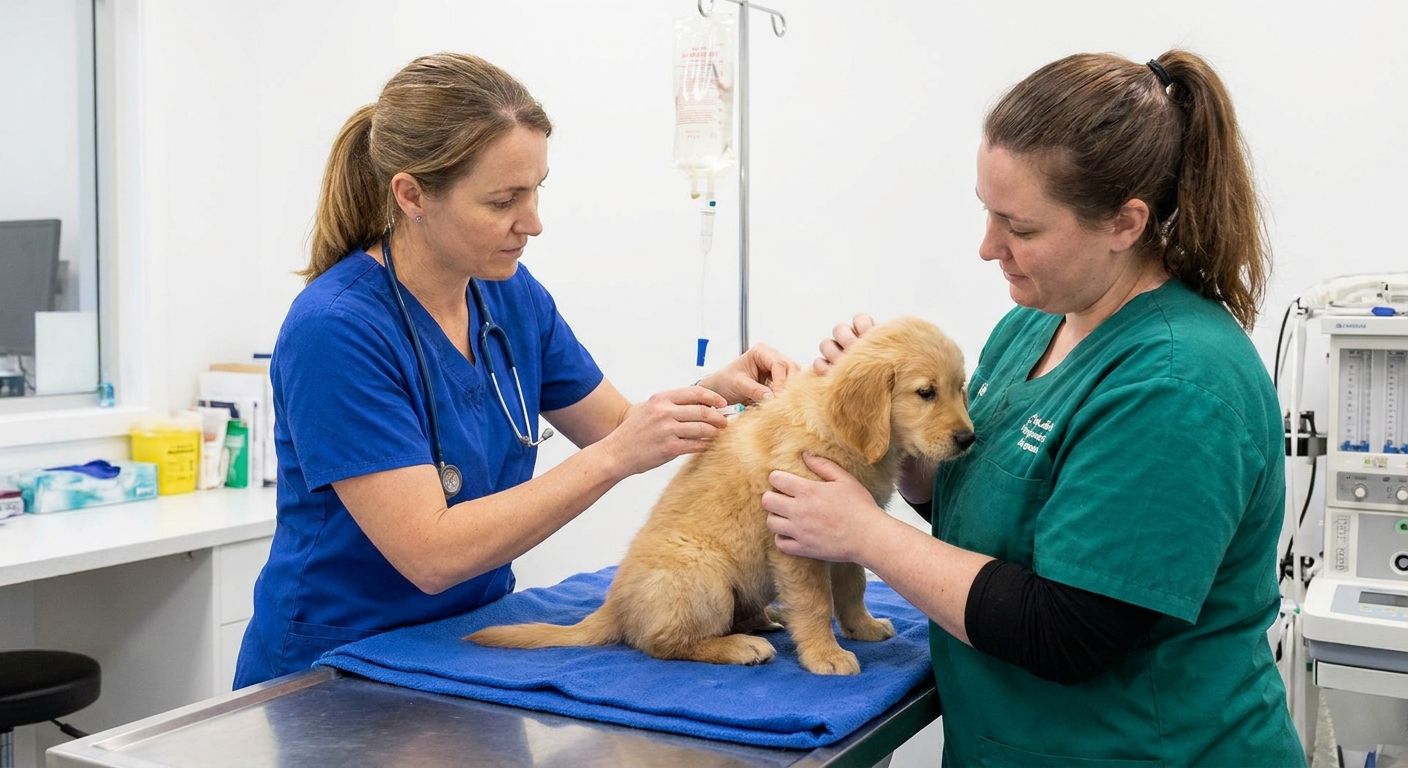
Testing for enteric coronavirus
Unlike the common in-clinic parvo antigen test, canine enteric coronavirus is often identified with a fecal PCR panel that looks for genetic material from multiple pathogens (viruses, bacteria, and sometimes parasites). Some clinics run these in-house, but many send them to an outside lab.
One important caveat: a PCR can detect shedding even when that germ is not the main driver of today’s diarrhea. That is why vets interpret PCR results alongside the physical exam, hydration status, vaccine history, and other tests.
Because puppies frequently have more than one thing going on at once, vets may also recommend:
- A fecal test for parasites
- Bloodwork to assess hydration, electrolytes, white blood cells
- Supportive treatment while waiting for results
Bottom line: the goal is not just naming the germ. It is keeping the puppy hydrated, nourished, and stable.
Contagiousness and shedding
Both viruses can spread through fecal contamination, and both can be carried out into the world on shoes, paws, crate bottoms, and anything that touches poop. But there are practical differences that affect home cleanup and how long you stay on “high alert.”
Enteric coronavirus shedding
Dogs with enteric coronavirus typically shed virus in stool during illness, and some may continue shedding for a while after signs improve. Many dogs recover with supportive care, but they can still be contagious during the shedding window.
Parvo shedding and survival
Parvo is notorious because it not only spreads easily, it can also be shed in large amounts and the virus is tough in the environment. In some conditions, it can persist for months, and sometimes longer. This is one reason parvo outbreaks can be so hard to control in shelters, kennels, and high-traffic dog areas.
Your veterinarian can give the best guidance for your specific household, but in general, if parvo is suspected or confirmed, the isolation and sanitation plan needs to be stricter and longer.
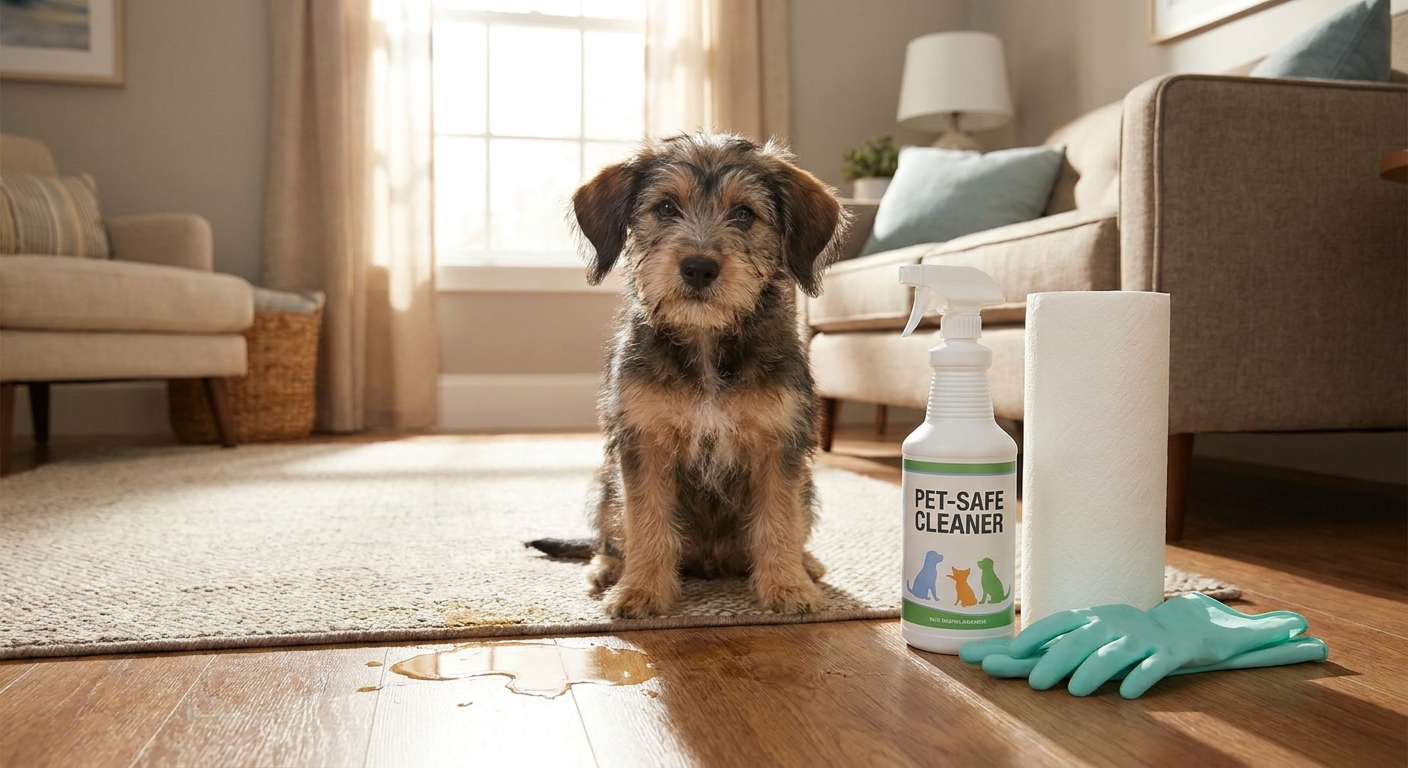
Cleanup basics
This is the part where my puppy-scout brain wants a checklist, because poop germs do not care about good intentions.
If it is (or might be) parvo
- Assume the environment is contaminated anywhere the puppy defecated.
- Limit access to contaminated areas, especially for unvaccinated dogs.
- Pick up stool immediately using gloves and sealed bags.
- Disinfect hard, non-porous surfaces with a disinfectant your vet recommends that is proven effective against parvovirus. Many general household cleaners do not reliably kill parvo.
- Understand that dirt and grass are complicated. Parvo can persist in the environment, and yard decontamination is not as simple as spraying something once.
If it is enteric coronavirus diarrhea
- Still clean fast and thoroughly, because fecal-oral spread is the main route.
- Hot water and detergent for bedding and washable items is typically part of the plan.
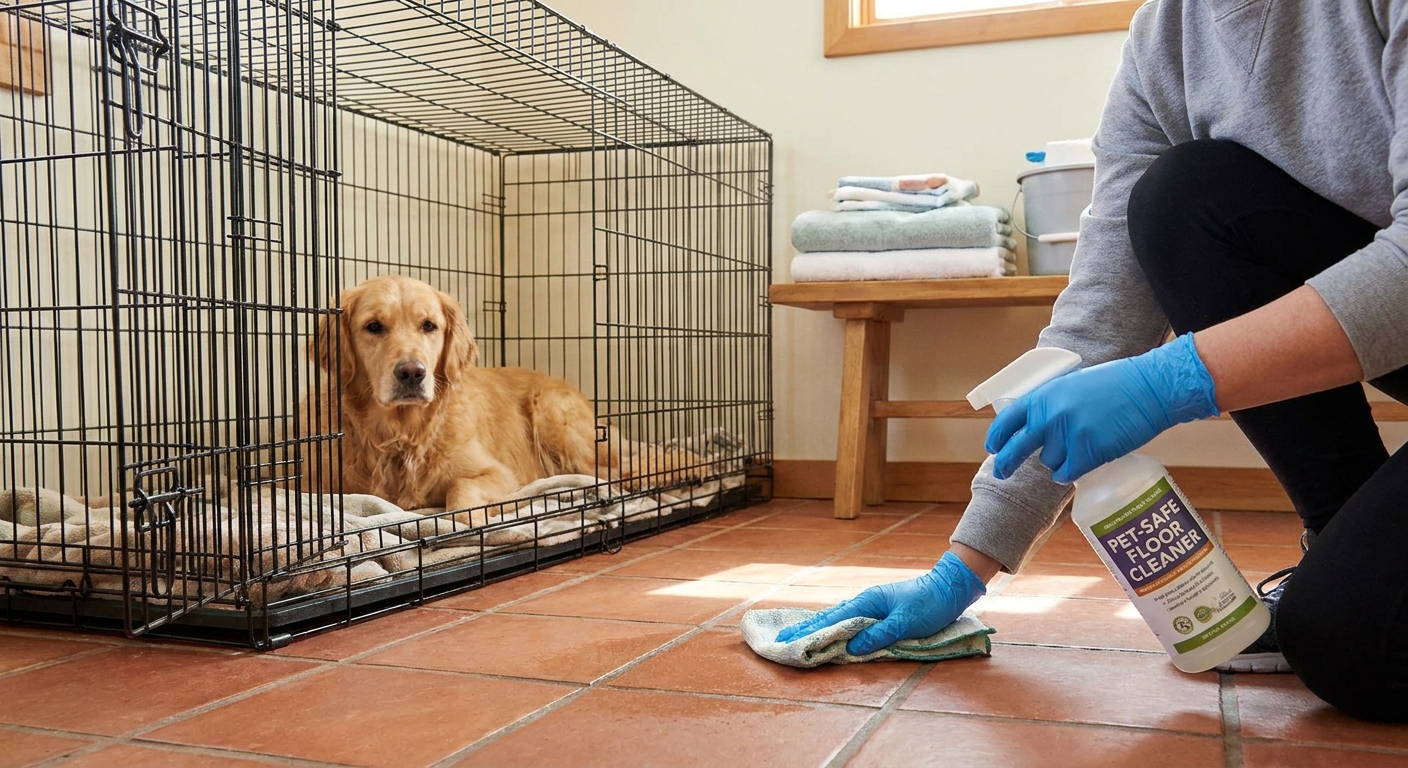
- Routine vet-recommended disinfection of floors and crate surfaces is still important, especially with multiple dogs.
No matter which virus is involved, the biggest wins at home are: quick pickup, good handwashing, cleaning paws, and separating sick puppies from other dogs.
Home care while you call the vet
Because parvo can be life-threatening, do not rely on home remedies if your puppy is weak, vomiting repeatedly, or having profuse diarrhea.
While you are contacting your vet or heading in, helpful steps can include:
- Isolate your puppy from other dogs and shared potty areas as much as possible.
- Prevent dehydration by offering small amounts of water frequently, but stop and seek urgent care if vomiting continues.
- Do not give human medications unless a veterinarian specifically instructed you to.
- Bring a stool sample if your clinic requests it and you can safely collect one.
- Tell the clinic vaccine status and exposure history (age, last shots, shelter or breeder history, dog park exposure).
Can a dog have both?
Yes, co-infections can happen. Puppies can also have parasites plus a virus, or more than one virus. That is another reason a negative parvo antigen test does not end the investigation if the puppy is very ill.
Quick comparison
- Main similarity: both can cause contagious puppy diarrhea and vomiting.
- Typical severity: enteric coronavirus is often milder; parvo is often severe and can be life-threatening.
- Testing: parvo is commonly checked with an in-clinic fecal antigen ELISA; enteric coronavirus is often identified via fecal PCR panels.
- What a negative parvo test means: it does not rule out early parvo or other infectious diarrhea causes like enteric coronavirus or parasites.
- Same-day care: needed for any puppy with blood in stool, repeated vomiting, profound lethargy, dehydration, or incomplete vaccinations.
- Cleanup: both require careful feces cleanup; parvo demands especially strict sanitation because it is extremely hardy in the environment.
FAQ
Is canine coronavirus the same as COVID-19?
No. Canine enteric coronavirus is a gastrointestinal virus in dogs. It is not the same as the human coronavirus that causes COVID-19.
My puppy has diarrhea but is still playing. Is that parvo?
Parvo puppies often look very sick, but early illness can be subtle. If your puppy is young, unvaccinated or not fully vaccinated, or has vomiting or watery diarrhea, contact your vet the same day for guidance.
Can an adult dog get enteric coronavirus?
Yes, adults can be infected, though signs may be milder. Adults can still spread germs through stool, especially in multi-dog homes.
How long should I keep my puppy away from other dogs?
Follow your veterinarian’s instructions, since recommendations depend on diagnosis, symptom course, and your household. When parvo is suspected, isolation and environmental precautions usually need to be stricter and longer.
A final puppy-scout reminder
If you are stuck choosing between “wait and see” and “get checked,” I sniff toward get checked, especially for puppies. Enteric coronavirus diarrhea may be milder than parvo, but the early signs overlap enough that the safest move is fast veterinary guidance and good isolation and cleanup at home.