A curious nose. A very waggy welcome.
If your puppy has diarrhea, it is normal to squint at every detail and wonder: is this “just” a parasite like coccidia, or is it parvo, the virus everyone warns you about?
Both can look similar at first glance. Both can cause dehydration fast. And both deserve quick action. Here’s how they tend to differ, what “fast decline” really looks like, and why a positive test for one problem does not automatically clear the other.
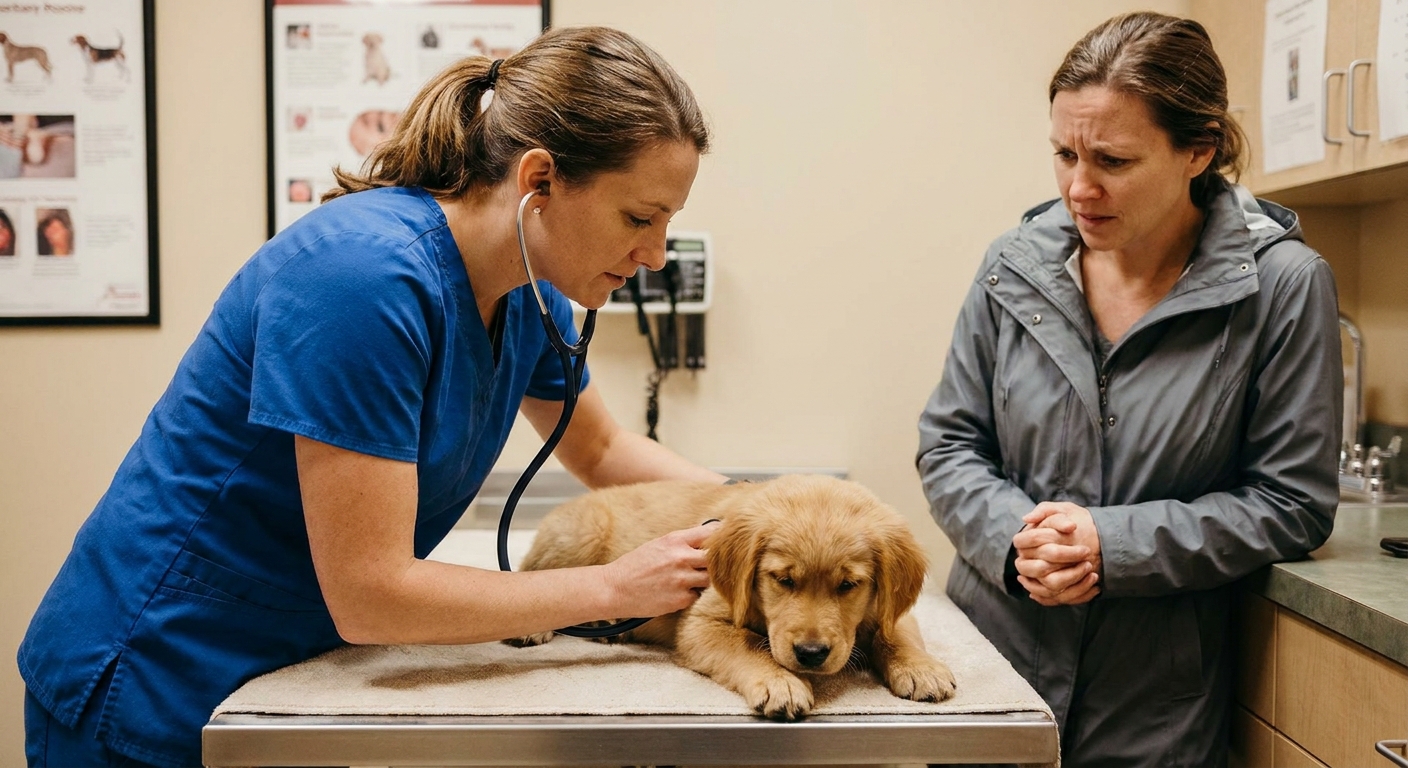
The quick difference
Coccidia is a microscopic intestinal parasite (a protozoan). Puppies often pick it up from contaminated poop, soil, or shared spaces. Some puppies get mild diarrhea and keep acting mostly normal.
Parvo (canine parvovirus) is a highly contagious virus that attacks rapidly dividing cells, including the intestinal lining. It also affects bone marrow and immune tissue, which helps explain why some puppies get dangerously sick and can develop severe infections.
Important note: you cannot reliably tell coccidia vs parvo at home. The patterns below can help you decide how urgent the situation is, but a veterinarian is the one who can test and treat appropriately.
How fast puppies decline
Parvo tends to hit harder
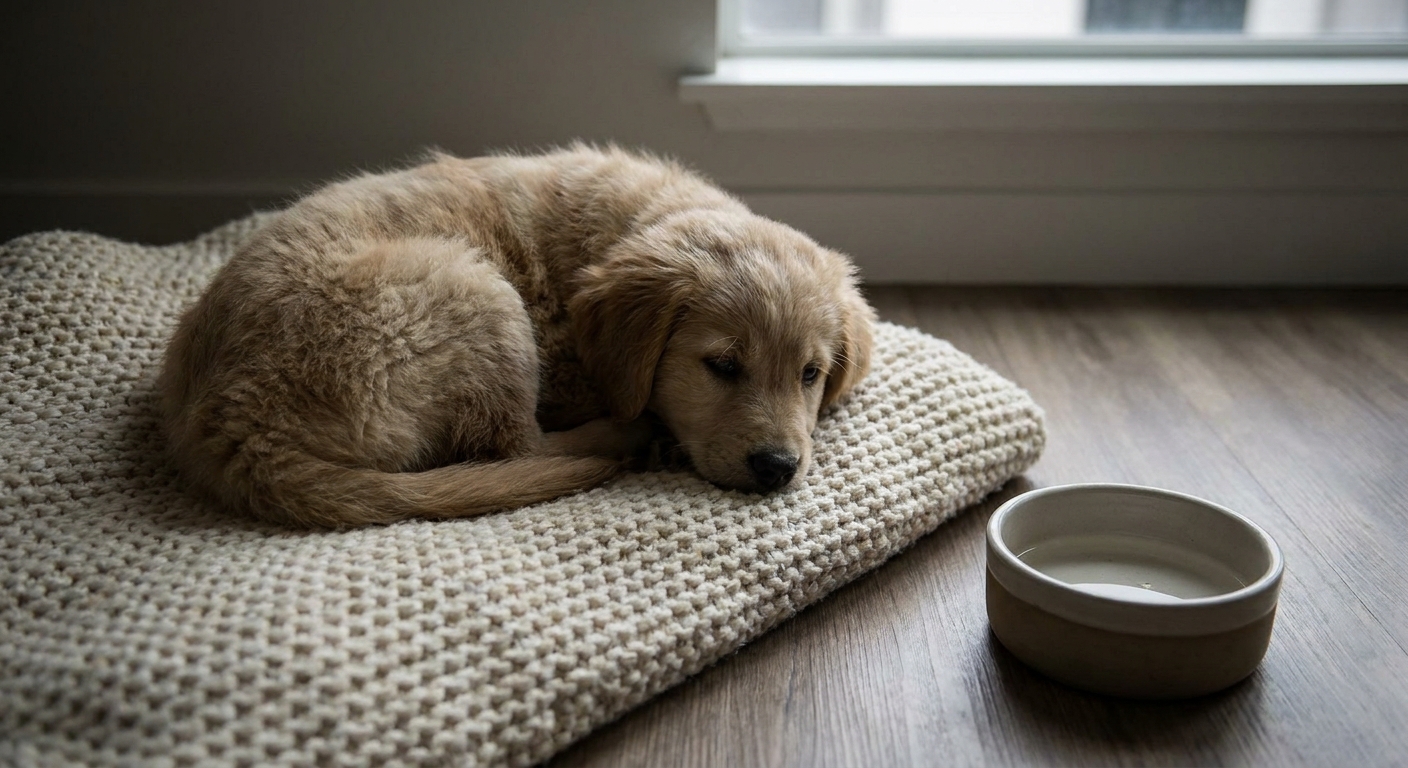
Parvo often has a “downhill” feel. A puppy who was playing earlier may become weak, depressed, and unwilling to eat or drink over hours to a day. Vomiting is common. Diarrhea can quickly become frequent and watery. Because the gut lining is damaged and the immune system can be suppressed, puppies can lose fluids and electrolytes rapidly and become vulnerable to serious secondary infection.
Coccidia can be slower, but not always mild
Coccidia commonly causes soft stool to watery diarrhea, sometimes with mucus. Some puppies still have energy and appetite, especially early on. Others, particularly very young puppies, stressed puppies, or puppies with other infections, can get significantly ill.
Scout tip from Bramble: if your puppy is getting noticeably weaker or more listless over a short stretch of time, treat it like an emergency, even if you are not sure what started it.
Is blood present?
Parvo: blood is common, but not required
Parvo is famous for foul-smelling diarrhea that can be bloody. But not every parvo puppy has obvious blood at the start. Early parvo can look like plain watery diarrhea and vomiting.
Coccidia: blood can happen too
Coccidia can irritate the intestines and cause mucus or blood in stool, especially if the infection is heavy. So “I saw blood” does not automatically mean parvo, and “I didn’t see blood” does not rule parvo out.
- Bright red blood often suggests lower intestinal irritation, but it is still serious.
- Dark, tarry stool can suggest digested blood and should be treated as urgent.
Dehydration: when it becomes an emergency
Diarrhea in puppies is not just messy. Puppies have small bodies and less fluid reserve. A little dog can go from “kind of off” to dangerously dehydrated much faster than most people expect.
Dehydration becomes an emergency quickly with:
- Vomiting plus diarrhea (classic parvo pattern, but can occur with other illnesses too)
- Frequent watery stool (every hour, or multiple accidents in a short period)
- Refusal to drink or inability to keep water down
- Weakness, wobbliness, or collapse
- Pale gums or gums that feel tacky or dry
A simple at-home check that can raise concern, not confirm dehydration: gently lift the skin over the shoulder blades and let go. If it “tents” and slowly returns, dehydration may be present. Sticky gums and sunken-looking eyes can also be warning signs. Skin tenting can be less reliable in very young puppies and in puppies with extra body fat, so treat it as one clue, not a verdict.
If your puppy seems weak, is vomiting repeatedly, has bloody diarrhea, or cannot keep fluids down, contact a veterinarian the same day. For very young puppies, tiny breeds, and unvaccinated puppies, assume urgency.
Other causes that can look similar
Even when you are focused on coccidia vs parvo, other common puppy problems can create the same scary diarrhea picture, including giardia, roundworms and hookworms, diet changes or trash eating, and bacterial infections. That is one more reason testing matters, because the right treatment depends on the real cause.
Why one test result does not settle the other
This is the part that trips up a lot of worried humans: a test can answer one question and still leave another question open.
A positive coccidia test does not rule out parvo
Puppies can have more than one problem at a time. A puppy can test positive for coccidia and still have parvo, especially if the puppy is very sick, vomiting, or crashing fast. Coccidia is also common in puppies, and some carry it with mild signs.
A negative coccidia test does not rule out coccidia
Coccidia is usually found on a fecal test, but parasites are not always shed evenly in every stool sample. Depending on the timing and the specific test used, a puppy can still have coccidia even if the first sample is negative.
A positive parvo test does not explain everything else
Parvo can be the main issue, but a veterinarian may still check for additional parasites, bacterial overgrowth, or other complications that affect treatment.
A negative parvo test does not always rule out early parvo
Parvo tests in clinic are often antigen tests done on stool. Testing too early, poor sample quality, or other factors can produce a negative even when parvo is developing. Vets will often interpret results alongside vaccine history, exposure risk, and clinical signs.
What about false positives?
In some situations, a recent parvo vaccination can complicate interpretation of certain stool antigen tests. Your veterinarian will factor in vaccine timing, symptoms, and exposure risk so you do not have to guess what the result really means.
Bottom line: testing is powerful, but it is not a magic on-off switch. If your puppy is getting worse, the plan should escalate even if one test came back “negative.”
Clues that lean coccidia or parvo
These are tendencies, not guarantees. When in doubt, treat it as urgent and call your vet.
Often seen with coccidia
- Diarrhea with mucus
- Loose stool that persists over days
- Mild to moderate appetite decrease
- Puppy still has some energy between potty trips
- History of stress or exposure to group puppy environments (shelter, breeder kennel, daycare, many-dog home)
Often seen with parvo
- Sudden depression and weakness
- Repeated vomiting
- Watery diarrhea that may become bloody
- Rapid dehydration, seeming “smaller” or more hollow-eyed over hours to a day
- Unvaccinated or not fully vaccinated puppy, or recent exposure to unknown dogs or contaminated areas
What your vet may do
Knowing what is likely to happen at the clinic can make the whole situation feel a little less like free-fall.
If parvo is suspected
- Isolation precautions to reduce spread
- Stool testing for parvo, plus bloodwork to check hydration, electrolytes, and white blood cells
- Fluids and electrolyte support, sometimes IV
- Antiemetics (to control vomiting) and other supportive medications
- Antibiotics may be used to help prevent or treat secondary infection when the gut lining and immune system are compromised
If coccidia is found or strongly suspected
- Fecal testing, sometimes more than once
- Medication is often prescribed to treat coccidia (and your vet may recommend recheck testing)
- Supportive care for dehydration or nausea when needed
What to do right now
1) Call your veterinarian and describe the timeline
The most helpful details are:
- Age and weight (or best guess)
- Vaccine status and last vaccine date
- How long diarrhea has been going on
- Any vomiting, and how many times
- Energy level changes and appetite
- Whether you saw blood or mucus
- Any known exposures (dog park, puppy class, shelter, new dog in home)
2) Assume same-day care if any red flags are present
- Bloody diarrhea
- Vomiting more than once, or cannot keep water down
- Weakness, collapse, severe lethargy
- Pale gums, cold limbs, or labored breathing
- Very young puppy (especially under 16 weeks) or tiny breed
- Not fully vaccinated
3) Limit spread while you head for help
Parvo is extremely contagious and can persist in the environment for a long time. Coccidia also spreads through poop contamination. While waiting for veterinary guidance:
- Keep the puppy away from other dogs and shared potty areas.
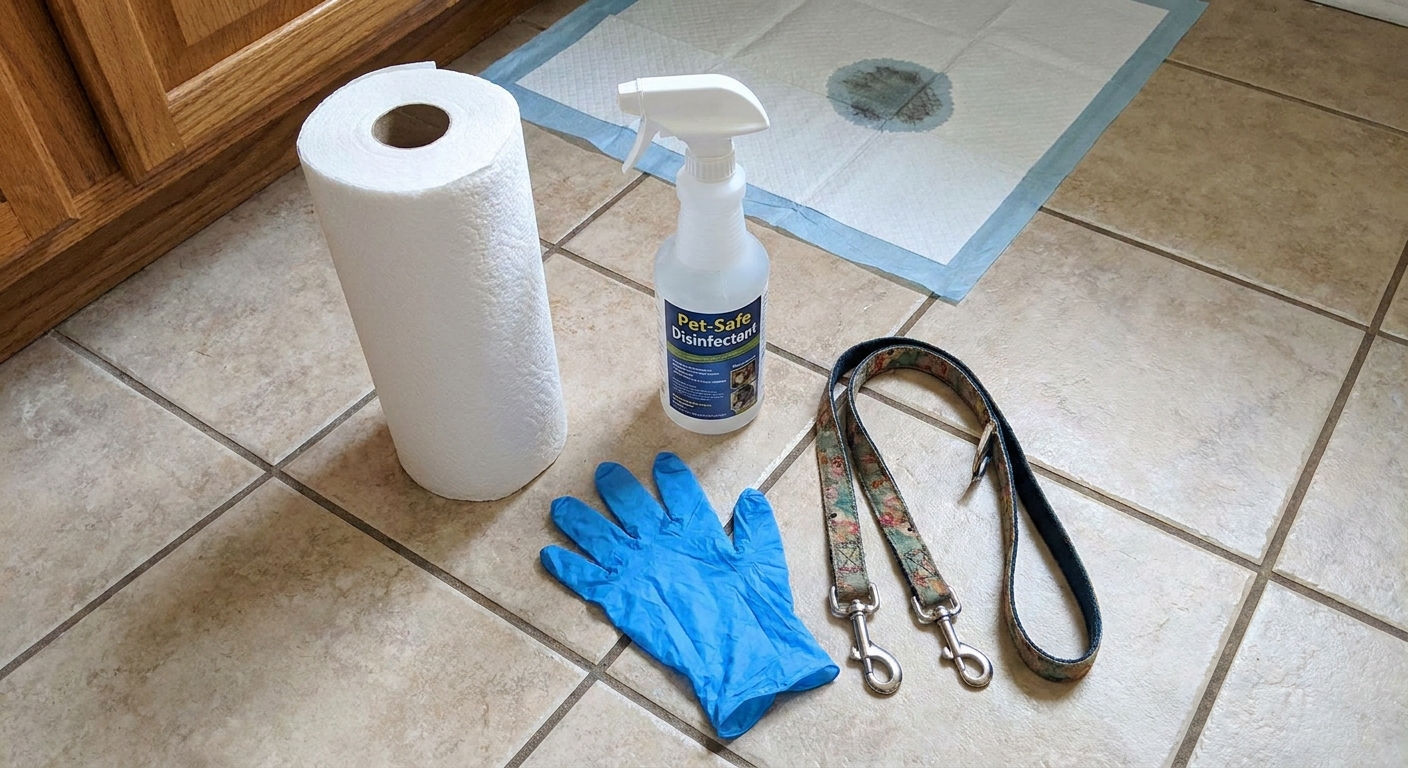
- Pick up stool promptly using gloves or a bag.
- Clean soiled areas thoroughly. For parvo, your vet may recommend bleach solutions on safe surfaces or specific veterinary disinfectants, and for coccidia, routine cleaners may not kill the oocysts. Ask what is appropriate for your surfaces and your situation.
- Wash hands well after handling your puppy and cleaning accidents.
Scout tip from Bramble: if there is any chance this is parvo, do not “quick stop” at the dog park trash can on the way out. Bag it, seal it, and keep your puppy’s paws away from shared dog areas until your vet clears you.
FAQ
Can a puppy have coccidia and parvo at the same time?
Yes. Coinfections happen. That is why a positive fecal result for coccidia does not automatically mean you can relax about parvo if your puppy is very ill.
Does parvo always smell terrible?
Parvo diarrhea is often described as having a strong, foul odor, but smell is too subjective to use as a reliable test. Many GI illnesses smell bad.
My puppy’s poop is watery but they still want to play. Is it definitely not parvo?
Not definitely. Some puppies look okay early on. If your puppy is unvaccinated or not fully vaccinated, or if vomiting starts, call your vet the same day.
Will my puppy get better on their own?
Some mild diarrheas improve quickly, and some coccidia infections can be self-limiting. But parvo can be fatal without prompt veterinary treatment, and coccidia is often treated with prescription medication. Because puppies dehydrate fast, “wait and see” can become dangerous within a single day.
Can humans catch coccidia from puppies?
The coccidia that infect dogs are generally considered species-specific, meaning they spread dog to dog rather than dog to human. It is still important to practice good hygiene, especially around any diarrhea.
When to treat this as urgent
Your puppy does not need to look like the worst-case version of parvo for it to be serious. The safest move is quick testing, quick fluids if needed, and a plan you can trust.
Go to a veterinarian the same day if your puppy has vomiting, bloody diarrhea, sudden weakness, signs of dehydration, or is not fully vaccinated.