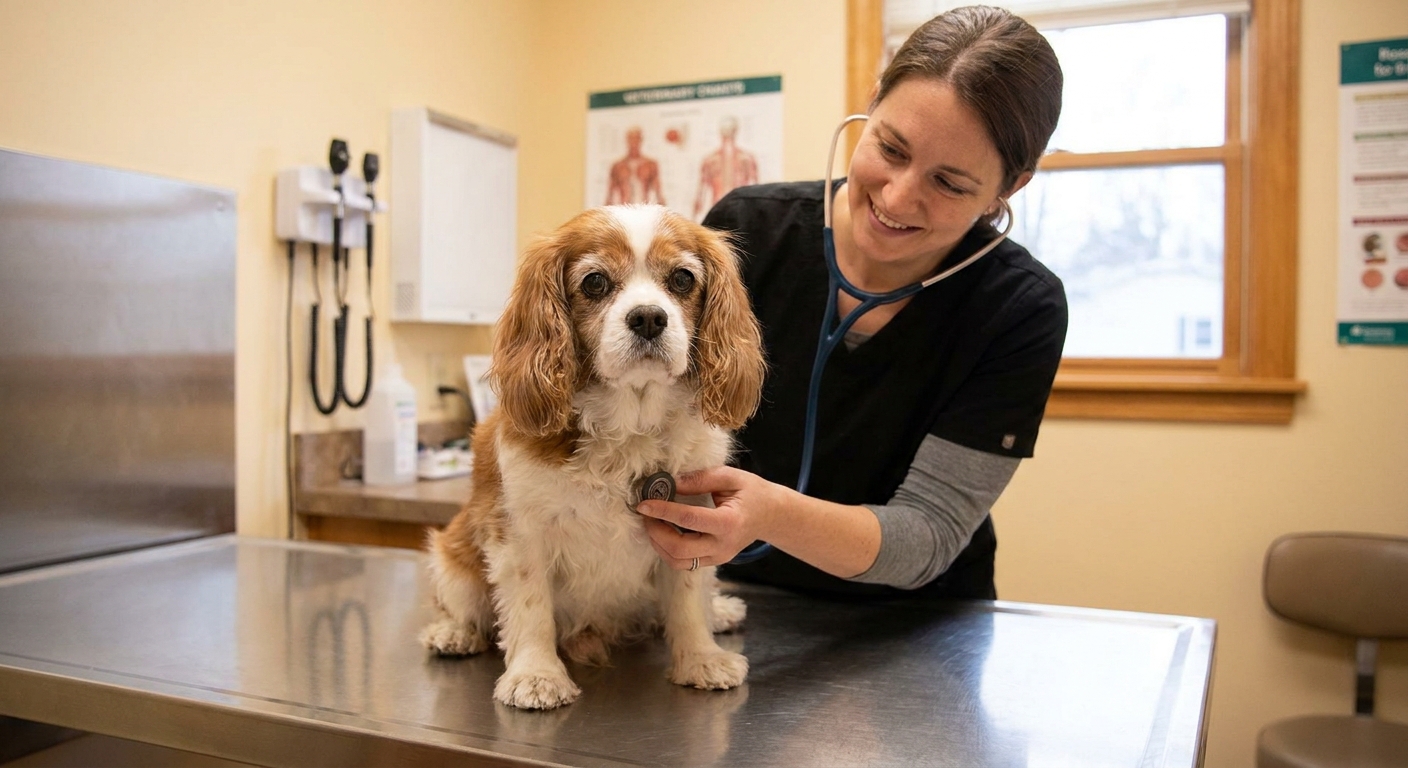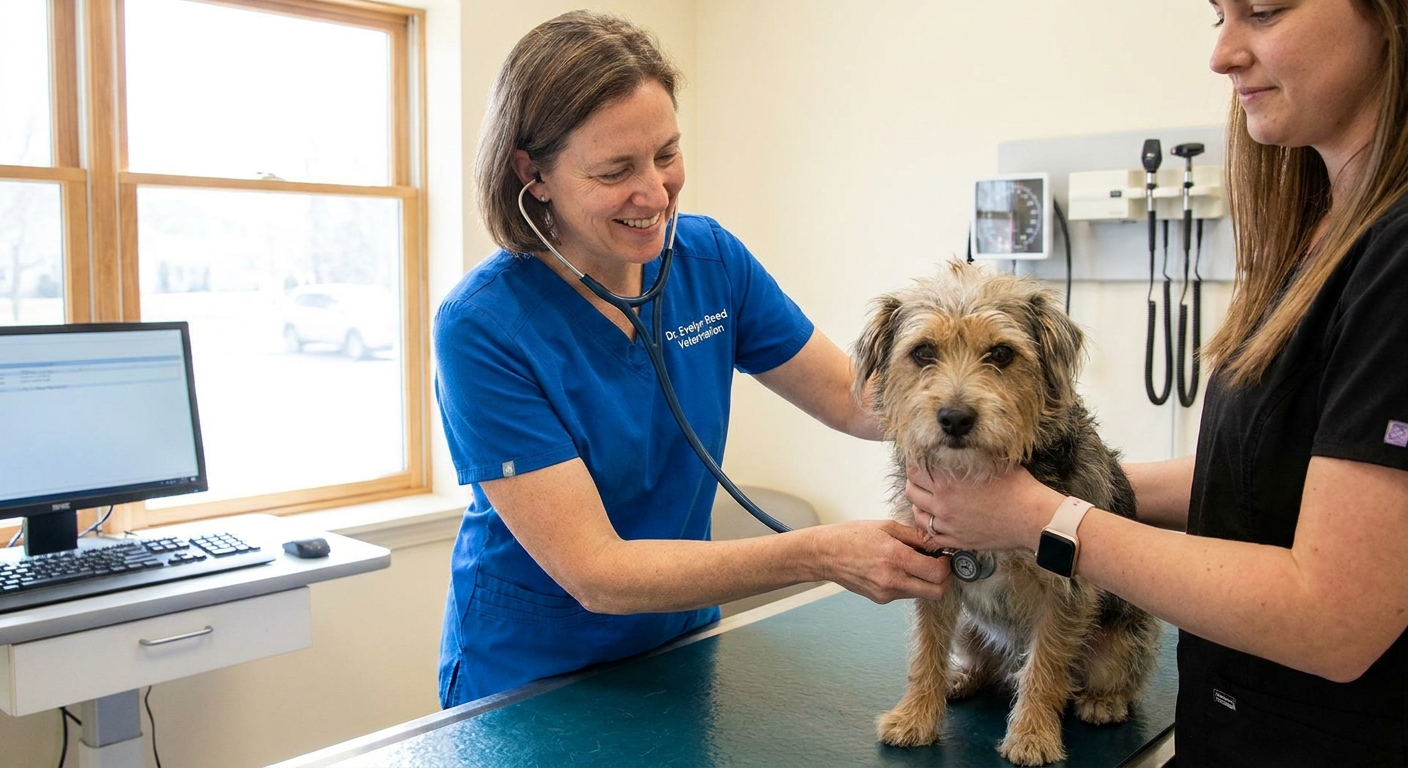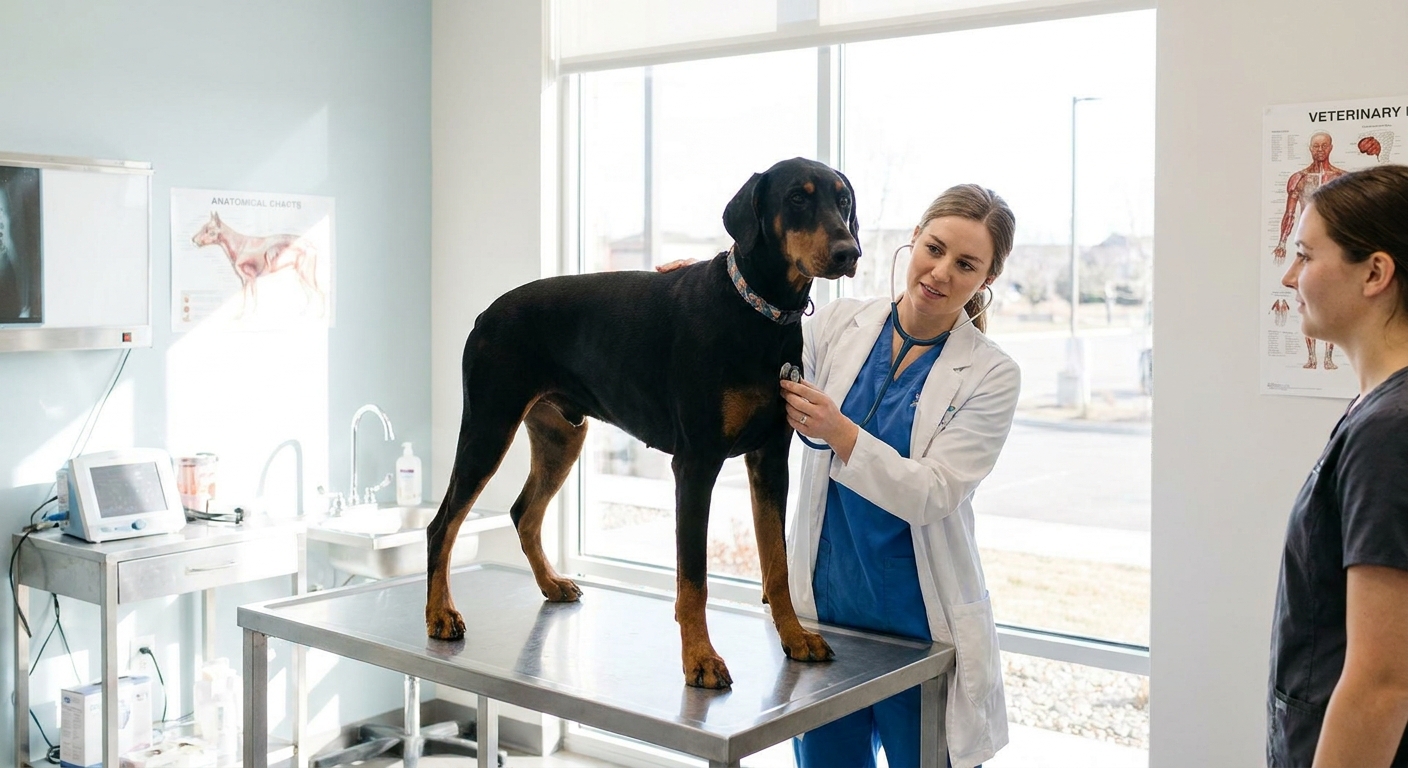
A curious nose. A very waggy welcome.
If your vet just prescribed pimobendan for your dog, you probably have the same questions I do when I hear a new medicine name: What does it do? When should I give it? What should I watch for?
Pimobendan is a commonly prescribed heart medication in dogs, especially for certain types of valve disease and cardiomyopathy. It can be a big help, but like any prescription, it works best when you understand the basics and follow your veterinarian’s instructions closely.
What is pimobendan (Vetmedin)?
Pimobendan is a prescription medication used to support heart function in dogs. Many people know it by a brand name, Vetmedin. Depending on where you live and what your veterinarian stocks, you might also see generic pimobendan.
It is typically used for dogs with specific types of heart disease, including:
- Myxomatous mitral valve disease (MMVD), a common “leaky valve” problem in small (and some medium) dogs
- Dilated cardiomyopathy (DCM), a disease where the heart muscle becomes weak and the chambers enlarge
Pimobendan is not a vitamin or supplement. It is a heart drug that changes how the heart squeezes and how blood vessels behave.
What pimobendan does for the heart
Pimobendan helps the cardiovascular system in two main ways:
- Helps the heart contract more effectively. In simple terms, it can help the heart pump with more strength.
- Helps blood vessels relax. This can reduce resistance the heart has to pump against.
Those two effects can make it easier for the heart to move blood forward, which is why vets often include pimobendan as part of a long-term plan for dogs with certain heart conditions.
Important note: pimobendan does not cure valve disease or cardiomyopathy. It is used to support function and reduce the burden on the heart. Your dog may still need checkups, imaging, and other medications over time.
When vets prescribe pimobendan
Your veterinarian chooses pimobendan based on your dog’s diagnosis and heart stage, not only on the presence of a murmur. Common situations include:
MMVD (mitral valve disease)
In MMVD, the mitral valve does not close tightly. Over time, this can cause the heart to enlarge and may eventually lead to congestive heart failure.
Many dogs with MMVD start pimobendan when testing shows the heart is enlarging, even if they are not coughing or struggling to breathe yet. In appropriately staged dogs with heart enlargement (often called preclinical stage B2), pimobendan may help delay the onset of congestive heart failure. Your vet may confirm staging with chest X-rays and an echocardiogram, along with a full exam.
DCM (dilated cardiomyopathy)
In DCM, the heart muscle becomes weaker and pump function declines. Pimobendan may be prescribed after diagnosis to support pumping ability, and it can also be part of an emergency plan if a dog develops congestive signs.
Congestive heart failure (CHF)
If a dog has developed congestive heart failure, pimobendan is often used alongside other medications, commonly including diuretics and sometimes other heart drugs, depending on the case.
If your dog was prescribed pimobendan without heart imaging, it is still worth asking what findings led to the decision and what monitoring schedule your vet recommends.
How pimobendan is given
Pimobendan is usually given by mouth as a tablet or capsule.
Typical timing
Many prescriptions are written for twice-daily dosing. Pimobendan is often recommended on an empty stomach (commonly about 1 hour before meals) to help absorption.
That said, directions can vary by product and patient, so follow your prescription label and your veterinarian’s instructions. Some dogs get queasy on an empty stomach. If your dog vomits after dosing, call your vet and ask whether giving it with a small snack is acceptable for your dog’s situation.
Do not guess the dose
Pimobendan dosing is based on your dog’s body weight and medical condition. Different dogs can have very different needs. Only your veterinarian can tell you the correct mg dose and schedule for your dog.
Missed dose: what to do
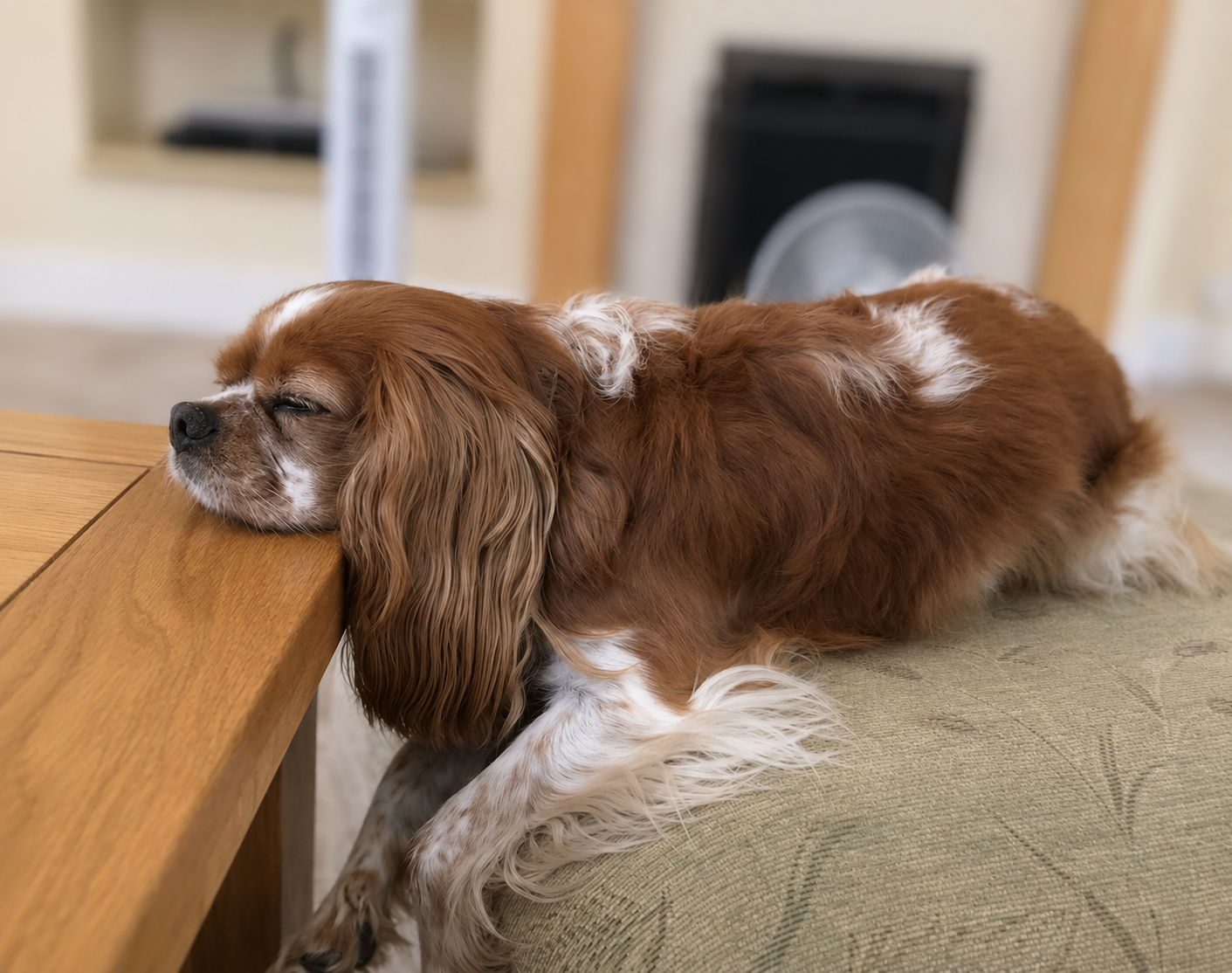
Missed doses happen. Doorbells ring. Treat jars run empty. Dogs do that sneaky “I dropped it under the sofa” thing.
General guidance many veterinarians use is:
- If you remember fairly soon, give the missed dose when you remember.
- If it is close to the next scheduled dose, skip the missed dose and return to the regular schedule.
- Do not double up unless your veterinarian specifically tells you to.
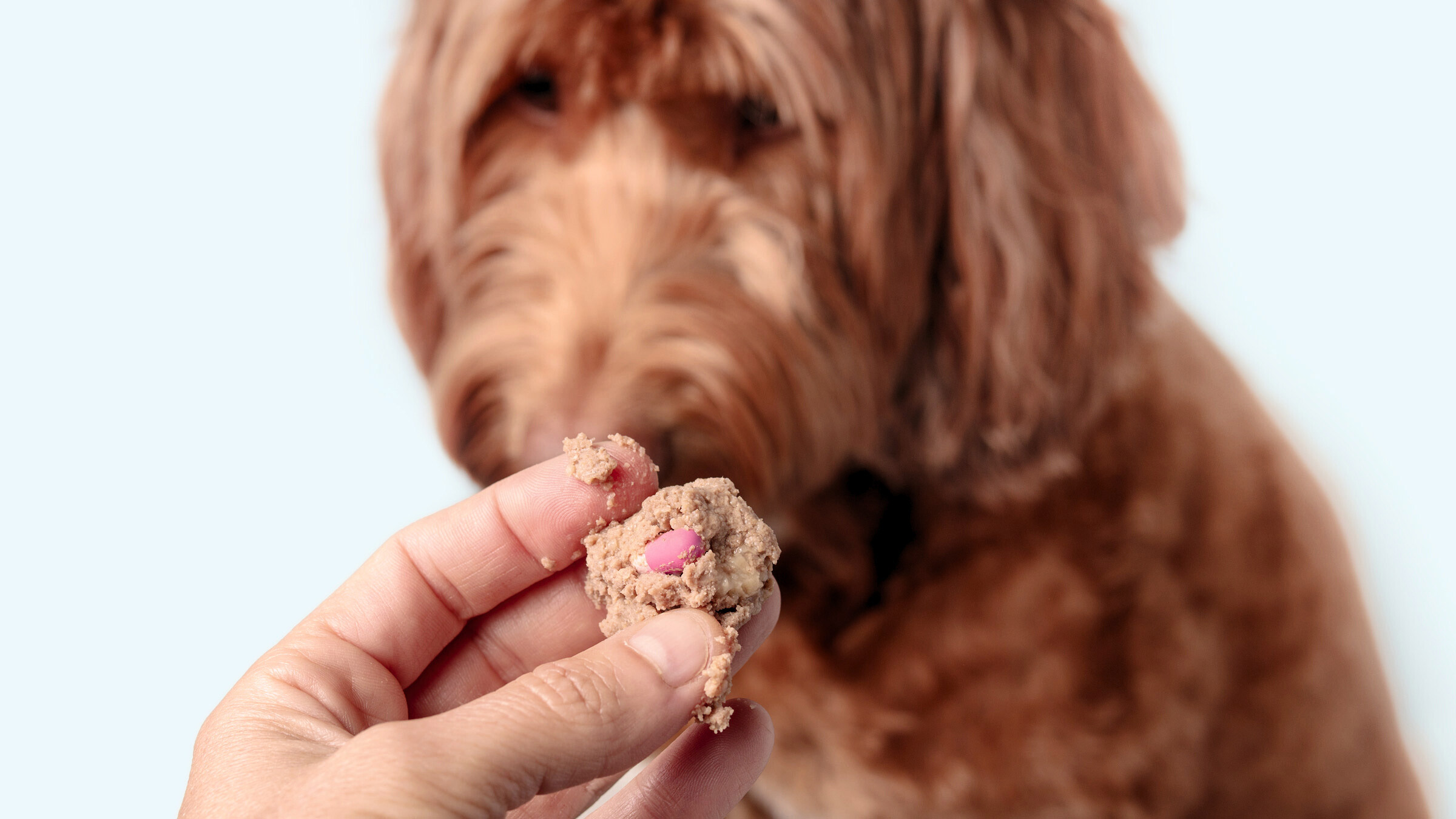
If your dog misses doses frequently, ask your vet team for practical solutions. Pill pockets, reminder alarms, or syncing doses with daily routines can help.
Common side effects
Many dogs take pimobendan without obvious side effects, but reactions can happen. Call your veterinarian if anything feels off, especially when a medication is newly started or the dose is changed.
Possible side effects owners may notice
- Decreased appetite
- Vomiting or nausea
- Diarrhea
- Lethargy or seeming less bright than usual
- Restlessness or behavior changes (less common, but worth mentioning)
- Fast heartbeat or new “fluttery” episodes you can feel or see (uncommon, but important to report)
More serious concerns to call about right away
Dogs with heart disease can worsen because the condition progresses, because fluid builds up, or because heart rhythm changes. Not every scary sign is a medication side effect, but every scary sign deserves a prompt check-in.
Call your veterinarian right away if you notice:
- Fainting or collapse
- Weakness, sudden exercise intolerance, or repeated stumbling
- Fast or labored breathing, open-mouth breathing, or breathing that looks like hard work
- Blue or gray gums
- Sudden belly swelling
- Worsening cough or a cough that suddenly changes character
If your dog is struggling to breathe, that is an emergency. Seek veterinary care immediately.
Who may need extra caution
Pimobendan is not the right fit for every heart problem. There are specific conditions where it may be avoided or used only with special care. That is why diagnosis and staging matter so much.
Also tell your veterinarian if your dog has other medical issues that can change the plan, such as kidney disease, a history of fainting, or concerns about low blood pressure.
Drug interactions and cautions
Pimobendan is often used with other cardiac medications, but combinations should be managed by a veterinarian who knows your dog’s full medical picture.
Tell your vet about everything your dog gets
Bring a list of:
- All prescriptions (heart meds, pain meds, thyroid meds, seizure meds)
- All preventatives (flea, tick, heartworm)
- Supplements and “natural” products
- Special diets and treats, especially high-sodium items
Why this matters
Some medications can affect heart rhythm, blood pressure, kidney function, and electrolyte balance. Many heart patients also take diuretics, which can change hydration and electrolytes. Your vet may recommend periodic bloodwork, blood pressure checks, and follow-up imaging to make sure the full plan stays safe.
Also, do not share pimobendan between pets. A dose meant for a 20 pound dog is not a safe close enough dose for a 6 pound dog.
How long does pimobendan take to work?
Some dogs with active heart failure signs may seem more comfortable within days once the overall medication plan is started. For dogs who are earlier in disease, you may not see a dramatic day-to-day difference. The goal can be quieter, more long-term support: helping the heart work more efficiently and, in some appropriately staged preclinical dogs, delaying progression to symptoms.
Your veterinarian is the best person to explain what success looks like for your dog, whether that means a lower resting respiratory rate, fewer cough episodes, better stamina, or improved measurements on recheck tests.

Monitoring at home
If your vet recommends it, tracking a few simple things at home can be genuinely helpful, especially for dogs at risk of congestive heart failure.
- Resting respiratory rate (RRR): Count breaths when your dog is asleep or fully relaxed. One rise and fall of the chest equals one breath. Count for 30 seconds and multiply by 2.
- Cough: Note frequency and whether it is changing.
- Appetite and energy: Any drop-off is worth writing down.
- Fainting or wobbliness: Jot down what happened and when.
A quick notes app log can make recheck appointments much more productive.
Storage and handling tips
- Store the medication as directed on the label, typically at room temperature and away from moisture.
- Keep it in a secure spot. Many dogs think heart pills smell interesting.
- If you split tablets, ask your pharmacist or veterinary team whether that is appropriate for the specific product you were dispensed.
Questions to ask your veterinarian
If you want to feel extra confident about your dog’s plan, these questions are good ones to bring to a visit or phone call:
- What heart condition are we treating, and what stage is it?
- Should pimobendan be given before meals for my dog, or is it ok with a small snack?
- What side effects do you want me to watch for first?
- Do you recommend tracking resting respiratory rate at home? If so, what number should prompt a call?
- When is our next recheck, and will we repeat X-rays, echo, bloodwork, or blood pressure?
- What should I do if my dog vomits right after a dose?
Quick FAQ
Is pimobendan the same as Vetmedin?
Vetmedin is a brand name. Pimobendan is the drug name. Your dog may receive the brand or a generic version depending on availability and your veterinarian’s preference.
Will pimobendan cure my dog’s heart disease?
No. It supports heart function and is used to help manage disease, improve comfort, and in some appropriately staged dogs delay worsening, but it does not reverse the underlying valve changes or cardiomyopathy.
Can I stop pimobendan if my dog seems better?
Do not stop or change heart medications without your vet’s guidance. Dogs can look better because the medication plan is working. Stopping suddenly can allow symptoms to return or worsen.
What if my dog spits out the pill?
If you are not sure your dog swallowed the dose, call your vet clinic for advice before re-dosing. With heart meds, maybe doses are worth clarifying so you do not accidentally give too much.
The bottom line
Pimobendan is a commonly prescribed canine heart medication that helps the heart pump more effectively and can reduce strain on the cardiovascular system. It is often used for mitral valve disease and dilated cardiomyopathy, sometimes before obvious symptoms show up in appropriately staged dogs. The key owner jobs are simple but important: give it exactly as prescribed, watch for side effects, and keep up with rechecks.
If anything about your dog’s breathing, energy, appetite, or comfort changes suddenly, trust your instincts and call your veterinarian. When it comes to hearts, quick questions are good questions.