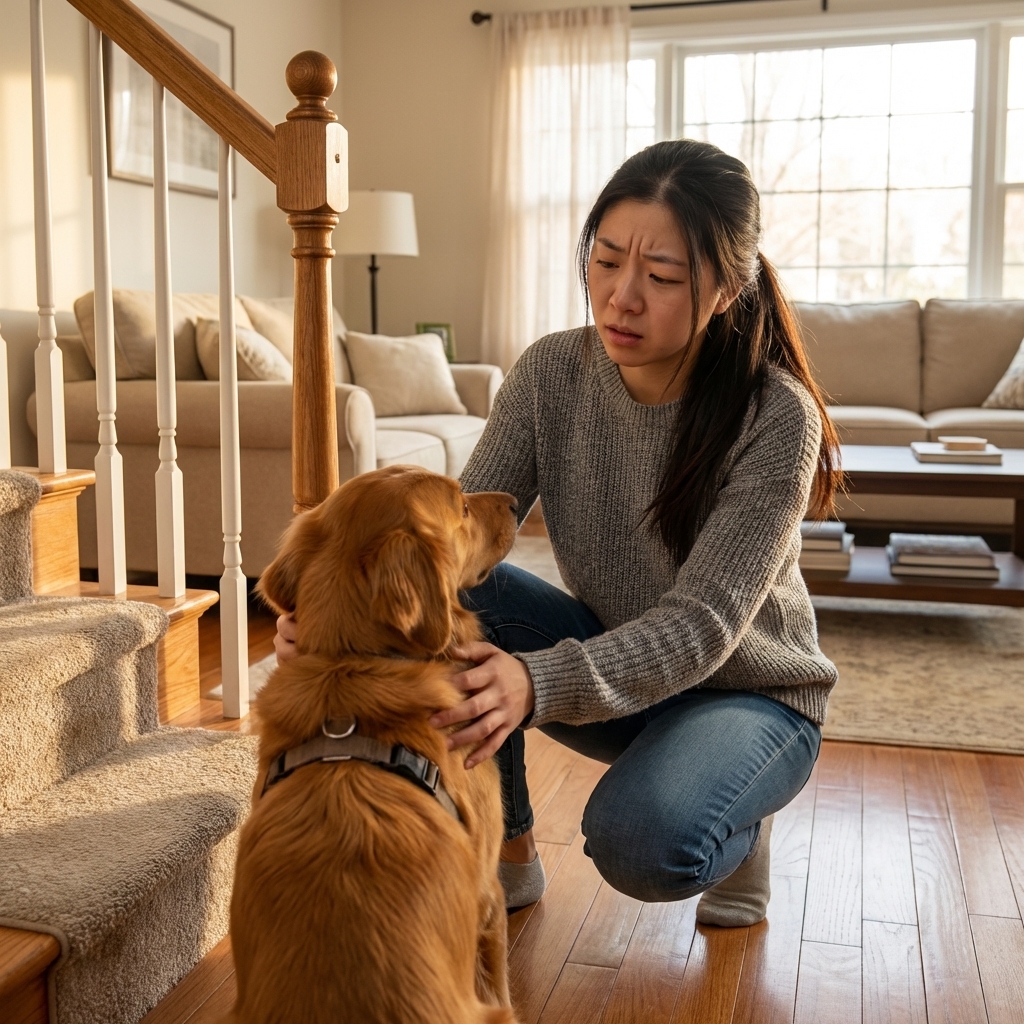
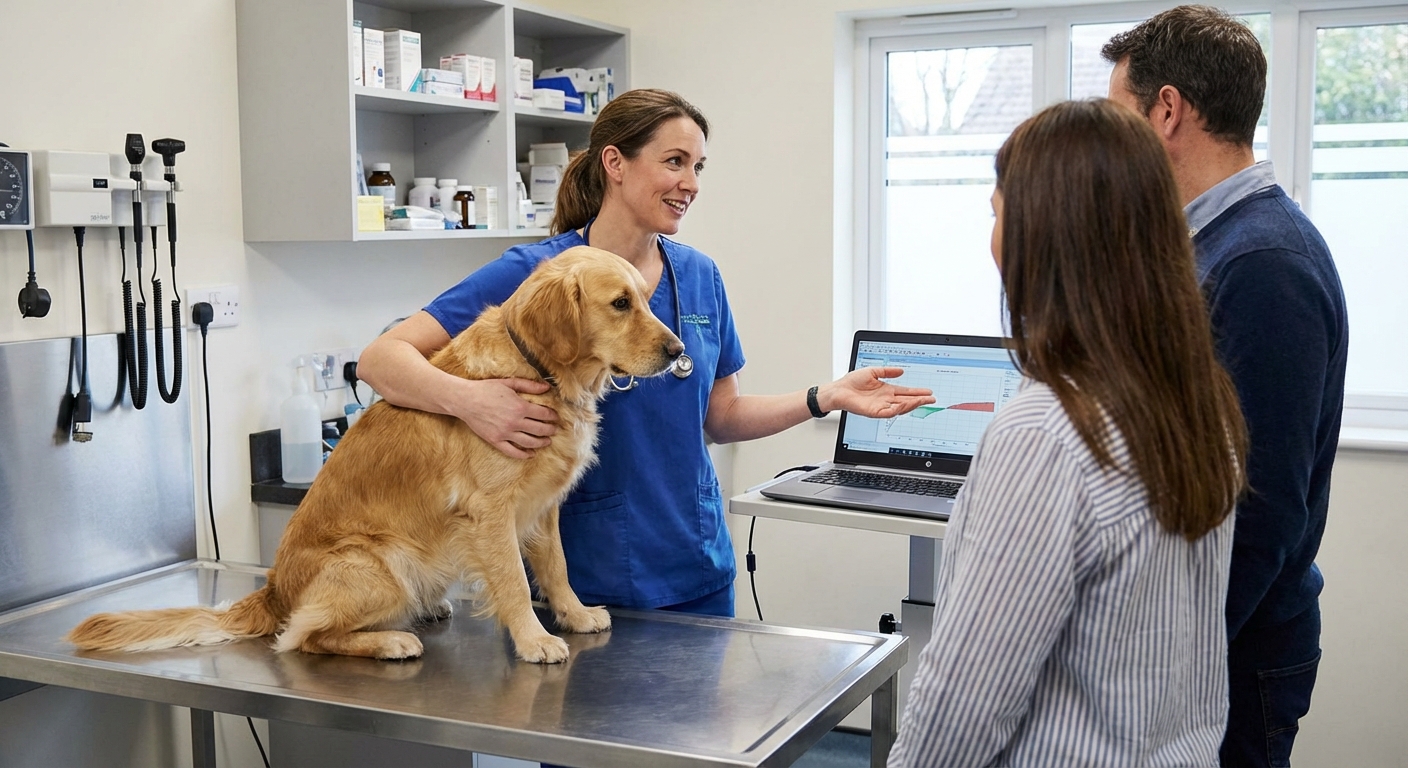
One of the scariest moments as a dog parent is watching your dog suddenly collapse. As a veterinary assistant here in Frisco, Texas, I have seen how fast panic sets in, and I get it. The hard part is that fainting and seizures can look similar at first glance, but the causes, urgency, and next steps can be very different.
This guide will help you tell the difference between fainting (syncope) and a seizure using practical clues you can actually observe in real time, like triggers, body movement, gum color, and how quickly your dog recovers. I will also share exactly what to film for your veterinarian so they can make faster, safer decisions.
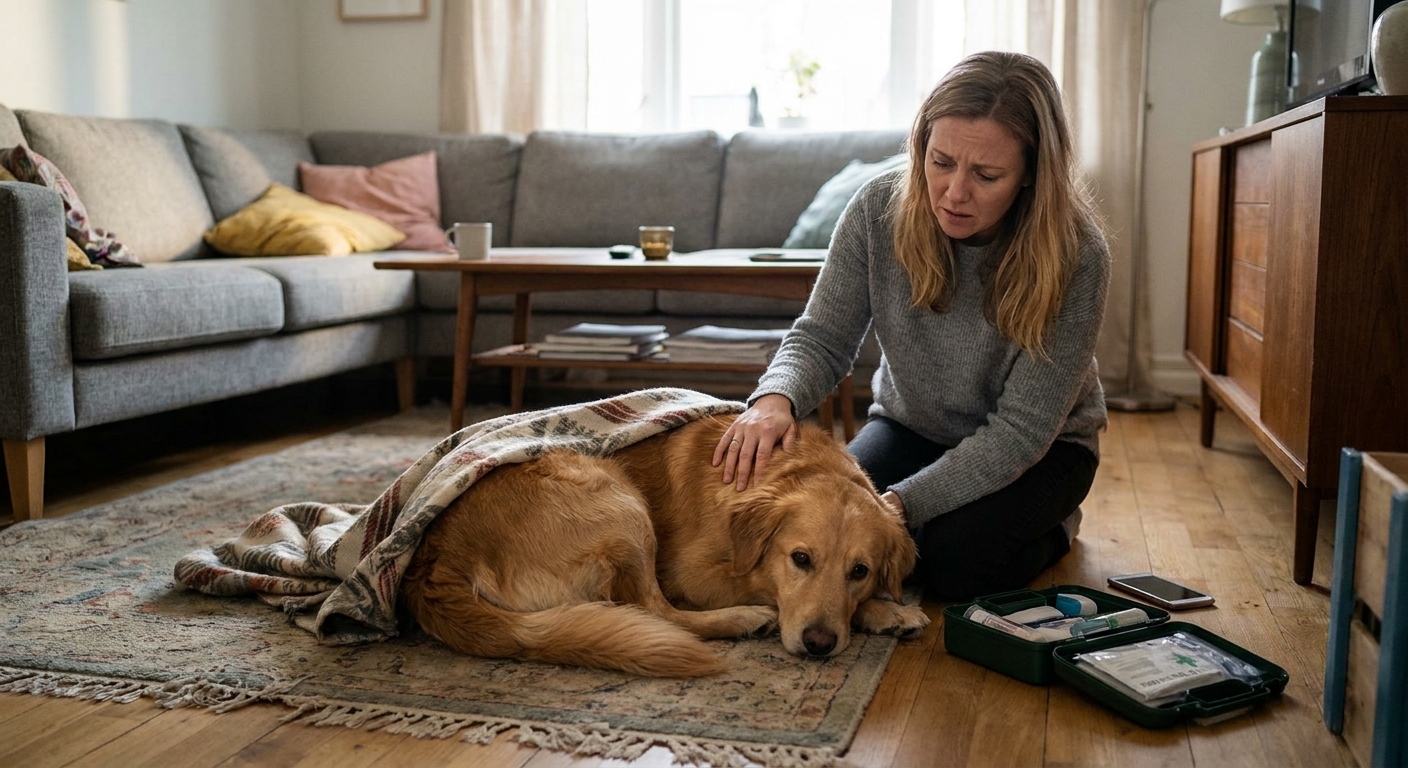
Fainting and seizures are not the same
What fainting usually is
Fainting, called syncope, is a brief loss of consciousness because the brain does not get enough oxygenated blood for a moment. In dogs, this is often tied to a heart rhythm problem (arrhythmia) or reduced cardiac output (the heart cannot pump effectively). Other causes exist, but heart-related syncope is a big one, especially if episodes repeat.
Note: syncope can also happen at rest, depending on the underlying rhythm problem or illness. A lack of an obvious trigger does not rule it out.
What a seizure usually is
A seizure is abnormal electrical activity in the brain. It can cause full body convulsions, unusual movements, loss of awareness, drooling, urination, or confusion afterward. Some seizures are obvious, and some are subtle.
Important: This page focuses on collapse that could be fainting or a seizure. If your concern is nighttime events, dreaming, or rhythmic head bobbing episodes, those can have different lookalikes and workups.
Quick comparison
No single sign is perfect. But when you stack the clues together, a pattern often becomes clear.
- Triggers: Syncope often follows exertion, excitement, coughing, or straining. Seizures can happen at rest or with no obvious trigger.
- Movement: Seizures often cause rhythmic stiffening and paddling. Fainting tends to look like a sudden collapse with limpness, though brief twitching can still happen.
- Gum color: Pale, gray, or bluish gums during an episode can point toward poor circulation or oxygenation, which raises concern for syncope or respiratory compromise.
- Recovery speed: Syncope often has a fast recovery, sometimes within seconds to a couple of minutes. Seizures often have a longer recovery with confusion or disorientation.
- After effects: Post-seizure confusion, pacing, hunger, clinginess, or temporary blindness are common after seizures and less typical after simple fainting.
Triggers
What your dog was doing in the minute before they went down is one of the biggest clues.
Triggers that fit fainting (syncope) more often
- Exercise or exertion: running, playing fetch, zoomies, climbing stairs
- Excitement: doorbell, visitors, leash coming out, greeting you
- Coughing fits: collapsing right after a coughing spell
- Straining: trying to poop, especially if constipated
- Hot weather: heat can worsen heart and airway problems and can also cause heat illness
If you find yourself saying, “It happened right after a burst of activity,” syncope rises on the list.
Triggers that fit seizures more often
- No obvious trigger: your dog was resting or calmly walking and suddenly had an episode
- A consistent time pattern: episodes that occur in a similar context each time (not always, but it happens)
- Known seizure history: a prior diagnosis makes seizure recurrence more likely
That said, some dogs do have seizures during excitement or activity. Use triggers as one piece of the puzzle, not the only one.
Movement
What fainting can look like
Syncope often looks like a power off moment. Many dogs simply drop or crumple. The body may be limp. Some dogs will briefly stiffen, or have a few involuntary jerks because the brain is momentarily short on oxygen. That can confuse the picture and make an owner think it was a seizure.
Common descriptions I hear for syncope:
- “He just collapsed like his legs gave out.”
- “She went down and then popped back up fast.”
- “It was like she fainted.”
What seizures can look like
Generalized seizures often include some combination of:
- Stiffening followed by rhythmic paddling
- Jaw chomping or facial twitching
- Drooling or foaming
- Urination or defecation
- Loss of awareness and inability to respond to you
Not every seizure has dramatic paddling, but rhythmic, repeated movements and a longer “out of it” period make seizure more likely.
If you are unsure, film safely. A clear video can be more valuable than any description you can give under stress.
Gum color and breathing
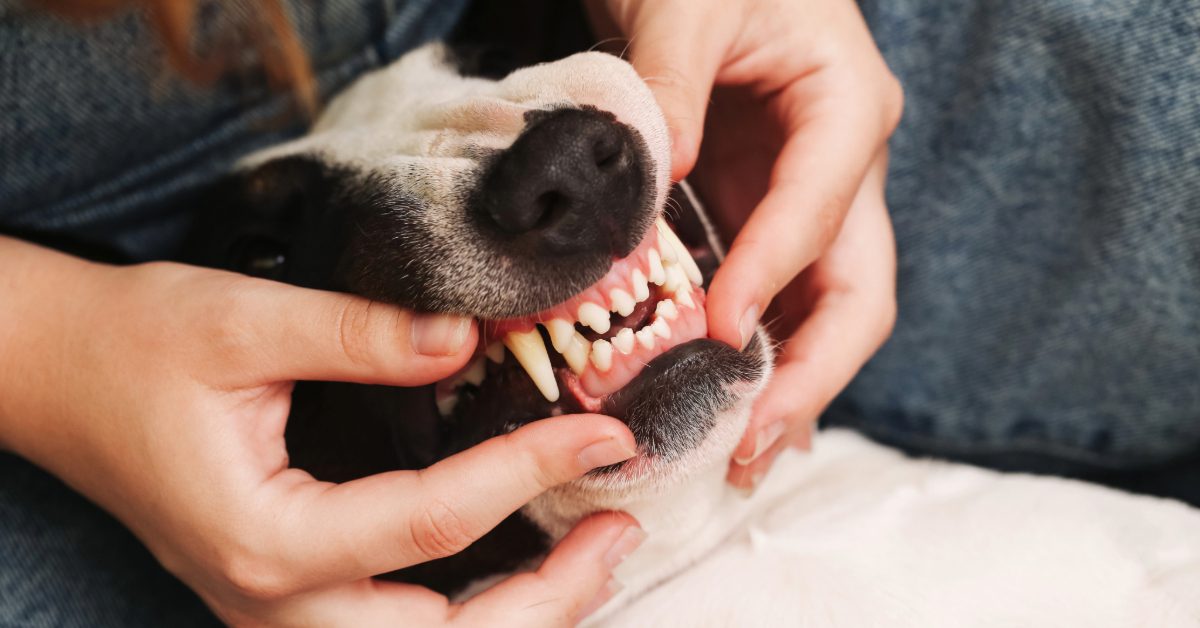
During and right after the episode, look at gum color if you can do it without getting bitten or panicking your dog.
Gums that make me worry about syncope or oxygen problems
- Pale (almost white)
- Gray
- Bluish or purple-tinged (especially the tongue)
Those colors can suggest poor circulation or poor oxygenation. This does not confirm a heart problem by itself, but it is a strong reason to seek urgent veterinary care.
One practical note: true blue or purple discoloration can be hard to judge in some lighting and on some dogs with darker pigmentation. And gums can look fairly normal even when something serious is going on. If your gut says this was not normal, please call.
What gums look like with many seizures
Many dogs have normal pink gums during a seizure, though breathing can be noisy, irregular, or they may hold their breath briefly. If your dog is turning blue, struggling to breathe, or not waking up quickly, that is an emergency either way.
Check breathing pattern if you can
- Syncope: breathing may pause briefly, then may normalize quickly as they wake
- Seizure: breathing may be irregular during the event, then they may pant and act restless afterward
Recovery speed
This is one of the most helpful differences.
Syncope recovery tends to be fast
Many dogs recover from fainting very quickly, sometimes in seconds. They may look startled, then act close to normal. Some are tired afterward, but not typically disoriented for long.
Seizures often have a post-event phase
After a seizure, many dogs go through a postictal period, which can last minutes to hours. You might see:
- Confusion or “not recognizing you”
- Pacing, restlessness
- Temporary clumsiness
- Increased hunger or thirst
- Temporary vision changes
If your dog seemed mentally “off” after the collapse, a seizure becomes more likely.
Other lookalikes your vet may consider
Not every sudden fall is syncope or a seizure. If your veterinarian asks questions that seem “off topic,” they are often trying to rule out these common lookalikes:
- Vestibular episodes: sudden loss of balance, head tilt, eye flicking (nystagmus), rolling or falling while still aware
- Low blood sugar (hypoglycemia): especially in puppies, toy breeds, diabetics, or after missed meals
- Toxins: certain medications, recreational drugs, insecticides, or toxic foods can cause tremors, weakness, collapse, or seizures
- Severe pain or orthopedic issues: slipping, back pain, sudden limping, or a leg giving out can look like “collapse”
- Allergic reaction (anaphylaxis): sudden weakness, vomiting, facial swelling, hives, pale gums
- Narcolepsy or cataplexy: emotion-triggered “collapse” where the dog may remain aware
This is another reason videos and a clear timeline matter so much.
What to film for your veterinarian
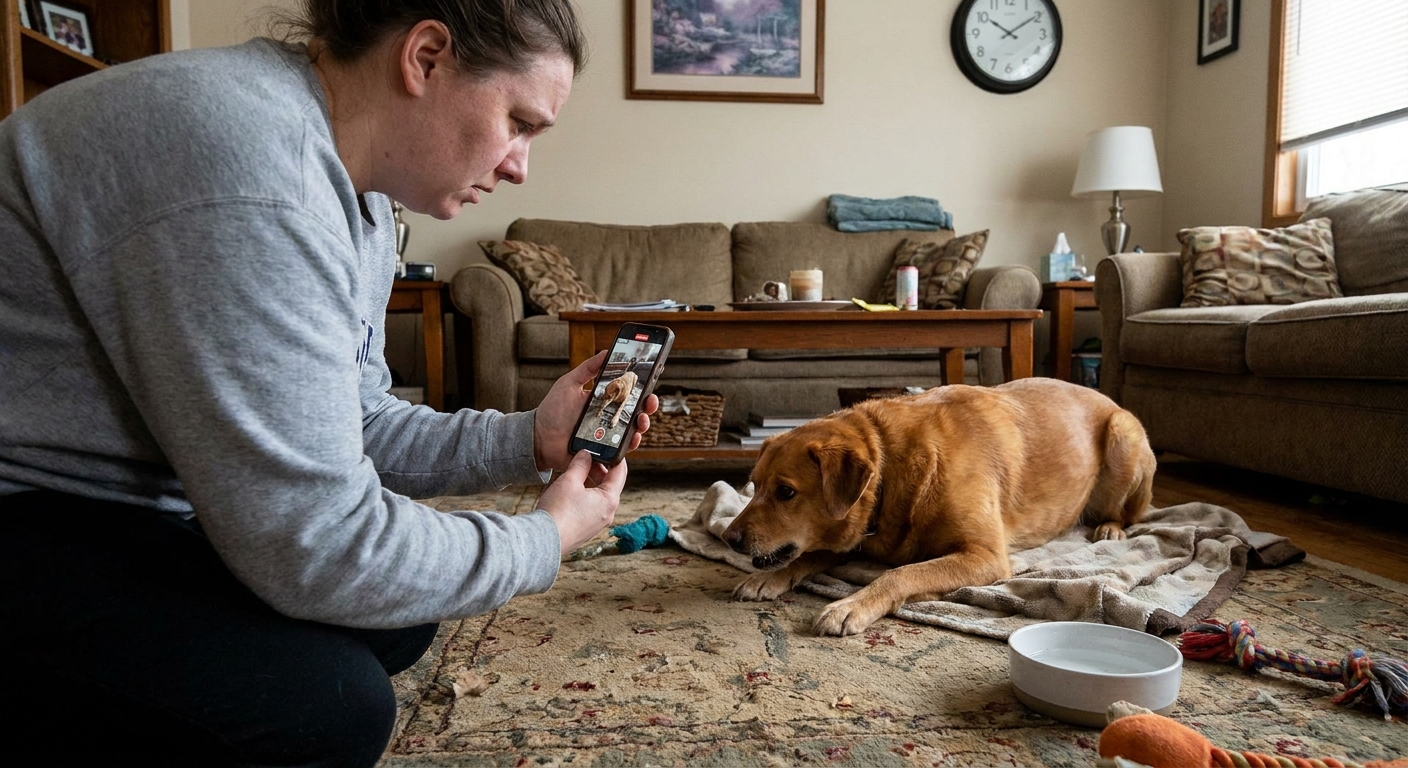
I know it is hard to think clearly when your dog is down. If you can safely record, here is what helps your vet the most.
Film the whole body if possible
- Start with a wide shot so we can see posture and limb movement
- Then move closer to the face to capture eyes, jaw, drool, and breathing
Try to capture these details
- What started first: collapse, stiffening, coughing, gagging, or paddling
- Eye position: normal, wide, staring, or rolled back
- Breathing and sounds: quiet, gasping, noisy inhale, coughing
- Gum and tongue color if you can safely show it
- Duration: use the phone timer or say the time out loud
Do not put yourself at risk
During seizures, some dogs may bite unintentionally. Keep hands away from the mouth and focus on filming from a safe angle.
What to do right now
Whether it is fainting or a seizure, your goal is safety and fast information gathering.
Step 1: Keep your dog safe
- Move furniture away.
- Block stairs.
- Turn off loud noise and keep other pets back.
Step 2: Check breathing and responsiveness
- If your dog is not breathing normally, has blue gums, or is not waking up quickly, treat it as an emergency.
- If your dog is breathing but cannot stand, keep them warm and quiet while you arrange immediate veterinary care.
Step 3: Note the essentials
- What your dog was doing right before it started
- How long the episode lasted
- Gum color (if you can check safely)
- How quickly they recovered
- Any medications, supplements, or recent changes (bring the list with you)
Step 4: Call your veterinarian or an emergency clinic
Collapse is not something to watch and wait on, especially if it happens more than once, happens during exercise, or your dog has known heart disease, a heart murmur, or is on heart medications.
What not to do
- Do not put your fingers near your dog’s mouth during a seizure.
- Do not try to force water, food, or pills until your dog is fully alert and able to swallow normally.
- Do not give human medications unless a veterinarian specifically instructs you to.
When it is an emergency
Please seek emergency care right away if any of the following are true:
- Your dog is not breathing normally or you see blue, purple, gray, or very pale gums.
- Your dog remains unconscious, severely weak, or unable to stand after the episode.
- The episode lasts more than 2 to 3 minutes, or episodes repeat back to back.
- The collapse happened with exercise, excitement, or after a coughing fit.
- Your dog has known heart disease, a history of arrhythmia, or is being treated for congestive heart failure.
If your dog is very young, very old, pregnant, or has other major medical conditions, I recommend a lower threshold for going to an emergency clinic or calling an ER for guidance.
What your vet may recommend
Your veterinarian will use the story you tell, your video, and an exam to decide which direction to prioritize. Home clues are helpful, but only a veterinary exam and testing can diagnose the true cause.
Common next steps when fainting is suspected
- Heart auscultation for murmurs or rhythm issues
- ECG to look for arrhythmias
- Chest X-rays to evaluate heart size and lungs
- Echocardiogram if structural heart disease is suspected
- Blood pressure and lab work
Common next steps when seizures are suspected
- Neurologic exam
- Baseline lab work to check for metabolic triggers
- Medication discussion depending on frequency and severity
- Advanced imaging or referral in select cases
Even if you are fairly sure what you saw, keep an open mind. Some dogs can have both heart disease and seizures, and occasionally one can mimic the other.
FAQ
Can a dog faint and look like they are having a seizure?
Yes. A fainting episode can include brief stiffening or a few jerky movements because the brain is temporarily not getting enough oxygenated blood. That is why the trigger and recovery speed matter so much.
My dog collapsed, then got up like nothing happened. Is that more like fainting?
A quick “down then up” recovery pattern often fits syncope more than a seizure, especially if it followed excitement or exercise. But it still needs a veterinary workup because arrhythmias can be intermittent and serious.
Do pale gums always mean a heart problem?
No. Pale gums can also occur with shock, blood loss, severe pain, or other critical illness. But during a collapse episode, pale or blue gums are a strong reason to seek urgent care.
What is the single most helpful thing I can bring my vet?
A clear video plus notes on what happened right before the episode and how long it lasted. Those details help your veterinarian decide whether to focus first on the heart, the brain, or both.
Take a breath, then act
If you are reading this because your dog just collapsed, please know you are not alone. Start with safety, film if you can, check gum color and breathing, and call a veterinary clinic right away. The faster we can sort out fainting versus seizure, the faster we can treat the real cause and keep your dog safer moving forward.