
cats
Browse articles in cats on Designer Mixes
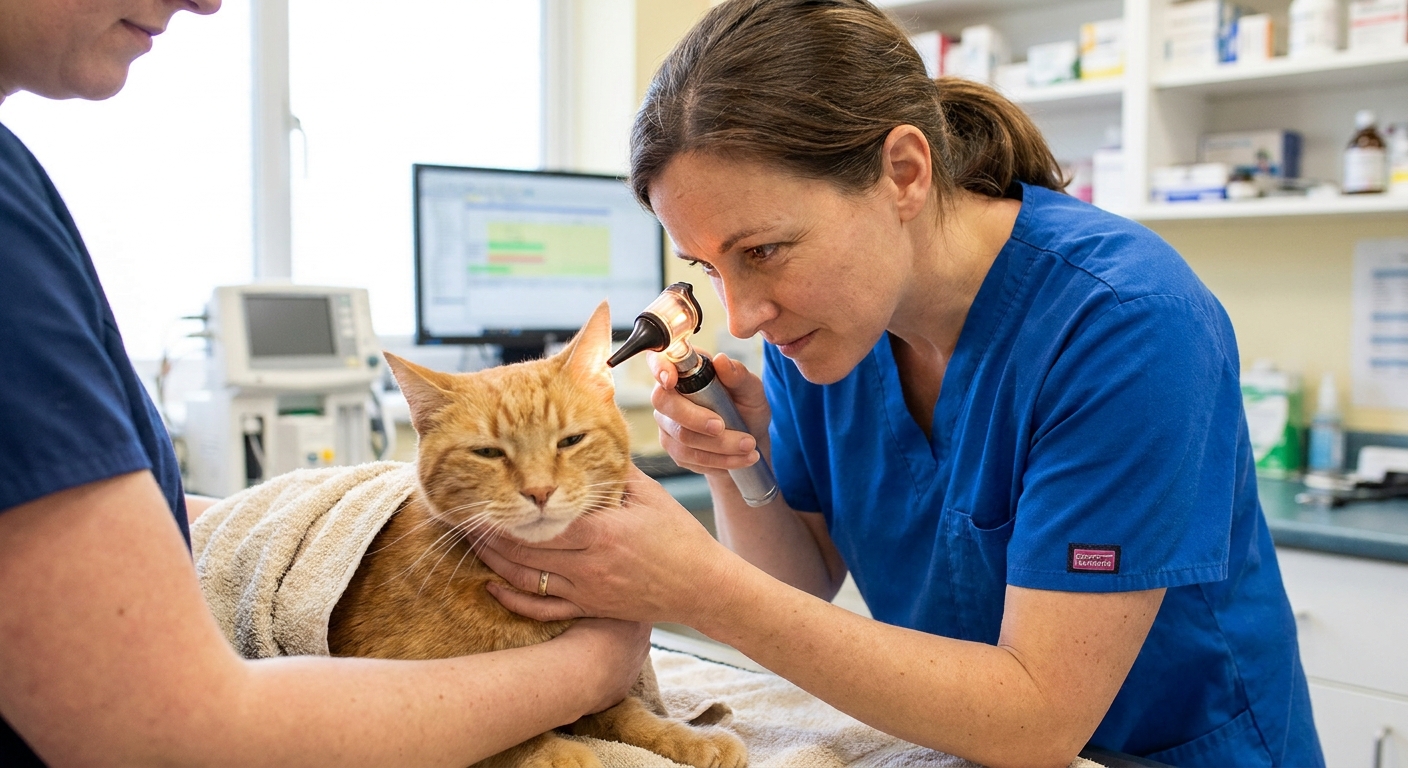
How Can I Tell If My Cat’s Eardrum Has Ruptured?
I’m Shari Shidate, a veterinary assistant in Frisco, Texas, and I want to start with the most important truth: you usually cannot confirm a ruptured eardrum at home. The eardrum, also called the tympanic membrane, sits deep in the ear canal. If it is torn or open, some ear medications and cleaners...
Read more →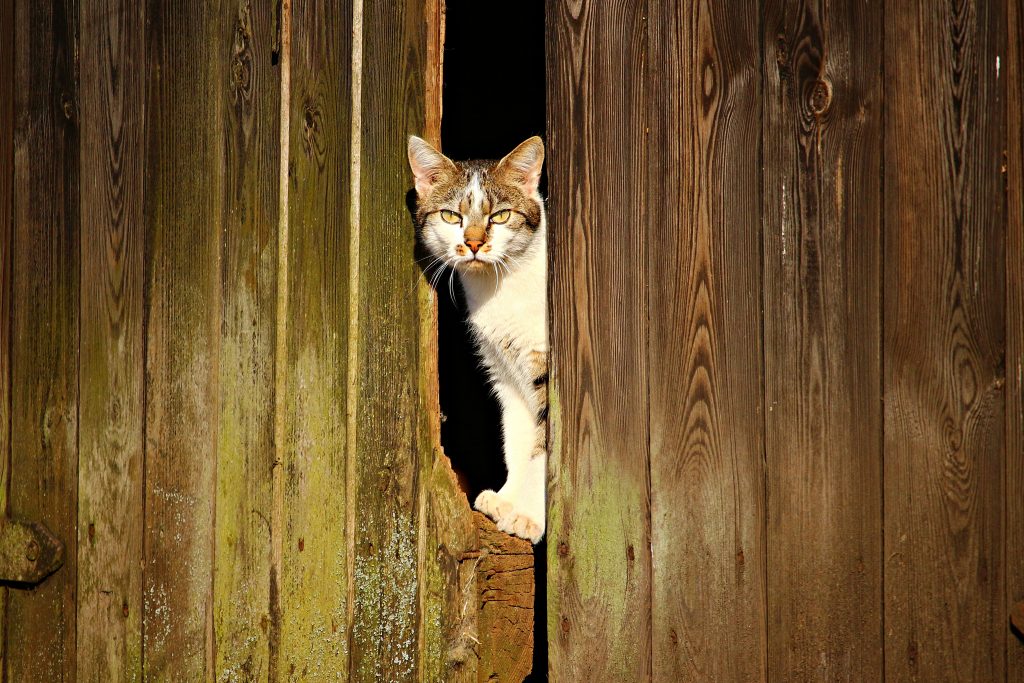
What Is a Barn Cat Program?
When I tell people I work with cats, I hear the same thing all the time: “I want to help, but I cannot take home a shy cat that hides under my bed for six months.” That is exactly why barn cat programs exist. A barn cat program, sometimes called a working cat program, places unsocialized or poorly...
Read more →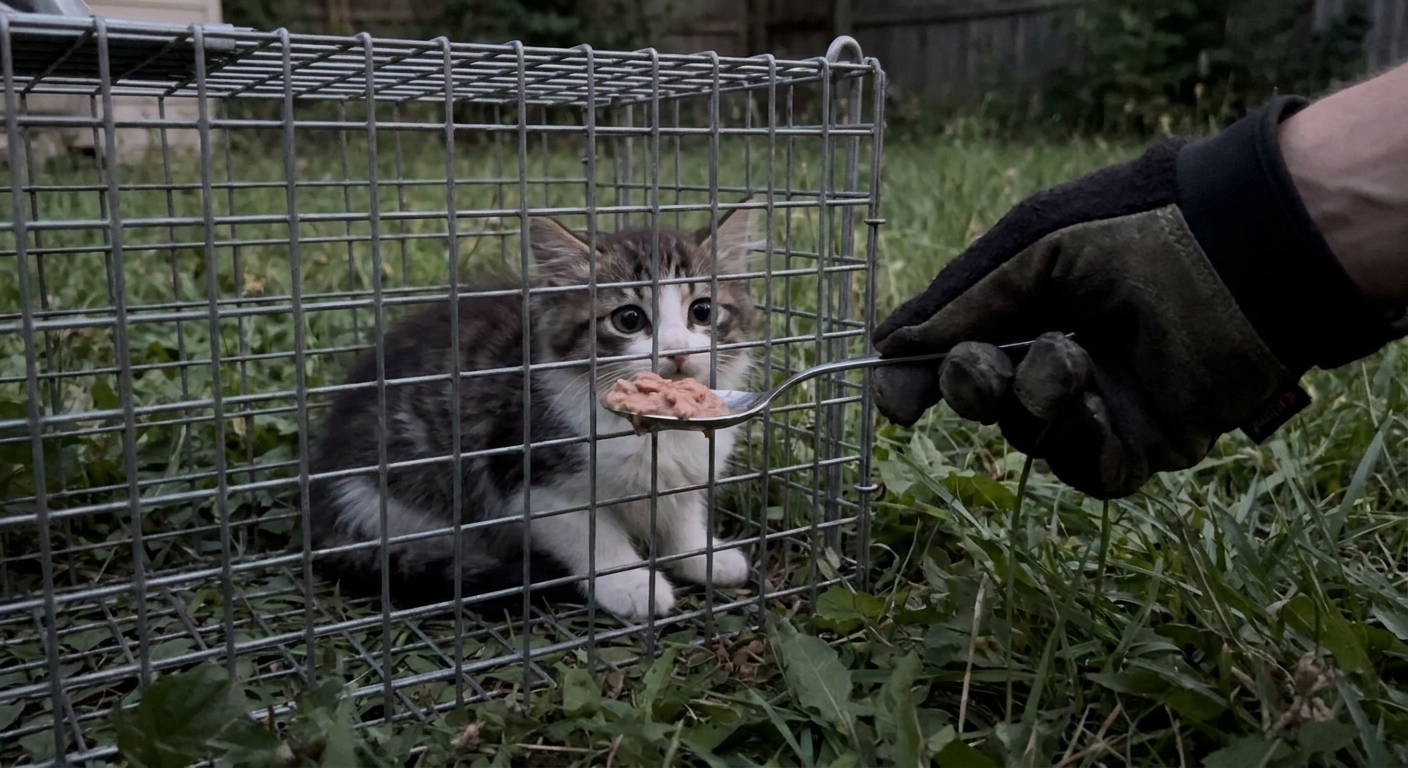
When a Feral Kitten Can Still Be Socialized
I’m a veterinary assistant in Frisco, Texas, and one of the most common questions I hear in kitten season is some version of: “How old is too old to tame a feral kitten?” It’s a loving question, and it matters because the answer changes what is kind, realistic, and safest for the kitten and for...
Read more →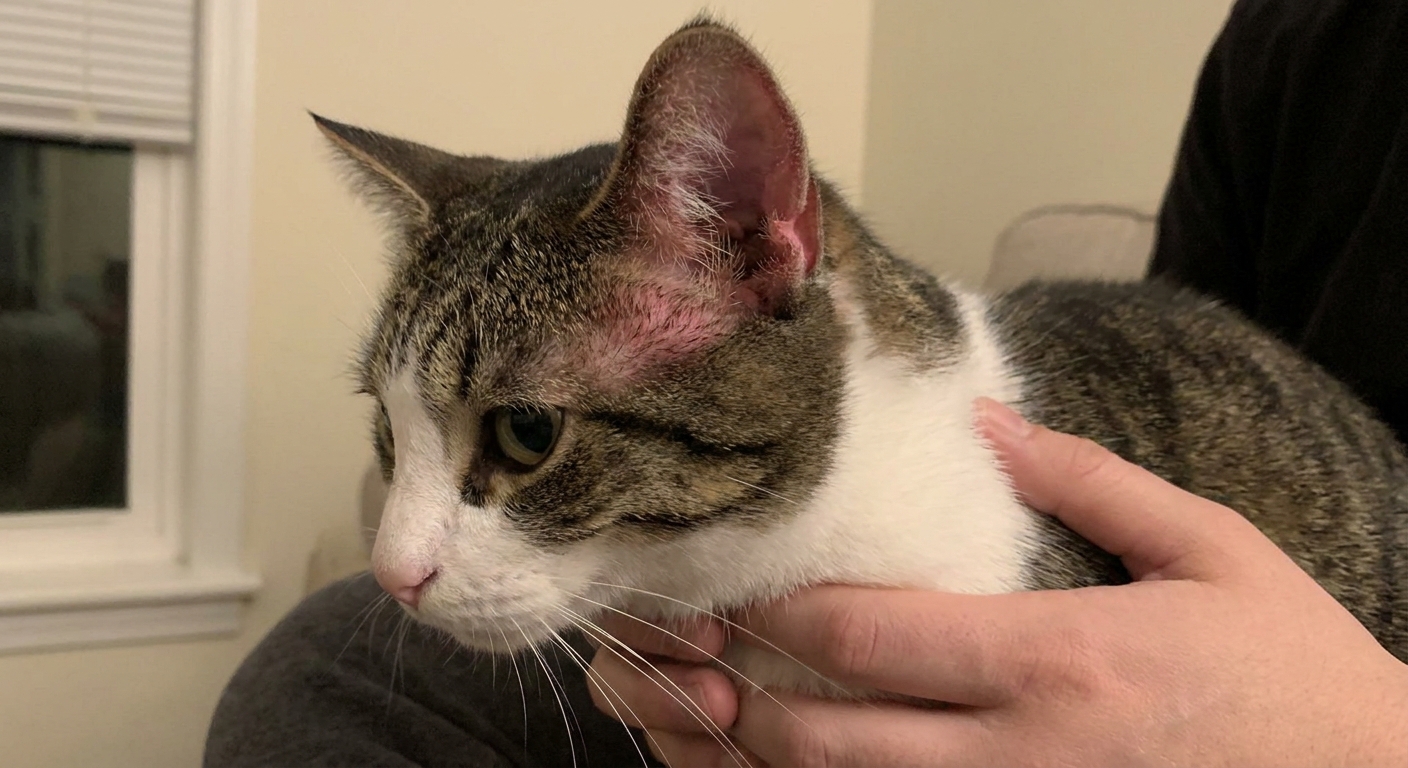
Ear Hematoma in Cats
I have had cat parents come into the clinic absolutely panicked because their cat’s ear suddenly looked like a puffy pillow. If you are seeing a swollen, fluid-filled ear flap, you may be looking at an ear hematoma (also called an aural hematoma ). It looks dramatic, and it can be uncomfortable,...
Read more →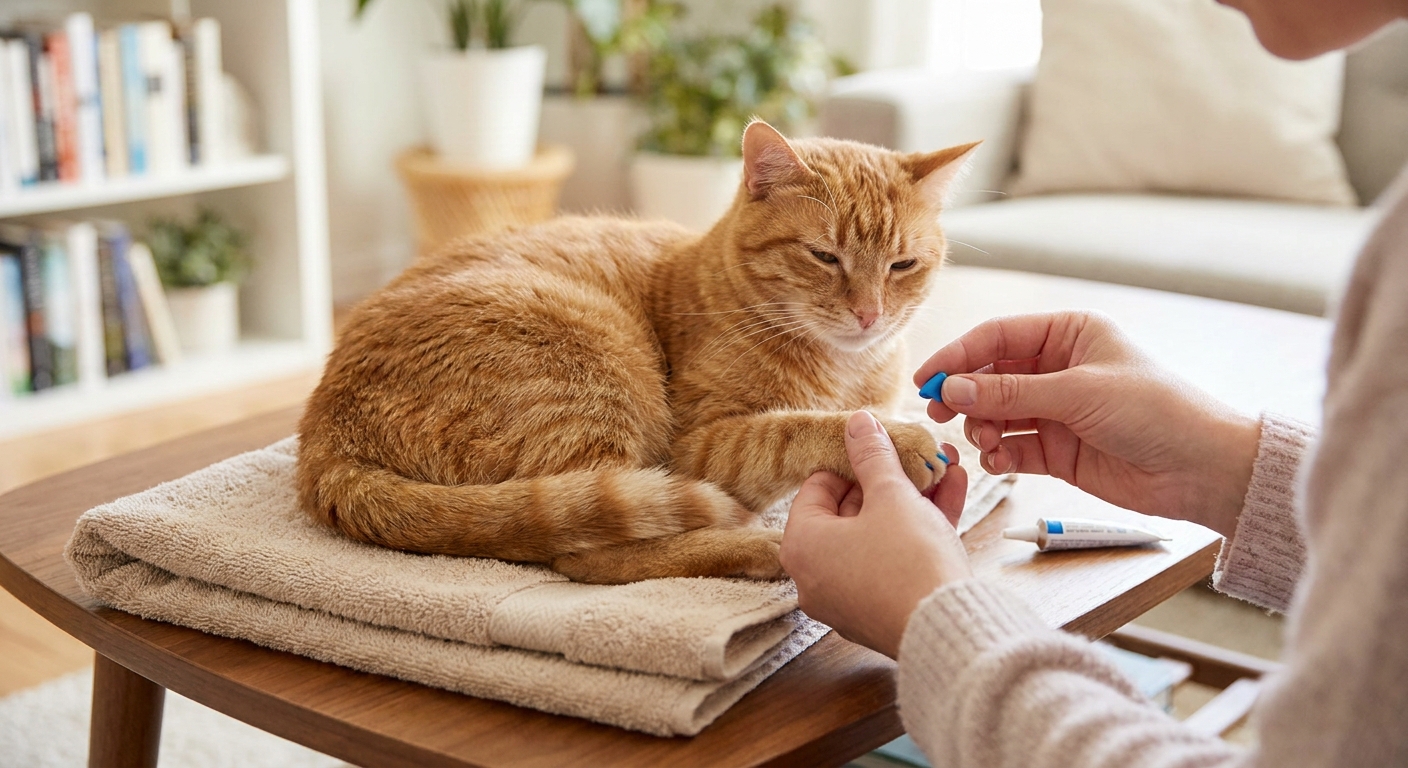
Soft Nail Caps for Cats
As a veterinary assistant here in Frisco, Texas, I meet a lot of sweet cats who are not trying to be “bad” when they scratch. They are just being cats. Scratching is normal behavior, and even a well-timed nail trim does not always stop the damage to furniture or the accidental scratches on kids and...
Read more →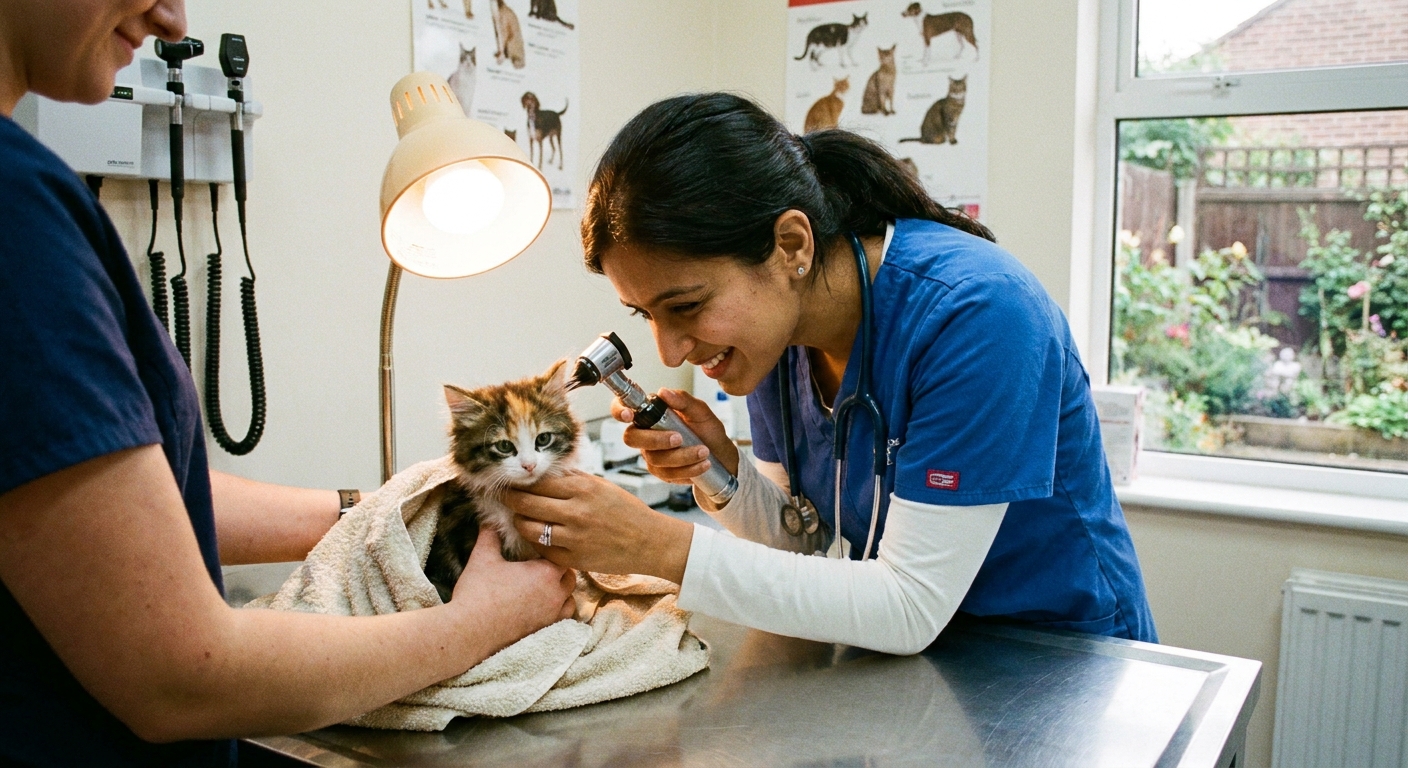
Nasopharyngeal Polyps in Cats
I am Shari Shidate, a veterinary assistant in Frisco, Texas, and one of the toughest patterns I see in young cats is the “ear infection that just will not quit.” A kitten gets ear gunk on one side, maybe a funky smell, maybe a head tilt, and the usual ear mite treatment or medicated drops help for...
Read more →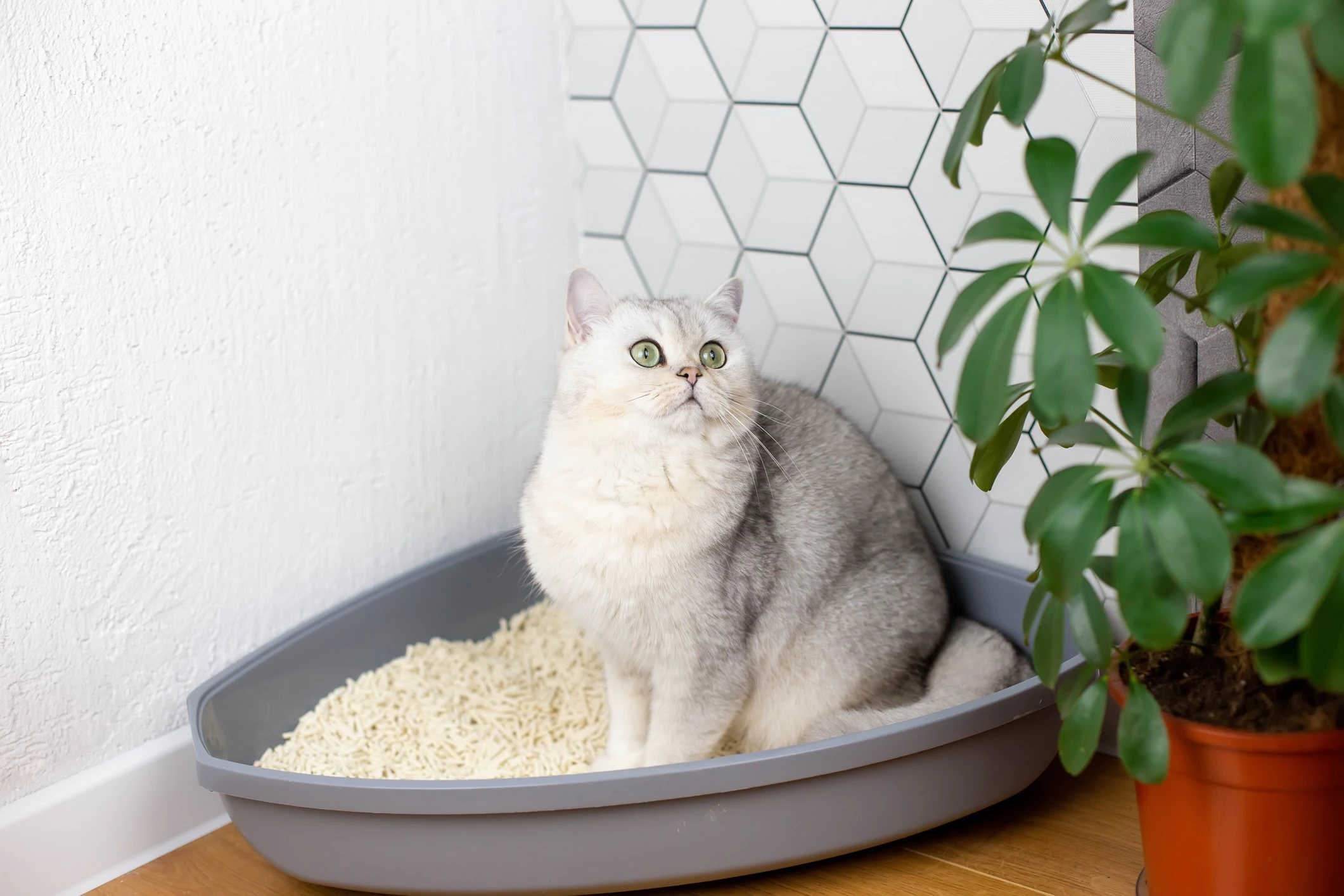
Living With a Declawed Cat
I am Shari Shidate, a veterinary assistant in Frisco, Texas, and I have a soft spot for cats that have had a rough start. When a cat is already declawed, the most helpful thing we can do is focus on comfort, confidence, and prevention. Declawing is not just “removing nails.” It changes how a cat...
Read more →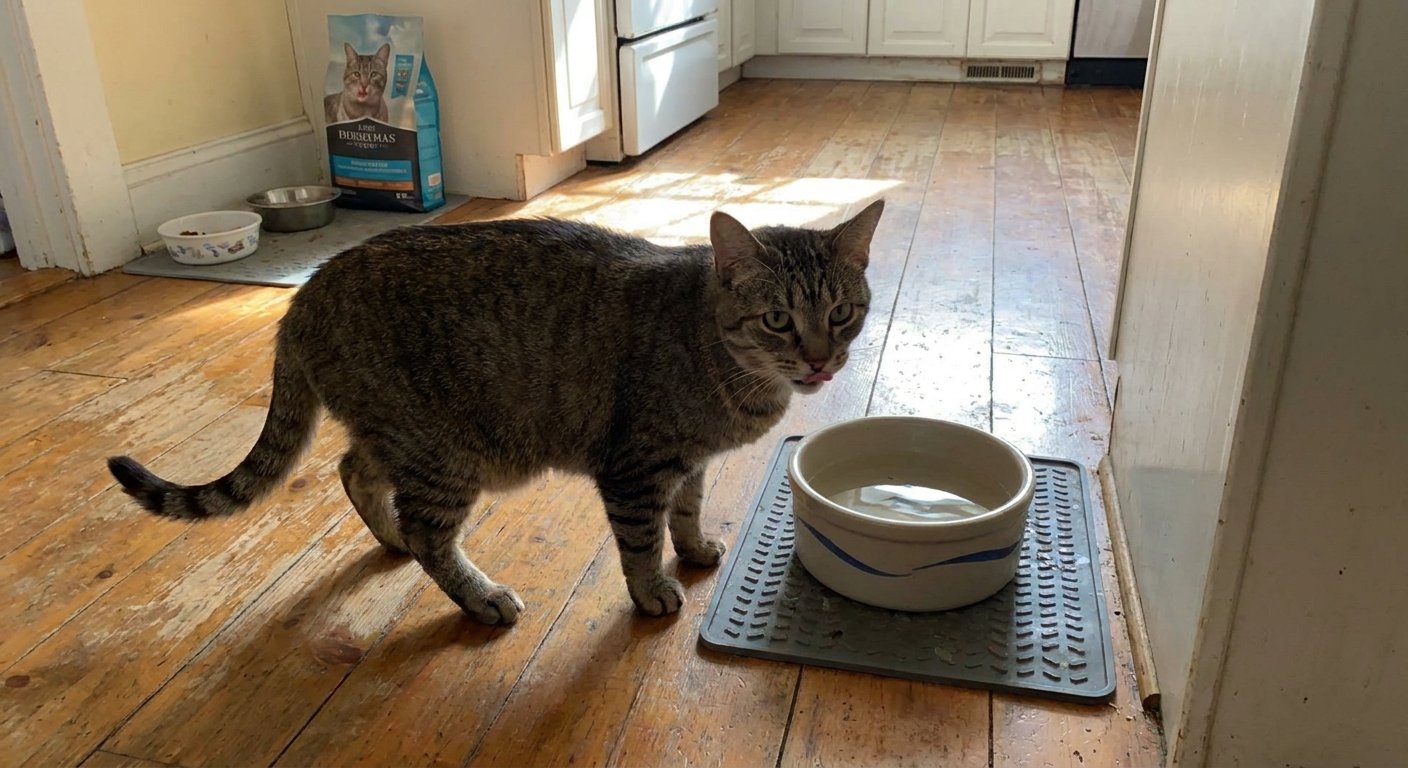
Bexacat and Senvelgo for Diabetic Cats
As a veterinary assistant here in Frisco, Texas, I have watched feline diabetes go from “rare” to something we talk about all the time. The newest question I hear is completely understandable: “Can my cat take a pill instead of insulin?” Two newer oral medications, Bexacat and Senvelgo , are in a...
Read more →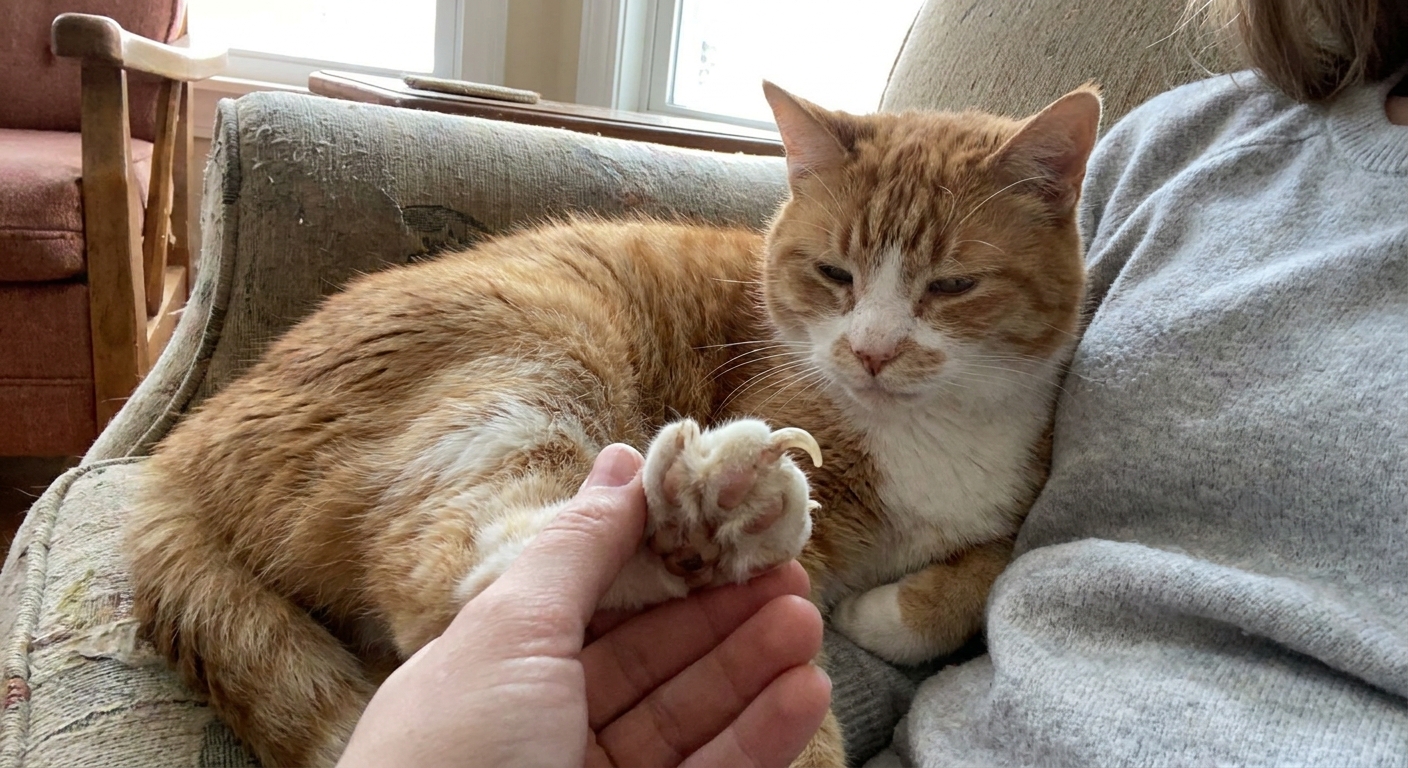
What Do Ingrown Claws Look Like in Senior Cats?
As a veterinary assistant here in Frisco, Texas, I can tell you ingrown claws are one of those “quiet” problems that can get painful fast, especially in senior cats. Older cats often nap more, scratch less, and may not wear their nails down like they used to. The claw keeps growing, curves tighter,...
Read more →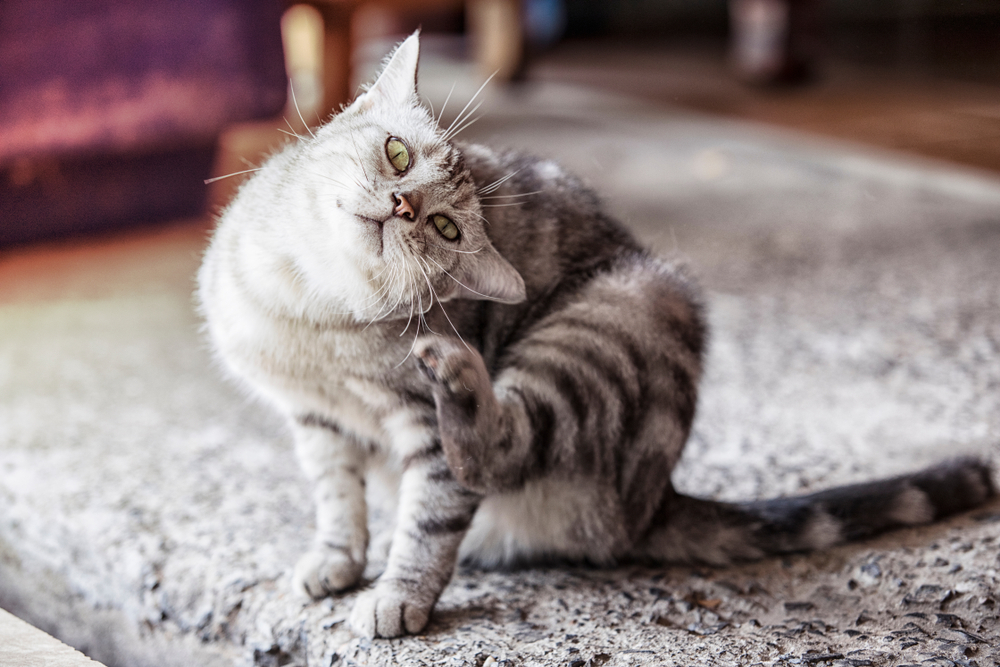
Can Humans Catch Ear Mites From Cats?
In most households, humans do not truly “catch” ear mites from cats in a way that leads to an ongoing infestation . The most common ear mite in cats and dogs, Otodectes cynotis , is adapted to live on pets. That said, people can occasionally get temporary itching or a small rash after close contact...
Read more →
Mast Cell Tumors in Cats: Skin vs Internal Disease
When someone tells me their cat has a “mast cell tumor,” the first thing I ask is a very calm follow-up question: Where is it? In cats, mast cell tumors (MCTs) often fall into two big buckets, skin and internal (most commonly the spleen or intestinal tract ). The day-to-day experience for your cat,...
Read more →
Why Is There Mucus in My Cat's Poop?
When you scoop the litter box and see poop that looks coated in mucus or has a jelly-like layer , it can be alarming. I get it. As a veterinary assistant here in Frisco, Texas, I have talked with plenty of cat parents who are worried they are looking at something serious. Mucus is not always an...
Read more →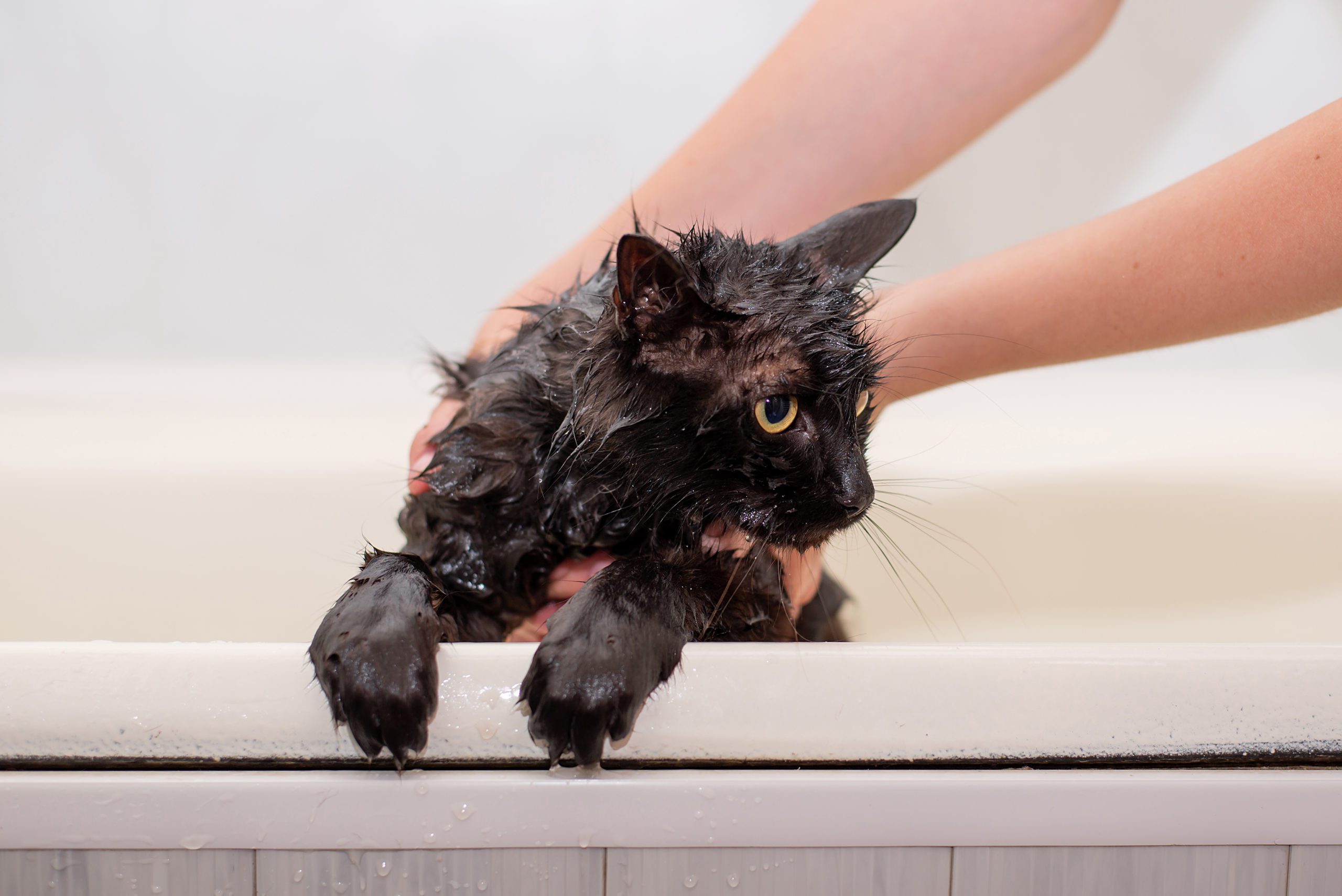
How to De-Skunk a Cat Safely
Skunk spray on a cat is one of those emergencies that feels more "gross" than dangerous, until you remember one big cat fact: cats groom fast. And that means whatever you put on the fur can end up in the mouth, and skunk spray itself can irritate eyes and airways. I am a veterinary assistant in...
Read more →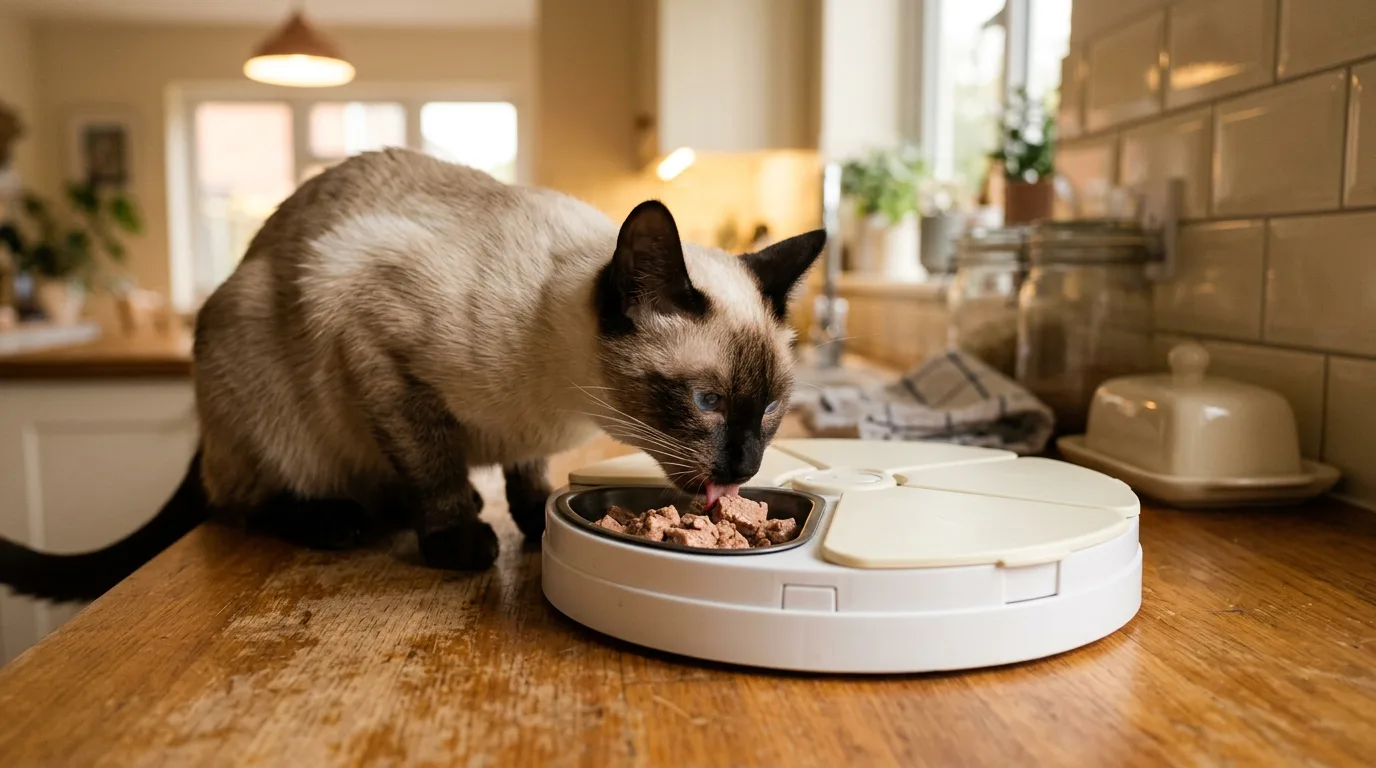
Cat Food Testing Finds Heavy Metals and Plastic Chemicals Across Popular Brands
Cats are creatures of habit. Many eat the same food every day for years. That consistency can make nutrition simpler, but it also means whatever is in the bowl can become a steady source of exposure over a lifetime. In testing of 100 cat food products across 62 brands , heavy metals were nearly...
Read more →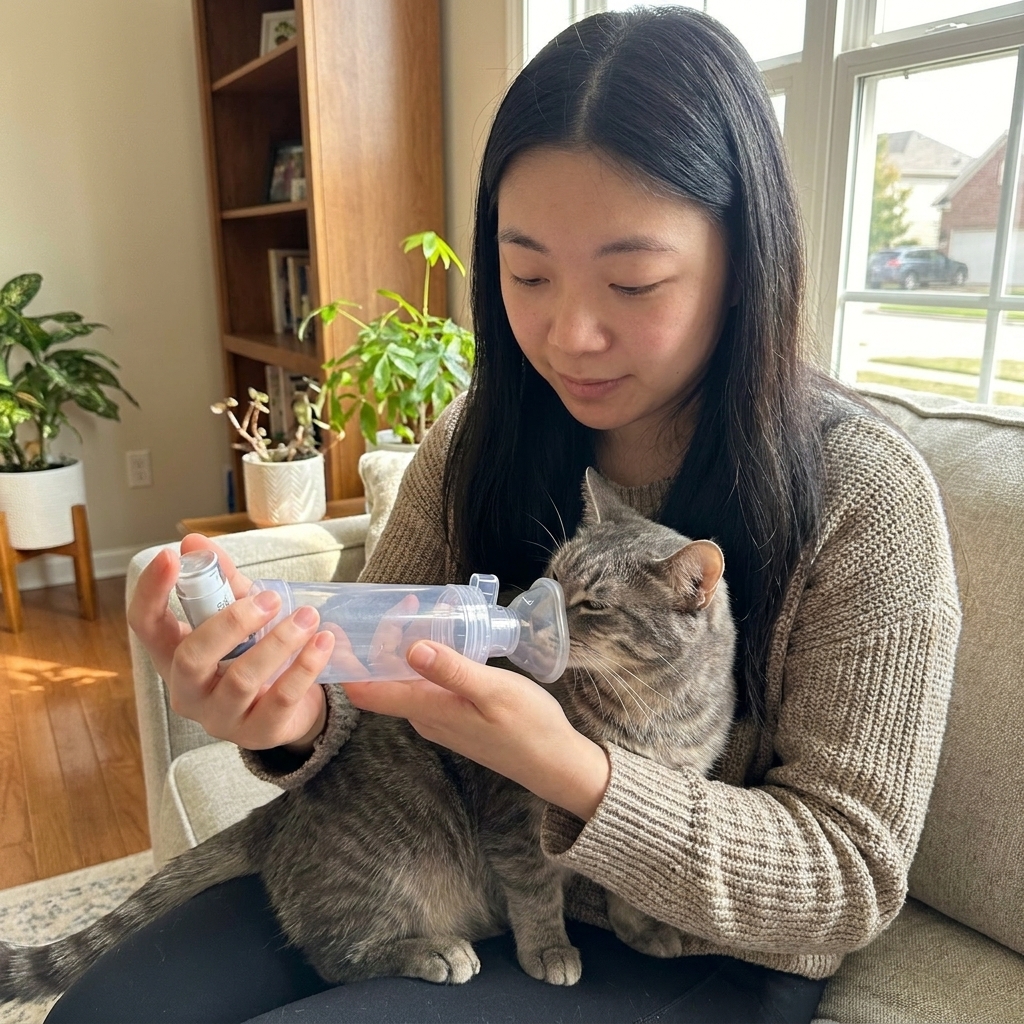
Feline Asthma: Inhalers, Flare-Ups, and Emergencies
If you have ever watched your cat crouch low, stretch their neck, and breathe fast with a tight, wheezy effort, you know how scary feline asthma can feel. The good news is that many cats do very well with the right plan. Asthma care is usually about two things: long-term control to reduce...
Read more →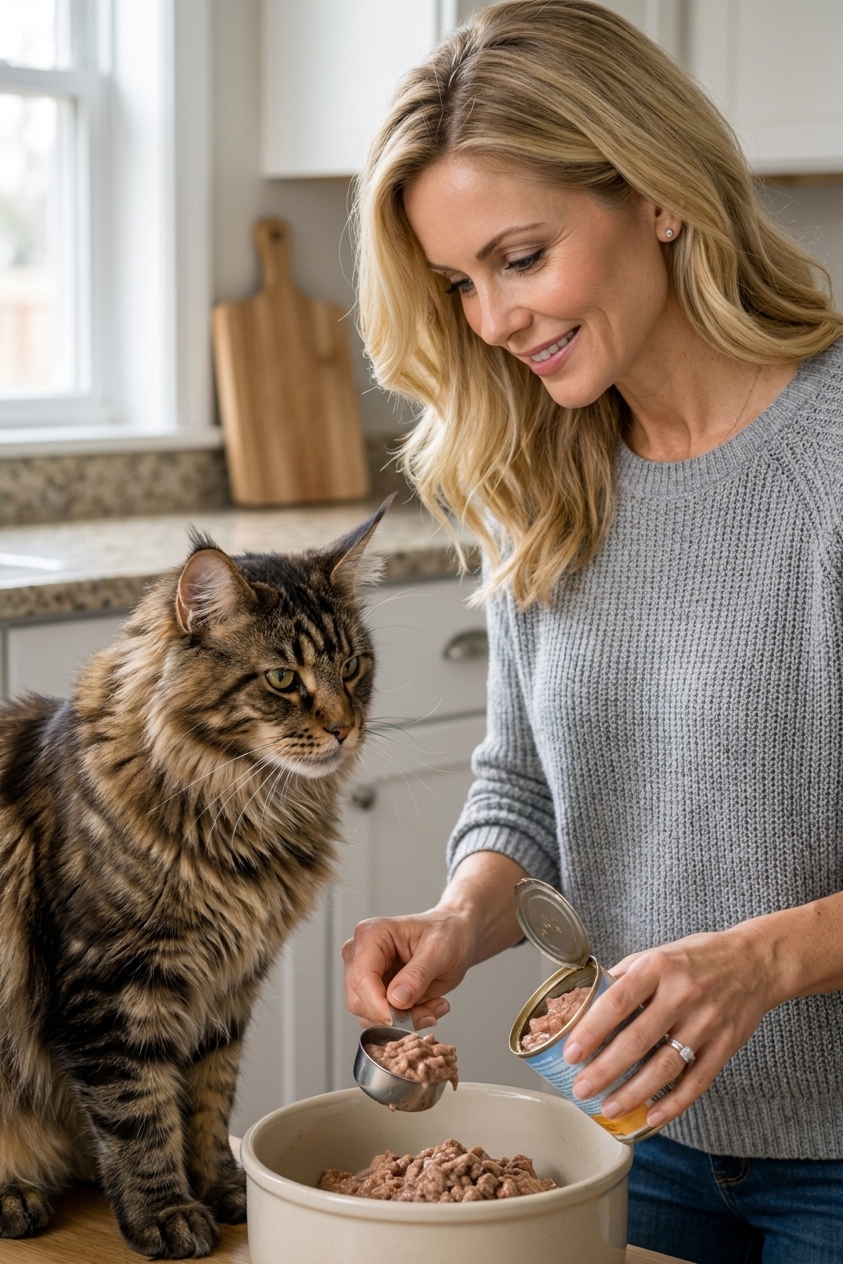
Maine Coon Feeding Guide
Maine Coons are not just “big cats.” They are large, long-bodied, slow-maturing athletes with a reputation for hearty appetites. That combo can be tricky: feed too little and you risk poor muscle development; feed too much and you can quietly add joint stress that shows up later as stiffness and...
Read more →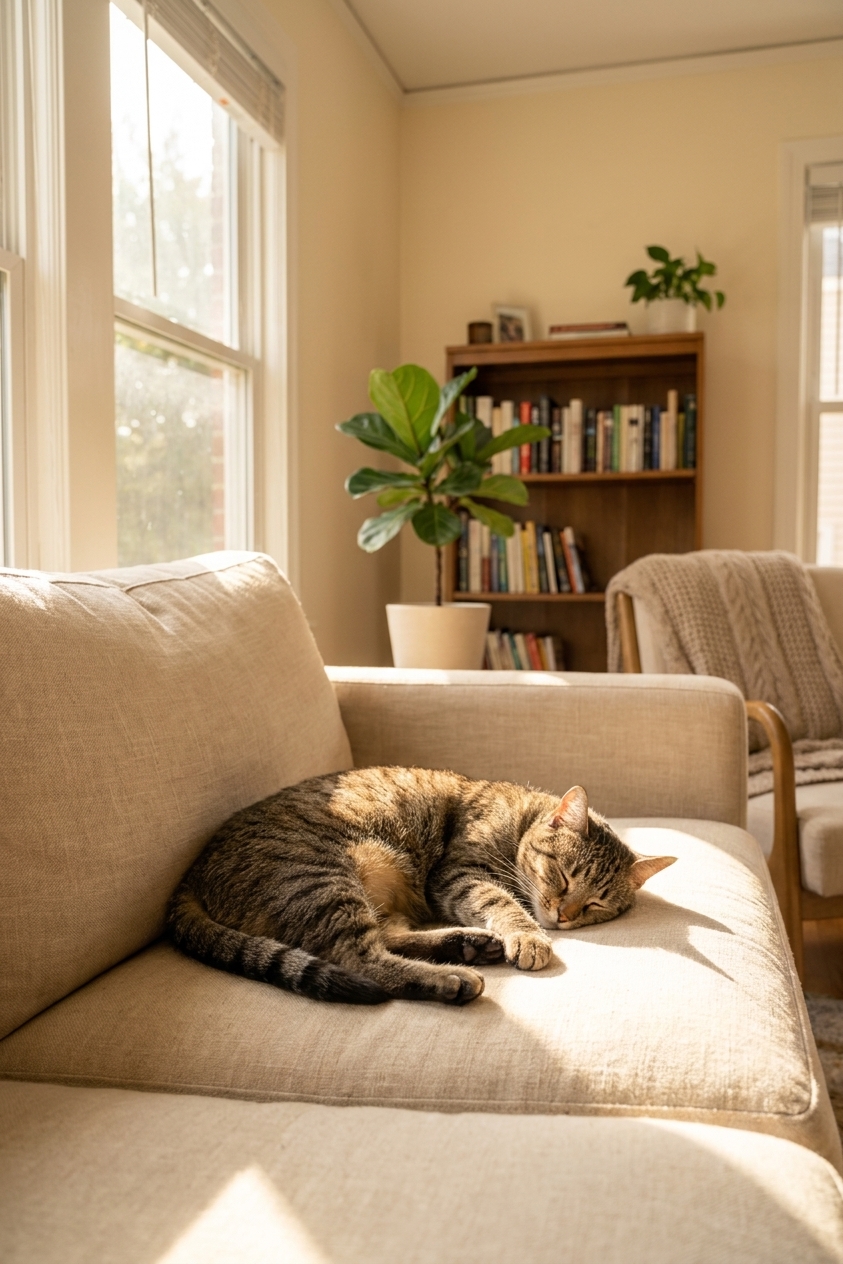
Low-Maintenance Cat Breeds for Busy Households
Busy does not mean you cannot be a wonderful cat parent. It just means you need a cat whose day-to-day needs match your schedule, plus a setup at home that supports good behavior and good health. As a veterinary assistant, I want to say this upfront: no cat is truly “no-maintenance.” Every cat...
Read more →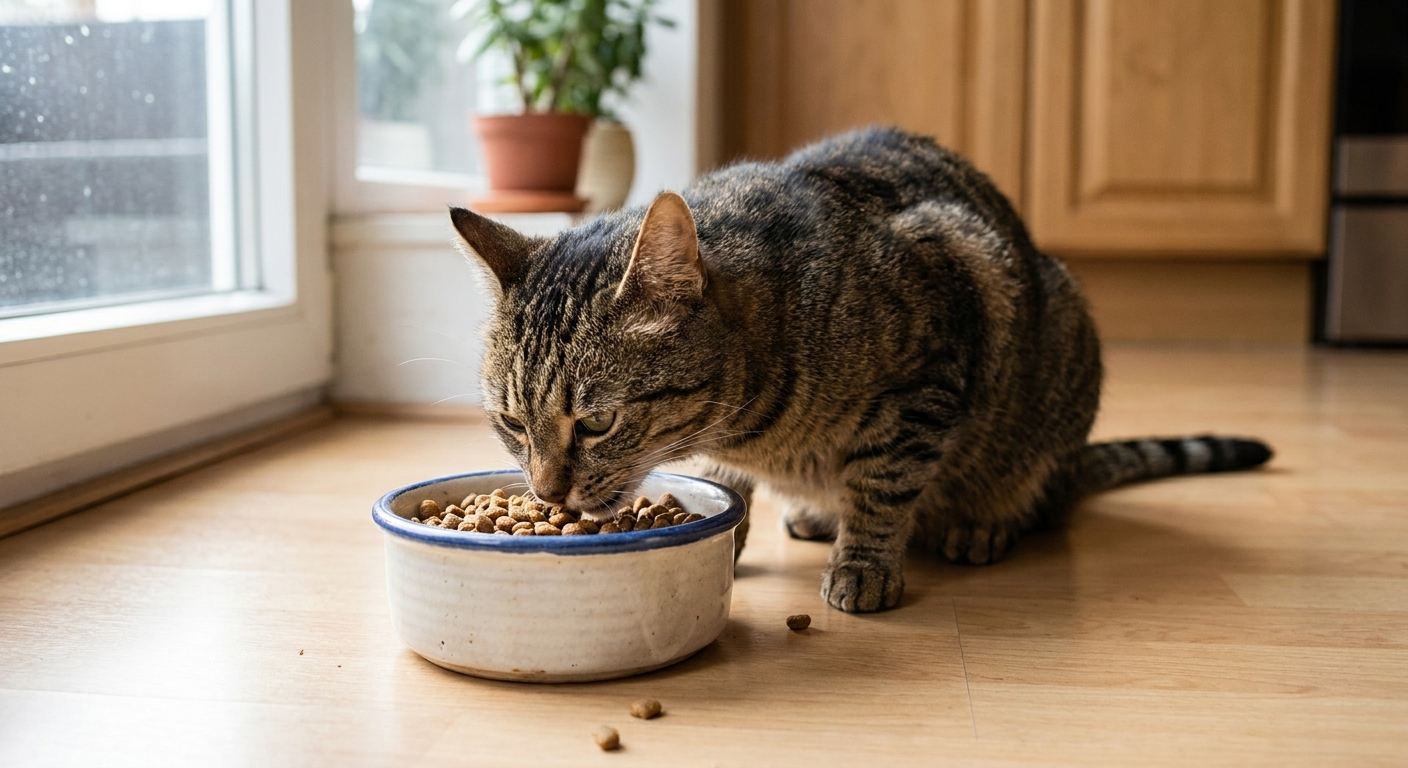
Indoor Cat Feeding Guide
Indoor cats are adorable little homebodies, but their lifestyle can make weight gain sneak up fast. As a veterinary assistant, I see it all the time: a cat who “barely eats” according to the family, yet gradually moves from sleek to squishy over a year or two. The fix is not punishment or crash...
Read more →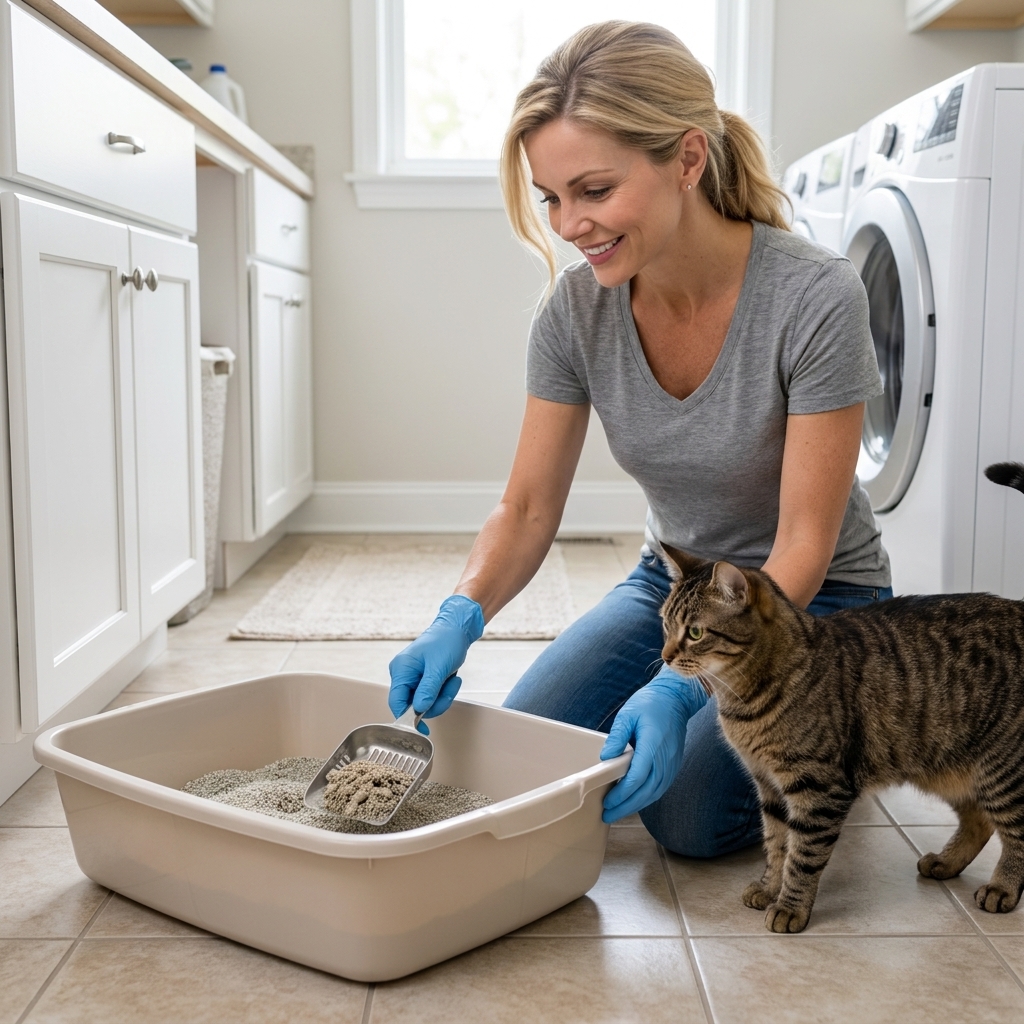
Worms in Cats: Types, Symptoms, and Deworming
If you have ever cleaned the litter box and thought, “Wait, what is that ?” you are not alone. Intestinal parasites are common in cats, especially kittens, outdoor cats, and any cat that hunts. The good news is that most worms and protozoal infections are treatable, and you do not have to guess....
Read more →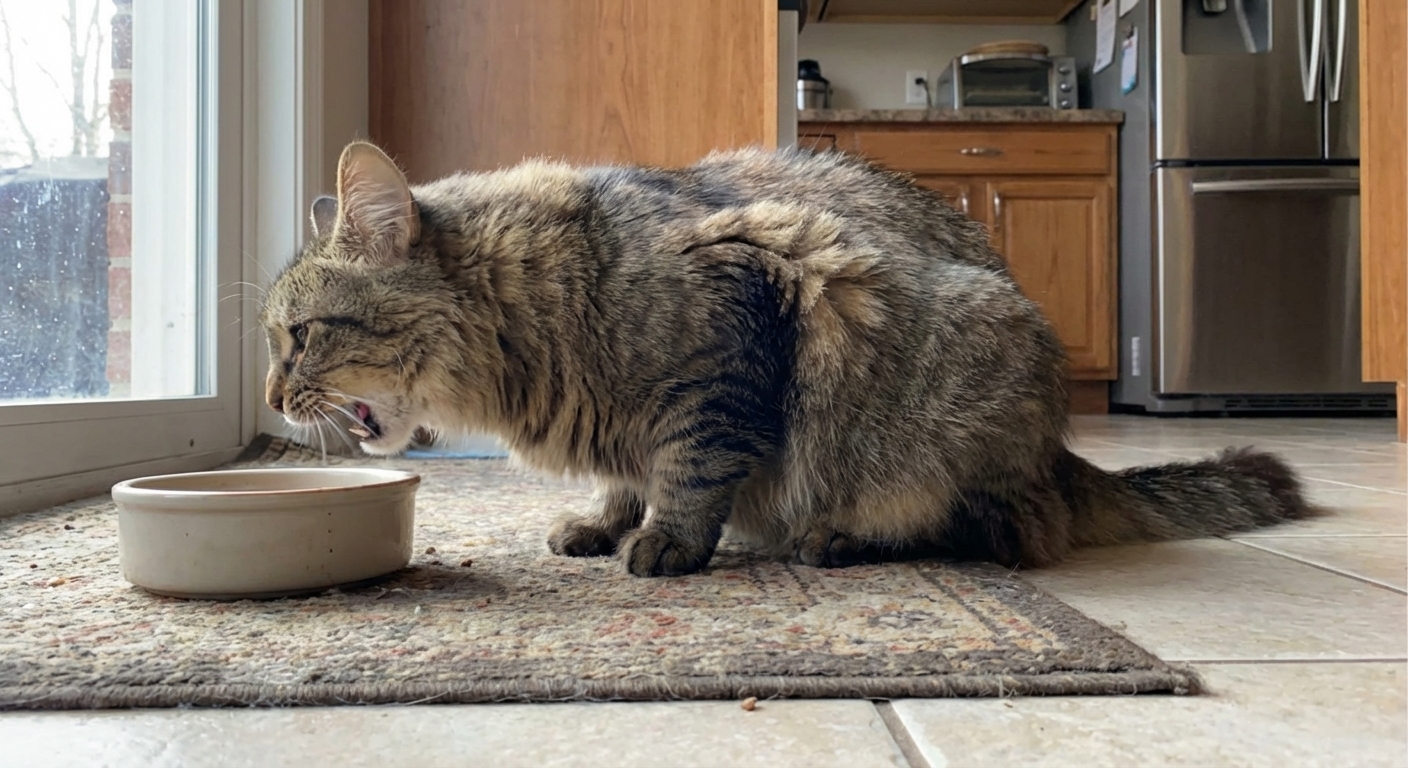
Cat Hairball Blockage: Warning Signs and When to Go to the ER
Most cats retch or gag up a hairball now and then, and it is usually more gross than dangerous. The problem is that the early signs of a hairball blockage can look like “just another hairball” until your cat is dehydrated, painful, or truly obstructed. As a veterinary assistant, I always tell pet...
Read more →