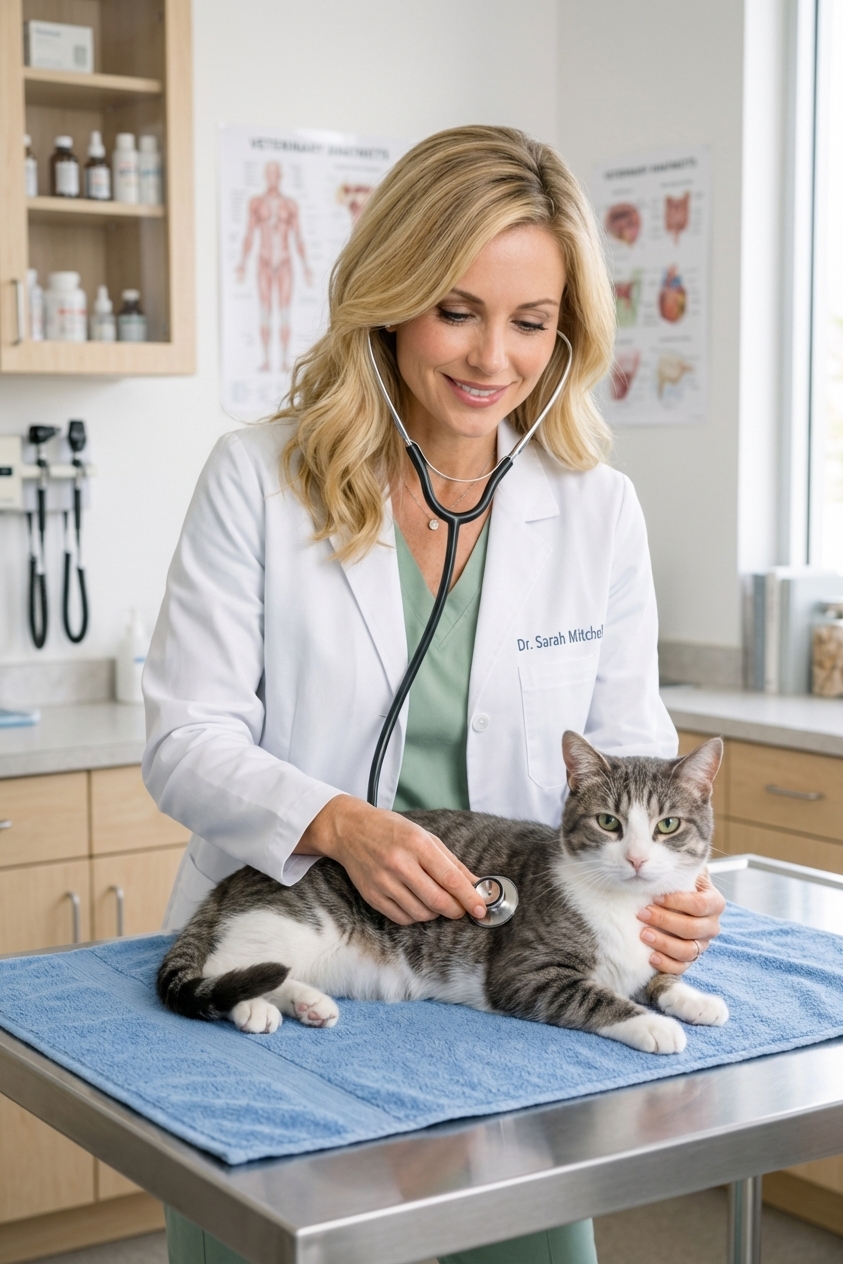
If you have ever watched your cat crouch low, stretch their neck, and breathe fast with a tight, wheezy effort, you know how scary feline asthma can feel. The good news is that many cats do very well with the right plan. Asthma care is usually about two things: long-term control to reduce inflammation, and a clear flare-up plan for those moments when breathing suddenly gets harder.
This article goes beyond “is it asthma?” and walks you through inhaler options, rescue versus controller meds, environmental triggers, how to monitor breathing at home, and exactly when breathing becomes an emergency.
What feline asthma is
Feline asthma is a chronic inflammatory disease of the lower airways. The airways become overly reactive. When triggered, the muscles around the airways tighten (bronchoconstriction), the lining swells, and mucus can build up. That combination narrows the airway and makes it harder for air to move in and out.
Common signs owners notice
- Coughing that can look like gagging or trying to “cough up a hairball” (but nothing comes up)
- Wheezing or a whistling sound when exhaling
- Fast breathing at rest
- Increased belly effort to breathe (abdominal push)
- Open-mouth breathing (this is never normal for a resting cat)
- Lethargy or hiding, especially after play or exposure to dust or smoke
Important: Not every cough is asthma. Heart disease, pneumonia, heartworm-associated respiratory disease, chronic bronchitis (including allergic bronchitis), lungworm (such as Aelurostrongylus), foreign material, and even some cancers can mimic asthma. Your veterinarian will often recommend chest X-rays and sometimes bloodwork. Depending on your cat’s history and your region, they may also recommend heartworm testing, fecal testing or deworming trials, and in select cases referral procedures such as bronchoscopy with bronchoalveolar lavage (BAL) to sample the lower airways.
How vets diagnose it
Asthma is often a combination of pattern recognition (history and exam) plus tests that help rule out look-alikes. Chest X-rays can show signs consistent with asthma, but they also help check for pneumonia, fluid, masses, or heart-related changes. Your veterinarian may also consider:
- Response to treatment over time (especially when paired with supportive imaging)
- Parasite screening when lungworm is possible
- Heart evaluation when age, exam findings, or X-rays raise concern
- Airway sampling (BAL) in complex or nonresponsive cases to look for infection, inflammation type, and other disease
If your cat is in active respiratory distress, diagnostics may be delayed until they are stable. Breathing comes first.
Controller vs rescue
One of the biggest “a-ha” moments for many cat owners is realizing asthma is usually managed like this:
- Controller medication reduces airway inflammation over time and helps prevent attacks.
- Rescue medication opens the airways quickly during a flare-up.
If you only use rescue medication, you may temporarily relieve tight airways but still allow inflammation to simmer. That ongoing inflammation can make flare-ups more frequent, more intense, and harder to stop.
Controller medications
Many cats are placed on an inhaled corticosteroid such as fluticasone delivered via a metered-dose inhaler and spacer device. Inhaled steroids act mainly in the lungs, which often means fewer whole-body side effects compared to long-term oral steroids.
What to expect: Controllers usually do not “work instantly.” It is common to see improvement over days to a few weeks. Your vet may temporarily pair a controller with other meds early on to stabilize breathing while the controller builds effect.
Rescue medications
Rescue inhalers typically contain a bronchodilator such as albuterol (salbutamol). These relax the airway muscles quickly and can be life-saving during an attack.
Key point: Needing rescue medication frequently is a signal that asthma control is not where it should be. It is a “call your vet” moment, not a plan to just keep escalating doses at home.
Also worth knowing: Overusing bronchodilators can cause side effects such as a fast heart rate, restlessness, or agitation. And while albuterol is common, some cats may be prescribed a different bronchodilator based on their case and availability.
Oral meds and other options
Inhalers are not the only way to treat asthma. Some cats start with, or temporarily need, oral medication.
Oral steroids (often prednisolone)
If an inhaler is not feasible at first (or your cat needs faster whole-body anti-inflammatory effect), veterinarians may prescribe an oral steroid such as prednisolone. Oral steroids can be very effective, especially during initial stabilization. The tradeoff is that long-term use is more likely to cause whole-body side effects (such as increased thirst and appetite, weight gain, diabetes risk in susceptible cats, and immune suppression). When possible, many vets aim to transition to inhaled steroids for long-term control.
Other therapies in select cats
Depending on triggers and severity, your veterinarian may discuss additional options such as allergy management, treatment for parasites if suspected, or antibiotics if a secondary infection is identified. The right plan depends on what is truly driving your cat’s signs.
Using an inhaler
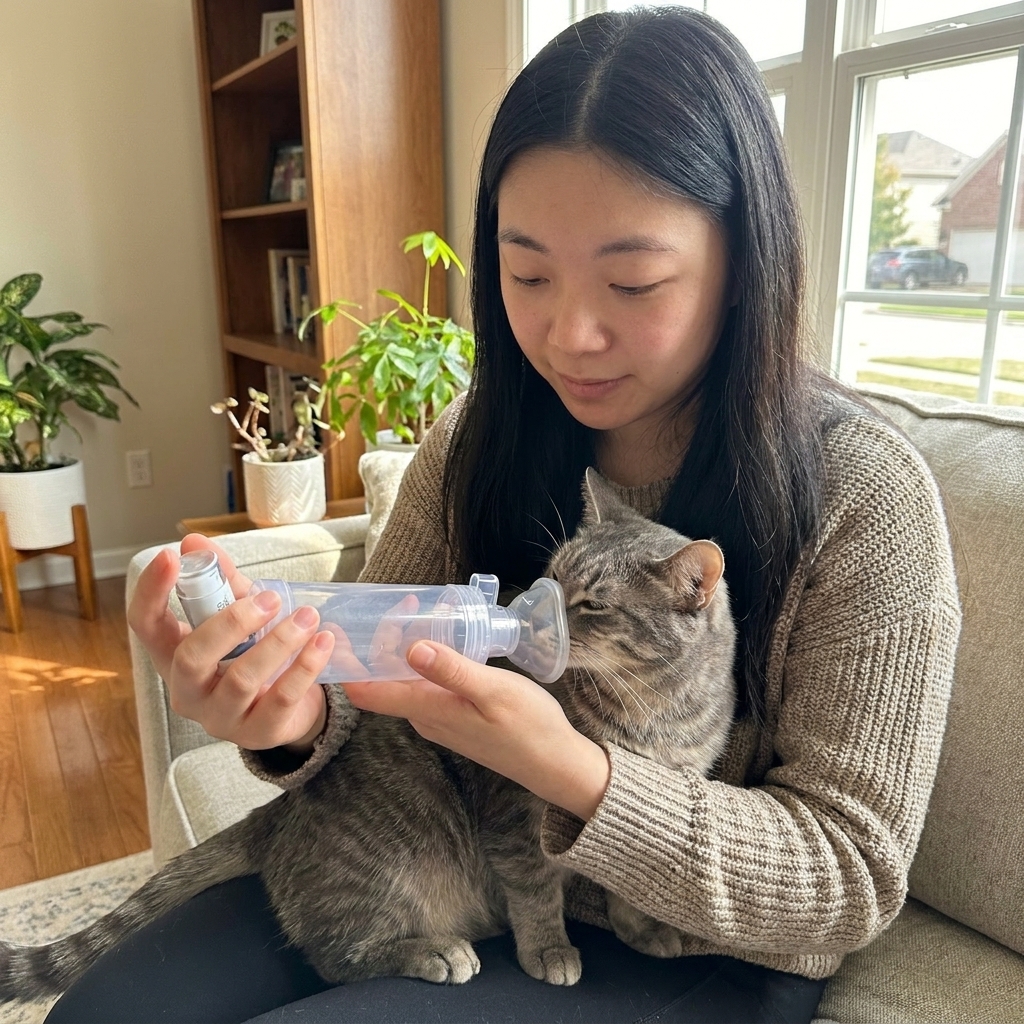
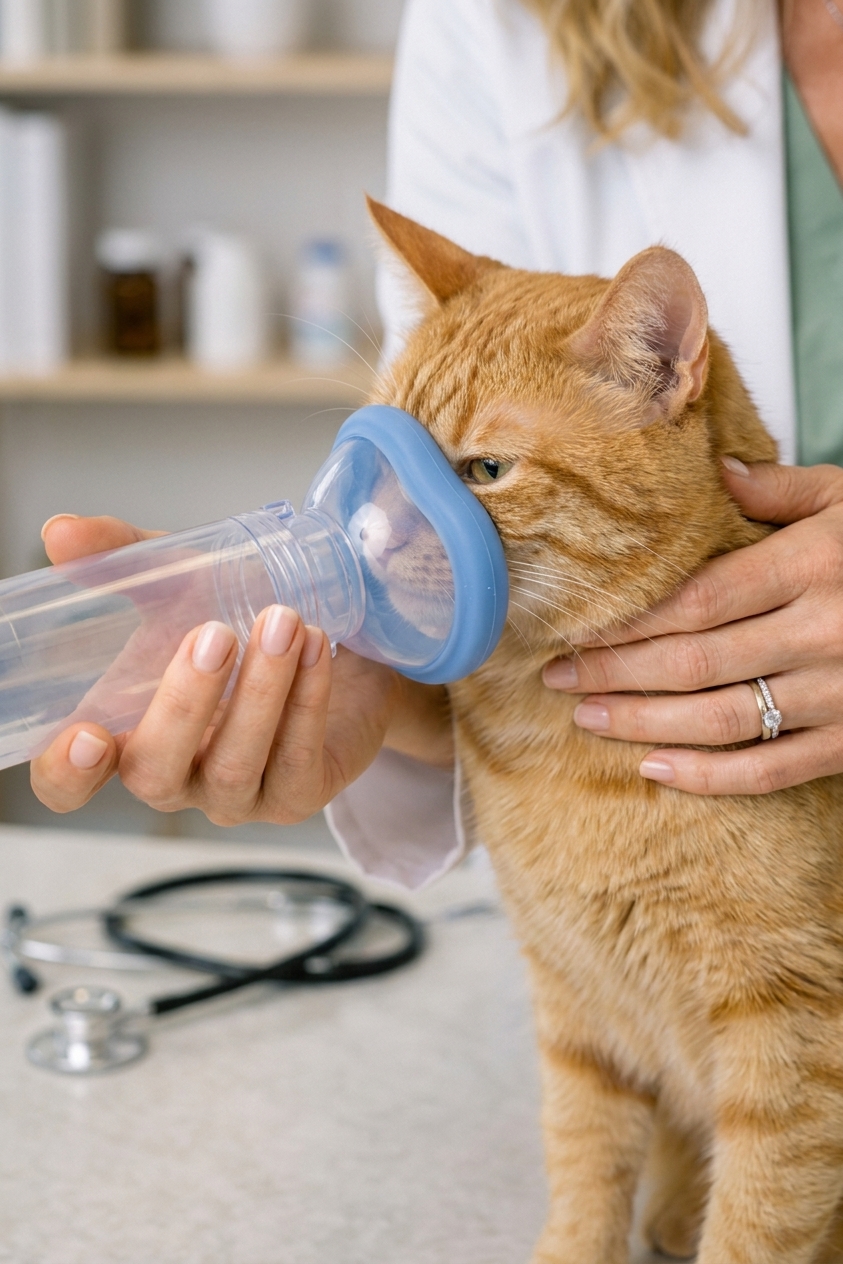
Most feline asthma inhaler setups include:
- A metered-dose inhaler (medication canister)
- A spacer chamber designed for pets
- A soft mask that fits over the cat’s nose and mouth
The spacer matters because it holds the medication cloud long enough for your cat to breathe it in over several breaths.
Training tips that make success more likely
- Go slow. Start by letting your cat sniff the mask. Reward with a treat.
- Build “mask time” first. Practice placing the mask gently for 1 to 2 seconds, then reward. Gradually increase duration.
- Pair with calm moments. Choose a quiet room and a predictable routine.
- Stay neutral. If you tense up, many cats tense up too.
Your veterinary team can demonstrate technique, confirm mask fit, and tell you how many breaths to count after each puff. Many cats are coached to take several breaths, often around 7 to 10, but device design and your cat’s breathing pattern matter, so follow your vet’s instructions.
Triggers at home
Asthma triggers vary, but many are environmental irritants or allergens. Reducing triggers often lowers flare-up frequency and can reduce how much medication your cat needs.
High-impact triggers to address
- Smoke (cigarettes, vaping, fireplace smoke, incense)
- Dust (dusty litter, sweeping, renovation dust)
- Strong fragrances (air fresheners, scented candles, plug-ins, perfumes)
- Aerosols (cleaning sprays, hair spray, spray deodorants)
- Mold and damp areas
- Pollen (seasonal, depends on your region)
- Stress and high-arousal play in some cats
Actionable changes that are usually worth trying
- Switch to a low-dust, unscented litter. Pour gently, and avoid shaking dusty bags.
- Clean smarter. Use unscented products when possible. Consider wiping with a damp cloth instead of dry dusting.
- Improve air quality. A HEPA air purifier in your cat’s main room often helps households who notice symptoms tied to dust or pollen.
- Reduce airborne particles. Wash bedding, vacuum with a HEPA filter, and keep HVAC filters fresh.
- Skip fragrances. If it has a scent, assume it could irritate sensitive airways.

Tracking breathing at home
One of the most helpful things cautious owners can do is track breathing trends at home. It gives your veterinarian better information and helps you spot a flare-up earlier.
1) Resting respiratory rate (breaths per minute)
When your cat is asleep or deeply relaxed, count breaths for 30 seconds and multiply by 2. One breath equals one rise and one fall of the chest.
- Typical resting range for many cats: often about 20 to 30 breaths per minute, and many healthy cats are under 30 at true rest.
- Concerning trend: a consistent rise above your cat’s usual baseline, repeated readings in the 30 to 40 range at true rest, or sustained readings over 40 at rest (generally urgent, especially with increased effort).
Some cats run a little higher or lower, so baseline matters. If you are unsure whether your cat is truly resting, wait until they are asleep.
2) Breathing effort
Numbers are helpful, but effort is just as important. Watch for:
- Pronounced belly push with each breath
- Flaring nostrils
- Neck extended, elbows held away from the body
- Inability to settle or sleep comfortably
3) Cough and wheeze log
Keep a simple note on your phone:
- Date and time
- What happened right before (litter change, vacuuming, candles, play)
- How long it lasted
- Whether rescue medication was used and how quickly it helped
Patterns often jump out after a few weeks.
Flare-up plan
Your veterinarian should tailor a plan for your specific cat. Still, it helps to understand what a good plan usually includes. Consider asking your vet to write this down for you so you are not trying to remember details while scared.
What to include in a written plan
- Daily controller: medication name, dose, and frequency
- Rescue steps: exactly when to use the rescue inhaler and how many puffs
- What “not improving” means for your cat and how long to wait before escalating care
- When to call your vet during office hours
- Which ER to go to after hours and their phone number
What not to do during a flare-up
- Do not force oral meds if your cat is actively struggling to breathe. Stress can worsen airway narrowing.
- Do not wait it out if breathing effort is increasing.
- Do not use human medications unless your veterinarian specifically prescribed them for your cat.
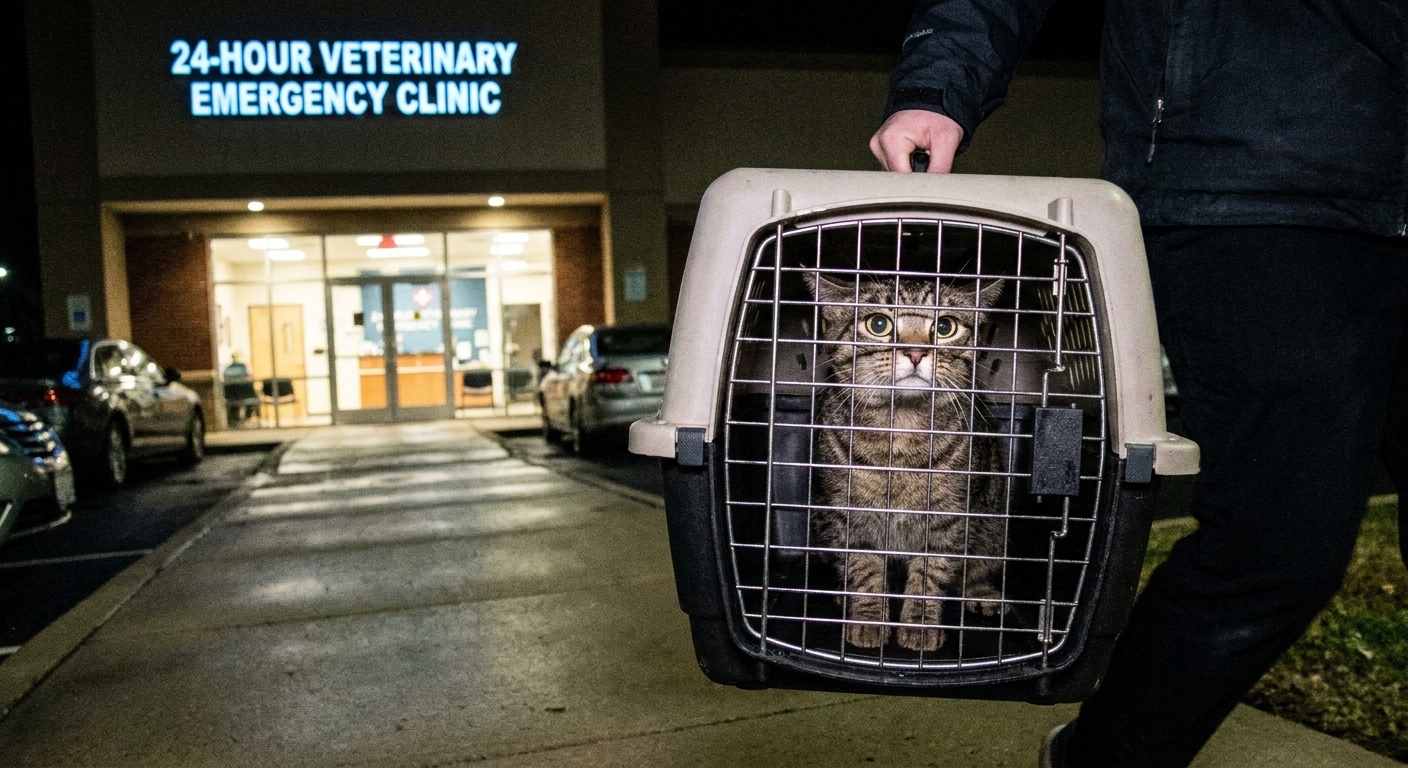
If your cat has asthma, it is also smart to transport them in a carrier that is easy to access, and to keep the inhaler and spacer in a consistent, easy-to-grab location.
When it is an emergency
Veterinarians commonly advise this: if you are debating whether it is an emergency, it often is. Cats are very good at hiding illness, and respiratory distress can deteriorate quickly.
Go to the emergency vet now if you see any of these
- Open-mouth breathing or panting (especially at rest)
- Blue, gray, or very pale gums
- Severe effort, belly pumping, or your cat cannot lie down comfortably
- Collapse, profound weakness, or unresponsiveness
- Breathing rate stays very high at rest and is not improving with your vet-directed rescue plan
- Noisy breathing with distress, especially if it is sudden or new
What the ER may do (and why speed matters)
In a true asthma crisis, an emergency team may use oxygen therapy, fast-acting bronchodilators, steroids, and sometimes medications to reduce panic and stress so breathing can stabilize. That is why getting help quickly is so important.
How to transport a cat in respiratory distress
- Keep it calm and cool. Minimize handling and noise.
- Use the easiest carrier. Top-loading carriers can reduce wrestling.
- Call the ER on the way so they can be ready.
Open-mouth breathing in a cat is not a “wait and see” symptom. It is an emergency until proven otherwise.
Long-term success
Asthma management is rarely one-and-done. It is common for your veterinarian to adjust medication type or dose based on symptom logs, breathing rate trends, and recheck exams.
Common factors that can affect breathing
- Weight: Obesity can worsen breathing effort and reduce exercise tolerance. If your cat is overweight, a vet-guided weight plan can be a meaningful part of asthma care.
- Age and other disease: Older cats may have overlapping issues (including heart disease) that can complicate a cough or fast breathing.
- Home exposures: Triggers can shift with seasons, renovations, new cleaners, or new litter.
Signs asthma control is improving
- Fewer coughing episodes
- Lower resting respiratory rate closer to your cat’s baseline
- Less wheezing and less effort during sleep
- Less need for rescue medication
- Better play tolerance and overall comfort
Questions to ask at your next appointment
- What is our goal frequency for rescue inhaler use?
- What resting respiratory rate range is acceptable for my cat?
- Should we recheck chest X-rays, and if so, when?
- Are there signs that suggest a different diagnosis (heart disease, infection, parasites like lungworm)?
- What changes at home would make the biggest difference for triggers?
With a thoughtful plan, many cats with asthma go on to live active, happy lives. You do not need to be perfect. You just need a system: controller care, a rescue plan, trigger reduction, and clear emergency thresholds.
Quick checklist
- Daily: give controller medication exactly as prescribed.
- Weekly: note coughing and triggers, and check a true resting respiratory rate a few times.
- During flare-ups: follow your vet’s written rescue plan.
- ER now: open-mouth breathing, blue gums, collapse, severe effort, sustained resting rate over 40, or no improvement with the plan.