As a veterinary assistant here in Frisco, Texas, I have seen how scary parvo can be, and I totally understand why the first question families ask after their dog recovers is, “Can this happen again?” The good news is that most dogs who survive canine parvovirus (parvo) develop strong protection that appears to last for years. The caution is that “strong” is not the same as “impossible.”
Let’s walk through what immunity after parvo really means, how that is different from vaccine gaps or vaccine failure, and what you still need to watch for in the other dogs (and puppies) sharing your home.
Most dogs do not get parvo twice
In most cases, a dog who fully recovers from parvo develops a strong immune response that protects them from getting sick again. Parvo triggers a big immune reaction, and survivors typically build protective antibodies.
Where families get understandably confused is when a dog later has vomiting or diarrhea and someone wonders if it is “parvo again,” or when another dog in the home gets sick.
When it can look like parvo is back
1) It is relapse or complications, not a new infection
Some dogs have a rocky recovery with recurring vomiting, diarrhea, poor appetite, or lethargy. That does not automatically mean a brand-new parvo infection. More common culprits include:
- Ongoing intestinal inflammation after the acute infection
- Secondary bacterial infections due to damage in the gut lining
- Parasites like giardia or roundworms that were present at the same time
- Dietary intolerance if food is reintroduced too quickly
If symptoms return, your vet may recommend a parvo test, but they will often look for other causes at the same time.
2) True reinfection is rare
A true second parvo infection later in life is uncommon, but not impossible. Risk is higher if:
- The dog has an underlying condition that weakens immunity
- There is intense exposure pressure, meaning repeated contact with heavy viral contamination
- The dog never built a solid immune response in the first place (uncommon, but possible)
You may hear about different parvo variants (often called 2a, 2b, and 2c). Those variants circulate, but both vaccination and natural immunity are generally cross-protective. In other words, a “new variant” is not a common reason a recovered dog gets sick again. If a parvo survivor is ill, we are usually thinking about relapse, another GI problem, or a different dog in the home being the one at risk.
3) The dog is vaccinated, but not protected
This is the big difference between natural infection immunity and vaccine protection. Vaccines work extremely well, but protection can fail if:
- A puppy’s vaccine series was started but not completed
- Doses were given too far apart or the final booster was missed
- The puppy had high maternal antibodies that blocked early vaccines
- The dog has an immune problem and cannot respond normally
- The dog was exposed during the window when immunity had not built up yet
So when someone says, “My dog got parvo twice,” what sometimes happened is: the dog got parvo once as a puppy, recovered, and then later another dog in the home got parvo because their vaccine coverage was incomplete or poorly timed.
Immunity after parvo vs vaccines
Here is the simplest way I explain it in the clinic:
- After recovering from parvo: immunity is usually strong and long-lasting for that individual dog, often for years.
- After vaccination: immunity can be excellent, but it depends on receiving the full series and boosters on schedule.
One more practical point: surviving parvo does not mean a dog is “done” with routine care. Most parvo survivors still follow a normal vaccine plan afterward, including DHPP boosters, but the timing should be set by your veterinarian based on recovery and risk.
If one dog had parvo, what about the others?
This part matters just as much as “Can my dog get it again?” because parvo spreads easily between dogs, especially in multi-dog households.
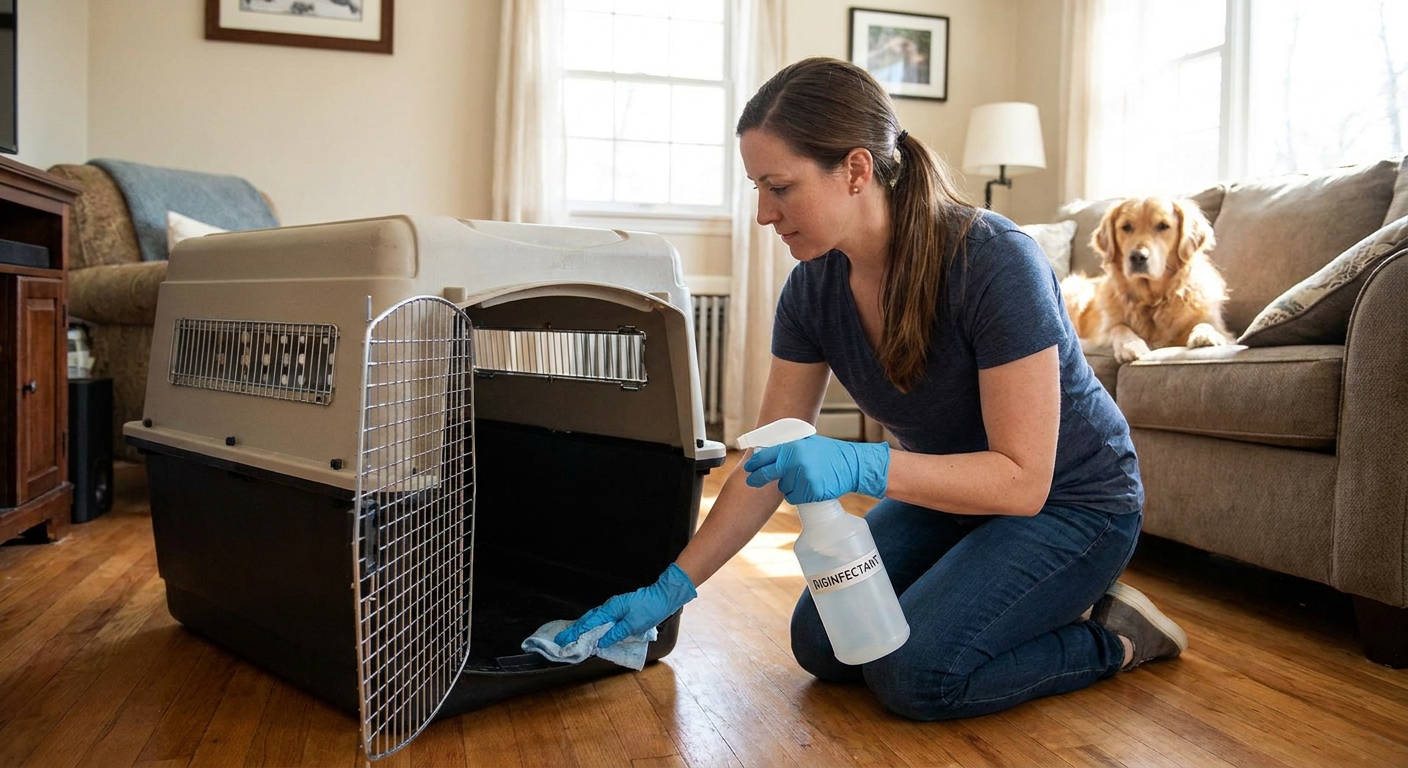
Assume the environment is contaminated
Parvo is shed in stool, and it can contaminate floors, shoes, crates, bedding, and yards. Dogs can also continue shedding virus for a period after they start looking better, which is why unvaccinated puppies are the group I worry about the most in the home.
Rather than getting stuck on exact timelines, here are the highest-impact steps that reduce household risk:
- Separate dogs as directed by your veterinarian, especially keeping puppies separated from adult dogs.
- Do not share bowls, toys, or bedding between the recovering dog and others until your vet gives the all-clear.
- Clean smart using a disinfectant your veterinarian recommends and follow contact time directions carefully. Diluted bleach is a common option for non-porous surfaces, but many everyday household cleaners do not reliably kill parvo.
Adult dogs can get parvo too
Adult dogs can get parvo. In my experience, it often happens in adults who fall into one of these categories:
- Never vaccinated or unknown history (common with some rescues)
- Incomplete puppy series years ago and no boosters since
- High exposure lifestyle such as dog parks, daycare, frequent fostering, or areas with outbreaks
A quick nuance that matters: many adult dogs stay protected for years after a properly completed series, and not every dog needs frequent boosters. The real risk is the dog who is unvaccinated, under-vaccinated, or has an unknown history. If you are not sure, your veterinarian can help you decide whether to booster or to use titers in some situations.
Symptoms that still need a parvo test
One mistake I want to help you avoid is assuming “It can’t be parvo because my dog already had it” or “It can’t be parvo because my dog is vaccinated.” If your dog shows parvo-like signs, testing is often the fastest way to make good decisions.
Contact your veterinarian promptly if you see:
- Vomiting, especially repeated or unable to keep water down
- Diarrhea, particularly watery diarrhea
- Bloody stool or stool with a foul, unusually strong odor
- Marked lethargy or weakness
- Loss of appetite that is sudden or severe
- Fever or low body temperature
- Signs of dehydration like tacky gums, sunken eyes, or collapse
Puppies deserve extra urgency. They can deteriorate quickly, and early treatment can be lifesaving.
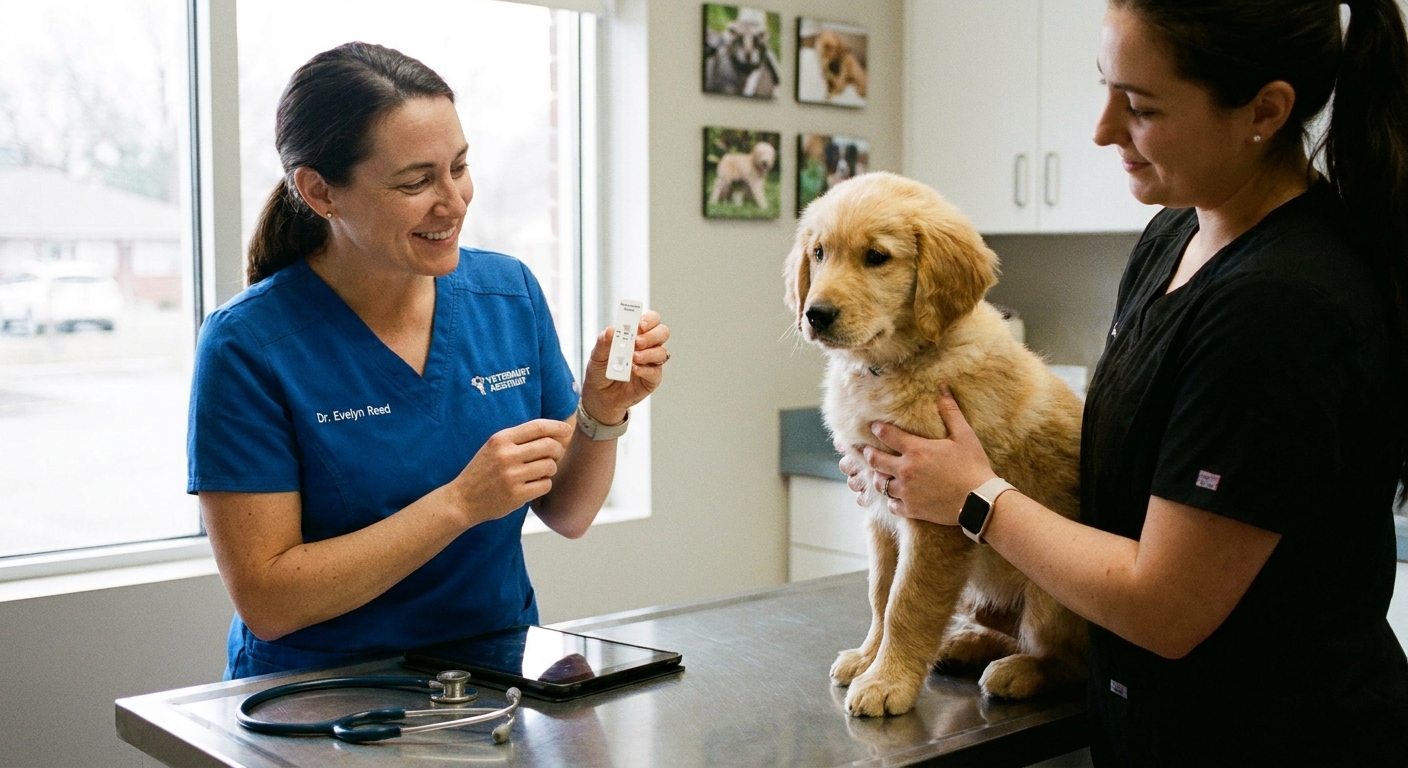
Also worth knowing: rapid fecal antigen tests are very helpful, but no test is perfect. False negatives can happen early in disease, and if suspicion is high your veterinarian may recommend retesting or a PCR test.
What if a parvo survivor gets sick months later?
It is very common for families to panic after a parvo survivor has an upset stomach later on. I do not blame you. That experience sticks with you.
Here is a balanced approach:
- If your dog is bright, eating some, and symptoms are mild, your veterinarian may recommend supportive care and monitoring.
- If your dog is lethargic, not eating, vomiting repeatedly, has bloody stool, or is a puppy, it is worth testing. A parvo test is quick, and ruling it out gives everyone a clearer plan.
Also, remember that many non-parvo issues can cause similar signs, including parasites, dietary indiscretion (trash gut), pancreatitis, foreign bodies, and other infections.
How to protect your dog after parvo
- Follow your vet’s recheck plan. Parvo recovery is not just “they are home, so they are fine.” Weight, hydration, stool quality, and appetite all matter.
- Ask about vaccine timing after recovery. Many parvo survivors still need to stay current on DHPP boosters, but your veterinarian will choose the safest timing based on how your dog is doing.
- Keep other dogs current on vaccines, especially any puppies or dogs with unknown history.
- Be cautious with high-risk areas like dog parks or heavily trafficked pet areas until your veterinarian says your dog is ready.
- Support gut health with your vet’s guidance. Some dogs do well with a bland transition diet, probiotics, and a slow return to normal food.
FAQ
Can a dog test positive for parvo after recovery?
Yes. Depending on timing and the test used, a dog may test positive for a period after they are feeling better. Your veterinarian interprets results alongside symptoms, exposure, and exam findings.
Another detail that can confuse results: in some situations, a recently vaccinated puppy (modified-live vaccine) may have a transient positive on certain fecal antigen tests. It is not the most common reason for a positive test, but it is one reason your vet asks about recent vaccination.
If my dog had parvo, does that protect my other dogs?
No. Immunity is individual. Your other dogs need their own protection through proper vaccination and exposure management.
My dog is vaccinated. Do they still need a test if they have symptoms?
Often, yes. Vaccines are very effective, but no medical tool is 100 percent. If a vaccinated dog has classic parvo-like signs, testing is a smart step, especially in puppies or in outbreak situations.