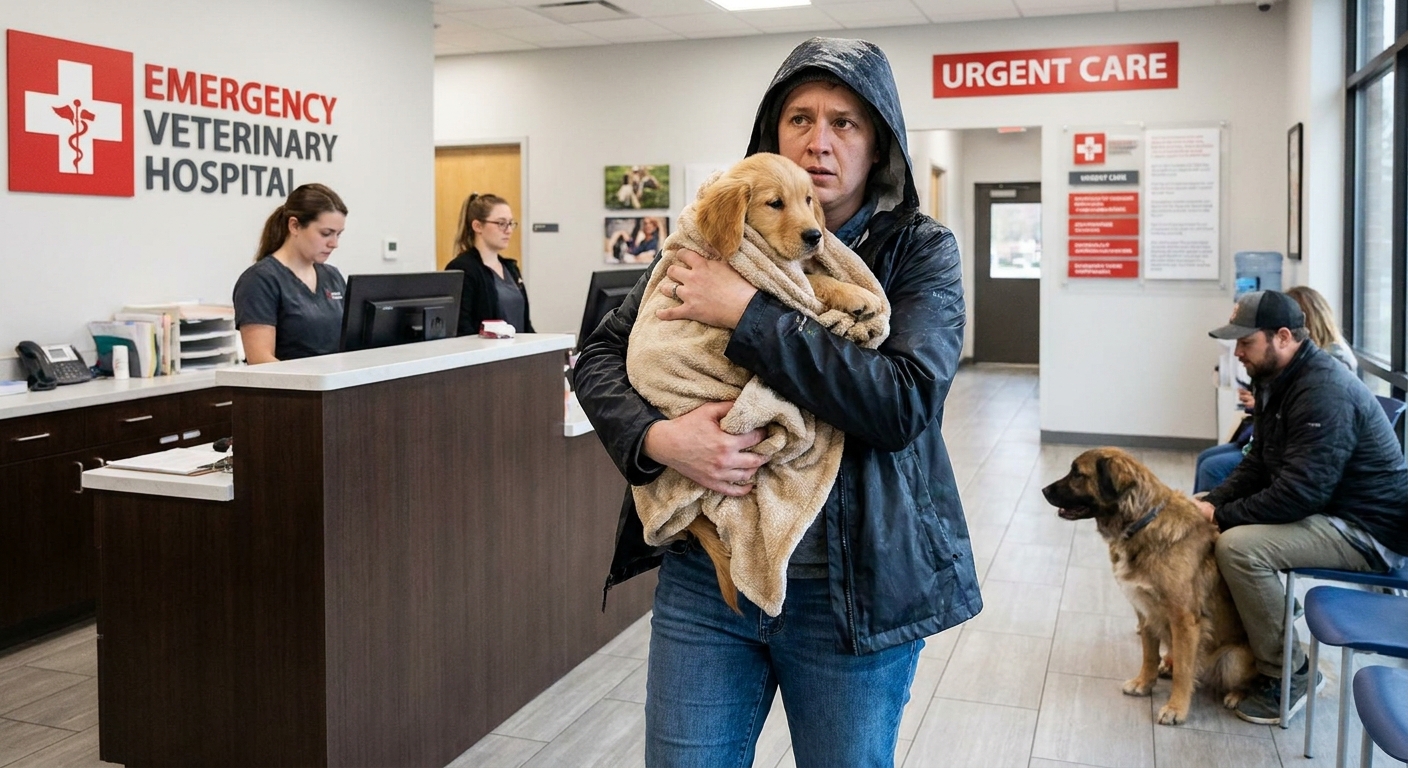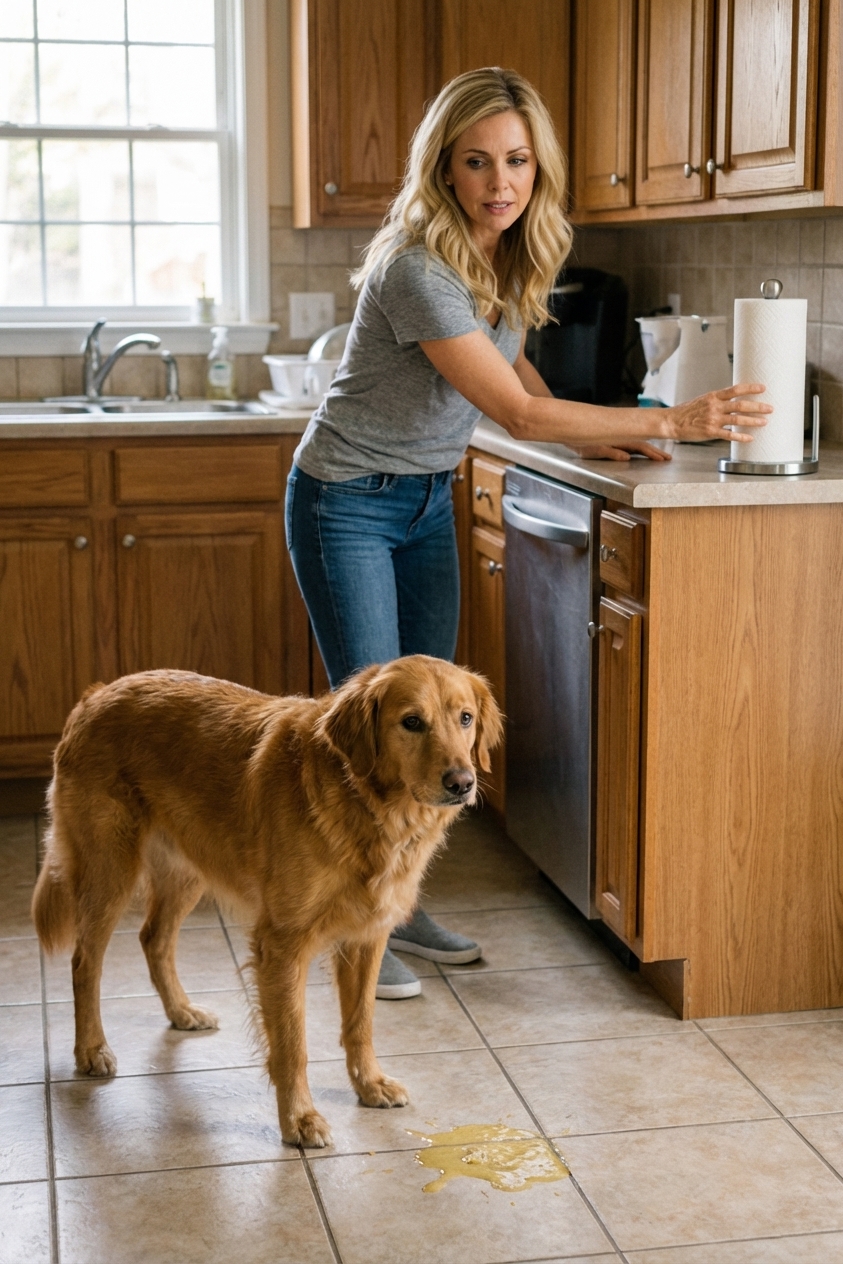
As a veterinary assistant here in Frisco, Texas, I have seen how quickly a puppy can go from “a little off” to dangerously sick. One condition I never want pet parents to wait out at home is intussusception. It can look a lot like parvo in the early stages, but it is a different emergency with a different plan.
If your puppy is vomiting, straining to poop, showing signs of pain, or passing bloody stool, please treat this as urgent. Intussusception often requires fast imaging and sometimes surgery. What I call a “parvo plan” at home (watching and waiting, trying to push fluids, or giving leftover anti-nausea meds without a diagnosis) can waste precious time when a puppy has a telescoped intestine.
What it is
Intussusception happens when one segment of the intestine slides inside the neighboring segment, kind of like a telescope collapsing into itself. That “telescoped” section can block the normal flow of food and fluid, and it can also pinch off blood supply to the intestinal wall.
When blood flow is reduced, the tissue can become swollen, damaged, or even die. That is why veterinarians consider this a true emergency.
Why it is dangerous
Intussusception is dangerous for three big reasons:
- Obstruction: Food, fluid, and gas cannot move normally, leading to vomiting, dehydration, and electrolyte problems.
- Loss of blood supply: The telescoped section can lose circulation, which can cause tissue death and perforation.
- Rapid decline in puppies: Puppies have less “reserve” than adult dogs. Dehydration and shock can happen quickly.
Common signs
Symptoms can vary depending on where the telescoping occurs and how complete the blockage is, but these are the signs I most want you to take seriously:
- Vomiting (repeated or worsening)
- Diarrhea or loose stool, sometimes progressing to bloody stool
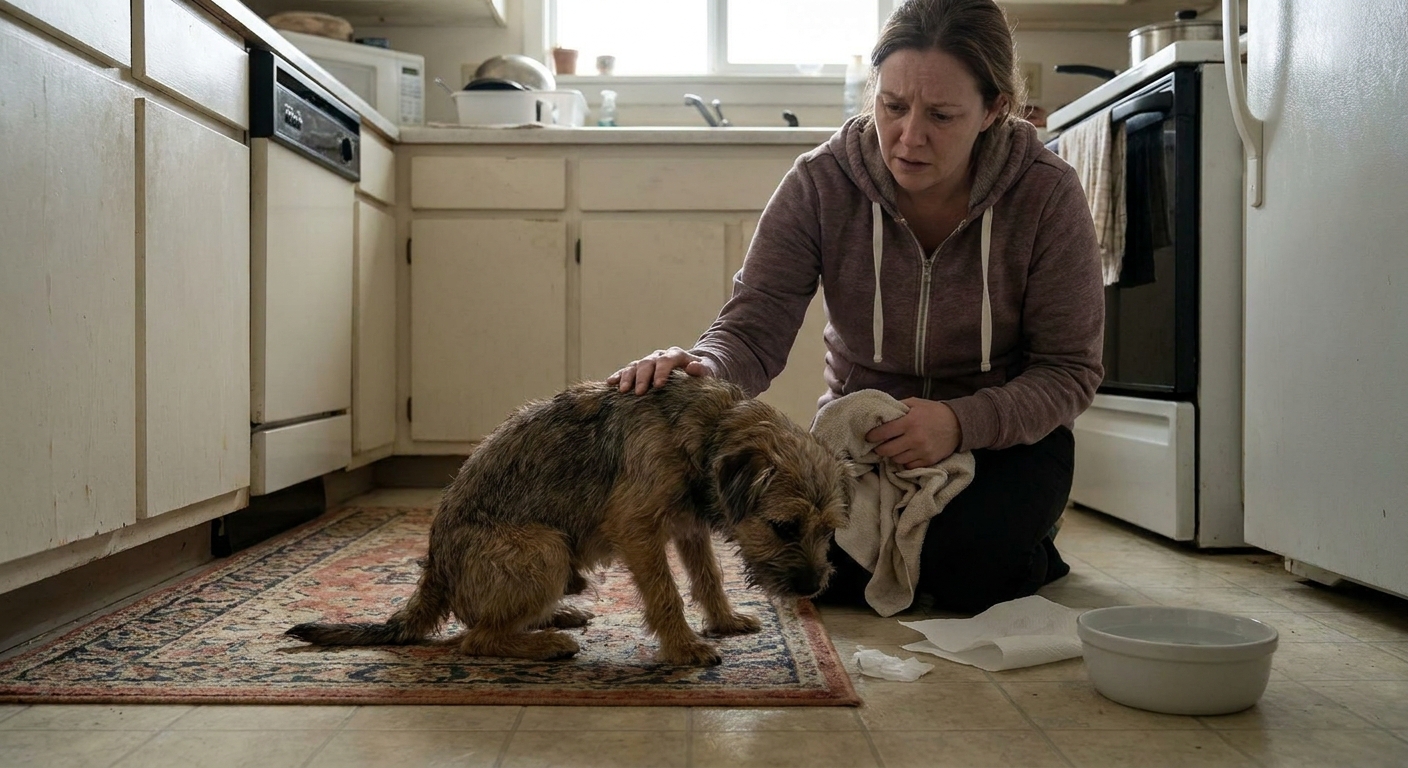
- Straining to poop, or posturing repeatedly with little coming out
- Abdominal pain (crying, hunching, tense belly, not wanting to be picked up)
- Lethargy, weakness, “just not themselves”
- Loss of appetite
- Dehydration (tacky gums, sunken eyes, and a slow skin “snap back” when gently lifted at the scruff; a dry nose alone is not a reliable sign)
- Possible sausage-shaped mass in the abdomen that a veterinarian may feel on exam
One tricky detail is that some puppies have intermittent signs at first. They may vomit, then seem okay for a short time, then crash again. That up-and-down pattern can tempt people to “watch and wait,” but intussusception can still be progressing.
Common causes
Intussusception often happens when the intestines are irritated and moving abnormally. In puppies, common contributing factors include:
- Intestinal inflammation from parasites (like roundworms or hookworms), bacterial overgrowth, or severe gastroenteritis
- Viral illness including parvovirus, which can trigger intestinal damage and abnormal motility
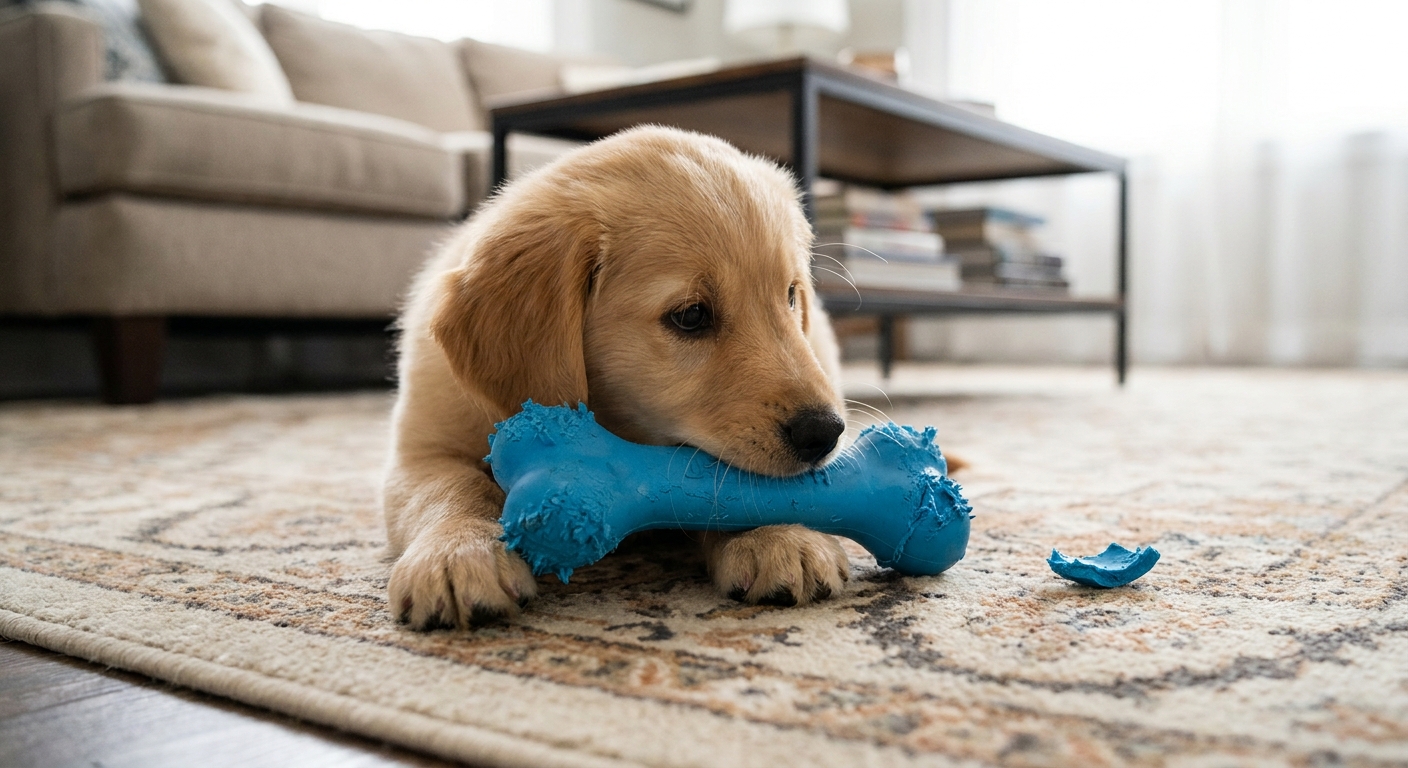
- Foreign material (string, toys, corn cob pieces, fabric) that disrupts normal movement
- Recent abdominal surgery or intestinal procedures (less common, but possible)
Sometimes we never find a single clear cause. What matters most is recognizing the emergency signs and getting evaluated quickly.
Intussusception vs parvo
Parvo is absolutely an emergency, too. The problem is that intussusception can look similar early on, and the at-home steps people associate with “parvo care” are not enough when a puppy has a telescoped intestine.
How they can look similar
- Vomiting
- Diarrhea, possibly bloody
- Lethargy
- Not eating
- Dehydration
Clues that raise my concern
- Straining and repeated posturing like they need to poop, with little produced
- Abdominal pain that seems pronounced
- Signs that worsen despite supportive care, or a puppy that briefly improves and then deteriorates again
- A vet can sometimes feel a firm abdominal mass (not something you should try to “hunt for” at home)
Important: A puppy can have both parvo and intussusception. Parvo-related intestinal injury can set the stage for telescoping. That is another reason testing and imaging matter.
If you are looking for a parvo symptom checklist, keep using the checklist on our parvo pages. This page is here to make sure another emergency does not get mistaken for parvo and managed at home.
Intussusception vs blockage
A swallowed object can cause a blockage without telescoping, or it can contribute to telescoping. Both are serious. But intussusception has its own behavior because the bowel itself folds into itself.
What overlaps
- Vomiting
- Poor appetite
- Abdominal pain
- Dehydration
What can look different
- Straining and bloody stool can be especially concerning for telescoping, depending on location and tissue damage.
- Diarrhea can occur with intussusception, while some foreign-body obstructions present more as vomiting with reduced stool output. Either pattern can happen, so this is not a perfect rule.
Bottom line: Whether it is intussusception or a foreign body, your puppy needs a veterinarian. The fastest way to sort it out is an exam plus imaging.
Why imaging matters
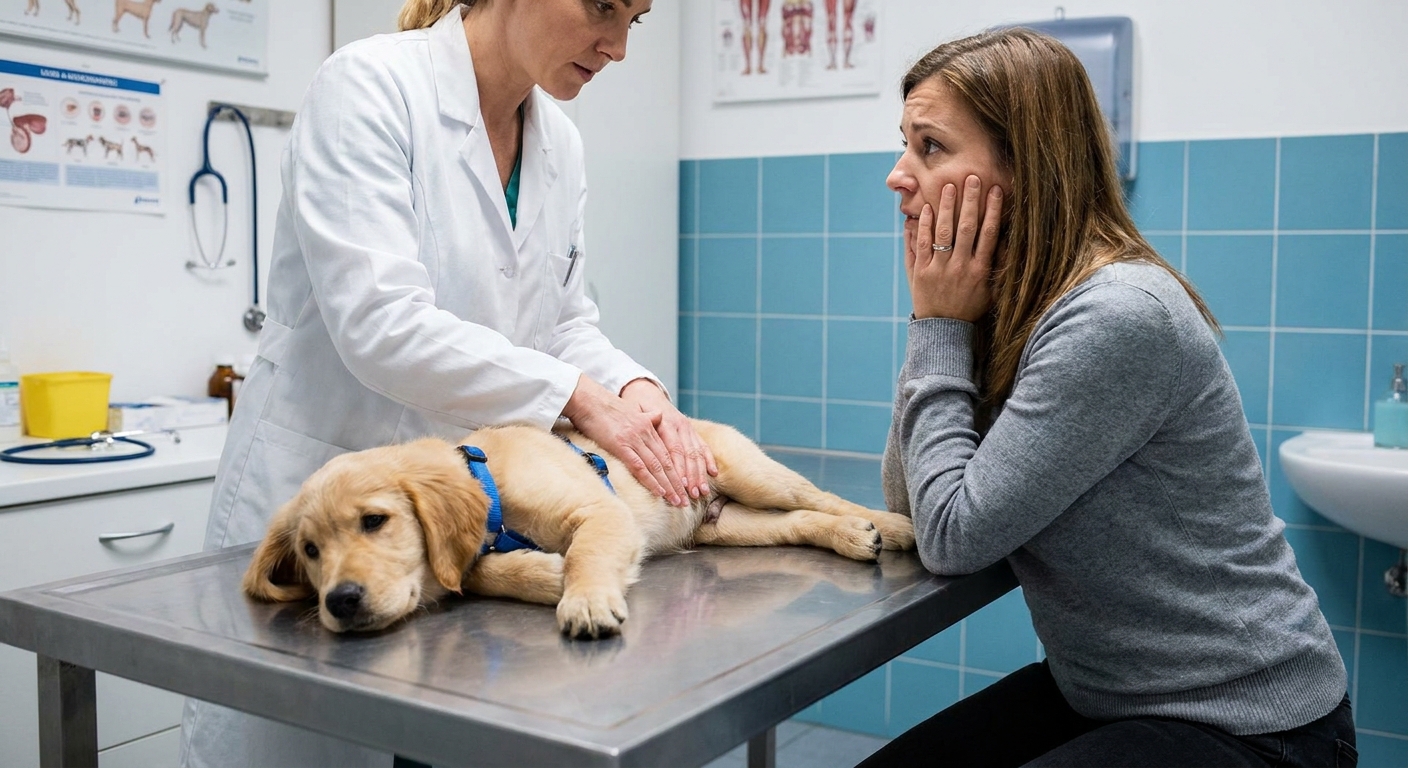
Intussusception is not something you can diagnose by looking at your puppy at home. Even in-clinic, we typically need imaging to confirm what is happening and to plan treatment.
What your vet may use
- Abdominal ultrasound: Often the most direct way to identify a telescoped intestine and assess bowel health. Availability and operator skill vary, so not every clinic can do it immediately.
- Abdominal X-rays (radiographs): Many clinics start here. X-rays can show patterns consistent with obstruction and help rule in or out other issues. Sometimes X-rays are not definitive, which is why ultrasound or surgical exploration may be recommended next.
- Parvo test and fecal testing: Because causes can overlap, your vet may test for parvo and parasites at the same time.
- Bloodwork: To evaluate dehydration, electrolytes, infection, and overall stability before anesthesia or surgery.
I know imaging can feel scary or expensive in the moment, but with suspected intussusception, imaging is often what prevents delays. Delays can mean more damaged intestine and a harder recovery.
How it is treated
Treatment depends on how stable your puppy is and what the imaging shows, but it usually includes:
- IV fluids to correct dehydration and support circulation
- Anti-nausea medications and pain control
- Addressing underlying causes such as deworming for parasites, or treating parvo if present
- Surgery in many cases, especially if the bowel cannot be safely reduced (un-telescoped) or if any segment is not healthy and must be removed
In dogs, non-surgical reduction is not as routine as it is in human medicine. Some cases may temporarily reduce or be reducible without removing intestine, but many puppies still need surgical exploration. Your veterinarian will make the safest call based on tissue health, the risk of recurrence, and your puppy’s stability.
Aftercare and recovery
If surgery is needed, most puppies stay hospitalized so the team can keep them hydrated, manage pain, and reintroduce food safely. After discharge, you will typically be sent home with a feeding plan (often small, frequent meals), activity restriction, and medications such as pain relief and sometimes antibiotics.
Rechecks matter. Puppies can feel better before they are fully healed, and your veterinarian may want to monitor incision healing, hydration, stool quality, and weight. If your surgeon is concerned about recurrence risk, they may discuss additional options that can help reduce that risk in selected cases.
What to do now
If your puppy is vomiting and straining, seems painful, or has bloody stool, here is the most helpful plan:
- Call an emergency vet or your regular vet immediately and describe the signs clearly, including when they started.
- Do not give human medications (many are toxic to dogs).
- Do not force food or water if your puppy is actively vomiting. Offer small sips only if your vet advises it.
- Bring a stool sample if you have one, and bring any vomit information you can (photos can help if the clinic wants to see what you are seeing).
- Tell the clinic what your puppy could have eaten (toys, socks, string, bones, mulch, corn cobs).
If your puppy is weak, pale, collapses, has a distended belly, or cannot stop vomiting, go straight to emergency care.
Prevention
You cannot prevent every case, but you can reduce the risk:
- Keep up with deworming and fecal checks, especially in puppies.
- Vaccinate on schedule to reduce the risk of parvovirus and other infectious triggers.
- Puppy-proof your home like you would for a toddler. Pick up socks, underwear, string, hair ties, and small toys.
- Use appropriately sized chew toys and supervise chewing.
- Address vomiting and diarrhea early with a vet call, especially in young puppies.
Quick FAQ
Can a puppy pass it on its own?
It is not something you should wait on. Some cases may temporarily reduce, but recurrence is possible, and tissue damage can happen quickly. A veterinarian needs to assess it.
How fast can it become life-threatening?
It can become life-threatening quickly, sometimes within hours. The timing depends on where it is, how complete the blockage is, and whether blood supply to the intestine is being compromised. That uncertainty is exactly why we treat suspected cases as urgent.
Is bloody stool always parvo?
No. Parvo is a common cause, but bloody stool can also occur with parasites, severe colitis, foreign material, and intussusception. Bloody stool plus vomiting is always reason to seek urgent veterinary care.
What will the ER do first?
Most ERs start with a physical exam and stabilization, then run a parvo test, basic lab work, and abdominal imaging. If intussusception is suspected, ultrasound is often prioritized when available.
The takeaway
Intussusception is when a puppy’s intestine telescopes into itself. It can cause vomiting, straining, pain, and sometimes bloody stool, and it can look like other puppy illnesses at first. The difference is that it may require urgent imaging and surgical treatment.
If your puppy is showing these signs, please do not stay home on a parvo plan. Get seen and get imaging. Fast action can truly save your puppy’s life.