If you have ever watched your dog gleefully grind their shoulders into something foul while you sprint toward them yelling, you are not alone. I am Shari, a veterinary assistant in Frisco, Texas, and I can tell you this is one of the most common panic moments I hear about from dog families.
The good news is you can get carcass residue off safely at home most of the time. The key is using the right kind of wash for this specific mess. A dead animal can involve bacteria, decomposing organic material, and oily body fluids that cling to coat and skin. That is a very different problem than skunk spray.
Time estimate: Plan for about 20 to 40 minutes for the bath itself, plus cleanup.
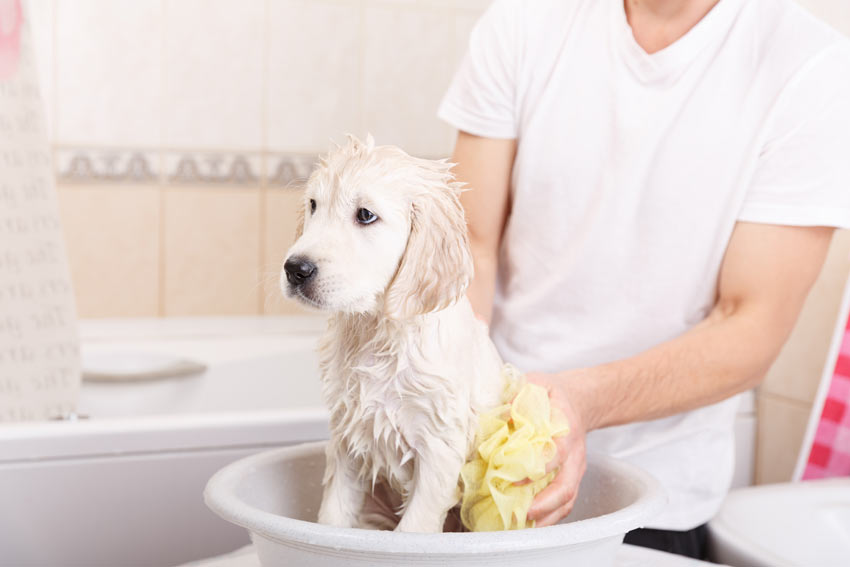
First, keep everyone safe
Before you start bathing, treat this like a potentially contaminated mess, not just a stinky dog.
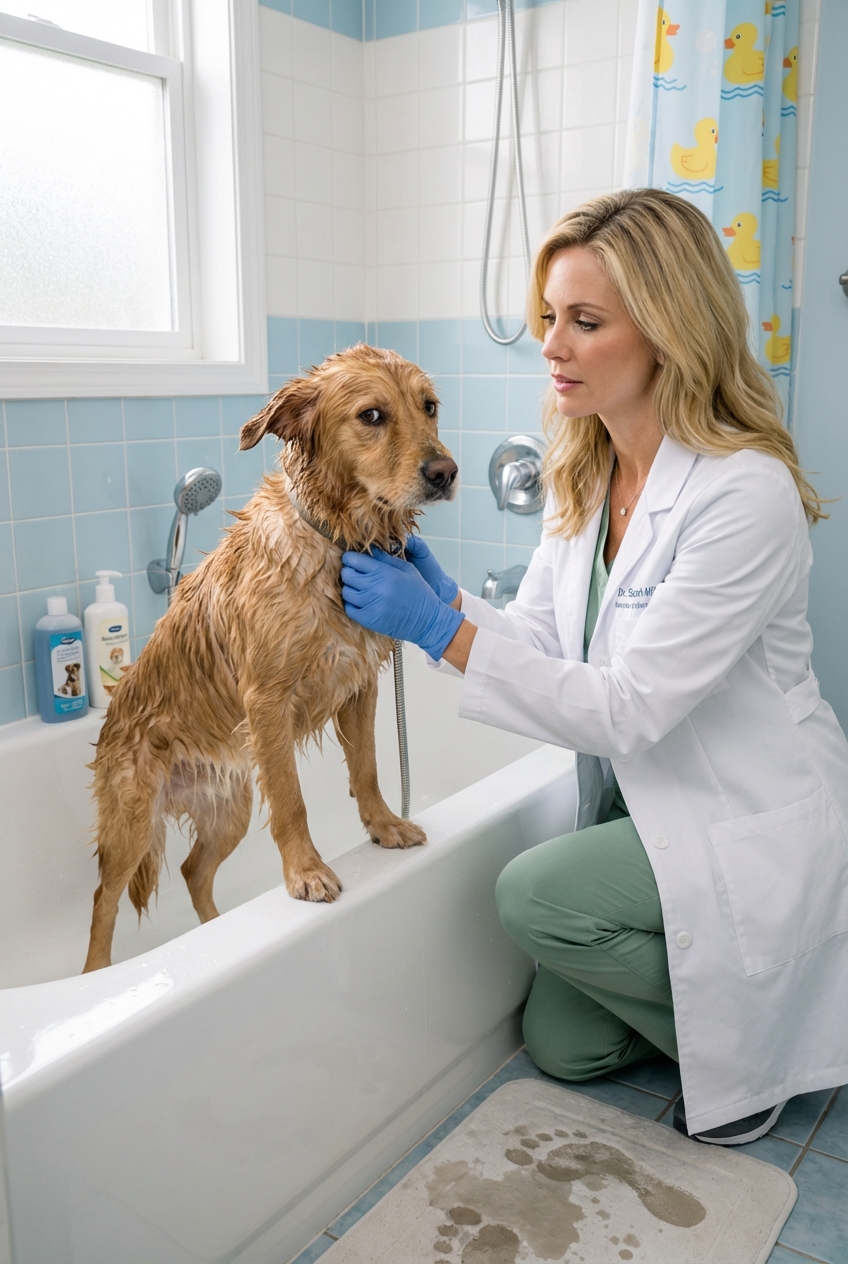
- Get your dog out of the house if you can. A yard, garage, or laundry room is ideal. You want to limit where the residue spreads.
- Put on gloves if you have them. If not, use a plastic bag over each hand to do the first wipe down.
- Use a non-slip surface. A rubber bath mat or a towel in the tub helps prevent slips and injuries.
- Keep your dog from licking. Use an e-collar if you have one, or loosely tie a clean towel around the neck like a temporary bib while you set up. Licking contaminated material can lead to vomiting or diarrhea later.
- Check for wounds. If your dog has any open cuts, punctures, or raw skin where the carcass touched, skip home disinfectants and call your vet. Broken skin raises infection risk.
- Be mindful of parasites. Dead wildlife can carry fleas, ticks, and sometimes fly larvae, depending on the stage of decomposition. Plan to check the coat carefully after the bath.
- Think about germs that can affect people, too. This is one reason I like gloves and good handwashing. Bacteria like Salmonella or Campylobacter are not guaranteed, but they are possible with wildlife and decomposition.
Quick rabies note: Rabies is most often spread through bites and saliva. Rolling on a carcass is less classic than a bite, but if your dog could have been bitten, mouthed the animal, or had contact with saliva or nervous tissue from high-risk wildlife (like bats, raccoons, skunks, or foxes), call your veterinarian the same day. Local public health guidance varies, and your vet can advise you on boosters and next steps.
What you need (simple supplies)
- Disposable gloves
- Paper towels or old rags
- A large cup or spray nozzle for rinsing
- Degreasing pet shampoo (or a veterinarian-recommended degreasing shampoo)
- Optional: a small amount of original blue Dawn dish soap for a targeted first pass on the oiliest spots
- Dog-safe conditioner (helpful for long coats)
- Clean towels you do not mind bleaching later
- A fine-tooth comb and flea comb
- Laundry detergent and bleach (for bedding and washable items)
- Enzymatic cleaner for any carpet or upholstery accidents
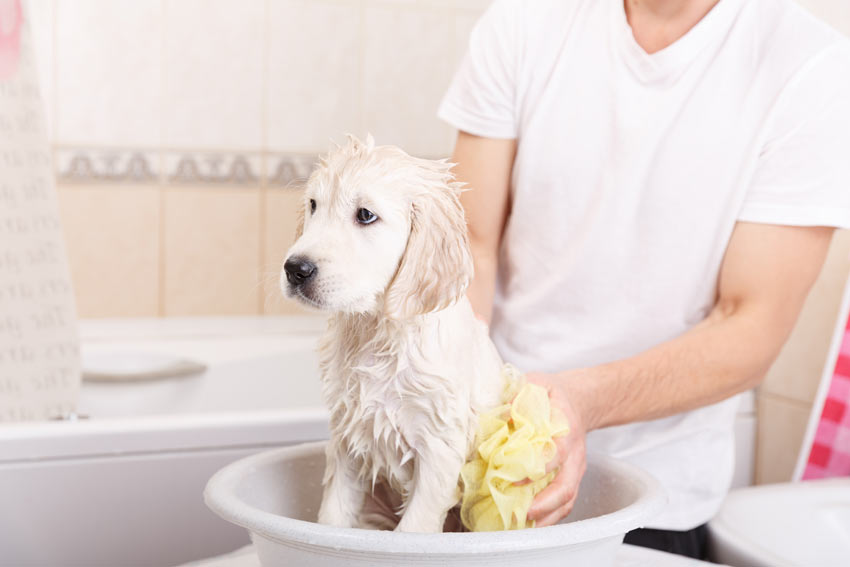
Step-by-step wash plan
Step 1: Dry wipe and remove chunks first
Do not start with water if there is visible gunk. Water can spread oils and tiny particles deeper into the coat.
- Use paper towels or rags to lift off solids and wipe in the direction of hair growth.
- If the residue is thick, use a comb to gently pull it away from the hair without scraping skin.
- Bag up towels and debris immediately.
Step 2: Protect the eyes, nose, mouth, and ears
This matters because degreasers and shampoo can sting, and you do not want contaminated water running into sensitive areas.
- Eyes: Apply a thin line of plain petroleum jelly above the eyes to help water roll away. Avoid getting shampoo near the eyelids.
- Mouth: Keep the head slightly elevated while you rinse the body. Wash the face last, with minimal product.
- Ears: Place a loose cotton ball in each ear canal opening to reduce splash entry. Do not push cotton down into the canal. Skip cotton if your dog has ear pain, a known ear infection, or is very head-shy.
Step 3: A thorough lukewarm pre-rinse
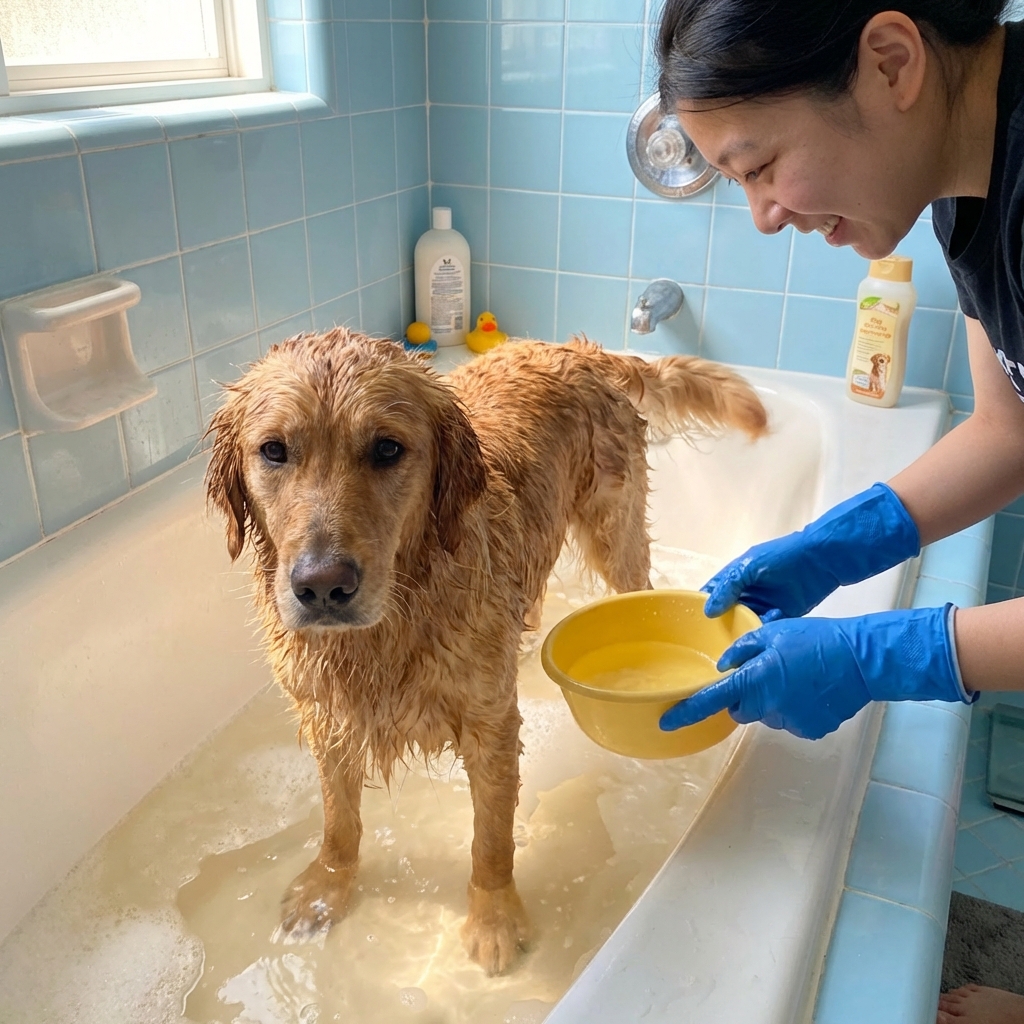
Rinse for longer than you think you need. The goal is to flush out loose debris and oils so shampoo can do its job.
- Use lukewarm water and start at the neck and shoulders, moving down the body.
- Avoid blasting the face directly.
Step 4: Degrease, then shampoo
Dead-animal residue is often oily. If you go straight to a gentle oatmeal shampoo, you may feel like you washed forever and nothing changed. A degreasing step helps.
- Targeted degrease (optional): On the worst greasy patches only, work a small amount of original blue Dawn dish soap into the coat, keeping it away from eyes and mouth. Let it sit 2 to 3 minutes, then rinse well. Do not use dish soap over the whole body routinely because it can be drying. I also avoid it if a dog has dermatitis, significant allergies, or very dry, flaky skin.
- Main wash: Apply a degreasing dog shampoo and lather thoroughly, down to the skin. Let it sit for the contact time listed on the bottle, usually 5 to 10 minutes.
- Rinse completely. Any leftover shampoo can cause itchiness and flaky skin later.
Step 5: Repeat the shampoo (most dogs need two rounds)
With carcass residue, the first wash often removes the bulk of the oils, and the second wash gets what is left in the fur.
- Do a second full shampoo, then rinse until the water runs clear and the coat does not feel slick.
Step 6: Clean the face last, gently
Use a washcloth with diluted dog shampoo or plain water.
- Wipe around the muzzle, cheeks, and under the chin.
- Avoid forcing water into the nose.
- If the residue got into the mouth, you can offer small sips of water afterward. Do not use mouthwash or hydrogen peroxide orally.
Step 7: Dry well and check the skin
- Towel dry thoroughly. A blow dryer on cool can help if your dog tolerates it.
- Remove any ear cotton right away if you used it.
- Part the hair and look for redness, rash, or scabs.
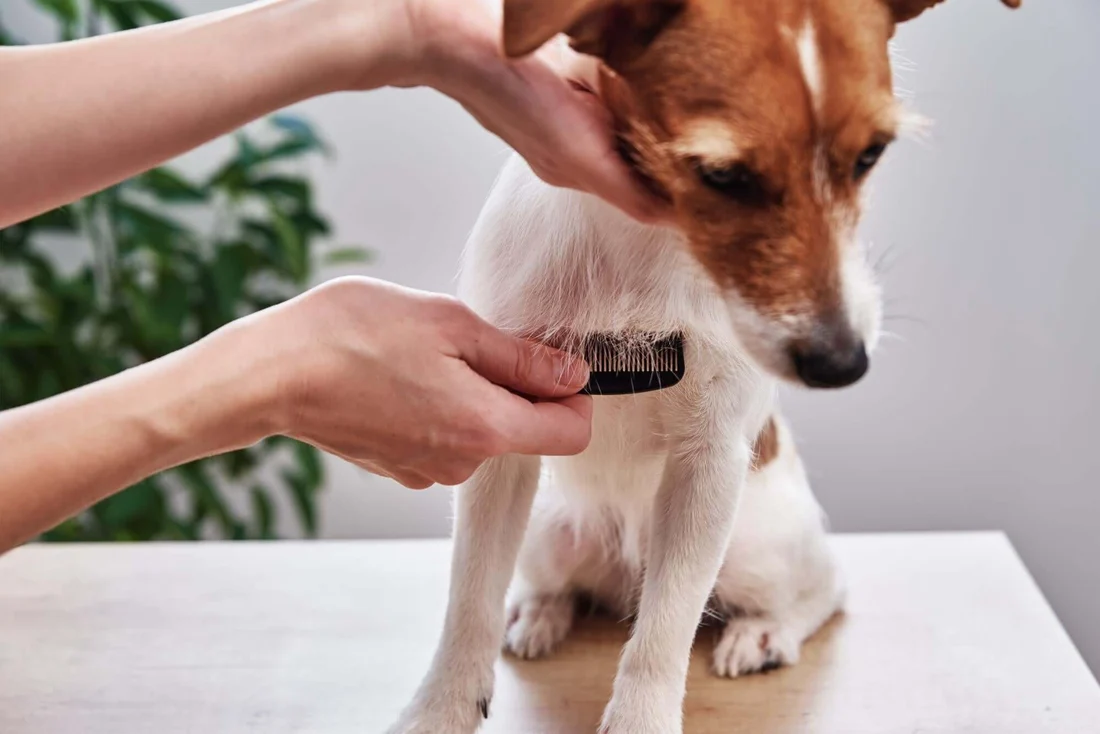
- Comb through the coat and use a flea comb around the neck, tail base, and belly.
Home cleanup matters
A great bath does not help much if the residue ends up on your hands, clothes, and bathroom surfaces.
- Wash your hands well with soap and warm water after handling your dog, towels, or gear.
- Launder your clothes (and any towel used as a bib or non-slip mat) in hot water if the fabric allows.
- Clean the tub, sink, or shower floor with a household disinfectant used according to the label directions, then rinse well. Ventilate the room and keep pets away until surfaces are dry.
Cleaning collars, harnesses, leashes, and bedding
If you wash the dog but forget the gear, the smell and bacteria can transfer right back onto the coat.
Collars and harnesses
- Nylon: Soak in hot water with laundry detergent for 30 minutes, then scrub and rinse. Air-dry in sunlight if possible.
- Biothane or waterproof collars: Wash with dish soap, rinse, then wipe with a pet-safe disinfectant according to label directions.
- Leather: Do not soak. Wipe thoroughly with a damp cloth and mild soap, then use a leather cleaner. If the leather is saturated with carcass oils, replacement is often the best choice.
Bedding, blankets, and washable toys
- Wash on the hottest safe setting for the fabric.
- Use regular detergent. Add bleach only if the items are bleach-safe and you can rinse thoroughly.
- Dry completely. Fully drying helps reduce lingering odor, and the wash cycle is doing most of the cleaning.
Carpet and upholstery
- Blot first, then use an enzymatic cleaner designed for pet odors. Follow the dwell time on the product so it can break down proteins and fats.
- Keep pets away until the area is dry.
Why the skunk peroxide mix is not ideal
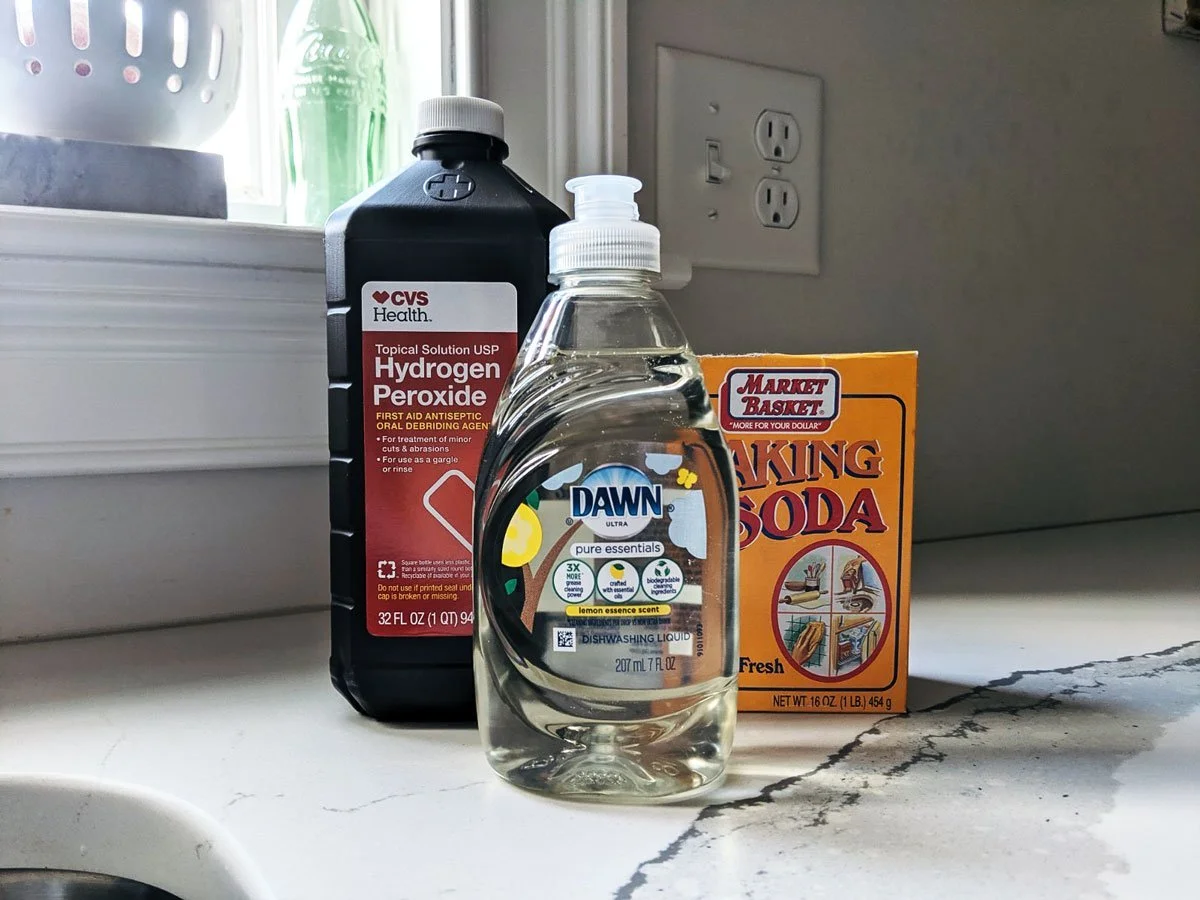
The classic “de-skunk” recipe uses hydrogen peroxide, baking soda, and dish soap to oxidize odor compounds. That can be very effective for skunk spray, but a dead-animal roll is usually more about oily residue plus decomposing material.
- It is not as targeted for carcass oils. For this problem, mechanical removal, degreasing shampoo, and thorough rinsing tend to work better.
- Peroxide can irritate skin and can lighten coat color, especially with repeated use.
- It is risky around eyes and mouth. Dogs that rolled in something dead often have it on the face and neck, which are the exact areas you do not want harsh mixes running into.
If your dog is both skunked and rolled in a carcass, talk with your veterinarian or groomer about the safest order of operations for your dog’s skin and coat.
When not to do this at home
Home bathing is not always the safest choice. Consider a groomer or a call to your veterinary clinic first if:
- The residue is heavy around the eyes, mouth, or deep in the ears
- Your dog is likely to bite, panic, or fight the bath
- Your dog has raw skin, hot spots, recent surgery, or a history of severe skin allergies
- You suspect the carcass was contaminated with chemicals (for example, rodenticide exposure) or you are not sure what your dog got into
When you should call the vet
Most healthy dogs do fine after a good bath, but licking decomposing material can upset the GI tract and, in some cases, expose them to harmful bacteria or toxins.
Vomiting or diarrhea after licking the mess
Call your veterinarian promptly if any of these are true:
- Repeated vomiting or inability to keep water down
- Diarrhea that is watery, has blood, or continues beyond 24 hours
- Acting tired, painful, or refusing food
- Drooling, gagging, or swallowing repeatedly as if nauseated
- Swollen belly, restlessness, or unproductive retching
- Puppies, seniors, or dogs with chronic illness showing any GI signs at all
Bring these details to the call if you can: what animal it was (if known), how long ago it happened, whether your dog likely ate any of it, and current symptoms. If you have a photo of the carcass location from a safe distance, that can help too.
Trust your gut. If your dog seems “off” after licking or rolling in a dead animal, it is always okay to call your veterinarian for advice. Dehydration can happen quickly with vomiting and diarrhea.
Aftercare and prevention tips
- Re-check the coat the next day. Sometimes residue hides near the skin and starts smelling again once dry. A second bath 24 hours later is okay for many dogs if you use a gentle dog shampoo and conditioner.
- Update parasite prevention if you are behind. Wildlife encounters often come with flea and tick hitchhikers.
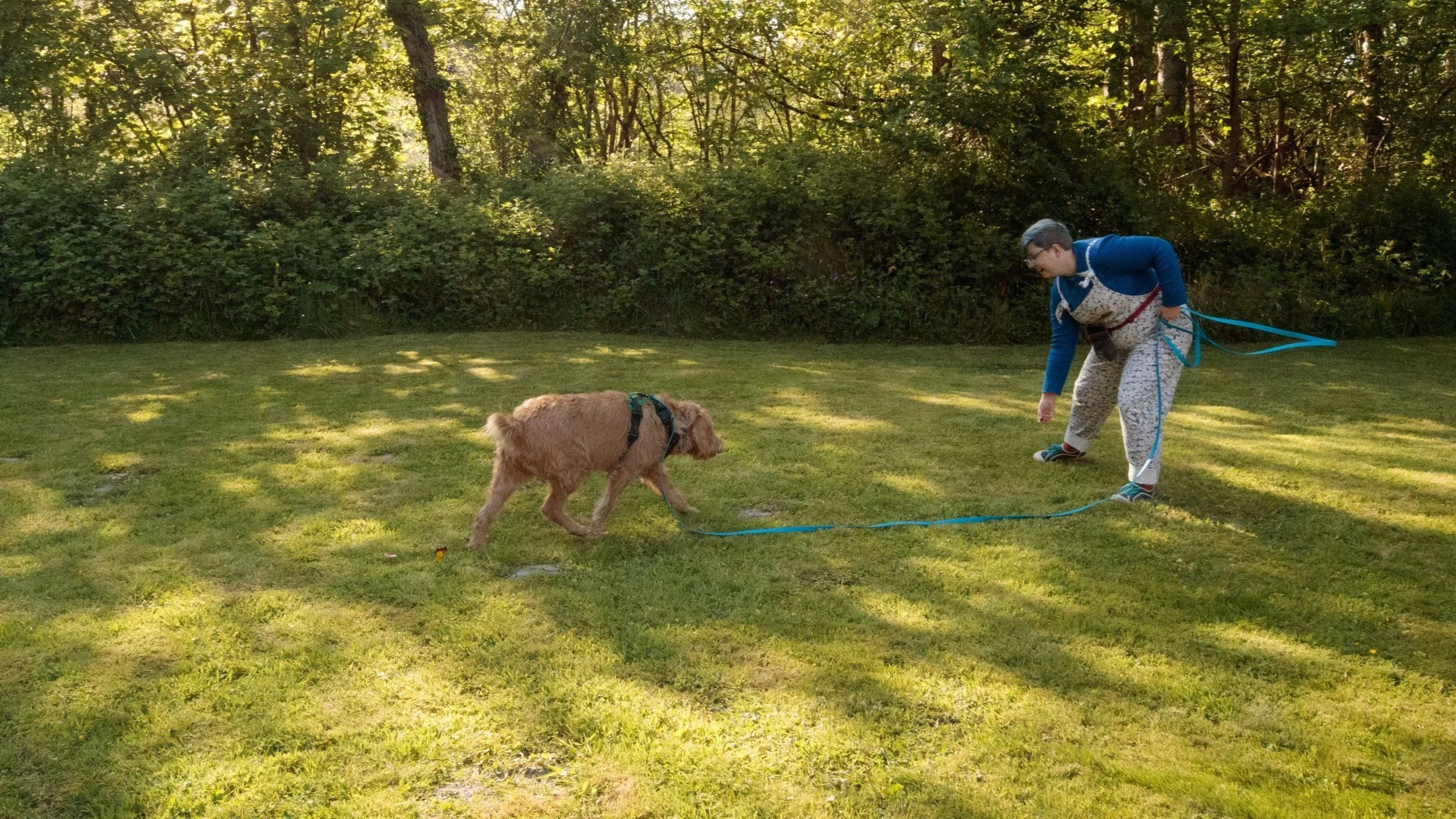
- Leash or long line in hot spots. If your dog has a favorite rolling area, a long line gives freedom without the surprise dives into something gross.
- Teach “leave it” and “come” as a safety behavior, not just a party trick. It is one of the best ways to prevent this whole scenario.