If you have ever spotted little black specks in your dog or cat’s coat and wondered, “Is that flea dirt or just plain dirt?”, you are in the right place. As a veterinary assistant, I can tell you this is one of the most common owner questions, and the good news is that you can often get a clear answer at home in under a minute.
One quick note before we start: black specks are not always flea dirt. Sometimes they are regular debris, dried blood from a scratch, or other skin crusts. That is exactly why the simple confirmation test below is so helpful.
Let’s walk through what flea dirt really is, how to confirm it with the wet-paper test, where to look (on your pet and in your home), and what to do next depending on how severe the infestation is.
What flea dirt is (and why it matters)
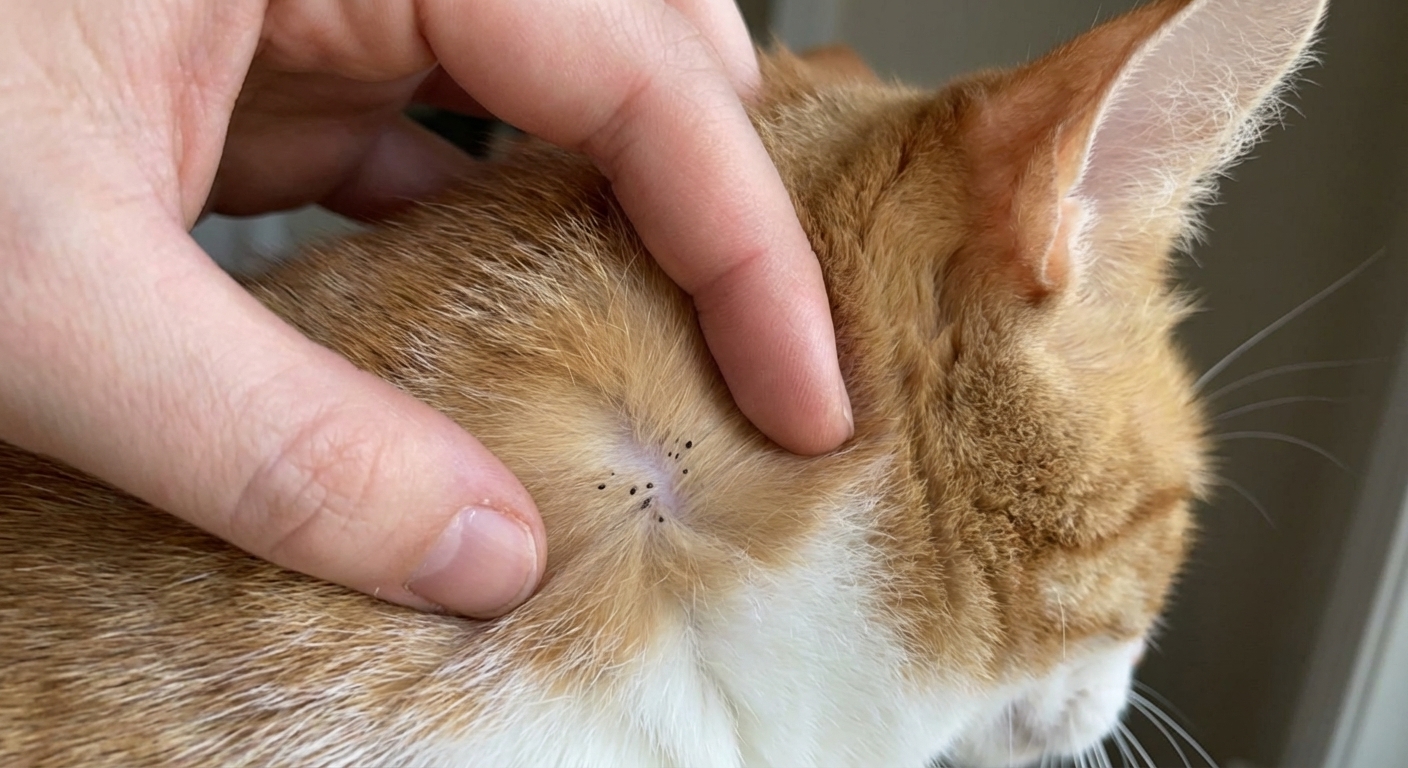
Flea dirt is not dirt at all. It is flea feces, mostly digested blood, that fleas leave behind after feeding. You may see it as:
- Black pepper-like specks
- Dark brown crumbs
- Small crusty bits near the skin
Why it matters: if you are seeing flea dirt, it means a flea has been feeding on your pet at some point. Even if you do not see a live flea, flea dirt is a strong clue that fleas are present now or were present very recently.
One helpful caveat: flea dirt can sometimes linger in the coat or bedding briefly after you have started effective treatment, especially if your pet was heavily infested. In other words, it is still a sign fleas were involved, but it does not always mean the treatment failed.
Fleas can cause intense itchiness, skin infections from scratching, and in some pets, flea allergy dermatitis. In heavy infestations, especially in kittens, puppies, or small pets, fleas can even contribute to anemia.
Flea dirt vs. dirt vs. scabs
Here are a few quick “spot the difference” tips:
- Flea dirt: dark specks that often collect close to the skin; turns reddish-brown when wet because it contains blood.
- Outdoor dirt: usually looks more like soil or dust; tends to rinse brown or tan, not red.
- Scabs or crust: may be attached to the skin or hair; can be irregular in shape; may come from bites, hot spots, or other skin issues.
- Cat chin acne debris: black specks on the chin area specifically; usually will not turn red when wet. Location and pattern are the biggest clues here.
If your pet has open sores, significant redness, hair loss, or a strong odor from the skin, you may be dealing with more than fleas alone and should involve your veterinarian.
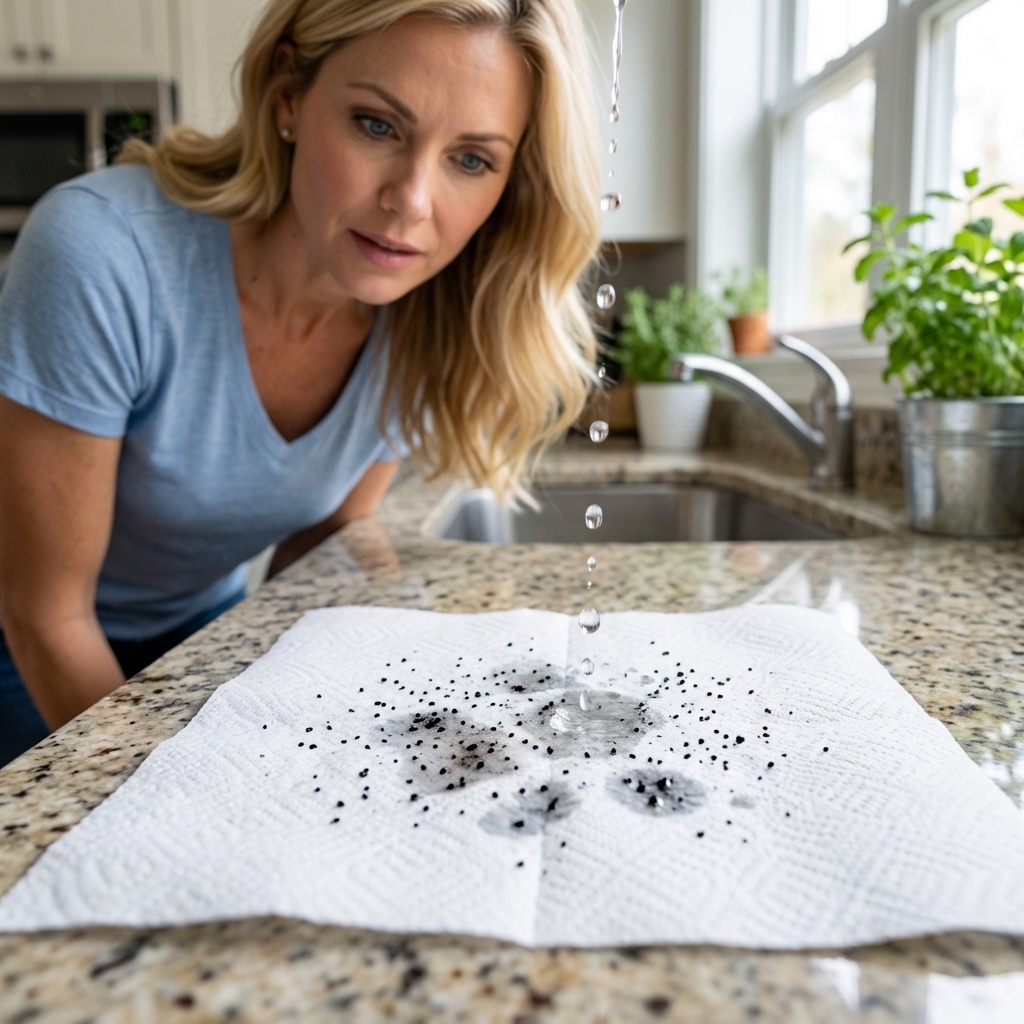
The wet-paper test
This is the at-home test I recommend most often because it is simple and fairly reliable.
What you need
- A white paper towel or white tissue
- A little water
- Optional: a flea comb
How to do it
- Place the white paper towel on a flat surface.
- Collect a few of the black specks from your pet’s coat. You can use your fingers, a cotton swab, or ideally a flea comb.
- Put the specks on the paper towel.
- Add a few drops of water to the specks or lightly dampen that area of the towel.
- Wait 30 to 60 seconds.
How to read the results
- If the specks smear or “bleed” reddish-brown: that is highly consistent with flea dirt.
- If there is no red tint: it may be regular dirt or debris. Dried blood from a small wound can occasionally confuse the picture, so repeat the test with fresh specks gathered close to the skin if you are unsure.
If you get a positive wet-paper test, assume fleas are involved and move on to treatment steps for both your pet and your home.
Where to look on your pet
Fleas like warm, protected spots. When you are checking, part the fur and look close to the skin. Focus on:
- Base of the tail and rump area
- Lower back
- Belly and inner thighs
- Armpits
- Neck and behind the ears
Many cats groom fleas off quickly, so you may see flea dirt even when you never catch a live flea.
Tip: Use a bright light and check in short sessions if your pet gets wiggly. You can do one area at a time and reward with a treat break.
Where to look in your home
If your pet has flea dirt, your home environment often has evidence too, especially where your pet sleeps or rests. Check:
- Pet beds, blankets, and crate bedding
- Your couch cushions or the favorite nap corner
- Along baseboards near pet sleeping areas
- Carpet edges and rugs
You might see tiny dark specks, flea eggs (tiny, off-white, salt-like, and often hard to spot), or even live fleas hopping when disturbed.
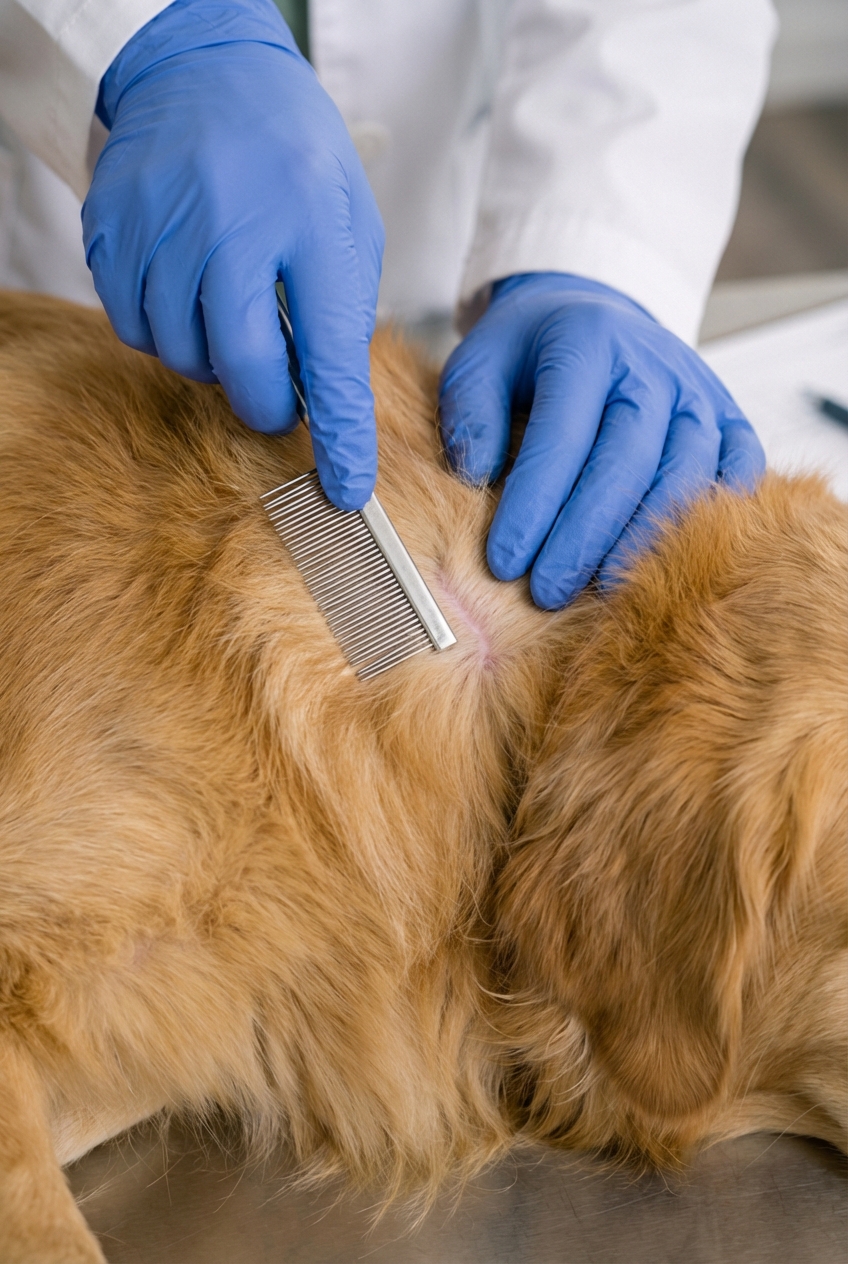
How to comb correctly
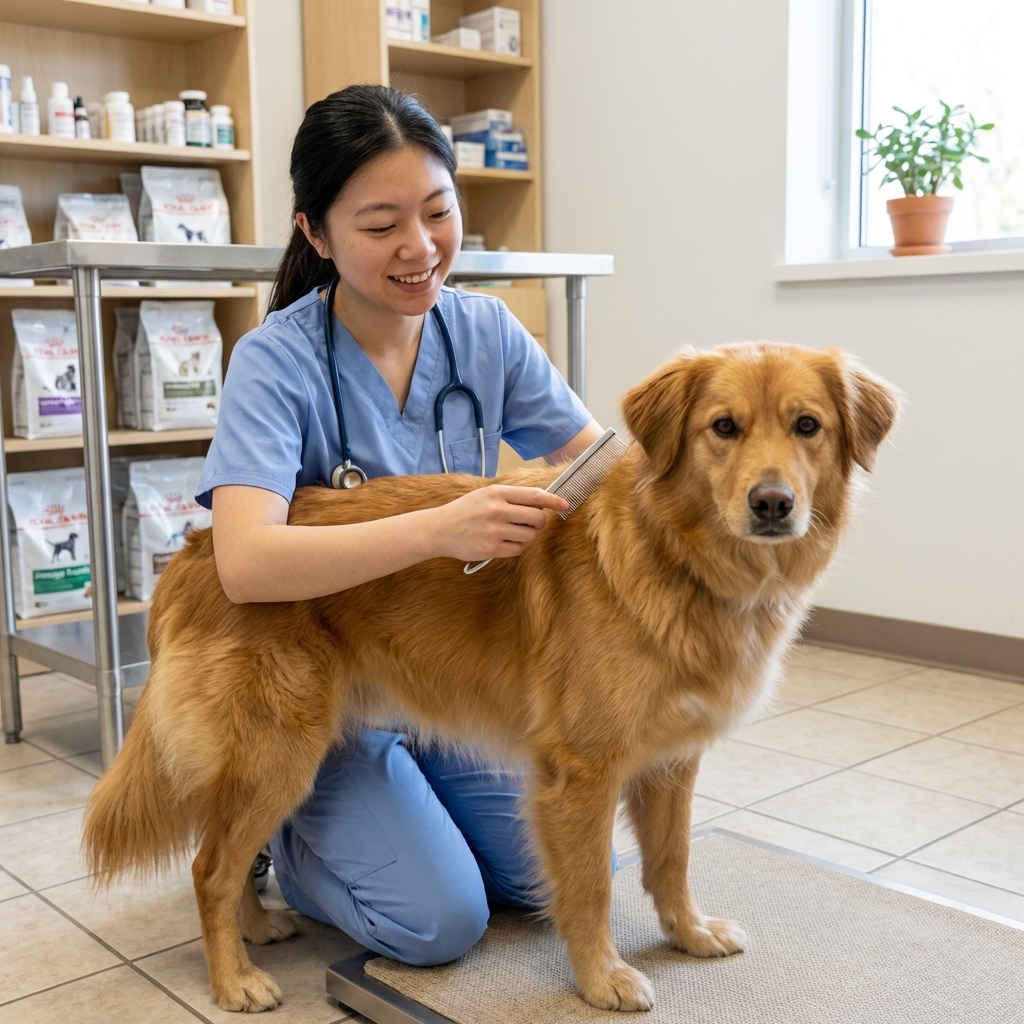
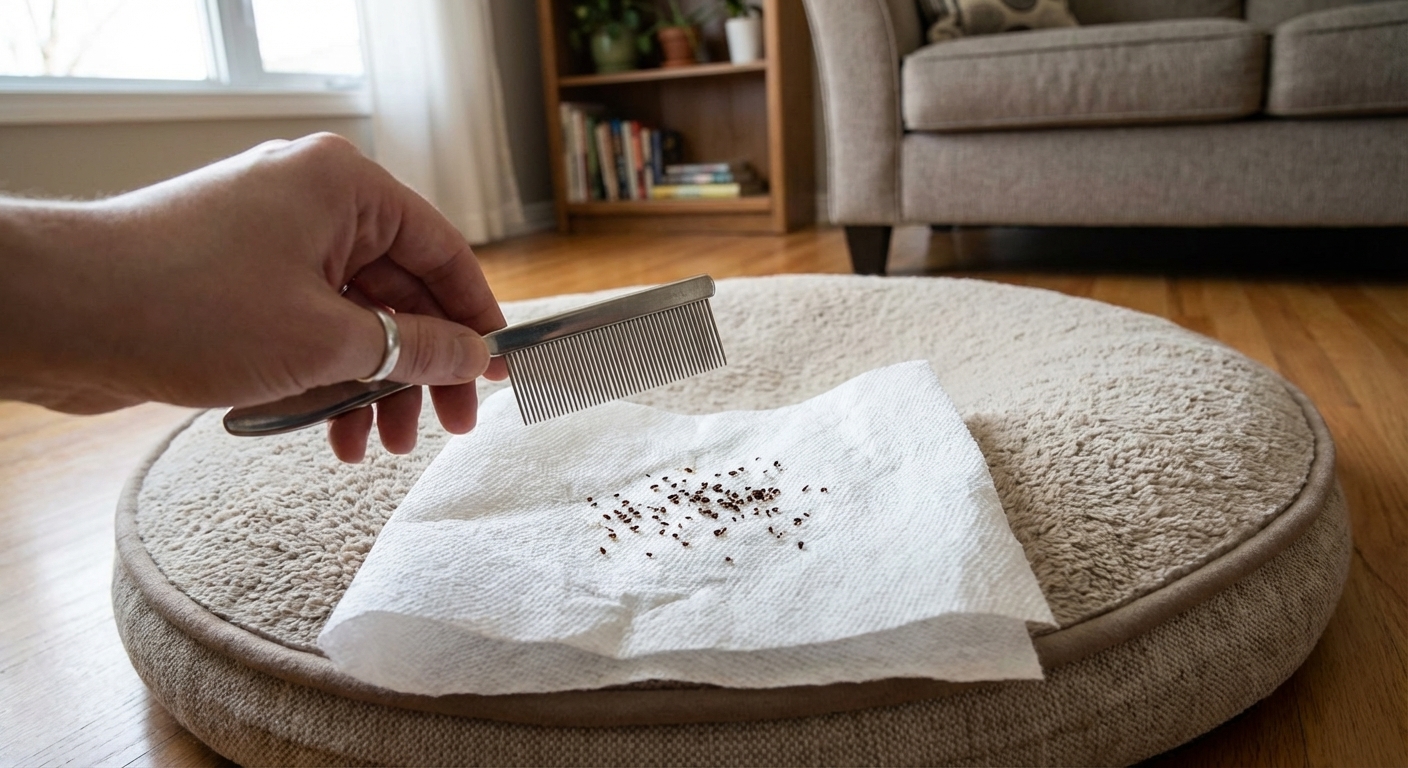
A flea comb is one of the best low-tech tools you can own. It helps you detect fleas, remove some adults, and collect debris for the wet-paper test.
Combing technique
- Choose a calm time. After a walk or meal often works well.
- Start at the neck and work toward the tail in short strokes.
- Pay extra attention to the tail base, lower back, belly, and behind the ears.
- Part the fur as you go so the comb can reach close to the skin.
What to do with what you find
- Have a small bowl of warm soapy water nearby.
- Dip the comb into the soapy water after each pass to trap any live fleas.
- Wipe debris onto a white paper towel for the wet-paper test if needed.
Combing alone rarely solves a flea problem, but it is excellent for confirming what you are dealing with and reducing the adult flea load while other treatments start working.
What to do next
If your pet is otherwise healthy and you are seeing mild signs, over-the-counter steps can be reasonable while you monitor closely. This is general education, not a substitute for veterinary advice, especially for young pets or pets with medical conditions.
1) Treat every pet
Fleas spread. If you treat only one pet, fleas will continue to cycle through untreated pets.
Important: Only use flea products labeled for that species and weight range. Dog flea products can be dangerous to cats.
Cat safety note: Permethrin (common in some dog spot-on flea products) is toxic to cats and exposure can be severe. If a cat may have been exposed, contact your veterinarian or a pet poison hotline immediately.
2) Choose an effective product
Evidence-based options often include veterinary-recommended topical or oral flea preventives. Some OTC products vary widely in effectiveness, so if you have used something consistently with no improvement, it is time to reassess with your veterinarian.
Also, plan to stay on monthly prevention even after things look better. It is much easier to prevent a flea cycle than to break one.
3) Treat the environment
- Wash pet bedding on hot and dry on high heat if the fabric allows.
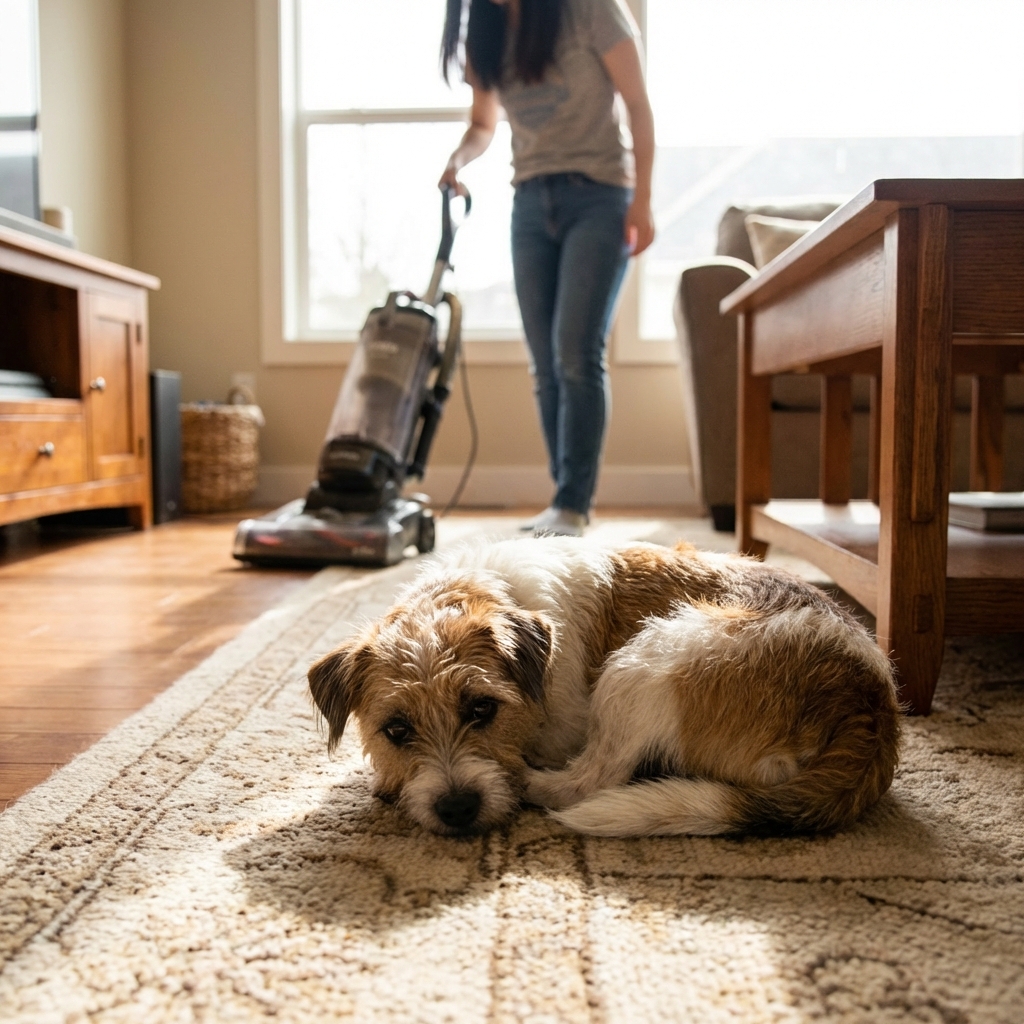
- Vacuum carpets, rugs, and upholstery frequently, especially where your pet sleeps.
- Empty the vacuum canister right away or seal the bag and take it outside.
Why this matters: fleas spend a large portion of their life cycle off the pet as eggs, larvae, and pupae in the environment. Killing adult fleas on your pet is only part of the plan.
If you are dealing with a heavy infestation, consider outdoor control too. Fleas often build up in shady areas where pets rest. Your veterinarian or a local pest professional can help you decide if yard treatment is warranted in your area.
4) Soothe the itch safely
If your pet is itchy, avoid human itch creams. Instead, talk to your vet about safe options. Some pets need prescription help to break the itch-scratch cycle and prevent secondary skin infections.
Do not do these
- Do not use essential oils on cats (and be cautious with any home remedies).
- Do not use garlic or other ingestion-based “natural” flea remedies.
- Do not use dog-only permethrin spot-ons on cats.
When a vet visit is needed
OTC steps are not always enough, and some situations need veterinary care right away. Call your veterinarian if:
- Your pet is a kitten or puppy, especially under 8 to 12 weeks, or very small
- You suspect anemia (pale gums, weakness, rapid breathing, low energy)
- There are open sores, hot spots, or significant skin redness
- Your pet has flea allergy dermatitis (intense itch, hair loss, scabs, especially near the tail base)
- You see fleas or flea dirt despite consistent treatment for 3 to 4 weeks
- Your pet has other health conditions or is on medications and you are unsure which flea product is safe
Veterinary teams can help you choose a product that fits your pet’s age, weight, and medical history, and can treat complications like skin infection or severe inflammation.
Common mistakes
- Treating only the pet, not the home: the flea life cycle continues in carpets and bedding.
- Treating only one pet: fleas hop to the untreated host and keep thriving.
- Stopping too soon: even good treatments need time to break the life cycle. Consistency matters.
- Using the wrong product for the species: this is especially risky for cats. Always read the label and ask your vet if unsure.
- Assuming winter means no fleas: indoor heating and milder weather can keep fleas active year-round in warmer climates.
Quick checklist
- Do the wet-paper test to confirm flea dirt.
- Comb your pet with a flea comb and dip the comb in soapy water.
- Check bedding and favorite resting spots.
- Treat all pets with a safe, effective flea control product.
- Wash bedding and vacuum frequently for several weeks.
- Call your vet fast if your pet is young, sick, very itchy, or not improving.
If you remember one thing: fleas are a household problem, not just a pet problem. Treat the pet and the environment at the same time for the best chance at real relief.
Frequently asked questions
Can I have flea dirt without seeing fleas?
Yes. Cats especially can groom away adult fleas quickly. Flea dirt is often the clue that fleas are present even when you never spot one hopping.
Does flea dirt always turn red when wet?
Most of the time, yes, because it contains digested blood. If it does not change color, it may be regular debris, but consider repeating the test with fresh specks gathered close to the skin.
How long does it take to get rid of fleas?
With consistent pet treatment plus environmental control, many homes improve noticeably within a few weeks. Full resolution can take 8 to 12 weeks (sometimes longer) because flea pupae can wait before emerging. If you are not seeing improvement by 3 to 4 weeks, involve your veterinarian so you can adjust the plan.