As a veterinary assistant here in Frisco, Texas, I can tell you one thing with total confidence: if you think your dog ate rat poison, don’t wait to “see what happens.” The stressful part is that some rodenticides cause problems right away, while others are sneaky and don’t show up until later.
The most helpful thing you can do in the first few minutes is figure out what product your dog got into, then call for professional guidance immediately.
Do this first (right now)
- Remove your dog from the area so they cannot eat more, and keep other pets away too.
- Find the package, station, block, or pellets your dog may have eaten. Seal it in a bag and bring it with you.
- Call a veterinarian or an animal poison hotline immediately for next steps. If it’s after hours, call an emergency vet clinic.
- If your dog is trembling, having a seizure, collapsing, or struggling to breathe, go to the nearest emergency vet now while someone else calls ahead.
If you are not sure who to call for poison guidance, the two big ones in the US are ASPCA Animal Poison Control Center and Pet Poison Helpline. (Many poison hotlines charge a consultation fee, so be ready with a card if you can.)
I know it’s tempting to start trying home remedies in a panic. Please don’t. With rat poison, the “right” response depends on the active ingredient, the amount, and your dog’s size and health, and the wrong move can make things worse.
Why the ingredient matters
“Rat poison” is a broad category. Different rodenticides work in completely different ways, and that changes what your veterinary team will do and how urgently signs may appear.
Anticoagulants: delayed internal bleeding
Many common baits are anticoagulants, which interfere with the body’s ability to clot blood. One of the most frightening aspects is the timing: dogs can seem totally normal at first, then develop dangerous bleeding later.
Bleeding signs can look like weakness, pale gums, fast or labored breathing, coughing up blood, nosebleeds, bruising, bloody or black stools, vomiting blood, or a swollen belly from internal bleeding. If you see any of these after a possible exposure, treat it as urgent.
With anticoagulant exposures, time still matters because treatment is most effective when started early, before bleeding begins. Your veterinarian may also recommend specific blood clotting tests at set timeframes, depending on the product and the situation.
Bromethalin: neurologic toxin
Bromethalin targets the nervous system and can progress to tremors, seizures, weakness, and severe neurologic signs. This can move fast.
If you see tremors or any seizure activity after a suspected rodenticide exposure, treat it as an immediate, life-threatening emergency and head to an ER vet.
Cholecalciferol (Vitamin D3): high calcium and kidney failure
Cholecalciferol (Vitamin D3) rodenticides are another common and very dangerous category. They can cause the body to absorb and hold onto too much calcium and phosphorus, leading to severe high calcium levels and potentially acute kidney failure.
Signs can be delayed and may start as vague illness like vomiting, loss of appetite, drinking and urinating more than usual, lethargy, and weakness. This is still an emergency, because early treatment can reduce how much damage occurs.
Phosphides: severe stomach upset and dangerous gas
Some rodenticides contain zinc phosphide or aluminum phosphide. These can produce a toxic gas in the stomach and cause rapid, serious illness.
If you suspect a phosphide product, do not wait it out. Call ahead and tell the clinic what you suspect, because teams may take extra handling precautions.
Bring the package (it helps more than you think)
When you get to the vet, that packaging is gold. It can contain the exact active ingredient and concentration, sometimes even the bait type and brand. That information helps your veterinarian choose the most appropriate care plan.
If you cannot find the package, bring whatever you can:
- The bait station (even if it is empty)
- A photo of the label, front and back
- Any loose pellets or blocks you can safely collect in a sealed container
- Where it was found (garage, yard, neighbor’s shed) and when you think ingestion happened
What not to do at home
I’m saying this gently, because I understand the fear: do not attempt to treat rat poison ingestion at home without direct professional guidance.
- Do not guess the ingredient. “Green pellets” or “blue block” does not reliably tell you what toxin it is.
- Do not delay care because your dog looks fine. Some poisons are delayed, and others can worsen quickly.
- Do not induce vomiting (including with hydrogen peroxide) unless a veterinarian or poison expert tells you to. It is not appropriate for every situation, and it can create new problems.
- Do not give home treatments or medications unless a veterinarian or poison expert tells you to, based on the exact exposure details.
What your vet may focus on
Your veterinarian will make decisions based on a few key factors: your dog’s weight and health history, how long ago the exposure happened, the suspected dose, and the active ingredient.
In clinic, teams commonly prioritize:
- Identifying the rodenticide type using the packaging and history
- Stabilizing neurologic symptoms right away if bromethalin is suspected and signs are present
- Assessing bleeding risk for anticoagulant exposures, which may include specific lab tests now and at a follow-up window chosen by your vet
- Checking calcium and kidney values if cholecalciferol is suspected, plus aggressive monitoring and supportive care as needed
- Planning monitoring, because some effects are delayed and need rechecks
The takeaway is simple: the sooner you call and the sooner your dog is assessed, the more options your vet has.
If a dog ate a poisoned rat or mouse
This happens more often than people realize, especially with dogs who love to hunt critters in the yard. Secondary exposure can still be a concern, depending on the product used, how much the rodent consumed, and how much your dog ate.
In general, the risk is often lower than eating the bait directly, but it is not something to shrug off.
The safest response is the same: call your vet, ASPCA Animal Poison Control Center, or Pet Poison Helpline and tell them your dog may have eaten a rodent that had access to bait. If possible, note where the rodent was found and whether you know what bait was used.
Prevention tips that work
I’m a big fan of prevention because rodenticides are one of those hazards that can turn a normal day upside down.
- Store all rodenticide products locked up like you would prescription medications.
- Avoid loose pellets in areas pets can access, including garages and sheds.
- Ask neighbors or property managers what pest control products are being used if your dog has access to shared yards or common areas.
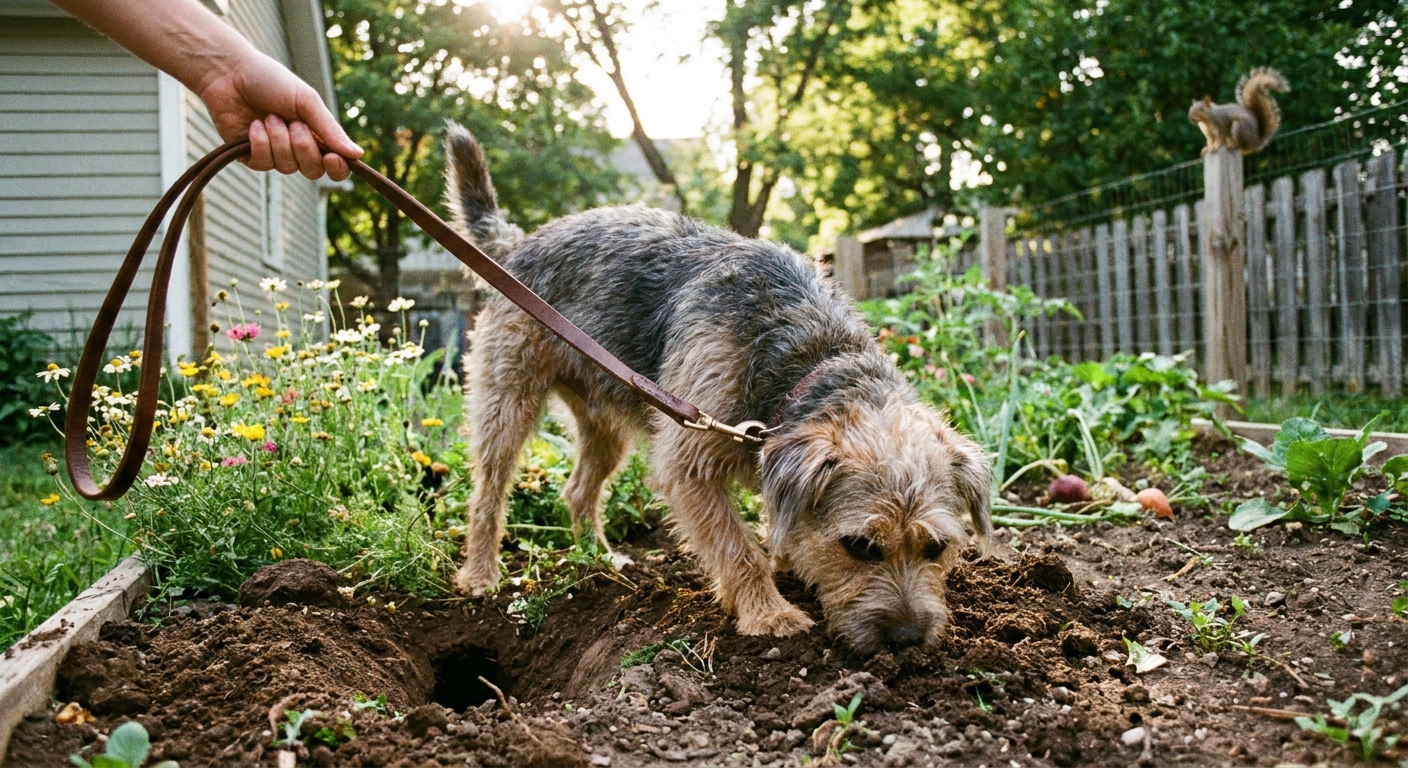
- Supervise outdoor time for dogs who are known scavengers or hunters.
When it is life-threatening
If you suspect rat poison and your dog has tremors, seizures, severe weakness, collapse, trouble breathing, or extreme disorientation, go to an emergency veterinarian immediately.
Even if your dog seems normal, suspected ingestion is still urgent. Call your veterinarian, ASPCA Animal Poison Control Center, or Pet Poison Helpline right away, and bring the package so your dog can get the right help as quickly as possible.
If you’re panicking, take one steady step: secure your dog, grab the packaging, and call for professional guidance. You do not have to figure this out alone.