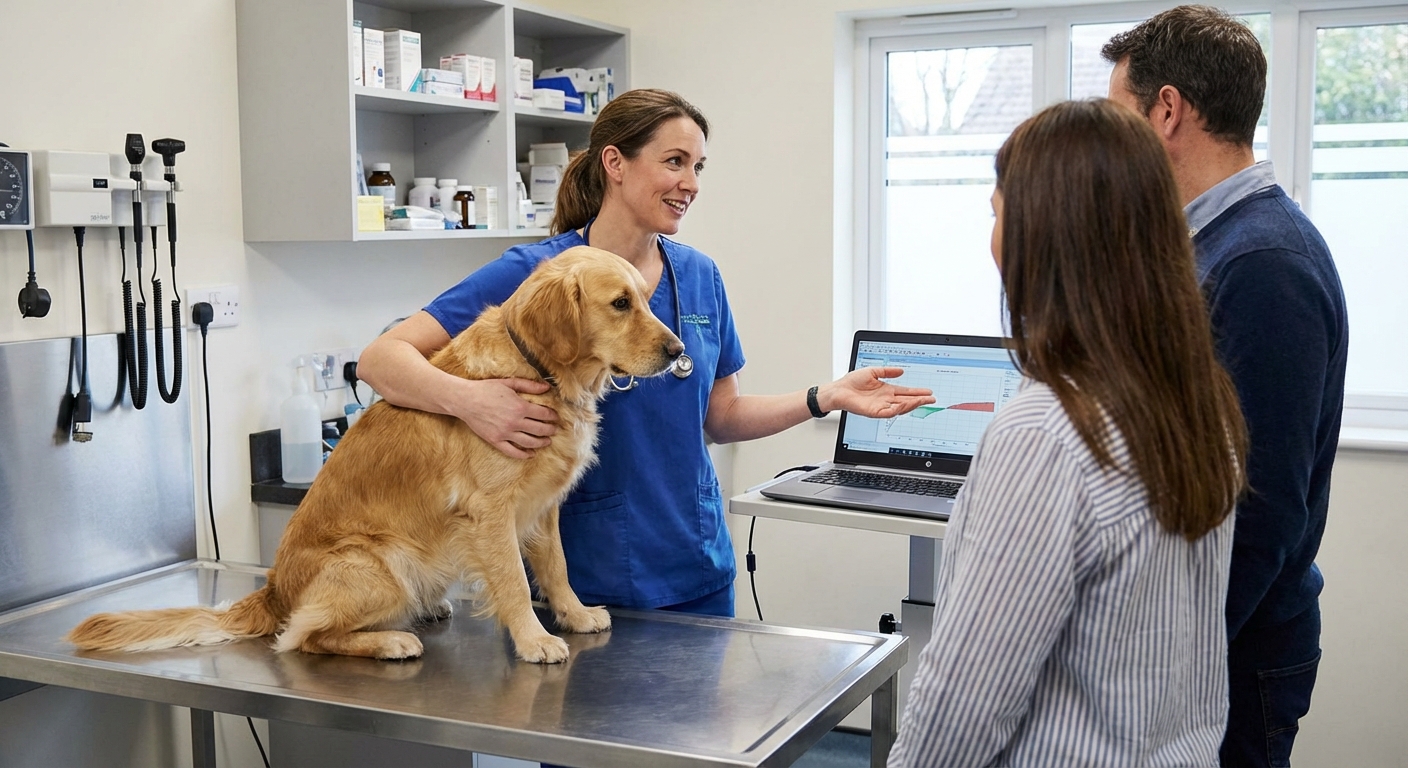
I am Shari, a veterinary assistant in Frisco, Texas, and I want you to hear this clearly: a seizure that does not stop is not a wait-and-see situation. It is an emergency called status epilepticus, and minutes truly matter.
This page focuses on a seizure that will not stop. If your dog has multiple separate seizures but wakes up and seems to recover between them, that is a different pattern called cluster seizures. Clusters can still be an emergency, especially if they keep happening in a 24-hour period, so you should contact your vet or an ER right away for guidance.
What it means
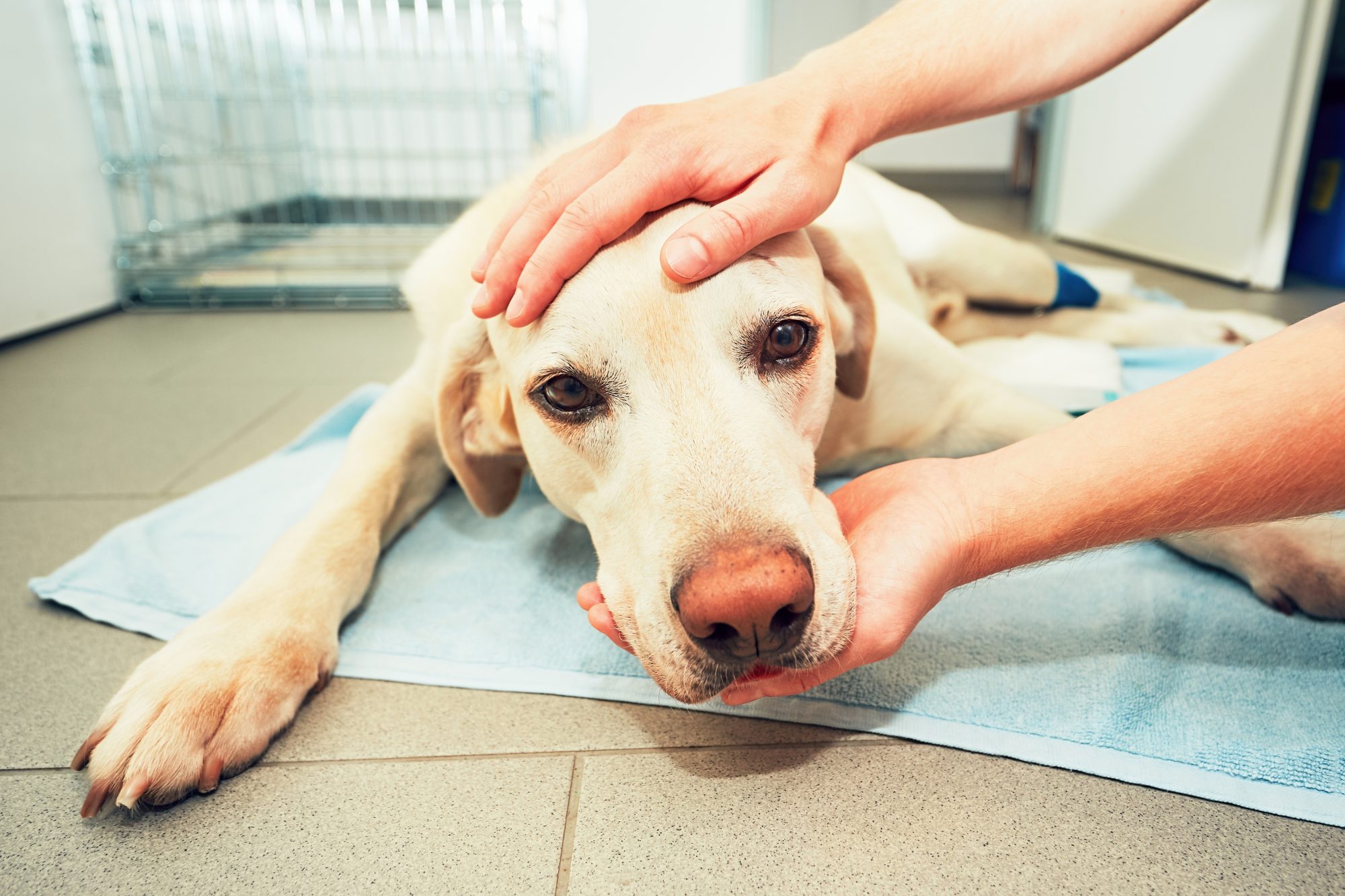
Status epilepticus is commonly used to describe either:
- One seizure that lasts around 5 minutes or longer (many ER teams use this as the emergency threshold), or
- Back-to-back seizure activity without returning to normal consciousness between episodes.
The key idea is this: your dog is not getting a real break. The brain and body stay stuck in an “on” position, and that is where the danger increases quickly.
Why minutes matter
A short seizure is still scary, and it can signal something serious, especially if it is your dog’s first seizure. Many dogs do recover from a brief event, but they still need prompt veterinary evaluation. Status epilepticus is different because prolonged seizure activity can set off a cascade of problems, including:
- Overheating from sustained muscle activity
- Low blood sugar (risk is higher in puppies, toy breeds, very small dogs, and dogs with underlying illness)
- Acid-base and electrolyte imbalances
- Breathing and oxygenation problems
- Rising risk of brain injury the longer a seizure continues
- Aspirating saliva or vomit, which can lead to pneumonia
In veterinary medicine, we treat ongoing seizure activity as time-sensitive because the longer it goes on, the harder it can be to stop and the more complications we have to manage afterward.
How to spot it
Many owners picture a classic full-body seizure with paddling legs, repetitive jaw movements, drooling, and loss of bladder or bowels. That can be status epilepticus, but so can less obvious seizure activity if it keeps going or your dog never truly regains awareness.
Act immediately if
- Your dog has been seizing for around 5 minutes or longer
- Your dog stops convulsing but does not regain awareness and seems to slip right back into seizure activity
- Your dog is struggling to breathe, gums look pale or blue, or they seem to be overheating
- It is the first seizure ever and it is not stopping
If you can safely do it, start a timer on your phone. During a seizure, time feels distorted, and what seems like 30 seconds can actually be several minutes.
If you can do so safely and without delaying care, a short video can help your veterinarian. Do not put yourself at risk or stay home to record.
What to do now
Your job is to keep your dog as safe as possible while you get help fast. You will not be able to “snap them out of it,” and you should not try to restrain the movements.
Step by step
- Stay calm and start timing the seizure. If it approaches 5 minutes, treat it as an emergency even if it looks like it might slow down.
- Call an emergency vet while you are watching your dog. Put the phone on speaker if you can. Tell them, “My dog is actively seizing and it has been going on for X minutes.”
- Move hazards away. Clear furniture edges, block stairs, and cushion the area with folded blankets or a pillow near (not under) the head.
- Keep hands away from the mouth. Dogs do not swallow their tongues, but they can bite unintentionally with incredible force.
- Dim lights and reduce noise. Less stimulation can help some dogs as they come out of seizure activity.
- Do not give food or water during or right after a seizure. Swallowing is not coordinated and aspiration is a real risk.
- Do not give human medications or leftover pet meds unless your veterinarian specifically told you to. This includes pain meds, sedatives, alcohol, marijuana products, or anything “to relax them.”
If your veterinarian has prescribed an at-home rescue medication for seizures, use it exactly as directed and still contact your clinic or ER for guidance. Status epilepticus often needs hospital-level treatment even when you do everything right at home.
Transport safely
Transport is where well-meaning owners sometimes get injured or accidentally make things harder for the dog. The goal is safe, fast, and low-stimulation.
If your dog is actively thrashing, prioritize preventing falls and bites over perfect positioning. Getting to the ER safely is the win.
Safer ways to move your dog
- Use a blanket as a stretcher for medium or large dogs if you have another adult to help.
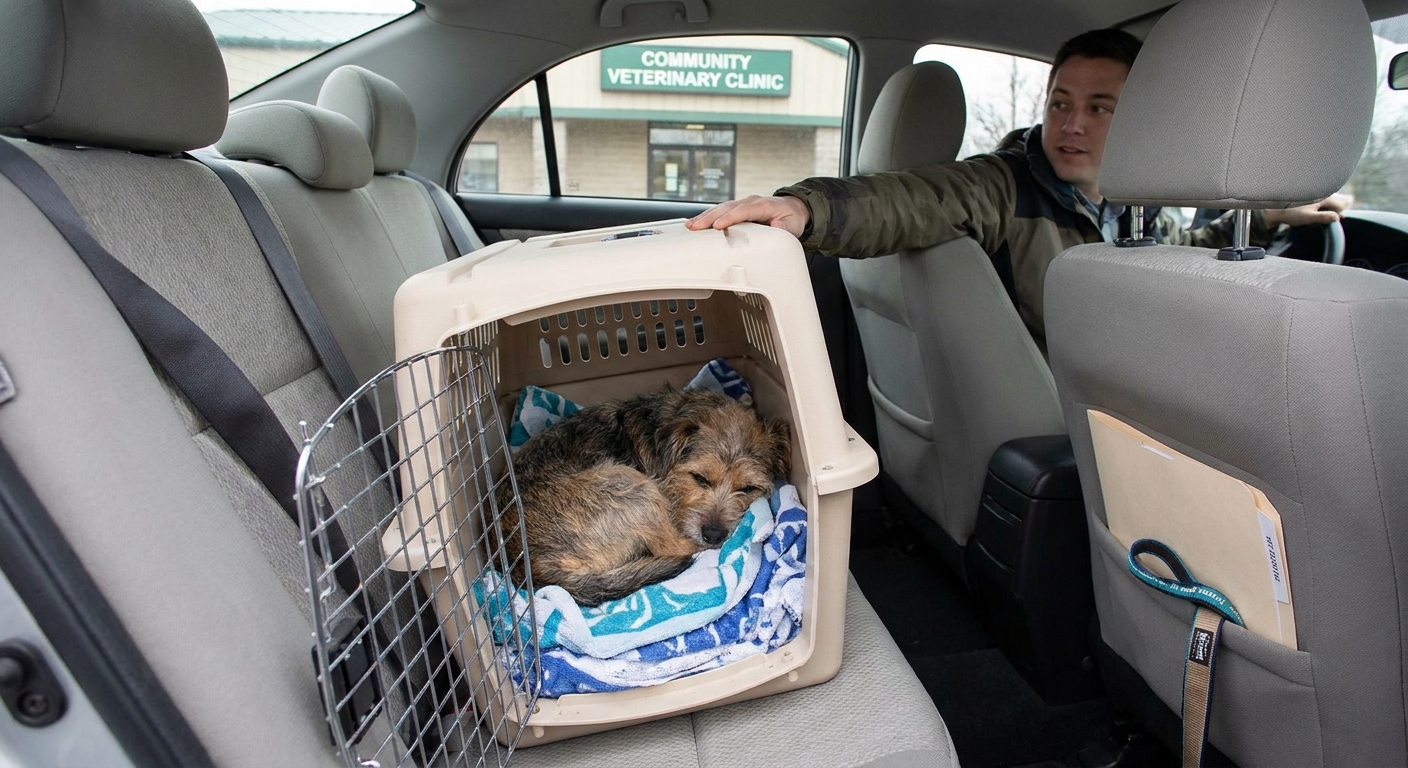
- For small dogs, a carrier lined with towels can help contain thrashing and protect the head.
- Keep your dog on their side if possible, with the neck in a neutral position so breathing is not restricted.
- Be extra careful with flat-faced breeds (bulldogs, pugs, boxers). Their airways are more easily obstructed, so focus on a neutral neck position and a clear airway.
- If your dog is vomiting or drooling heavily, keeping them on their side can reduce the risk of inhaling fluid.
- Keep the car cool. Turn on AC and aim vents away from the face.
- Have one person drive and one person monitor the dog. If you are alone, focus on driving safely and get to the nearest ER.
Do not do this in the car
- Do not put your fingers in the mouth.
- Do not hold the tongue.
- Do not try to force pills or liquids.
- Do not delay to “see if it stops” once you are near that 5-minute mark.
How vets stop it
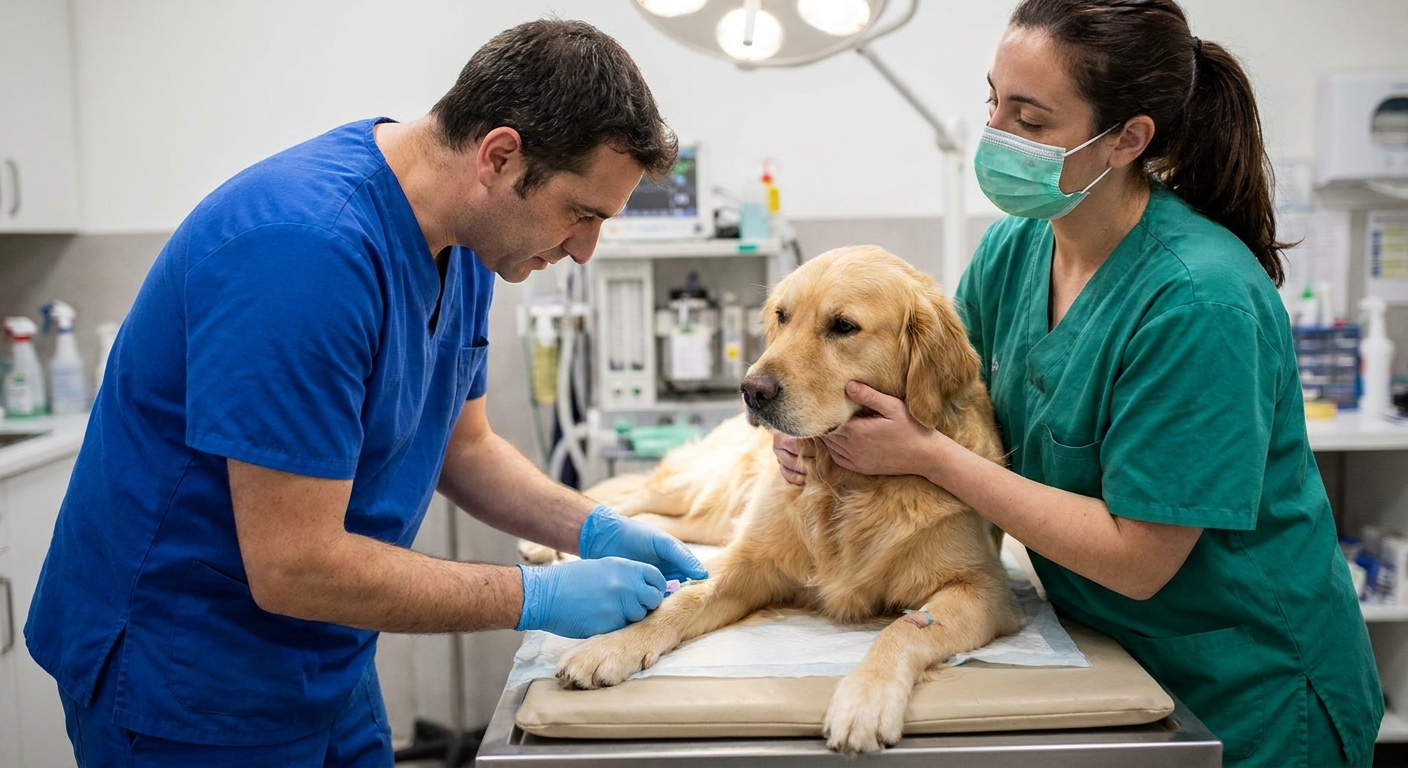
In clinic, our priorities are simple: stop the seizure, support breathing and circulation, manage body temperature, and identify what triggered the crisis.
1) Rapid assessment
Many dogs in status epilepticus are confused, blind, or reactive when they start coming out of it. Veterinary teams often use muzzles, towels, or other safe handling techniques to prevent accidental bites while still keeping airways clear.
2) Fast-acting seizure medication
Veterinarians typically reach for benzodiazepines first because they act quickly. Depending on the case and what the hospital uses, these may be given IV (into a vein), intranasally (often midazolam, into the nose), or rectally. If the seizure continues or returns, additional medications may be added to get control.
3) IV access, oxygen, monitoring
Most dogs with status epilepticus need an IV catheter for medication access and fluids. Oxygen support may be provided. Your veterinary team will monitor:
- Temperature (to catch and treat overheating)
- Blood glucose
- Electrolytes and acid-base status
- Blood pressure, heart rate, and oxygenation
4) Cooling and supportive care
If a dog is hot, the team will cool them carefully and gradually to avoid hypothermia. Fluids, anti-nausea meds, and other support may be used based on what your dog needs.
5) Finding the cause
Status epilepticus can happen in dogs with known epilepsy, but it can also be triggered by other problems, including toxin exposure, metabolic disease, organ dysfunction, infections, or structural brain disease. Your veterinarian may recommend bloodwork, blood pressure checks, toxin screening, and in some cases advanced imaging and neurology referral.
What to tell the ER
When things are frantic, it helps to have a simple script. These details make triage faster:
- When the seizure started and whether it has stopped at all
- Whether your dog returned to normal awareness at any point
- Any seizure meds your dog takes and the last time they were given
- Any possible toxin exposure (human medications, marijuana products, rodent bait, certain insecticides, xylitol, etc.)
- Recent illness, head trauma, or changes in appetite, thirst, urination, or behavior
After it stops
Even when we stop the seizure, many dogs go through a post-seizure recovery period called the postictal phase. Your dog may be wobbly, ravenous, restless, clingy, temporarily blind, or confused. This can last minutes to hours, and sometimes longer after severe episodes.
Your vet may recommend hospitalization for monitoring, adjustments to long-term seizure control medications, or additional diagnostics, especially if this was your dog’s first seizure or the seizure was prolonged.
Common questions
Is it always fatal?
No. Many dogs recover, especially when treatment is started quickly. But it is always serious, and the risk of complications rises the longer seizure activity continues.
Can I wait it out if my dog has had seizures before?
If the seizure is approaching 5 minutes, or your dog is not returning to awareness, do not wait. Even dogs with a known seizure history can tip into status and need emergency care.
Should I put something in my dog’s mouth?
No. Dogs do not swallow their tongues, and attempting this is a common cause of serious bites. Focus on clearing the area around them instead.
What if I cannot tell how long it has been?
Start timing as soon as you notice seizure activity. If you are unsure and your dog seems stuck in it, treat it as an emergency and head in.
My best advice
If your dog has a seizure disorder, ask your veterinarian ahead of time about an at-home emergency plan so you are not making decisions in a panic. But if you are reading this while your dog is actively seizing and it is not stopping, please prioritize getting to emergency care.
You are not overreacting. In veterinary medicine, we would much rather see a dog early and stabilize them than try to catch up after prolonged seizure activity.