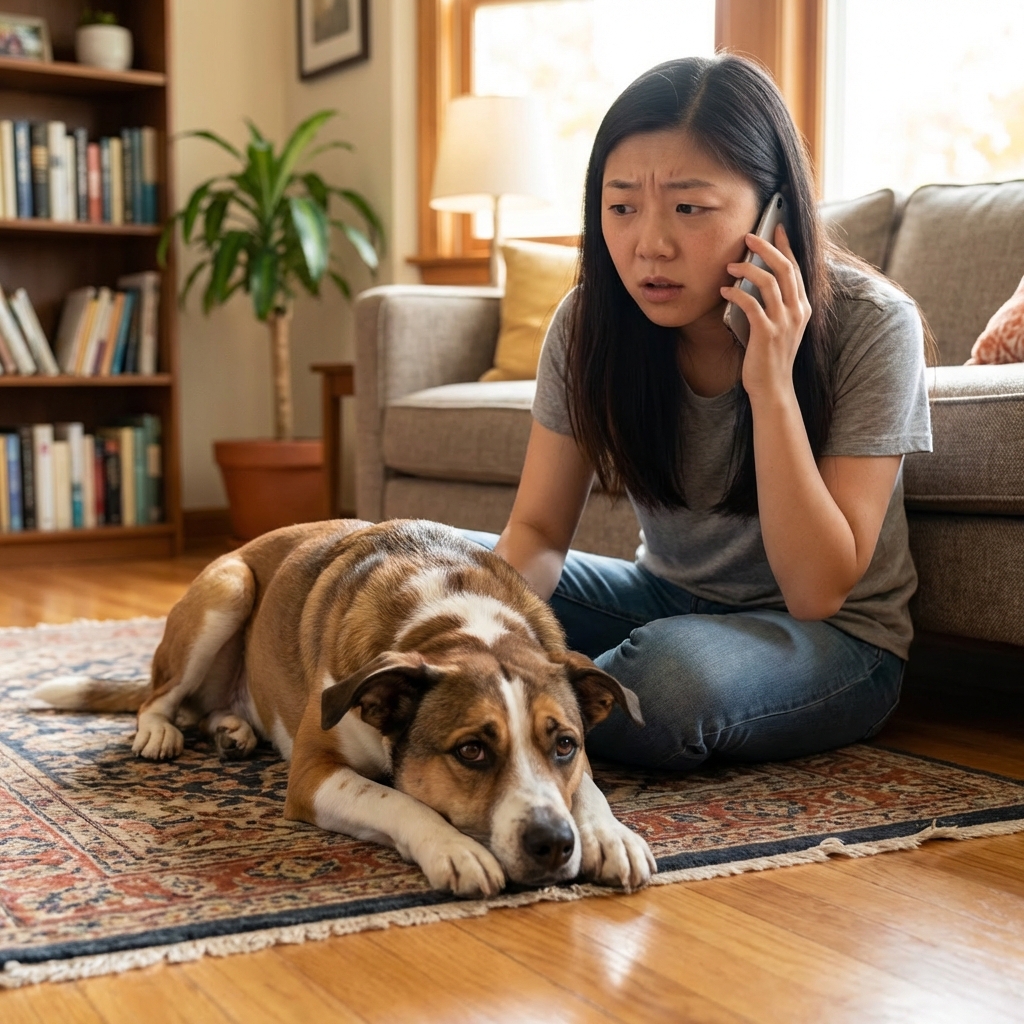
I have seen a lot of “my dog is acting drunk” emergencies, and marijuana exposure is high on the list, especially when edibles are in the home. If you suspect your dog got into THC, try to take a breath. Secure your dog and the product, then call your veterinarian or an emergency clinic right away. Most dogs recover with prompt veterinary care and good monitoring, but it is not something to wait out at home.
What marijuana poisoning means
Marijuana poisoning (THC toxicosis) happens when a dog is exposed to enough THC to affect the nervous system and cause clinical signs. Dogs can be very sensitive to THC, and small body size makes it easier to get an overdose level exposure.
Common exposure sources include:
- Edibles (gummies, brownies, cookies, chocolates, candies, butter or oils used in cooking)
- Plant material (dried flower, buds, pre-rolls, leftover “roaches,” homegrown plants)
- Vape cartridges or concentrates (high potency products)
- Secondhand smoke in enclosed spaces (less common as a severe exposure, but still a problem for some dogs)
Important: Many edibles contain other toxins that can make the situation more serious, like chocolate, xylitol (birch sugar), raisins, macadamia nuts, caffeine, or high amounts of fat that can trigger pancreatitis.
Also worth knowing: Some CBD products are mislabeled or contaminated with THC. I have seen dogs develop THC type symptoms after getting into “CBD treats” or oils, especially if a large amount was eaten.
Signs of THC poisoning in dogs
Symptoms can begin anywhere from about 30 minutes to several hours after exposure. With edibles, signs are often delayed because of digestion. Effects may last 12 to 24 hours, and with high doses or potent products they can persist 24 hours or more.
Common symptoms
- Wobbliness or inability to walk normally (ataxia), stumbling, acting “drunk”
- Extreme sleepiness or difficulty staying awake
- Urine dribbling or accidents (loss of bladder control is common)
- Vomiting and drooling
- Glassy eyes, dilated pupils, or unusual eye movements
- Agitation, restlessness, whining, or pacing
- Tremors and, in severe cases, seizures
- Low heart rate (bradycardia), sometimes paired with low blood pressure
- Low body temperature (hypothermia), especially in small dogs
If your dog is having tremors, cannot be roused, is collapsing, has pale or blue gums, is struggling to breathe, or you suspect they ate a large amount, treat it as an emergency.

What to do right now
When THC is involved, fast and accurate information helps your veterinary team choose the safest treatment.
- Remove access to the product and keep your dog in a quiet, dim, safe space to prevent falls.
- Call your veterinarian, an emergency vet, or a pet poison hotline immediately for guidance. Do not wait for symptoms to get worse.
- Prevent injuries by blocking stairs, keeping them off furniture, and walking them with a harness or sling if they must go outside.
- Save the packaging and bring it with you.
Do not
- Do not give human “antidotes” or try to “sleep it off.” With higher doses or more severe intoxication, THC can contribute to dangerous drops in heart rate, blood pressure, and body temperature.
- Do not give hydrogen peroxide unless a veterinarian or poison expert specifically instructs you to.
- Do not give milk, oils, butter, peanut butter, or “detox” remedies.
- Do not force food or water if your dog is very sleepy or uncoordinated.
What to tell the veterinarian
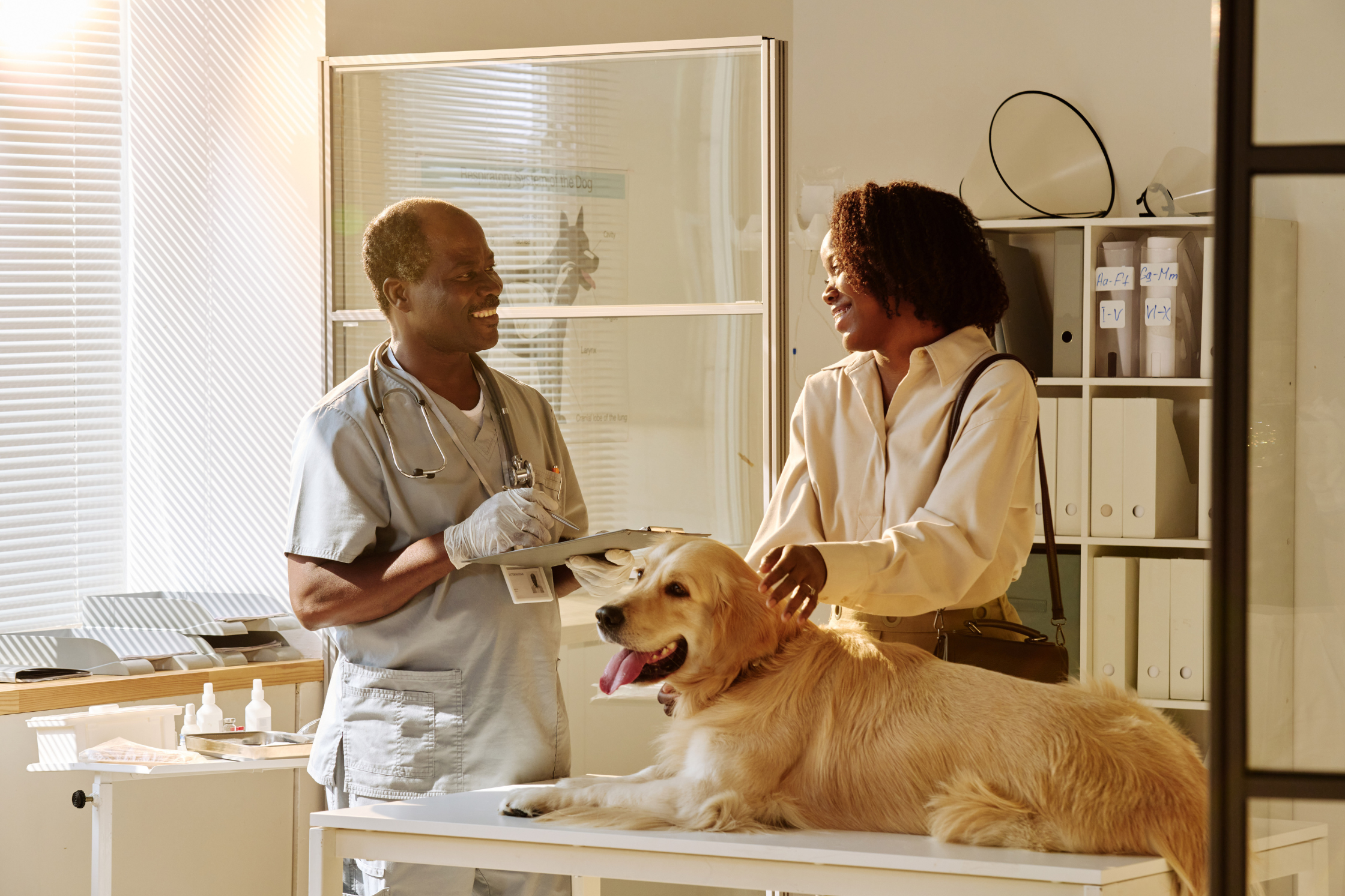
I know it can feel awkward to talk about marijuana exposure. Please be honest. Your vet is focused on helping your dog, not judging you. Specific details can change what the doctor recommends.
Share as much of the following as you can:
- What was involved: edible, bud or plant, vape, concentrate, smoke exposure, CBD product
- Product strength: THC milligrams per piece, percentage on the label, or any estimate
- How much might be missing: number of gummies, part of a brownie, amount of flower, etc.
- Time of exposure: when you think it happened and when symptoms began
- Other ingredients: chocolate, xylitol, raisins, nuts, caffeine, alcohol, medications
- Your dog’s weight, age, and health history, including heart disease, liver disease, seizures, or breathing issues
- Current meds and supplements
- Any vomiting already and whether your dog seems very sleepy or uncoordinated
That information helps the team decide whether decontamination is appropriate and how aggressively to monitor heart rate, temperature, and neurologic status.
Why you should not induce vomiting
Many people have heard, “If a dog ate something toxic, make them throw up.” With THC exposures, it is not that simple, and trying to induce vomiting at home can sometimes make things worse.
Here is why
- Aspiration risk: THC commonly causes profound sedation and wobbliness. A drowsy or uncoordinated dog can inhale vomit into the lungs, leading to aspiration pneumonia, which can be life-threatening.
- Edibles are complicated: A marijuana brownie is not just THC. Chocolate toxicity, xylitol, and high-fat pancreatitis risk each have different timelines and best treatments. Your vet may need to tailor the plan.
- Vapes and concentrates: These are often high potency and may be irritating if vomited or aspirated. Home vomiting attempts are not a safe “one size fits all.”
- Packaging hazards: Foil wrappers, plastic, and hard candy pieces can create choking hazards during vomiting.
Bottom line: Only induce vomiting if a veterinarian or poison expert tells you to, and only within the timeframe and conditions they specify. In a clinic, the team can give medications that induce vomiting more predictably and can protect the airway if your dog is not fully alert.
What else can look like THC
“Acting drunk” is a symptom, not a diagnosis. I take these cases seriously because several problems can look similar at home and some are time-sensitive.
- Other toxins (antifreeze, rodenticides, certain human medications, alcohol)
- Low blood sugar, especially in toy breeds, puppies, and diabetic dogs
- Neurologic disease (vestibular episodes, seizures, head trauma)
- Severe infections or metabolic problems that cause weakness and disorientation
Even if you are fairly sure it is THC, calling a vet promptly helps confirm the cause and rule out dangerous look-alikes.
How vets treat THC toxicosis
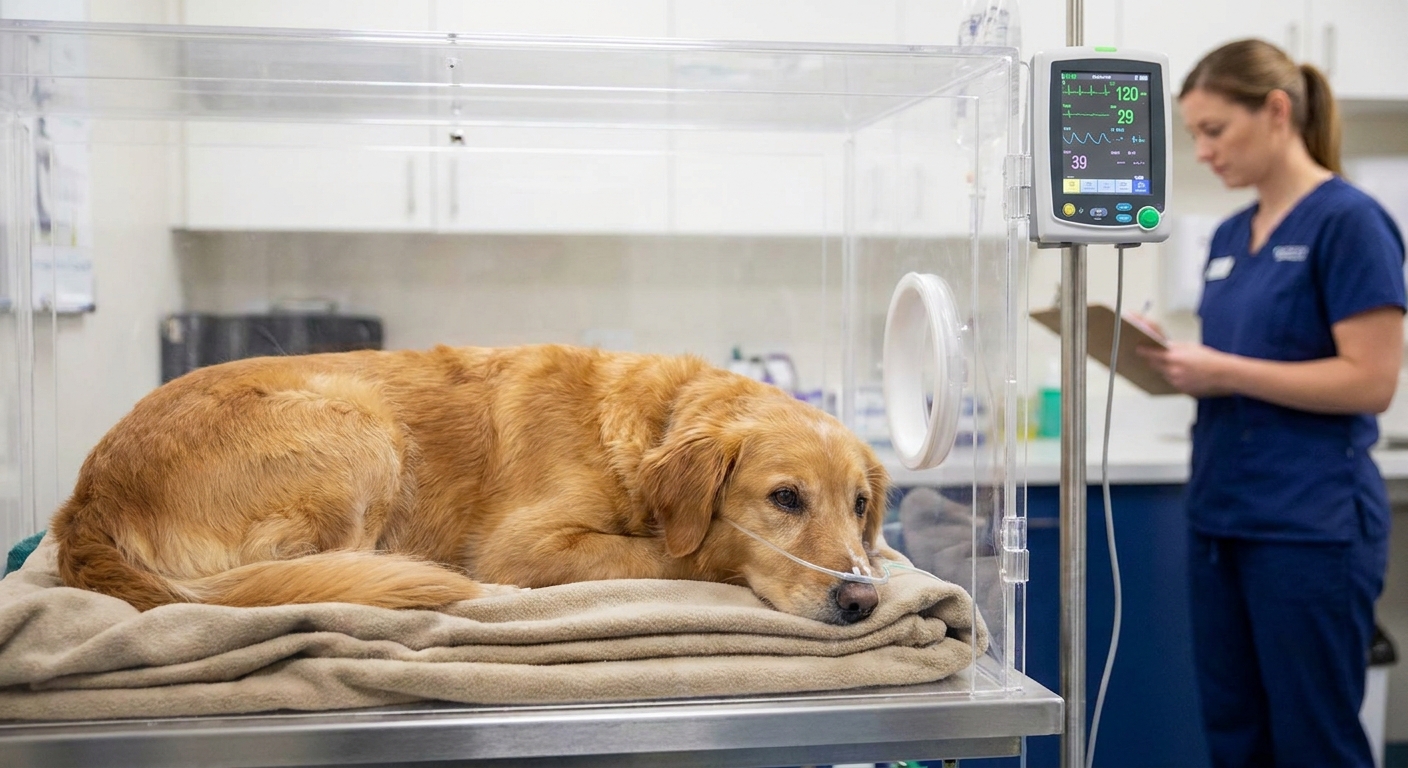
Treatment depends on the amount, the product type, and your dog’s symptoms. There is no single “antidote,” but supportive care is very effective.
- Decontamination: vomiting induction (when safe), activated charcoal in some cases to reduce absorption
- IV fluids to support blood pressure and hydration
- Temperature support if your dog is too cold
- Heart rate and blood pressure monitoring, especially with bradycardia
- Medications for nausea, agitation, tremors, or seizures when needed
- Hospitalization and observation until your dog can walk safely and vital signs are stable
Most dogs improve significantly within a day, but potent edibles and concentrates can last longer. Your vet will tell you what to watch for at home once your dog is discharged.
At-home care after the vet visit
If your dog is recovering at home, think “quiet, safe, supervised.” THC can make dogs unsteady long after they seem mentally brighter.
- Limit movement: use baby gates, avoid stairs, and leash-walk for potty breaks.
- Offer water and follow feeding instructions from your vet. Some dogs have nausea for a bit.
- Keep them warm if they feel cool to the touch, especially small dogs.
- Monitor urination: dribbling can continue for a while. Use washable bedding.
- Return immediately if you see worsening tremors, repeated vomiting, collapse, trouble breathing, or extreme sleepiness that prevents normal swallowing.
Prevention tips
Dogs are excellent scavengers, and edibles are designed to smell and taste appealing. A few small changes can prevent a very scary night.
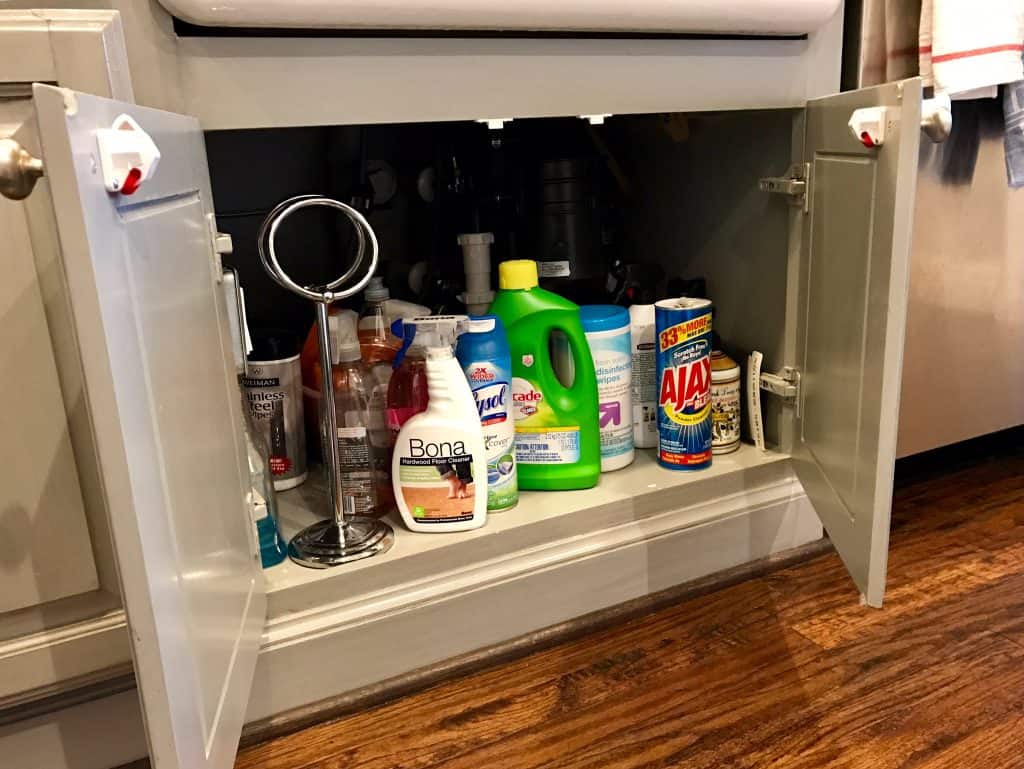
- Treat edibles like medications: store them in a closed container, inside a cabinet your dog cannot access.
- Do not leave products on counters: many dogs can reach farther than people think.
- Use a lidded trash can or keep trash behind a closed door.
- Warn guests: visitors may not realize a dog will eat a purse snack or a dropped gummy instantly.
- Keep smoking or vaping away from pets, especially in cars or small rooms with poor ventilation.
Marijuana poisoning FAQ
Can THC kill a dog?
Severe cases can be life-threatening, especially with very high doses, concentrates, or when other toxins are involved. The biggest dangers are extreme sedation with aspiration, dangerous neurologic signs (like seizures), and complications from additional ingredients (like xylitol or chocolate).
My dog just seems sleepy. Do I still need to call?
Yes. Sleepiness can progress, and THC can also cause low heart rate and low body temperature. Calling quickly helps you avoid delays if your dog needs monitoring or treatment.
What if my dog was only exposed to smoke?
Smoke exposure is usually less severe than eating THC, but small dogs, seniors, and dogs with heart or lung disease can be more affected. If your dog is acting abnormal in any way, call your veterinarian.
Will my vet report me?
In most situations, veterinarians are focused on patient care and need accurate information to treat your dog safely. Reporting rules and clinic policies can vary by location and circumstance. If you are worried, ask the clinic directly, but do not withhold details that could affect treatment decisions.