When a puppy survives parvo, it can feel like you can finally exhale. As a veterinary assistant here in Frisco, Texas, I have seen the relief on families’ faces when they get to bring their puppy home. Then the next question hits fast: What can I feed them now?
The intestine takes a real beating with parvovirus. Even when vomiting and diarrhea have improved, the gut lining is still healing and your puppy’s appetite can bounce around. The goal with post-parvo feeding is simple: protect the gut, prevent setbacks, and rebuild strength with a slow, structured plan.
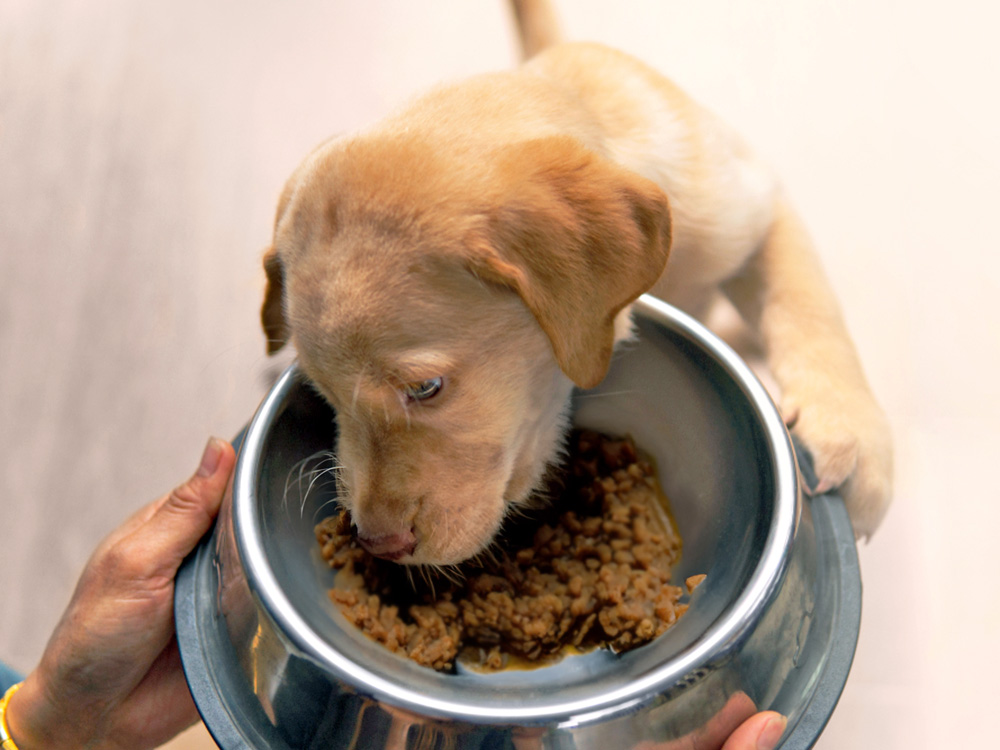
First, follow your discharge plan
Before we talk food, a quick safety reminder: if your puppy was hospitalized for parvo, your veterinarian likely sent home specific instructions, plus medications that may include anti-nausea meds, probiotics, antibiotics, or dewormers. That plan comes first.
If your vet prescribed a specific diet (often a gastrointestinal recovery food), use that rather than experimenting with home recipes right away. The first week at home is not the time for “let’s see what happens.” It is the time for consistency.
How to feed after parvo
The biggest mistake I see well-meaning families make is feeding a normal portion because their puppy finally seems hungry. After parvo, the gut often cannot handle a big meal.
Small, frequent meals
Your clinic may give you a specific amount based on your puppy’s size and recovery. If you were not given exact amounts, a typical starting point is:
- Start small: offer a teaspoon to a tablespoon for small puppies, or a few tablespoons for larger puppies, then reassess.
- Go frequent: many puppies do best every 2 to 3 hours while awake for the first day or two at home, but some plans start closer to every 4 to 6 hours depending on severity, appetite, and medications.
- Increase slowly: if your puppy keeps each meal down and stools are steadily improving, increase portion size a little each day rather than jumping to full meals.
Think “snacks” instead of meals. You are testing tolerance while the intestine repairs itself.
What foods are easiest on the gut?
Most post-parvo puppies do best with a highly digestible recovery diet recommended by the vet. These diets are designed to be gentle, energy-dense, and nutritionally complete, which matters a lot for growing puppies.
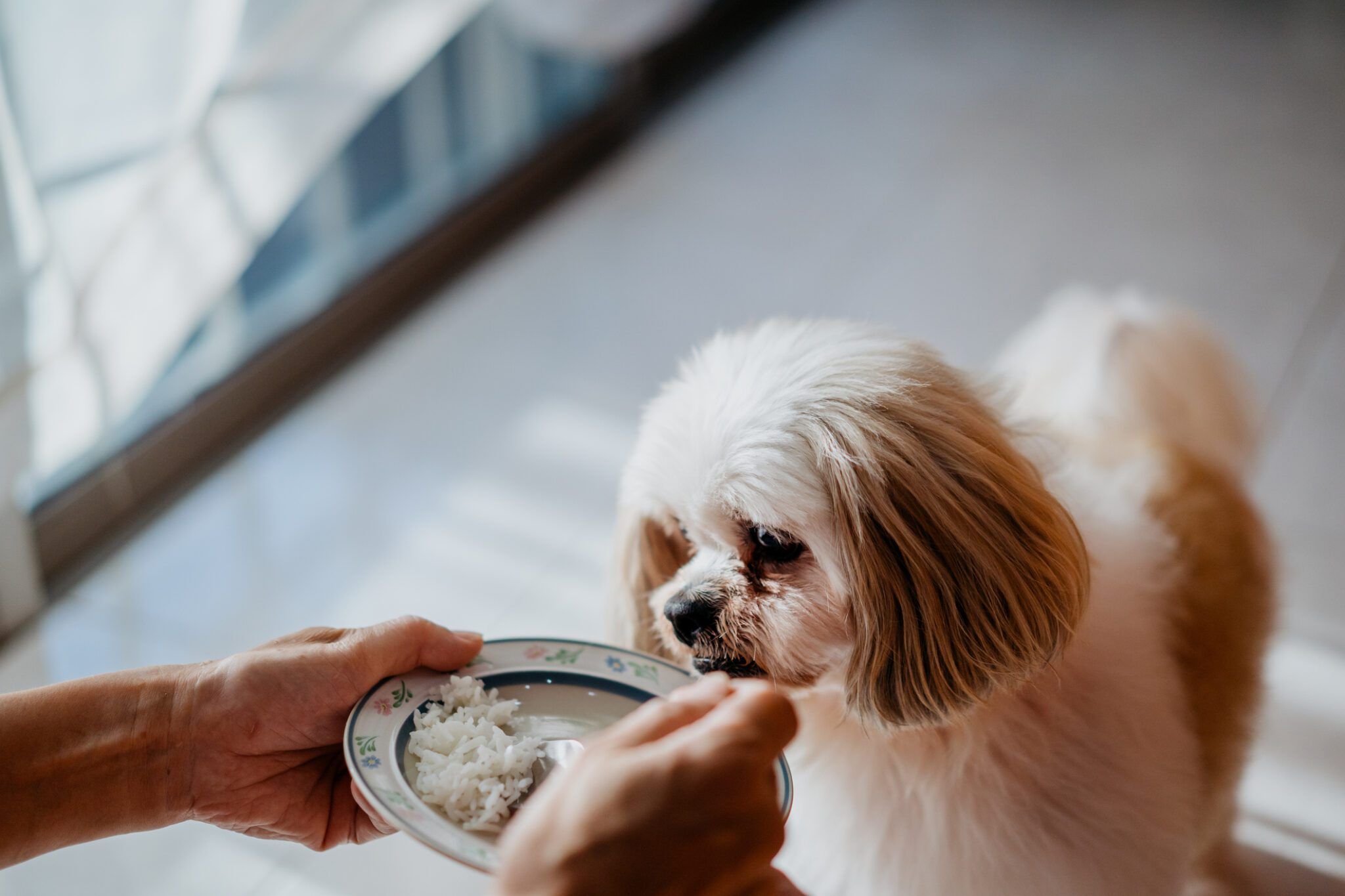
If your veterinarian approves a temporary home bland option, common choices include:
- Boiled skinless chicken breast (shredded finely)
- Boiled lean ground turkey (drained well)
- White rice (cooked soft)
Keep it plain. No butter, oil, seasoning, garlic, or onion. Puppies recovering from parvo do not need “tastier.” They need “tolerable.”
How long to use a recovery diet
There is no one perfect timeline, but here is a practical, vet-aligned way to think about it.
A common timeline
- First 3 to 7 days after discharge: stay on the prescribed gastrointestinal diet or vet-approved bland food, using small frequent feedings.
- After stools are consistently improving: you can begin spacing meals out toward a normal puppy schedule (often 3 meals per day for young puppies).
- Transition back to normal puppy food: typically after several stable days, and only if your vet agrees your puppy is ready.
Many puppies need at least a week of gentle feeding. Some need longer, especially if they had severe disease, complications, parasites, or significant weight loss.
How to switch back to normal food
Once your puppy is stable, do a gradual transition over 5 to 10 days:
- Day 1 to 2: 75% recovery diet, 25% regular puppy food
- Day 3 to 4: 50% recovery diet, 50% regular puppy food
- Day 5 to 6: 25% recovery diet, 75% regular puppy food
- Day 7+: 100% regular puppy food
If you see any backsliding, go back to the last “good” step for 48 hours and call your vet for guidance.
When the gut is not ready
I always tell families: your puppy’s gut will vote yes or no, and it votes through appetite, vomiting, stool quality, and energy.
Slow down if you notice
- Vomiting after meals, even if it is just once
- Nausea signs like drooling, lip licking, gulping, or refusing food after acting hungry
- Diarrhea that worsens when you increase portions or switch foods
- Very frequent stools that do not begin to space out over days
- Straining or obvious abdominal discomfort
- Fatigue or weakness that increases instead of improves
In these cases, smaller portions and more time on the recovery diet often helps. If appetite is poor, do not try to force-feed at home. Call your veterinarian so they can check for nausea, pain, dehydration, or a complication that needs treatment.
Same-day vet warning signs
Post-parvo puppies can look okay and then crash quickly if they get dehydrated again or develop complications. Call your veterinarian the same day (or go to an emergency clinic) if you see:
- Repeated vomiting or inability to keep water down
- Bloody diarrhea that returns or increases
- Signs of dehydration such as tacky gums, sunken eyes, extreme lethargy, or weakness
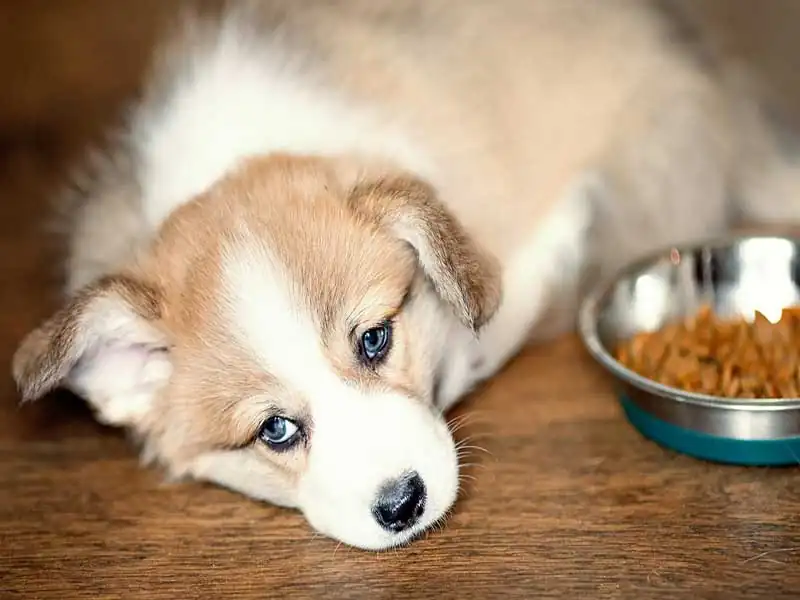
- Refusing food for 24 hours during recovery, especially in a young puppy
- Abdominal bloating or severe pain
- Pale gums or collapse
- Fever or your puppy feels very hot and is profoundly tired
If your puppy is on medications, also call if you cannot get meds in, or if vomiting starts after dosing. Sometimes the medication plan needs adjustment.
How this differs from simple diarrhea
A routine bland diet for a simple upset stomach is usually straightforward: a short course of bland food, maybe a probiotic, and a quick return to normal.
Parvo recovery is different for a few key reasons:
- Gut damage is deeper: parvovirus attacks rapidly dividing cells, including the intestinal lining, so absorption and barrier function are impaired.
- Dehydration risk is higher: even mild vomiting or loose stool can become dangerous again quickly.
- Puppies are fragile: they have less reserve than adult dogs, so missed calories and fluids hit harder.
- Nutrition matters more: growing puppies need balanced nutrients, so long-term homemade “bland” feeding without veterinary direction is not ideal.
So yes, the foods can look similar in the short term, but the structure is much stricter after parvo: smaller portions, more frequent feedings, slower transitions, and a lower threshold to call the vet.
Hydration and tracking tips
Offer water, but avoid big gulps
Fresh water should be available, but if your puppy tends to chug and then vomit, offer smaller amounts more frequently. Some vets recommend specific oral electrolyte solutions. Use only what your clinic advises, because many human electrolyte drinks are not a good fit for dogs and some products can contain unsafe ingredients.
Warm food slightly
A gentle warming (not hot) can make recovery diets smell more appealing, which helps puppies that are hesitant to eat.
Skip extras for now
Even one rich treat can cause a setback. During recovery, every bite should be predictable and easy to digest.
Track meals, stools, and weight
Keep a simple note on your phone with:
- Time and amount eaten
- Vomiting episodes (time, what it looked like)
- Stool frequency and consistency
- Energy level
If you can, weigh your puppy every few days during recovery. Weight loss and dehydration can sneak up quickly in growing puppies, and this gives your vet better information if you need a recheck.
Foods to avoid
Unless your veterinarian specifically okays it, avoid:
- Fatty foods (greasy meats, bacon, rich toppers)
- Dairy (many puppies cannot handle it during GI recovery)
- Raw diets or undercooked meat (not worth the risk with a healing gut)
- Chews and bones that can irritate the GI tract or trigger vomiting
- High-fiber add-ins like lots of pumpkin or bran unless your vet recommends a specific amount
- Table scraps and sudden new treats
Homemade food after parvo
I like real, whole foods when it is appropriate and balanced. But right after parvo is a special window where your puppy needs:
- Very high digestibility
- Complete puppy nutrition (not just calories)
- Consistency to avoid triggering more diarrhea
That is why veterinarians often prefer a prescription or veterinary recovery diet during the initial healing phase.
Once your puppy is stable, gaining weight, and your veterinarian says the gut is ready, that is the time to talk about longer-term nutrition. If you want to go the homemade route, ask your vet about a board-certified veterinary nutritionist so your puppy’s diet is balanced for growth.
Keeping other dogs safe
Even though your puppy is recovering, parvovirus is extremely tough in the environment and can spread easily to unvaccinated or under-vaccinated dogs. Puppies can also continue shedding virus after they start feeling better, so follow your veterinarian’s isolation guidance closely.
- Separate your recovering puppy from other dogs when possible, especially shared potty areas.
- Pick up stool immediately and dispose of it securely.
- Use the disinfectant your vet recommends for contaminated areas. Not all cleaners kill parvo.
- Delay visitors with puppies or unvaccinated dogs until your veterinarian says it is safe.
If you have questions about contagious timing and when it is safe to return to normal dog life, check our page dedicated to the contagious period after parvo.
FAQ
My puppy is starving. Can I feed more?
Hunger is a good sign, but after parvo it is still safer to increase slowly. If your puppy is begging for food, add one extra small meal rather than doubling portion size at one feeding.
Can I give pumpkin?
Sometimes plain canned pumpkin (not pie filling) is used for diarrhea, but after parvo you should only add it if your veterinarian approves. Too much fiber too soon can backfire.
When can my puppy go back to three meals a day?
Many puppies can move toward a normal meal schedule within a week, but only if vomiting has stopped and stools are improving steadily. If your puppy backslides when you space meals out, return to smaller frequent feedings and call your vet.
What if diarrhea never fully goes away?
Persistent diarrhea after parvo can happen for several reasons, including parasites, bacterial imbalance, food intolerance, or ongoing intestinal inflammation. That is a veterinary recheck situation. The good news is that many of these causes are treatable once identified.
The bottom line
After parvo, your puppy needs a gentle restart: small frequent meals, a veterinarian-guided recovery diet for at least several days, and a slow transition back to normal puppy food. Watch closely for any vomiting, worsening diarrhea, dehydration, or sudden fatigue, and do not hesitate to call your vet the same day if something feels off.
You and your puppy have already been through so much. Taking feeding slowly is one of the kindest, most protective things you can do during recovery.