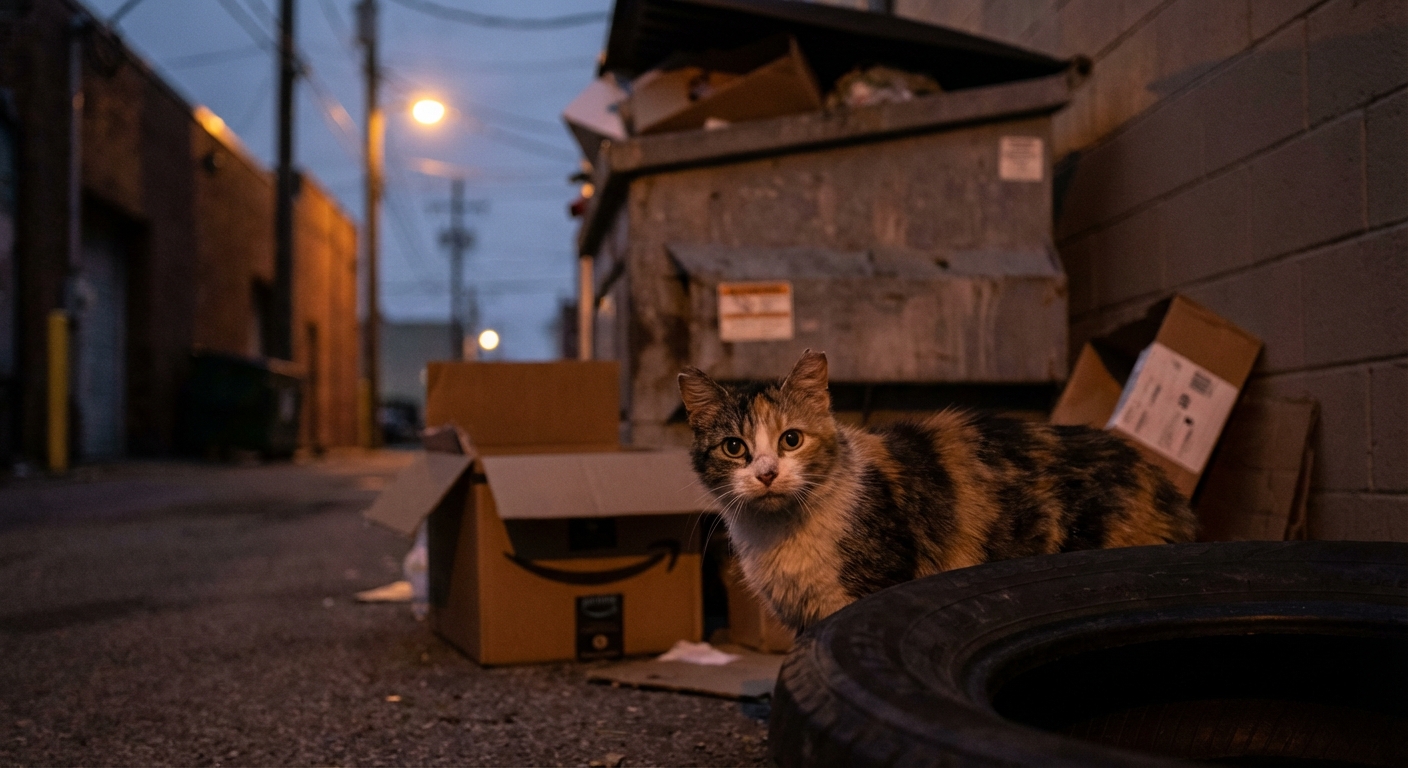
When I tell people I work with cats, I hear the same thing all the time: “I want to help, but I cannot take home a shy cat that hides under my bed for six months.” That is exactly why barn cat programs exist.
A barn cat program, sometimes called a working cat program, places unsocialized or poorly socialized cats into outdoor homes where they can live with shelter, daily food and water, and a consistent caretaker. These cats are not “adoption-floor friendly” in a typical home, but they can still have a good quality of life and a real job on a property that needs rodent control.
What it is
A barn cat program is a structured way for shelters and rescues to match certain cats with certain environments. The key idea is this: some cats are not comfortable being indoor companion pets, but they can do well as outdoor cats when their basic needs are reliably met.
In most programs, the cats are:
- Typically adults who are fearful around people, not handleable, or highly stressed in confinement
- Spayed or neutered
- Vaccinated at intake or prior to placement, based on the organization’s protocol
- Ear-tipped in many programs to show they have been altered
- Assessed as better suited for an outdoor working placement than for an indoor pet home
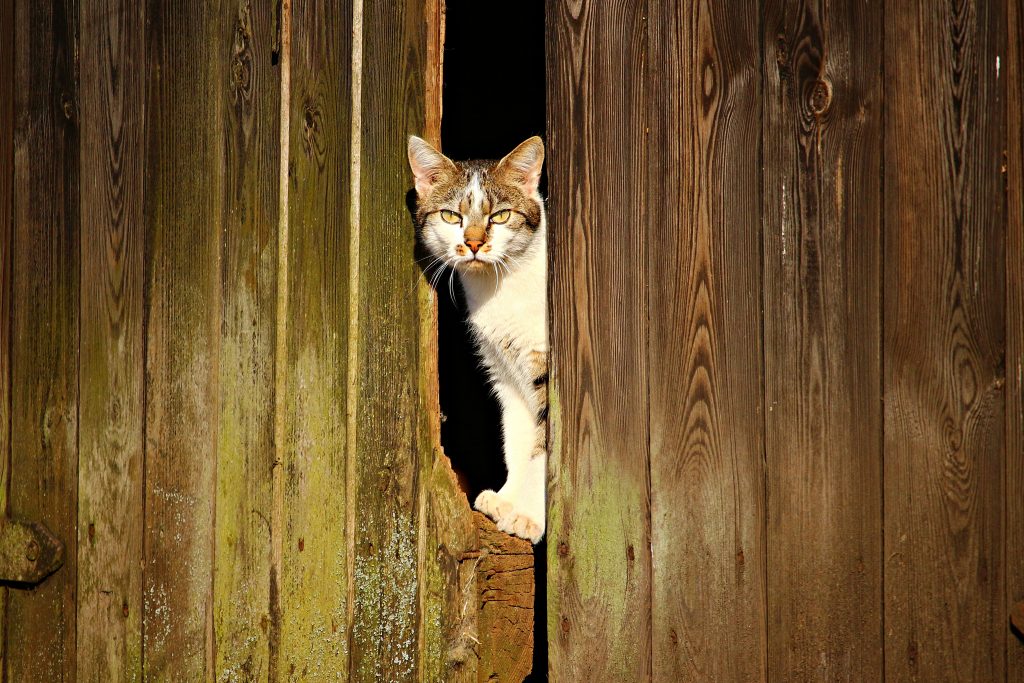
The placement home is usually something like a barn, stable, warehouse, garden center, plant nursery, workshop, or rural property with outbuildings. The common denominator is not the building type. It is the commitment to daily care and a safe setup.
What to expect
This is the heart of a barn cat program, and it is also where a lot of misunderstandings happen.
What barn cats are expected to do
- Live outdoors on your property with access to secure shelter
- Learn the territory and settle into a predictable routine
- Provide rodent deterrence (results vary by cat, season, and rodent pressure)
- Coexist with people at a distance, often without being touched
What barn cats are not expected to do
- Be lap cats or cuddle on demand
- Enjoy being picked up or held
- Use a litter box indoors like a traditional pet cat
- Bond quickly or greet visitors
- Be safe around small children who want hands-on interaction
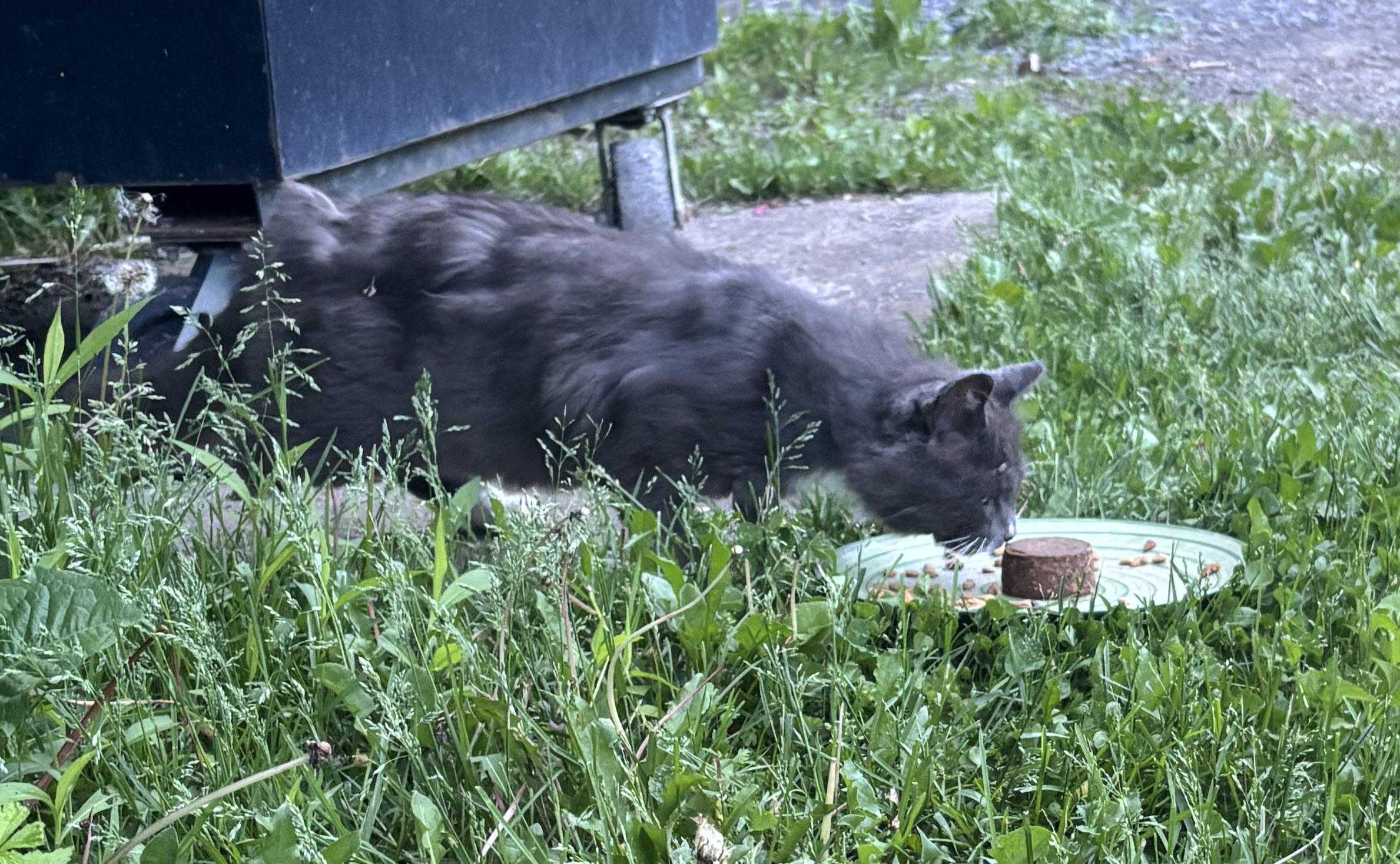
Some barn cats do warm up over time, and a few become surprisingly friendly. But a good program sets everyone up for success by assuming the cat may always remain hands-off, and that is okay.
Who is a good fit
Barn cat placements can be a wonderful match for the right home. In my experience, the best caretakers are realistic, consistent, and not offended by a cat that wants space.
You may be a good fit if you can provide:
- A safe structure (barn, tack room, shed, secured outbuilding, enclosed lean-to)
- Daily food and fresh water, year-round
- A predictable routine so the cat knows when to expect resources
- Heat and cold protection from extreme weather, rain, and wind
- Ongoing basic monitoring to notice illness or injury
Properties with heavy traffic, frequent loose dogs, active coyote corridors, or neighbors who dislike cats may not be appropriate. Many programs will ask questions about these risks before approving a placement.
What “shelter, food, caretaker” means
These three words are sometimes treated like a checkbox. In a solid barn cat program, they are the whole point.
Shelter
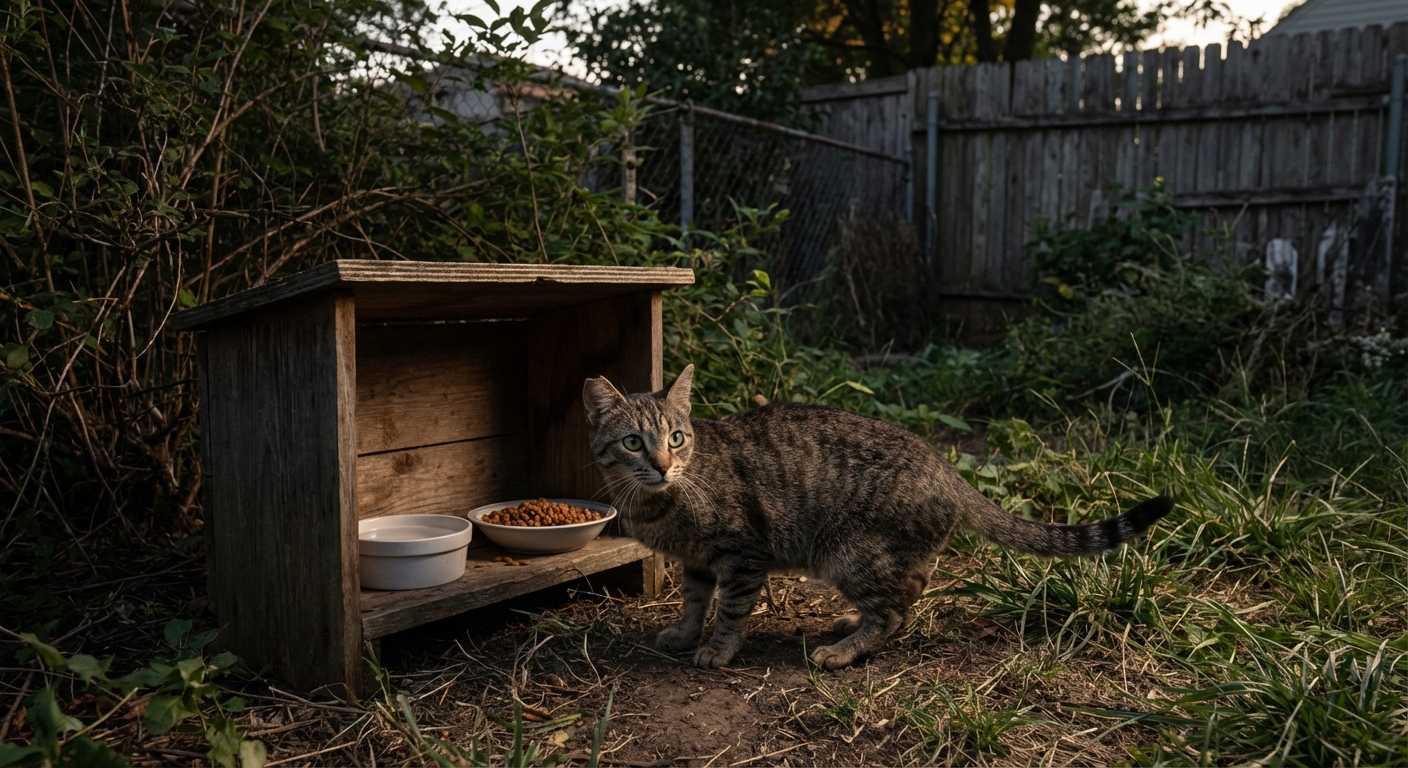
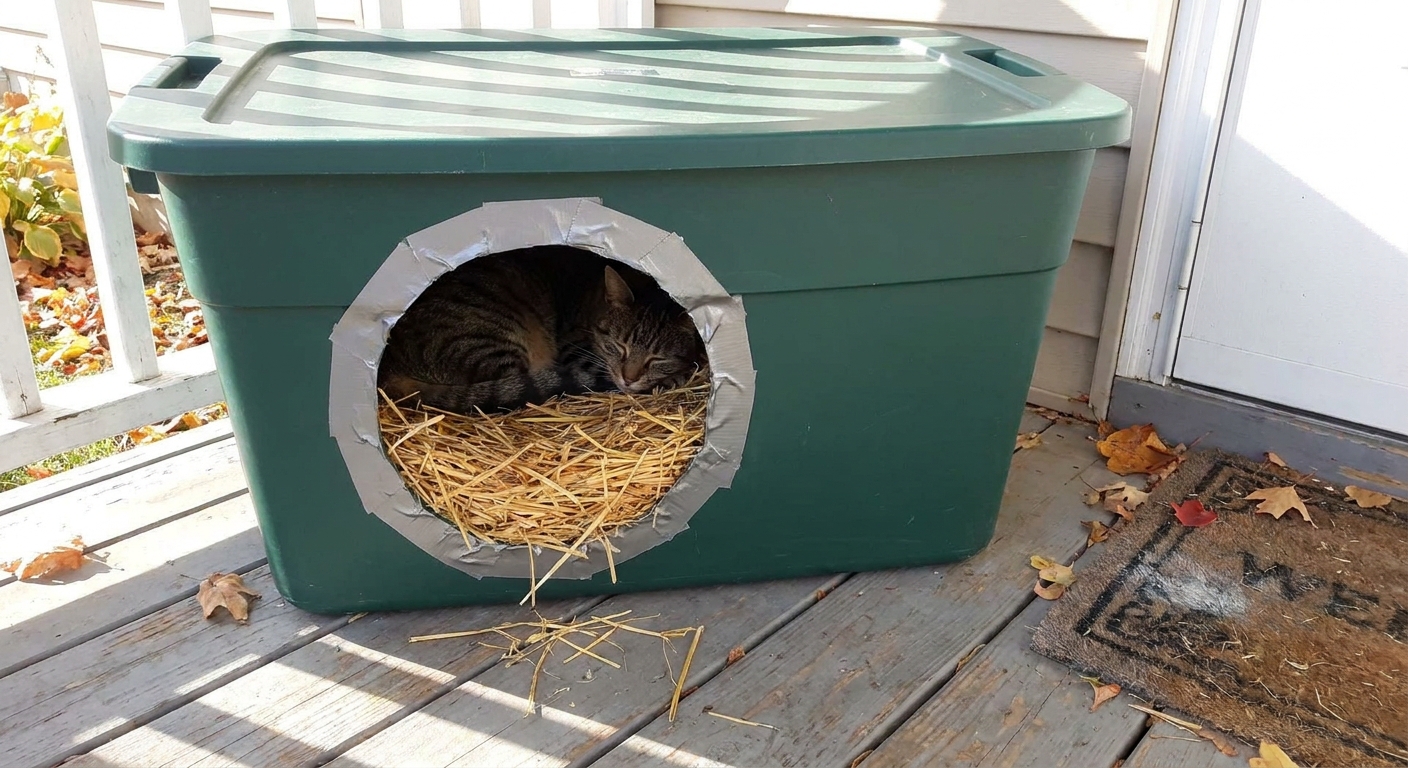
Shelter means a dry, draft-protected, predator-deterrent place the cat can access at all times, or as predator-resistant as you can realistically make it. It also means the cat can get out of the weather without having to cross open ground while stressed or new to the area.
Food and water
Working cats still need consistent daily meals. Rodents are not a reliably balanced diet, and hunting can increase parasite exposure. A hungry cat is also more likely to roam, take risks, and fail to stay anchored to your property.
Caretaker
A caretaker is a person who shows up. Not just when it is convenient, but on weekends, in bad weather, and during holidays. The caretaker’s job is not to socialize the cat. It is to provide stability and notice when something is wrong.
How placement works
Programs vary, but most placements follow the same general flow:
- The rescue identifies cats that are not thriving as indoor adoptable pets.
- The organization confirms the cat is altered and medically appropriate for a working placement.
- You apply, and the rescue screens your property setup and risks.
- You sign an adoption agreement specific to working cats.
- The cat is transferred to your care, and you follow the program’s settling-in requirements.
Many rescues place barn cats in pairs when possible, especially if the cats are already bonded or calmer with feline company. That is not always an option, but it can help some cats adjust.
Settling-in basics
Most programs require a settling-in period because even a confident outdoor cat can panic in a new place. The goal is simple: help the cat learn, “This is home,” before they have full run of the property.
What that usually looks like is a temporary, secure setup in your barn or outbuilding where the cat can eat, drink, use a litter area, and decompress while getting used to the sights, sounds, and your routine. The exact timeframe varies by program and cat, and you should follow your organization’s policy, but it is commonly measured in weeks, not days.
I know it can feel like an extra hurdle, but this step is one of the biggest factors in whether a working cat stays put long-term.
What contracts require
A barn cat contract is different from a typical pet adoption contract because it acknowledges the cat’s lifestyle and your responsibilities in a working placement.
While every organization has its own wording, these are common expectations:
- You will provide daily food, fresh water, and shelter for the life of the cat.
- You will not declaw the cat.
- You will not rehome, abandon, or relocate the cat without contacting the rescue.
- You will provide basic veterinary care if the cat is injured or ill, within reason and as agreed.
- You understand the cat may never be handleable and is not guaranteed to be friendly.
- You will not use the cat for inhumane pest control practices, and you will not intentionally place the cat in danger.
- You will keep the cat on your property and follow any required settling-in or acclimation policy.
Some contracts include specifics like no rodenticide use, minimum shelter standards, microchipping requirements, or a promise that the cat will not be used as a “drop-off” solution for other cats. If any clause feels unclear, ask before signing. A reputable program will happily explain the why behind each requirement.
Rodent control reality
Barn cats can absolutely help with rodent pressure, but I always encourage people to think of them as part of an overall plan, not a single magic fix.
- Some cats are active hunters. Others are more of a “rodent presence” that discourages pests.
- Some cats prefer insects or small lizards depending on the region.
- Even great mousers still need daily food, or they are more likely to roam.
Daily feeding helps keep cats anchored to your property and can reduce roaming and conflict, but it is not a guarantee. Some cats roam anyway, especially early on, which is another reason the settling-in period and a consistent routine matter.
If you need guaranteed rodent eradication, you are really talking about an integrated pest management plan. Barn cats can be a humane, effective piece of that plan when they are properly cared for.
Health and safety basics
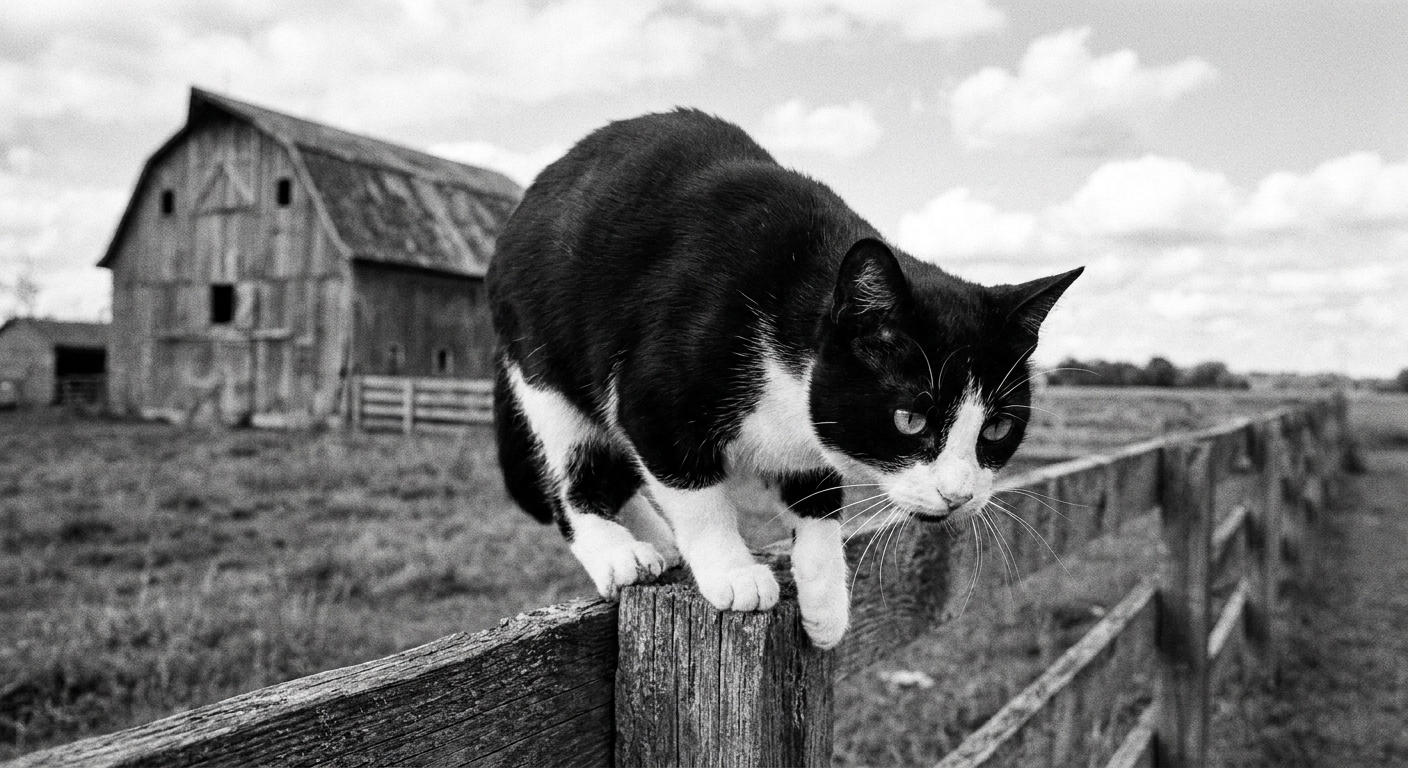
Outdoor life comes with real risks. A good barn cat program tries to reduce those risks through placement screening and clear caretaker expectations.
Predators and traffic
Consider coyotes, owls, loose dogs, and nearby roads. If these are major risks on your property, be honest with the rescue so you can talk through whether placement is appropriate.
Weather extremes
Extreme heat is no joke, and neither are hard freezes. Shade, ventilation, dry bedding, and reliable water access are non-negotiable.
Toxins and hazards
Antifreeze, open wells, exposed machinery, and certain chemicals are common barn hazards. A quick “cat-proofing” mindset saves lives.
Also, if you use rodent control products, talk to your rescue or vet about safer options. Some rodenticides can cause secondary poisoning when a cat eats affected prey.
Veterinary plan
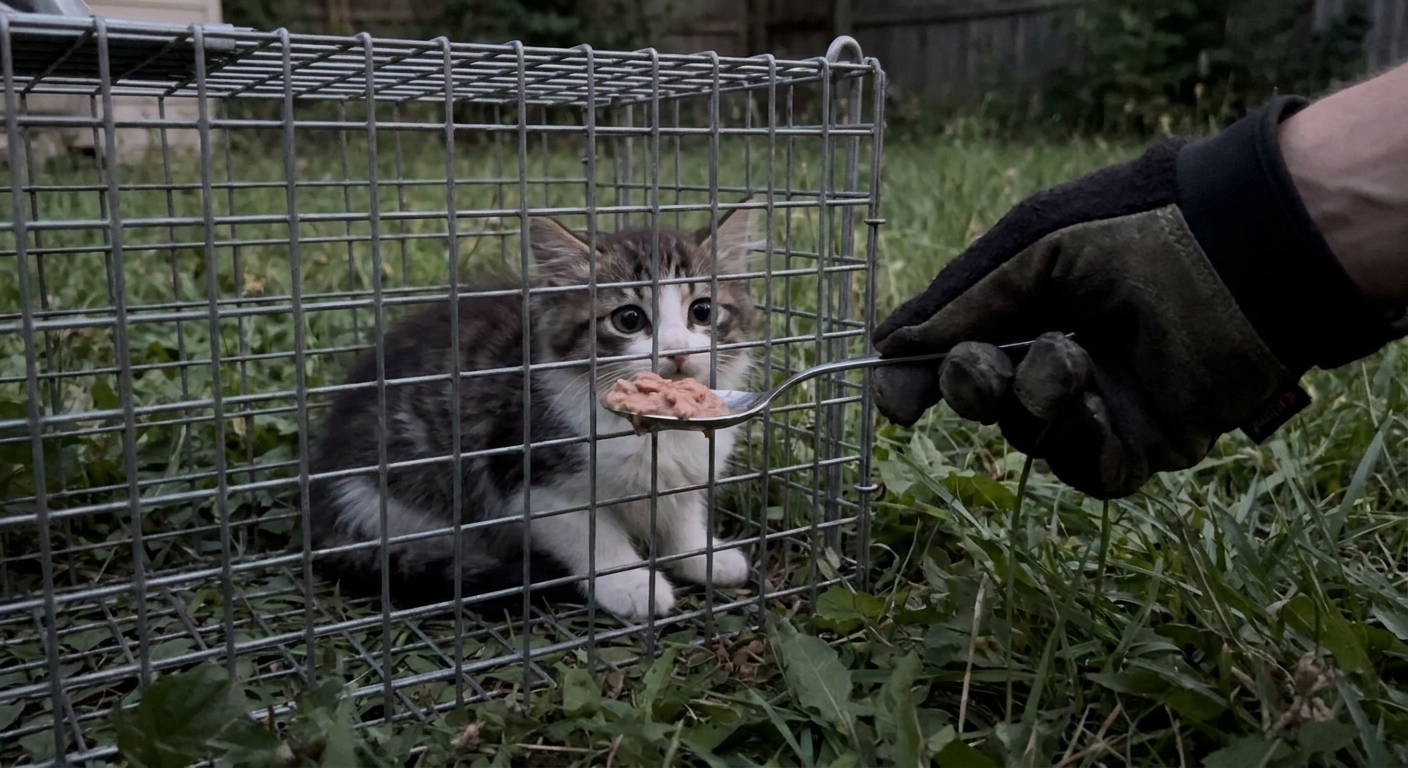
Even if the cat is not handleable, you should know which clinic you will use and what you will do if the cat needs treatment. Some caretakers work with humane traps and experienced clinics that can safely help fearful cats.
ID and records
Many programs microchip their working cats, and I love that extra layer of protection. Collars and tags can help too, but some caretakers avoid collars outdoors due to snag risk. Your rescue can tell you what they recommend for your specific setup.
FAQ
Is a barn cat the same as a feral cat?
Often, yes. Many barn cats are feral or semi-feral. But “barn cat” describes the placement and job, not the cat’s exact background. Some cats are simply too undersocialized or stressed for indoor pet life.
Will a barn cat ever let me pet it?
Maybe, but you should not plan on it. Some cats soften with time. Many remain hands-off. Your success is measured by the cat being stable, safe, and cared for, not by cuddling.
Do barn cats need daily feeding if they hunt?
Yes. Daily feeding supports health, helps cats stay anchored to your property, and can reduce roaming and conflict. Hunting is not a reliable nutrition plan.
Can I just “drop off” a cat at my barn and call it a barn cat?
No. Relocating cats without a structured program and a proper settling-in plan is one of the most common ways to lose a cat or create new problems. A barn cat program exists to do this responsibly.
Is this the same thing as colony management?
Not exactly. Colony management focuses on groups of community cats living in a specific outdoor area. Barn cat programs focus on placing individual cats or small groups into a working home with an identified caretaker and written expectations.
My best advice
If you are considering a barn cat placement, take 10 minutes and look at your property the way a frightened cat would. Where would they hide? Where would they drink? Where would they get out of the wind or the sun? What would scare them into running toward danger?
If you can confidently provide shelter, daily care, and a calm routine, a barn cat program can be one of the most compassionate solutions out there. It gives a cat that is not suited for indoor pet life a safe, purposeful place to land.