I am Shari Shidate, a veterinary assistant in Frisco, Texas, and I have a soft spot for cats that have had a rough start. When a cat is already declawed, the most helpful thing we can do is focus on comfort, confidence, and prevention. Declawing is not just “removing nails.” It changes how a cat bears weight on their feet and it can leave lingering sensitivity. The good news is that with a few home adjustments and the right veterinary support, many declawed cats can live happy, cozy lives.
This article is for day-to-day life with a cat whose claws are already gone: litter choices, paw pain, biting, play, and what to watch for as your cat ages.
Common challenges declawed cats face
Not every declawed cat struggles, but these are the patterns I see most often in clinic and in foster homes:
- Litter box avoidance from paw sensitivity, especially with coarse litter or boxes that are hard to step into.
- Paw pain that may show up as limping, hiding, or suddenly acting “grumpy.”
- Biting or swatting in some cats. Declawing is associated with behavior changes in some individuals, but the most common drivers I see are still pain, fear, and overstimulation.
- Arthritis and mobility changes later in life. Some declawed cats appear to shift weight differently over time, which may contribute to stiffness or discomfort.
If any of these behaviors appear suddenly, treat it like a medical issue first. Pain and urinary problems can look like “bad behavior.”
Litter texture matters
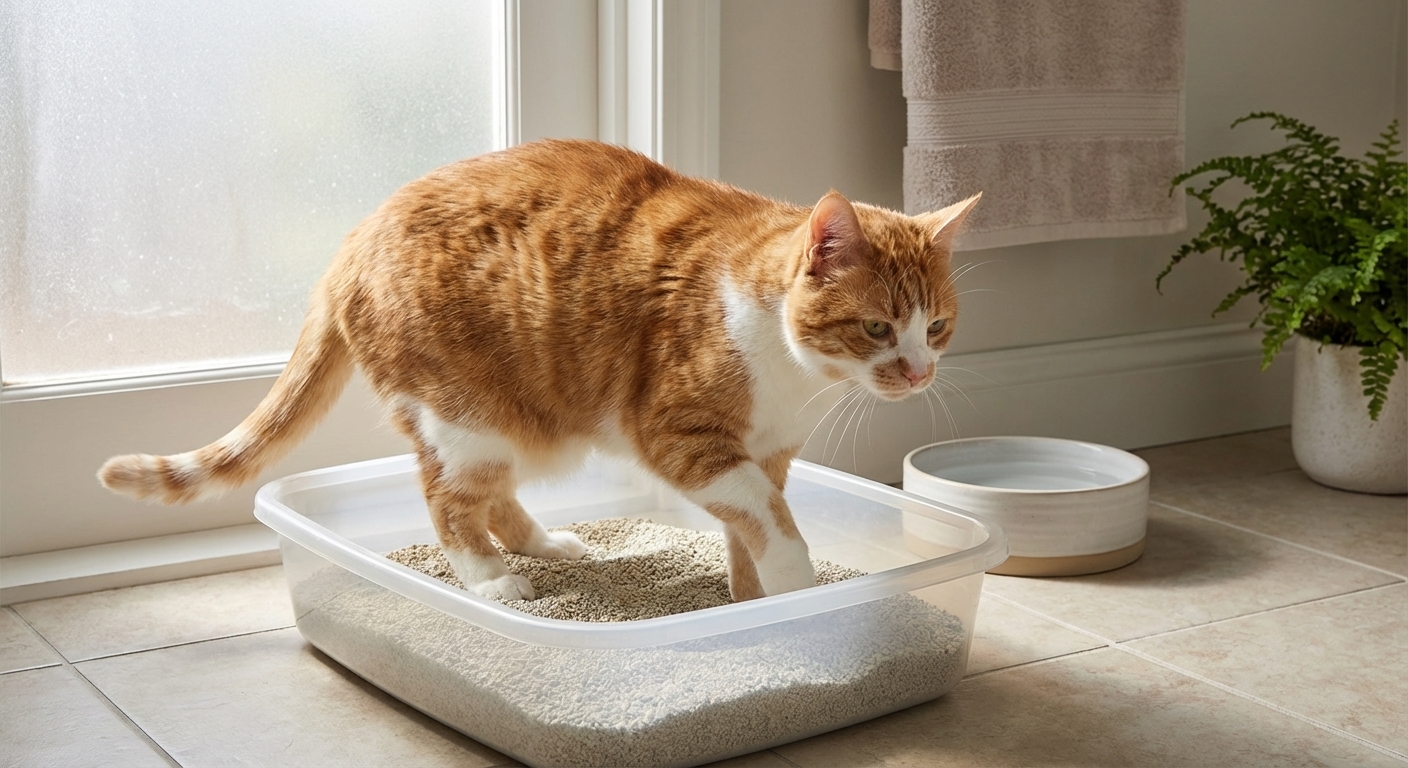
If you take only one tip from this article, make it this: choose a gentler litter. Many declawed cats dislike hard or crunchy granules because their paws can remain sensitive long after surgery.
What usually works best
- Fine-grain clumping litter (sand-like texture) is often easiest on tender feet.
- Unscented is typically better. Strong fragrance can discourage box use.
- Low-dust helps cats with respiratory sensitivity and keeps paws cleaner.
What can cause problems
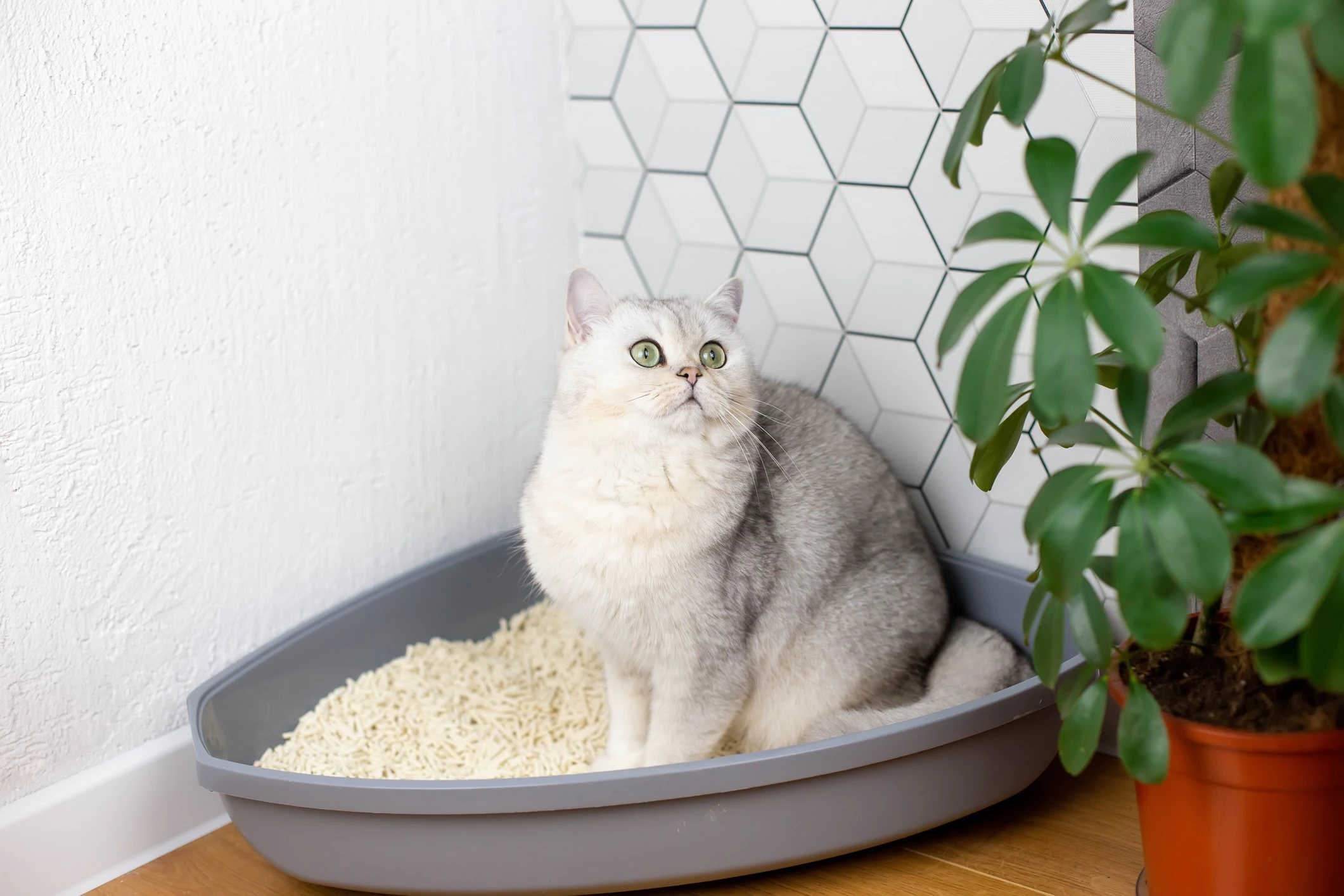
- Pellet litters can feel uncomfortable or unstable for some sensitive paws, even though other cats tolerate them fine.
- Crystal litters can feel sharp to some cats or be unpleasant to stand on for long.
- Heavily scented litters can be irritating or aversive.

How to switch litters
Go slowly. Mix the new litter in over 7 to 14 days. Start with about 25 percent new litter, then increase every few days. Keep the box extra clean during the transition.
Litter box setup for sore paws
- Use a large box so your cat can choose a comfortable stance.
- Choose a low-entry box for seniors or cats with pain.
- Keep litter depth moderate, usually 2 to 3 inches. Too deep can feel unstable.
- Add one extra box beyond the number of cats in the home.
Spotting pain
Cats are experts at hiding pain. In clinic, one of the most common “tells” I notice is a cat that used to hop right out of the carrier but now pauses, crouches, or tests the floor with one paw before stepping forward.
Signs to watch for
- Limping or moving stiffly, especially after resting
- Hesitating before jumping, or avoiding furniture they used to hop onto
- Shifting weight off the front feet, sitting “tucked” more often
- Overgrooming paws or chewing at feet
- Hiding more, less social behavior, or irritability when touched
- Litter box accidents, especially if the box has high sides or the litter feels uncomfortable
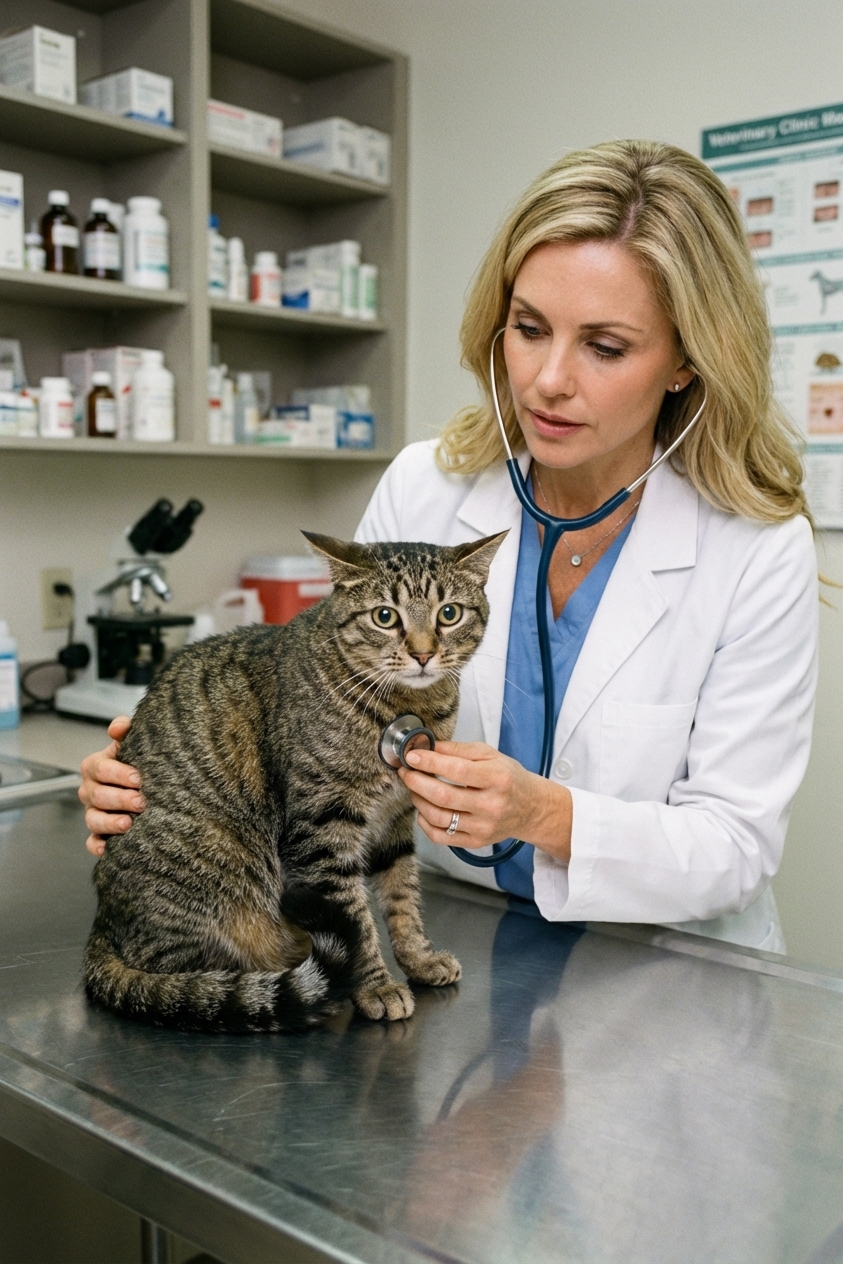
If you see these signs, schedule a veterinary visit. Your vet may recommend a full exam, paw and limb evaluation, and sometimes X-rays. Pain control for cats is very specific, so never give human pain medications.
It is also worth asking your veterinarian about neuropathic or “phantom” type pain. Not every declawed cat has it, but for some cats, standard pain approaches are not enough and they do better with a more targeted plan.
Helping your cat feel safe
Claws are not just for scratching. They also help with balance, climbing, play, and a feeling of security. Some declawed cats become more anxious or defensive because they feel less able to protect themselves.
Simple ways to build confidence
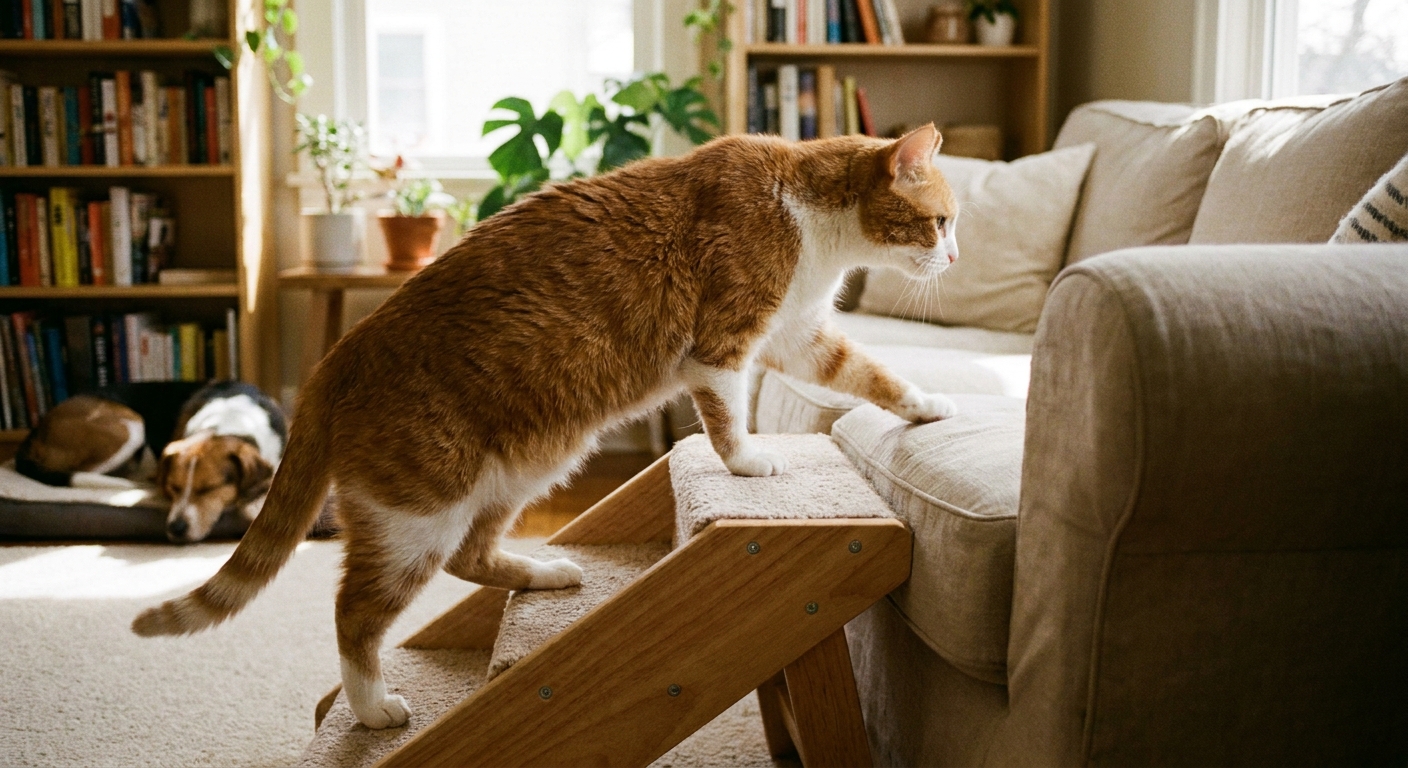
- Create easy escape routes like cat trees with wide platforms and pet steps to favorite spots.
- Offer hiding places in quiet areas: covered beds, boxes, or a dedicated “cat room.”
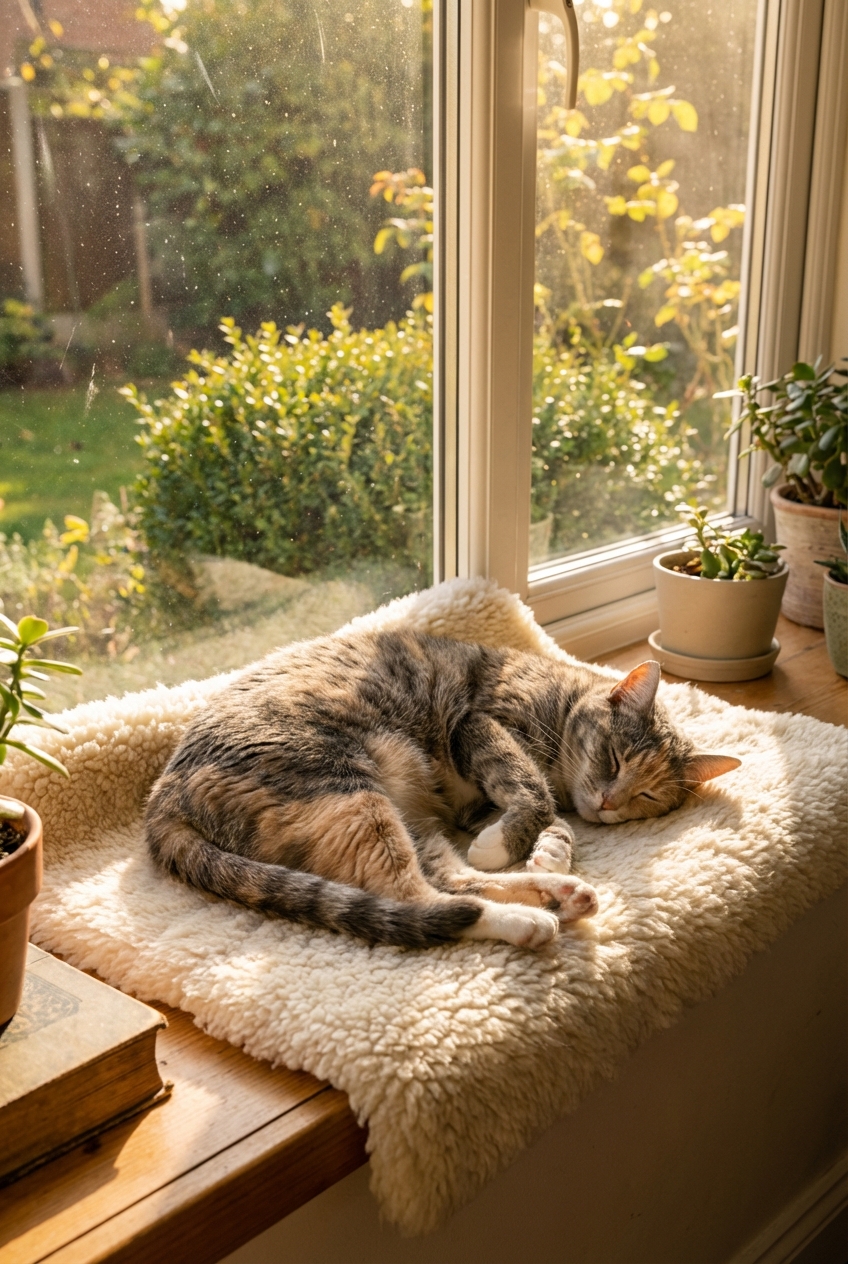
- Use supportive bedding in resting areas to reduce pressure on joints and paws.
- Keep interactions predictable, especially with children and dogs.
Biting and what to do
If you have a declawed cat that bites, you are not alone. Some cats bite because play got too rough, some bite from fear, and many bite because they are trying to communicate discomfort. Declawing does not “cause” biting in every cat, but it can change how a cat responds when they feel overwhelmed or threatened.
Common triggers
- Overstimulation during petting, especially along the lower back
- Pain in paws, joints, or teeth
- Fear when cornered or handled unexpectedly
- Play aggression from using hands as toys
What helps most
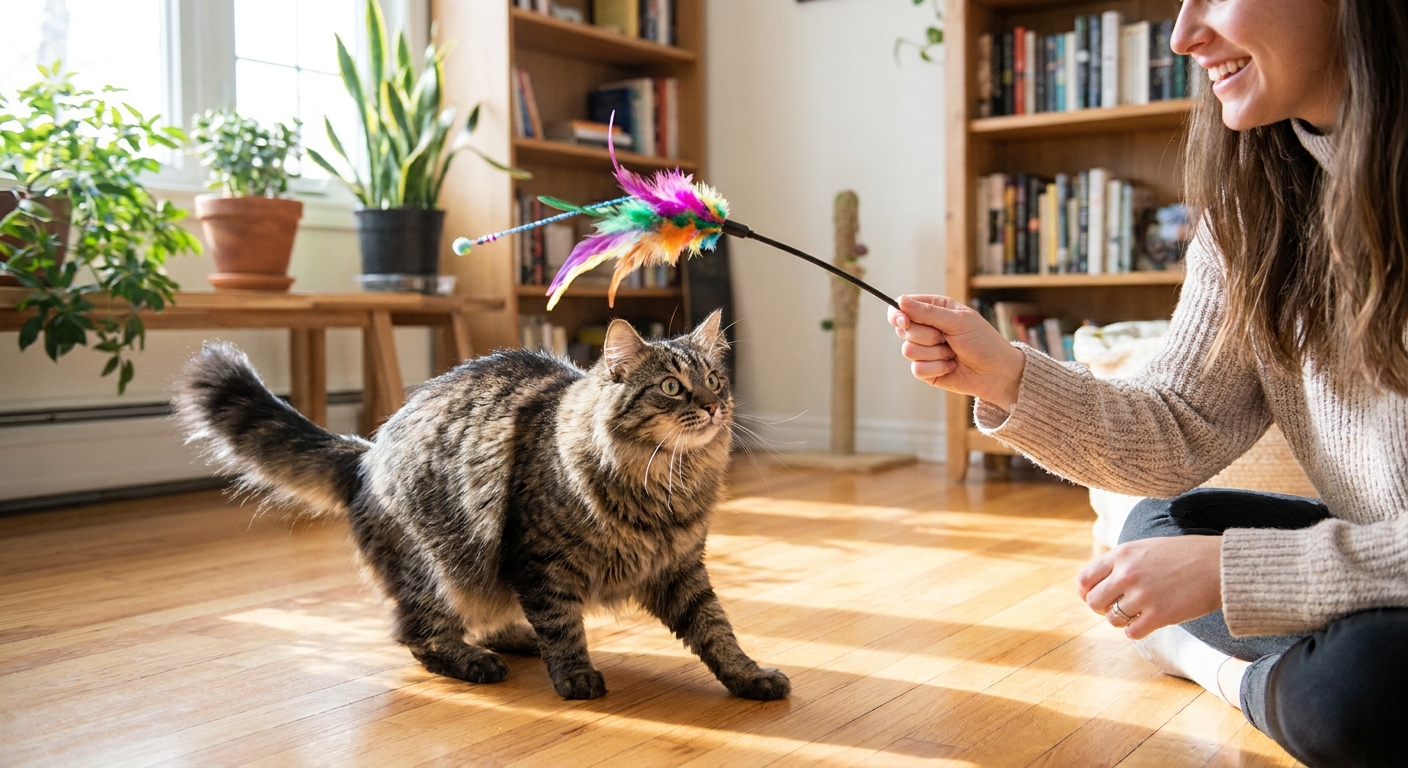
- Switch to wand toys and toss toys. Keep hands out of play.
- Short, frequent play sessions, 5 to 10 minutes, can reduce pent-up energy.
- Learn early warning signs: tail twitching, skin rippling, ears turning sideways, sudden stillness.
- Reward calm behavior with treats, praise, and calm attention.
If your cat bites during petting, stop before the bite happens. Two or three gentle strokes, then pause. Over time, many cats learn that hands are predictable and safe.
More support if biting persists
If you have tried the basics and biting is still happening, talk with your veterinarian about a deeper behavior plan. In some cases, pheromone diffusers, anxiety support, or a referral to a veterinary behaviorist can make a big difference, especially when fear or chronic pain is involved.
What not to do
- Do not punish, yell, or flick. It usually increases fear and worsens biting.
- Do not force handling. Give your cat control over contact whenever possible.
Play and enrichment
Declawed cats still need to climb, chase, and “hunt.” I aim for enrichment that supports natural behavior without putting extra stress on sensitive feet and joints.
- Wand toys that encourage stalking and pouncing without your hands involved
- Soft kickers for bunny-kicking and wrestling
- Treat puzzles and snuffle mats for mental stimulation
- Window perches with a step up, not a big jump
Scratching and stretching
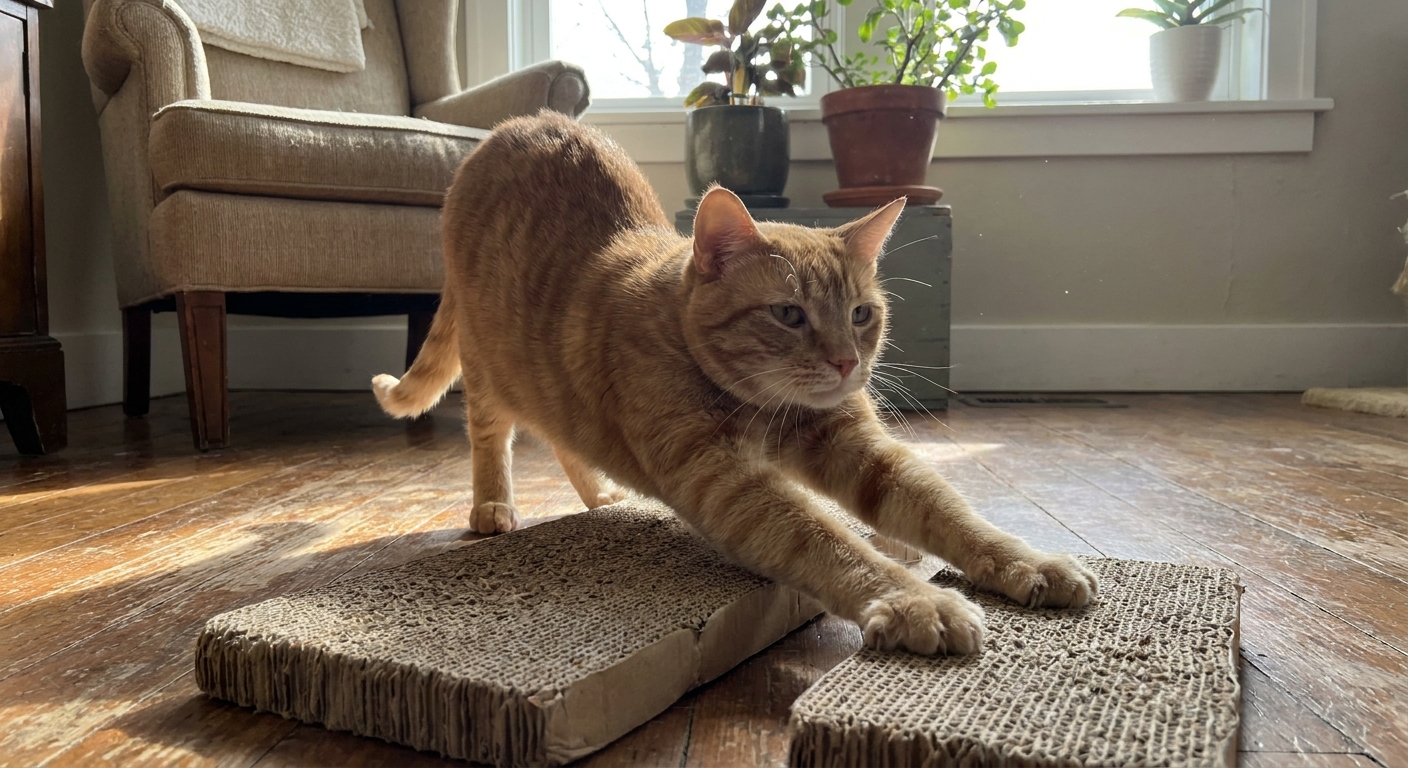
Even without front claws, many cats still have a strong scratching routine. It is not just about sharpening nails. It is also stretching, stress release, and scent-marking. In my experience, providing a good “scratching station” can reduce frustration and help a declawed cat feel more settled.
- Offer horizontal scratchers (cardboard or carpet-style) for full-body stretching.
- Add a sturdy vertical post if your cat enjoys standing stretches, even if they are not doing much damage.
- Place scratchers near rest areas because many cats like to stretch after waking up.
Mobility and arthritis support
Arthritis is common in older cats in general, and declawed cats may have additional reasons to move differently over time. You cannot change the past, but you can protect your cat’s comfort now.
At-home changes
- Keep your cat lean. Extra weight is one of the biggest drivers of joint pain. Ask your vet for a target weight and a feeding plan.
- Add steps and ramps to favorite resting places.
- Use supportive beds in warm, draft-free areas.
- Encourage gentle movement with play that does not involve high leaps.
- Watch paws. Declawed cats can still develop tenderness, calluses, or hair loss from overgrooming.
Veterinary options
Your veterinarian may recommend a multi-layer plan that can include:
- Pain medication designed for cats when appropriate
- Joint supplements, often containing ingredients like glucosamine, chondroitin, or omega-3 fatty acids
- Prescription diets for mobility support or weight management
- Physical rehabilitation or targeted exercise plans
If your cat is slowing down, do not assume it is “just age.” Many cats are much more playful once pain is controlled.
Handling and grooming
Even without front claws, declawed cats still benefit from gentle grooming routines. It helps you spot skin issues early and makes vet visits easier.
- Practice brief handling daily: touch paws lightly, reward, then stop.
- Brush regularly, especially long-haired cats, to prevent mats that can make cats cranky or painful.
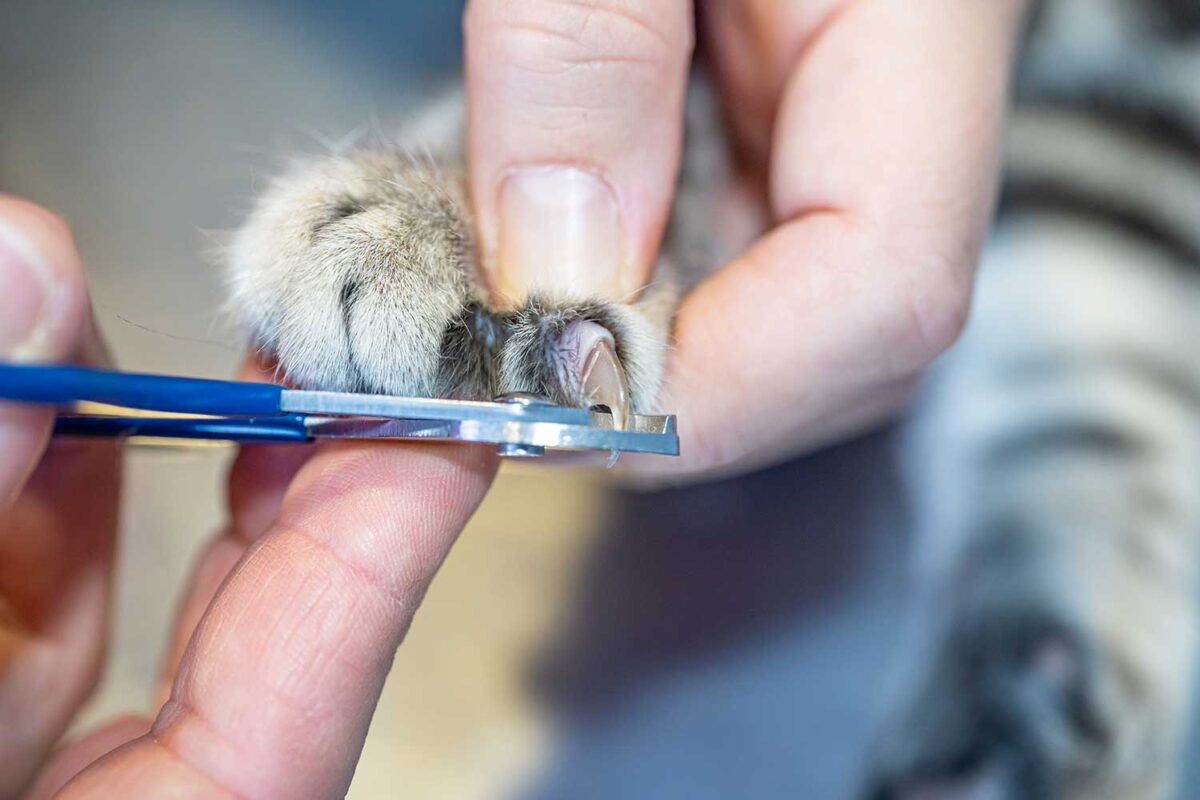
- Do not forget the back feet. Many declawed cats still have back claws and they may need trimming.
When to call the vet
Please do not wait and see if you notice any of the following:
- Straining to urinate, crying in the box, producing little or no urine, or repeated box trips, especially in male cats. This can be a life-threatening emergency.
- Crying out when entering the box or when paws are touched
- Visible swelling, bleeding, or discharge from paws
- Sudden aggression in a previously social cat
- Not eating for 24 hours, or sooner if your cat is vomiting, lethargic, or hiding and acting unwell
These can be pain issues, infections, urinary tract problems, dental pain, or arthritis flare-ups. Cats do best when we treat early.
FAQ
Do declawed cats always have pain?
No. Some cats seem to recover well, while others have chronic sensitivity or pain. The important piece is to watch behavior closely and treat pain promptly if it shows up.
Why does my declawed cat avoid the litter box?
The most common reasons are paw discomfort from litter texture, a box that is hard to enter, or a medical issue like urinary tract disease. Try a fine-grain, unscented litter and a low-entry box, and schedule a vet visit if the problem is new or persistent.
My declawed cat bites during petting. Is it aggression?
Often it is overstimulation or discomfort, not “meanness.” Keep petting sessions short, watch for warning signs, and consider a vet check to rule out pain.
Should declawed cats go outside?
In my experience, it is much safer to keep them indoors. Without front claws, many cats are less able to climb away from danger or defend themselves. If you want outdoor time, consider a secure catio or harness training with close supervision.
A gentle plan for today
If you feel overwhelmed, start small. Pick two changes you can make this week:
- Switch to a fine-grain, unscented litter using a slow mix-in method.
- Add a low-entry litter box or an extra box in a quieter location.
- Replace hand play with wand toys and short daily play sessions.
- Add a horizontal scratcher near your cat’s favorite nap spot for stretching and routine.
- Schedule a vet visit if you see limping, box avoidance, or biting that seems pain-related.
You did not get to rewrite your cat’s past, but you absolutely can improve their comfort going forward. A declawed cat can still be a joyful, affectionate companion when their environment supports how their body feels now.