I’m a veterinary assistant in Frisco, Texas, and one of the most common questions I hear in kitten season is some version of: “How old is too old to tame a feral kitten?” It’s a loving question, and it matters because the answer changes what is kind, realistic, and safest for the kitten and for you.
Here’s the big picture: truly feral kittens have a relatively short socialization window. Some can still become wonderful pets a little past that window, but the odds often drop quickly with each week if they have had little to no positive contact with people.
The socialization window
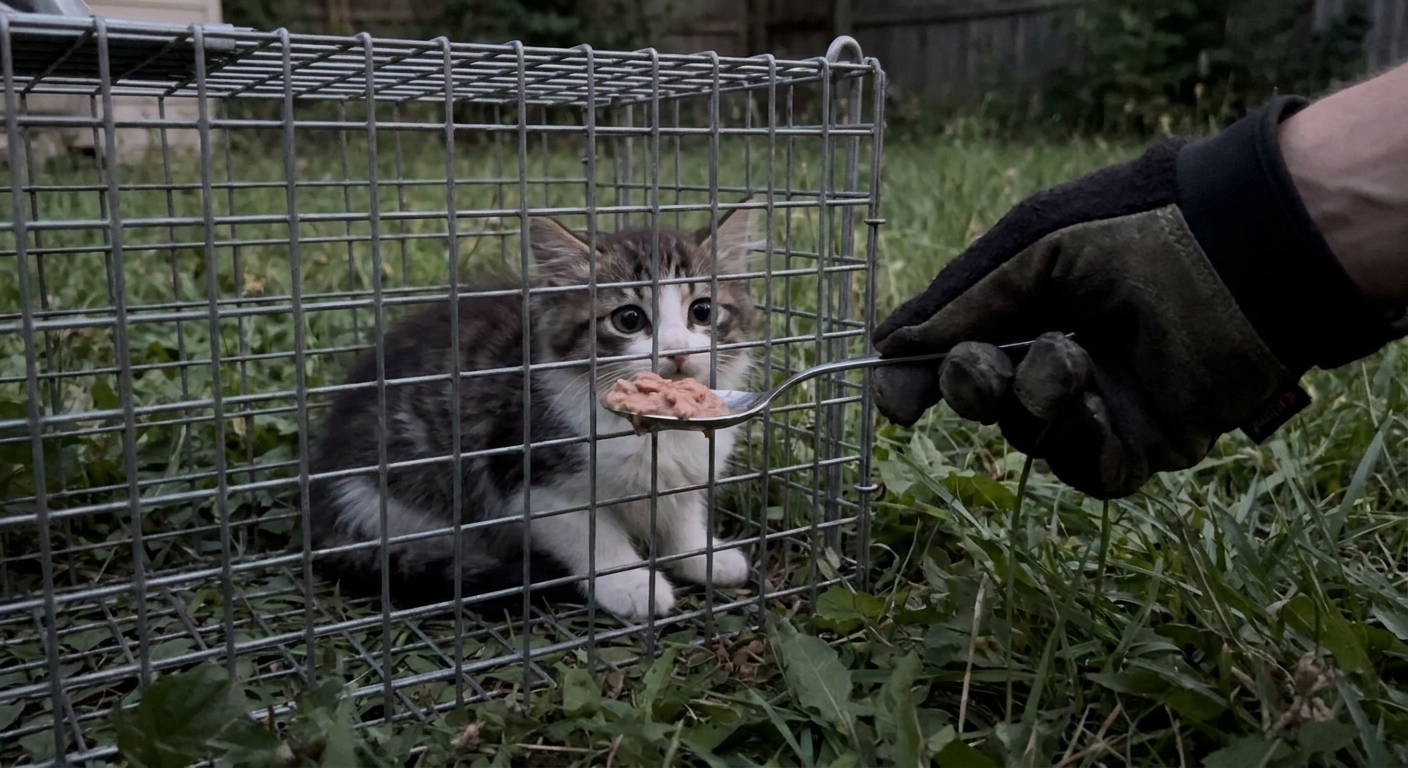
When we say “feral,” we mean a kitten who has been raised with little or no human handling, and who perceives humans as a threat. That’s different from a stray kitten who is scared, hungry, and undersocialized, but has some comfort with people.
Behavior teams and shelter groups often use commonly cited ranges for kitten socialization. Different kittens (and different foster setups) can shift these timelines, but as a practical guide:
- Easiest window: about 2 to 7 weeks old. This is when kittens are most primed to accept new “safe” beings and environments, including humans.
- Still very possible: about 8 to 10 weeks old. Many kittens can absolutely become pets here, but the work becomes more structured and time-sensitive.
- Possible but harder: about 11 to 14 weeks old. Some kittens can still be socialized, especially with an experienced foster, a calm environment, and daily hands-on time. Expect a longer timeline and more setbacks.
- Often less predictable: around 4 months and older. At this point, many truly feral kittens are better suited to a managed outdoor life or working-cat placement, unless you have specialized experience and the kitten shows unusual curiosity and flexibility.
These are guidelines, not moral judgments. An “older” feral kitten is not a “bad” kitten. They are simply acting in a way that has kept them alive.
Why age matters
Socialization is easiest before fear responses become deeply practiced and reinforced. As feral kittens get older, they generally:
- flee sooner
- hide longer
- escalate faster to scratching and biting when cornered
- take longer to eat in front of you or play openly
- freeze rather than relax during handling
That does not mean socialization can’t happen. It means you should plan for a more careful approach, stronger safety precautions, and more time.
Also, there is a practical welfare piece: extended, stressful confinement while a kitten “might” come around can be hard on them. The goal is always to reduce suffering, not just to “win” a taming challenge.
Feral vs. owned kitten
This is where people get understandably confused. A lot of kitten-handling advice online is written for:
- a kitten born in a home
- a kitten handled since birth
- a kitten who is simply timid in a new place
An owned kitten who is hiding under the bed is often dealing with normal transition stress. With gentle routine, toys, food, and time, they typically warm up on their own. They already have a basic blueprint that humans are safe.
A truly feral kitten does not have that blueprint. Socialization is not just “patience.” It is an intentional process of pairing humans with safety and good outcomes, and preventing rehearsals of panic and escape that reinforce fear.
What to do first
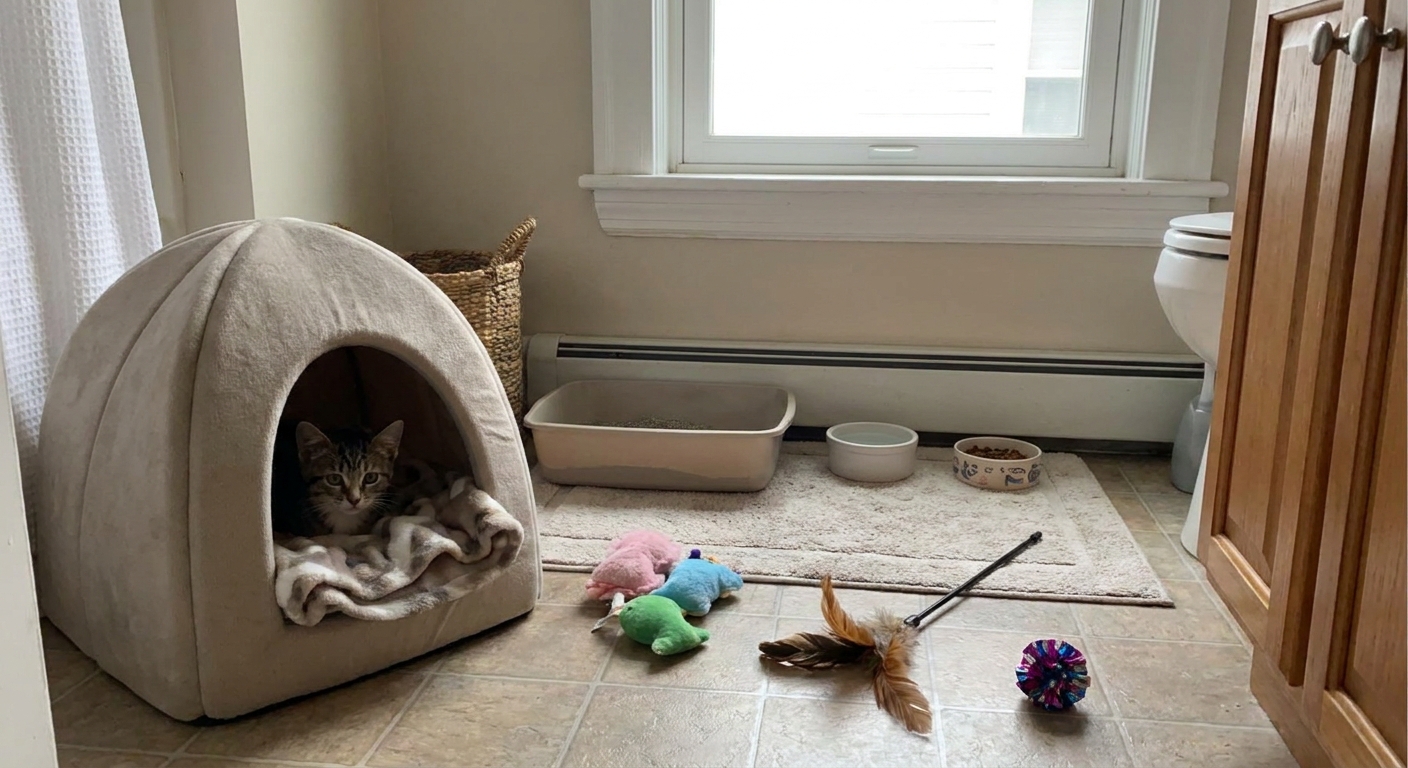
If you just found or trapped a kitten and you are reading this in real time, start here. These steps make socialization more likely and injuries less likely.
- Secure a small, safe setup. A bathroom or large crate is ideal. Provide a covered bed, litter box, water, and a hiding spot you can gently control (like a carrier with the door removed).
- Keep handling minimal at first. Let the kitten decompress. Use food, a wand toy, and calm presence to start building trust.
- Offer scheduled meals. This helps the kitten learn that you predict good things.
- Check for mom and littermates if safe to do so. If the kitten is very young, reuniting or trapping the family is often the best outcome.
- Call a rescue, shelter, or your vet early. They can help you estimate age, make a plan for vaccines and sterilization, and connect you with foster support if needed.
And one quick scope note from my side: I can share behavior and welfare guidance from the clinic perspective, but medical decisions and timelines should always be made with your veterinarian, especially for sick or injured kittens.
Age-by-age guide
Here’s what I generally expect by age, and what I recommend doing. Individual kittens can surprise you in either direction, so use this as a roadmap, not a promise.
0 to 4 weeks
These kittens should not be without mom unless there is an emergency. They need round-the-clock care and specialized feeding if orphaned. If you find kittens this young, contact a local rescue or shelter for guidance as soon as possible.
5 to 8 weeks
This is a sweet spot for socialization. Kittens are mobile, curious, and responsive to food and play. With daily interaction, many can become adoptable quickly.
9 to 12 weeks
Still very doable for many kittens, but you want to move promptly and consistently. In my experience, kittens in this range often do best with:
- a confined space that feels safe and predictable
- scheduled meals so food becomes your “language”
- play sessions that build confidence at a distance first
- short, frequent handling attempts instead of long battles
13 to 16 weeks
This is where outcomes vary widely. Some kittens surprise you and make real progress, especially if they show early curiosity, will play, and will eat readily in your presence. Others remain shut down or reactive even with skilled care.
If you are working with a kitten in this age range, it is smart to set a humane checkpoint. For example: if the kitten cannot eat near you, engage in play, or tolerate brief touch without panic after a couple of weeks of structured work, you may need to reconsider the plan with a rescue partner.
4 months and older
A truly feral kitten at this age can sometimes be socialized, but it is much less predictable. Many community cat programs prioritize sterilization at any age, and many fosters shift toward trap-neuter-return or a working-cat path when fear stays high despite consistent effort.
Feral or just scared?
Age is only part of the story. I always look at behavior trends, not one scary moment on day one.
- Likely frightened or undersocialized: watches you closely, may hiss but does not constantly try to flee, starts eating when you sit quietly nearby, engages with toys, improves noticeably over days.
- Likely truly feral: explosive escape attempts, persistent hiding, wide-eyed freezing, will not eat with you present after multiple days, escalates quickly to biting or scratching when approached, little interest in play at first.
One helpful clue is recovery time. A scared pet kitten often calms down once the environment is quiet and consistent. A feral kitten may stay on high alert for long periods, especially if they have had repeated negative encounters with people.
When TNR is kinder
TNR is not “giving up.” For many cats, it is the choice that minimizes stress and supports long-term welfare.
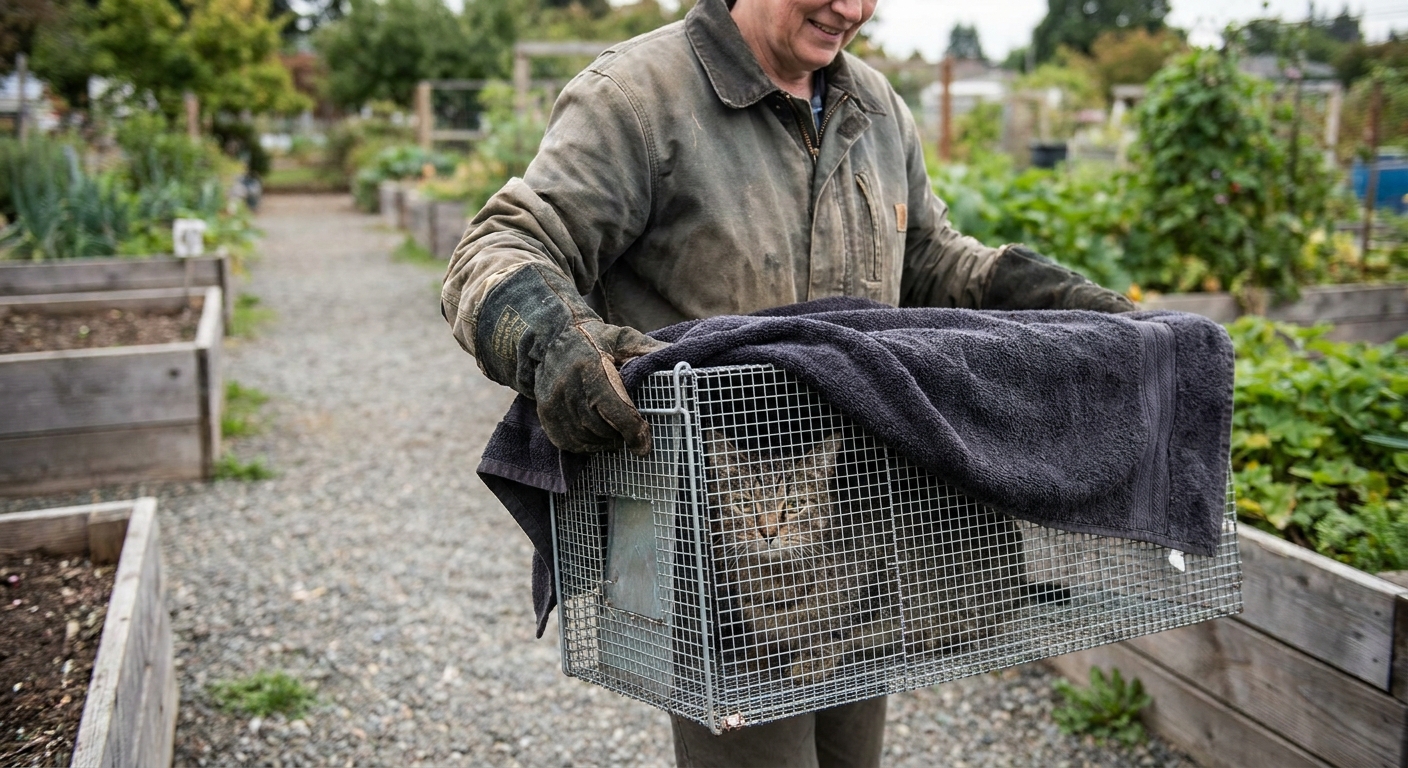
Consider TNR (or placement as a barn or working cat where appropriate) when:
- the kitten is around 4 months or older and shows strong, consistent fear of humans
- handling attempts cause repeated panic, injury risk, or severe stress behaviors
- you cannot provide a safe, contained setup and daily time for weeks to months
- the kitten appears to be thriving outdoors and is part of a stable colony structure
A good working-cat program is not “dumping a cat at a barn.” It typically means the cat is sterilized, vaccinated, and placed with an established caretaker who provides food, shelter, and ongoing monitoring.
Also, if there are adult feral cats involved, TNR becomes even more important for reducing future litters. The kindest outcome is fewer kittens born into danger.
One more practical note: relocating community cats can be harmful and can be restricted in some areas. If you are unsure what’s allowed or ethical where you live, contact a local shelter, rescue, or TNR group before moving cats from a colony.
Health and safety first
Before a kitten becomes a pet, we have to make sure we are not overlooking urgent medical needs, and we have to protect any resident pets.
- Quarantine: Keep the kitten separate from other animals until cleared by a veterinarian. Many homes use 10 to 14 days as a practical minimum, but follow your vet’s guidance.
- Parasites are common: Fleas, intestinal worms, and ear mites are very typical in outdoor kittens.
- Testing: FeLV and FIV testing recommendations vary by region, age, and household risk. Talk with your vet about whether and when to test, especially before introducing the kitten to other cats.
- Vaccines and spay or neuter: Timing depends on weight and health, but do not delay planning.
If you are bitten badly, seek medical care. Cat bites can cause deep infections quickly, even when the wound looks small. Rabies risk in young kittens is generally low, but local protocols vary, so it’s smart to check with your vet or local public health guidance after any serious bite.
What success looks like
People sometimes expect a feral kitten to act like a friendly shelter kitten in a weekend. Realistically, you might see progress in stages:
- eating while you are in the room
- playing openly
- approaching for treats
- allowing gentle touch while distracted by food
- tolerating being picked up briefly
- seeking affection on their own terms
For a young feral kitten, this can happen in days to a few weeks. For older kittens, it can take weeks to months. Some may always be a little cautious, even if they become affectionate in a quiet home.
If you want one simple North Star, it is this: socialization should steadily reduce fear over time. If fear stays the same or gets worse week after week, it is time to rethink the plan with experienced help.
Quick answers
Can a 12-week-old feral kitten be socialized?
Often, yes, especially if you can start immediately and the kitten will eat and play in your presence. Expect more time and structure than you would need for an 8-week-old.
Can a 4-month-old feral kitten be tamed?
Sometimes, but it is much less predictable. Many kittens around this age do best with TNR or a working-cat path unless an experienced foster evaluates them as a good candidate for indoor life.
How is socializing an owned kitten different?
An owned kitten usually already accepts humans as safe and is just adjusting. A feral kitten needs to learn, from scratch, that humans are not a threat, and that takes intentional, consistent work.
If I cannot socialize the kitten, is TNR cruel?
No. Done correctly, TNR is widely considered a humane option for community cats. It prevents more kittens from being born and can spare a cat months of forced confinement that never becomes comfortable.