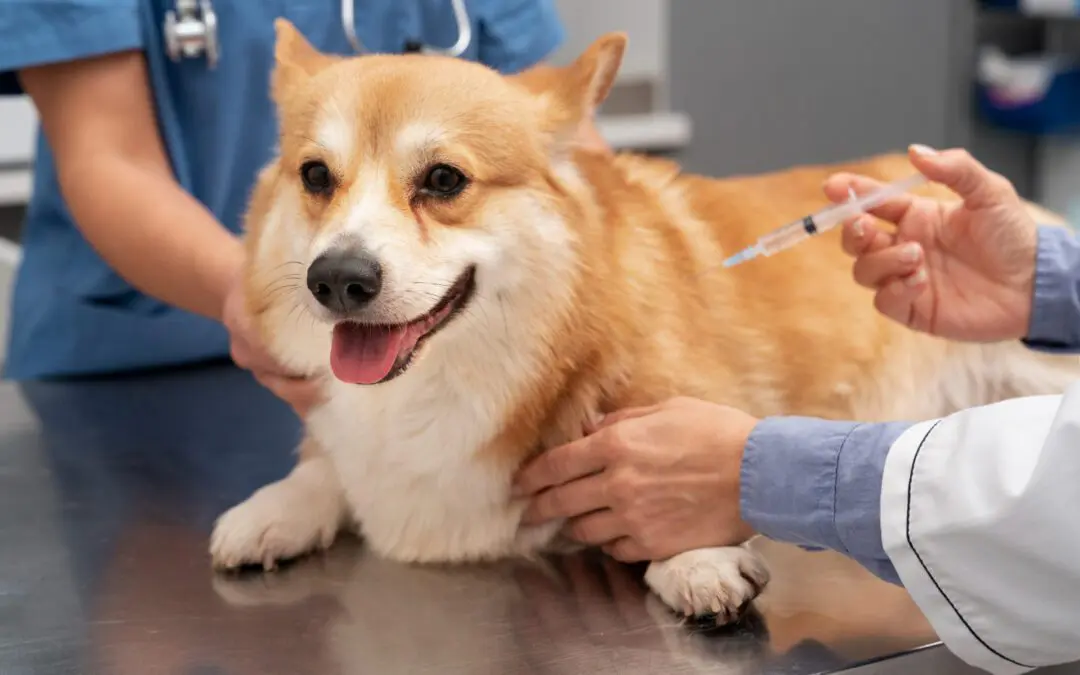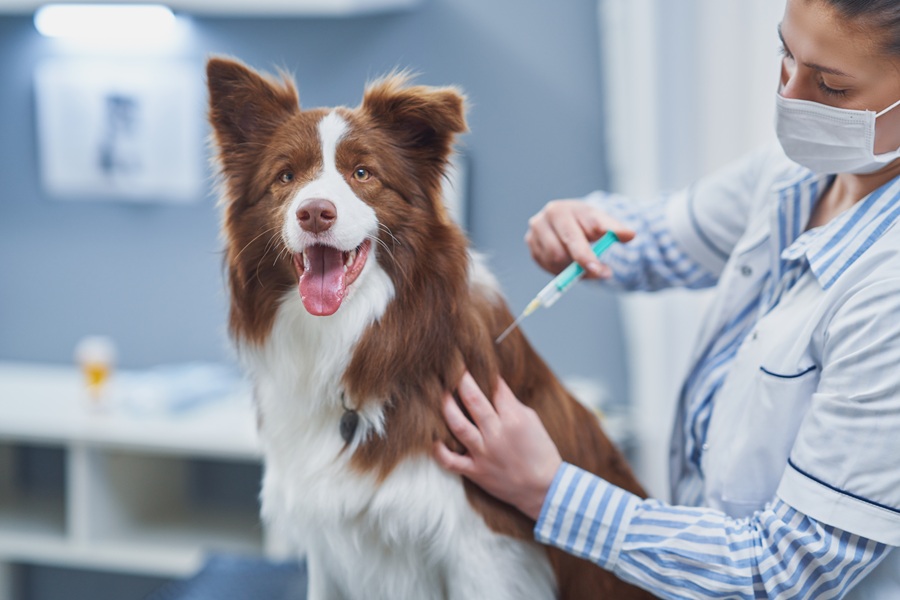
A curious nose. A very waggy welcome.
I hear this question a lot in the dog world: “Can we just do a titer test instead of another booster?” It is a smart, caring question. Nobody wants to vaccinate more than necessary, but nobody wants to leave a dog unprotected either.
Let’s sniff through what vaccine titer testing actually measures, where it is most useful (and where it is not), and how the real world handles titers when you need to board, get groomed, or follow rabies laws.
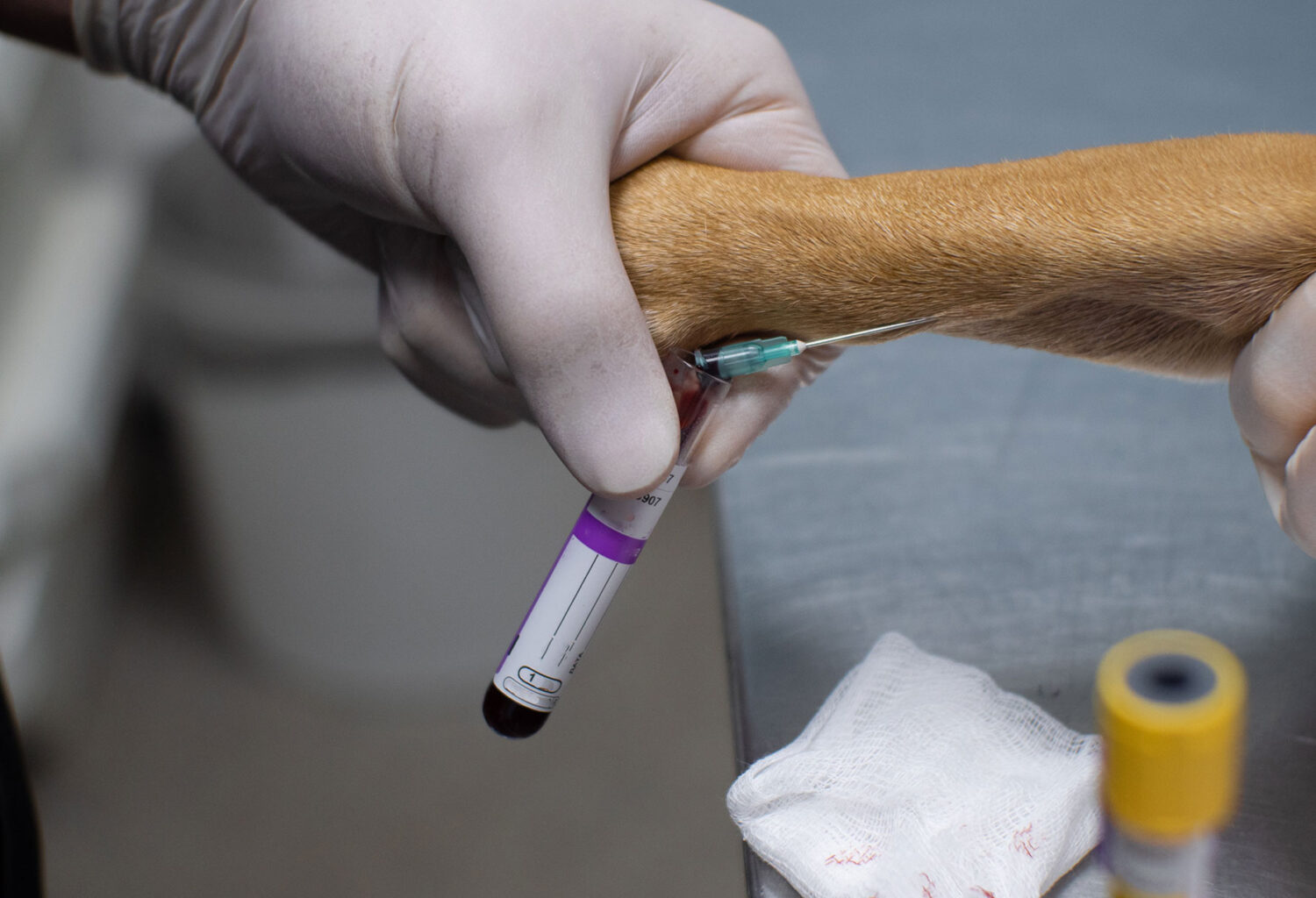
What is a vaccine titer test?
A titer test is a blood test that measures antibodies, which are proteins the immune system makes after vaccination or natural exposure. In simple terms, it checks whether your dog’s immune system still has measurable antibodies for a specific disease.
Most commonly, “vaccine titers” for dogs refer to core viral diseases like distemper and parvovirus. Your vet draws a small blood sample, and the sample is tested to estimate antibody levels against one or more viruses.
One important nuance: results are only as clear as the test used. Some clinics run in-house screening tests, while others send blood to a laboratory for more detailed (often more specific) results. Cutoffs and reporting can vary by assay, so interpretation should come from your veterinarian, not a one-size-fits-all number.
What a titer can tell you
- Evidence of an immune response: A positive titer means your dog has antibodies that recognize that virus.
- Support for delaying some boosters: For certain core viruses, a positive titer can strongly suggest ongoing protection in a healthy, appropriately vaccinated adult dog, and may support postponing a booster depending on your vet’s judgment and your dog’s risk.
What a titer cannot automatically tell you
- It does not measure all immunity: Immune protection is not only antibodies. The immune system has other layers, including immune memory cells. A dog can sometimes still be protected even when circulating antibodies are low or undetectable.
- It does not guarantee zero risk: No test can promise perfect protection in every real-world exposure.
- It does not replace legal requirements: Rabies rules are the biggest example.
Core vaccines and titers
When people talk about using titers instead of boosters, they are usually talking about the core canine viral vaccines. Titers are generally most interpretable for:
- Canine parvovirus (parvo)
- Canine distemper virus (distemper)
- Canine adenovirus (CAV), especially CAV-1 (infectious hepatitis). Many vaccines cover CAV-2, which also cross-protects against CAV-1.
For these core viral diseases, a positive antibody titer is commonly treated as strong evidence of protection in an adult dog who completed an appropriate vaccine series. The practical takeaway is this: positive is usually reassuring, while negative is trickier and depends heavily on the dog, timing, and the assay being used.
Timing matters, too. Titers are most informative after a dog has completed an initial vaccine series and had time to respond, often a few weeks after vaccination. Titers are not meant to be a same-day shortcut for building initial immunity.

Limits of titers
This is the part that keeps my puppy-scout brain extra alert: titers are specific, and their limits are important.
1) Titers do not cover every vaccine choice
Non-core vaccines are usually based on lifestyle and local disease patterns. For many of these, antibody titers are less straightforward to interpret, may not correlate as tightly with protection, or are not commonly accepted as a substitute for vaccination.
Examples where titers are often less helpful as a simple “booster replacement” decision include:
- Leptospirosis (bacterial, many serovars, complicated interpretation)
- Bordetella (kennel cough, part of a respiratory disease complex)
- Canine influenza
- Lyme disease
A Lyme note, because it trips people up: many “Lyme tests” you hear about are exposure or infection screens (such as C6-based tests), not vaccine-response titers. That is a different question than “did the vaccine create protective immunity?”
2) A negative or low titer is not always no protection
Antibodies can fade in the bloodstream even while immune memory remains. Some dogs can mount a fast protective response after exposure despite a low measurable titer.
Because of that, a low or negative result should start a discussion, not end it. Depending on your dog’s health, age, history, and exposure risk, your vet might recommend revaccination, retesting later, or staying with the standard schedule. The meaning also depends on the test method and its cutoff.
3) Titers do not predict vaccine reactions
A titer can help guide whether a booster is needed for certain core vaccines. It does not predict whether a dog will have side effects from vaccination, and it does not diagnose why a dog reacted in the past. That is a separate conversation with your veterinarian.
Can titers replace boosters?
Sometimes, for some dogs, for some vaccines. Not always.
Here is the most practical way to think about it:
- For core vaccines (parvo, distemper, adenovirus): Titers are often used to support extending the interval between boosters in healthy adult dogs who are already appropriately vaccinated.
- For puppies and unknown histories: Titers are usually not a shortcut. Puppies have maternal antibody interference issues, and dogs with unclear records often still need a veterinarian-guided plan to establish protection.
- For rabies: Titers generally do not replace required rabies vaccination in most places, even if the titer is high.
The best use of titers is usually targeted and strategic, not a blanket replacement for all vaccination.
Cost of titer tests
Costs vary widely by country, region, and clinic, plus what is included in the visit. In the United States, many owners see rough ranges like:
- About $50 to $150 for an in-clinic screening titer (often for parvo and distemper, depending on the clinic and test used).
- About $100 to $300 or more for lab-based titers that cover multiple diseases or provide more detailed results.
Also remember the line items that can change the total:
- Exam fee
- Blood draw or technician fee
- Send-out lab fee and shipping
- Recheck visit if interpretation requires it
If your goal is strictly financial savings, titers are not always cheaper than a booster. Owners often choose titers for medical or philosophical reasons, or because their dog has a history that makes minimizing vaccination desirable, with veterinary guidance.
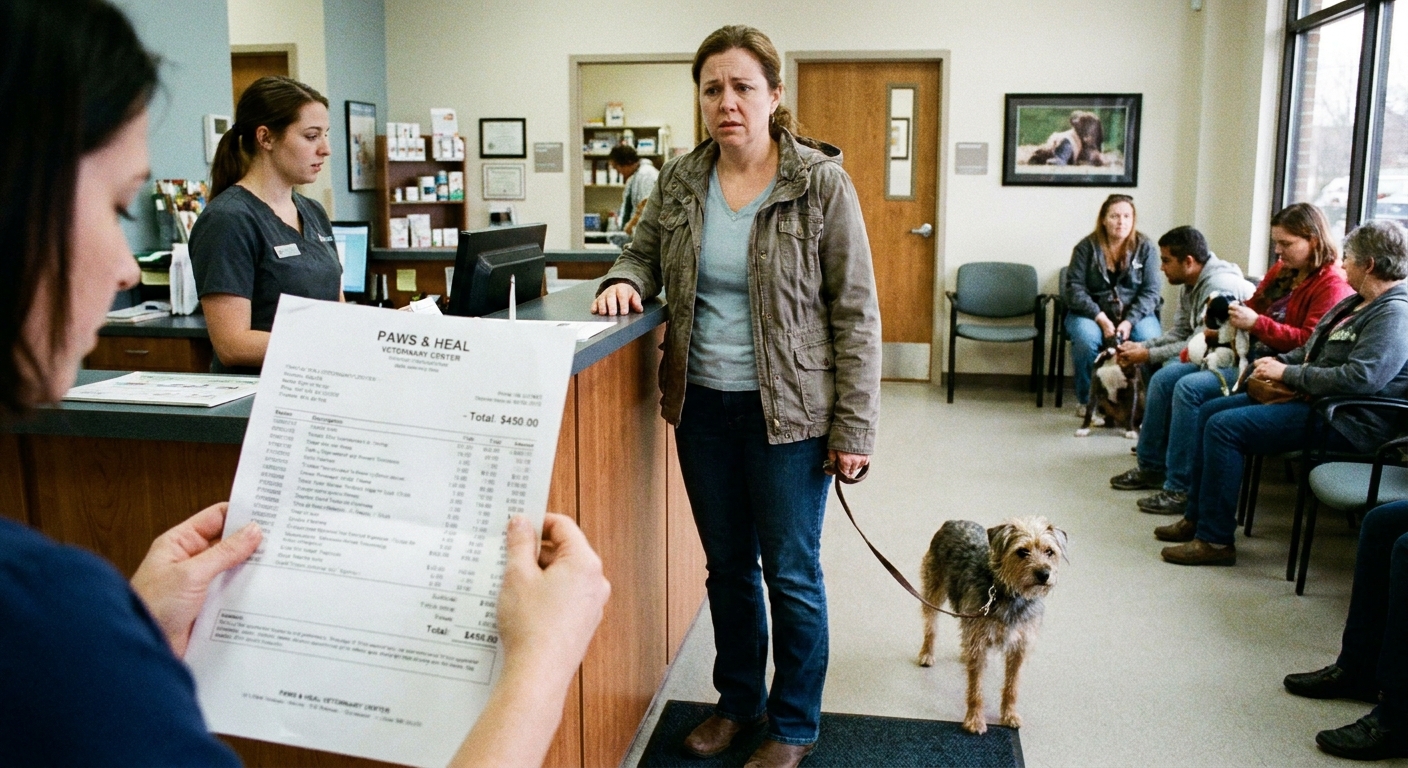
Boarding and daycare rules
This is where the leash meets the sidewalk. Even if your veterinarian is comfortable using titers to guide booster timing, third parties may have their own policies.
Many facilities want vaccine dates
Boarding kennels, daycare, training facilities, and groomers often follow a simple rule: they want proof of vaccination, not proof of antibodies. Policies are usually written around vaccination dates and expiration intervals. Many corporate chains and some municipal programs follow strict “date on certificate” rules.
Some places accept core titers
Some facilities do accept titer reports for distemper and parvo, especially for adult dogs, but it is highly variable. It can depend on the business, their insurance, and how their policy is written.
Common sticking point: Bordetella
Even facilities that accept titers for core vaccines may still require Bordetella (and sometimes canine influenza) on a specific schedule because these respiratory illnesses spread easily anywhere dogs share air space.
How to avoid surprises
- Ask early: Before you pay for the titer, ask the facility what documentation they accept.
- Get it in writing: Email is great for this.
- Confirm the time window: Some places accept titers only if they are repeated on a set schedule, such as annually.
Rabies law and titers
Rabies is a different category because it is regulated by law and tied to public health rules.
In most jurisdictions, a rabies antibody titer does not replace legally required rabies vaccination for dogs. Even if a titer suggests immunity, you may still be required to keep rabies vaccination current to be considered legally compliant.
Some locations allow medical exemptions in limited cases, typically requiring veterinarian documentation and specific procedures. Even then, a titer usually does not function as the same thing as a legally valid rabies certificate.
Where rabies titers show up most often is in specific travel or import situations, where certain destinations may require a rabies titer as part of entry rules. That is separate from day-to-day compliance with local rabies vaccination laws.
If you are considering rabies titer testing for any reason, your vet is your best map-reader here because requirements can be location-specific.
When titers make sense
Titer testing is not an all-or-nothing stance. It is a tool. Some situations where owners and vets commonly consider titers include:
- An adult dog with a documented vaccine history where you want to confirm protection before boosting core vaccines.
- A dog with a prior vaccine reaction where your vet is weighing risk versus benefit of revaccination.
- A dog with a medical condition or on medications where vaccination decisions need extra tailoring.
- Owners who want the most individualized plan rather than automatic boosters on schedule.
On the flip side, your vet may be more likely to recommend staying on a traditional schedule if your dog has high exposure risk, attends daycare often, visits dog parks daily, lives in an outbreak area, or has an uncertain vaccine history.
How to talk to your vet
If I could hand every human a little puppy-scout checklist, it would look like this:
- Which diseases are we testing for? Ask if the titer covers parvo, distemper, and adenovirus, and whether results come from an in-clinic test or a lab.
- How will we use the result? What happens if it is positive? What happens if it is negative or low?
- When is the right time to test? Ask whether your dog has had enough time after vaccination to build a measurable response.
- What is my dog’s risk level? Lifestyle matters. So does local disease prevalence.
- Will my facility accept this? If you need third-party acceptance, confirm it first.
- What about rabies? Ask what your local law requires and what counts as proof.
If your goal is “least medicine possible,” titers can be part of a thoughtful plan. If your goal is “easy paperwork for daycare,” boosters may be the smoother path. Either way, your dog benefits when the decision is made on purpose.
Quick FAQ
How long do titers last?
A titer is a snapshot, not a permanent label. Some owners repeat titers annually, while others test less often depending on their vet’s guidance, their dog’s health, and facility requirements.
Can my puppy get a titer instead of puppy shots?
Puppy vaccination timing is designed to handle maternal antibody interference. Titers can be used in specific ways, but they are not a simple replacement for the standard puppy series. Talk with your veterinarian before relying on titers for a puppy plan.
If my dog has a positive titer, is it safe to skip boosters?
A positive titer for core viruses often strongly suggests protection and can support delaying a booster, but the decision should include your dog’s history, timing, and risk. Your veterinarian is the right partner for that call.
Will a groomer accept titers?
Some will, many will not. Policies vary widely, and many follow boarding-style vaccine rules. Always ask before your appointment date.
The bottom line
Titer testing can be a helpful way to individualize vaccine decisions, especially for the core viral diseases: parvo, distemper, and adenovirus. It is not a universal replacement for boosters, interpretation depends on the test used, and it generally does not satisfy rabies vaccination laws. Even when titers are medically useful, boarding and daycare policies may still demand standard vaccine certificates.
If you are curious about titers, you are already doing the best dog-parent thing: asking a good question before making a big health decision. Bring that curiosity to your vet, and you will build a plan that protects your dog and fits your real life.