A curious nose. A very waggy welcome.
If you have ever tried to plan a trip, book a boarding stay, or even just renew a dog license, you have probably met the Rabies Question: how often does my dog actually need a rabies shot?
The quick answer is: it depends on (1) which rabies vaccine product your veterinarian uses and (2) what your state, county, or city law recognizes as “current.” Let’s sniff it out, step by step.
Why rabies shots follow a schedule
Rabies is a fatal virus that affects the nervous system and can spread to people. Because the stakes are so high, rabies vaccination is regulated more like a public safety requirement than an optional wellness choice.
That is why rabies rules can feel stricter than other vaccines. Many places require:
- rabies vaccination by a certain age
- booster shots on a defined interval
- documentation signed by a veterinarian
- proof for licensing, boarding, grooming, daycare, housing, and travel
1-year vs 3-year vaccines
Most dogs receive a rabies vaccine that is labeled for either 1-year or 3-year duration of immunity. That label is based on how the vaccine was tested and licensed.
Key detail: the first shot is often treated as 1 year
In many jurisdictions, the first rabies vaccination is considered good for 1 year, even if a 3-year product is used. After the booster at the 1-year mark, the dog may then qualify for a 3-year interval.
That is not just a medical nuance. It is often how the law is written.
What decides your dog’s schedule?
- The vaccine product used (1-year labeled vs 3-year labeled)
- Your dog’s age and vaccine history (first dose vs boosted)
- Your local and state regulations (some areas only recognize 1-year intervals)
- Veterinary guidance based on health status, risk, and compliance needs
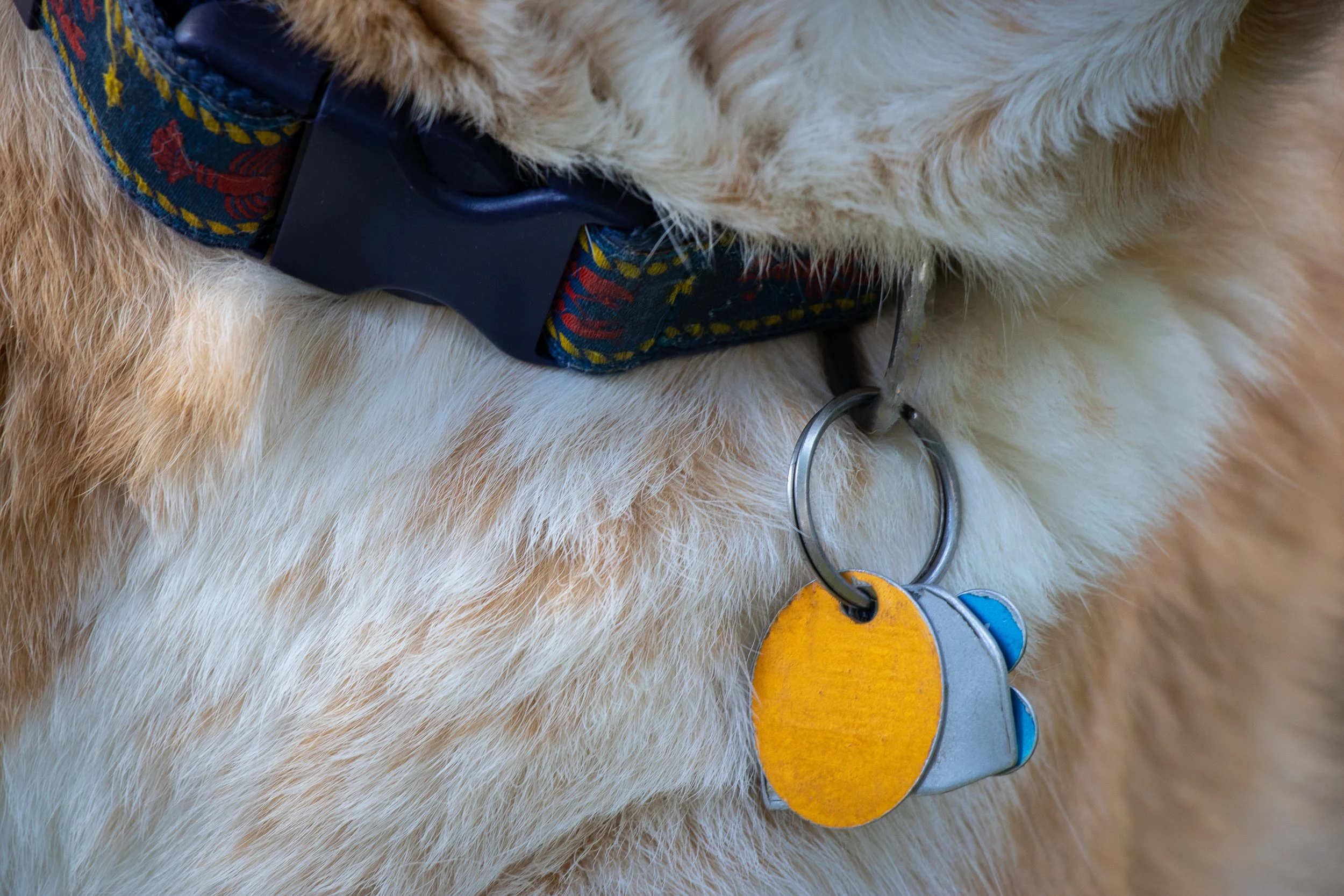
Typical rabies timeline
Specific timing varies by location, but this is the most common structure in the United States.
Puppies: first rabies shot
Most puppies get their first rabies vaccine around 12 to 16 weeks of age. Some jurisdictions specify a minimum age and a deadline, such as “by 4 months.” Your veterinarian will aim for the window that satisfies both health and legal requirements.
First booster: usually 1 year later
After that first puppy rabies shot, a booster is typically due one year later.
After that: every 1 or 3 years
Once a dog is properly boosted, future rabies boosters are commonly due:
- every year in places that require annual rabies vaccination or when a 1-year vaccine is used
- every 3 years when a 3-year vaccine is used and local law recognizes the 3-year interval
If you are adopting an adult dog, your vet will use any records you have to decide whether your dog is due for a booster now and what interval applies going forward.
Local law sets the rules
I wish I could hand you one universal calendar and call it a day. But rabies vaccination is regulated at the state and local level. That means two dogs with the same vaccine history can be treated differently in two different counties.
How to confirm what applies
- Ask your veterinarian what interval is legally recognized where you live.
- Check your city or county animal control website for rabies vaccination and licensing rules.
- Confirm what your boarding facility or groomer requires because their policies can be stricter than the minimum legal rule.
Tip from a puppy-scout: when in doubt, ask, “What date will my dog be considered expired for boarding and licensing purposes?” That question usually gets you the most practical answer.
If your dog is overdue
This is the most stressful version of the Rabies Question, so let’s make it plain.
Step 1: call your vet and book soon
If your dog is overdue, get back on track as soon as you can. Avoid DIY timing guesses if you are facing travel, boarding, or licensing deadlines.
Step 2: expect “not current” until boosted
Rules vary, but many authorities and facilities consider a dog overdue the moment the listed expiration date passes. Even if your dog has been vaccinated in the past, you may not be able to use the old certificate to board or travel once it is expired.
Step 3: you may need a booster or a reset
Whether a single booster reestablishes “current” status depends on local regulations and your dog’s documented history. In some situations, the veterinarian can administer a booster and issue an updated certificate. In others, especially if records are missing or the lapse is long, your dog may be required to follow a specific revaccination protocol per local rule.
What not to do
- Do not rely on a “grace period” unless your veterinarian or local authority confirms one exists.
- Do not assume a 3-year label means you can always wait 3 years between any two doses.
- Do not travel or board without verifying what paperwork is required and whether your dog is considered current.
If your dog bites someone while overdue, or if your dog is exposed to a potentially rabid animal while overdue, the consequences can be much more complicated. Keeping rabies vaccination current is as much about avoiding legal headaches as it is about health protection.
Proof of vaccination
Rabies paperwork is the ticket stub that gets you into a lot of dog life events.
Common situations that require proof
- Dog licensing through your city or county
- Boarding, daycare, and grooming facilities
- Training classes and some dog sport venues
- Renting in pet-friendly housing
- Domestic travel (varies by destination and carrier)
- International travel (often requires additional documents and timing rules)
What proof usually means
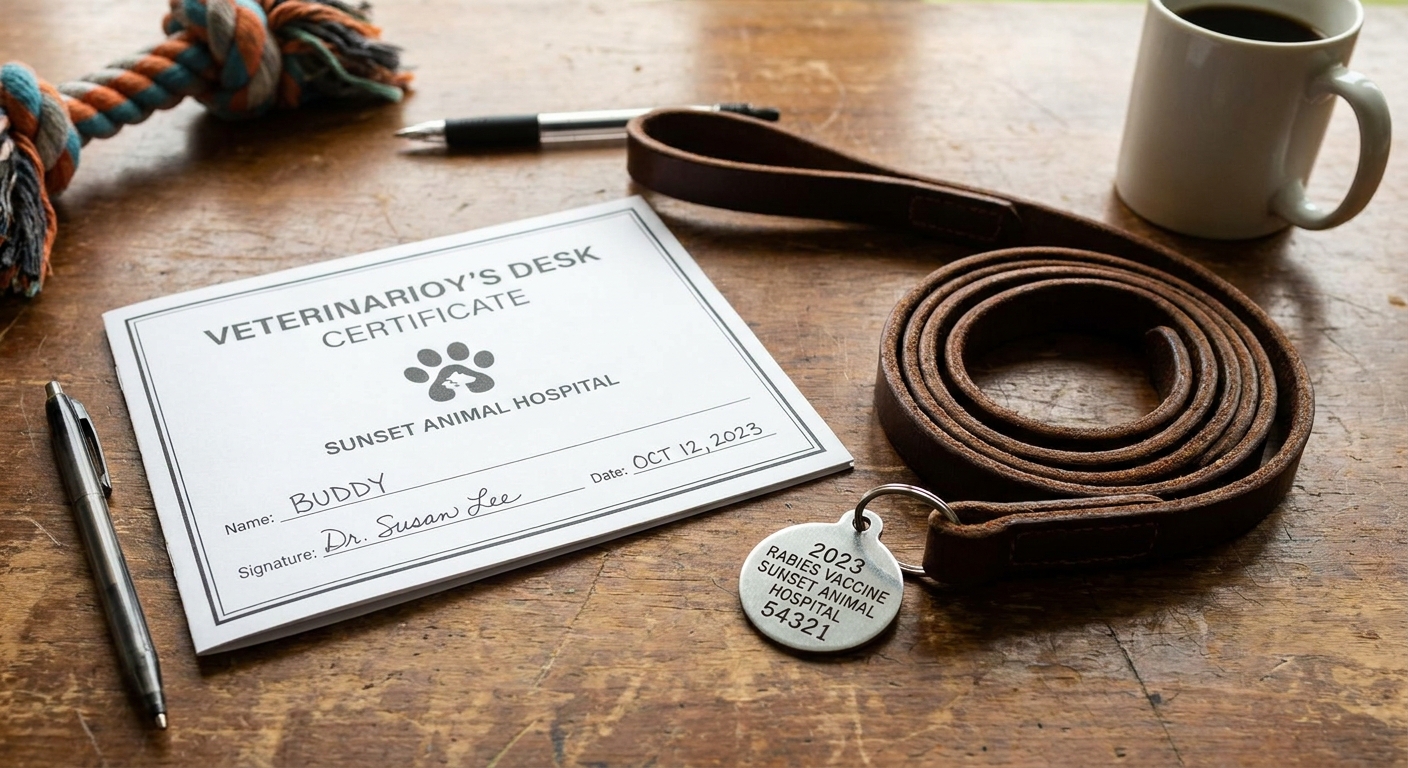
Most places want a rabies vaccination certificate from your veterinarian showing:
- your dog’s identifying details
- date of vaccination
- vaccine manufacturer and product information
- rabies tag number (in many cases)
- the date the vaccination expires
Many facilities accept a digital copy, but some will insist on a certificate from a veterinarian rather than a casual reminder email. If you are planning travel or boarding, ask what format they accept before you are standing in a lobby with a suitcase and a confused dog.
Timing for travel and boarding
Even when your dog is vaccinated, timing matters for logistics.
Boarding and daycare
Many facilities require rabies vaccination to be current and may also require it to have been administered at least a certain number of days before the stay, especially for a first rabies vaccine. Policies vary, so call ahead.
Travel within the US
Requirements depend on where you are going and how. Some destinations and transportation providers request proof of current rabies vaccination. If you are moving states, check your destination’s animal import rules.
International travel
International rules can be strict and time-sensitive. Depending on the country, you may need rabies vaccination plus additional steps such as a rabies antibody titer test, an accredited health certificate, or specific waiting periods. If you even might travel internationally, talk to your veterinarian early so you can meet the timeline.
Staying on schedule
- Save the certificate as a photo or PDF on your phone and email it to yourself.
- Put the expiration date in your calendar with a reminder 30 to 60 days ahead.
- Ask your vet clinic if they send automatic reminders by text or email.
- Keep records together if you use multiple clinics (wellness, emergency, low-cost vaccine events).
Rabies boosters are one of those things that feel boring right up until you need them fast. Future-you will be very grateful for past-you’s organized paper trail.
Rabies shot FAQs
Is the 3-year vaccine safer or stronger?
They are different licensed products with different label durations. Your veterinarian chooses a product and schedule based on your dog and what your local rules recognize. “3-year” does not automatically mean “better for every dog in every situation.”
Can my dog get a 3-year vaccine every year?
Some dogs do receive rabies vaccination more frequently than every 3 years due to local law, facility requirements, medical considerations, or record issues. If you want the longest legally allowed interval, ask your veterinarian what is permitted where you live and what your dog needs to qualify.
What if I adopted a dog with no records?
Plan on vaccinating. Without documentation, most authorities and facilities treat the dog as unvaccinated. Your veterinarian can help you establish a documented baseline and get you a valid certificate.
Does an indoor-only dog need rabies shots?
Often yes. Rabies laws usually do not give indoor-only exceptions for dogs, and real life is leaky. Doors open, dogs slip out, bats get inside, and emergencies happen.
What if my dog reacted to a vaccine before?
Tell your veterinarian before vaccinating. They can advise on risk reduction, monitoring, and documentation. In some locations, a veterinarian may be able to provide a medical exemption for rabies vaccination under specific rules, but exemptions are tightly regulated and not available everywhere.
The takeaway
Most dogs get their first rabies shot at about 12 to 16 weeks, a booster one year later, and then boosters every 1 or 3 years depending on the vaccine used and what local law recognizes. If your dog is overdue, schedule the booster promptly and ask your veterinarian how your area handles lapsed rabies status.
To get the most accurate timeline for your home address, confirm two things: the vaccine label your clinic uses (1-year or 3-year) and the interval your local animal control or licensing office recognizes as “current.”