A curious nose. A very waggy welcome.
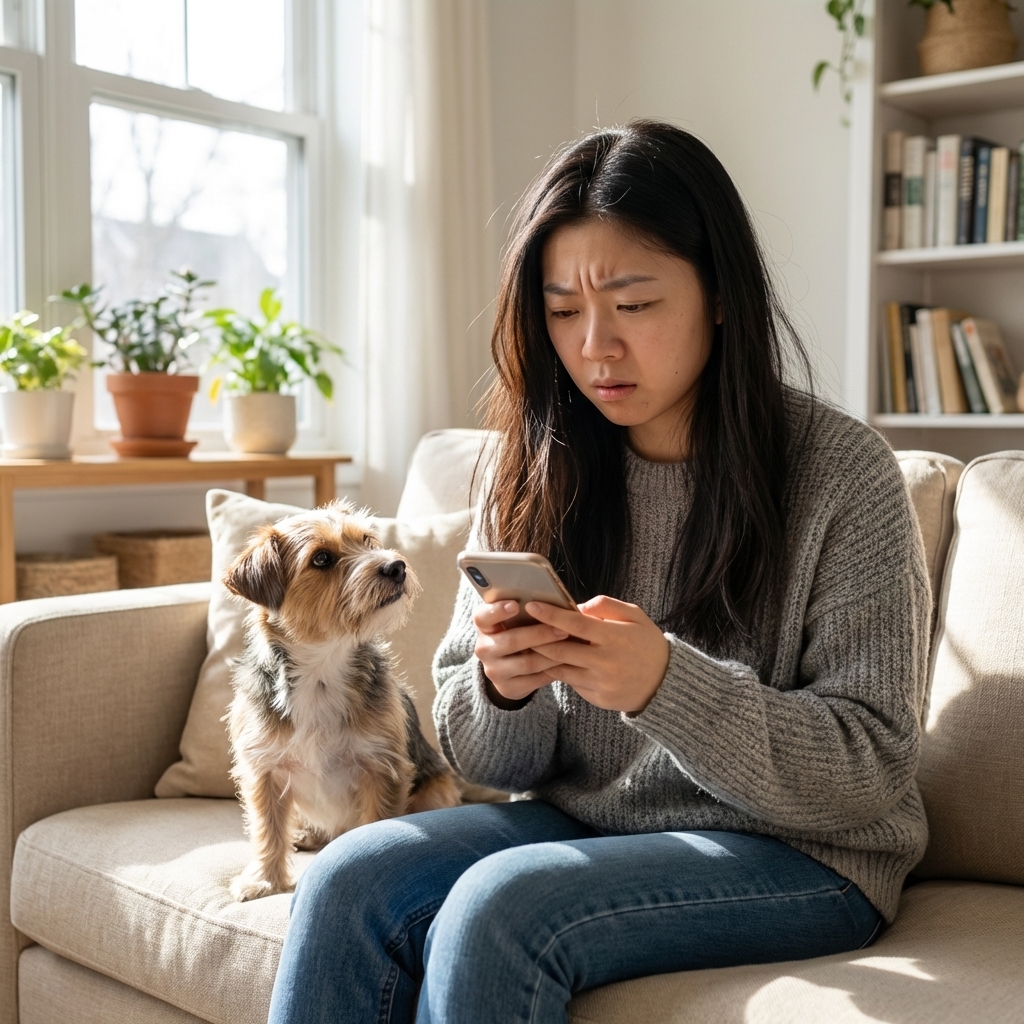
If your dog just got a vaccine and now they are sleepy, sore, or sporting a little lump at the injection site, your brain can go full puppy patrol. The good news is that most vaccine reactions in dogs are mild and short-lived. The important part is knowing what’s normal, what’s not, and what to do next.
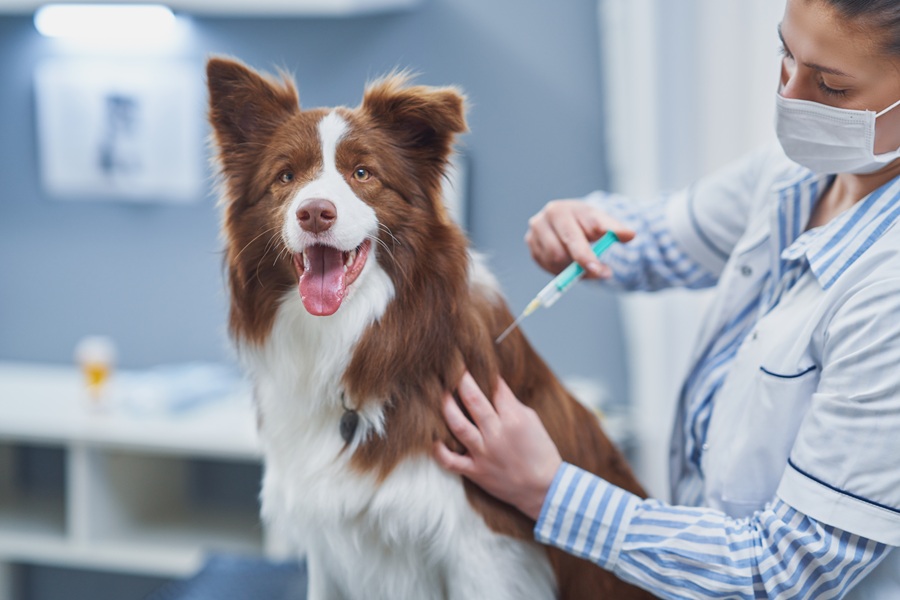
This guide covers the most common reactions like lethargy and swelling, plus the serious allergic reactions that need urgent care. It also includes how to plan future vaccines with your veterinarian if your dog has reacted before.
Quick triage: normal, call soon, or emergency?
Usually normal (monitor at home)
- Mild tiredness or extra napping for about 24 to 48 hours
- Soreness at the injection site
- Decreased appetite for one meal (sometimes up to a day)
- Small, firm lump under the skin where the vaccine was given
- Mild “off” behavior or quiet mood as the immune system ramps up
Call your vet today (same day if possible)
- Lethargy that is severe, worsening, or not improving by 48 hours
- Any vomiting or diarrhea in puppies, seniors, very small dogs, or dogs with other medical issues
- Repeated vomiting or diarrhea in any dog
- Hives or widespread itching
- Facial swelling that is mild but noticeable (puffy muzzle, eyelids, ears)
- Injection-site swelling that is rapidly enlarging, very painful, hot, oozing, or limiting movement
- A lump that keeps enlarging or is larger at 2 weeks than it was initially
Emergency (go to an ER vet now)
- Difficulty breathing, noisy breathing, or gasping
- Swelling of the face or throat that progresses quickly
- Collapse, extreme weakness, pale gums, or unresponsiveness
- Persistent vomiting with weakness, drooling, or signs of shock
- Seizures
If your dog is struggling to breathe or has collapsed, do not wait to see if it passes. This can be anaphylaxis, and minutes matter.
Common dog vaccine reactions (and what they look like)
1) Lethargy and sleepiness
The most common reaction is a dog who acts like they had a big day. Vaccines work by stimulating the immune system, and that immune “practice run” can make your pup feel tired.
Typical timeline: starts within a few hours, often most noticeable the evening after vaccines, and usually improves within 24 to 48 hours.
2) Soreness and mild swelling at the injection site
Some tenderness is expected, especially if your dog got multiple vaccines or if they are a sensitive little soul who keeps checking their shoulder like it betrayed them.
Typical timeline: often 1 to 3 days, occasionally up to 4 to 5 days for mild soreness.
3) A small lump under the skin
A firm bump at the injection site can be caused by local inflammation. It can feel like a small marble under the skin.
Typical timeline: may appear within a day or two and often shrinks over 2 to 6 weeks. Some nodules can linger longer, but the key is the trend. It should stay stable or gradually get smaller over time.
4) Mild stomach upset
A little nausea can happen. One episode of vomiting can still be “call and check” territory depending on your dog’s size, age, and overall health. If your dog is tiny, very young, older, or has other conditions, it is smart to call for any vomiting.
Typical timeline: usually within 24 hours, sometimes the next day.
5) Hives and facial swelling
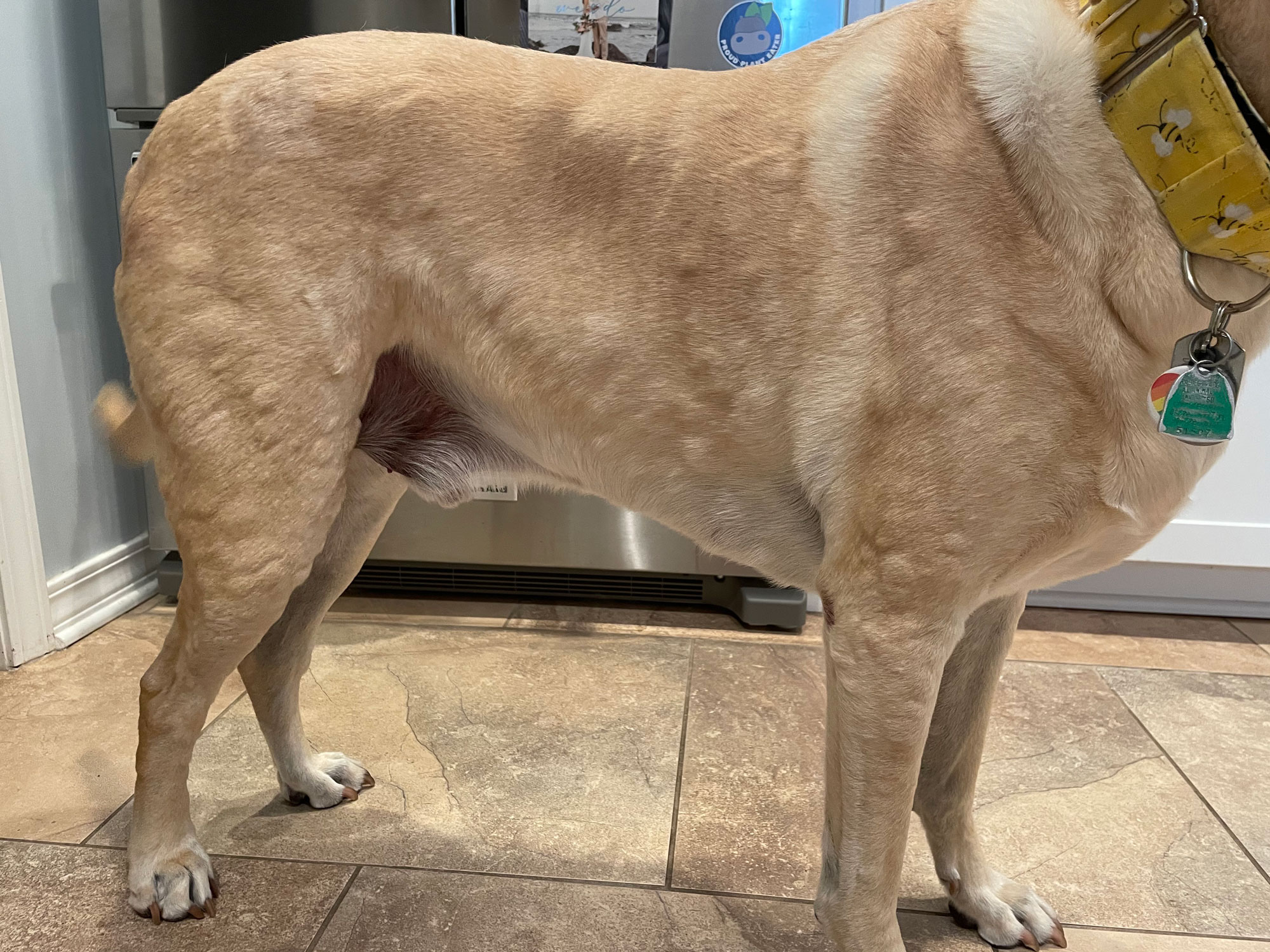
Hives often look like raised bumps across the body, sometimes easiest to feel rather than see, especially under thick coats. Facial swelling can show up as puffy eyelids, swollen muzzle, or a rounded look to the face.
Typical timeline: allergic reactions often occur within minutes to a few hours. Delayed itchiness or hives can still show up later the same day or the next day, but true, fast-moving anaphylaxis is usually an early reaction.
How long do vaccine reactions last?
Most mild reactions follow a pretty predictable pattern.
- Within a few hours: sleepiness, mild soreness, mild decreased appetite
- First 24 to 48 hours: quiet mood, lower energy, possibly a slightly reduced appetite
- 1 to 3 days: injection-site tenderness and mild swelling
- Days to weeks: a small injection-site lump that gradually shrinks
If symptoms are intensifying instead of improving, or if your dog seems “not themselves” past 48 hours, it is worth a call.
Home care for mild vaccine reactions
If your dog is bright-eyed enough to follow you to the kitchen but clearly wants an early bedtime, supportive care is usually the plan.
Let them rest
Keep the day calm. Skip hard exercise, dog parks, daycare, and long hikes for 24 hours unless your vet told you otherwise.
Offer water and a normal meal
Encourage hydration. If they are not hungry at dinnertime but are otherwise okay, you can try offering their regular food later. If your dog is a puppy, very small, older, or has medical issues, call your vet sooner for appetite changes.
Watch the injection site
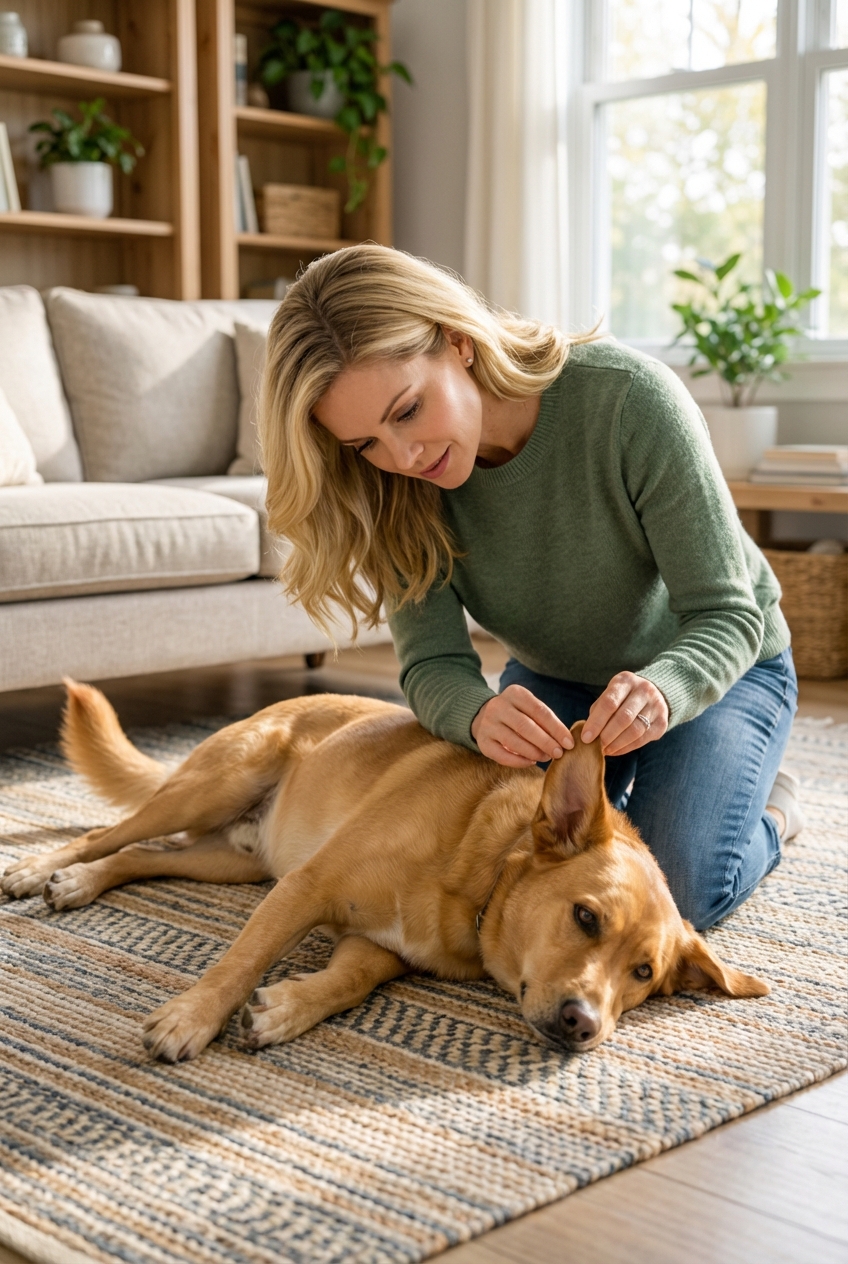
Expect mild tenderness. Try not to poke it repeatedly. If the area is getting larger, very painful, hot, or looks angry, that leans toward a vet call.
Do not guess on fever
Warm ears are not a reliable way to tell if a dog has a fever. If you are worried about fever, call your vet. They can tell you whether a temperature check at home makes sense for your dog and how to do it safely.
Do not give human meds unless your vet says so
Many common human pain relievers can be dangerous for dogs. If your dog seems uncomfortable, call your clinic and ask what is safe for your dog’s weight and health history.
If you are ever unsure, take a quick video of your dog’s breathing and a few photos of any swelling or hives. It helps your vet team triage fast.
Emergency signs of anaphylaxis in dogs
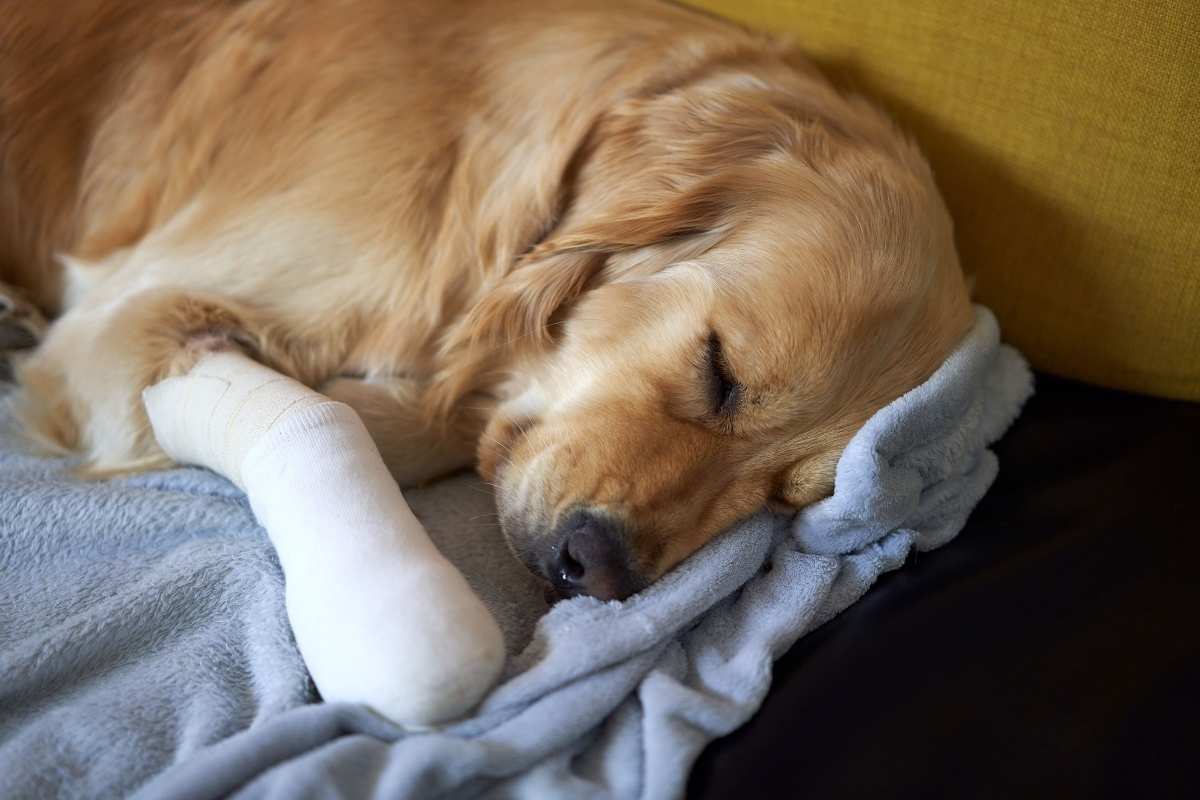
Anaphylaxis is a severe allergic reaction. It is uncommon, but it is the big reason we take post-vaccine swelling and vomiting seriously.
Go to an emergency vet immediately if you notice:
- Labored breathing, wheezing, or a sudden change in breathing sounds
- Swelling of the face, lips, tongue, or throat
- Sudden weakness, collapse, or inability to stand
- Pale or gray gums
- Repeated vomiting, diarrhea, or intense drooling, especially with weakness
- Disorientation, extreme agitation, or “something is very wrong” behavior
Call the ER on the way if you can. Tell them your dog was vaccinated and describe the symptoms and timing.
Injection-site lumps: when a bump is more than a bump
A small lump is often just local inflammation and will resolve. Still, it is smart to track it like a good puppy-scout would.
Measure it and note the date
Use your fingers or a soft tape measure and jot down the size. Check it once or twice a week, not ten times a day.
Call your vet if the lump:
- Is very painful, hot, or leaking
- Interferes with walking or normal movement
- Feels tense and rapidly enlarging
- Is larger at 2 weeks than it was at the start or continues to grow instead of leveling off
- Does not show a shrinking trend over 4 to 6 weeks
- Is still present after a couple of months, feels irregular, or worries you
Your vet may want to recheck it, document it in the medical record, or in some cases sample it. The goal is to be cautious without panicking.
Why some dogs react more than others
Vaccine reactions are not about a dog being “weak.” They are usually about immune response and individual sensitivity.
Things that can increase the chance of noticeable reactions include:
- Previous vaccine reaction
- Multiple vaccines given at the same visit
- Small body size or young age, where mild effects can look more dramatic
- Underlying illness or immune system conditions
- Breed and individual tendency toward allergies
None of this means vaccines are “bad.” It means your vet can personalize the plan.
How to plan future vaccines after a reaction
If your dog had hives, facial swelling, vomiting, or significant lethargy after a vaccine, tell your vet before the next appointment. Planning can reduce risk while still protecting your dog from serious disease.
Ask about spacing vaccines out
Instead of multiple shots in one visit, your vet may recommend splitting them into separate appointments.
Ask which vaccine was most likely responsible
Sometimes the timing and which vaccines were given can help narrow down the likely culprit. That can guide future choices.
Discuss pre-treatment when appropriate
For dogs with a prior allergic reaction, your vet may recommend medications before vaccination and a longer monitoring period afterward. This is a veterinary decision based on your dog’s history.
Consider titer testing when it makes sense
For some diseases, antibody titer tests can help evaluate existing immunity. Titers are not a perfect replacement for every vaccine, and they may not be accepted everywhere (boarding, grooming, travel). Also, rabies vaccination is legally required in many areas, and titers generally do not replace rabies vaccine requirements. It is still worth discussing options with your veterinarian.
Plan a monitored post-vaccine window
Many clinics already have you wait briefly after vaccination. If your dog has reacted before, ask if they prefer a longer observation period, and keep your schedule clear for the rest of the day.
Make sure the reaction is documented
Ask your clinic to record what happened in your dog’s medical record, including timing and which vaccines were given. In some cases, noting the vaccine manufacturer and lot information can be helpful for future decision-making.
What to tell the vet if your dog is reacting
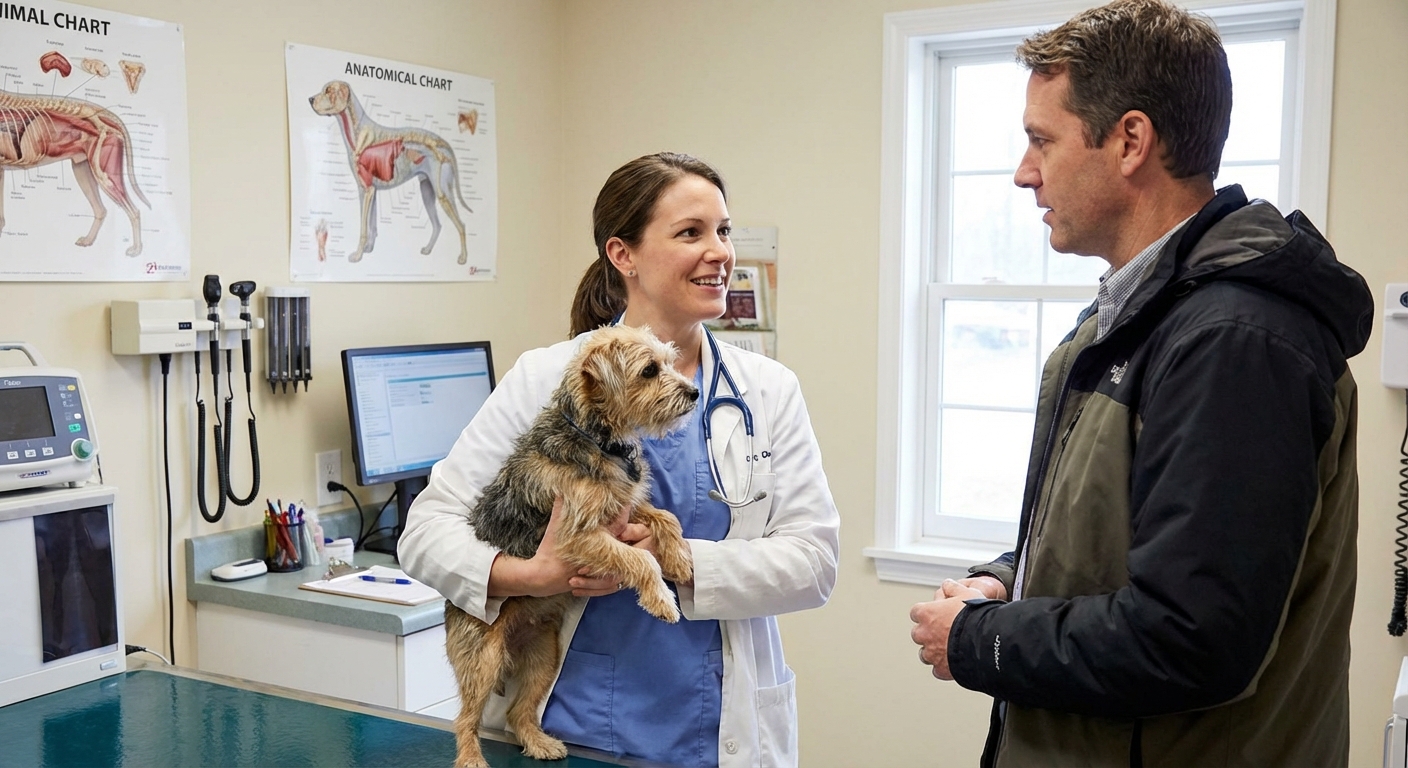
If you call your clinic, these details help them triage quickly:
- Which vaccines your dog received (or the visit paperwork)
- What time the vaccines were given
- When symptoms started
- Symptoms you see now (vomiting count, diarrhea, hives, swelling location)
- Your dog’s current energy level and appetite
- Any history of past vaccine reactions or allergies
If you have photos of swelling or a short video of breathing, offer to send them if your clinic accepts it.
FAQ
Is it normal for a dog to be tired after shots?
Yes. Mild lethargy for about 24 to 48 hours is common. If your dog is extremely weak, getting worse, or still significantly lethargic beyond 48 hours, call your vet.
My dog has a lump where the shot was. Should I worry?
A small, firm lump can be normal and may fade over several weeks. Call your vet if it is rapidly growing, painful, hot, leaking, or not trending smaller over time.
Can vaccines cause facial swelling in dogs?
They can, usually as part of an allergic reaction. Facial swelling, hives, or vomiting after vaccination should prompt a call to your vet right away. If breathing is affected or swelling progresses quickly, go to an emergency vet.
Should I give Benadryl for a vaccine reaction?
Do not give any medication without veterinary guidance. Dosing depends on your dog’s weight, health conditions, and what symptoms they are having. Call your vet and ask what they recommend.
How can I reduce the risk next time?
Tell your vet about the reaction, ask about spacing vaccines, monitoring after vaccination, and whether pre-treatment is appropriate for your dog. Also ask that the reaction is documented in the medical record so the whole team can plan safely.
A calm ending note from your puppy-scout
Most dogs bounce back quickly after vaccines with nothing more than a nap and a quieter evening. But when reactions happen, acting early is the safest choice. If your gut says, “This is more than normal post-shot sleepiness,” it is always okay to call your vet and ask.