As a veterinary assistant here in Frisco, Texas, I have seen how quickly a calm whelping can turn into an urgent situation when contractions stop. It is scary because dogs can have perfectly normal pauses between puppies, so many families wait, hoping it will restart. Sometimes it does. With uterine inertia, it does not, and waiting too long can put both the dam and puppies at risk.
This article will help you understand what uterine inertia is, how it differs from a normal “rest,” the typical time limits that mean you need emergency veterinary care, and why treatments like calcium and oxytocin are always veterinarian decisions.
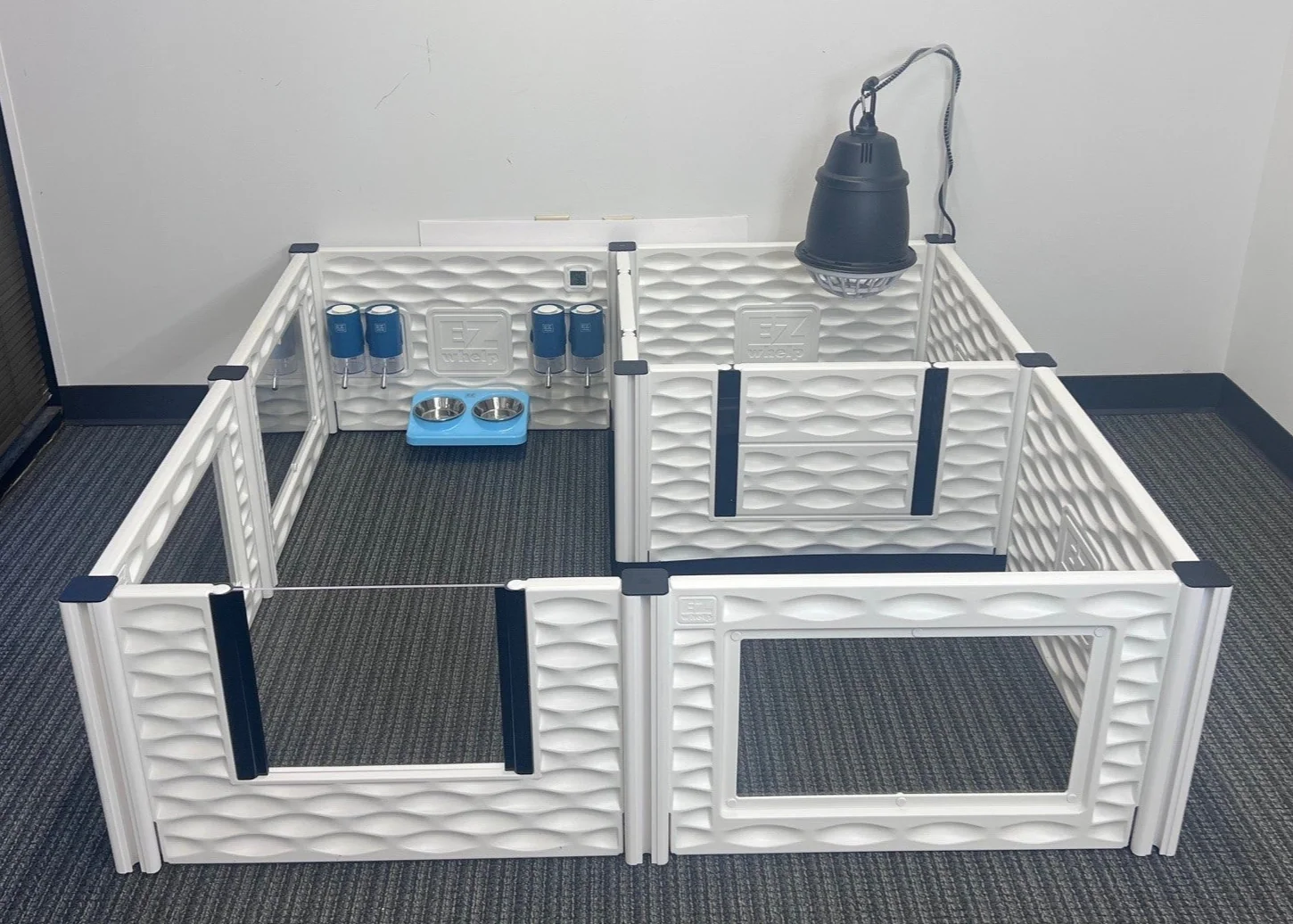
What uterine inertia means
Uterine inertia is the failure of the uterus to contract effectively enough to deliver puppies. In simple terms, the “push” is too weak, too uncoordinated, or stops altogether.
It is one of the more common causes of dystocia (difficult birth) in dogs, and it can happen before any puppy is born or after some puppies have already arrived.
Primary vs secondary uterine inertia
Primary uterine inertia
Primary uterine inertia means the uterus never gets going properly in the first place. You may not see the strong abdominal straining you expect in active labor.
Sometimes, poor contraction strength goes hand in hand with incomplete cervical dilation. Other times, cervical dilation problems are a separate dystocia issue entirely. Either way, it is one reason your vet needs to examine her before anyone reaches for oxytocin.
Common contributors your veterinarian considers include:
- Overstretched uterus from a very large litter
- Small litter where hormonal signaling is weaker
- Maternal exhaustion or poor conditioning
- Obesity
- Uterine muscle weakness
- Electrolyte or metabolic problems such as low calcium or low blood sugar
- Breed and body factors, including brachycephalic dogs that commonly need planned C-sections
Secondary uterine inertia
Secondary uterine inertia happens after labor has started normally. The dog may deliver one or more puppies, then contractions slow down or stop because the uterus is tired or something is blocking progress.
Secondary inertia can be caused by:
- Uterine fatigue after a long labor
- An obstruction such as a puppy that is too large, malpositioned, or lodged
- Pelvic narrowing or other maternal anatomy issues
- Pain, stress, or dehydration that reduces effective labor
- Retained puppy or fetal membranes that may be associated with poor uterine function (fatigue and obstruction are still the big concerns)
The key difference is that with secondary uterine inertia, the uterus has already been contracting and producing puppies, then loses momentum.
Normal rest vs stalled labor
Dogs can, and often do, take breaks between puppies. Some dams deliver a puppy, clean and nurse, settle, and then return to active labor later. This can be normal, especially in larger litters.
What matters is the overall pattern and whether there are signs of distress, obstruction, or an “unresolved” puppy still in the birth canal. Obstructive dystocia can look like “inertia” at home, which is exactly why home oxytocin is risky.
What a normal pause can look like
- She is comfortable, alert, and responsive
- She is caring for puppies, allowing nursing
- She may have mild, occasional contractions
- No intense straining that goes nowhere
- No foul discharge, collapse, or severe pain
What stalled labor can look like
- Contractions fade out and do not restart
- She looks weak, distressed, or exhausted
- There is strong straining with no puppy produced
- You suspect puppies remain based on x-ray count, ultrasound, or litter expectations
- Discharge becomes dark green or green-black before any puppy is born, or becomes foul smelling
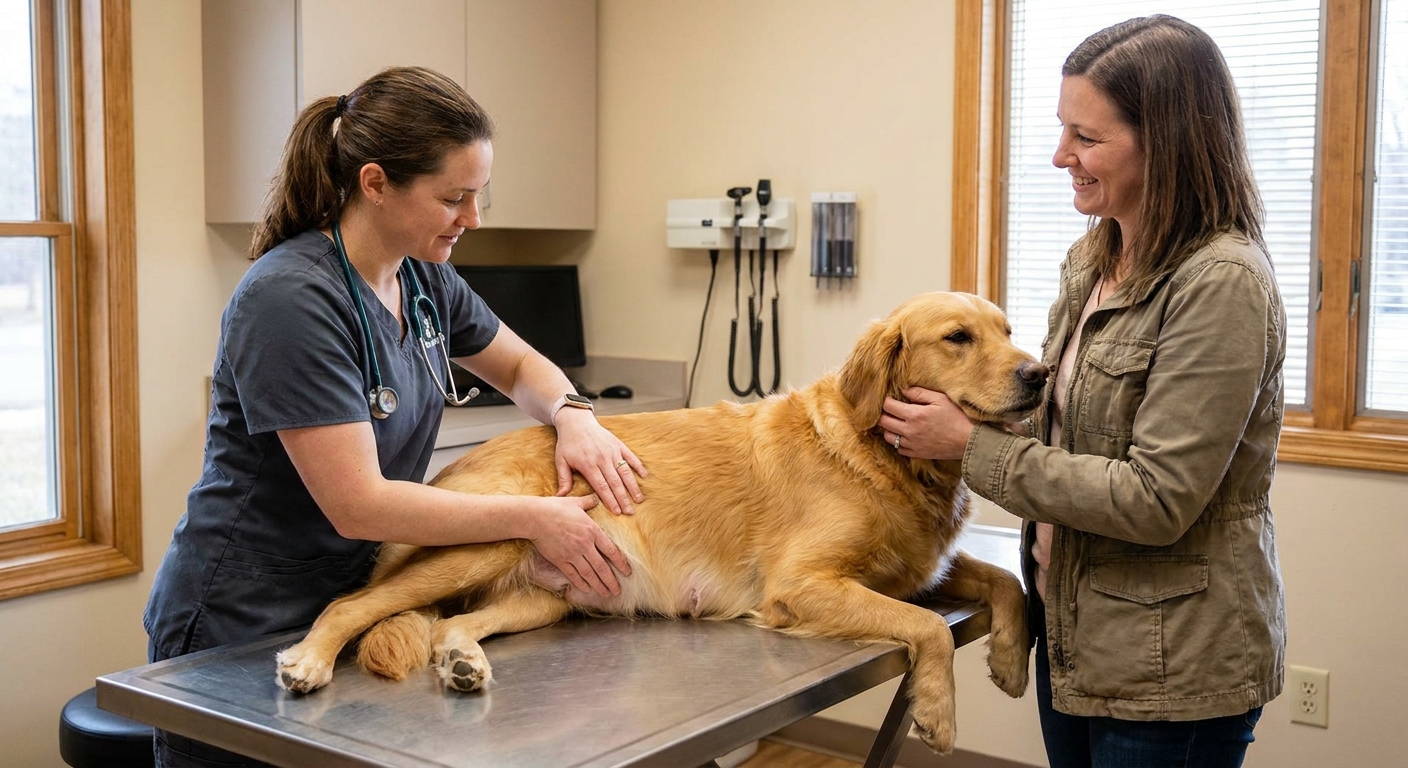
When it is an emergency
If you remember nothing else, remember this: when contractions stall, time matters for puppy oxygen and maternal safety. If you are unsure, it is always appropriate to call an emergency vet for guidance.
It helps to know the stages of labor in plain language:
- Stage 1: cervical dilation. Restlessness, panting, nesting, and shivering are common.
- Stage 2: active pushing and delivery of puppies.
These are commonly used veterinary red flags that warrant immediate veterinary attention:
- More than 24 hours in Stage 1 (restlessness, nesting, panting) with no progression to delivering a puppy
- 20 to 30 minutes of strong, unproductive straining (hard pushing) with no puppy produced
- More than 2 hours of visible Stage 2 effort (intermittent pushing that is going nowhere) with no puppy produced
- More than 2 hours between puppies when you know or strongly suspect more puppies remain, especially if the dam is not comfortable
- More than 4 hours between puppies even if she seems comfortable, unless your veterinarian has advised otherwise based on exam and imaging
- Dark green or green-black discharge before the first puppy (can indicate placental separation and fetal distress). A green discharge after a puppy is born can be normal.
- Foul-smelling discharge, heavy bleeding, collapse, or severe weakness
- Signs of severe pain, persistent vomiting, or trouble breathing
One important nuance: some dogs do rest longer than 2 hours between puppies and still finish normally. But if you do not have imaging confirming how many puppies remain, and contractions have stopped, it is much safer to be evaluated than to wait at home.
Why calcium and oxytocin are vet decisions
I completely understand why people ask about giving calcium or oxytocin at home. You want to help. But these medications can be dangerous if used at the wrong time or for the wrong reason.
Calcium is not automatically safe
Low blood calcium (hypocalcemia) can contribute to weak contractions, but calcium also affects the heart and muscles throughout the body. The dose, form, and route matter. Giving calcium when it is not needed can cause serious complications, including abnormal heart rhythms.
Your veterinarian may:
- Check calcium and glucose levels, especially in small breeds or large litters
- Give calcium under monitoring if indicated
- Address dehydration or shock if present
Oxytocin can worsen an obstruction
Oxytocin stimulates uterine contractions. That is exactly why it can be risky.
If there is a stuck puppy, a malpositioned puppy, or a pelvic mismatch, forcing stronger contractions can lead to:
- Tetanic contractions that reduce placental blood flow and drive fetal distress
- Placental separation and fetal distress
- Exhaustion and shock in the dam
- Uterine rupture (uncommon, but possible, especially with obstruction and inappropriate dosing)
Veterinarians decide on oxytocin only after evaluating the situation, often including a physical exam, vaginal exam, imaging, and assessment of fetal heart rates. If oxytocin is used, it is typically used in carefully measured doses and with a plan for what to do if it fails.
If your dog’s contractions have stopped, this is not the moment for DIY treatment. It is the moment for an exam to make sure there is not an obstruction or fetal distress.
How it is diagnosed
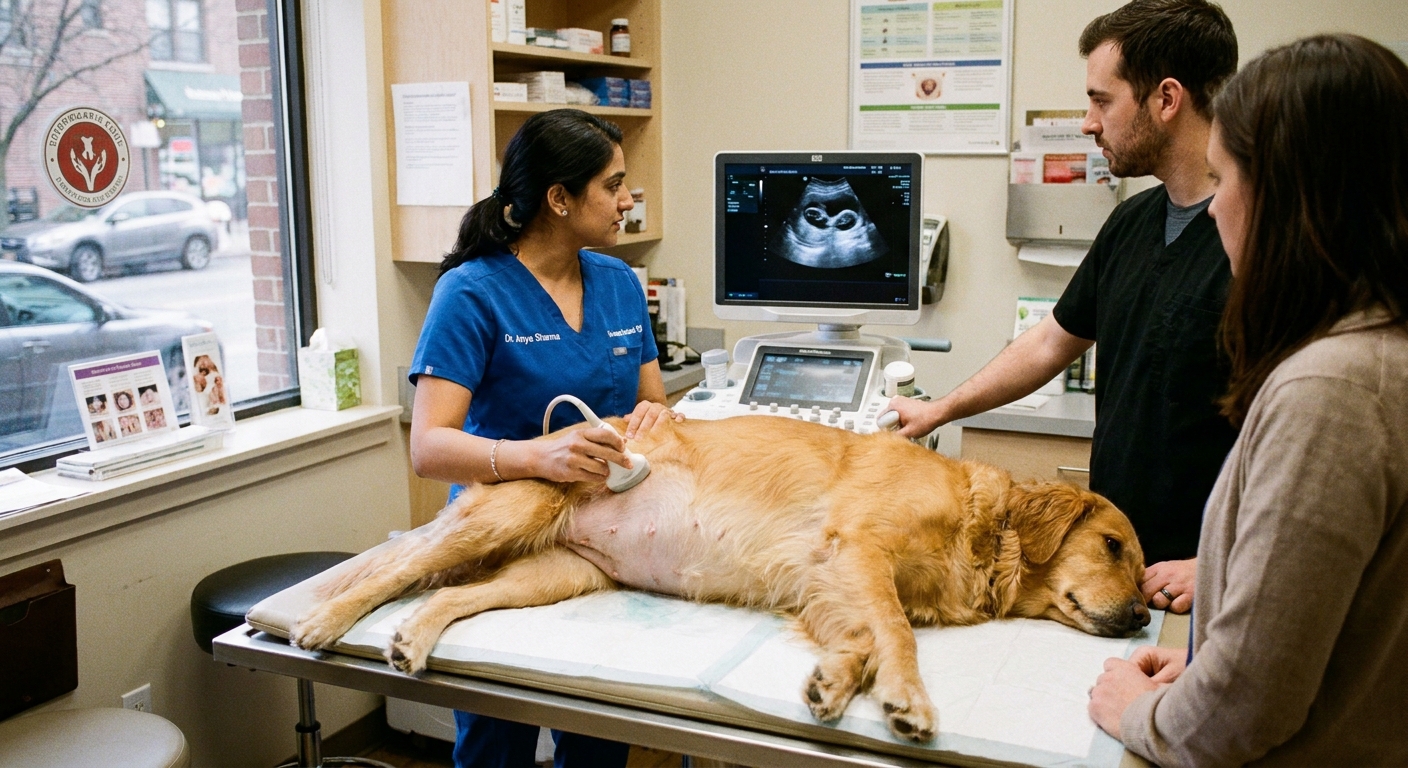
At the clinic or ER, the veterinary team is trying to answer a few urgent questions: Are there puppies still inside? Are they alive and stable? Is there an obstruction? Is the dam safe enough for medical management, or does she need surgery now?
Diagnostics may include:
- Physical and vaginal exam to assess dilation and check for a puppy in the birth canal
- Abdominal radiographs (x-rays) to count puppies and evaluate size and position (best late pregnancy and during labor)
- Ultrasound to assess fetal heart rates and viability (especially helpful for checking fetal status)
- Bloodwork to check glucose, calcium, infection markers, dehydration, and overall status
What treatment can look like
Treatment depends on whether this is primary or secondary inertia and whether there is an obstruction. The goal is always the same: get puppies delivered safely before mom or babies crash.
Medical management
If the cervix is adequately dilated, there is no obstruction, and the puppies appear stable, the vet may consider medical support such as:
- IV fluids and warming support
- Correcting low blood sugar
- Calcium supplementation if indicated
- Oxytocin in controlled doses
Sometimes a dam will respond and resume productive labor. Sometimes she will not. Your vet will not let this go on indefinitely, because the longer delivery is delayed, the higher the risk of fetal compromise and maternal exhaustion.
When a C-section is the safest outcome
If contractions do not restart effectively, if there is any obstruction, or if fetal distress is suspected, a C-section is often the safest and quickest way to protect the dam and puppies.
In real life, a C-section is not a “failure.” It is a medical intervention that saves lives. Many dams recover beautifully when surgery happens before they are exhausted or in shock.
What to do while heading to the vet
If you are within any of the emergency time limits, or your gut is telling you something is wrong, call your veterinarian or emergency clinic and start driving. While you go:
- Keep the dam calm and warm. Stress can worsen labor problems.
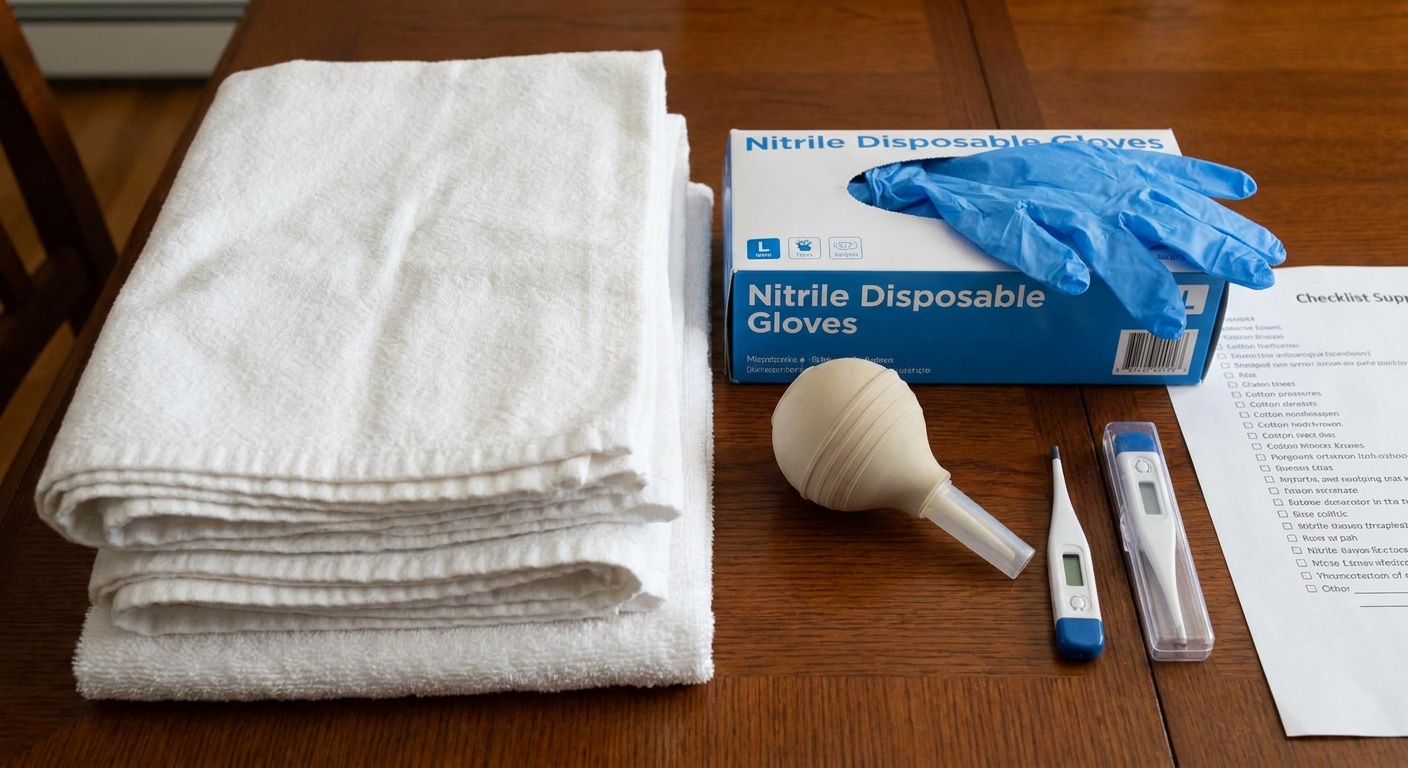
- Bring a box with clean towels. Puppies may arrive en route.
- Do not give medications (including oxytocin, calcium, or pain meds) unless your veterinarian specifically instructed you to.
- Track timing. Note when hard pushing started, when it stopped, the last puppy time, and any discharge color.
- Keep newborns warm if any puppies are already delivered. Use body heat and towels. Avoid overheating.
Risk factors
Uterine inertia can happen in any dog, but it is more likely when the uterus is overworked, overstretched, or the dam is not in a good metabolic state to sustain labor.
- Very large litters (uterus overstretched and fatigued)
- Very small litters (labor signaling may be weaker)
- Older dams or those with prior uterine issues
- Obesity or poor conditioning
- Brachycephalic breeds and breeds with known dystocia risk
- History of dystocia in prior litters
If your dog has known risk factors, ask your veterinarian ahead of time about a whelping plan, after-hours emergency options, and whether a planned C-section is recommended.
Aftercare watch-outs
Even when delivery goes well, I always tell families to keep a close eye on mom during the first days after whelping. Call your veterinarian promptly if you notice:
- Fever, foul odor, or heavy discharge
- Lethargy, poor appetite, vomiting, or collapse
- Tremors, stiffness, panting, or seizures (possible eclampsia or low calcium, especially in small breeds)
- Hard, painful mammary glands or puppies not nursing well
- Puppies that are weak, crying constantly, cold, or not gaining weight
FAQ
How long can a dog safely rest between puppies?
Some dogs rest up to 2 hours between puppies and still finish normally. If you are past 2 hours and you suspect puppies remain, call your vet. If you are approaching 4 hours even with a comfortable mom, call urgently for guidance.
My dog stopped pushing and is sleeping. Is that normal?
It can be normal, especially if she is relaxed and nursing. It can also be secondary uterine inertia or obstructive dystocia. If you are unsure how many puppies remain, or she is past the typical time limits listed above, call your vet or emergency clinic right away.
Can I give Tums or calcium gel to restart labor?
Please do not give calcium at home to “restart” contractions unless your veterinarian directed you to. Calcium problems can be serious, and giving calcium when it is not needed can be harmful.
Does oxytocin always work?
No. And it should never be used when an obstruction is possible. Oxytocin is a medication with real risks, which is why it must be prescribed and administered with veterinary guidance and monitoring.
If my dog needs a C-section, will the puppies be okay?
Many puppies do very well with a timely C-section, especially when the decision is made before the dam is exhausted and before fetal distress becomes severe. After delivery, newborn warmth, airway clearing, and nursing support are crucial, and your veterinary team will guide you through that.
The bottom line
A normal pause between puppies is usually calm and temporary. Uterine inertia is when the uterus cannot or does not continue effective labor, and it can quickly become an emergency.
If your dog’s contractions fade out and do not return, if you see hard straining with no puppy, or if you hit the typical time limits for stalled labor, trust your instincts and get veterinary help immediately. And when it comes to calcium, oxytocin, and the decision for a C-section, those are safest in the hands of a veterinarian who can confirm what is happening inside and act quickly for both mom and puppies.