If you have ever watched your dog suddenly wobble, collapse, or seem “checked out” for a moment and then pop back up as if nothing happened, it is scary in a very specific way. As a veterinary assistant here in Frisco, Texas, I have seen how fast pet parents go from “Maybe he is just tired today” to “Something is seriously wrong.” One possible cause that surprises a lot of families is sick sinus syndrome, an electrical rhythm problem in the heart that can happen even when a dog has no heart murmur.
Let’s walk through what sick sinus syndrome is, what it can look like at home, what your vet will test for, and what you can do right now to help your dog get an accurate diagnosis.
What it is
Sick sinus syndrome (SSS) is a disorder of the heart’s natural pacemaker, called the sinus node. The sinus node sits in the right atrium and is responsible for starting each heartbeat and setting the rhythm, kind of like a conductor keeping the orchestra on tempo.
In sick sinus syndrome, the sinus node is not consistently doing its job. That can cause:
- Very slow heart rates (bradycardia)
- Long pauses between beats due to pauses in sinus node impulses (often called sinus arrest)
- Rhythm switches where the heart alternates between too slow and too fast in some dogs (often called bradycardia-tachycardia syndrome)
The key idea is this: SSS is an electrical problem first. Some dogs with rhythm disease also have structural heart disease, but many dogs with SSS do not have a leaky valve problem that would create a murmur.
No murmur?
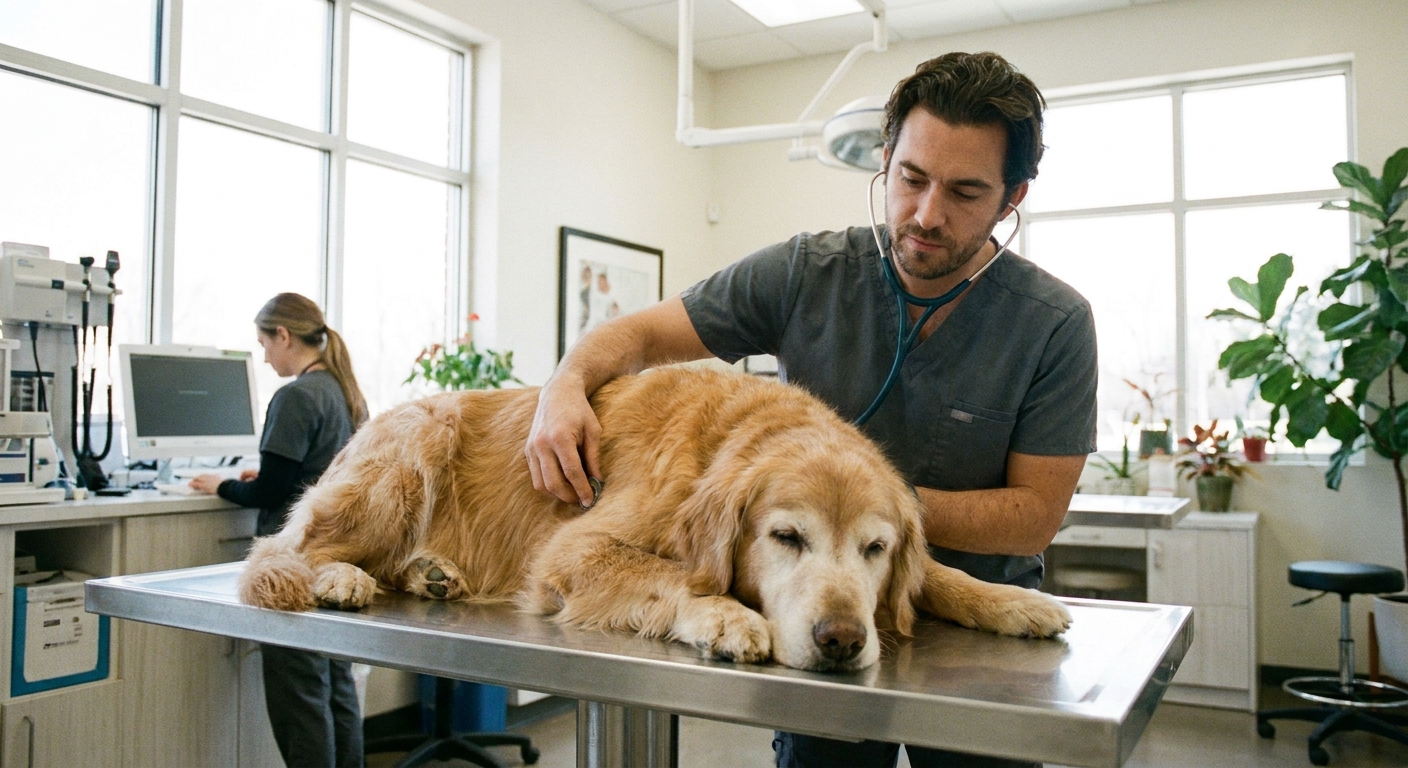
Yes, a dog can have sick sinus syndrome without a heart murmur. A heart murmur is a sound caused by turbulent blood flow. Sick sinus syndrome is about timing and rhythm, not necessarily turbulence. So it is very possible for a vet to listen to your dog’s chest and say, “I do not hear a murmur,” and your dog can still have a serious rhythm issue.
That is why brief fainting spells or repeated collapse should never be brushed off just because the stethoscope exam sounded normal.
Signs at home
Symptoms can be intermittent, which makes them extra frustrating. A dog may look perfectly normal at the vet and still have significant episodes at home.
Most common signs
- Fainting or sudden collapse (syncope), often with quick recovery
- Exercise intolerance, such as slowing down on walks, stopping, or sitting frequently
- Weakness, especially after excitement or exertion
- Lethargy that seems out of character
- Episodes of confusion or “spacing out”
Subtle signs
- Sleeping more than usual
- Not wanting to go up stairs or jump into the car
- Seeming “fine” most of the day but struggling during bursts of activity
- Slower-than-usual recovery after play
Syncope vs seizure
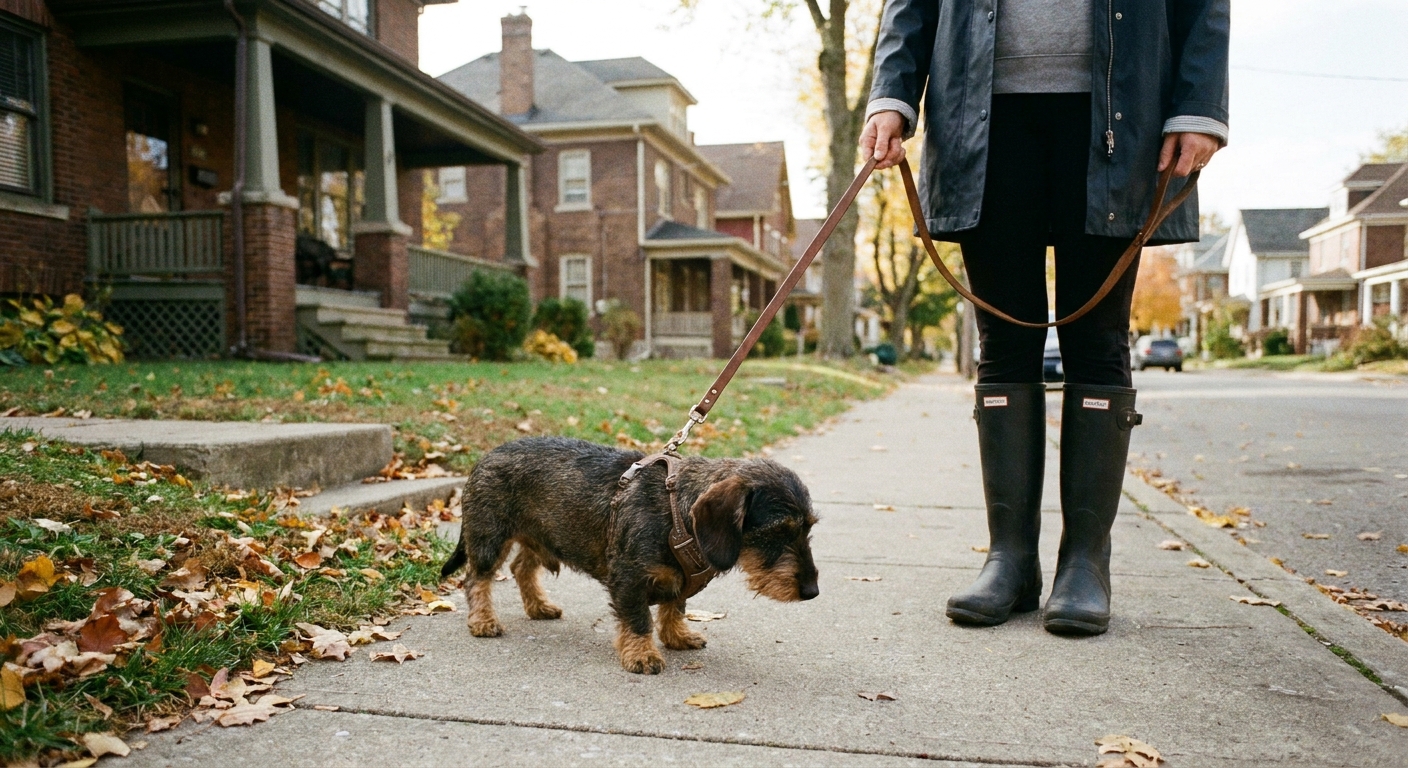
This is one spot where a lot of families get understandably confused. Syncope (fainting) is typically sudden, brief, and many dogs look fairly normal soon afterward. Seizures more often involve paddling or stiffening, jaw chomping, drooling, loss of bowel or bladder control, and a longer “post-episode” period of disorientation. But there is overlap, and only your veterinarian can diagnose the cause, especially because some collapse events can look seizure-like.
Because rhythm problems can come and go, your notes and videos can be just as valuable as what happens in the exam room.
Breeds and risk
Sick sinus syndrome is seen more often in small-breed dogs and in middle-aged to older dogs, although it can occur outside those categories.
Breeds most commonly reported in veterinary cardiology discussions include:
- Miniature Schnauzers
- Cocker Spaniels
- Dachshunds
- West Highland White Terriers
It has also been reported in other small and toy breeds. That said, any dog with unexplained fainting or repeated collapse deserves a rhythm evaluation, regardless of breed.
Why it happens
In many dogs, the sinus node and surrounding atrial tissue develop degenerative or fibrotic changes over time. Think of it as “wiring wear and tear” in the heart’s pacemaker system.
SSS can also be associated with other conditions or influences, such as:
- High vagal tone (strong “rest and digest” nervous system influence), which can slow heart rate
- Medications that reduce heart rate or affect conduction
- Concurrent heart disease (not always present)
- Metabolic or electrolyte problems that can contribute to bradycardia or collapse and complicate the picture (for example, potassium abnormalities or endocrine disease)
Your veterinarian will sort through these possibilities because treating an underlying trigger is different from treating a primary sinus node disorder.
Other causes to consider
Sick sinus syndrome is not the only reason a dog can faint or collapse. Depending on your dog’s age, breed, and situation, your vet may also consider:
- Other arrhythmias (such as AV block or ventricular arrhythmias)
- Structural heart disease
- Respiratory disease that limits oxygen
- Low blood sugar (hypoglycemia), especially in small dogs or puppies
- Anemia or significant blood loss
- Vasovagal or situational fainting (for example, triggered by stress, coughing, or straining)
This is another reason home video, a good timeline, and heart rhythm monitoring can be so helpful.
How vets diagnose it
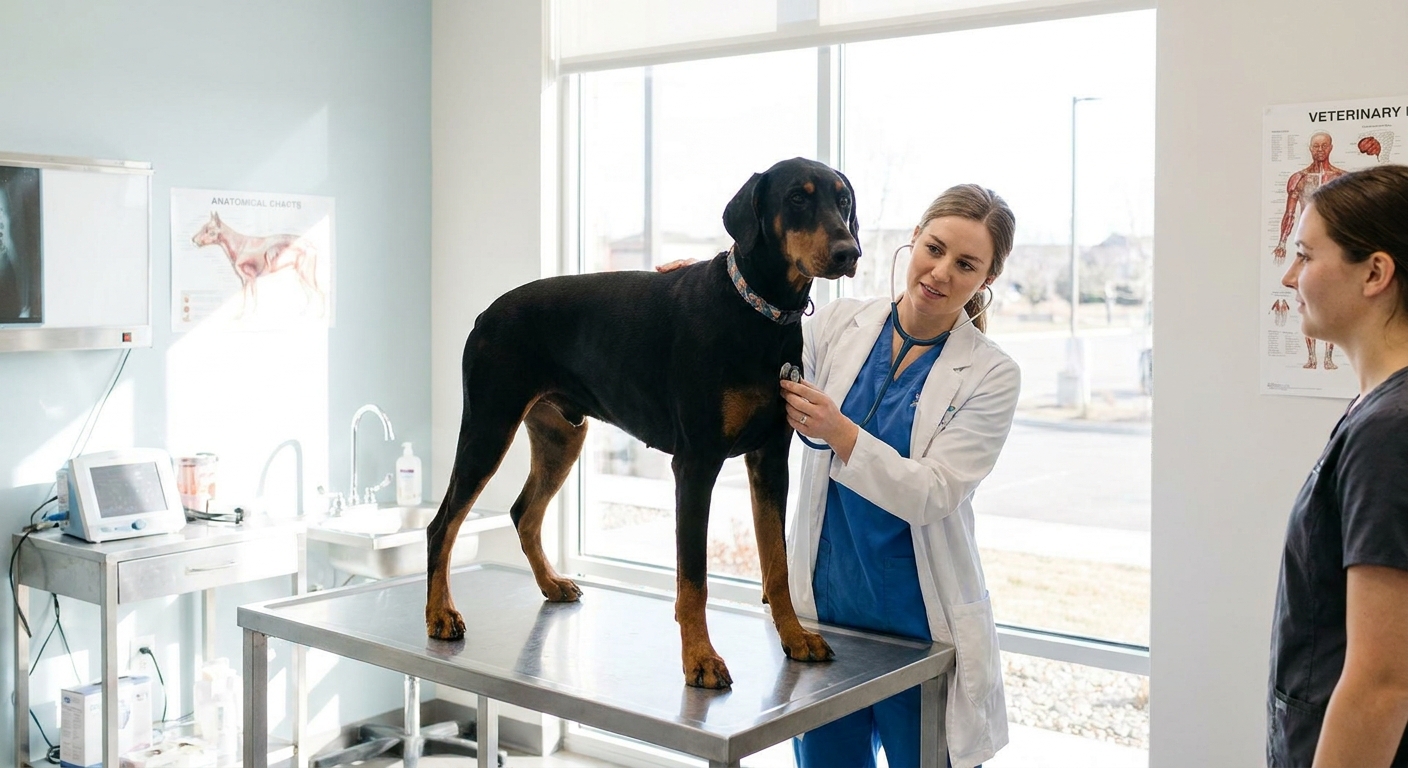
Diagnosis usually starts with basic vitals and a physical exam, but SSS often requires capturing the rhythm problem while it is happening.
Common tests
- Electrocardiogram (ECG/EKG): A snapshot of the electrical rhythm. Helpful, but it might miss intermittent pauses.
- Holter monitor: A wearable ECG that records continuously, often for 24 hours or longer. This is one of the best tools for intermittent fainting and suspected SSS.
- Event monitor: A monitor worn longer-term that may record continuously and lets you mark events, or it may record when activated or triggered, depending on the device.
- Echocardiogram (heart ultrasound): Checks structure and function. A dog can have SSS with a normal echo, but your vet may still recommend it.
- Chest X-rays: Can help assess heart size and look for lung issues.
- Bloodwork: Helps rule out other contributors or look-alikes for collapse, such as anemia, electrolyte abnormalities, and endocrine disease. Thyroid testing may be recommended in some dogs because hypothyroidism can contribute to a slow heart rate and may worsen signs.
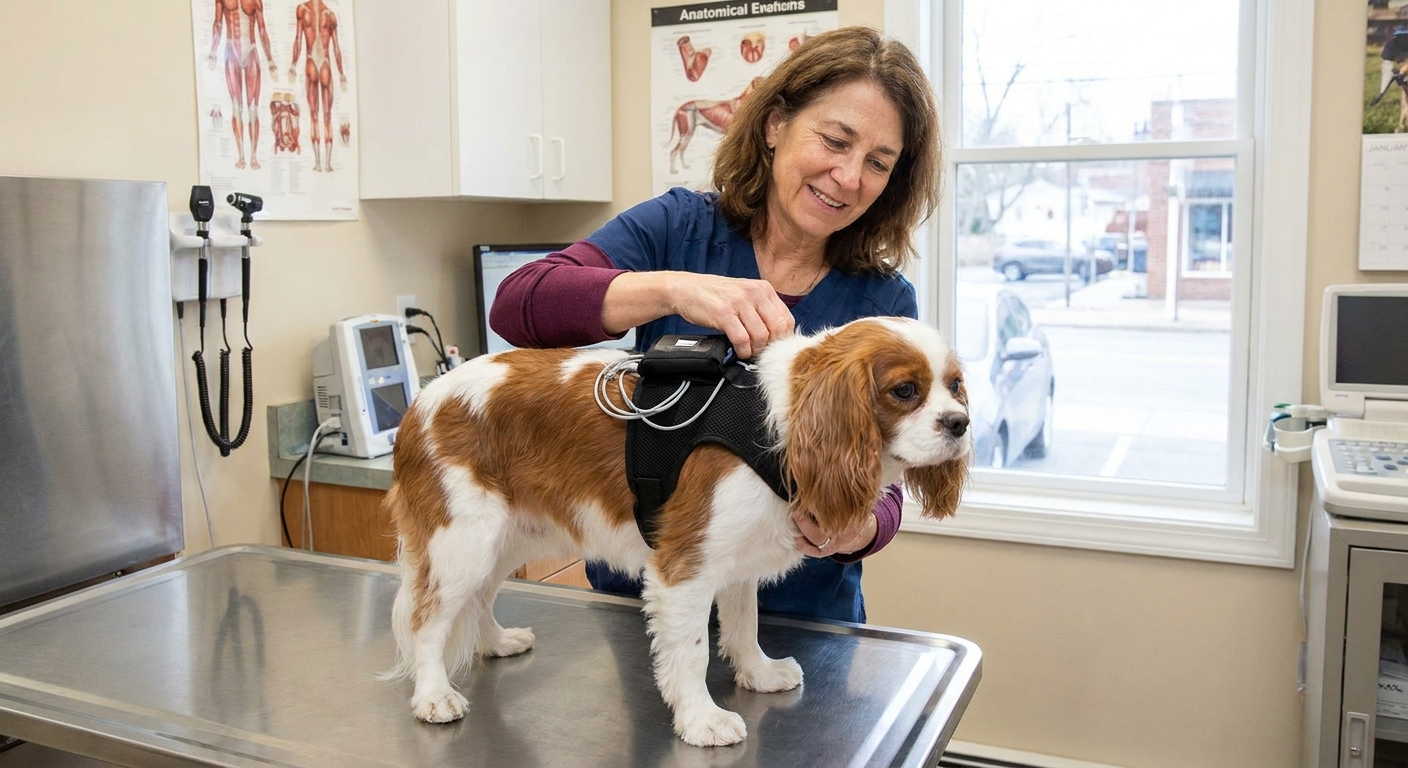
In many cases, your primary care vet will coordinate with a veterinary cardiologist for the monitoring and interpretation.
What to record
If you take only one thing from this article, make it this: good notes can shorten the time to diagnosis. Rhythm problems can be unpredictable, so details matter.
Before
- Date and exact time
- What your dog was doing right before (sleeping, running, barking at the door, on a walk, after a meal)
- Heat and stress factors (hot weather, excitement, visitors, grooming, travel)
- Medications and supplements given that day and the timing
During
- Duration of the episode (use a phone timer if you can)
- Breathing during the episode (normal, shallow, gasping, stopped briefly)
- Gum color if you can safely check (pink, pale, blue-tinged)
- Any vomiting, urination, or bowel movement associated with the event
After
- Recovery (back to normal immediately, tired afterward, confused, needed help standing)
What to capture on video
Video is incredibly helpful. If it is safe to do so, record your dog from the side so the vet can see posture and breathing. Do not put yourself at risk. If your dog is near stairs, water, or a road, safety comes first.
If you have a smartwatch or home pet camera that logs activity, bring those notes too. Even a pattern like “episodes happen between 7 and 9 pm after dinner” can help guide monitoring.
Treatment options
Treatment depends on what the monitoring shows, how severe the rhythm disturbance is, and how often it is causing symptoms.
Pacemaker
For symptomatic dogs with documented clinically significant bradycardia, long pauses, or recurrent syncope, the most effective long-term treatment is often a permanent pacemaker. A pacemaker helps prevent the heart rate from dropping too low or pausing.
Pacemakers do not cure the underlying sinus node disease, but they can dramatically improve quality of life by preventing slow-rate episodes that reduce blood flow to the brain.
Access and availability can vary by region, and not every dog is an ideal candidate. A cardiology consult is usually the best way to confirm whether a pacemaker is the right next step for your dog.
Medication
Some dogs may be managed medically in select situations, especially if signs are mild or if a pacemaker is not immediately possible. Medications can sometimes increase heart rate or support rhythm, but results vary, and drug choices depend heavily on the exact arrhythmia pattern.
Also important: if a dog is experiencing both slow and fast rhythms, treating one side of the problem can worsen the other. That is one reason cardiology input and rhythm monitoring are so valuable.
Addressing contributors
If your veterinarian suspects a medication side effect or a metabolic trigger, adjusting those factors can be part of the plan.
While you wait
If your dog has fainting or collapse episodes, I always encourage calling your vet promptly and asking if you should be seen the same day. In the meantime:
- Restrict intense exercise until your vet says it is safe.
- Avoid overheating. Heat can stress the cardiovascular system.
- Limit high-excitement surges when possible (doorbell chaos, intense ball chasing) until evaluated.
- Do not change or stop prescribed heart meds without veterinary guidance.
- Bring a full medication list to your visit, including flea and tick preventives, supplements, and calming aids.
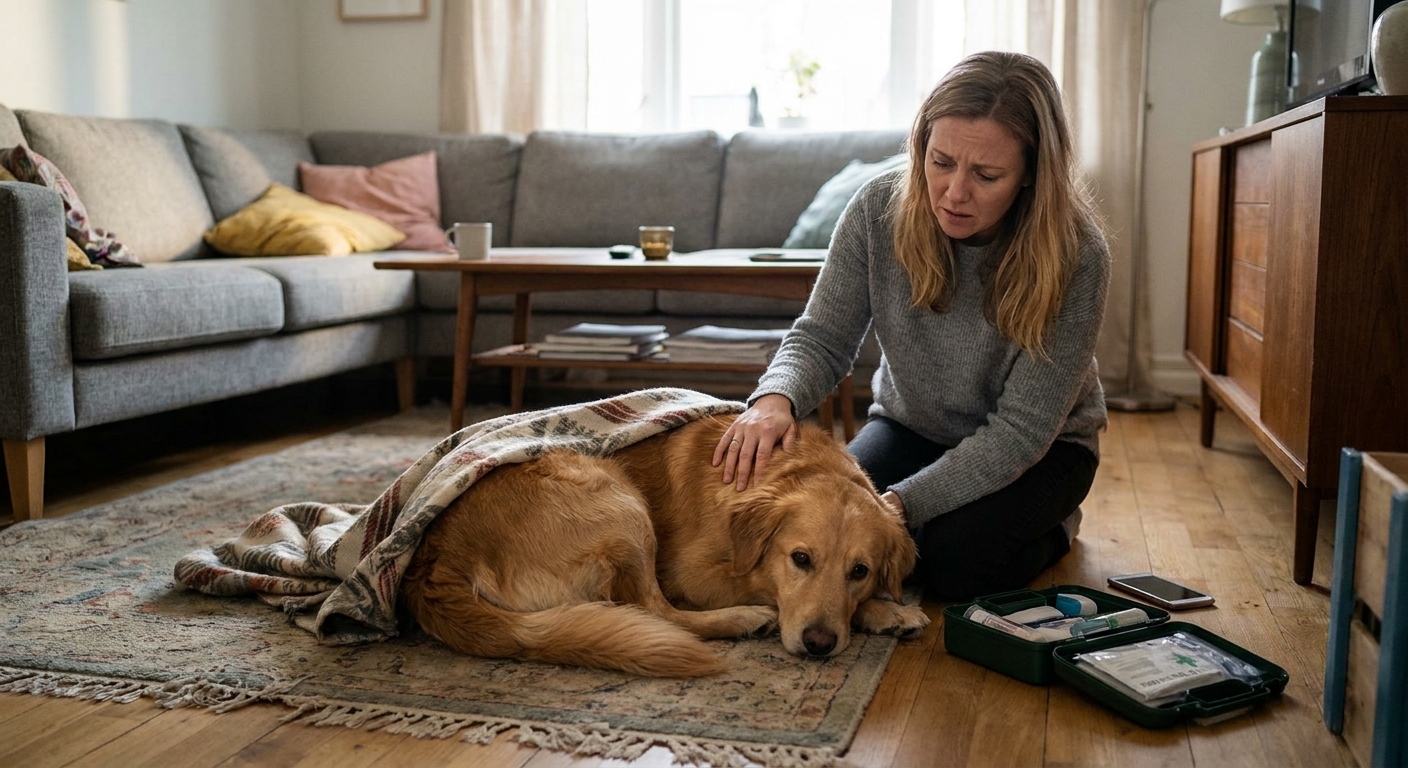
If your dog collapses, let them recover in a safe, quiet space. If they do not quickly regain awareness, have trouble breathing, have blue or very pale gums, or collapse repeatedly in a short time, treat that as an emergency.
Outlook
The outlook depends on the underlying rhythm pattern and whether a pacemaker is placed when indicated. Many dogs do very well after pacemaker implantation and can return to enjoying walks, play, and daily routines with far fewer scary episodes.
Long-term care typically includes:
- Recheck appointments and pacemaker evaluations
- Monitoring for new symptoms
- Adjusting activity based on your dog’s stamina
- Ongoing management of any other heart disease if present
Pacemaker aftercare basics
After pacemaker surgery, most dogs need a period of restricted activity while the incision heals and the leads settle. Your cardiology team will give you specific instructions for incision checks, preventing licking, and when it is safe to return to normal walks and play. If you ever notice swelling, discharge, sudden lethargy, or a return of fainting spells, call your vet right away.
FAQ
Is sick sinus syndrome the same as heart failure?
No. SSS is primarily an electrical rhythm disorder. Heart failure is a pumping and fluid-buildup problem. A dog can have one without the other, although some dogs can have both issues depending on the overall heart condition.
Will my vet hear it with a stethoscope?
Sometimes a vet may notice an abnormally slow or irregular rhythm when listening, but many cases need ECG or longer monitoring to confirm what is happening.
Can stress or excitement trigger episodes?
Yes. Some dogs faint after a burst of activity or excitement because the heart rate fails to respond appropriately, or pauses occur at just the wrong time.
Could my dog grow out of it?
SSS is typically not something dogs outgrow. It often progresses over time, which is why documenting episodes and following through on rhythm testing matters.
Bottom line
Sick sinus syndrome in dogs is a problem with the heart’s electrical pacing system, and it can cause slow heart rates, pauses, fainting, and exercise intolerance. It also often shows up without a heart murmur, so it can be missed if we only focus on what we can hear through a stethoscope.
If your dog has collapse episodes, start a simple log today and grab video if you can. Those two things, plus ECG and Holter monitoring through your veterinarian or a cardiologist, are often what turn a confusing mystery into a clear plan.