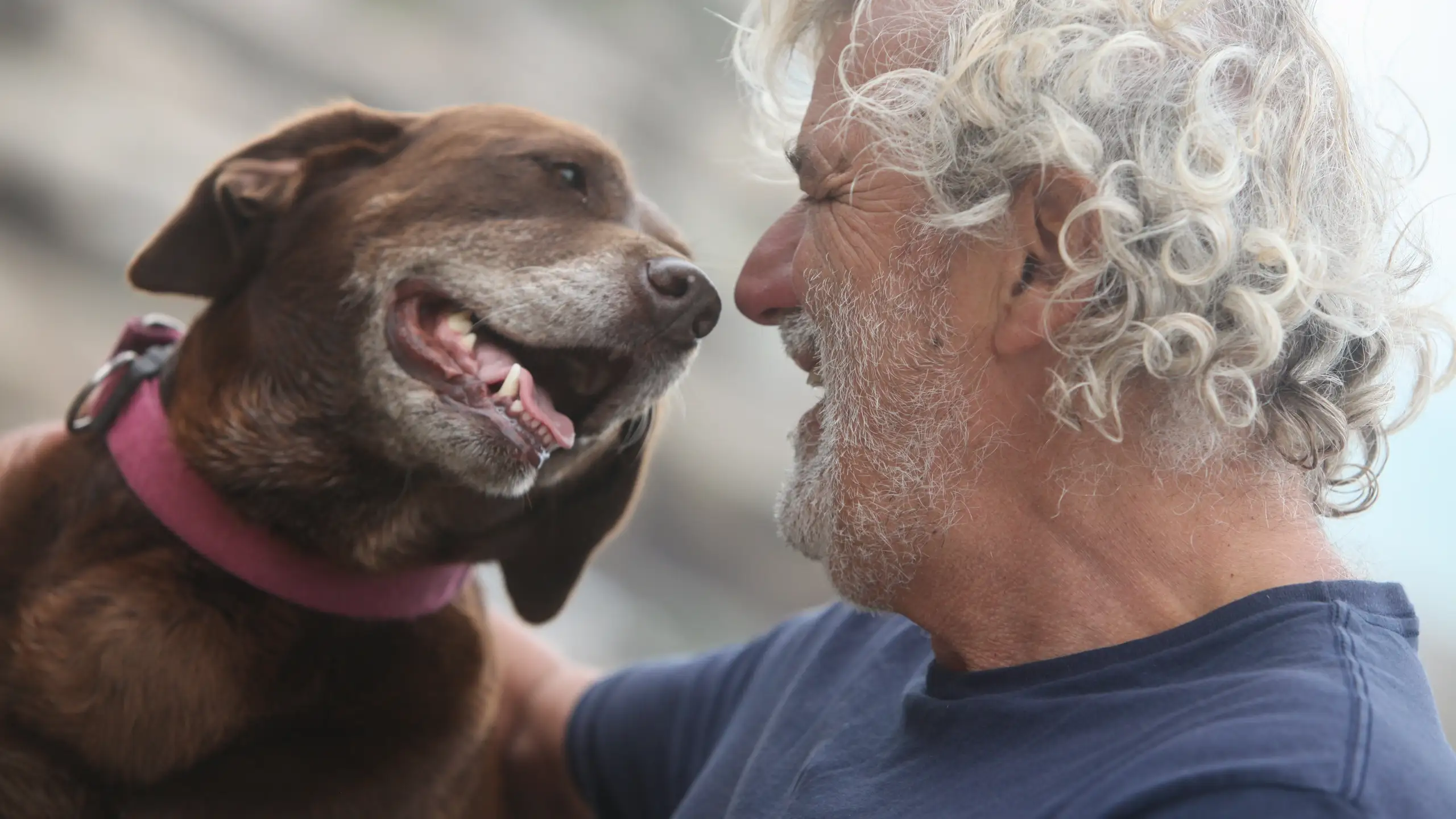
A curious nose. A very waggy welcome.
Loving a dog or cat means, eventually, carrying a little heartbreak in your pocket. Memorials do not “fix” grief, but they can give it a place to rest. Below are meaningful, practical pet memorial ideas, from simple DIY keepsakes to bigger gestures, plus gentle ways to include children and even other pets in the goodbye.
Before you choose a memorial
Some families want to do something right away. Others need weeks or months. Both are normal. If you are unsure where to start, here are a few grounding questions:
- Do you want something you can touch (like a paw print), see (like a framed photo), or do (like a yearly ritual)?
- Do you want it private or shareable? A keepsake box can be just for you. A donation drive can include friends.
- What feels like “them”? A garden memorial might fit a sun-loving cat. A trail clean-up might fit a hiking buddy dog.
If making decisions feels impossible right now, pick one tiny step: gather their collar, a favorite toy, and a photo into one safe spot. You can build from there later.
Keepsakes you can hold
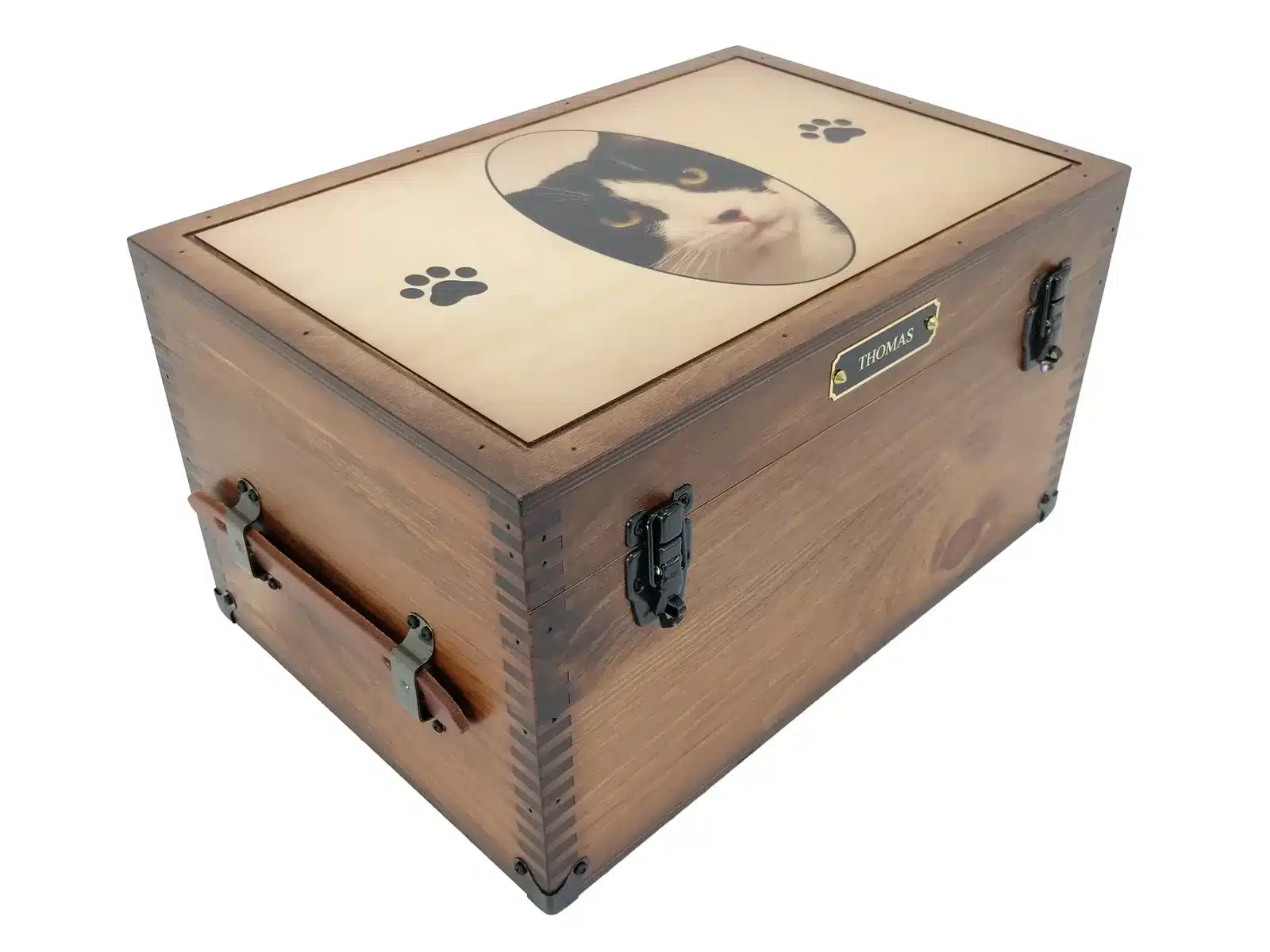
1) A memory box (DIY or store-bought)
A memory box is simple, flexible, and can grow over time. You can include:
- Collar, tag, harness, leash
- A favorite toy, blanket, or bandana
- A lock of fur from brushing, or whiskers you saved (for cats)
- A printed photo and a note about a favorite day
- Vet sympathy cards or handwritten messages from friends
Budget tip: A shoebox wrapped in kraft paper can feel just as special as a carved wooden box.
2) Collar and tag display
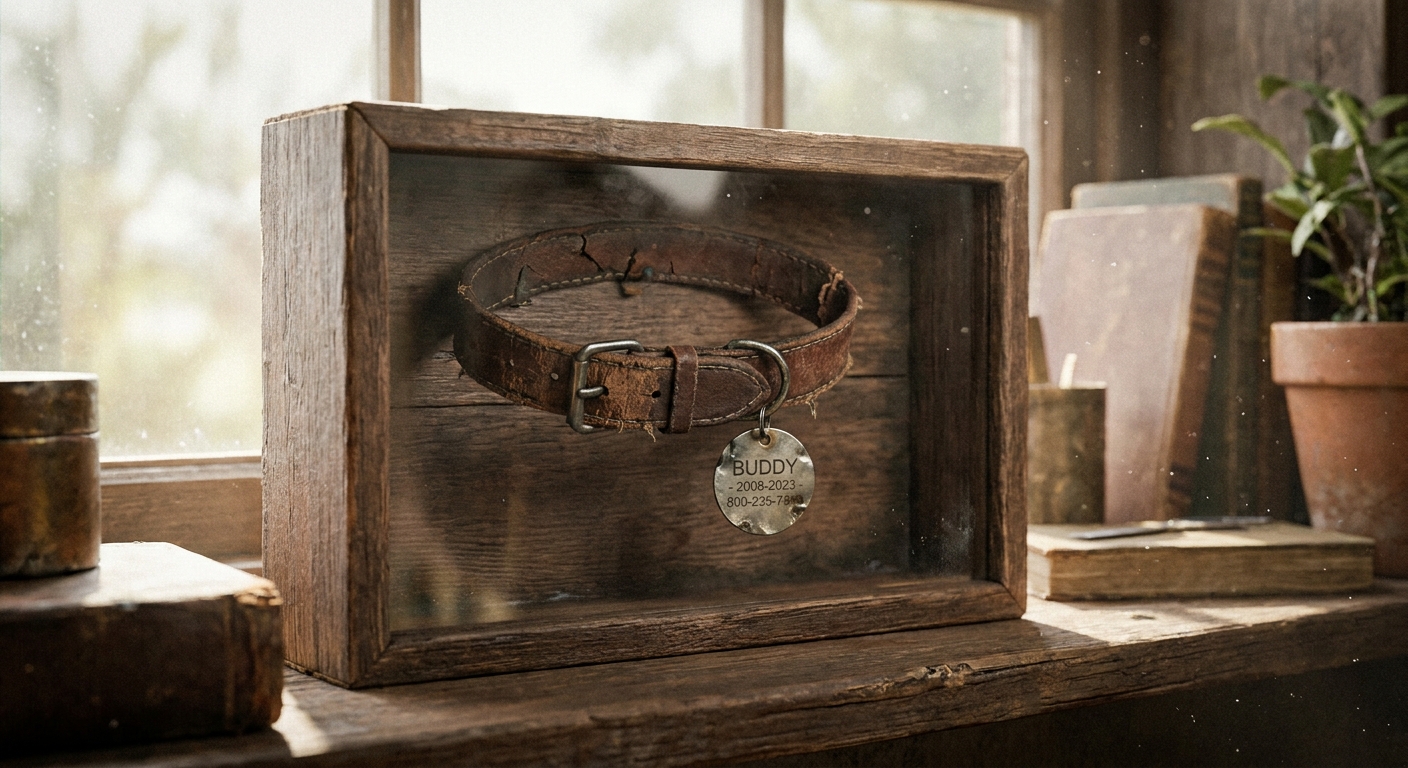
Hang the collar on a small hook near a framed photo, or tuck it into a shadow box with their tag and one small toy. If you prefer less visual weight, place it inside a drawer with a sachet or a clean piece of their blanket.
3) A comfort item you can keep close
Many people choose jewelry or a small keychain-style keepsake that holds a tiny amount of fur or ashes, or is engraved with a name and date. Choose what feels steady, not what feels performative.
Paw and nose prints
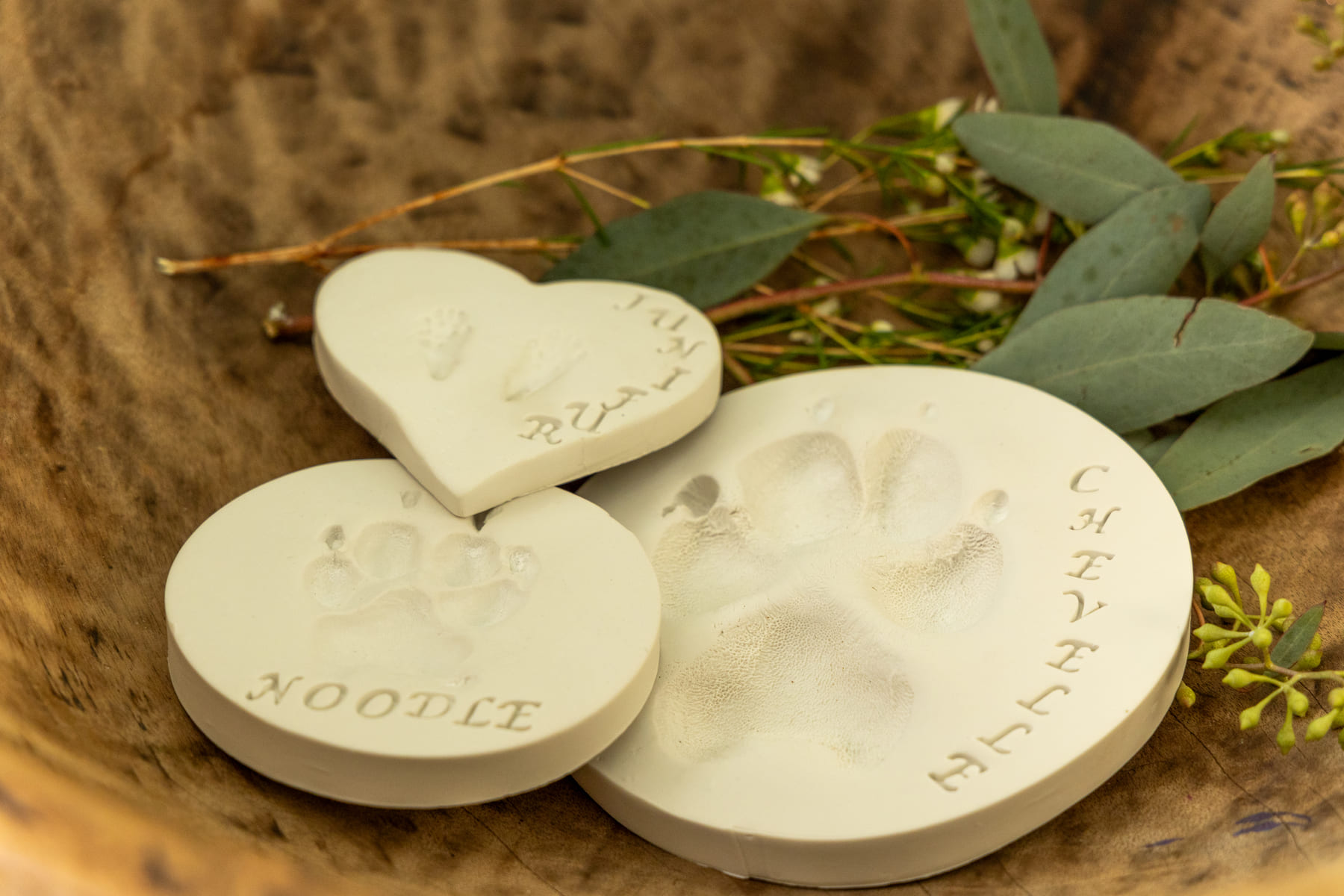
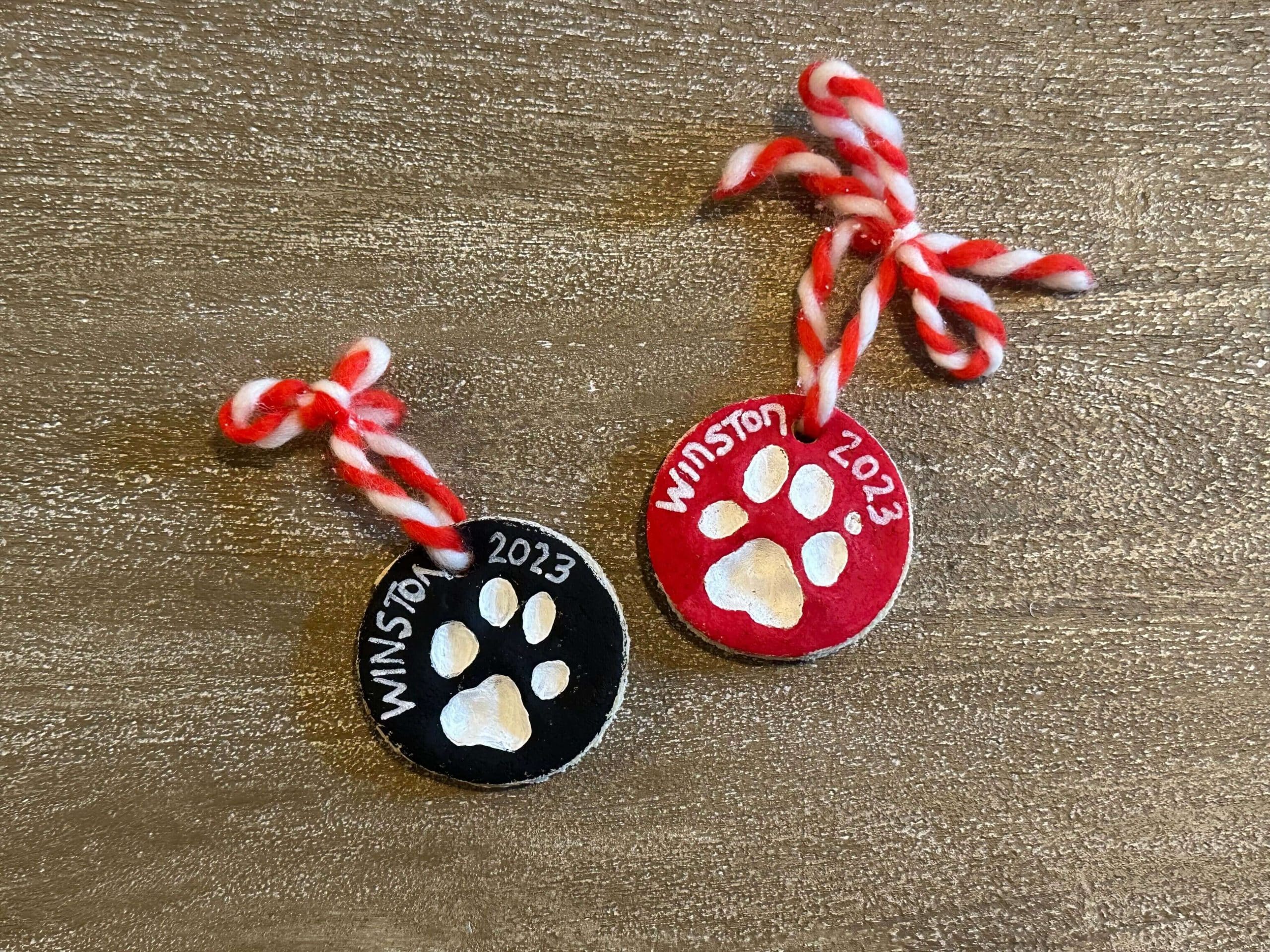
Paw prints are a favorite pet memorial because they are unmistakably personal. If you have the chance to plan ahead, ask your vet or hospice service what print options they offer. Many clinics can also make prints after your pet has passed if you request it. If that matters to you, it can help to ask about timing and options before the day comes.
Print options
- Ink paw print: Usually the simplest, often done on paper. A gentle wipe afterward is all you need.
- Clay imprint: A deeper impression that can be painted or sealed once dry.
- Plaster mold: More detailed, but can be trickier and messier.
DIY tips for a calmer session
- Choose a time when your pet is relaxed, not right after a meal or high-energy play.
- Trim long fur around paw pads if needed, then wipe the paw gently with a damp cloth and dry it.
- Do a practice press with a clean paw first so you know the angle that captures the pads well.
- If your pet does not like paw handling, stop. A memorial should not feel like a wrestling match.
Nose prints (dogs and some brave cats)
A nose print can be a sweet alternative, especially if paw handling is uncomfortable. If you do this, use a kit made for pets or ink your veterinarian recommends. Avoid craft inks and stamp pads unless you are sure they are non-toxic and safe for pets. Keep the session brief and calm. If your cat hates face touching, skip it and choose a whisker jar or photo project instead.
Photos and stories
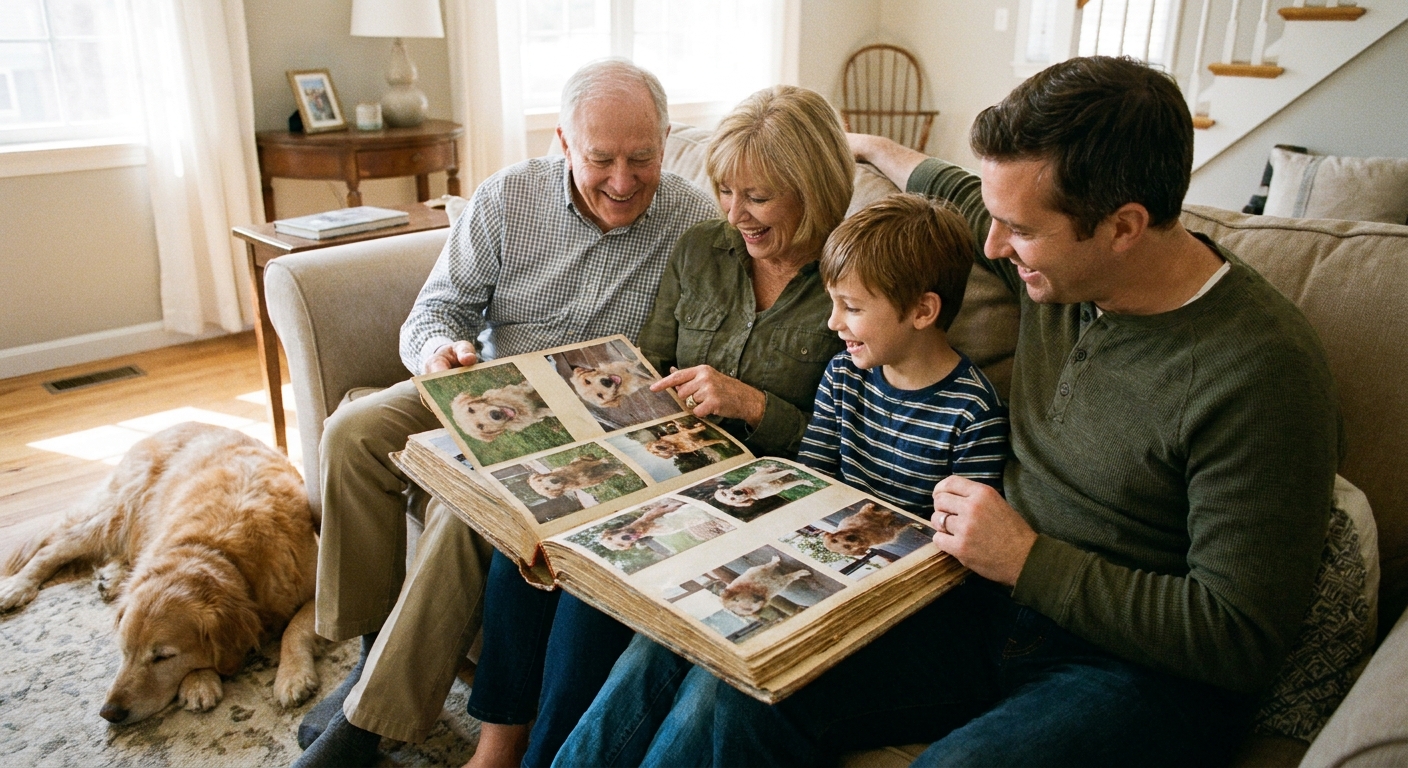
4) A photo book that tells a real story
Instead of trying to include every photo, pick a theme:
- Their routines: breakfast face, window watching, evening walks
- Their personality: silly sleeping poses, “helping” in the kitchen, favorite sun spot
- Adventures: hikes, road trips, snow day, beach day
Add short captions like you are writing to your future self. Two sentences per page is plenty.
5) A framed “hello” photo
Pick one photo that feels like them greeting you. Place it somewhere you naturally pause, like a bookshelf, bedside table, or entryway console. It can be comforting to have a single intentional spot rather than photos everywhere all at once.
6) A memory playlist
If you had “walk songs,” “car ride songs,” or a tune you always hummed during cuddle time, turn it into a playlist. Music is a powerful time machine.
Memorials in nature
7) A memorial garden corner
This can be as small as a pot on a balcony or as big as a full backyard bed. Consider:
- A plant or tree that fits your climate and sunlight
- A small stone, statue, or wind chime
- A solar light for evening visits
Pet safety note: If you have other pets who chew plants, choose pet-safe options and place decorations where they cannot be swallowed.
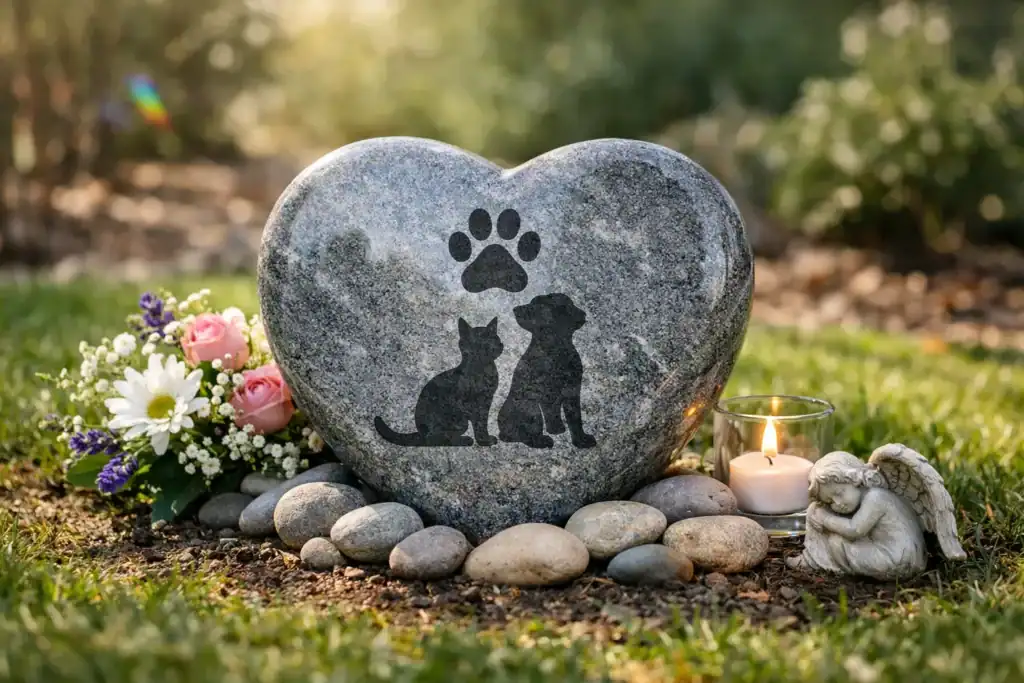
8) A garden stone or stepping stone
You can make a stepping stone with a paw imprint, or keep it simple with a smooth stone and a permanent paint pen. If you prefer a natural look, place a river stone near a favorite outdoor spot and add a small bouquet on special days.
9) A “walk and remember” route
If your dog had a signature loop, keep walking it if and when you can. Some people rename it quietly in their heads, like “Buddy’s Block.” You can also donate a bag of treats or supplies to a neighborhood dog walker who reminds you of your old routine.
Kindness in their name
For many families, the most meaningful memorial is a ripple effect. You can keep it small and private or invite others to join in.
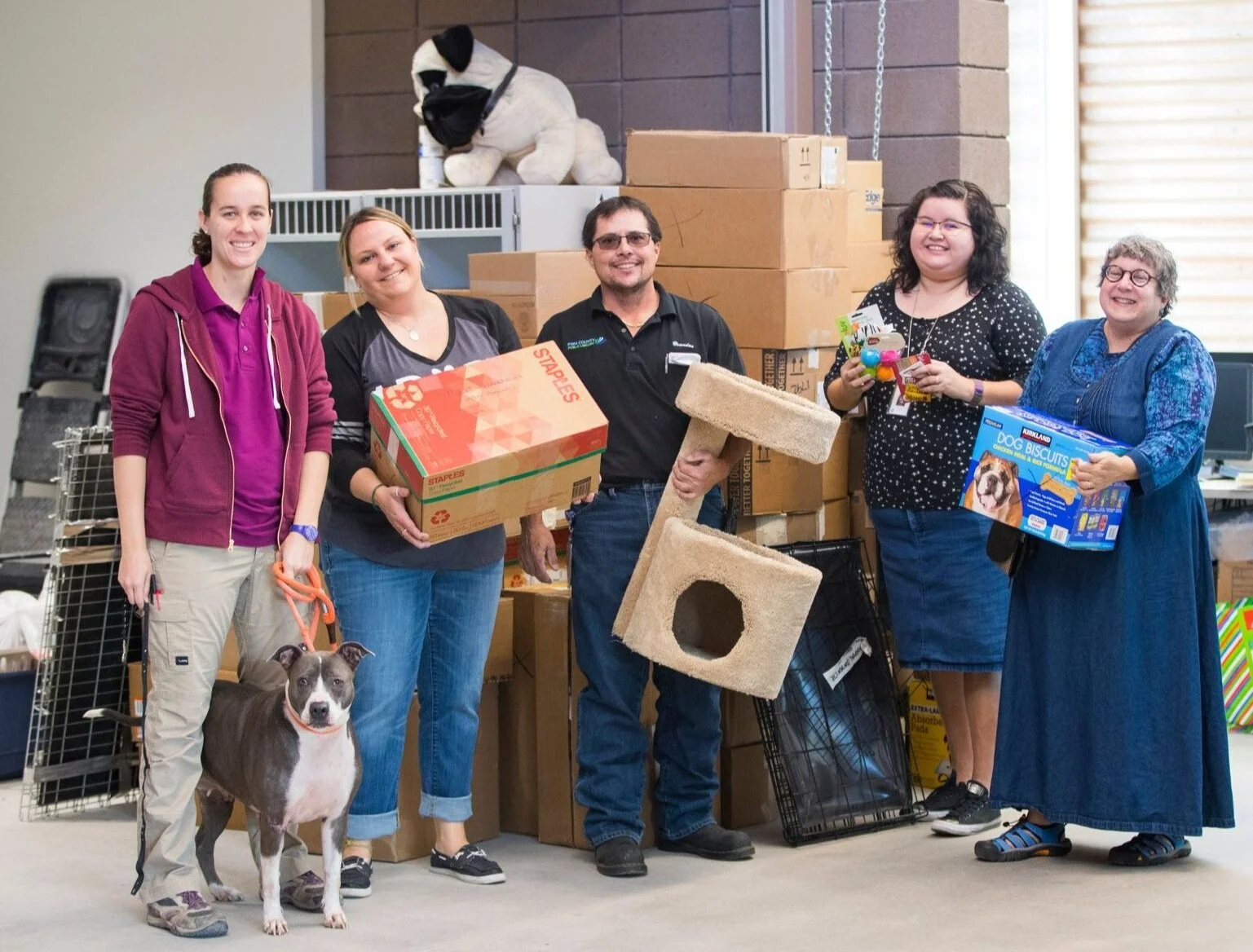
10) Donate to a shelter, rescue, or veterinary fund
- Sponsor an adoption fee
- Donate food, litter, or enrichment items
- Give to an emergency medical fund or low-cost spay and neuter program
11) Volunteer day or supply drive
Set a date that feels gentle, not pressured. Some people choose the adoption anniversary, others choose a random Saturday that simply needs kindness.
12) One small kindness that matches their spirit
A cat who loved sunbeams might be honored by donating blankets to a rescue. A dog who adored people might be honored by supporting a local therapy-dog organization fundraiser or helping a neighbor with yard work.
Rituals and ceremonies
A ceremony does not need to be formal. It can be five minutes in the living room. What matters is that it gives everyone a shared moment to say, “You mattered.”
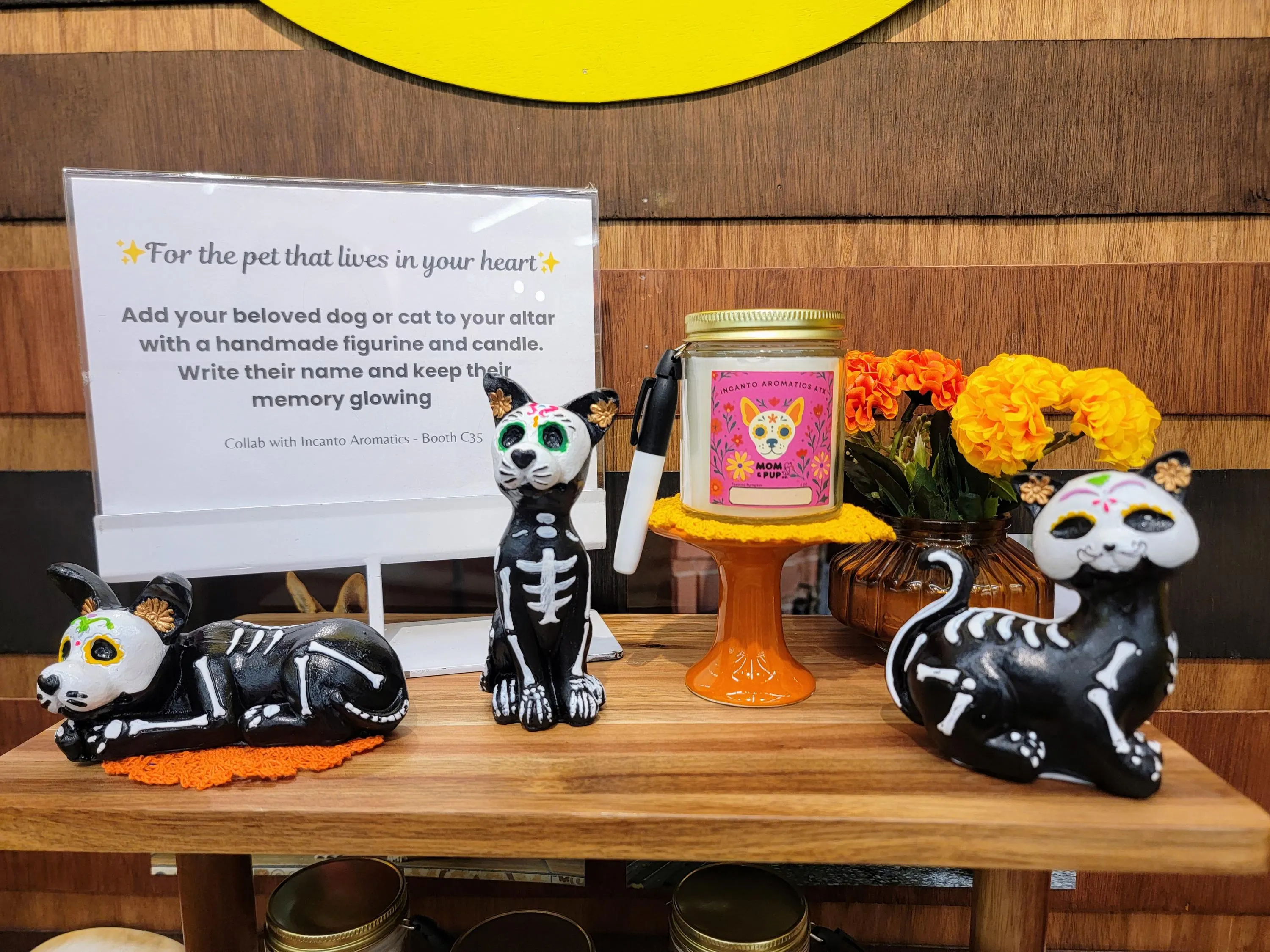
13) A candle and story circle
Light a candle and have each person share one story. If talking is too hard, each person can write a sentence on paper and place it in a bowl.
14) A “favorite things” goodbye
Set out a few items that represent them: a tennis ball, a feather wand, a brush, a treat jar. Name each one and what it meant. This is especially good for kids who think in objects.
15) A letter you read once or keep forever
Write a letter to your dog or cat. Include silly details, not just the big emotions. Many people find it comforting to end with a simple promise, like “I will remember you when I see your favorite season.”
If a ceremony feels too heavy right now, choose a ritual you can repeat later. A yearly walk, a garden bloom, a donation, or a quiet reread of a letter can become a soft landing place.
Budget ideas
- Print a photo and place it in an inexpensive frame or clip it to a string with a clothespin.
- DIY memory jar with small notes of favorite moments.
- Paw print kit (often under $25, and some vets provide ink prints).
- Plant a small pot of pet-safe herbs or flowers.
- Make a fleece knot blanket from a couple yards of fabric in their “color.”
- Create a digital album and share it with family who loved them too.
DIY that feels personal
16) A quilt or pillow from their blankets
If sewing feels hard, no-sew options exist like tying fleece strips together. If you do sew, keep it simple: one square of their blanket on the front, a sturdy backing on the back.
17) A watercolor-style print from a favorite photo
You can use a phone app filter and print it, or ask an artist you trust. If you go the custom route, choose one clear, well-lit photo that shows their face and markings.
18) A “recipe card” of their routines
Write it like instructions for a perfect day with them:
- Wake up and stretch exactly like this.
- Insist on breakfast at an unreasonable time.
- Find the warmest patch of sun.
It sounds playful because it is. Grief and love often share the same bowl.
Aftercare choices
If you are reading this before a loss, you can save yourself stress later by asking your veterinarian what options are available in your area. If you are reading this after a loss, it is okay if these decisions feel strangely hard.
- Cremation: Some families choose private cremation (ashes returned) while others choose communal cremation (ashes not returned). Your vet or a pet crematory can explain what they offer.
- Burial: If you are considering a backyard burial, check local rules first. Some places have requirements for depth, distance from water sources, or restrictions for renters and shared property.
- Ashes at home: If you keep ashes, choose a spot that feels respectful and stable, and place them out of reach of children and other pets.
Including children
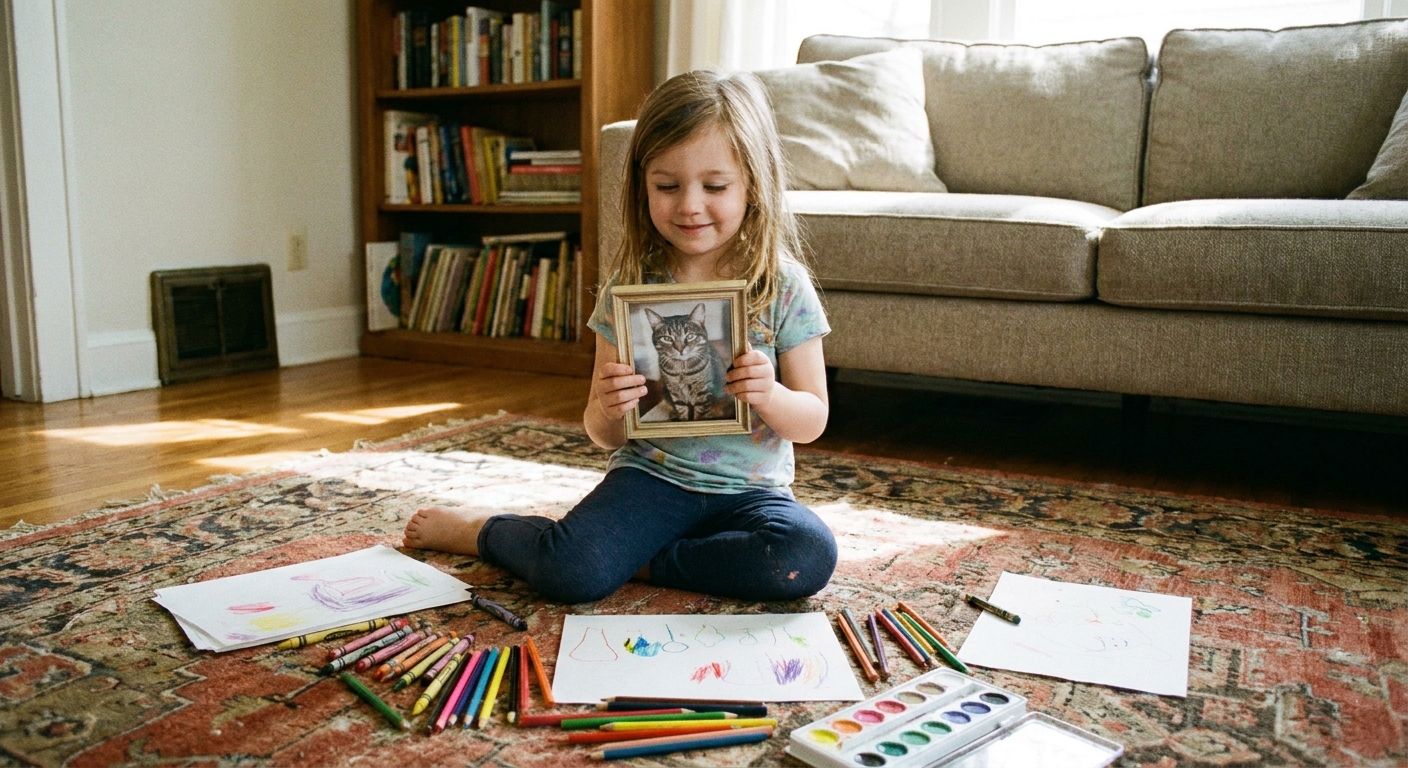
Kids often grieve in waves. They may cry hard, then ask for a snack. This is normal. Giving them a role can help them feel less powerless.
Gentle ways to include kids
- Let them choose one photo for a frame or memory box.
- Have them draw a picture of your pet doing a favorite activity.
- Make a “thank you list” together: “Thank you for purring on my pillow,” “Thank you for walking with me.”
- Plant something small and give the child a watering job.
- Read a pet story and then share one true story about your own pet.
Language tip: Use clear words like “died” instead of confusing euphemisms, unless your family already has language that feels safe and understood. If a child has lots of questions, answer honestly in small, age-appropriate pieces.
Helping other pets
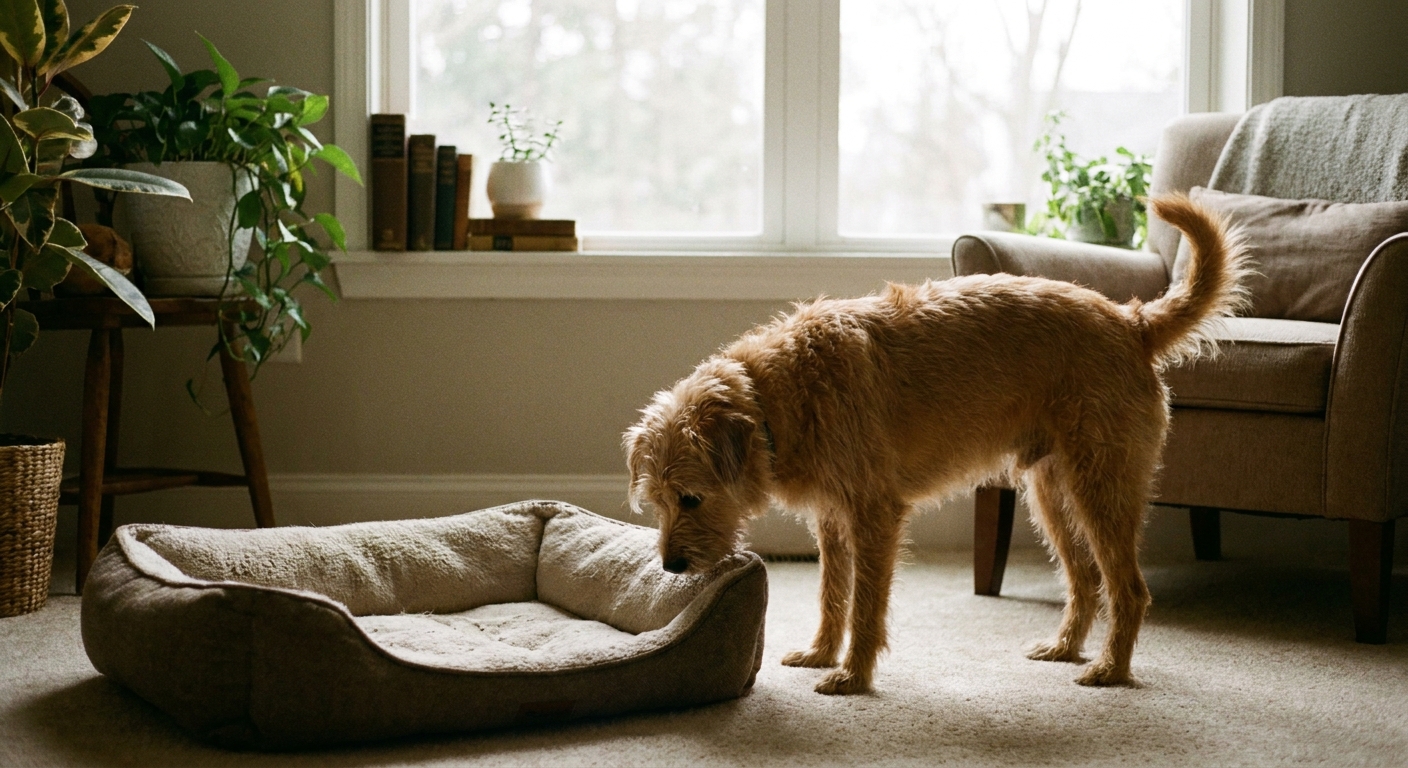
Dogs and cats can notice changes in routine, scent, and energy. Some pets seem unaffected. Others may search, vocalize, cling, or act withdrawn. A memorial can include them too, in a way that supports stability.
Simple, pet-friendly ways to include them
- Keep routines steady for meals, walks, play, and bedtime.
- Create a quiet comfort spot with a familiar blanket.
- Offer extra enrichment like sniff walks for dogs or food puzzles for cats.
- Let them opt out of gatherings. A ceremony should not force a stressed pet into a crowd.
If your surviving pet stops eating, seems unusually lethargic, or shows sudden behavior changes, it is worth checking in with your veterinarian to rule out medical causes.
Belongings (when you are not ready)
There is no deadline for packing things up. If seeing everything hurts, but putting it all away feels unbearable, try a middle path:
- Choose one basket for items you cannot decide about yet.
- If preserving scent matters, store an unwashed blanket or bed in a sealed bag or bin. If you prefer cleanliness, wash items first and store them anyway as a fabric keepsake.
- Keep one favorite item out, and put the rest away for now.
It is also okay to rehome items thoughtfully. Donating bowls, unopened food, or extra litter can turn “too painful to keep” into “still helpful.”
Support if it feels too heavy
Sometimes grief does not stay in neat, manageable corners. If you feel stuck, overwhelmed, or unable to function the way you usually do, it can help to talk to someone who understands pet loss. Your veterinarian may know local support groups, pet loss counselors, or pet loss hotlines. You deserve support, too.
FAQ
Is it okay to get a new pet as a memorial?
Sometimes. A new pet is never a replacement, and it is healthiest when you can welcome them as their own individual. If the idea feels comforting, you can still memorialize your lost pet separately so their story remains clear and honored.
What if I regret a memorial choice?
Choose flexible memorials when you can. A photo book can be edited later. A memory box can change. Even a garden can evolve. If you already chose something that does not feel right, it is okay to adjust. Love is not a one-time decision.
How do I handle social media posts about my pet?
Post if it feels supportive, not pressured. Consider turning comments off if you do not have the energy to manage responses. A private shared album with close friends can feel gentler than a public post.
A small closing thought
The best memorial is the one that matches your bond and your bandwidth. Some days you might want a ceremony. Other days you might want a quiet stone in a garden and nothing more. Both can be true. Your dog or cat does not need a perfect tribute to have been perfectly loved.