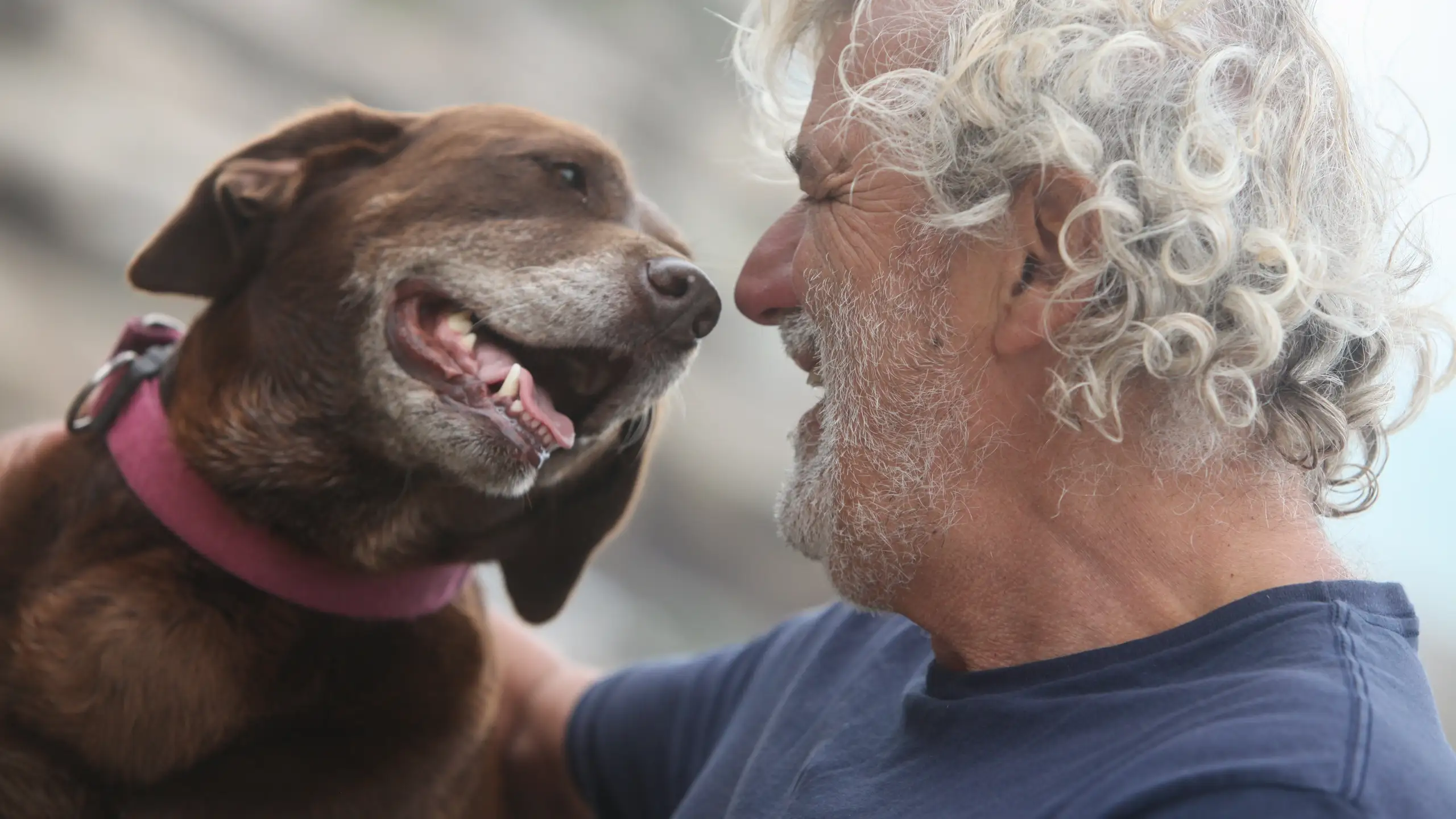
A curious nose. A very waggy welcome.
When a pet dies, there is a moment when your heart is loud and your to-do list is very quiet. Then, sometimes in the same day, the practical question shows up: What happens next?
If you are considering cremation, the biggest decision is usually between private, partitioned (sometimes called semi-private), and communal cremation. The names sound similar, but what you receive back and what you are paying for can be very different.
Let’s walk it out, puppy-scout style, with clear definitions, realistic cost expectations, and good questions to ask so you can choose with confidence.
Quick definitions
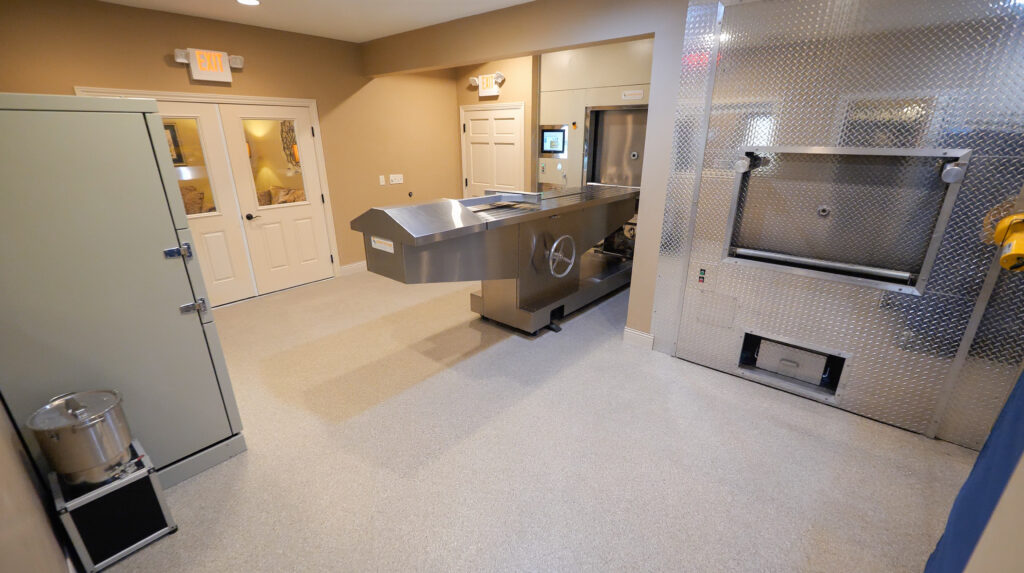
Pet cremation is typically done in a dedicated pet cremation retort (a high-heat cremation chamber). What changes between options is whether your pet is cremated alone and whether cremains are returned.
- Private cremation: Your pet is cremated alone. The cremains returned are intended to be only your pet’s.
- Partitioned cremation: Multiple pets are cremated at the same time, but separated by partitions or trays. Some mixing can still occur, most often during collection (raking) and later processing.
- Communal cremation: Multiple pets are cremated together with no separation. Cremains are not returned to families.
Terminology varies by region and provider, and some businesses use “group” and “communal” in inconsistent ways. If you only remember one puppy-scout rule, make it this: do not choose based on the label alone. Choose based on the written description of process and return.
Common labels
Here are words you may hear from clinics and cremation providers, and what they often mean. (Often is the key word.)
- Individual or private: cremated alone, cremains returned.
- Partitioned or semi-private: cremated alongside other pets with dividers, cremains returned, but zero mixing is not always guaranteed.
- Group: can mean partitioned or communal depending on the provider. Always ask: “Are cremains returned?”
- Communal: typically cremated together with no separation, no return of cremains.
The two questions that cut through all the marketing words are: Will I receive cremains back? and How do you track identity from pickup to return?
Private cremation
What it means
Private cremation is designed for families who want the option to bring their pet home in an urn, keep cremains for scattering, or place them in a memorial garden. Your pet should be cremated alone, and the cremains returned should be yours.
What you usually receive
- A container or urn with your pet’s cremains
- A basic ID tag or reference number on paperwork
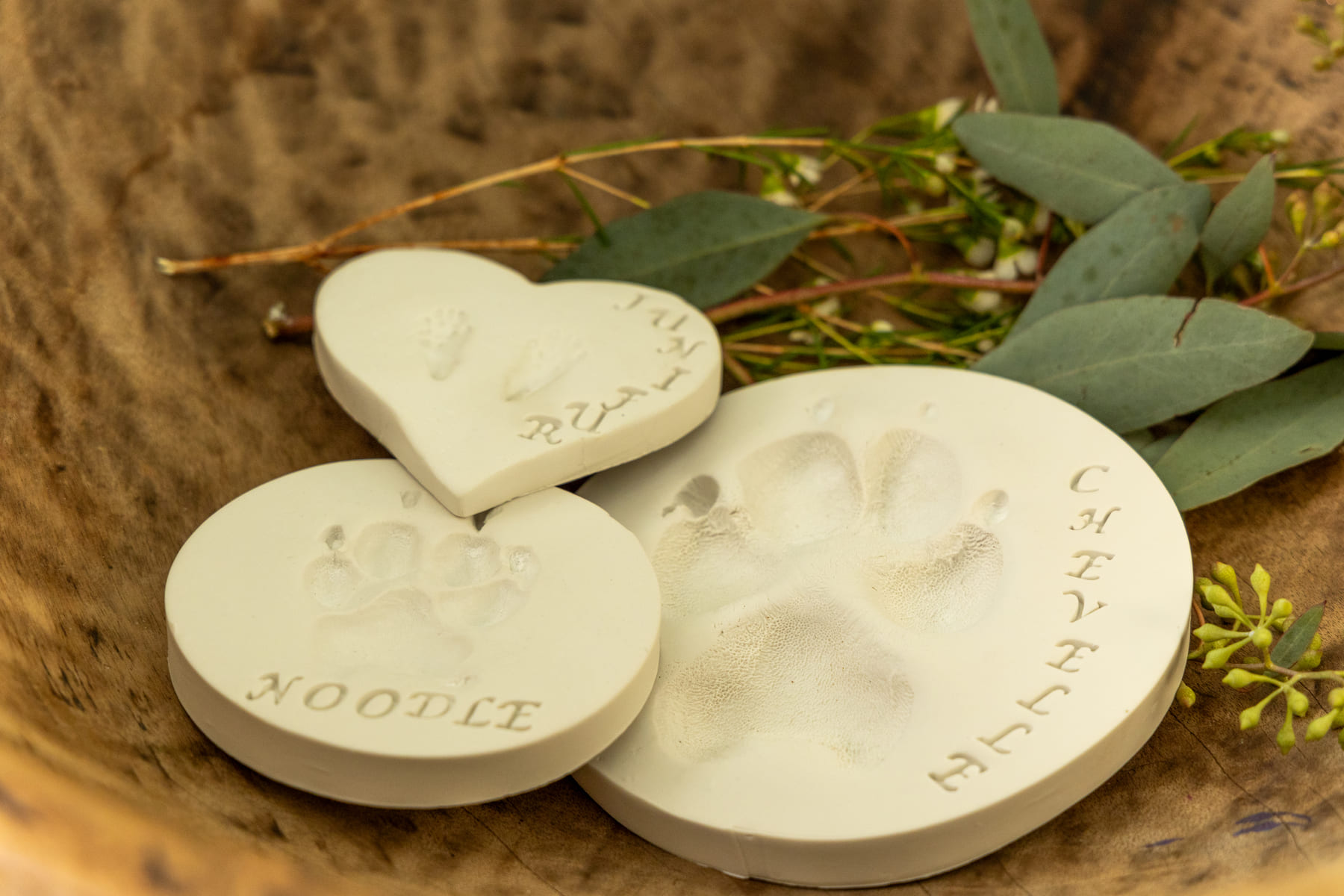
- Sometimes: a certificate of cremation, paw print impression, fur clipping, or memorial package, depending on what you select
How much cremains will you receive? It depends mostly on your pet’s size and body composition. Providers may describe expected return amount by weight class. If you have questions, ask what container size is typical for your pet’s weight range.
Typical cost
Private cremation is usually the most expensive option because it dedicates time and chamber space to one pet at a time and includes returning cremains.
- Small pets (cats, small dogs): often a few hundred dollars
- Medium to large dogs: commonly several hundred dollars, and can be higher
- After-hours pickup, long-distance transport, specialty urns: can add quite a bit
Quotes can vary dramatically by metro area, pet weight, and whether arrangements go through a veterinary clinic. If you are comparing prices, ask for an itemized list so you can compare the same services.
Partitioned cremation
What it means
Partitioned cremation generally means your pet is cremated at the same time as other pets, but separated using a divider system. The goal is to keep cremains mostly separated, but outcomes depend on how the partitions are designed and how the provider handles loading, collection, and processing.
What you usually receive
- Cremains returned, usually in a standard container
- Paperwork identifying your pet and the service level
Important nuance: The highest risk of commingling is not only the divider itself. It can also happen during removal (raking/collection) and during processing (when cremains are reduced to a finer consistency). Some providers are very transparent that partitioned cremation cannot promise zero mixing. Others treat it almost like private. This is why asking process questions matters more than the marketing term.
Typical cost
Partitioned cremation usually costs less than private cremation, while still providing returned cremains. Price still depends on pet size, transport, and any urn or memorial choices.

Communal cremation
What it means
Communal cremation means multiple pets are cremated together with no separation. In most cases, cremains are not returned to individual families.
What you usually receive
- Usually nothing physical is returned
- Some providers offer a receipt, a memorial card, or a private online memorial page, depending on their services
One gentle gotcha: some places use “group cremation” to mean communal, while others use it to mean partitioned with return. If you care about getting cremains back, ask the question plainly: “Will any cremains be returned to me?”
Families choose communal cremation for many reasons: cost, not wanting cremains at home, or preferring the provider to handle final disposition.
Typical cost
Communal cremation is generally the least expensive option. You may see a flat rate or a rate based on pet weight. If a quote is dramatically lower than others, confirm what is included and whether there are additional fees for transport or handling through a veterinary clinic.
What “ashes returned” means
When cremains are returned, they are typically processed after cremation to create a more uniform consistency. Some pieces of bone may remain and are usually reduced during processing. The appearance can range from light gray to darker gray with natural variation.
If you are deciding between private and partitioned cremation and your biggest concern is certainty, these questions help:
- Are cremations tracked with an ID tag that stays with my pet through the process?
- Is my pet cremated alone in the chamber? If not, how is separation done?
- When you collect cremains after cremation, how do you keep each pet’s cremains separate?
- Are cremains processed one pet at a time? How is equipment cleaned between pets?
- Can you describe the chain of custody from pickup to return?
Witness vs viewing
These sound similar, but they are not always the same service.
- Viewing: you may be able to say goodbye in a private room before cremation. Your pet is then taken into the care area by staff.
- Witness cremation: you are present for the start of the cremation, typically by appointment. Not every facility offers this, and it may cost more.
If this matters to you, ask early, since scheduling and availability vary.
Typical add-ons and fees
Even trustworthy providers can have complicated pricing because there are many optional parts. Here are common line items you might see:
- Transportation: pickup from home, vet clinic transfer, or distance-based travel
- After-hours or weekend service: may cost more
- Viewing or witness cremation: a scheduled time for families, where offered
- Urn upgrades: wood, ceramic, biodegradable urns, engraved plaques
- Memorial items: paw prints, ink prints, fur clippings, jewelry, framed tributes
- Expedited return: faster timeline than standard processing
If budget is tight, it is okay to say so directly. Many clinics and providers can help you choose the most comforting option within a specific amount.
How to vet a provider
I am a scruffy puppy-scout, so I love a good checklist. Here is how to vet a provider without having to become an investigator while you are grieving.
Ask about tracking
- Do you use an ID tag system that stays with the pet throughout the process?
- Will I receive paperwork that states the type of cremation performed?
- What is your chain of custody from the vet clinic or my home to your facility?
Ask what terms mean there
- How many pets are cremated at one time for partitioned services?
- What kind of partitioning system do you use?
- How do you prevent mixing during collection and processing?
Confirm timelines
- When should I expect my pet’s cremains back?
- Will they be returned to my vet clinic, shipped, or available for pickup?
- If shipping is available, how are cremains packaged?
Green flags
Itemized pricing, written service descriptions, clear answers without defensiveness, and a willingness to explain the process in plain language.
Red flags
- They will not put the service type and return details in writing.
- They are vague about how cremains are collected and processed, or they refuse to answer.
- They cannot explain fees, timelines, or who is responsible for transport.
If something feels unclear, ask for the explanation in writing. A reputable provider is used to these questions.
Burial and other options
Cremation is common, but it is not the only way to care for your pet after death. Depending on local laws and your living situation, you may have other choices.
Home burial
Some areas allow home burial, while others restrict it. If you are considering this option, check local regulations first. If it is allowed, ask your veterinarian for guidance on safe depth, location considerations, and whether any medications could affect wildlife.
Pet cemetery
Pet cemeteries may offer individual plots, communal grounds, and memorial markers. Costs vary by region, plot type, and marker choice.
Aquamation
Where available, aquamation (alkaline hydrolysis) is an alternative to flame-based cremation that uses water and an alkaline solution. Families typically receive processed bone remains that look similar to cremains, even though they are not ash from combustion. Availability and terminology vary by state and provider, so ask what services exist locally and what is returned.
Memorials without remains
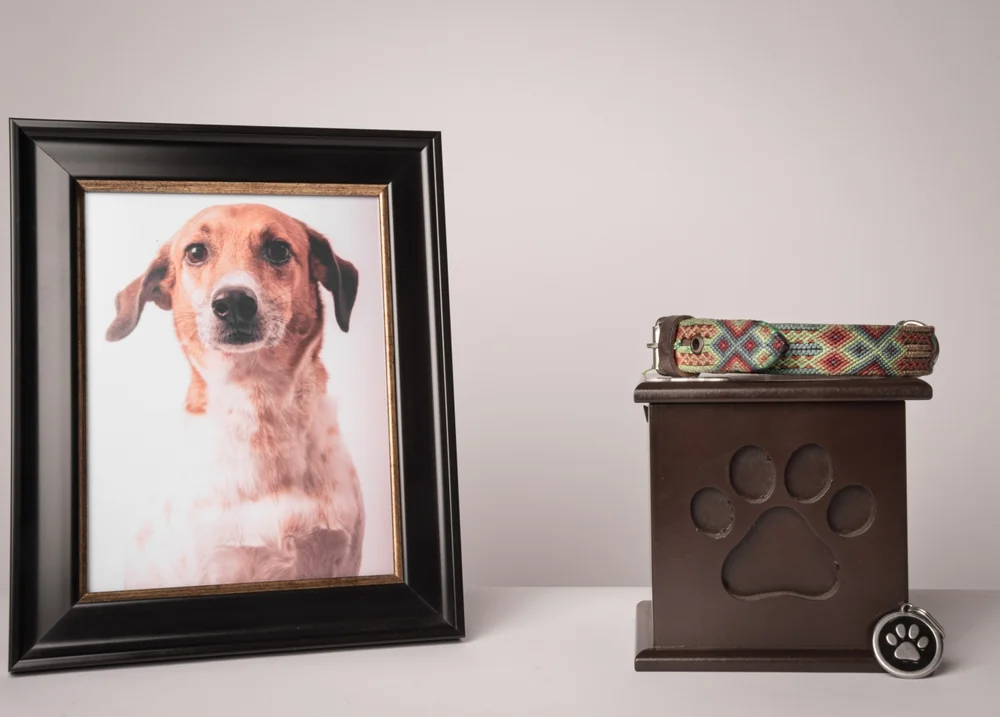
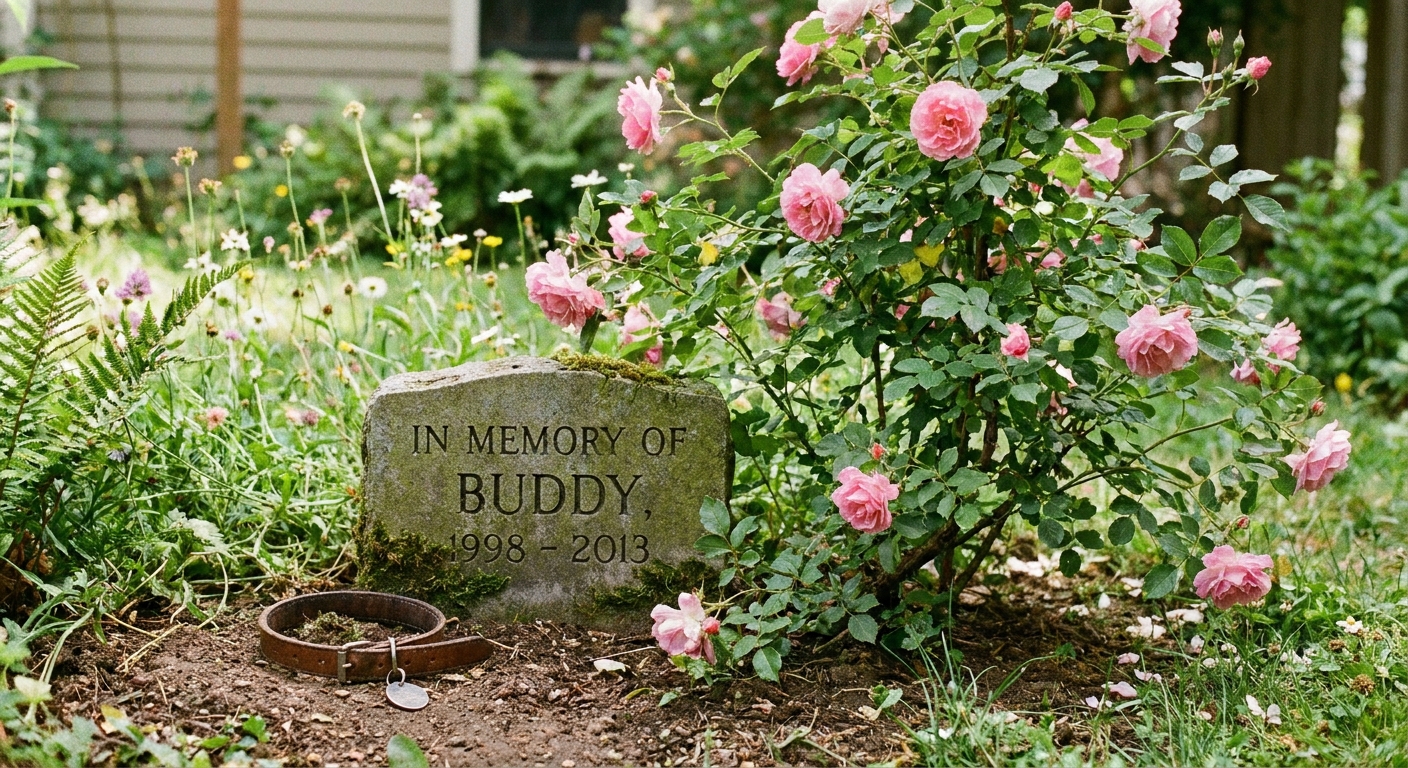
- A framed photo and collar shadow box
- A planted tree or garden stone
- A donation to a rescue or veterinary assistance fund in your pet’s name
- A paw print impression or ink print keepsake
There is no wrong choice here. The right choice is the one that feels gentle to you.
How to choose
If you are stuck between options, these questions can help narrow it down:
- Do I want cremains returned? If yes, you are likely choosing between private and partitioned, but confirm what your provider means by those terms.
- How important is certainty? If you want the strongest assurance that returned cremains are only your pet’s, private cremation is typically the best match.
- What will feel comforting later? Some people want an urn at home. Others feel better without cremains and prefer a memorial ritual instead.
- What is my budget ceiling? Decide your number first, then ask providers what fits within it.
Grief makes decisions feel heavier. It can help to pick the option that will cause the fewest “what if” thoughts later.
FAQ
Can I witness the cremation?
Some providers offer witness cremation or a scheduled goodbye. Not every facility can accommodate it. If this matters to you, ask early because scheduling and fees vary.
How long does it take to get cremains back?
Timelines vary by provider workload, your pet’s size, and transport logistics. Many families receive cremains back within about a week, but it can be faster or slower. Ask for an estimated range and how you will be notified.
Is partitioned the same as private?
Not necessarily. Partitioned typically means multiple pets at once with separation. Private means your pet alone. If you are deciding based on this point, ask the provider to describe exactly how cremation, collection, and processing are handled.
Can cremains be scattered?
Often yes, but rules vary widely. Private property is usually straightforward with permission. Public lands and waterways may have restrictions, and sometimes permits are required. If you are unsure, check your local regulations before planning a scattering ceremony.
What if I do not want an urn?
You can choose a simple container, a biodegradable urn, or no return of cremains (communal). Some families prefer a memorial item like a paw print instead.
A gentle last checklist
- Get the cremation type in writing: private, partitioned, or communal
- Ask what you will receive back and when
- Request an itemized quote including transport and urn choice
- Ask how your pet is identified and tracked throughout the process
- Choose what will feel most comforting six months from now, not what sounds “most correct” today
If you are reading this with a heavy heart, I am sorry you needed this page. Your love for your pet is the reason you are choosing carefully. That counts for a lot.