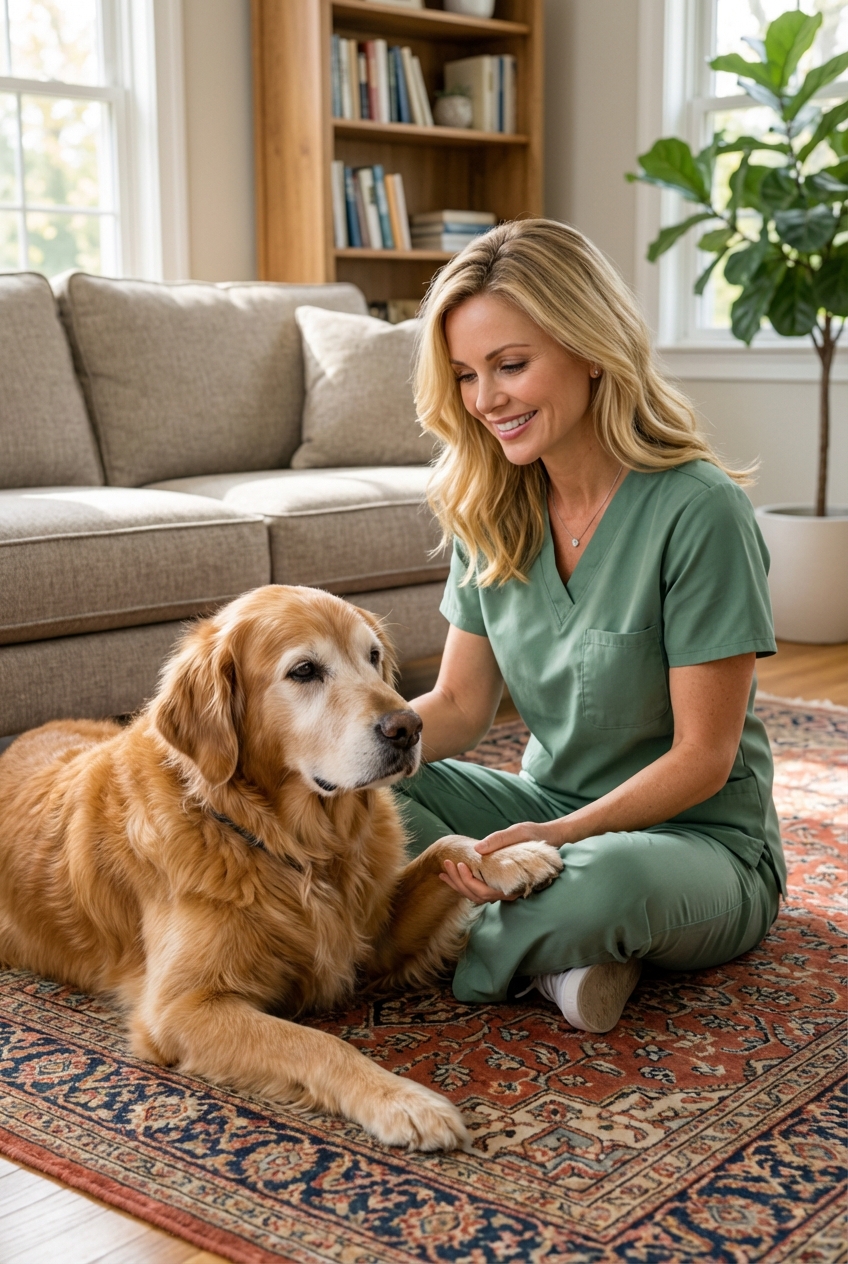
I am a veterinary assistant in Frisco, Texas, and one of the most tender conversations I have with families is this: “When should we get another dog?”
If you are asking, you are not replacing your dog. You are trying to find your footing after a loss, while also thinking about what your home and your heart can truly handle next. There is no universal timeline. But there are common signals that point to “not yet,“ “you might be ready,” or “try fostering first.”
This is a decision guide, not a set of coping tips. My goal is to help you make a choice you feel good about six months from now, not just today.
Start with the right question
Instead of asking, “How long should I wait?”, ask:
- Can I meet a new dog’s needs consistently, even on days my grief flares up?
- Am I open to loving a different dog, not trying to recreate the one I lost?
- Is everyone in the household on the same page, including a surviving dog?
If the honest answer is “not sure,” that is information. Uncertainty is often a sign to slow down and gather a little more clarity.
When it is not time yet
Grief does not need to be “over” for you to adopt. It does need to be steady enough that you can respond to a real, living dog with real needs.
Consider waiting if you notice these patterns
- You are struggling to keep up with basic daily tasks (work, meals, sleep) most days. A new dog adds responsibility and unpredictability.
- You feel panicky at the thought of bonding again, or you are convinced something bad will happen if you love another dog.
- You are shopping for a “match” to your dog who died and cannot tolerate differences in age, energy, looks, or personality.
- You are hoping a new dog will stop the pain immediately. A new relationship can bring joy, but it does not erase grief. Sometimes it even intensifies it at first.
- You are having frequent intrusive images of your dog’s final moments that make daily functioning harder. In that case, it can help to talk with your veterinarian, a grief counselor, or a therapist experienced with pet loss.
One question I suggest asking yourself is this: Can you look at a photo of your dog and feel both sadness and warmth? If it is only sharp pain and shock, your nervous system may still be in the earliest stage of grief.
Is your other dog ready

Some dogs grieve deeply. Others adjust quickly. And some seem “fine” at first, then struggle later when routines change again.
Signs your dog may be struggling
- Noticeable appetite changes lasting more than a week or two
- Clinginess or separation distress that is new
- Restlessness, pacing, or scanning the house
- Withdrawing from play or family interaction
- Increased irritability around dogs, people, or handling
If these signs are intense, sudden, or prolonged, a vet check is a smart first step. Grief can look like medical illness, and medical illness can look like grief. And if your dog stops eating entirely, or appetite drops sharply for more than a day or two, I would contact your veterinarian sooner rather than later.
Signs your dog might enjoy a companion
- They seem bored or listless despite enrichment and your attention
- They perk up noticeably around friendly dogs on walks or at daycare
- They have a history of living happily with another dog
Even then, a new dog is not automatically “a friend.” Your dog deserves a careful match in energy, play style, and space sharing. Some dogs prefer being an only dog, especially seniors or dogs with pain, anxiety, or a strong need for predictability.
Household readiness
In clinic, I often see families adopt when their hearts are ready but their household is not. That mismatch can set everyone up for stress.
Make sure these basics are true
- Routine readiness: you can commit to walks, feeding schedule, training time, and supervised transitions.
- Sleep readiness: you can handle a few weeks of disrupted sleep if you adopt a puppy or an anxious adult dog.
- Budget readiness: you have room for adoption fees, preventive care, emergency savings, grooming, training, and pet insurance if you choose it.
- Time-off readiness: you have flexibility for the first one to two weeks for settling in (quiet decompression time) and bonding.
- Emotional bandwidth: you can respond to accidents, barking, fear phases, and training setbacks without resentment.
Two questions that prevent regret
- If this dog is harder than expected, will I still keep my promise?
- If this dog is nothing like the one I lost, can I still love them fully?
Do not forget kids and cats
If you have children, be realistic about supervision and the kind of dog you can safely manage during the adjustment period. If you have cats or other small pets, ask specifically about prey drive and prior cat exposure. Some dogs can learn, but “we will figure it out” is not a plan when a frightened cat is involved.
Timing myths
You will hear people say, “Wait at least X months.” In real life, the right time depends on the type of loss, your daily functioning, and your support system.
It may be too soon if
- You cannot imagine enjoying the new dog without feeling guilty
- You are making decisions impulsively (same day adoption, no planning, no meet-and-greet if you have another dog)
- Your home still feels emotionally “frozen” around the loss, and any change feels unbearable
It may be a reasonable time if
- You have moments of steadiness, even if you still cry
- You can talk about your dog with love, not only trauma
- You are willing to choose the right dog for your life now, not the dog you had then
- Your surviving dog is stable and you have a realistic plan for introductions
If your dog died suddenly or in a traumatic way, it is common to need more time than you expect. That is not weakness. That is your brain trying to feel safe again.
Fostering as a bridge
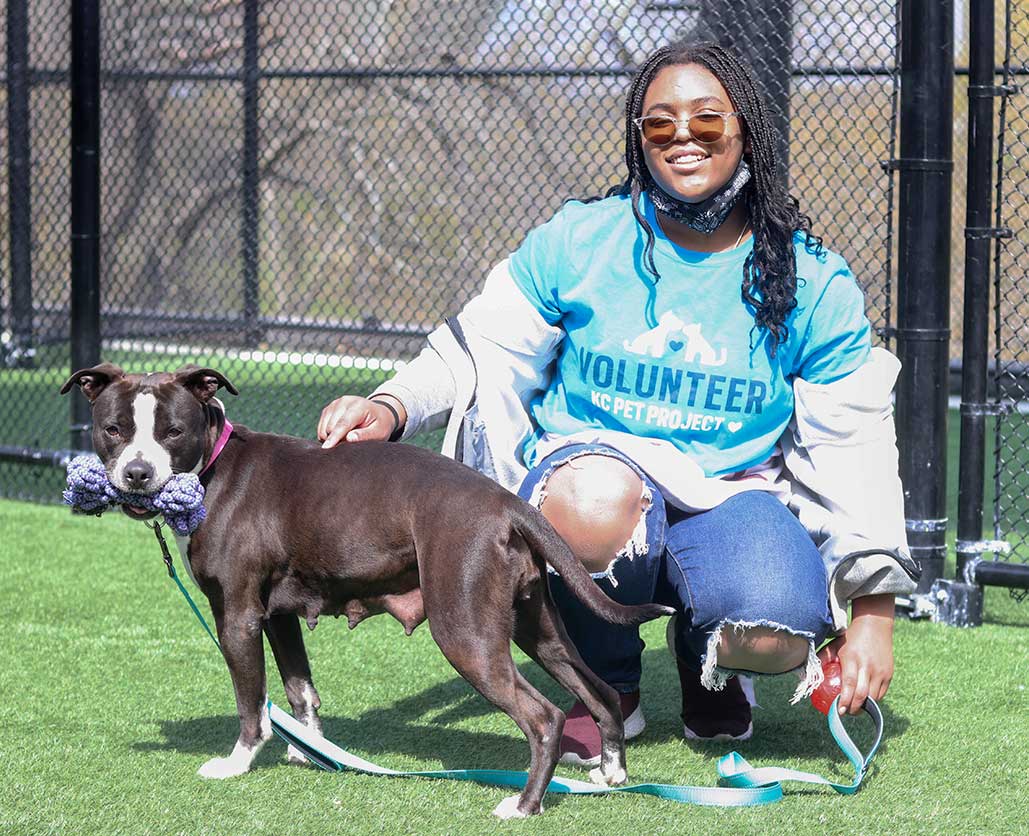
If you feel pulled toward a dog but you are not confident you are ready to adopt, fostering can be a beautiful middle step.
Why fostering helps
- You learn what your current routine can handle
- You see how your surviving pet responds to another dog in the home
- You get support from a rescue or shelter, sometimes including supplies, medical care, and guidance
- You can choose to adopt if it truly feels right
Fostering is not “less loving.” It is a practical way to help a dog and protect your heart at the same time.
Choose a good match
One of the most common heartbreaks I see is adopting a dog who is wildly mismatched for the household because the adopter was chasing something familiar.
Match on these factors first
- Energy level: a high-drive dog in a low-activity home often leads to frustration on both sides.
- Life stage: puppies are wonderful but demanding. Adult dogs can be more predictable. Seniors can be calmer and deeply bonding.
- Dog sociability: if you have a surviving dog, prioritize proven dog-friendly behavior and respectful play style.
- Size and strength: be realistic about handling on leash, especially during the adjustment period.
- Grooming needs: coats differ a lot. Make sure the upkeep fits your time and budget.
It is okay to want a similar breed or mix. Just stay open to the truth that this will be a different relationship. Different does not mean worse. It means new.
Avoid grief-driven mistakes
- Impulse commitments: adopting same day without sleeping on it, reading the fine print, or planning the first week.
- Skipping temperament checks: not doing a meet-and-greet with your resident dog, or not asking direct questions about bite history, reactivity, or handling sensitivity.
- Choosing “hard mode” when you are depleted: a very young puppy, a high-drive working breed, or a dog with severe separation anxiety can be too much when grief is still raw.
- Underestimating training costs: even stable dogs often need a basic class, private sessions, or management tools during transition.
First introductions
If you have a surviving dog, introductions are not the place to wing it. A simple, low-drama plan protects both dogs.
- Start on neutral ground: parallel walks outside are often easier than a doorway greeting.
- Go slow inside: separate spaces at first (baby gates, crates, closed doors) so everyone can settle.
- Manage resources: feed separately and pick up high-value chews and toys until you know how they share.
- Short, supervised time together: end on a calm note and build duration gradually.
- Ask for help early: if you see stiff body language, repeated snapping, guarding, or intense fear, loop in your vet and a qualified trainer or behavior professional.
Quick scoring guide
If you like structure, rate each statement from 0 to 2.
- 0: not true right now
- 1: somewhat true
- 2: true and consistent
Add up your points if you want, but the pattern matters more than the total. A couple of strong 0s are worth paying attention to.
Readiness score
- I can meet a new dog’s needs even on hard days.
- I am not trying to recreate my dog who died.
- My daily routine is stable enough for training and settling in time.
- Everyone in my household is willing and able to participate.
- If I have a surviving dog, they are medically stable and behaviorally steady.
- I can handle a challenging adjustment period without regretting the dog.
Mostly 0s: wait, and revisit later.
Mostly 1s: consider fostering, volunteering, or doing meet-and-greets without committing yet.
Mostly 2s: adoption may be a healthy next step, as long as the dog is a good match.
When to get support
Reach out for support if any of these are happening:
- Your grief is interfering with eating, sleeping, work, or parenting for weeks at a time
- You are using alcohol or substances to get through the day
- Your surviving pet has persistent appetite loss, weight loss, vomiting, diarrhea, or major behavior changes
- You have intense guilt or rumination about euthanasia or end of life decisions that will not quiet down
Your veterinarian can rule out medical problems and refer you to reputable trainers or behavior professionals if needed. And if your loss involved euthanasia, I want to say this plainly: these decisions are common, complex, and made out of love. If guilt is getting louder instead of softer over time, you deserve support. A therapist or pet loss support specialist can help you process the grief so adoption becomes a grounded choice instead of an emergency escape hatch.
FAQ
Is it disrespectful to adopt quickly?
No. Some people adopt within days, others need years, and both can be deeply loving. What matters is whether you can care for the new dog as an individual and whether your household can support the transition.
Will a new dog help my other dog grieve?
Sometimes, but not always. A new dog can provide stimulation and companionship, but it can also add stress. If your surviving dog is anxious, elderly, in pain, or reactive, the kindest choice may be staying a one-dog home.
Puppy or adult dog after a loss?
It depends on your energy and emotional bandwidth. Puppies are intense and can be triggering if you are still raw. Many grieving families do beautifully with a calm adult dog or a senior who needs a soft landing.
Why do I feel excited and guilty?
That is normal. Love is not a limited resource. Feeling a spark of hope does not erase what you had. It is often a sign your heart is stretching to include both grief and life again.
The bottom line
The right time to adopt is when your grief is still real but no longer running the whole household, when any surviving pets are stable, and when you can welcome a new dog for who they are.
If you are not sure, fostering can be the most compassionate bridge. It gives you information, not just emotion. And in my experience, information is what turns “maybe” into a decision you can stand behind.