Bringing home your first dog is exciting, and a little overwhelming. As a veterinary assistant here in Frisco, Texas, I see this pattern all the time: first-time owners do best with dogs who are forgiving, people-focused, and motivated to learn. Your lifestyle matters too, because even the sweetest dog can struggle if their grooming or exercise needs are more than you can realistically provide.
This guide helps you choose a breed or mix whose temperament, trainability, and care needs fit your home.
What makes a dog beginner-friendly?
Breed is not destiny, but it can stack the deck in your favor. When we talk about “good first dogs,” we are usually talking about these traits:
- Stable, social temperament: comfortable with visitors, kids, noises, and everyday handling.
- Trainability: enjoys learning, responds well to rewards-based training, and does not require advanced handling skills.
- Moderate exercise needs: happy with consistent walks and play, not a dog who unravels without hours of daily work.
- Manageable grooming: brushing, coat care, and shedding that match your tolerance and schedule.
- Lower tendency toward intense guarding or predation: many guardian breeds and high-drive hunting dogs can be wonderful, but they often demand more experience.
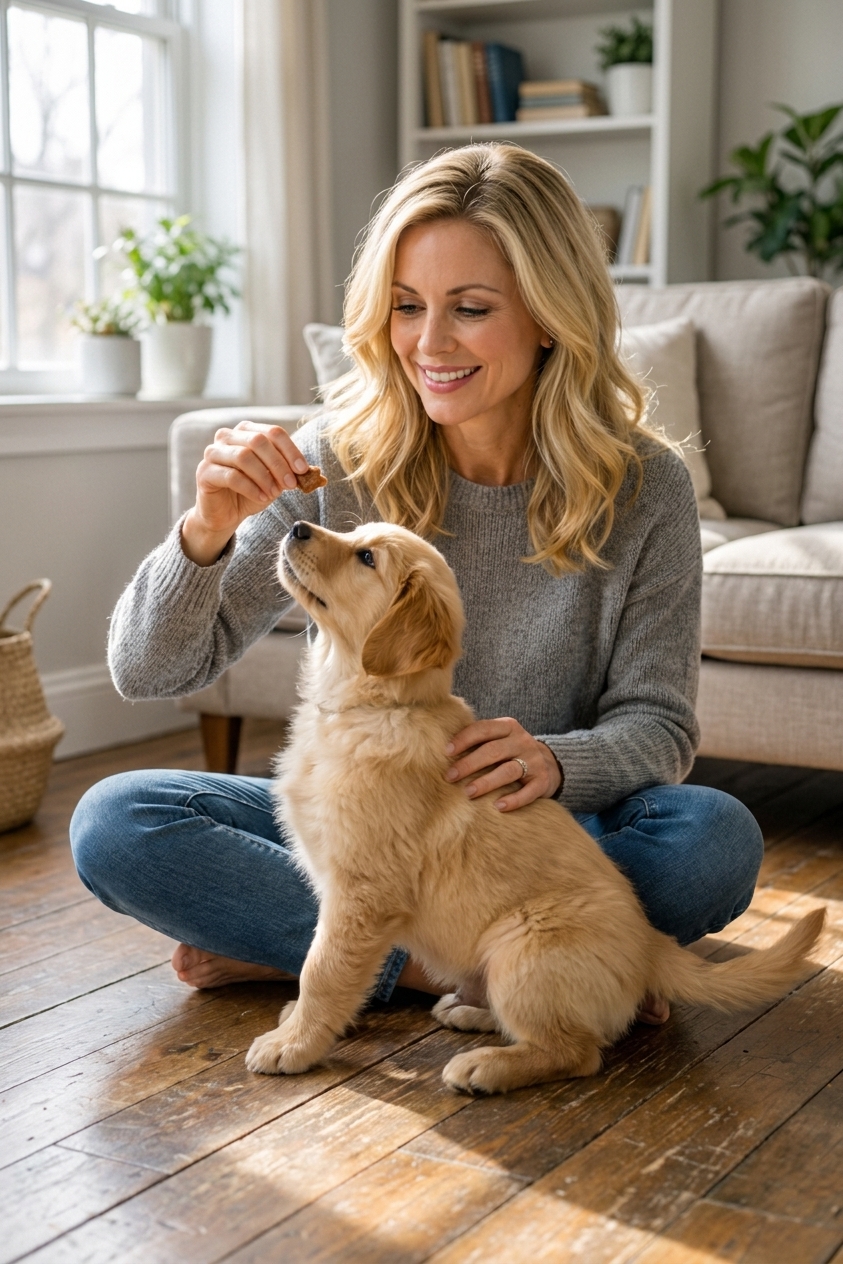
One honest note: the “best” first dog is often an adult dog with a known personality, not necessarily a puppy. Puppies are adorable, but they are also chaos with teeth for months.
Before you pick a breed: 5 questions
1) How much exercise can you do most days?
Not your best day. Your normal day. A mismatch here is one of the biggest reasons dogs develop nuisance behaviors like barking, chewing, and pulling on leash.
2) How do you feel about hair and grooming bills?
Some coats shed. Some coats mat. Many “low-shed” coats need regular professional grooming. If you want low-maintenance, pick a truly wash-and-wear coat.
3) Do you want a dog who loves everyone, or one who is more reserved?
For most first-time owners, a friendly, social dog is the easiest fit, especially if you have frequent guests or kids.
4) How much training time will you realistically commit?
Even 10 minutes a day can make meaningful progress on foundations if you are consistent. Most puppies and higher-energy dogs still need more total engagement through multiple short sessions, management, and enrichment. If you cannot commit to that right now, choose an easier adult dog and invest in a basic group class.
5) Any allergies, landlord rules, budget limits, or travel needs?
These practical constraints help narrow your options quickly, and they matter more than a “dream breed.” Remember to budget beyond adoption or purchase price, including routine vet care, parasite prevention, food, training, and an emergency fund (or pet insurance).
Best dog breeds for first-time owners
Below are breeds that tend to be friendly, biddable, and easier to live with for many new owners. These are averages, not guarantees. Individual genetics, early experiences, and socialization matter a lot, so use this as a starting point.
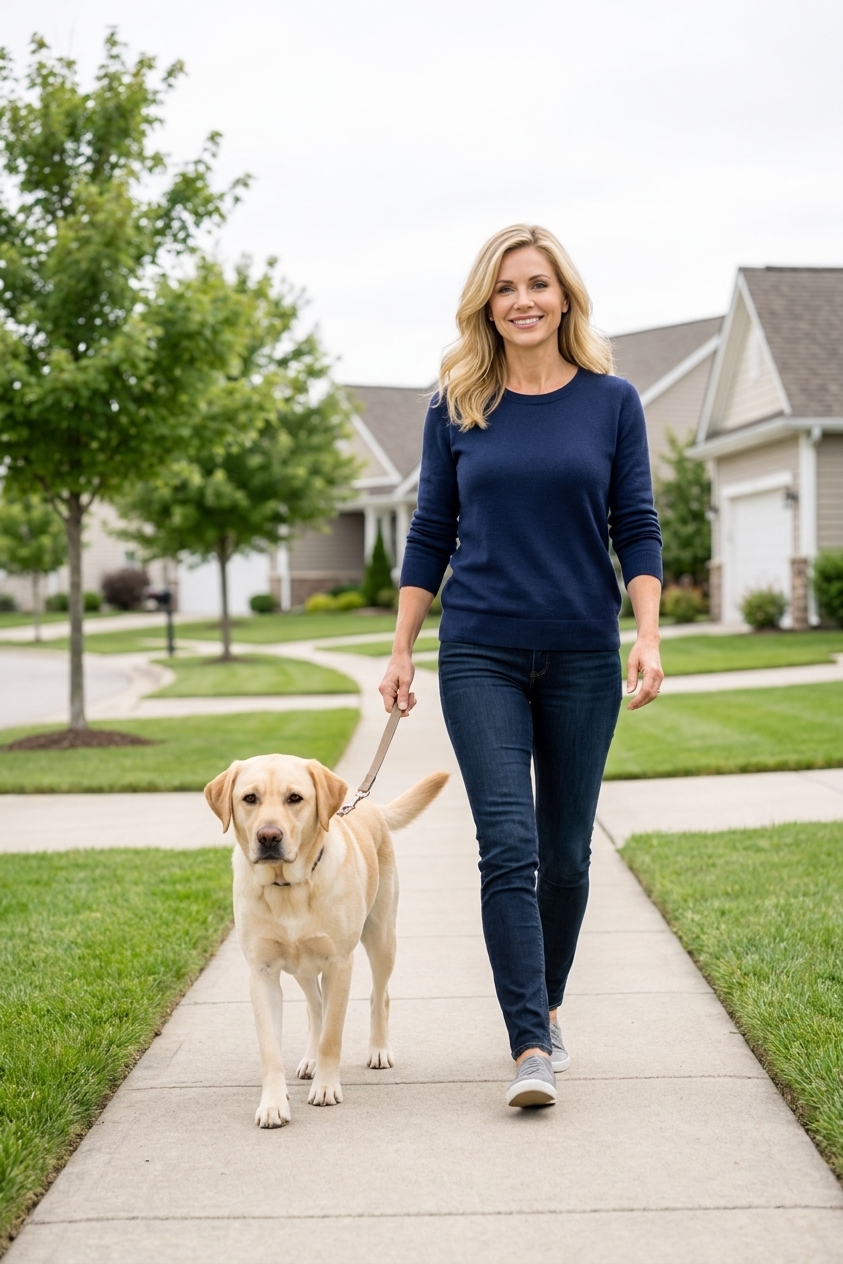
Labrador Retriever
Why beginners do well: Labs are typically social, food-motivated, and eager to please, which makes training more straightforward.
- Trainability: High
- Energy: Medium to high, especially as young adults
- Grooming: Easy coat care, but they shed consistently and can blow coat seasonally
- Watch-outs: They can jump, mouth, and get rowdy if under-exercised. Weight gain is common, so portion control matters.
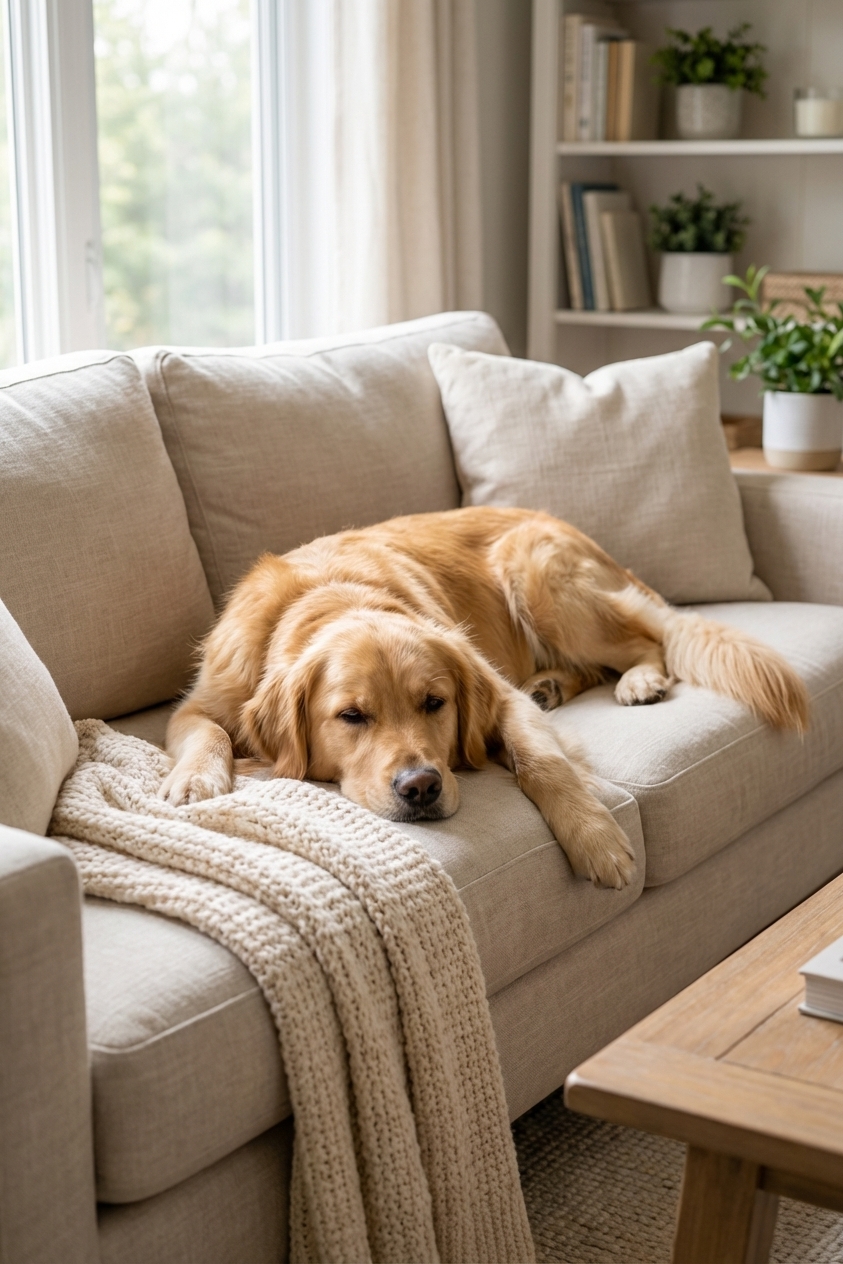
Golden Retriever
Why beginners do well: Often gentle, affectionate, and highly trainable, with a strong desire to be part of the family.
- Trainability: High
- Energy: Medium
- Grooming: Moderate to high due to feathering and shedding
- Watch-outs: They need brushing and can develop skin or ear issues if grooming is ignored.
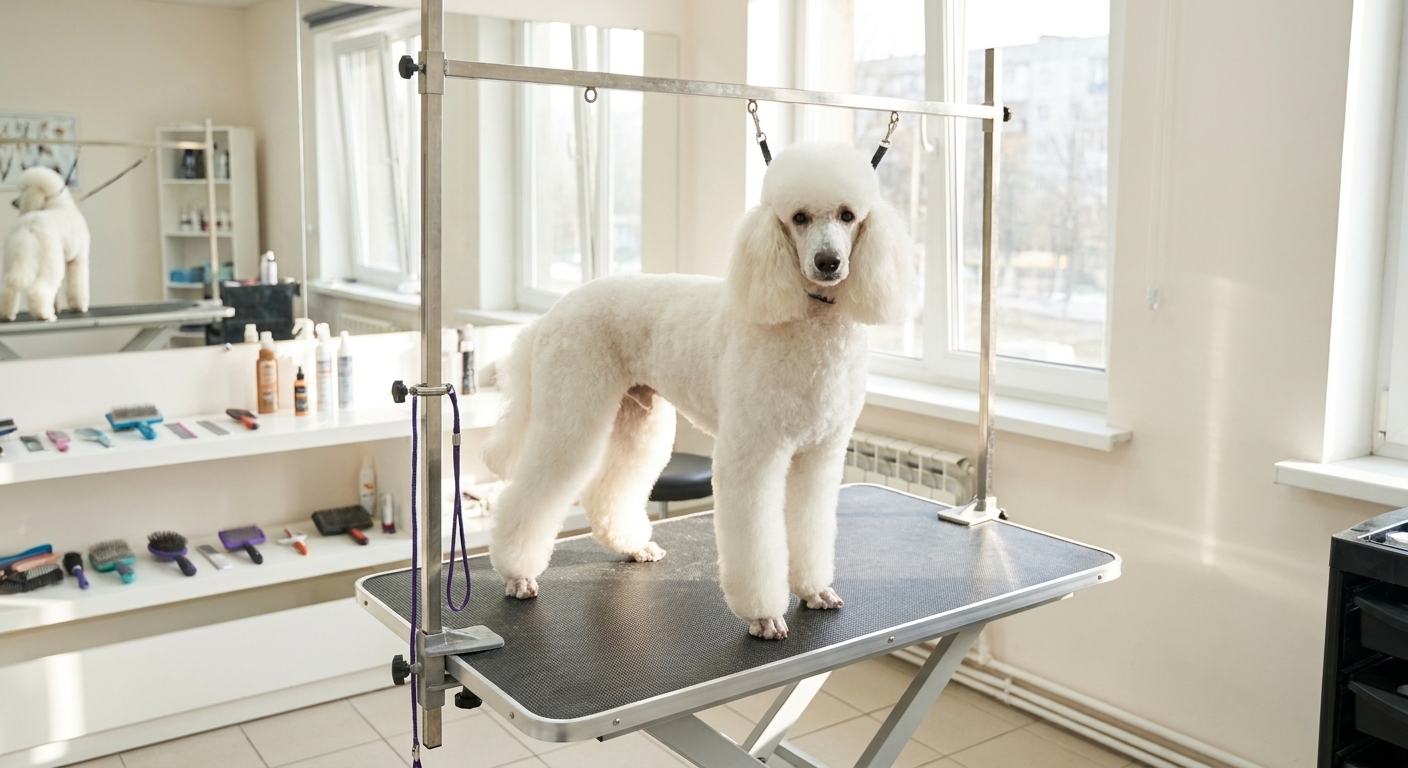
Poodle (Miniature or Standard)
Why beginners do well: Smart, responsive, and generally excellent in training when their mental needs are met.
- Trainability: Very high
- Energy: Medium
- Grooming: High, regular clipping and brushing required
- Watch-outs: A bored poodle can become a creative problem-solver in all the wrong ways, like counter-surfing and barking.
Cavalier King Charles Spaniel
Why beginners do well: Typically affectionate, people-oriented, and adaptable to apartments or homes, as long as they get daily walks and companionship.
- Trainability: Medium to high
- Energy: Low to medium
- Grooming: Moderate
- Watch-outs: This breed can have significant inherited health concerns (especially heart and neurologic disease). If you are buying a puppy, choose breeders who do appropriate cardiac screening and neurologic-focused health testing for Cavaliers.
Havanese
Why beginners do well: Friendly companion dog, often great for people who want a smaller, trainable dog that enjoys learning.
- Trainability: High
- Energy: Medium
- Grooming: Moderate to high depending on coat length
- Watch-outs: Can develop separation-related behaviors if left alone for long hours without preparation.
Papillon
Why beginners do well: A small dog with big brains. Often very trainable and fun for owners who want to do tricks, agility, or structured play.
- Trainability: High
- Energy: Medium
- Grooming: Moderate
- Watch-outs: They are small and can be underfoot, so they are best with gentle, supervised kids.
Greyhound (adult rescue)
Why beginners do well: Many adult greyhounds are calm indoors and happy with daily walks. Adult dogs are often clearer than puppies in day-to-day temperament, although the transition into home life can temporarily change behavior while they decompress.
- Trainability: Medium
- Energy: Low to medium, with short bursts
- Grooming: Easy
- Watch-outs: Prey drive can be high, so leash security matters. Some need time to learn stairs, slick floors, and home life.
Shih Tzu (or similar small companion breeds)
Why beginners do well: Many are affectionate lap dogs that do well in smaller spaces and enjoy short, consistent walks.
- Trainability: Medium
- Energy: Low to medium
- Grooming: High unless kept in a short clip
- Watch-outs: House-training can take patience, and flat-faced dogs can have breathing and heat sensitivity. Texas summers can be especially hard on brachycephalic dogs.
Bichon Frise
Why beginners do well: Often cheerful, social, and very people-oriented. Many do well in apartments as long as they get daily walks and some training time.
- Trainability: Medium to high
- Energy: Low to medium
- Grooming: High, regular brushing and professional grooming
- Watch-outs: Not a “no work” coat. Expect routine grooming, and start handling and brushing habits early.
Beginner-friendly mixes
When it comes to designer mixes and mixed-breed dogs in general, I am a fan. A mix can be a fantastic first dog, especially when you choose based on individual temperament and realistic care needs, not just a cute name.
Why mixes can work well
- You can adopt an adult with a known personality. That is huge for first-time owners.
- You can often find a better fit for your household. Foster-based rescues may have real-world notes on how a dog behaves in a home, but it is still an informed best guess, not a guarantee.
- Some mixes combine traits you love. For example, a social dog with a moderate energy level can be a sweet spot.
A gentle reality check about “designer” mixes
No mix is guaranteed to be low-shed, hypoallergenic, or always calm. Coat type and temperament can vary widely even within the same litter. If you are considering a Poodle mix in particular, plan for professional grooming and brush at home to prevent matting.
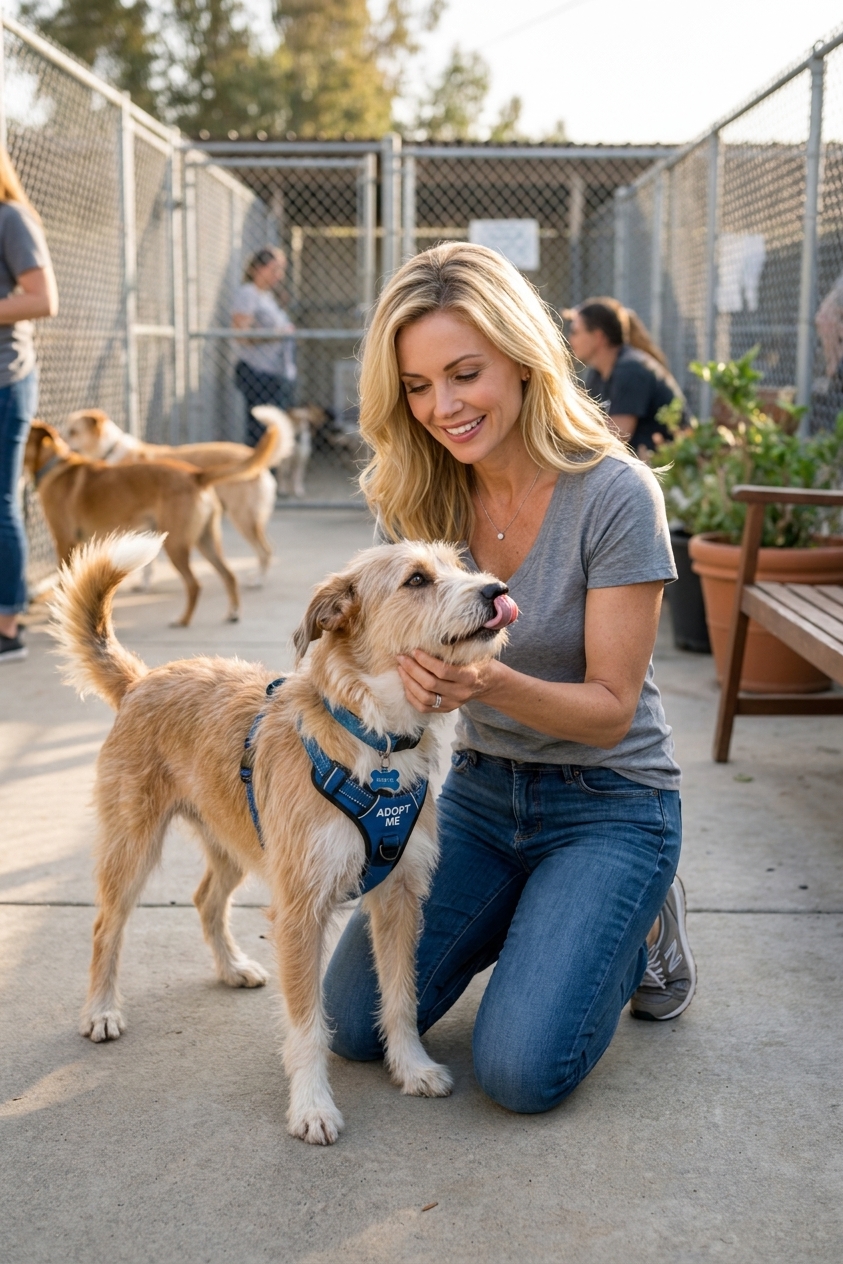
How to choose a mix responsibly
- Ask about the dog’s daily routine in foster care or at the shelter.
- Request a meet-and-greet in a calm space, then outdoors if possible.
- Look for a dog who recovers quickly from surprises and accepts gentle handling.
- Ask how the rescue tested around kids, dogs, or cats, and what “cat-safe” or “kid-friendly” means in their program.
- Prioritize temperament over aesthetics.
Breeder vs. rescue
When a well-bred purebred can be easier
A responsible breeder who does health testing and careful socialization can offer more predictability in size, coat, and typical temperament. This is especially helpful if you have specific needs, like a stable family dog in a busy household.
What to look for:
- Health testing appropriate for the breed, not just a vet check. Ask for OFA or CHIC results when applicable.
- Puppies raised in the home with structured socialization.
- A breeder who asks you questions too, and will take the dog back if needed.
- Transparency like “here are the results” rather than “trust us.” Be cautious with “no papers but purebred” claims.
When rescue can be easier
Adopting an adult dog often means you skip the hardest puppy stages. Many first-time owners thrive with a 2 to 5-year-old dog who is past the constant teething and potty training curve.
What to look for:
- A rescue that uses fosters and shares detailed notes when possible.
- Transparent discussion of any reactivity, separation anxiety, or medical needs.
- A dog who has already lived successfully in a home setting, or a clear plan for transition support.
If you want a puppy
A puppy can be a great choice, but I like first-time owners to go in with eyes open. The first few months are mostly management and habit-building.
- Biting and chewing: normal, intense, and temporary, but you need a plan (redirect, manage, enforce naps).
- Potty training: frequent trips outside, a predictable schedule, and supervision.
- Socialization: safe, positive exposure to the world early on matters. Aim for calm experiences, not “meet everyone at once.”
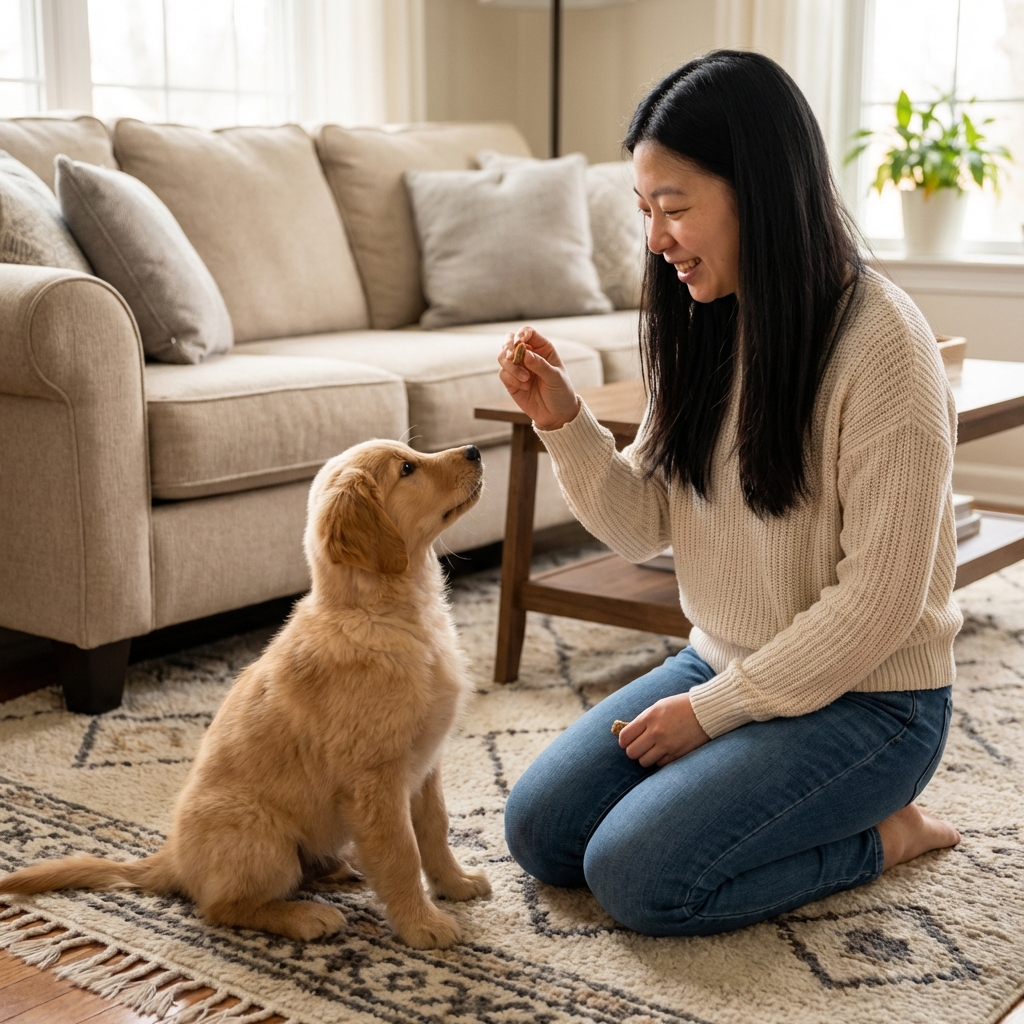
- Training: multiple short sessions per day usually works better than one long session.
If you want the puppy dream with less overwhelm, choose a breed with moderate energy, line up a basic class before the puppy comes home, and plan for help during the workday.
Grooming and exercise
Lower grooming effort (generally)
- Beagle (short coat, but can be vocal and can shed heavily in season)
- Greyhound
- Labrador Retriever (easy coat care, but not low shedding)
- Many short-coated mixed breeds
Higher grooming commitment
- Poodle and most Poodle mixes
- Shih Tzu, Havanese, Maltese type coats
- Golden Retriever (brushing and shedding)
Exercise expectations
- Low to medium: content with daily walks and some play. Many companion breeds, adult greyhounds.
- Medium: needs brisk walks, training time, and active play most days. Many retrievers, poodles.
- High: needs structured work and outlets daily. Many herding breeds and working lines.
If you love the look of a high-energy breed, consider whether you also love the lifestyle that comes with it. It is completely okay to choose a calmer dog.
Harder breeds for beginners
These dogs can be wonderful in the right hands, but they often require more experience, management, and training time than most new owners expect:
- High-drive herding breeds: Border Collie, Australian Cattle Dog. Brilliant, but can become anxious, nippy, or destructive when under-stimulated.
- Intense guardians: Cane Corso, some livestock guardian breeds. Powerful dogs with protective instincts that require confident handling and careful socialization.
- Primitive or independent breeds: Shiba Inu, Basenji. Often less biddable and more escape-prone.
- Very strong terriers: can be relentless with prey drive and reactivity if not well managed.
This is not about “good” or “bad” dogs. It is about choosing a dog who will be set up to succeed with your current skill set.
Meeting a dog safely
When you are evaluating a dog, skip the “let’s see what happens” approach. Choose controlled, low-pressure setups.
- Do meet-and-greets on leash in a calm space first.
- Avoid using a busy dog park as a temperament test.
- If you have kids or another dog, ask for slow introductions and clear guidance from the rescue, breeder, or a trainer.
- If you see intense fear, guarding, or lunging, get a qualified trainer involved before you commit.
A simple first-dog checklist
If you want one quick filter when you are meeting dogs or talking with breeders and rescues, use this:
- Adult size and strength you can comfortably handle on leash
- Friendly or neutral with strangers and normal household sounds
- Enjoys food or toys, which helps training
- Coat care you can maintain for years, not weeks
- Energy level that matches your everyday routine
- A plan for training support, like a group class or private trainer
My favorite first-time owner strategy is to choose a dog with an “easy to live with” temperament first, then pick the cutest face second. You will love your choice more every single day.
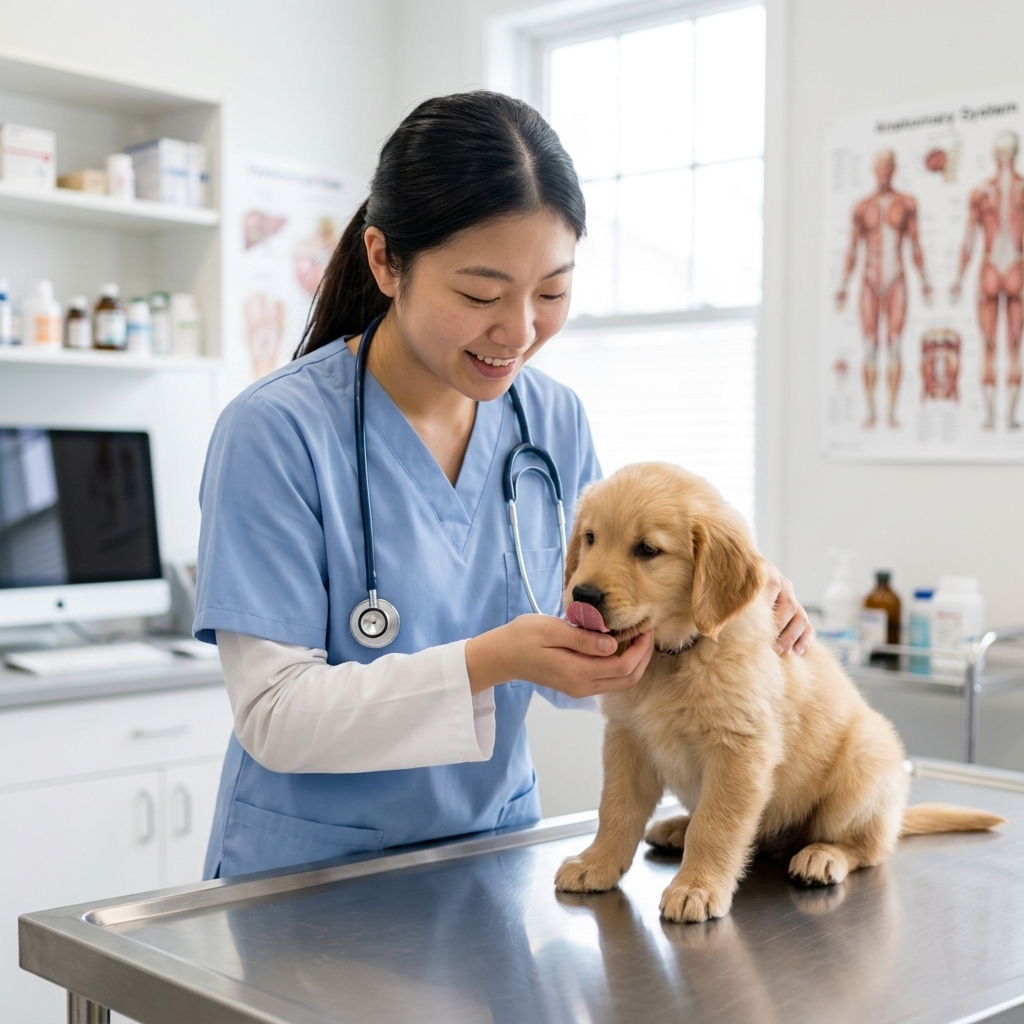
When to talk to your veterinarian
Before you commit, it is smart to chat with your veterinarian about:
- Expected adult weight and body condition goals
- Breed-related health screening, if choosing a purebred
- Parasite prevention for your region, especially heartworm prevention in Texas
- Spay and neuter timing recommendations for your dog’s size and breed
- Nutrition and a realistic exercise plan to prevent obesity
- Heat safety plans for summer walks and flat-faced dogs
Your first dog does not need to be perfect. You just need a good match and a solid plan. Choose a steady temperament, keep training simple and consistent, and build routines you can actually maintain. That is how you get the kind of dog who makes you feel like a natural.