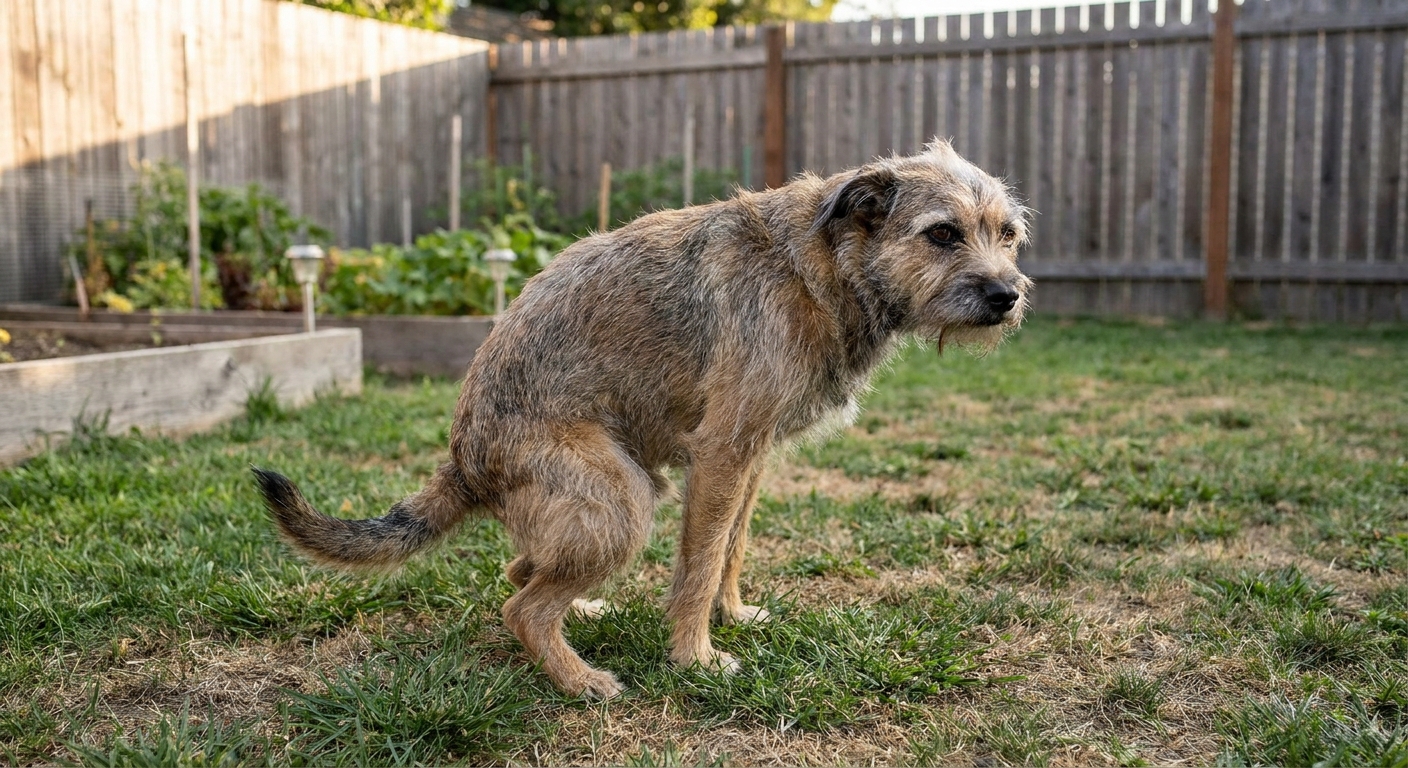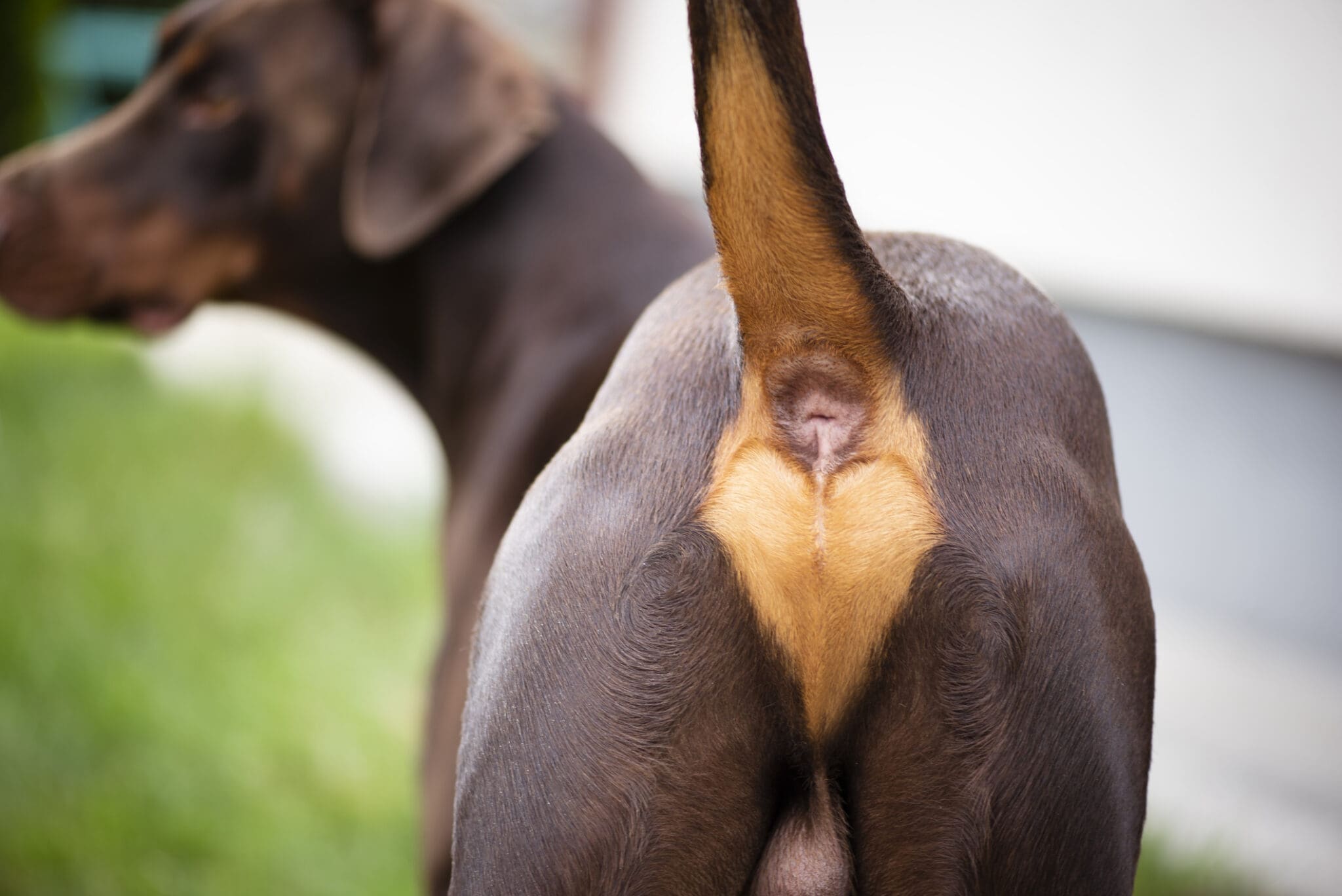
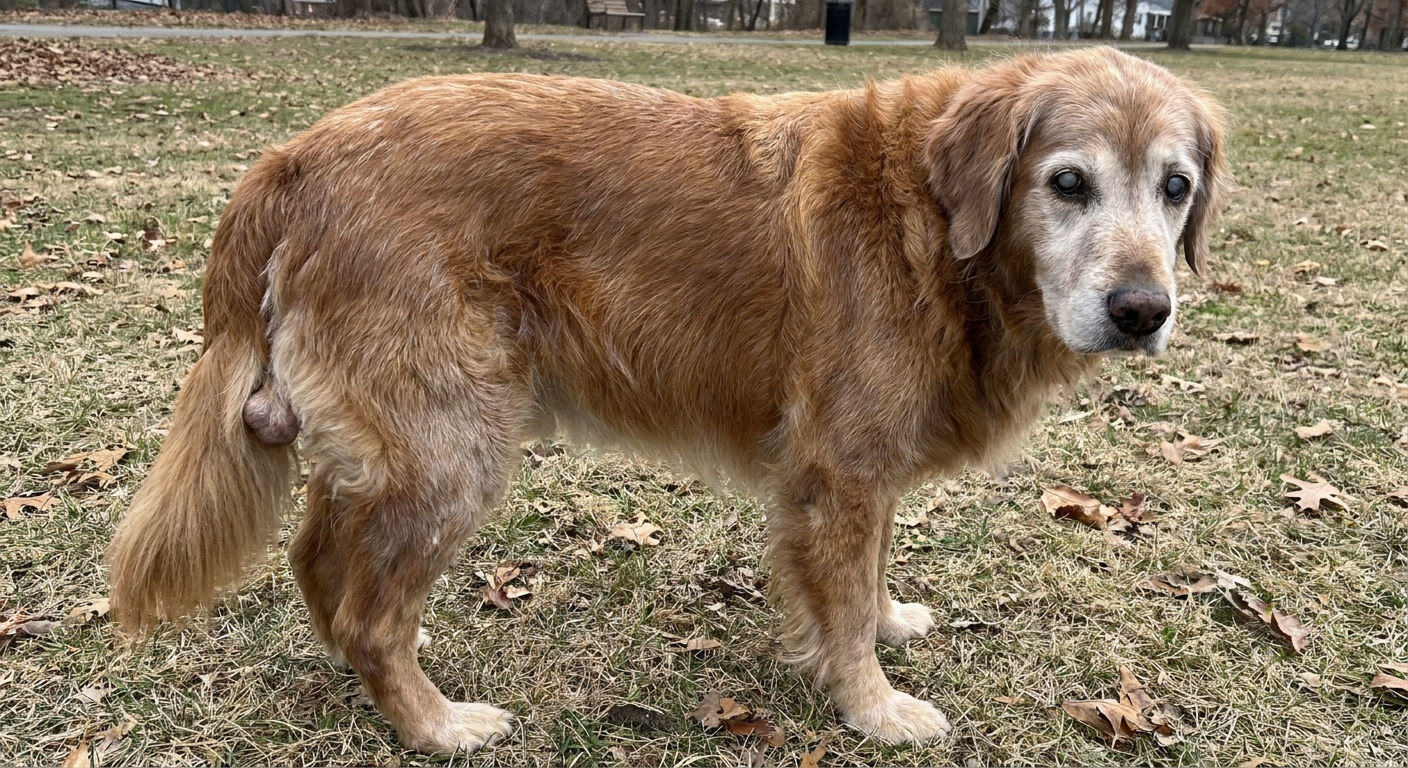
I have talked with a lot of worried pet parents who are sure their dog is constipated because they see straining and very little stool. Then they notice something else that does not fit the constipation story: a soft bulge beside the anus, usually on one side. In older, intact male dogs, that combination raises a very specific concern in veterinary medicine: a perineal hernia.
This is one of those situations where home constipation tricks and over-the-counter laxatives can waste valuable time. Not because laxatives are always bad, but because they do not repair what is actually broken.
What it is
A perineal hernia happens when the pelvic diaphragm muscles weaken and separate. Those muscles normally form a supportive wall that helps keep the rectum and pelvic organs in their proper position. When that support fails, tissues can slip backward and outward into the perineal area, creating a visible swelling next to the anus.
Most commonly, what shifts into that space is fat and the rectum (or the rectum becomes deviated and “kinked”). Less commonly, more urgent structures can become involved.
What may be present in or affected by the hernia includes:
- Fat or omentum
- Rectum (deviation, dilation, or displacement)
- Prostate
- Small intestine (less common)
- Bladder (less common, but more urgent)
Once that bulge forms, your dog may strain because the rectum is being displaced, compressed, or kinked. From the outside, it can look exactly like constipation.
Many pet parents describe it as a soft swelling next to the anus that can seem to change size with posture or straining. Try not to press or “push it back in” at home. A gentle look is fine, but leave the hands-on exam to your veterinary team.
Common signs
Perineal hernias are most common in middle-aged to older intact male dogs. You might notice one or more of these signs:
- A bulge or swelling beside the anus that may get bigger when your dog strains, barks, or stands
- Straining to poop (tenesmus), sometimes with only small amounts passed
- Ribbon-thin stool due to rectal compression
- Constipation that keeps recurring despite fiber, pumpkin, or stool softeners
- Straining to urinate or urinating small amounts (more concerning)
- Licking at the area, restlessness, or discomfort
- In severe cases, loss of appetite, vomiting, or collapse
The bulge is often on one side, but it can be on both sides.
And to add an important nuance: not all straining is constipation. Dogs can strain from colitis, anal sac disease, or prostate enlargement alone. That is one reason an exam matters, even if you are not sure what you are seeing.
Why laxatives do not fix it
Laxatives, stool softeners, pumpkin, and added fiber can sometimes make stool easier to pass. But they do not repair the weakened pelvic diaphragm. That is the key point.
Relying on home constipation fixes can also be risky if the hernia is allowing the bladder or intestines to shift into an abnormal position. This is when a problem that looks like constipation can become an emergency.
When straining is an emergency
Please seek urgent veterinary care (same-day emergency clinic is appropriate) if you notice:
- Repeated straining with no stool produced
- Straining to urinate or unable to urinate
- A firm, painful, rapidly enlarging swelling
- Vomiting, severe lethargy, collapse, or a distended abdomen
Bladder retroflexion can contribute to urethral obstruction, which is life-threatening.
What not to do at home
- Do not give a home enema or insert anything into the rectum unless your veterinarian specifically instructs you to
- Do not use human laxatives unless your veterinarian tells you exactly what and how much
- Do not let your dog strain for long periods waiting for something to happen. If they keep posturing with little to show for it, call.
- Avoid rough play, jumping, and stairs as much as you can while you are waiting to be seen
How vets diagnose it
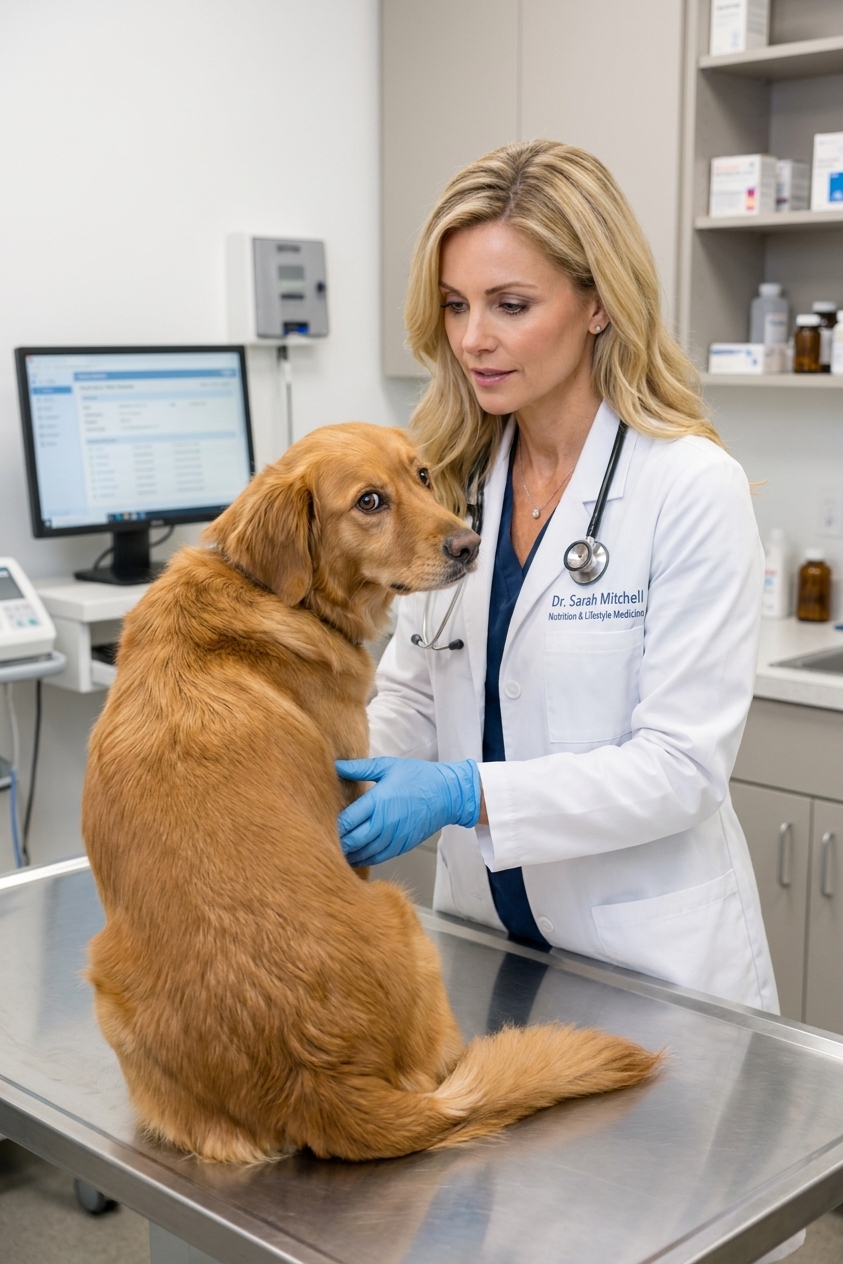
Diagnosis starts with a good history and a hands-on exam. Most perineal hernias are strongly suspected based on the swelling location and what the vet feels on exam.
Typical diagnostic steps
- Physical exam and visual inspection of the perineal swelling
- Rectal exam (digital rectal palpation) to assess pelvic diaphragm weakness, rectal deviation, and whether the prostate feels enlarged
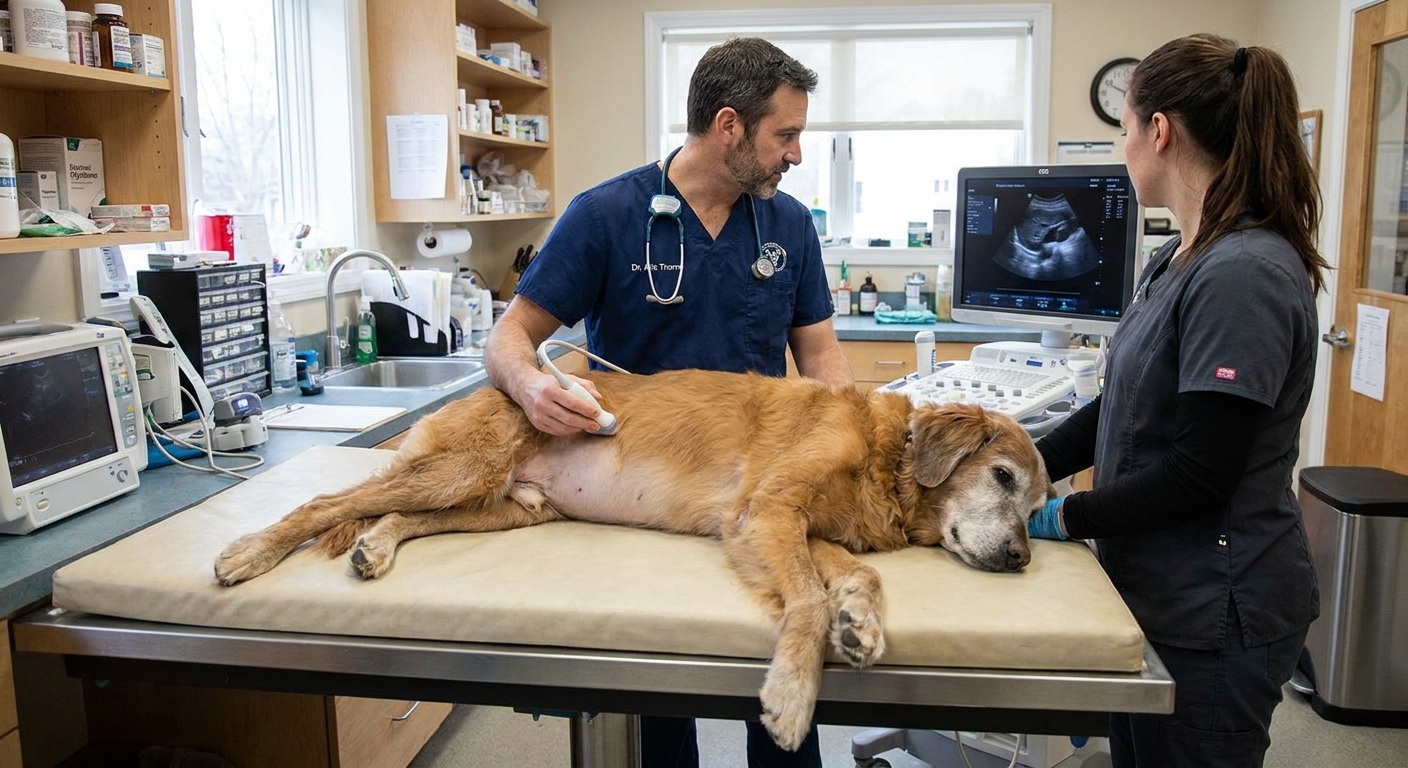
- Abdominal and pelvic imaging, often X-rays, ultrasound, or both, to see what is in the hernia and to check the bladder and prostate
- Urinalysis and bloodwork, especially if your dog is older or is straining to urinate
Some dogs need mild sedation for a thorough rectal exam, especially if they are painful or anxious. Imaging matters because the surgical plan can change depending on whether the hernia contains fat only versus bladder, intestine, or a significantly enlarged prostate.
Why older intact males
We do not always get a single simple cause, but we do know the pattern: older intact males are overrepresented. Hormones and prostate changes are believed to contribute to weakening of the pelvic diaphragm over time.
Other factors that can play a role include:
- Chronic straining (from constipation, prostate disease, urinary issues, or colitis)
- Prostate enlargement
- Muscle degeneration with age
- Breed and anatomy tendencies in some dogs
Female dogs and neutered males can develop perineal hernias, but it is much less common.
Surgery
If your dog is stable, your veterinarian may first focus on getting stool moving and reducing straining with prescription stool softeners, enemas performed by professionals, hydration support, and pain control. But for most dogs, definitive treatment is surgery.
Hernia repair
The goal is to reconstruct the pelvic diaphragm so organs stay where they belong. There are different techniques, and the best approach depends on what your surgeon finds and their experience.
Many surgeons use a method that incorporates a nearby muscle to strengthen the repair. You might hear terms like muscle transposition in the discussion.
Why neutering is often part of the plan
In intact male dogs, neutering is typically recommended unless there is a medical reason not to. Neutering reduces testosterone-driven prostate enlargement and can decrease ongoing straining related to the prostate. It may also reduce recurrence risk after repair, although recurrence is multifactorial.
Pet parents sometimes worry that neutering is an optional extra. In perineal hernia cases, it is usually discussed as part of making the surgical repair last.
What else may be addressed
- Prostate evaluation and treatment recommendations if enlarged or infected
- Bladder repositioning if it has shifted backward
- Rectal issues if the rectum is severely deviated or stretched
Your surgeon should explain what they saw on imaging and what they expect to repair.
Recovery
Most dogs need a focused recovery period. The biggest goals are protecting the repair and preventing straining.
Common aftercare instructions
- Strict activity restriction for the time period your veterinarian sets, often several weeks
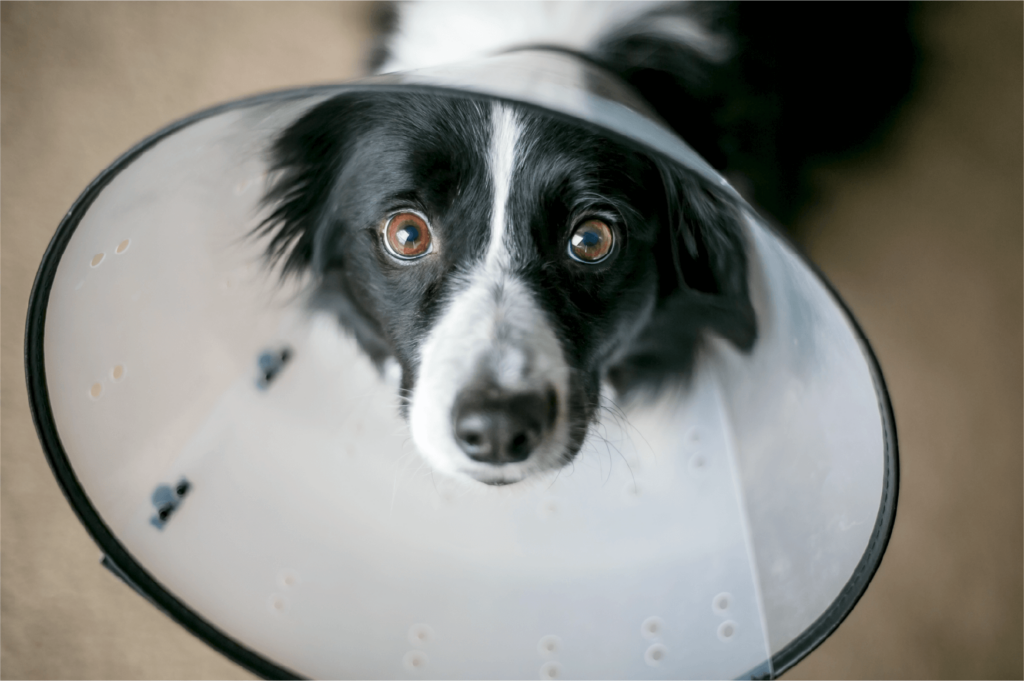
- E-collar to prevent licking or chewing
- Pain control as prescribed
- Stool softeners and sometimes a temporary low-residue diet
- Recheck visits to monitor healing and bowel movements
I tell families to think ahead about the poop plan after surgery: you want soft, easy-to-pass stools, plenty of water intake, and calm leash walks only.
Most dogs do very well with proper repair and aftercare, but complications can happen, including infection, wound issues, or recurrence. If something feels off during recovery, it is always worth a quick call.
Can it come back?
Recurrence is possible, even with good surgery. The risk depends on factors like the severity of the hernia, whether it is on one or both sides, what tissues were involved, how well straining is controlled, and whether neutering was part of the plan.
Call your veterinarian if you notice:
- A new or growing bulge near the anus
- Return of straining
- Changes in stool shape
- Any new urinary difficulty
Other causes of lumps
This is important. Dogs can get other conditions that cause swelling around the rear end, including:
- Anal sac abscess or infection (often painful, red, may rupture and drain)
- Perianal (hepatoid) adenoma or adenocarcinoma (masses around the anus, sometimes ulcerated)
- Perianal fistulas (draining tracts and sores, classically in German Shepherds)
- Skin infections or trauma
The reason I bring this up is not to overwhelm you. It is to reassure you that a vet exam is worth it, because the treatment can be completely different depending on the cause.
FAQ
My dog is straining but still eating and acting normal. Can I try pumpkin first?
If there is no bulge and your dog is otherwise normal, mild constipation can sometimes respond to diet changes and hydration. But if you see a swelling beside the anus, I would not treat this as a simple constipation problem at home.
If your dog is stable and urinating normally, I would still schedule a veterinary visit within 24 to 72 hours. If there are urinary signs, vomiting, collapse, or repeated unproductive straining, go in the same day.
Does a perineal hernia hurt?
Some dogs seem surprisingly comfortable at first. Others are painful, restless, or repeatedly try to posture to poop. Pain can increase if the hernia traps bowel or bladder, or if the dog strains hard.
Can a perineal hernia heal on its own?
No. The muscle weakness does not tighten back up without surgical repair. Medical management can reduce straining temporarily, but it does not fix the underlying defect.
What should I do while I am waiting for my appointment?
- Prevent jumping and rough play
- Keep your dog hydrated
- Do not give human laxatives unless your veterinarian tells you exactly what and how much
- Do not do a home enema or insert anything rectally unless directed
- Monitor closely for urinary trouble, vomiting, collapse, or inability to pass stool
Takeaway
If your older intact male dog is straining like he is constipated and you see a bulge beside the anus, it may be a perineal hernia. That is a pelvic diaphragm problem, not just a stool problem, and laxatives alone will not repair it.
The good news is that veterinary teams treat perineal hernias every day. With proper diagnosis, a clear surgery plan that often includes neutering, and careful aftercare to prevent straining, many dogs get back to comfortable, normal bathroom habits and a much better quality of life.