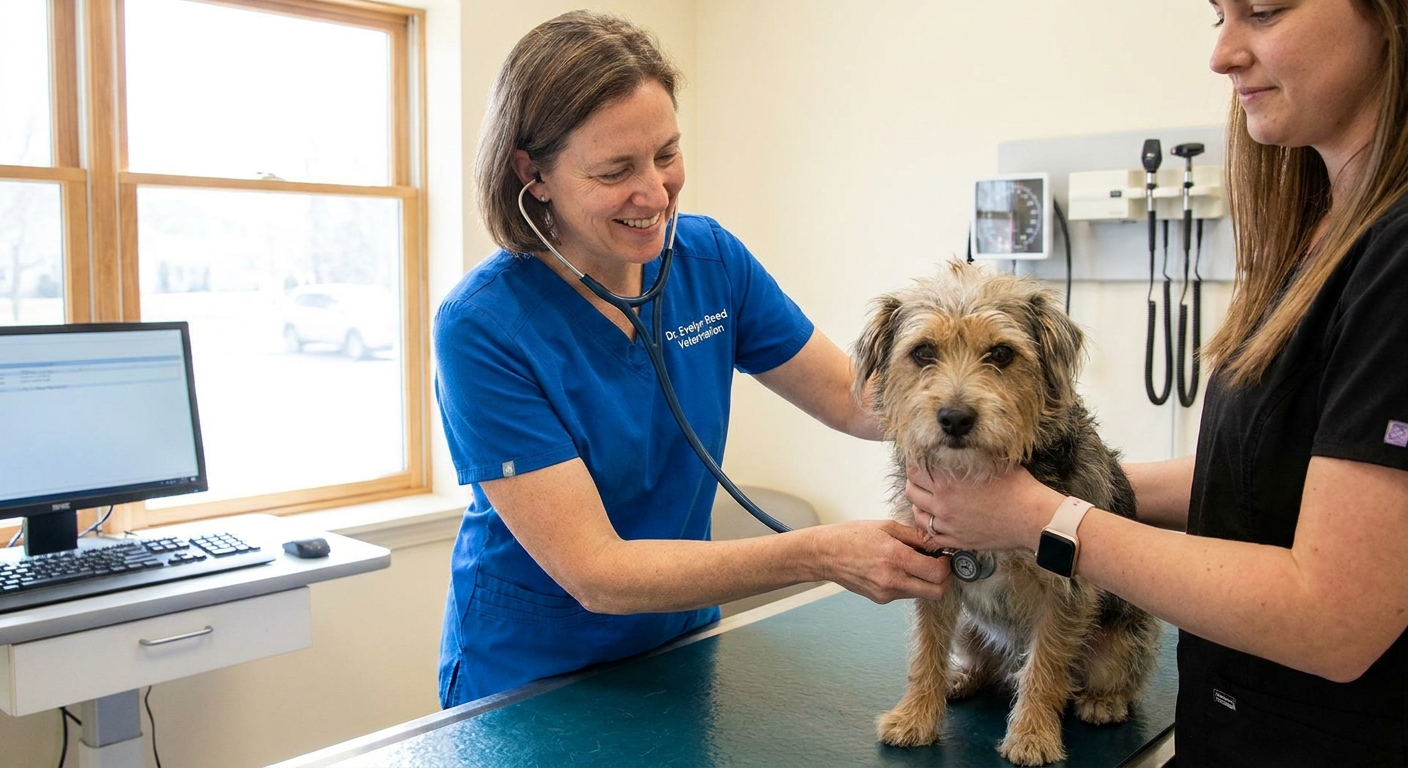
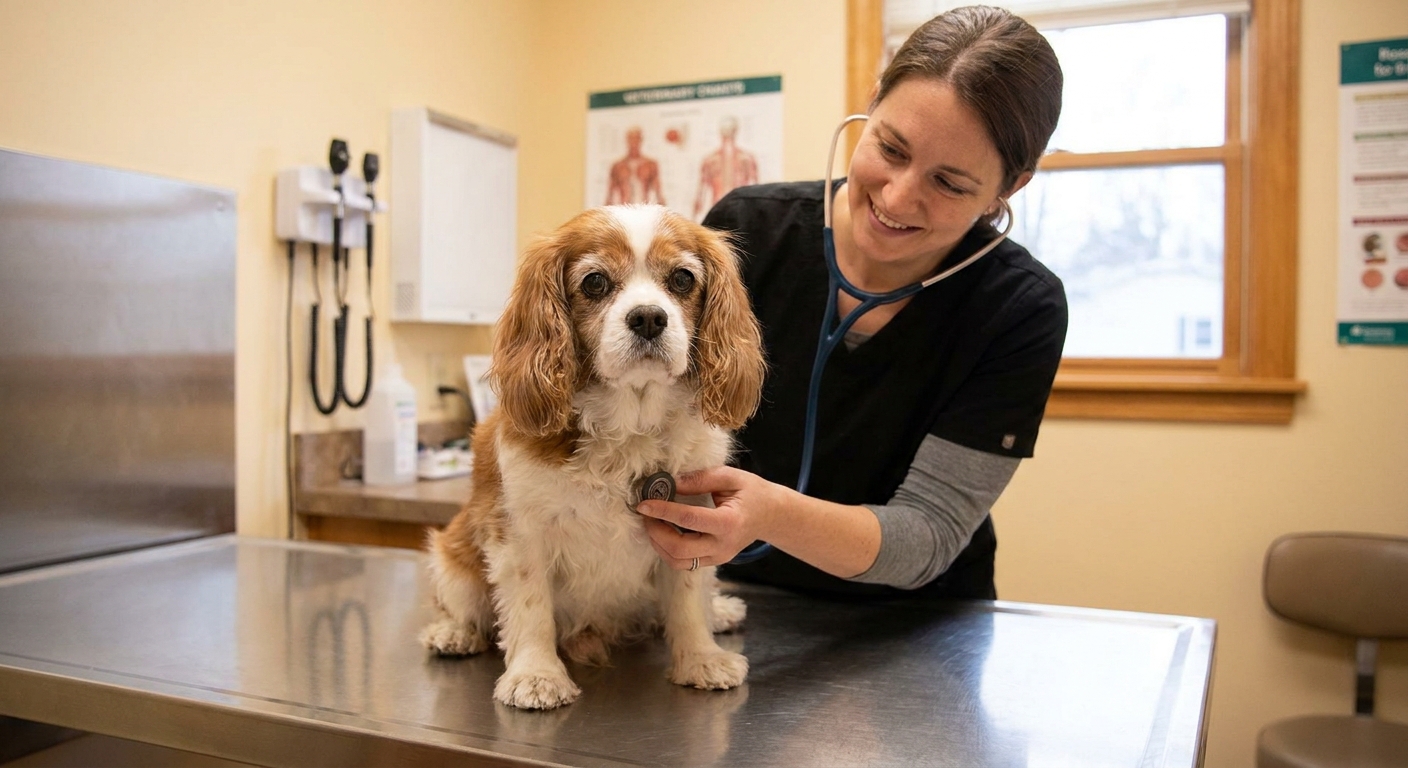
I hear this worry all the time as a veterinary assistant in Frisco, Texas: “My dog has a heart murmur. Is anesthesia even safe?” If your pup needs a dental cleaning, a spay or neuter, or another procedure, it can feel like you are choosing between their heart and everything else.
Here is the good news. A heart murmur does not automatically mean a dog cannot have anesthesia. Many dogs with murmurs go through dentals and surgeries safely every day. The key is that your veterinary team needs to understand why the murmur is there and how well your dog’s heart is handling it, then tailor the anesthesia plan around that information.

Below is how vets make the decision, which dogs need chest X-rays or an echocardiogram first, the warning signs that mean the procedure should wait, and what safer monitoring and recovery look like.
What a heart murmur means for anesthesia
A murmur is a sound created by turbulent blood flow. Some murmurs are “innocent” and don’t reflect heart disease, while others are linked to structural or functional changes in the heart. For anesthesia, what matters most is not the sound itself, but:
- Murmur grade and location (how loud it is and where it is heard best).
- Your dog’s symptoms (coughing, fainting, exercise intolerance, fast breathing, etc.).
- Evidence of heart enlargement or fluid in the chest.
- Heart rhythm (normal rhythm versus significant arrhythmia).
- Overall health, including kidneys, liver, airway, and age-related changes.
One important nuance: murmur grade does not perfectly match disease severity. Some serious problems can have a surprisingly soft murmur, and some louder murmurs can still be well compensated. That is one reason diagnostics matter.
Anesthesia affects heart rate, blood pressure, breathing, and oxygen delivery. If a dog’s heart already struggles to move blood efficiently, drops in blood pressure or changes in fluid balance can matter more. That is why the “workup” before anesthesia is so important in a dog with a murmur.
How veterinarians decide if it is safe
When your vet recommends a dental or surgery for a dog with a murmur, the decision usually comes from a step-by-step risk assessment. In most clinics it looks like this:
1) A focused history and exam
Your veterinarian will ask questions that directly relate to anesthetic risk, including:
- Any cough, especially at night or after excitement
- Decreased stamina on walks, slowing down, or needing more rest
- Fainting or sudden weakness
- Fast breathing at rest or while sleeping
- Poor appetite, weight loss, or abdominal distension that could suggest fluid buildup (ascites is less common than breathing-related signs in many dogs)
They will also listen carefully for murmur grade, check gum color, feel pulses, and look for signs of fluid retention.
2) Baseline lab work
Most dogs, and especially seniors, benefit from pre-anesthetic bloodwork. While bloodwork does not “clear” the heart, it helps the team choose safer drugs and fluid plans and anticipate recovery issues. It commonly includes a CBC and chemistry panel, and sometimes electrolytes and urinalysis.
3) Heart testing: what may be needed
Some dogs can proceed with anesthesia after exam and routine bloodwork. Others need additional heart-focused testing first. The goal is to avoid surprises once your dog is asleep and to plan for the safest possible event.
- Chest X-rays to look for heart enlargement and fluid changes in and around the lungs.
- ECG to assess rhythm, especially if the pulse feels irregular, your dog has a history of collapse, or your vet hears an arrhythmia.
- Echocardiogram to identify the likely cause of the murmur and evaluate heart structure and function in detail.
- NT-proBNP blood testing in select cases (not every clinic uses it, and it does not replace imaging, but it can help with triage in some patients).
Who needs chest X-rays first?
Chest X-rays (thoracic radiographs) help your vet evaluate the size and shape of the heart and look for fluid in or around the lungs. They can be especially helpful when your vet needs to answer: “Does this dog have signs of heart enlargement or congestive heart failure changes?”
Your dog is more likely to need chest X-rays before anesthesia if:
- The murmur is new or has recently gotten louder
- Your dog has a cough, increased respiratory effort, or abnormal lung sounds
- Your dog is older, and the murmur has not been worked up before
- Your vet suspects fluid issues or wants to confirm there is no pulmonary edema
- There is a history of collapse or unexplained weakness
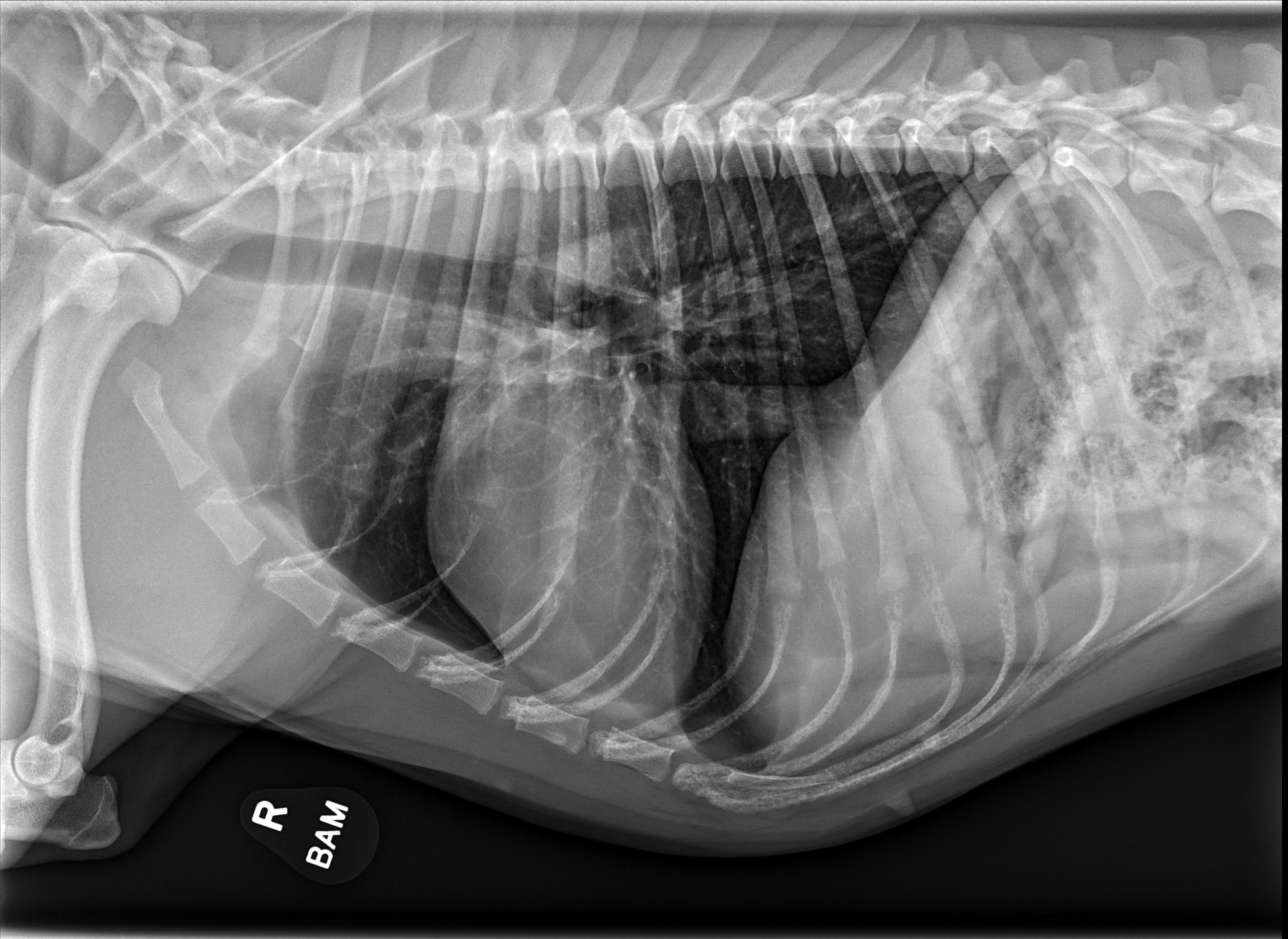
One important nuance: chest X-rays can strongly suggest whether the heart is enlarged, but they do not show valve function the way an echocardiogram does. Think of radiographs as a “big picture” tool that can help decide whether it is reasonable to proceed or whether a cardiology-level workup is needed first.
Who needs an echocardiogram first?
An echocardiogram (cardiac ultrasound) is often the most definitive noninvasive test for identifying the cause of many murmurs and evaluating heart structure and pumping function. It can assess how well the heart is pumping, how valves are moving, and whether there are changes that may change anesthetic risk or medication needs. (For rhythm questions specifically, an ECG or Holter monitor may be the best tool.)
Your veterinarian is more likely to recommend an echocardiogram before anesthesia if:
- The murmur is moderate to loud (often around grade 3/6 or higher), has progressed, or is concerning on exam
- Your dog has clinical signs that could indicate reduced cardiac reserve (cough, exercise intolerance, rapid breathing at rest, fainting)
- There is a known history of heart disease but no recent echo to guide planning
- The vet detects an abnormal rhythm or pulse quality and wants more clarity
- The planned procedure is expected to be long or more invasive, or involves greater fluid shifts
If you are wondering, “Is an echocardiogram really necessary for a dental?”, sometimes yes. Dental procedures can take longer than people think, and dentistry involves water irrigation and airway management. In a higher-risk heart patient, your vet may want the most accurate information possible before proceeding.
When it should wait: red flags
Even if the dental or surgery is important, certain signs tell your vet the safest choice is to stabilize first or get a cardiology consult before anesthesia.
Contact your veterinarian promptly if you notice any of these before the scheduled procedure:
- Fainting, collapse, or sudden episodes of weakness
- Breathing faster than normal at rest or increased effort to breathe
- Persistent cough, especially new or worsening
- Blue or gray gums or very pale gums
- Abdominal swelling or sudden weight gain that could suggest fluid retention
- Not eating, vomiting repeatedly, or severe diarrhea (dehydration and electrolyte changes can make anesthesia riskier)
If your dog is working harder to breathe, anesthesia should not be treated as routine. The safest plan is usually to pause and reassess.
There is another factor that matters, even though it is often fixable: if your dog is extremely anxious at the clinic. Stress can raise heart rate and blood pressure and can complicate induction and recovery. This is not usually a reason to avoid needed care, but it is a reason to plan. Many clinics can offer pre-visit medications or fear-free handling strategies that make the entire anesthetic event safer.
How anesthesia plans change
If your veterinary team decides your dog can proceed, the anesthetic plan is often adjusted to reduce cardiovascular strain. Exact drug choices vary by patient and doctor preference, but the safety principles are consistent.
In general, the goals are to maintain healthy blood pressure, avoid extreme heart rate changes (too fast or too slow), support oxygen delivery and ventilation, and avoid fluid overload in patients who cannot tolerate it.
Pre-anesthetic planning
- Customized sedatives chosen to avoid large swings in heart rate or blood pressure.
- IV catheter placement for quick access if support is needed.
- Thoughtful fluid plan, since some heart patients cannot tolerate high fluid rates.
Monitoring during anesthesia
Monitoring is where safety really comes alive. In a murmur patient, your team may prioritize:
- ECG to watch heart rhythm and detect concerning arrhythmias
- Blood pressure monitoring (often the most important number for organ perfusion)
- Pulse oximetry to track oxygen saturation
- Capnography to measure exhaled CO2 and ventilation quality
- Temperature monitoring, because hypothermia can slow recovery and stress the cardiovascular system
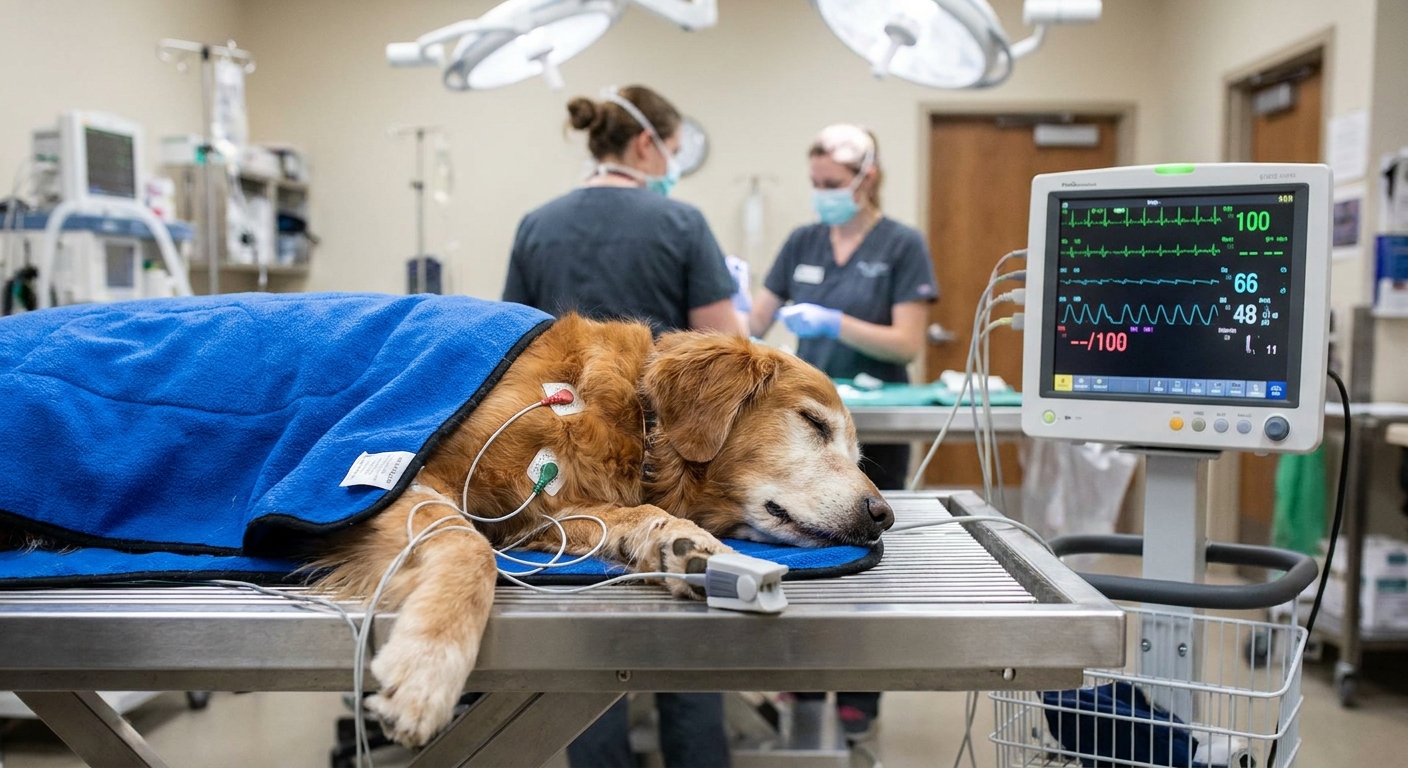
In many practices, a dedicated technician or assistant monitors these values continuously. That matters because subtle changes caught early can be corrected early.
Dental considerations
For dental work, good clinics also focus on:
- Airway protection with an endotracheal tube to prevent water and debris aspiration
- Efficient procedure flow to limit anesthetic time
- Pain control (pain increases stress hormones and can affect heart rate and blood pressure)
Recovery: what safe looks like
Some of the most important care for heart murmur patients happens after the procedure, when the body is waking up and rebalancing fluids and temperature.
In-hospital recovery
- Quiet, low-stress environment and gentle handling
- Continued monitoring of respiratory rate and effort, gum color, and comfort
- Warmth to prevent shivering and extra oxygen demand
- Careful fluids, including stopping or reducing IV fluids promptly if appropriate
At-home recovery tips
Your vet will give instructions specific to your dog. In general, after anesthesia, I tell families to watch for:
- Breathing: Is it easy and calm? Count sleeping breaths if you have been asked to track resting respiratory rate.
- Energy: Mild sleepiness is normal. Extreme lethargy or collapse is not.
- Coughing: Mild throat irritation can happen after a breathing tube, but any persistent, worsening, wet-sounding, or frequent cough should be reported promptly (especially after a dental).
- Appetite: Some dogs skip the first meal. Prolonged refusal, vomiting, or diarrhea should be called in.
If anything feels “off,” trust your instincts and call your clinic. I would always rather a family call and it turns out to be nothing than wait on an early sign that matters.
Questions to ask your vet
If you are deciding whether to move forward, these questions help you understand the plan without needing to speak medical jargon:
- What grade is my dog’s murmur, and has it changed since the last visit?
- Do you recommend chest X-rays before anesthesia for my dog? Why or why not?
- Do you recommend an echocardiogram before anesthesia for my dog? If yes, how soon should it be done?
- Will you do pre-anesthetic bloodwork, and what are you screening for?
- Should my dog have an ECG before anesthesia, especially if there is any concern for rhythm issues?
- What monitoring will be used during anesthesia, especially blood pressure and ECG?
- Is the procedure expected to be short or long, and does that change the plan?
- What will you do if blood pressure drops or the rhythm changes?
Balancing risks
I also want to gently point out something owners do not always hear upfront. Delaying dental care can carry its own risks. Severe dental disease causes chronic inflammation, pain, infection, and can affect appetite and overall health. For many dogs with stable, well-managed murmurs, completing a dental under a careful anesthetic plan is actually the healthier choice long-term.
The goal is not “zero risk.” In medicine we rarely get that. The goal is smart risk reduction through the right testing, the right monitoring, and the right timing.
Quick FAQ
Can a dog with a heart murmur have anesthesia?
Often, yes. It depends on the likely cause of the murmur, whether your dog has symptoms, and whether testing shows the heart is handling things well. Your vet may recommend chest X-rays, an ECG, or an echocardiogram first in moderate to higher-risk cases.
Is anesthesia riskier for older dogs with murmurs?
It can be, because older dogs are more likely to have underlying heart changes, organ changes, and less physiologic reserve. That usually means more pre-anesthetic screening and more attentive monitoring, not automatically canceling the procedure.
Should I ask for an echocardiogram before a dental?
If the murmur is moderate to loud, newly detected, changing, or your dog has symptoms like coughing, fainting, or exercise intolerance, it is absolutely reasonable to ask whether an echocardiogram is recommended before anesthesia.
What symptoms mean I should postpone and call my vet?
Fainting or collapse, increased breathing rate or effort at rest, worsening cough, blue or very pale gums, or obvious weakness are all reasons to call right away and reassess timing.
The takeaway
A heart murmur is a signal to slow down and plan, not necessarily a stop sign. With the right pre-anesthetic evaluation, and with careful monitoring and recovery support, many dogs with murmurs can safely undergo dental work or surgery.
If you are feeling anxious, you are not overreacting. You are advocating for your dog. Ask about the murmur grade, ask what testing is recommended, and make sure you are comfortable with the monitoring plan. That conversation is one of the kindest, most protective things you can do for your pup.