
As a veterinary assistant here in Frisco, Texas, I hear this question constantly: “My dog has a heart murmur. Do we have to stop exercising?”
The reassuring answer is often no. Many dogs with a heart murmur who are not in congestive heart failure can still enjoy walks, gentle play, and a normal routine. The key is exercising smart, watching for specific warning signs, and working with your veterinarian to set safe boundaries for your dog’s heart condition.
Heart murmur basics
A heart murmur is a sound your vet hears with a stethoscope when blood flow through the heart is more turbulent than usual. A murmur is not a diagnosis by itself. It is a clue.
Some murmurs are innocent (also called physiologic), meaning the heart itself is normal. This can happen in some puppies, or with things like stress, fever, or anemia. Other murmurs are pathologic, meaning there is an underlying heart issue, such as degenerative mitral valve disease (very common in older, small-breed dogs).
That is why one dog with a murmur can hike happily, while another needs stricter limits.
Two things matter most
- How your dog feels and functions: energy level, breathing, stamina, and recovery time.
- What your vet has found: murmur grade, suspected cause, heart size and function on X-rays or echocardiogram, and blood pressure if needed.
If your dog has been diagnosed with pulmonic stenosis or subaortic stenosis, exercise limits are more condition-specific and deserve their own detailed guidance. This article focuses on the more common situation: a dog with a murmur who is not in congestive heart failure and is feeling well day to day.
Can a dog with a murmur exercise?
In many cases, yes. For a dog with a heart murmur who is stable and not showing signs of heart failure, exercise is often recommended because it helps:
- Maintain a healthy weight (extra weight makes the heart work harder)
- Keep muscles strong, including breathing muscles
- Reduce boredom and anxiety
- Support joint health and mobility, especially in seniors
The goal is consistent, moderate activity rather than intense bursts that leave your dog gasping.
Rule of thumb: If your dog can exercise and settle back to their usual breathing within a few minutes, that is often reassuring. But it is not a perfect test. Heat, anxiety, pain, and excitement can all change breathing, and some dogs hide early symptoms. Any consistent change from your dog’s normal is worth a call to your veterinarian.
Walks: the go-to option
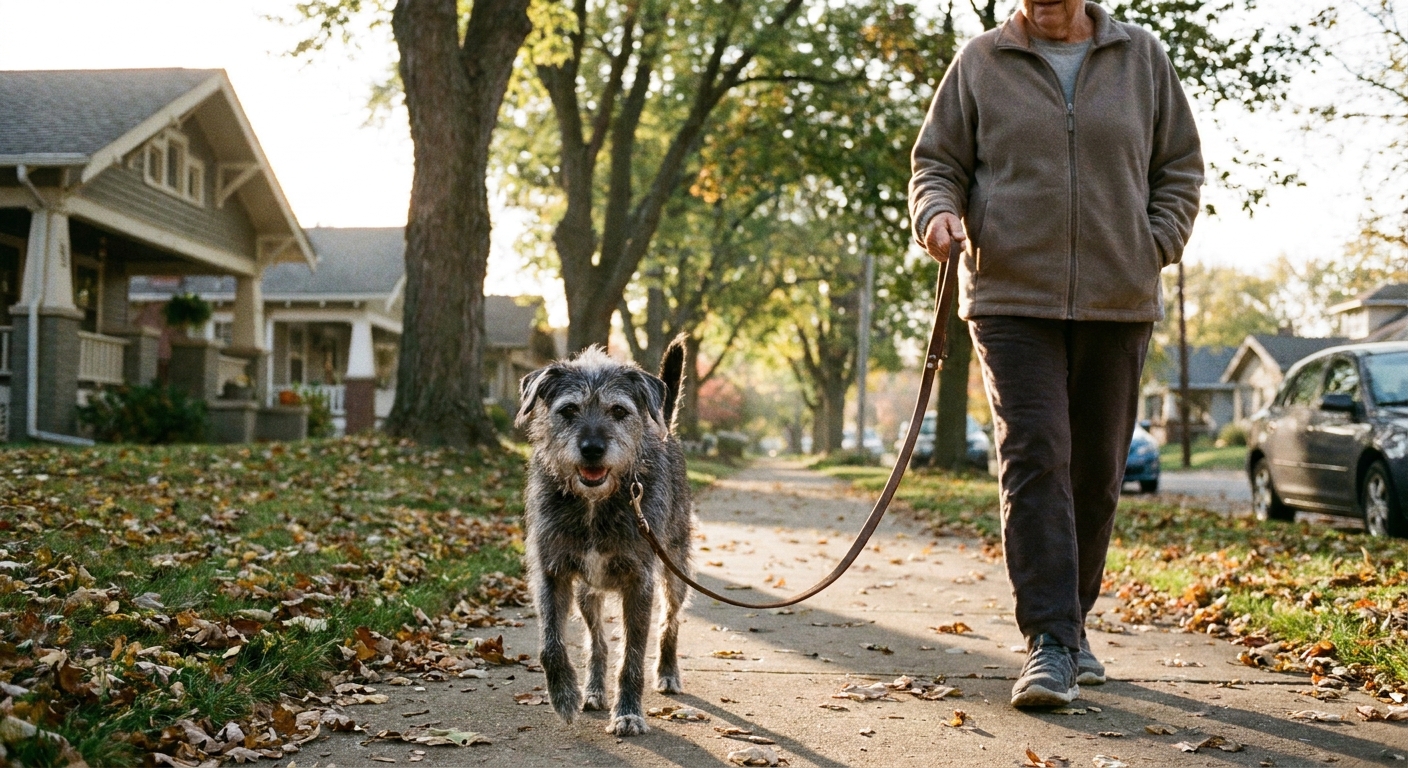
For most dogs with a murmur, leashed walks are often the safest and most useful form of exercise because they are easy to control and easy to stop.
What safe walking looks like
- Start easy: 10 to 15 minutes at a comfortable pace, then build slowly if your dog does well.
- Choose flat ground at first. Hills and stairs raise heart rate quickly.
- Let sniffing happen. Sniff breaks lower the intensity and add enrichment.
- Watch recovery: breathing should settle back down after you stop.
Simple walk upgrades
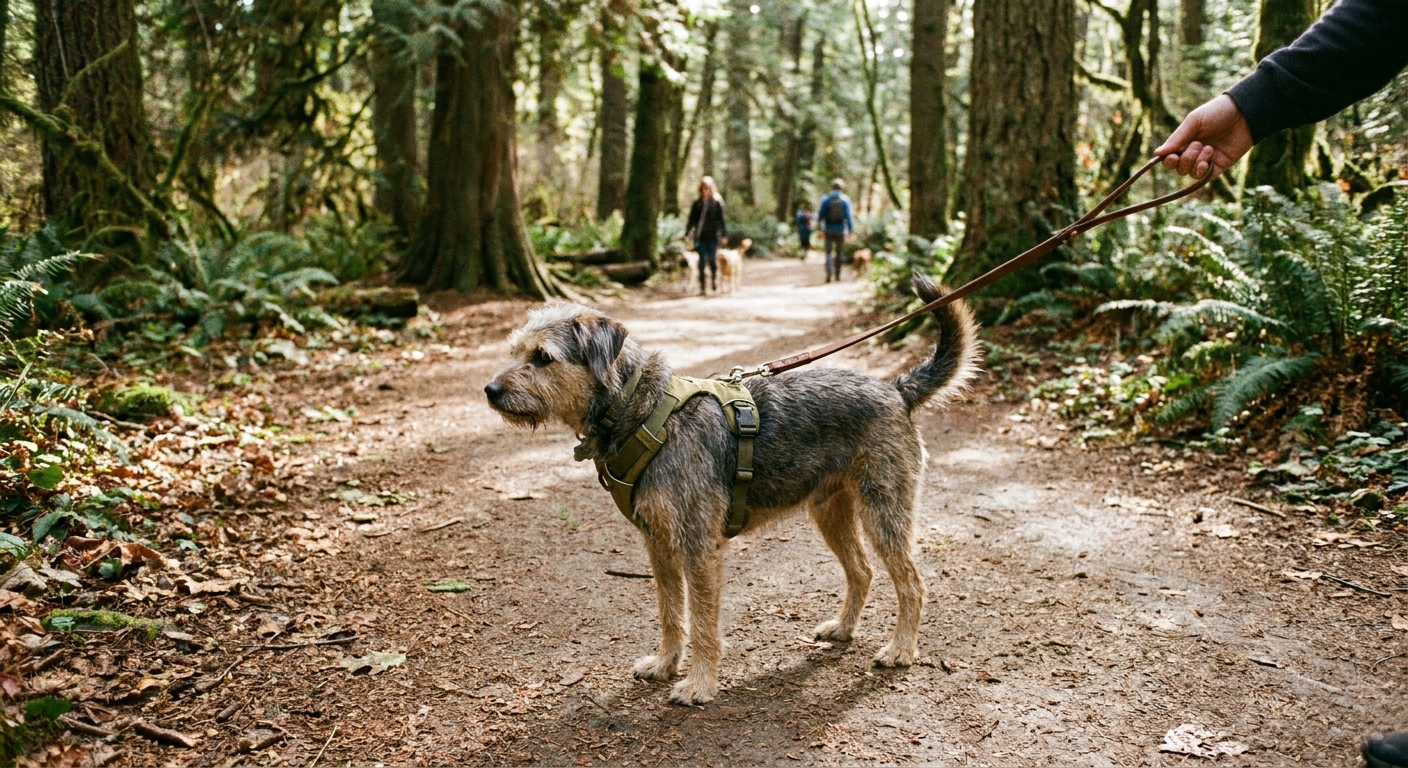
- Harness instead of a collar if your dog pulls or coughs with pressure on the neck.
- Shorter, more frequent walks if your dog tires easily (two 15-minute walks can be better than one 30-minute walk).
- Cooler times of day, especially in Texas summers.
Fetch and zoomies
Fetch is tricky for dogs with heart murmurs because it can turn into high-intensity sprinting, especially with ball-obsessed pups.
Signs your dog can handle some fetch
- They can trot and play without frantic breathing
- They take breaks on their own
- They recover quickly after stopping
Ways to make fetch safer
- Limit the number of throws and end the game while your dog still seems happy.
- Use short tosses so your dog trots instead of sprints.
- Play on grass to reduce joint strain.
- Swap sprinting for sniff games: hide treats or a toy in the yard and let your dog search.
- Avoid nonstop ball launching that keeps adrenaline high.
For some dogs, the safest choice is replacing fetch with lower-intensity play, like gentle tug (if your dog does not get overexcited), training games, or a slow “follow me” walk around the yard.

Heat and humidity
Heat and humidity make the heart work harder. Dogs cool themselves primarily by panting, along with moving heat out through blood flow near the skin and through their paw pads. Heavy panting can quickly raise effort level for a dog with a cardiac condition.
Safer warm-weather habits
- Walk early morning or later evening, when it is cooler.
- Keep walks shorter in warm months.
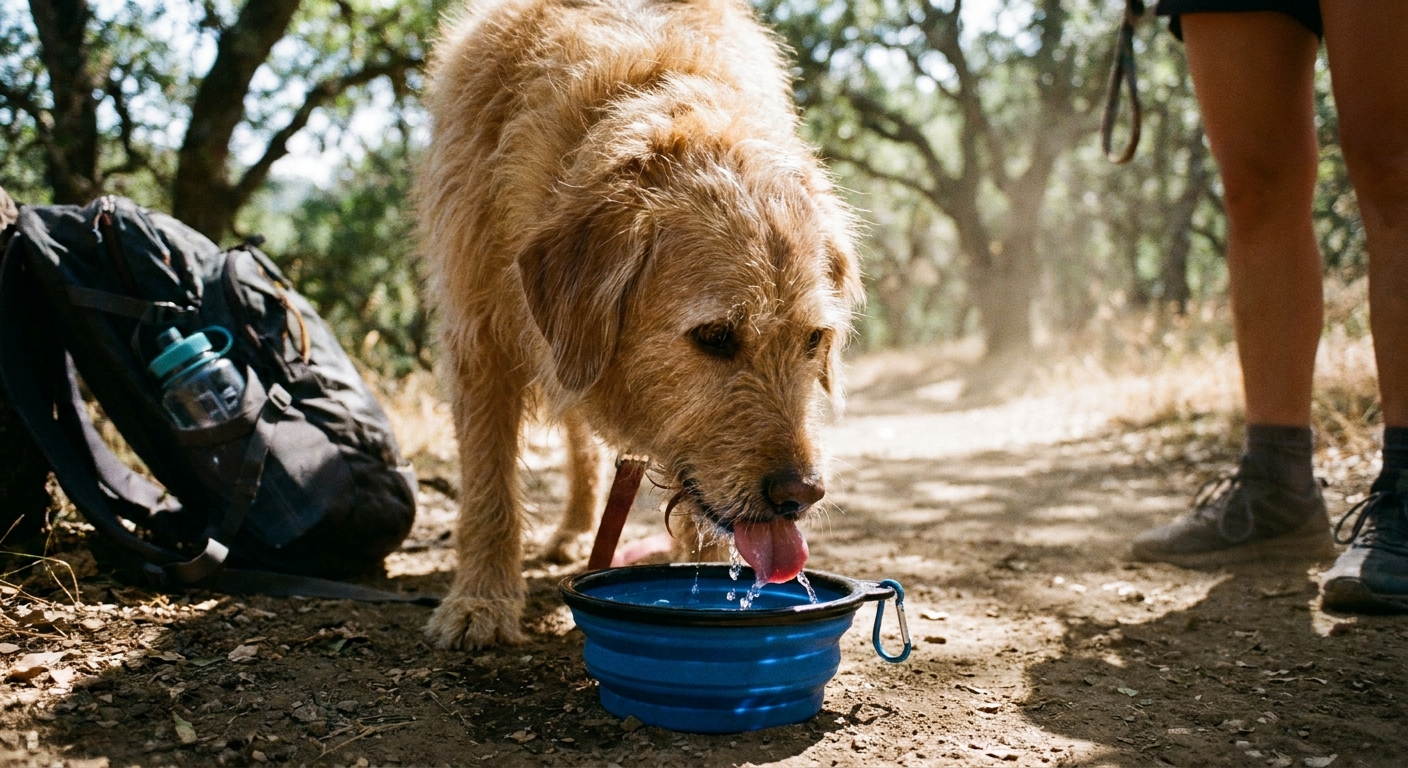
- Bring water and offer small drinks, especially on longer strolls.
- Avoid hot pavement that can burn paws and increase stress.
- Choose shade and avoid long sun exposure.
Extra caution for higher-risk dogs
Flat-faced breeds (like Bulldogs and Pugs), overweight dogs, and senior dogs tend to overheat faster. If your dog has a murmur and also fits one of those categories, be extra conservative with summer activity.
If your dog is on heart medications, ask your vet how that changes exercise and heat safety. For example, dogs on diuretics may dehydrate more easily, and some dogs on heart meds have more specific pacing guidelines.
When to stop right away
This is the most important section. If a dog with a murmur is going to run into trouble during activity, the earliest warning signs are often changes in breathing, stamina, or awareness.
Stop and rest if you see:
- Fainting or collapse (even a brief “drop” that looks like slipping or stumbling)
- Sudden weakness or your dog seems wobbly, disoriented, or unable to continue
- Breathing that looks hard: belly heaving, ribs really pumping, or a panicked look
- Breathing that does not return to normal within a few minutes of rest
- Excessive panting that seems out of proportion to the activity
- Coughing during or after exercise, especially if it is new or worsening
- Blue, gray, or very pale gums
- Reluctance to move that is unusual for your dog
If your dog faints, collapses, turns blue, or cannot catch their breath, that is an emergency. Call your veterinarian or an emergency clinic right away.
Before you increase activity
If the murmur is newly discovered, or your dog’s stamina has changed, talk with your veterinarian before you start adding distance, hills, or more intense play. This is a good time to ask whether your dog needs a baseline workup, such as chest X-rays, blood pressure, or an echocardiogram.
A simple plan to try
If your veterinarian has said your dog is stable and not in congestive heart failure, here is a gentle, realistic approach I often recommend families discuss with their vet.
Step 1: Start with a calm week
- Choose a walk route that is flat and predictable.
- Walk once or twice daily at an easy pace.
- Keep excitement low right before and after walks.
Step 2: Add time first
It is usually safer to add 5 minutes to a comfortable walk than to add running, stairs, or big bursts of play.
Step 3: Do recovery checks
After exercise, watch your dog for 10 to 15 minutes. Ask yourself:
- Is breathing settling normally for my dog?
- Do they seem bright and comfortable?
- Are they coughing?
- Do they want to eat, drink, and behave normally afterward?
If the answer is no, scale back the next session and contact your vet if it persists.
Home monitoring that helps
One simple tool many vets like for dogs at risk of congestive heart failure is resting respiratory rate. This means counting how many breaths your dog takes per minute while they are sleeping or truly resting at home.
Your veterinarian can show you how to measure it and tell you what range is normal for your dog. What matters most is the trend. If you see a persistent increase from your dog’s usual baseline, or breathing looks different at rest, call your vet.
Questions for your veterinarian
If you are leaving an appointment with “your dog has a murmur,” it is completely fair to ask for specifics. These questions help you get usable guidance:
- What grade is the murmur? (Grade does not tell the whole story, but it helps.)
- Do you suspect valve disease or something else?
- Do we need chest X-rays, blood pressure, or an echocardiogram?
- Is my dog’s current activity level appropriate?
- What symptoms would mean we need to reduce exercise or come in sooner?
- Do you recommend any medications now, or just monitoring?
- If my dog starts heart medications, does that change heat safety or hydration during exercise?
If your dog is very athletic, very anxious, or has episodes of weakness, your vet may recommend a cardiology consult. A veterinary cardiologist can often give the clearest activity guidelines based on an echocardiogram.
FAQ
Can my dog with a heart murmur go on long hikes?
Sometimes, but it depends on the cause of the murmur and your dog’s fitness and age. If you want to hike, talk with your vet first, start with short, flat trails, bring water, and avoid heat. Watch for breathing changes and slower recovery.
Is running bad for dogs with heart murmurs?
Hard running and intense sprinting can be too much for some dogs with murmurs, especially if they are older or have underlying valve disease. Many do better with brisk walking and low-intensity play instead of sustained running.
My dog coughs a little after excitement. Should I stop exercise?
A new or worsening cough should always be discussed with your veterinarian. Sometimes coughing is tied to airway irritation, collapsing trachea, or heart-related changes. Until you get guidance, keep exercise gentle and avoid intense excitement that triggers coughing.
How do I know if my dog is overdoing it?
The biggest clues are breathing that looks harder than normal, slower recovery, weakness, and fainting. When in doubt, stop, let your dog rest, and call your vet for advice.
The bottom line
A heart murmur can sound scary, but for many dogs, it does not mean life has to shrink down to the couch. If your dog is not in congestive heart failure and your veterinarian says they are stable, ordinary walks and controlled play are often still on the table.
Keep exercise moderate, be extra careful in the heat, and trust what your eyes are telling you. If you ever see fainting, collapse, or breathing that looks hard or does not settle with rest, stop immediately and contact your veterinarian.