A curious nose. A very waggy welcome.
Most of the time, dog anal glands are a weird little body feature you never have to think about. But when those glands keep getting impacted, infected, or worse, your vet might bring up a big, serious-sounding option: anal sacculectomy, also called anal gland removal surgery.
This is generally a last-resort solution for recurring, painful problems. Let’s sniff through when it’s needed, what happens during surgery, what it costs, and what recovery looks like.
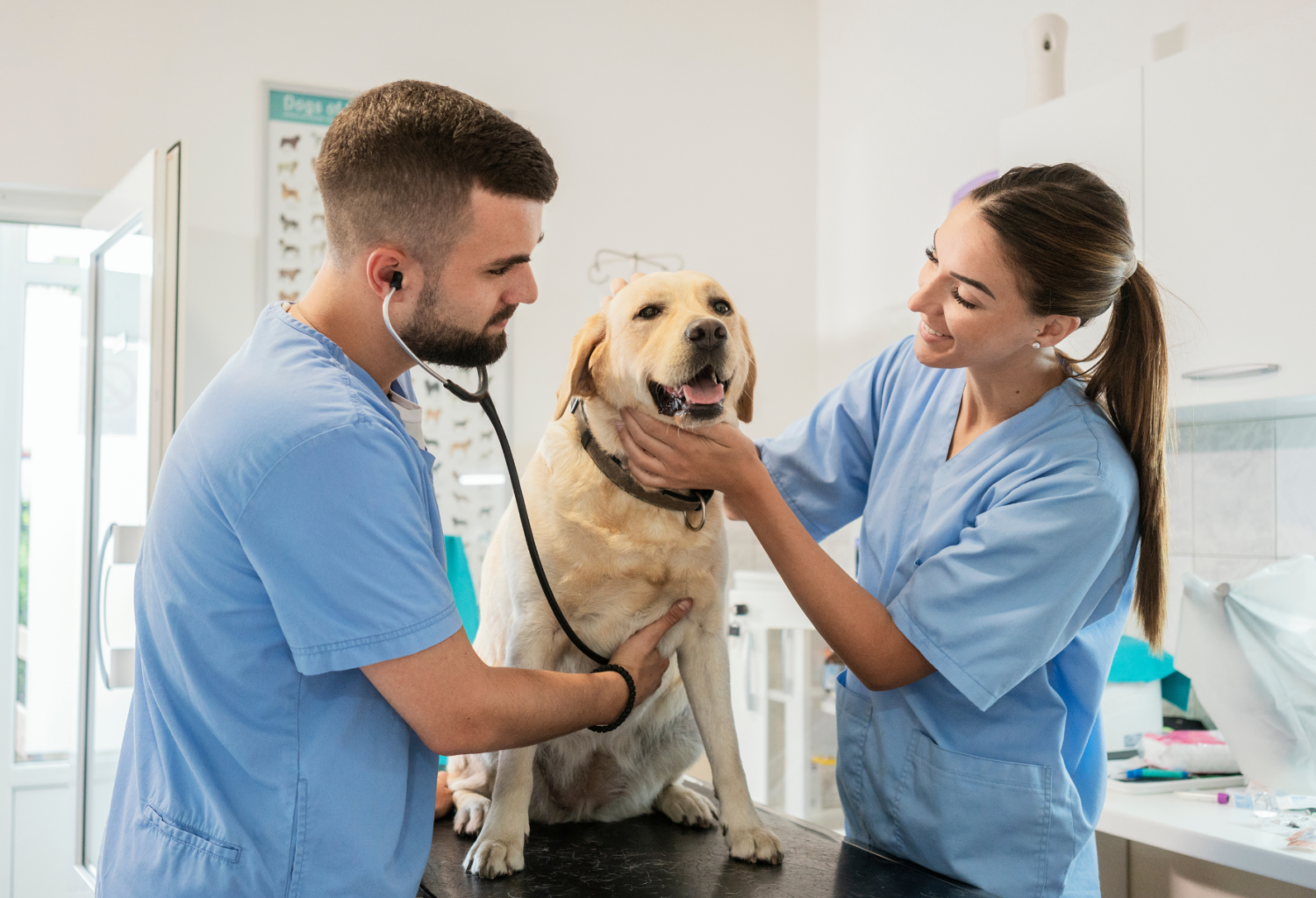
What are anal glands?
Dogs have two small anal sacs located just inside the anus, usually described as sitting around the 4 o’clock and 8 o’clock positions. They produce a strong-smelling fluid that normally empties in tiny amounts during bowel movements.
When emptying does not happen properly, the sacs can become:
- Impacted (too thick to drain)
- Inflamed
- Infected
- Abscessed (infected and rupturing through the skin)
Many dogs can be managed with diet changes, treating underlying allergies, or occasional veterinary expression (manual emptying). Surgery is considered when the cycle keeps repeating or there is suspicion of serious disease.
When removal is recommended
Anal sacculectomy is not the first stop. Most veterinarians recommend it only when less invasive approaches are not working, or when there is a high-stakes reason to remove the sacs.
Repeated impactions or infections
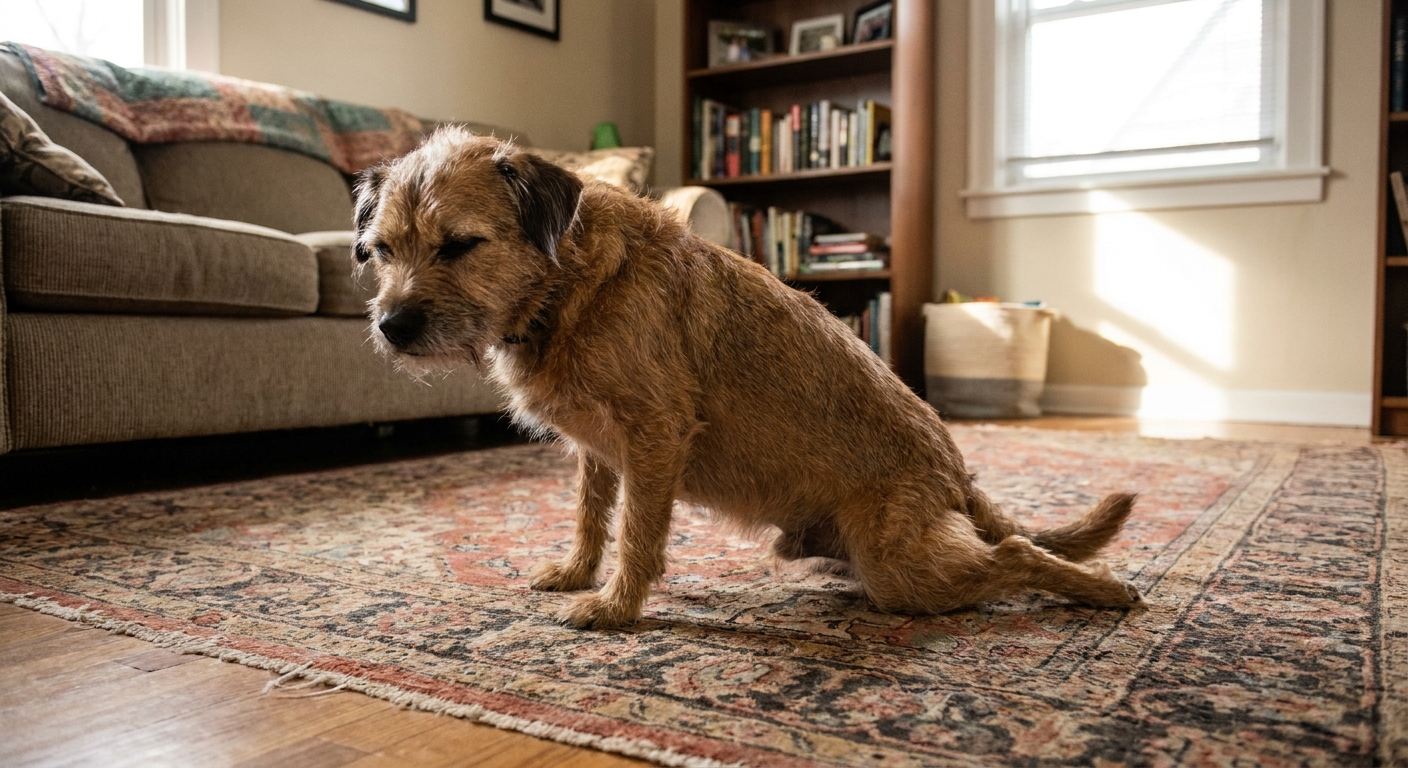
If your dog’s anal glands are impacted or infected again and again, you might notice a pattern:
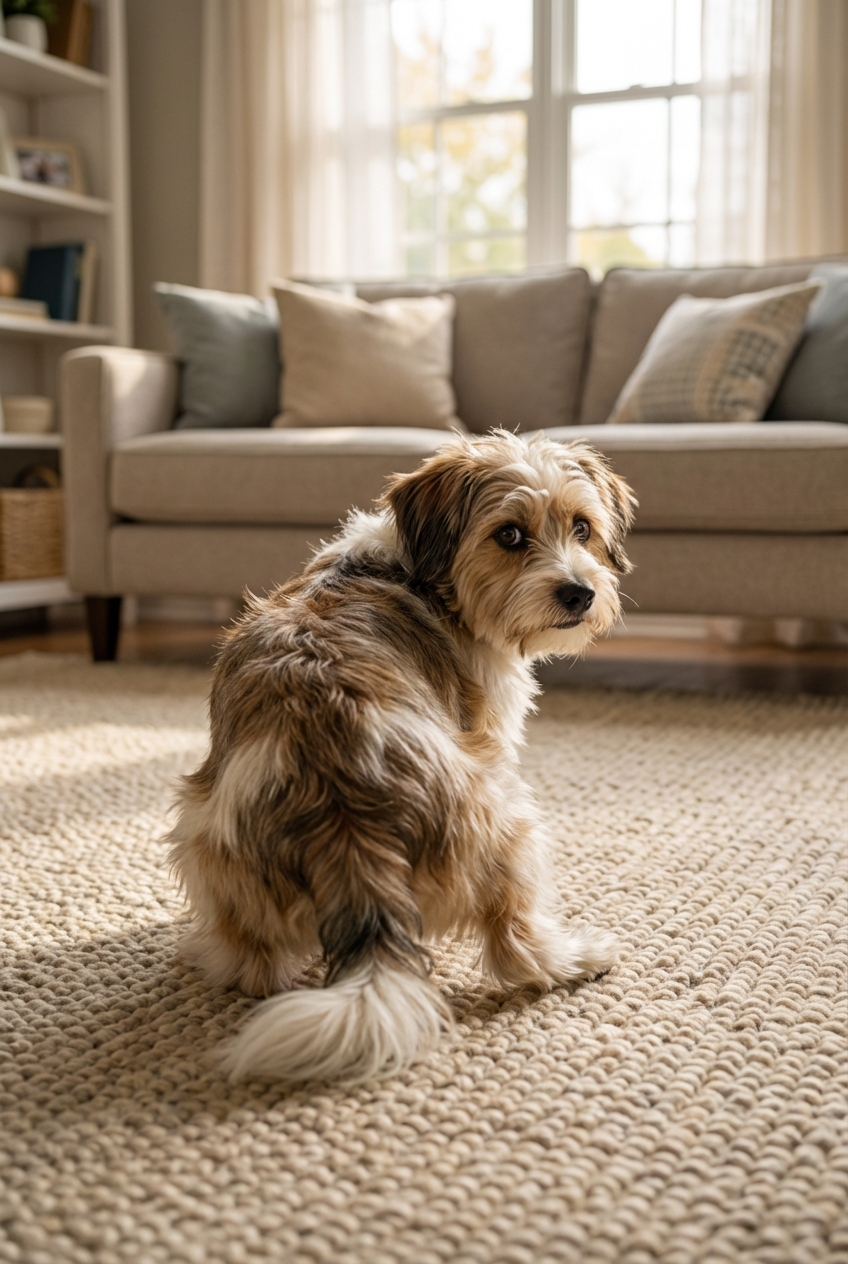
- Frequent scooting
- Licking or chewing at the rear end
- Fishy or metallic smell
- Pain when sitting or defecating
- Swelling beside the anus
- Needing anal gland expression often
Some vets start discussing surgery after multiple painful episodes in a year, especially if your dog needs repeated antibiotics, abscesses, or keeps relapsing shortly after treatment. There is not one universal number. Your vet will weigh frequency, severity, and your dog’s quality of life.
Abscesses or ruptured anal sacs
An abscess can form when an infection builds pressure inside the sac. Sometimes it ruptures through the skin, leaving an open, draining wound. These cases can be intensely painful.
Some dogs heal with flushing, antibiotics, and time. But if abscesses recur or the tissue becomes chronically damaged, removal may be recommended to stop repeat flare-ups.
Tumors or suspicious masses
If there is a mass in or around the anal sac, your vet may recommend removal and biopsy. Anal sac tumors can be serious. Even when a tumor is not confirmed, a suspicious growth may justify surgery so the tissue can be evaluated.
Your veterinarian may also recommend additional testing, such as bloodwork to check calcium levels for hypercalcemia (which can happen with certain anal sac tumors), imaging, or referral to a surgical specialist. If cancer is suspected, staging may include checking nearby lymph nodes and taking chest imaging, since treatment and outlook depend on tumor type and spread.
Chronic pain or scarring
Some dogs develop chronic inflammation and scarring around the anal sacs. If your dog stays uncomfortable despite consistent medical management, surgery can be considered for long-term relief.
If your dog has sudden severe swelling, a draining hole near the anus, fever, lethargy, or seems painful when pooping, that is a same-day call to your vet or an emergency clinic.
What the procedure involves
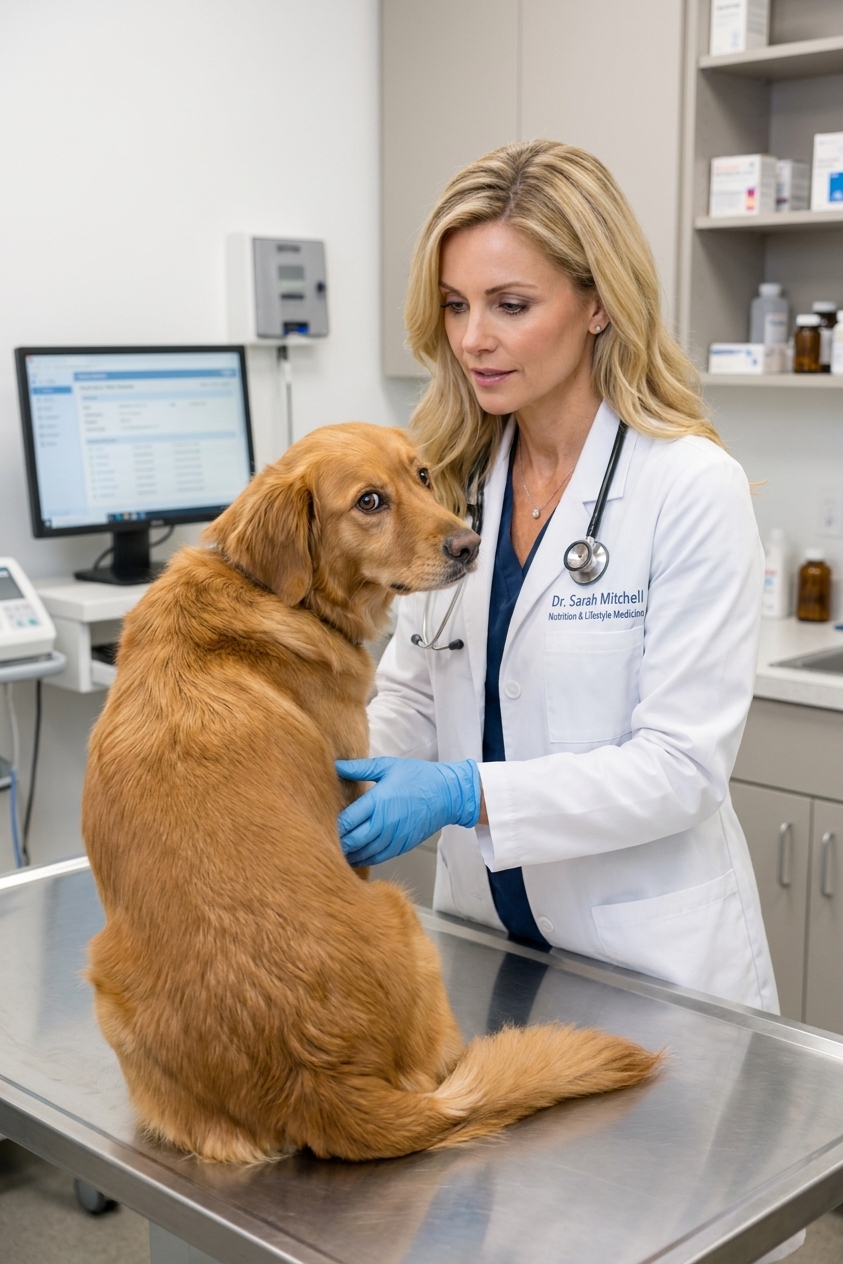
An anal sacculectomy is the surgical removal of one or both anal sacs. It is typically performed under general anesthesia.
Before surgery
Your veterinary team will usually:
- Perform an exam and discuss your dog’s history of impactions or infections
- Run pre-anesthetic bloodwork (especially for older dogs or dogs with other conditions)
- Decide whether one gland or both glands need removal
- Prescribe medications if infection or inflammation is present
In some cases, vets prefer to control infection first and schedule surgery once tissues are calmer. In other cases, the condition is urgent and surgery happens sooner.
During surgery
The surgeon carefully dissects out the anal sac while protecting nearby structures, especially the anal sphincter muscles and nerves that help control bowel movements. Precision matters here because everything is close together.
Depending on the case and the surgeon’s approach, the incision may be closed with sutures, and your dog goes home the same day or after monitoring.
One gland or both?
Sometimes only one gland is removed if the problem is clearly one-sided. In dogs with long-term issues affecting both sides, removing both anal sacs may be recommended. Your vet will explain what makes sense for your dog’s pattern of disease.
Cost
Cost varies widely by location, clinic type, and how complicated the case is. In the U.S., you may see totals in the range of $500 to $2,500+.
Factors that can raise the price include:
- Board-certified surgical referral versus general practice surgery
- One gland versus both glands
- Active infection, abscess, or ruptured tissue requiring more treatment
- Biopsy or lab fees for suspicious tissue
- Pre-op bloodwork, IV fluids, pain control, and follow-up visits
- E-collar, medications, and recheck appointments
If cost is a concern, ask for a written estimate that separates the surgery itself from add-ons like lab work and pathology, so you can see what is driving the total.
Risks and complications
Every surgery has risks related to anesthesia, healing, and infection. Anal sacculectomy has some specific complications that are important to discuss in advance.
Temporary fecal incontinence
The complication most families worry about is fecal incontinence, meaning trouble controlling bowel movements. This can be temporary, especially early in recovery when tissues are swollen or sore.
Many dogs improve as inflammation resolves, but you should be prepared for a period of messier, more urgent bathroom needs while healing.
Permanent fecal incontinence (uncommon, but possible)
Permanent incontinence is generally considered uncommon, but it is a known risk. It can occur if the anal sphincter muscles or nearby nerves are damaged, or if severe disease has already disrupted the area. This is one reason vets may recommend a skilled surgeon, particularly for complicated cases.
Wound infection or poor healing
This area is naturally exposed to bacteria, so infections can happen. Strict aftercare, keeping the area clean, and preventing licking are big deals.
Seroma, swelling, or drainage
Fluid pockets, swelling, or mild drainage can occur after surgery. Your vet will tell you what is normal and what is not.
Discomfort when pooping
Inflammation can make pooping uncomfortable at first. Pain control and, in some cases, stool softening support can help during the healing window.
Stricture (rare)
In rare cases, scar tissue or ongoing inflammation can contribute to narrowing or long-term discomfort. If your dog is straining, crying, or not passing stool, call your vet promptly.
Ask your vet who will perform the surgery and how often they do anal sacculectomies. Experience matters because the anal sphincter and nerves are close to the surgical site.
Recovery
Every dog heals at their own pace, but most recoveries follow a similar rhythm. Your veterinarian’s instructions should always be the final word for your individual dog.
As a general guide, many dogs need about 10 to 14 days of strict rest and cone time, with comfort continuing to improve over the next few weeks.
First 24 to 72 hours
- Expect sleepiness from anesthesia and pain meds.
- Potty breaks might be awkward. Some dogs hesitate to poop because the area is sore.
- Keep activity calm. Short leash walks only.
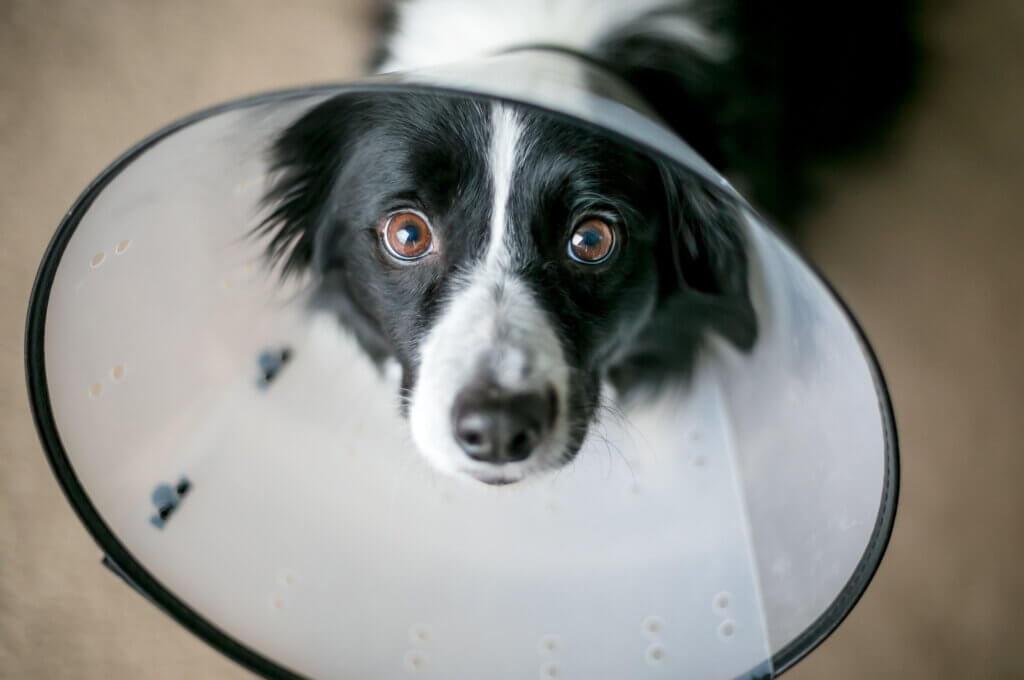
- Use the e-collar if prescribed. Licking can wreck healing fast.
Week 1
- Follow medication instructions carefully, especially pain relief and antibiotics if prescribed.
- Watch for constipation or straining. Your vet may recommend a stool softener or added fiber for a short window.
- Do not give human over-the-counter stool softeners or laxatives unless your vet tells you exactly what to use and how much.
- Check the incision area daily if you can safely do so. Look for excessive redness, swelling, bad odor, or discharge.
Weeks 2 to 4
- Many dogs return to normal energy before the incision is fully healed. Keep activity restrictions until your vet clears them.
- Recheck visits and suture removal, if needed, often happen around the 10 to 14 day mark.
- Bathroom habits typically normalize as swelling goes down.
What to feed during recovery
Your goal is easy, low-drama poops. Your vet may recommend a highly digestible diet short-term, plenty of water, and a plan to avoid constipation or diarrhea. In other words: keep stool comfortably formed, not hard and not loose.
Call your vet promptly if you see significant bleeding, a suddenly opened incision, fever, worsening pain, or your dog cannot pass stool.
Will my dog smell without anal glands?
Many families ask this, and I get it. Those glands are famous for their stink.
If anal gland issues were causing odor, removing the problem glands often means less rear-end smell day to day. But dogs can still have normal dog odors for other reasons, like skin allergies, ear infections, dental disease, or simply needing a bath.
Questions to ask your vet
- Is this a one-time severe event, or a true recurring problem?
- Do you recommend removing one gland or both, and why?
- Is there an underlying cause we should treat, like allergies or chronic soft stools?
- Who will perform the surgery, and how often do they do this procedure?
- What is my dog’s specific risk of incontinence based on their exam?
- What pain control plan will we use after surgery?
- What should the incision look like while healing?
- What is the follow-up schedule and what is included in the estimate?
Can surgery be avoided?
Sometimes, yes. If your dog’s issues are mild or early, your vet may focus on prevention and management, such as:
- Firming up stool so sacs empty more naturally
- Treating food sensitivities or environmental allergies that inflame the area
- Weight management and regular exercise
- Addressing chronic diarrhea promptly
- Vet-guided expression only when truly needed
But when your dog is stuck in a loop of repeated impactions, infections, or abscesses, surgery can be a kind long-term fix.
FAQ
Is anal sacculectomy a major surgery?
It is typically considered a routine soft-tissue procedure for experienced veterinary surgeons, but it is still delicate because it is close to the anal sphincter and important nerves. It requires general anesthesia and careful aftercare.
How long does anal gland removal take?
Surgical time varies by dog size and tissue condition, and by whether one or both glands are removed. Your clinic can give you a more precise estimate for your dog, especially if complications like abscesses are involved.
What are the signs my dog’s anal glands are infected?
Common signs include scooting, licking the rear, pain when sitting, swelling beside the anus, foul odor, and sometimes fever or lethargy. An abscess may look like a painful lump or a draining wound near the anus.
Can a dog live normally without anal glands?
Yes. Anal glands are not essential for a dog to live a happy life. The goal of surgery is to eliminate chronic pain and infection. The main concern is the risk of complications like incontinence, which your vet should discuss with you.
The bottom line
Anal sacculectomy is usually a last-resort option, recommended when a dog has repeated impactions, infections, abscesses, or a tumor concern that makes keeping the anal sacs more harmful than removing them.
If your dog is stuck in that frustrating cycle, it is worth asking your vet if surgery is on the table and whether a referral to an experienced surgeon could reduce risk. My puppy-scout conclusion: fewer emergencies and a more comfortable tail end is a very good goal.